Your search Philippe Roy gave 258 results.

Thrasyllus was an Egyptian of Greek descent grammarian, astrologer and a friend of the Roman emperor Tiberius.

Pater nominos in Sidon, he consecrated a number of sculptures, including a Hecataion.

Centurion of the Legio VII Gemina Antoniana Pia Felix who erected the only known mithraeum at Lucus Augusti to date.

He was cornicularius, supply officer, to the prefect of the Legion XXII Primigenia.

The cenders of Chyndonax were found on an urn with an inscription that reads High Priest of Mithras.

Pater sacrorum and founder of the Mithraeum under the Basilica of S. Lorenzo.

Pater patrorum of equestrian rank, he was a prominent figure in the Mithraic sphere in Rome.

Slave of the imperial family and dispensator who repaired an image of Mithras in Tibur, near Rome.

A freedman of Septimius Severus, he was Pater and priest of the invincible Mithras, as mentioned in a marble inscription found in Rome.

Centurion who dedicated the first known Latin inscription to the invincible Mithras.


Pater Patrum of Ostia, he officiated at the Mitreo Aldobrandini where he is mentioned in a couple of inscriptions.
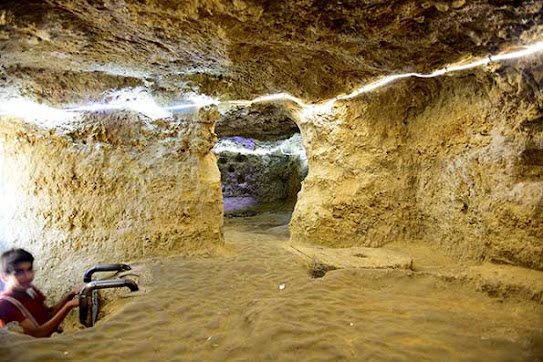
The Niasar Cave, غار نیاسر, was a temple probably devoted to Iranian Mithras that dates back to the early Partian era.

The exploration of an old pazo, a manor house, near the Roman wall, in Lugo, led to the discovery of a Roman domus, which existed continuously from the beginnings of the Christian Era until the Late Empire.
The Mysteries of Mithras is an independent Initiatic Order which is inspired by and uses the allegory of the lost and ancient Mithraic Mysteries also known as Mithraism a previously influential Roman Cult of the same name.

Tracing the links between the cult of Mithras and the Proud Boys’ quest for identity, power, and belonging. How ancient rituals and brotherhood ideals resurface in radical modern movements.

Over the last century or so, a great deal has been said about the god Mithras and his mysteries, which became known to the European world mainly through his Roman cultus during the Imperial Period.
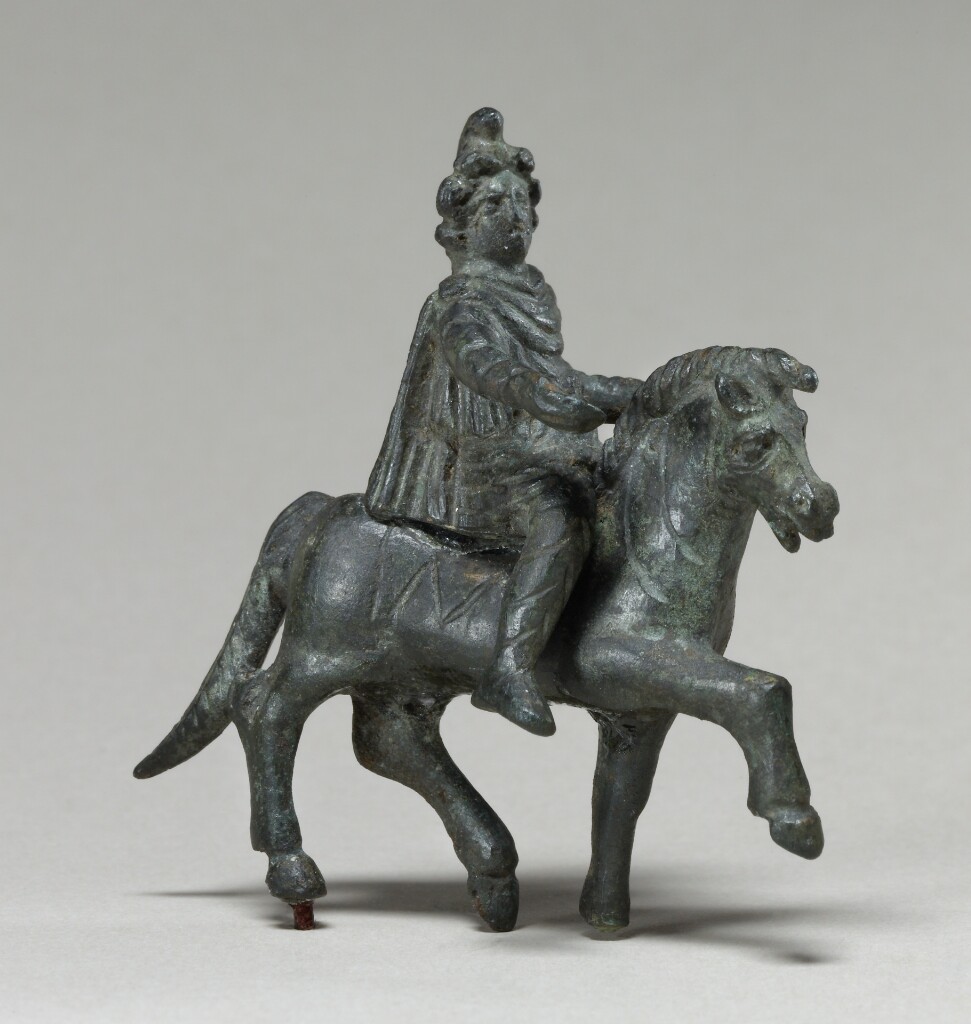
This small bronze statuette of Mithras riding a horse is composed of two pieces.

Translation and Introductory Essay by Robert Lamberton. Station Hill Press Barrytown, New York 1983.
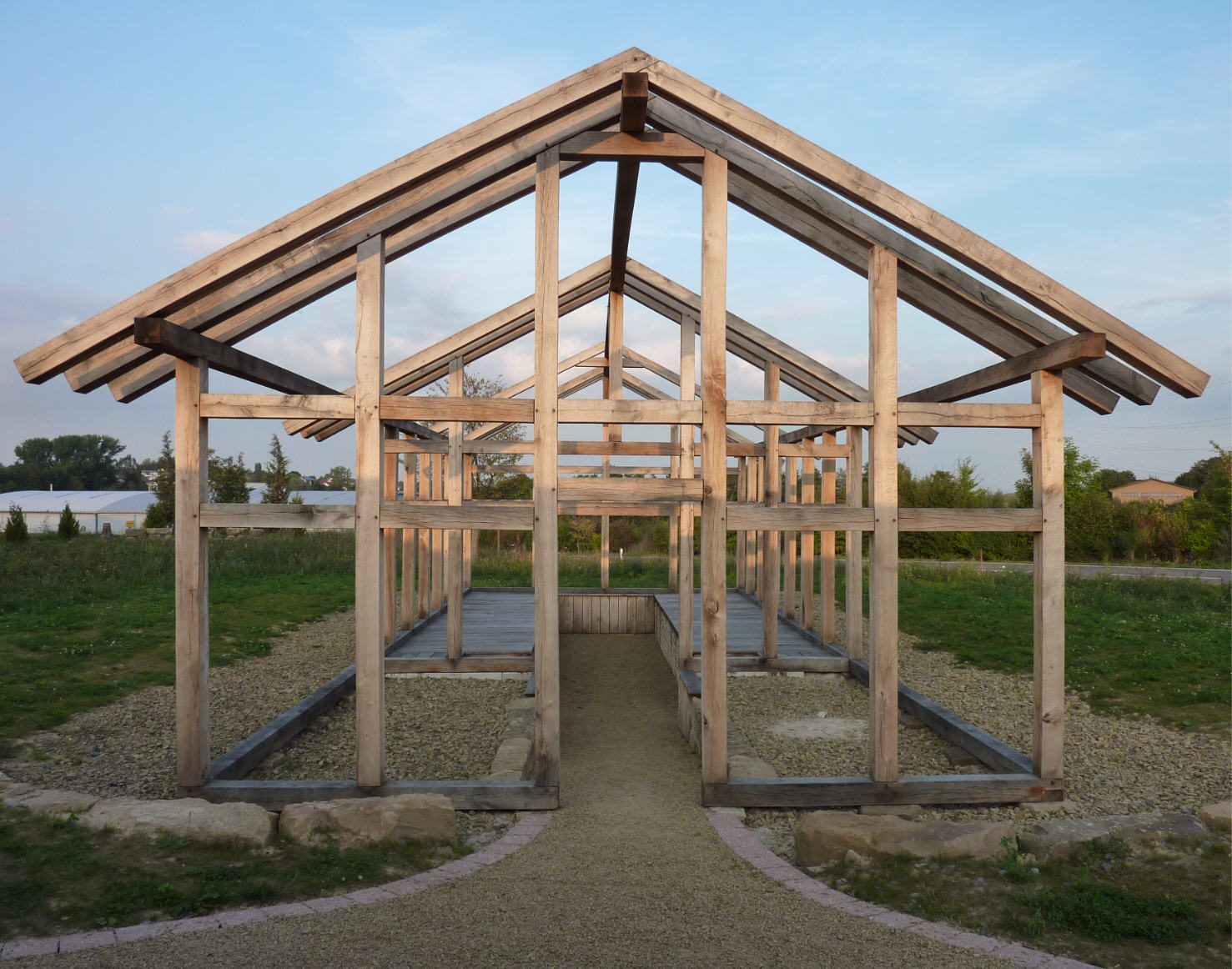
Two Mithras sanctuaries, which were located on the edge of the settlement, were excavated in Güglingen.
