Your search Philippe Roy gave 258 results.
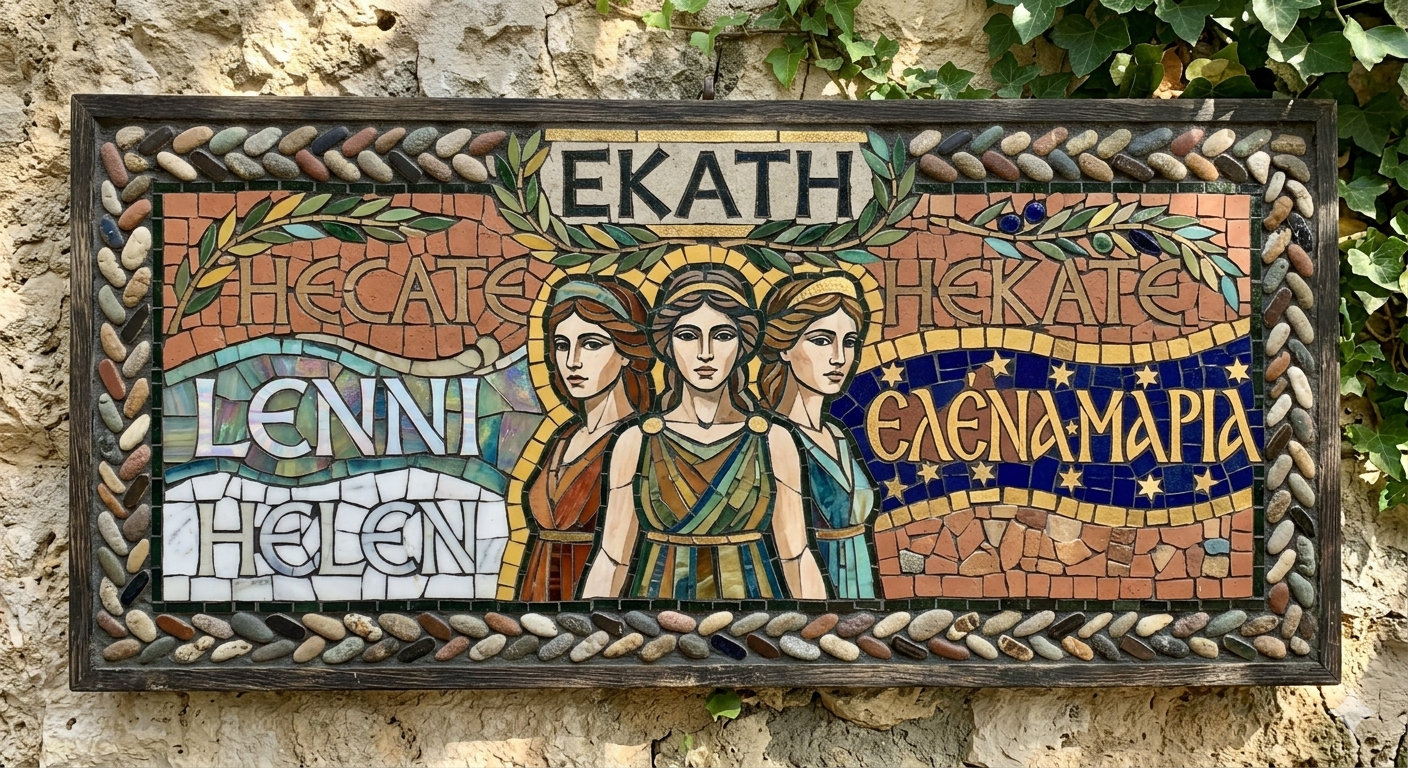
On what Hekate’s name may or may not tell us, and why the uncertainty matters.
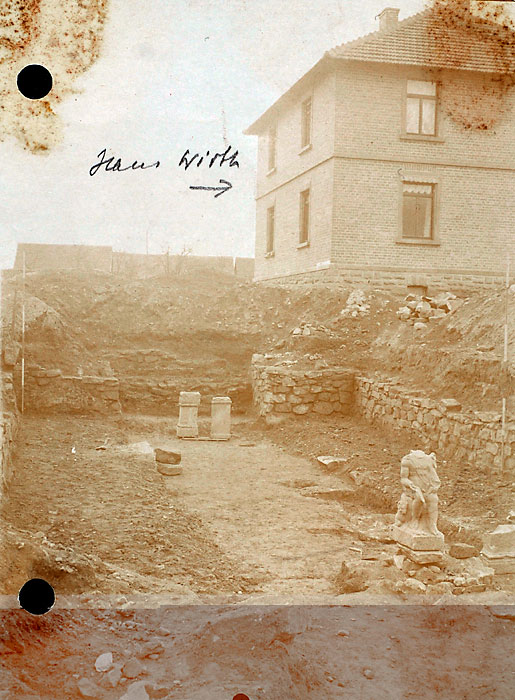
The Mithraeum I in Stockstadt contained images of Mithras but also of Mercury, Hercules, Diana and Epona, among others.

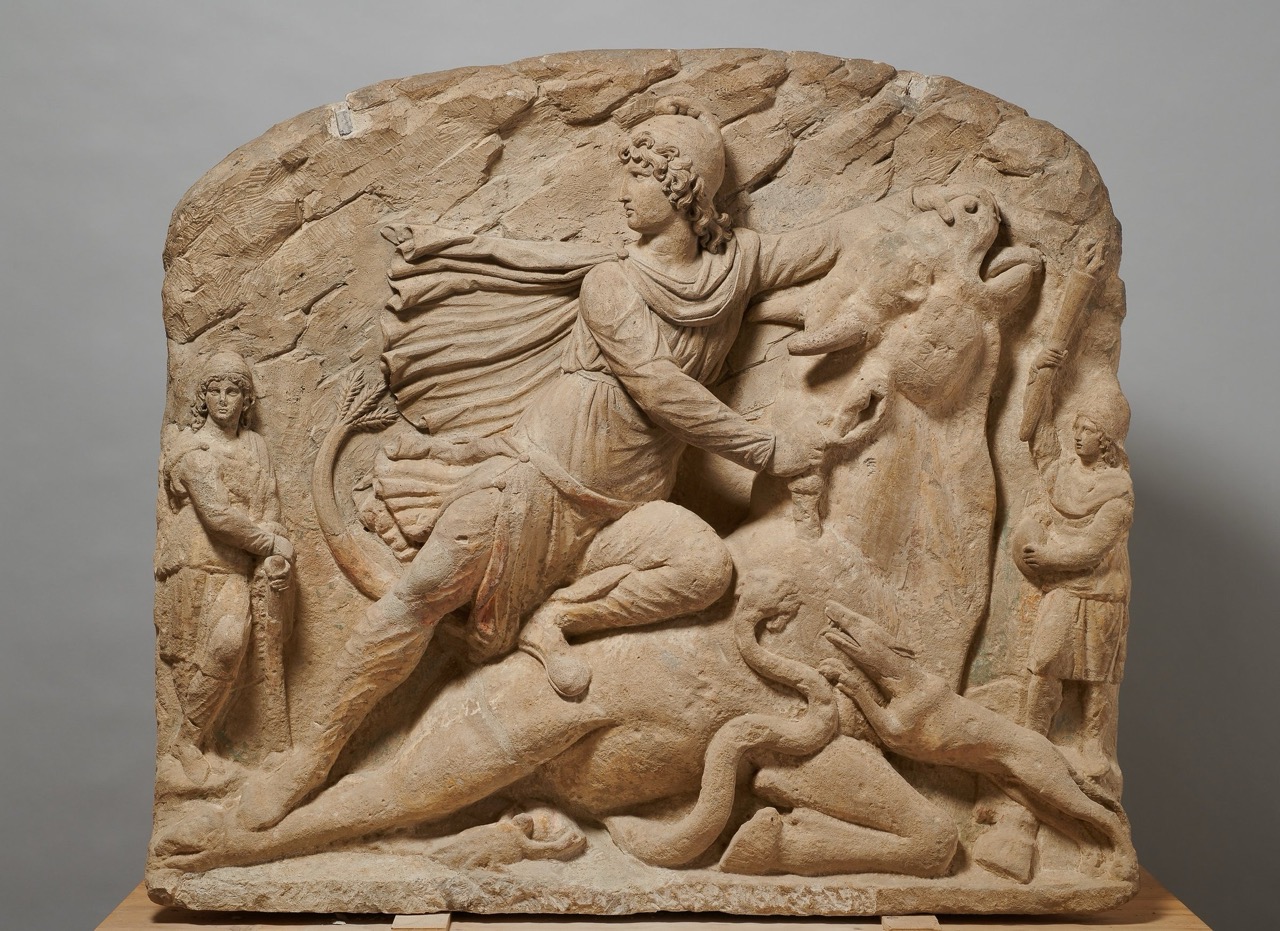
Limestone tauroctony relief from Carnuntum with traces of polychromy and a graffito on the bull’s neck. The inscribed base was carved separately.
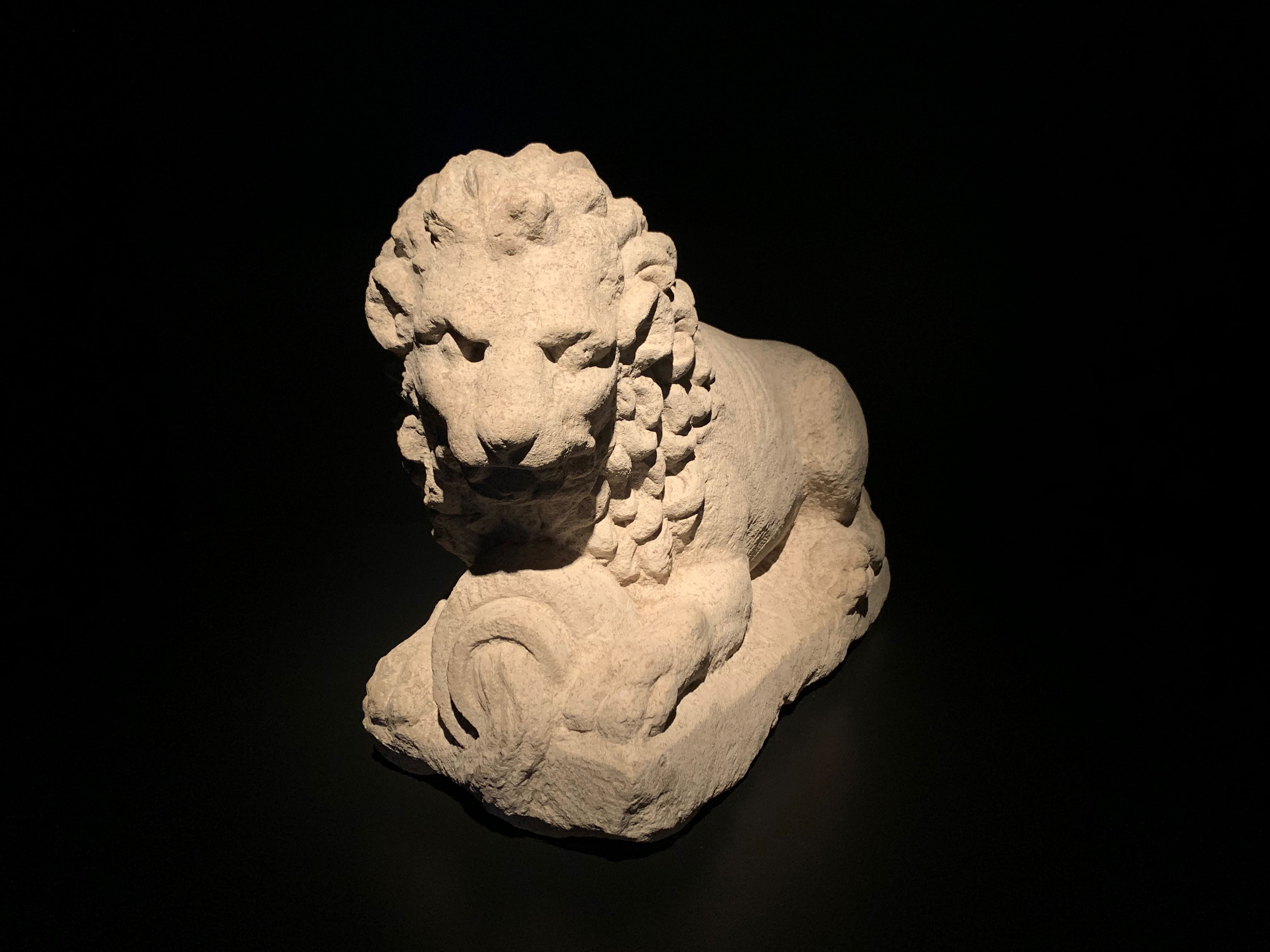
A limestone lion holding a flowing urn, discovered at the entrance of the Mithraeum of Les Bolards, reflects the ritual significance of water within the cult of Mithras.
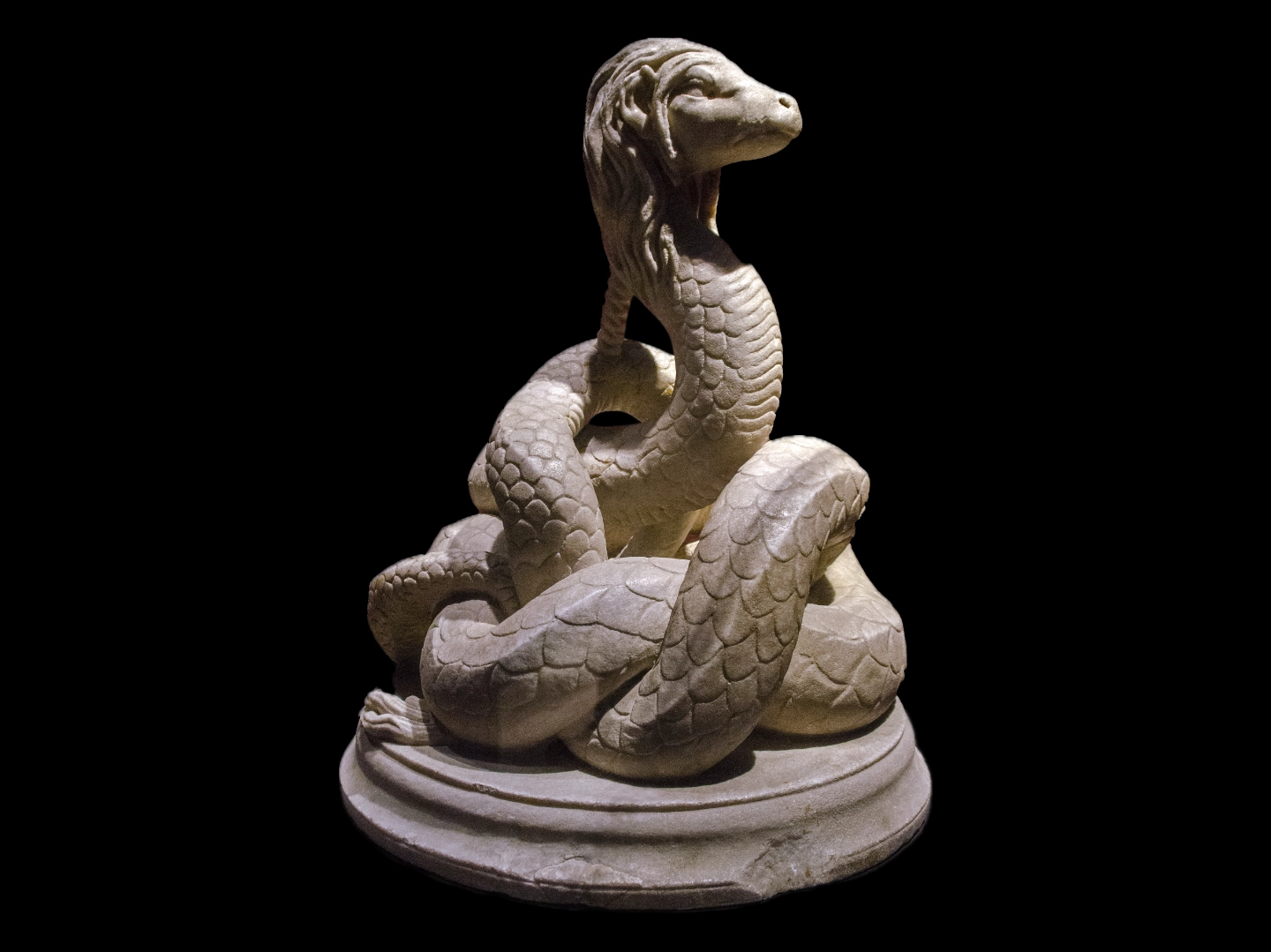
At Rome’s twilight, amid political upheaval and Christian ascendancy, Vettius Agorius Praetextatus embodied pagan intellect, virtue, and authority across senatorial, military, and mystical spheres.
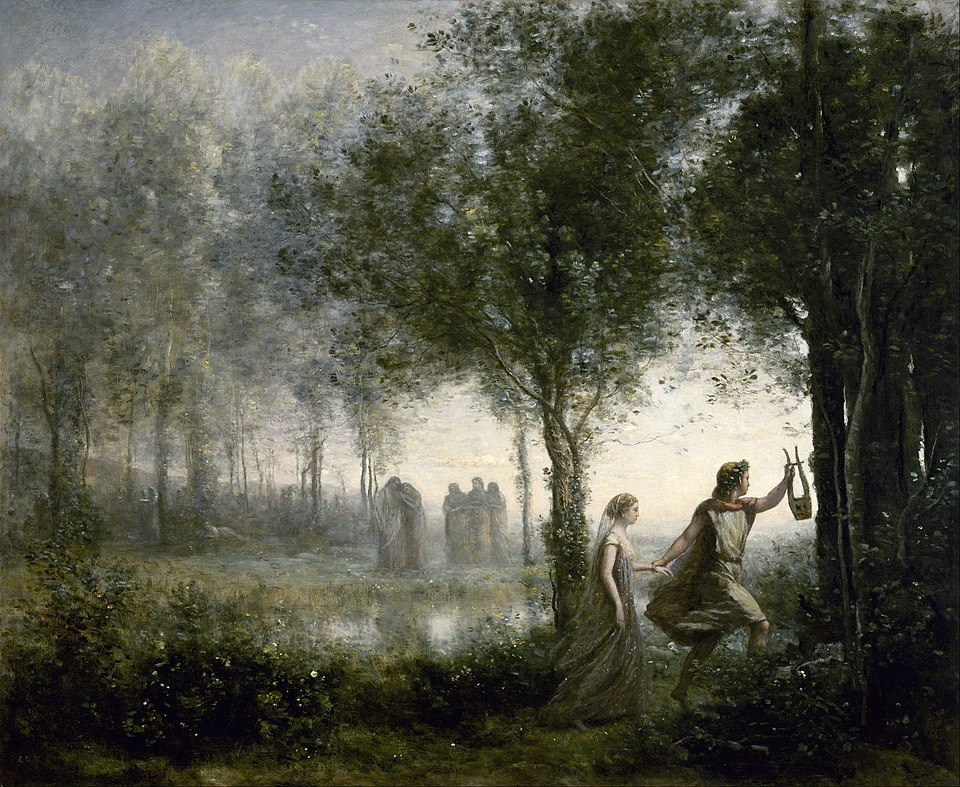
By reading Orphic theology together with Eleusinian ritual practice, the mysteries emerge as a structured mystagogy of transformation: a disciplined passage from forgetfulness (Lethe) to knowledge (aletheia), from mortality to participation in the divine.
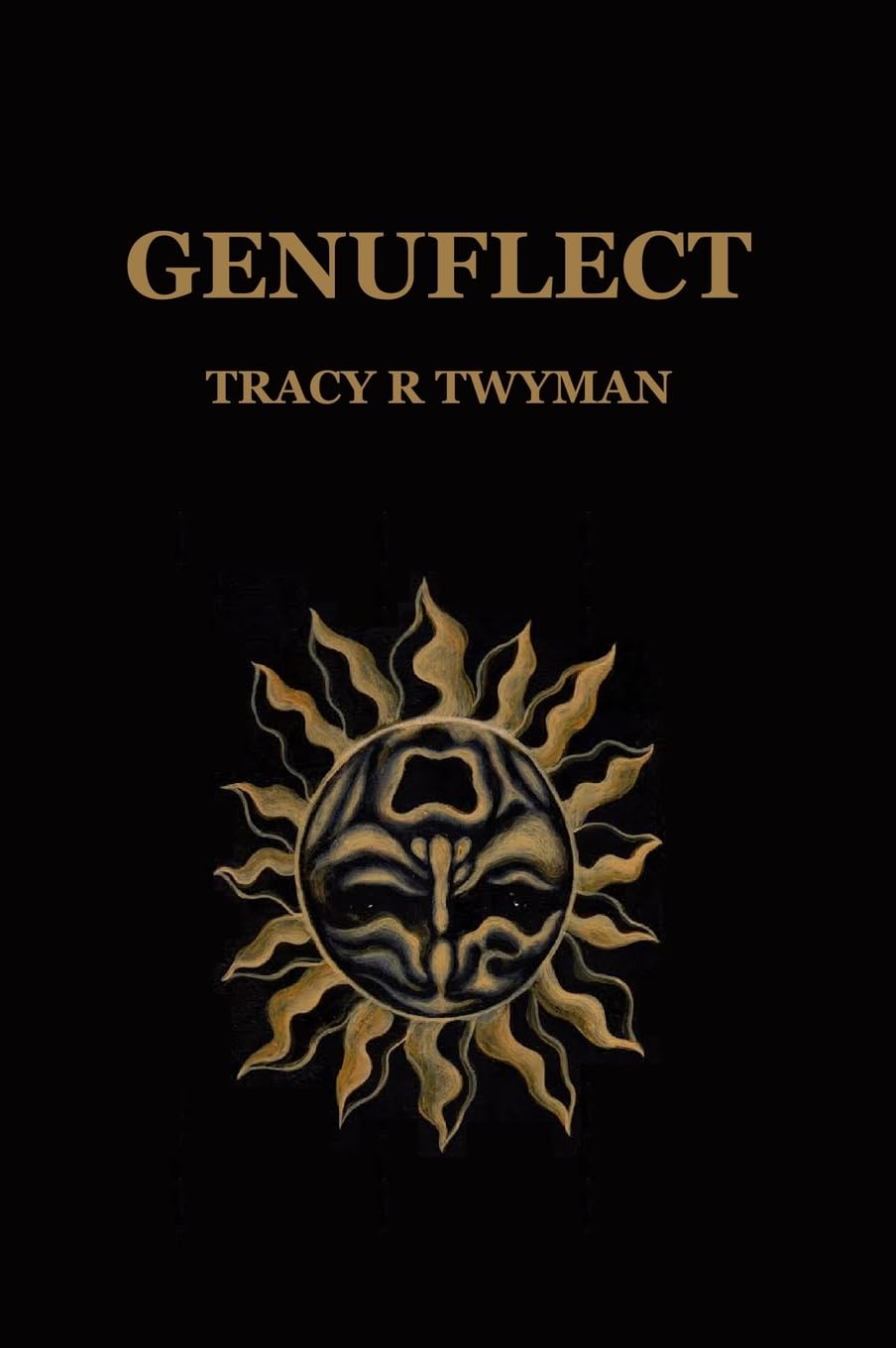
A dark occult novel intertwining Templar mythology, ritual magic, and modern conspiracy, with Mithraic and gnostic motifs woven into its esoteric narrative. It explores the persistence of hidden initiatory currents in the contemporary world.
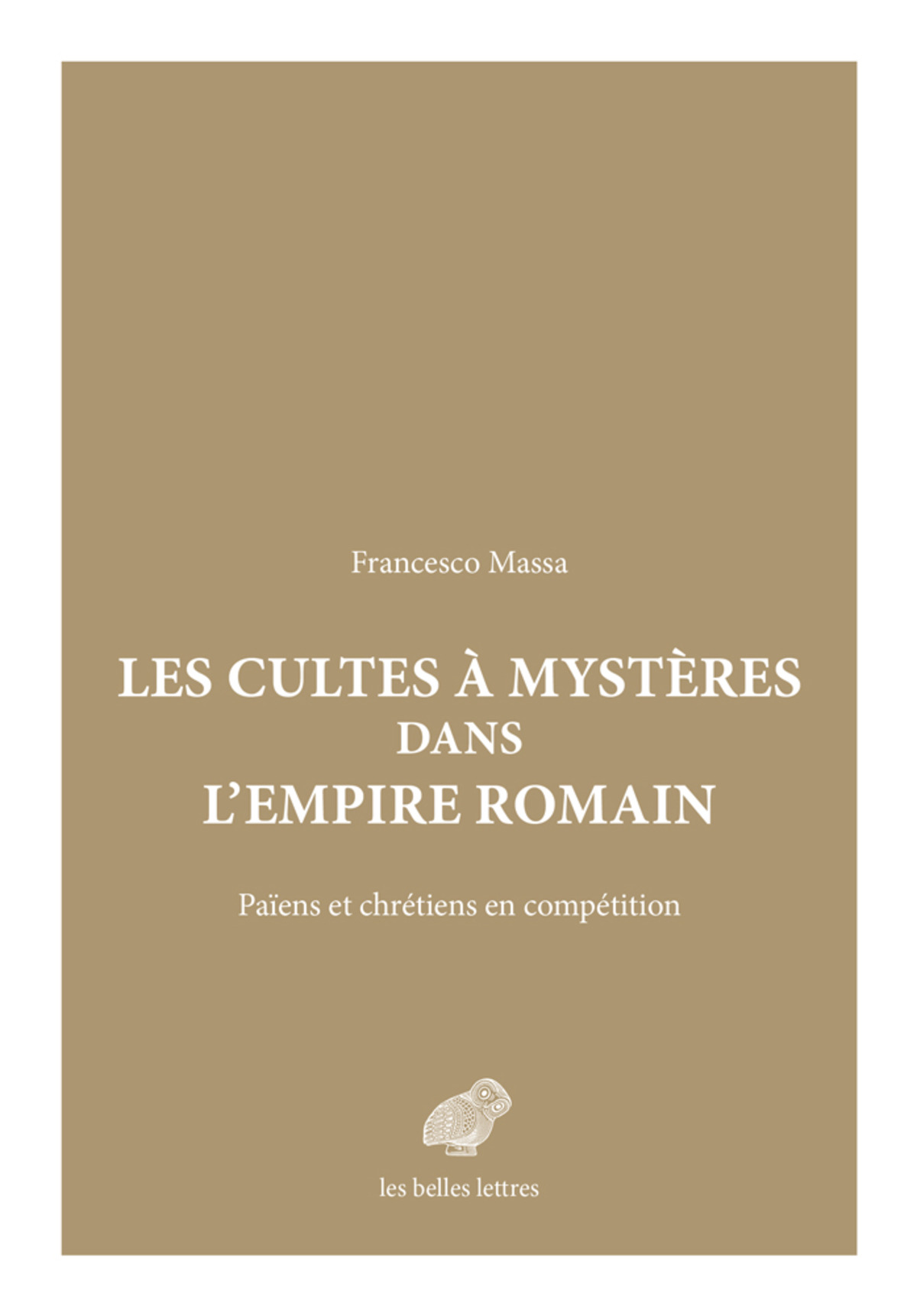
Francesco Massa examines how the concept of mysteria was transformed in the Roman Empire, as Christian authors from the mid-second century CE adopted the language of mysteries to articulate their own rituals and beliefs, reshaping understandings of both Christian and traditional cults…
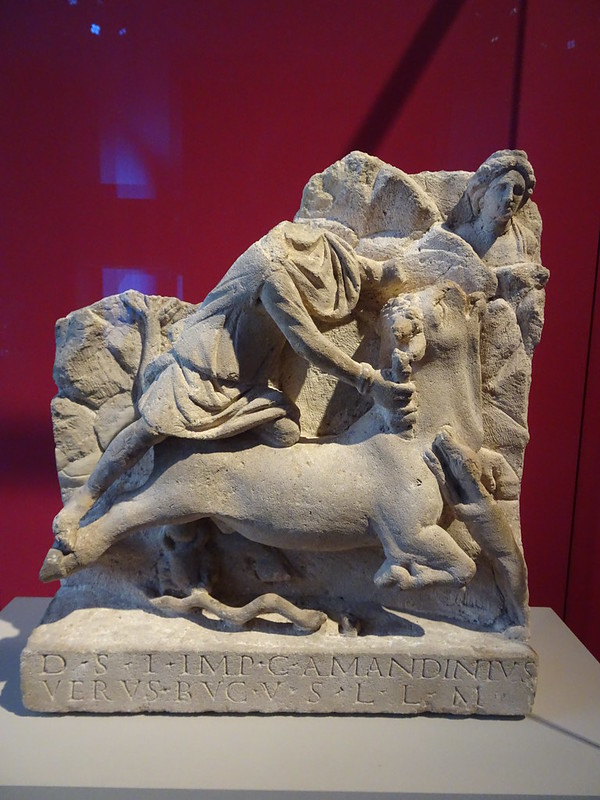
The sculpture of Mithras slaying the bull found in Dormagen is exposed at Bonn Landesmuseum.
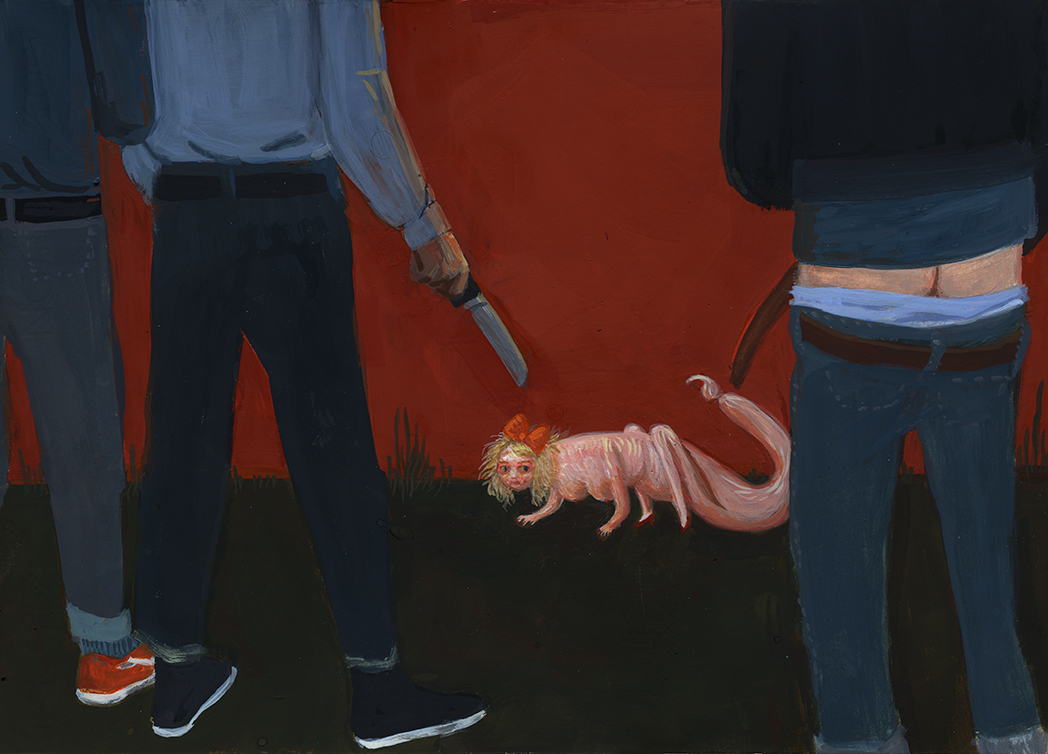
In Letter 107 to Laeta, Jerome combines a pastoral reflection on conversion with an account of the urban prefect Gracchus, who ordered the destruction of a Mithraic cave in Rome, listing the seven grades of initiation associated with the cult.
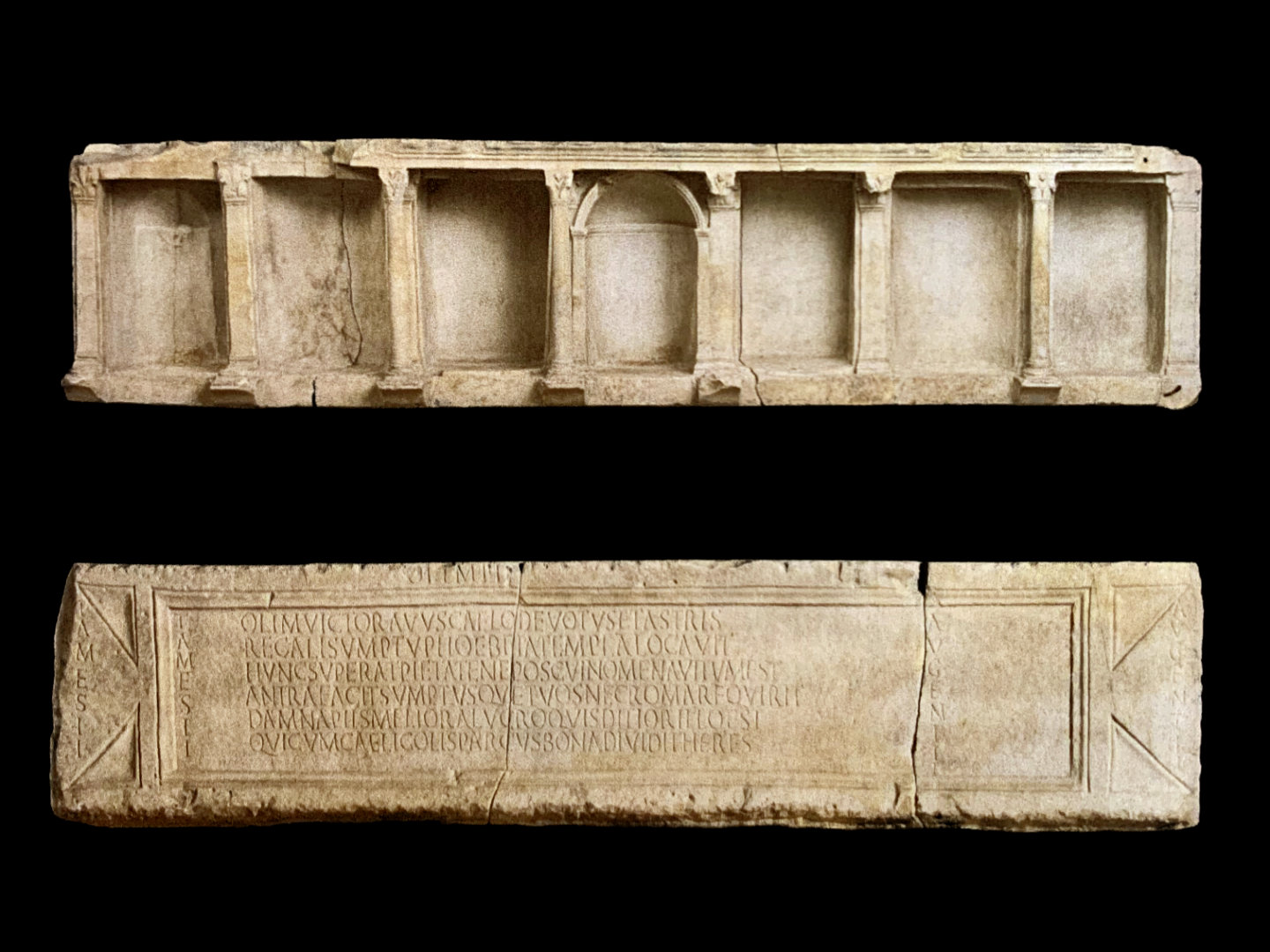
This monument is the only one still available from the disappeared Mithraeum in Piazza S. Silvestro in Capite.

Kerivel explore voie mystique des Alévis que, selon lui, trouve son origine dans la très ancienne religiosité des peuples iraniens et sur les structures et les rituels du culte de Mithra.

Le présent volume les réunit en les assortissant de deux contributions inédites sur l’échelle mithriaque et sur le dieu au serpent des stèles danubiennes.

Tercera entrega de la trilogía de Jaime Alvar dedicada al estudio de los cultos a dioses procedentes de Oriente en la Península Ibérica.

This catalogue proposes, thanks to the contributions of some 75 international experts, a new synthesis for a complex and fascinating cult that reflects the remarkable advances in our knowledge in recent decades.


