Your search Podersdorf am See gave 2325 results.
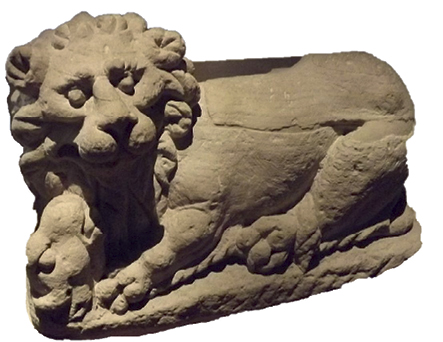
Exceptional sculpture of a lion devouring a bull’s head founded in 1894 in Carnuntum, Pannonia.
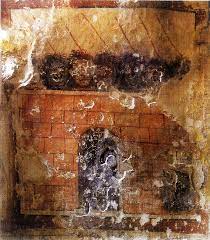
The City of Darkness unique fresco from the Mithraeum of Hawarte shows the tightest links between the western and eastern worship of Mithras in Roman Syria.

This altar for the completion of a temple to Sol Invictus by Flavius Lucilianus was found in Fossa, Italy.
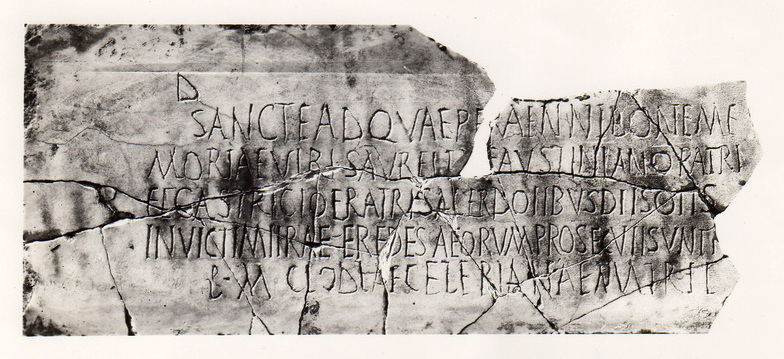
This inscription was commissioned by a family of priests of the invincible god Mithras.
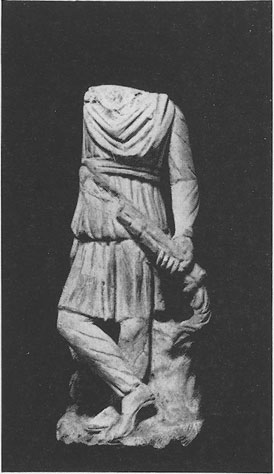
White marble statue of Cautopates with crossed legs, accompanied by an owl beside a tree trunk.


This bronze arm, with stars and a swastika, was once thought to be part of a Mithras statuette but has since been dismissed as unrelated to the Mithras cult.
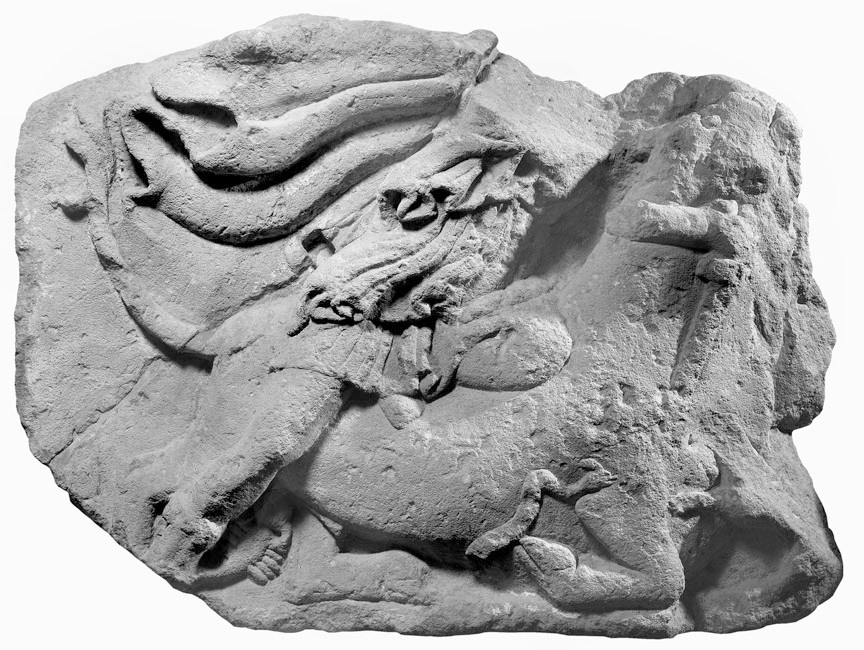
Sandstone relief of Mithras killing the bull, broken in two parts and partly restored, with dog, serpent and scorpion preserved; formerly in Vienna, now on loan to the Museum Carnuntinum.
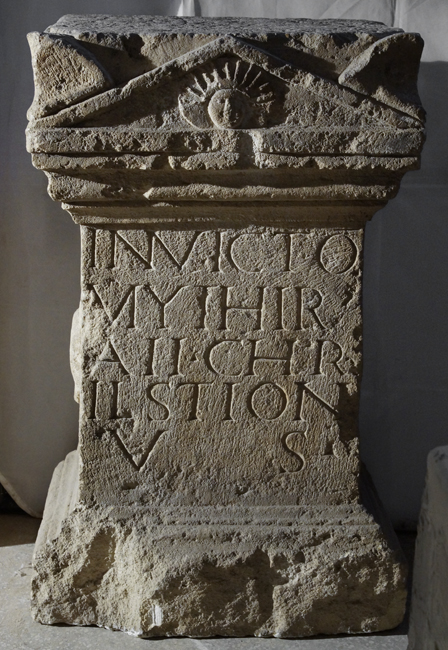
In 1852, Károly Pap, a naval captain, unearthed several Mithraic monuments in his garden at Marospartos, including this altar.
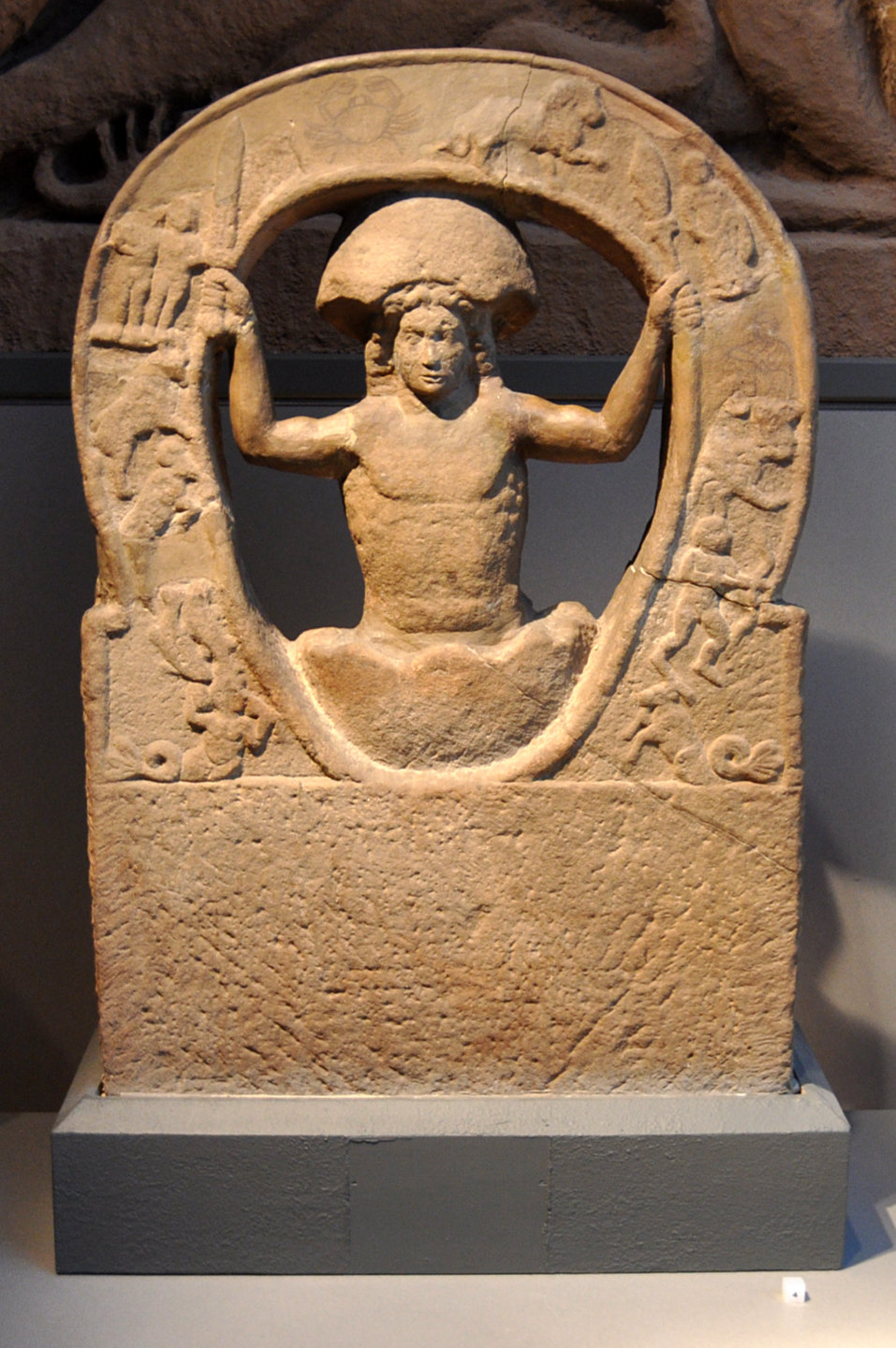
A naked Mithra emerges from the cosmic egg surrounded by the zodiac, as always carrying a torch and a dagger.

The importance of the Mithraeum of Marino lies in its frescoes, the most significant of which is that of Mithras slaying the bull, surrounded by mythological scenes.

Fresco of Mithras found in an arched niche above the right bench of the Baths of Caracalla’s Mithraeum in Rome.

This remarkable marble relief from the end of the 3rd century was discovered in the most remote room of the Mithraeum in the Circo Massimo.

Around the relief with Mithras as a bullkiller, a number of scenes from the Mithras Iegend have been painted in the Mithraeum of Dura Europos.
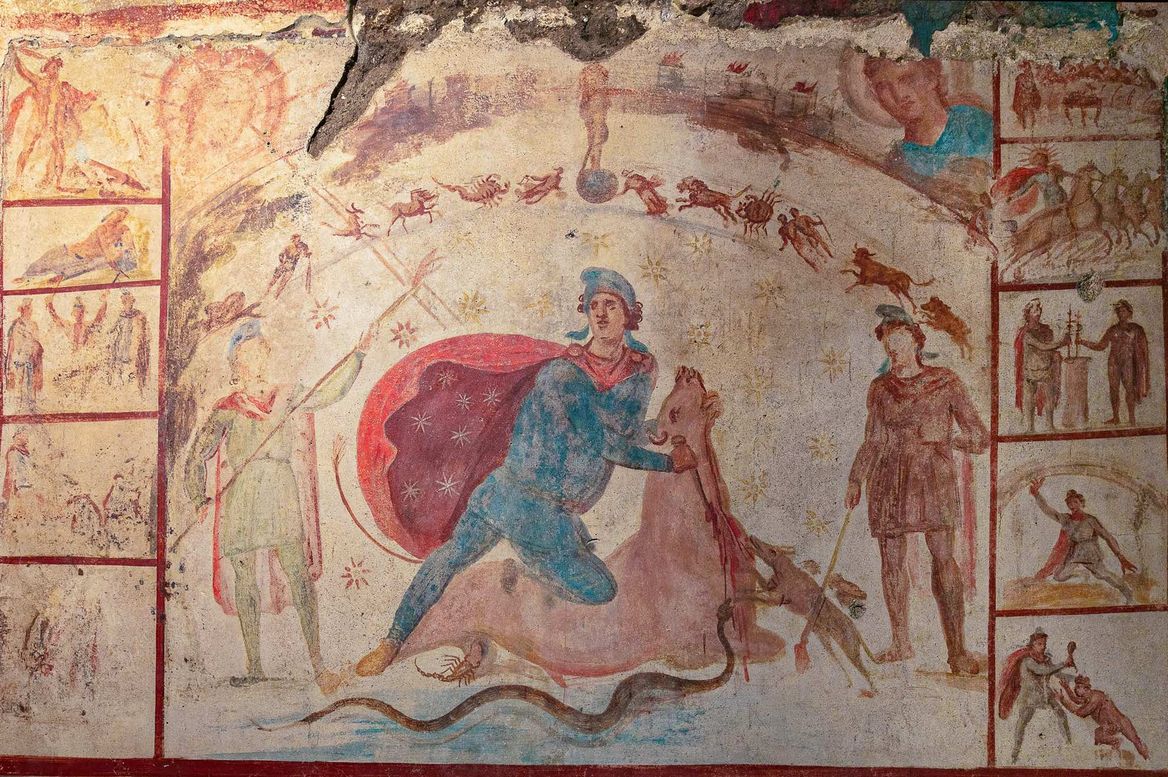
The votive fresco from the Mithraeum Barberini displays several scenes from Mithras’s myth.
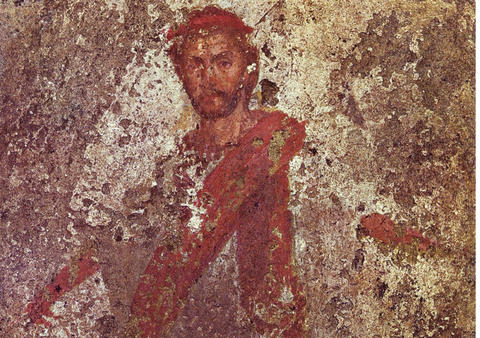
Figures in procession, each representing a different grade of Mithraic initiation, labeled with their respective titles.
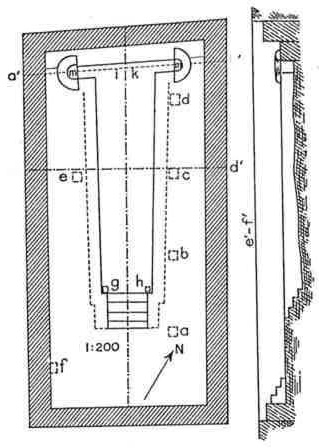
Mithraeum discovered in 1887–1888, located about 85 m north of the castellum at Ober-Florstadt, built on a hillside with a central aisle, benches, and an altar podium.
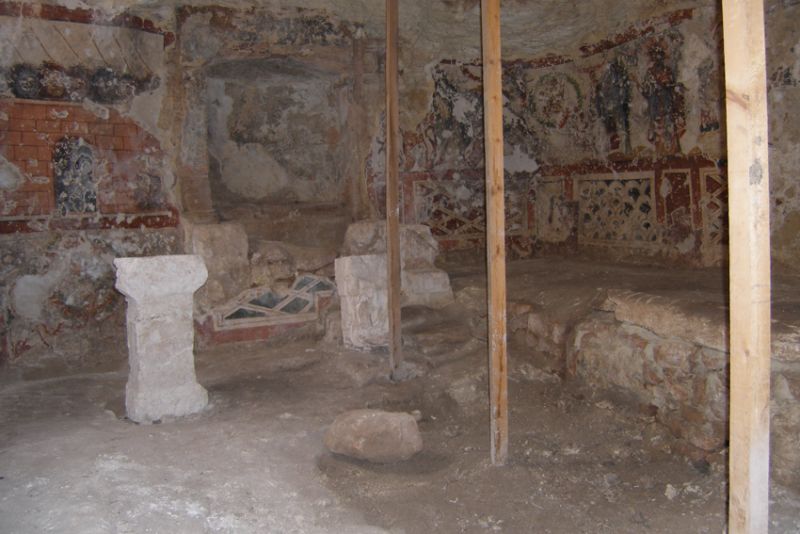
The Mithraeum of Hauarte or Hawarte, which preserves colourful frescoes, it’s the latest know and used.
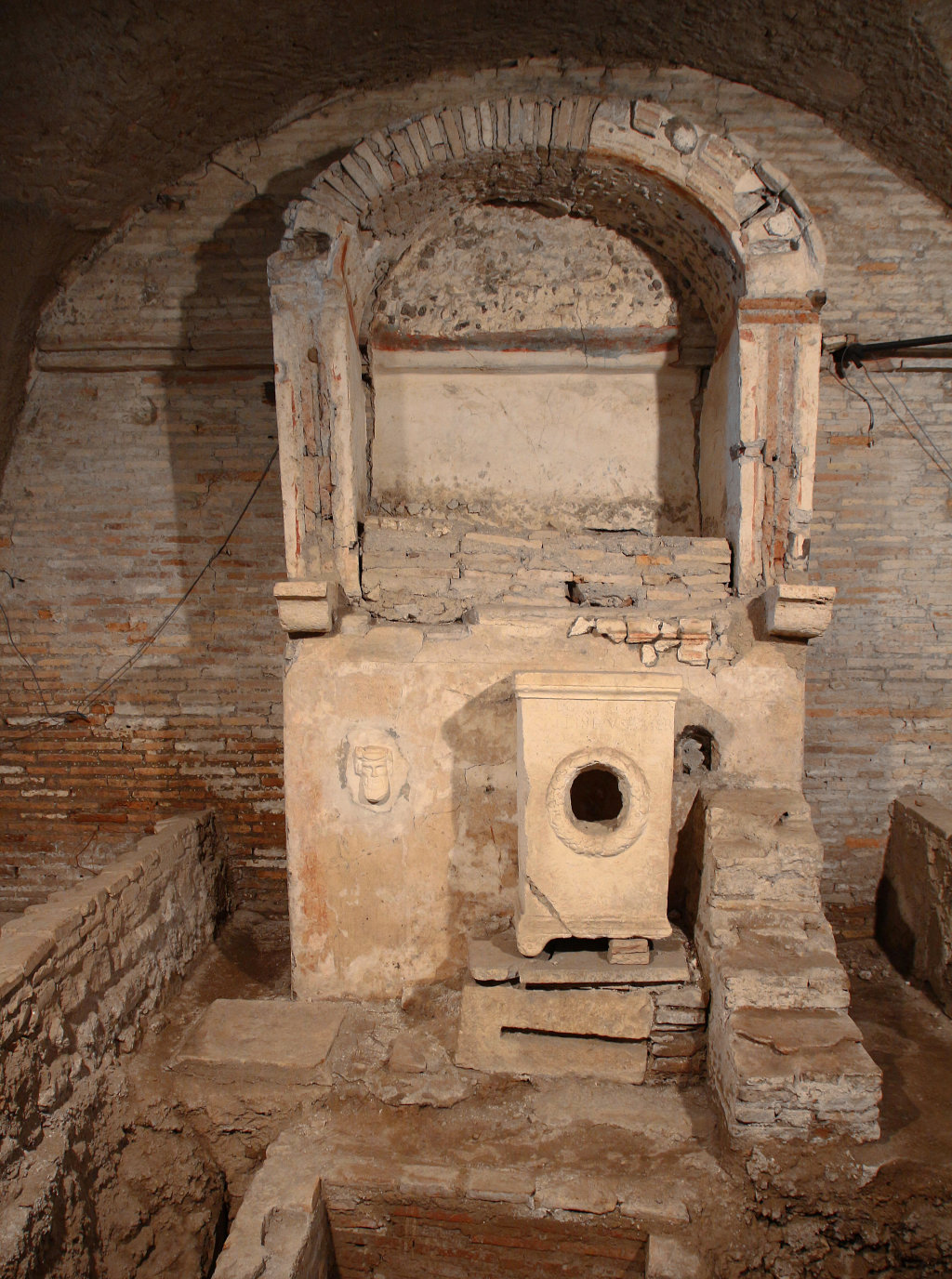
This altar was originally consecrated to Hercules and was rededicated to Mithras by Callinicus in the Mithraeum of the House of Diana.
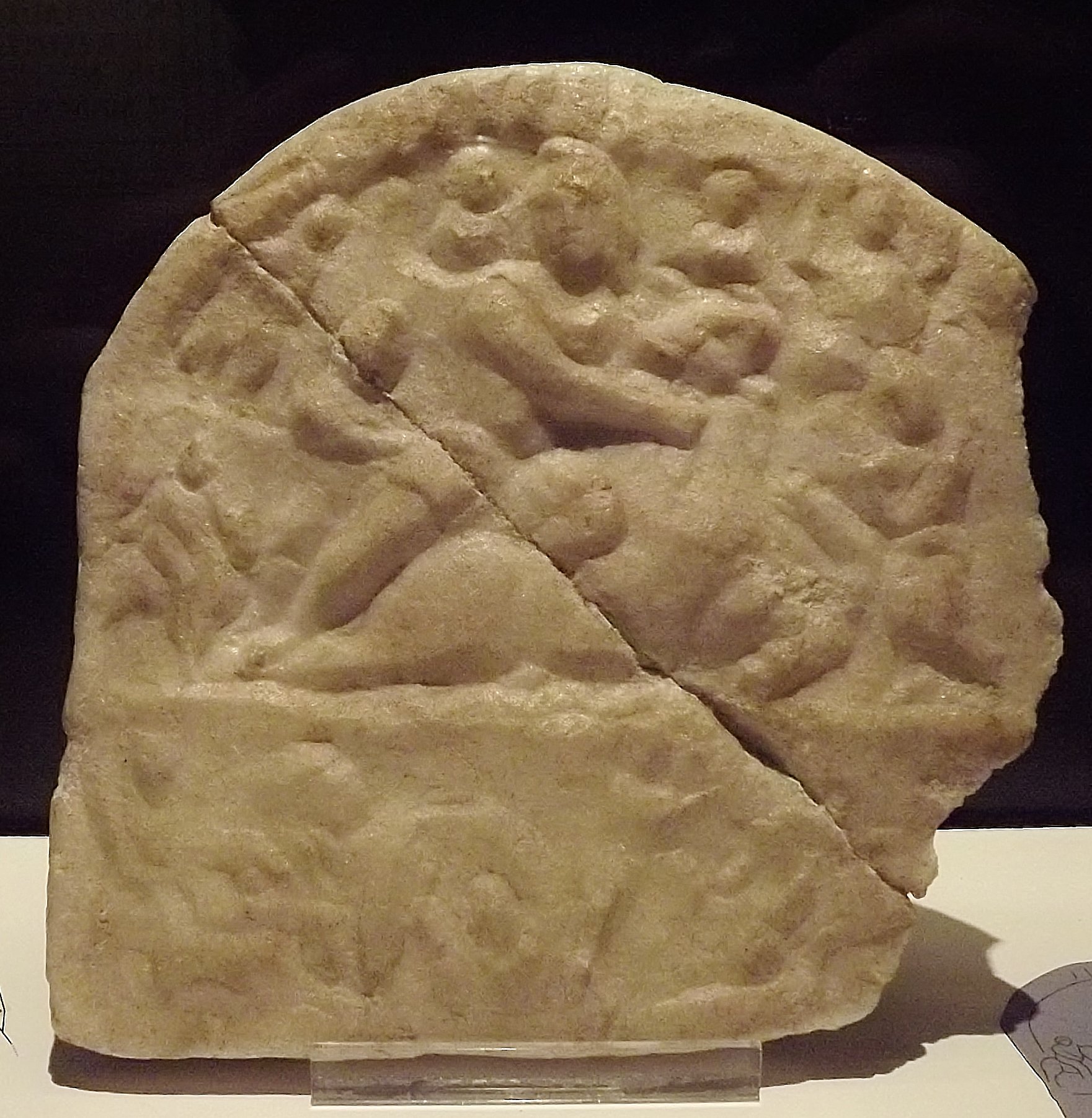
This small white marble relief of Mithras as a bullkiller was found in the Botanical Gardens of Vienna in 1950.
