Your search Podersdorf am See gave 2325 results.
Lenni George on Hekate’s development across ancient traditions, from mystery cults to magical practice and philosophical thought.
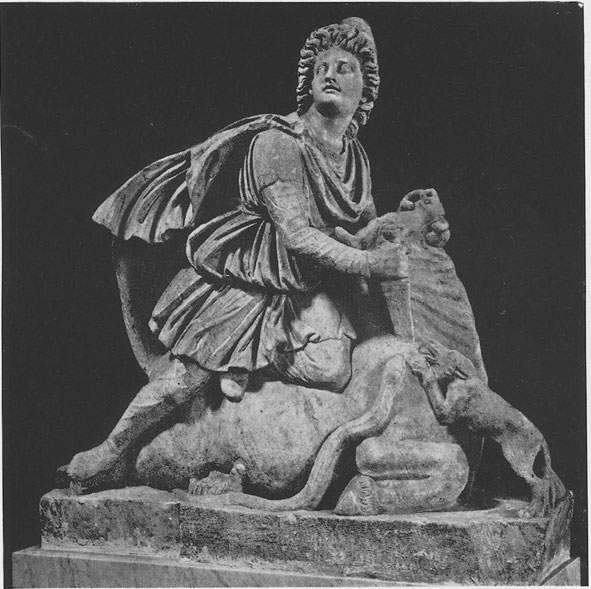
White marble statue found near the Scala Santa in Rome depicting Mithras as bull-slayer, accompanied by the dog, serpent and scorpion, with the bull’s tail ending in ears of grain.
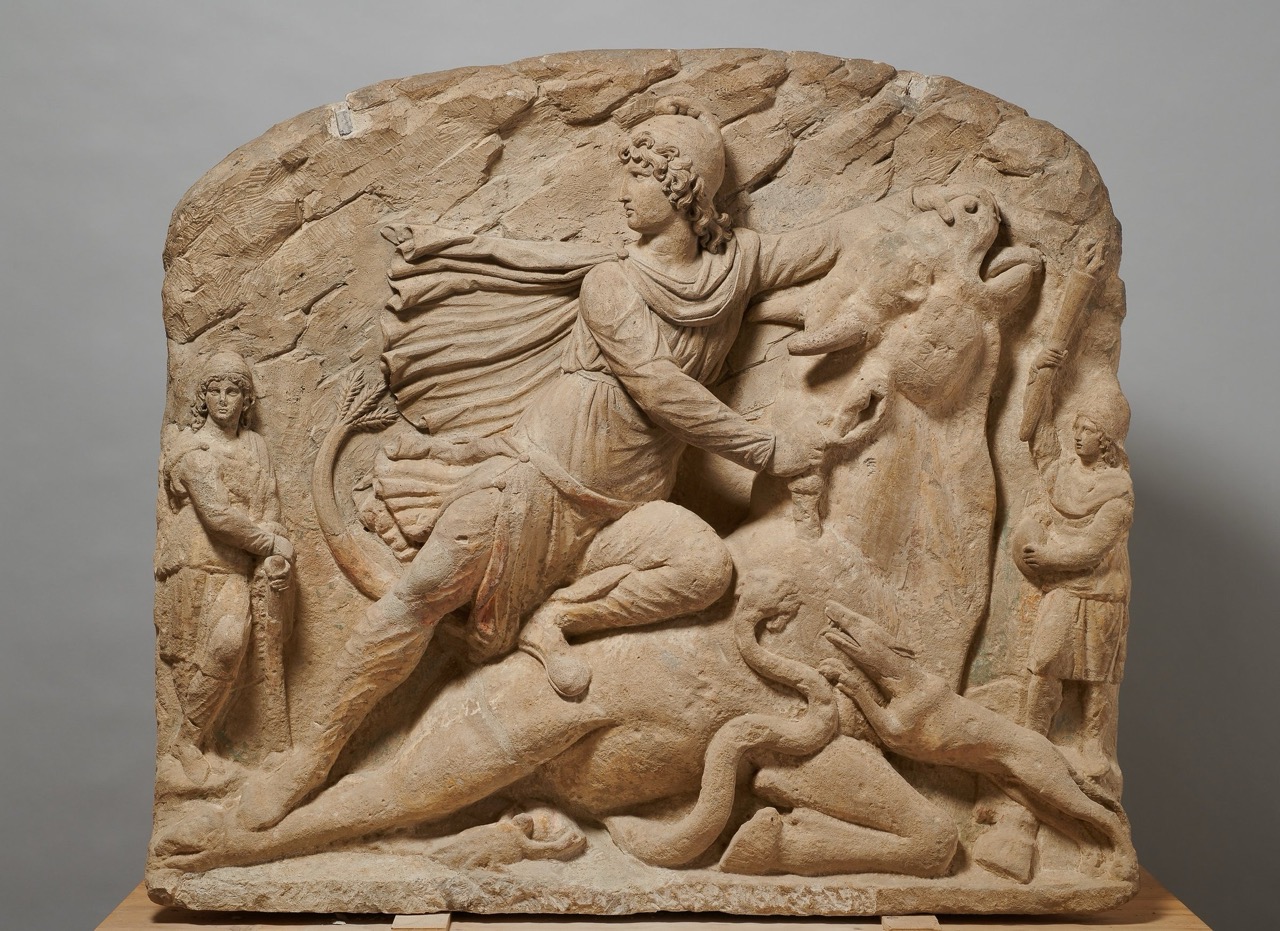
Limestone tauroctony relief from Carnuntum with traces of polychromy and a graffito on the bull’s neck. The inscribed base was carved separately.
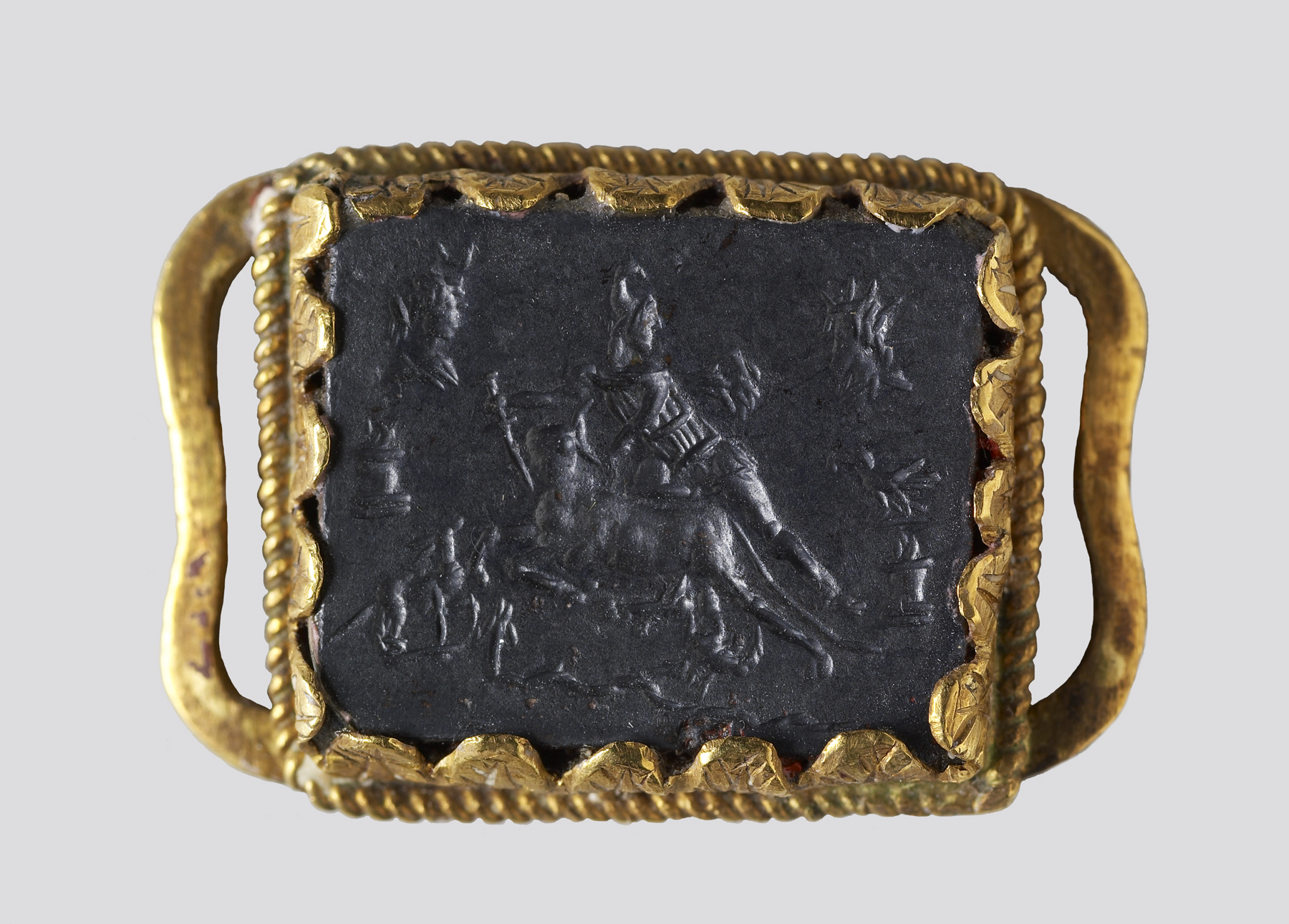
This unusual piece depicts Mithras slaying the bull on one side and the Gnostic god Abraxas on the other.

The Mithraeum of Stix-Neusiedl was discovered in the summer of 1816. Although the structure of the sanctuary is unknown, several associated monuments are preserved today in Vienna.
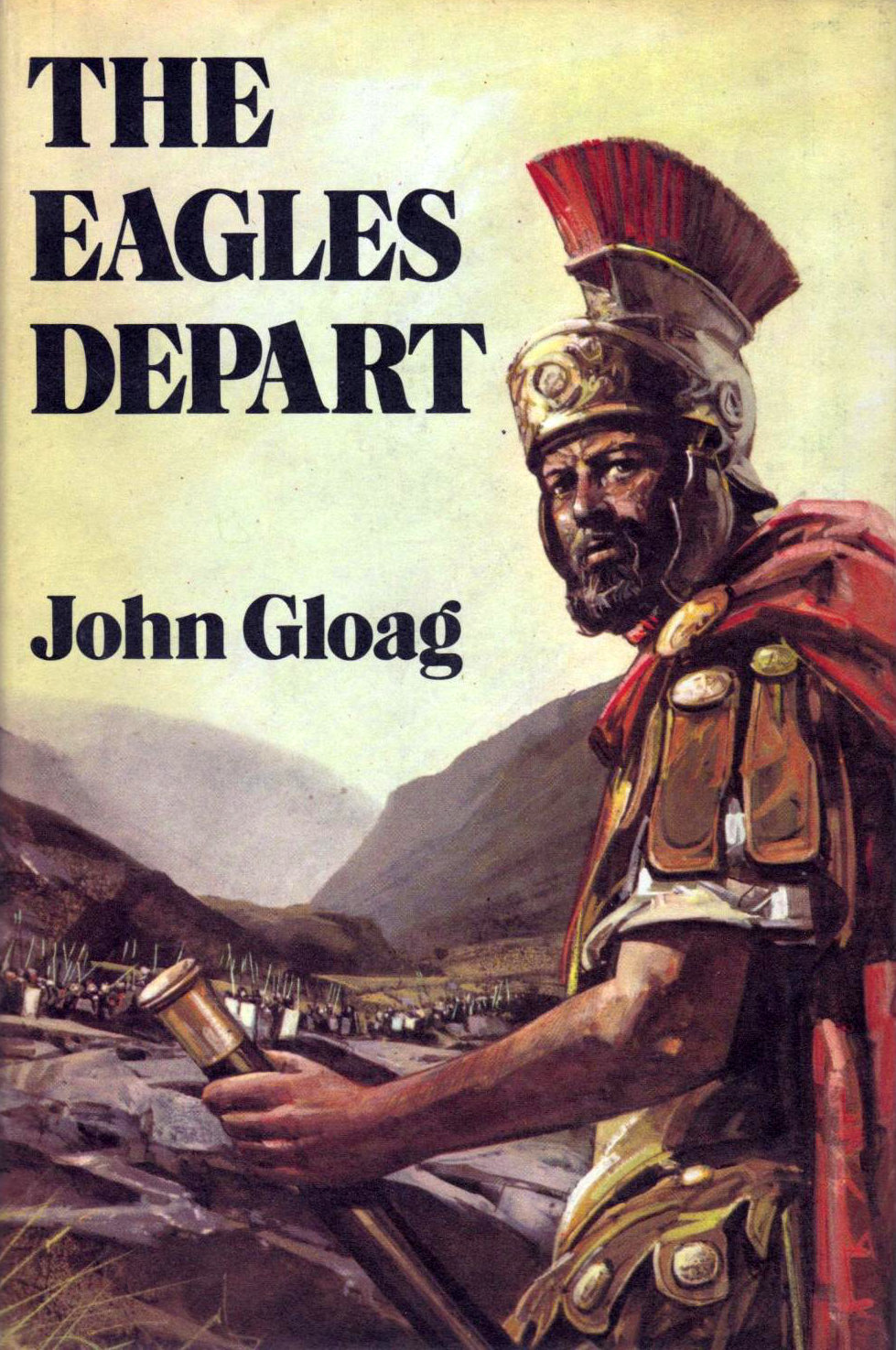
A historical novel framed as the memoir of a Brittano-Roman soldier witnessing the end of Roman Britain. It explores identity, loyalty, and survival at the twilight of empire.

The Mithraeum of London, also known as the Walbrook Mithraeum, was contextualised and relocated to its original site in 2016.

Moeller interprets the square as a Mithraic construction encoding cosmological, numerical, and theological structures of Roman mystery religion, rather than an early Christian cryptogram.
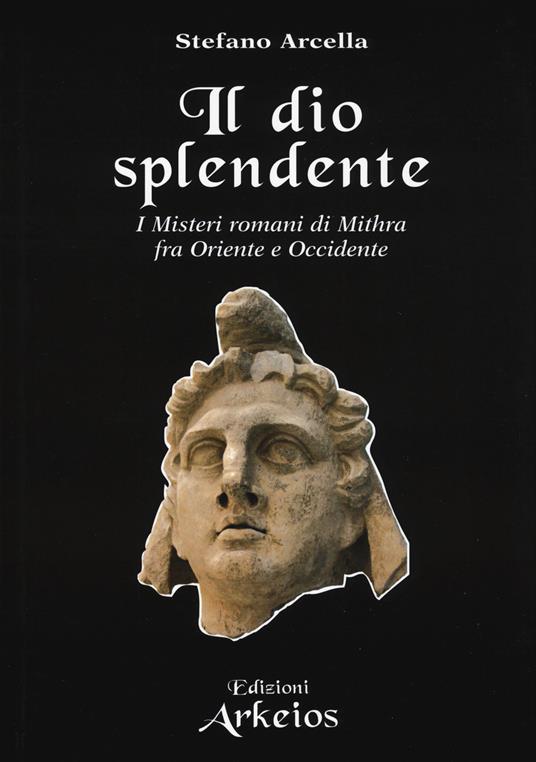
A study that re-examines Roman Mithraism through epigraphic evidence and comparative analysis, exploring its links with Orphism, Platonism, and Iranian traditions, and presenting the cult of Mithras as a solar path of individual spiritual awakening between East and West…

Memoir by Félix Lajard analysing a Mithraic bas-relief discovered in Vienne in 1830. Based on direct examination of the fragments and their context, the study corrects an earlier misidentification and documents a rare lion-headed figure within a probable mithraeum…
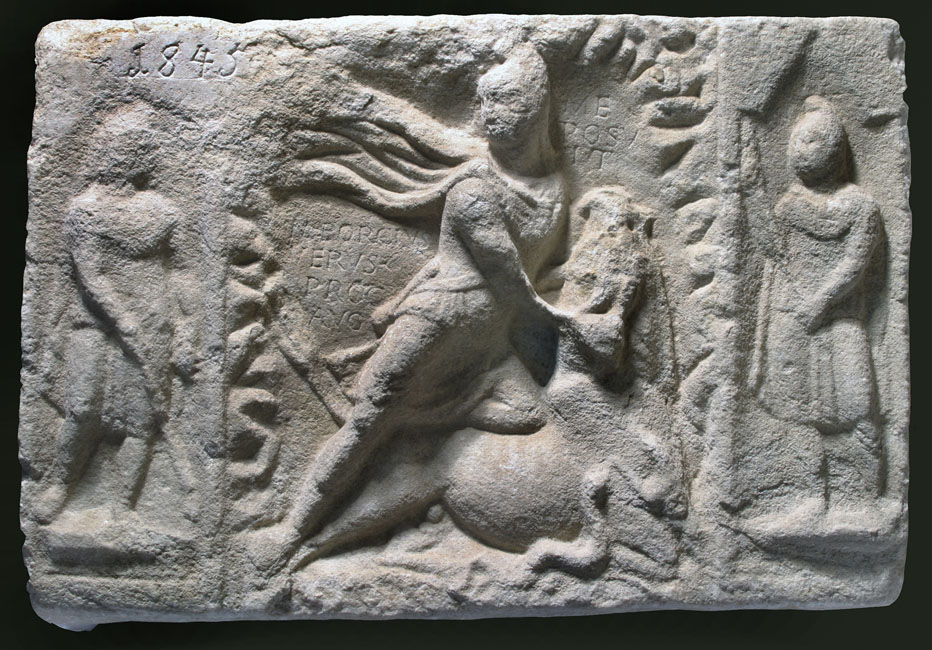
This relief of Mithras tauroctonus and other finds were discovered in 1845 in Ruše, where a Mithraeum probably existed.
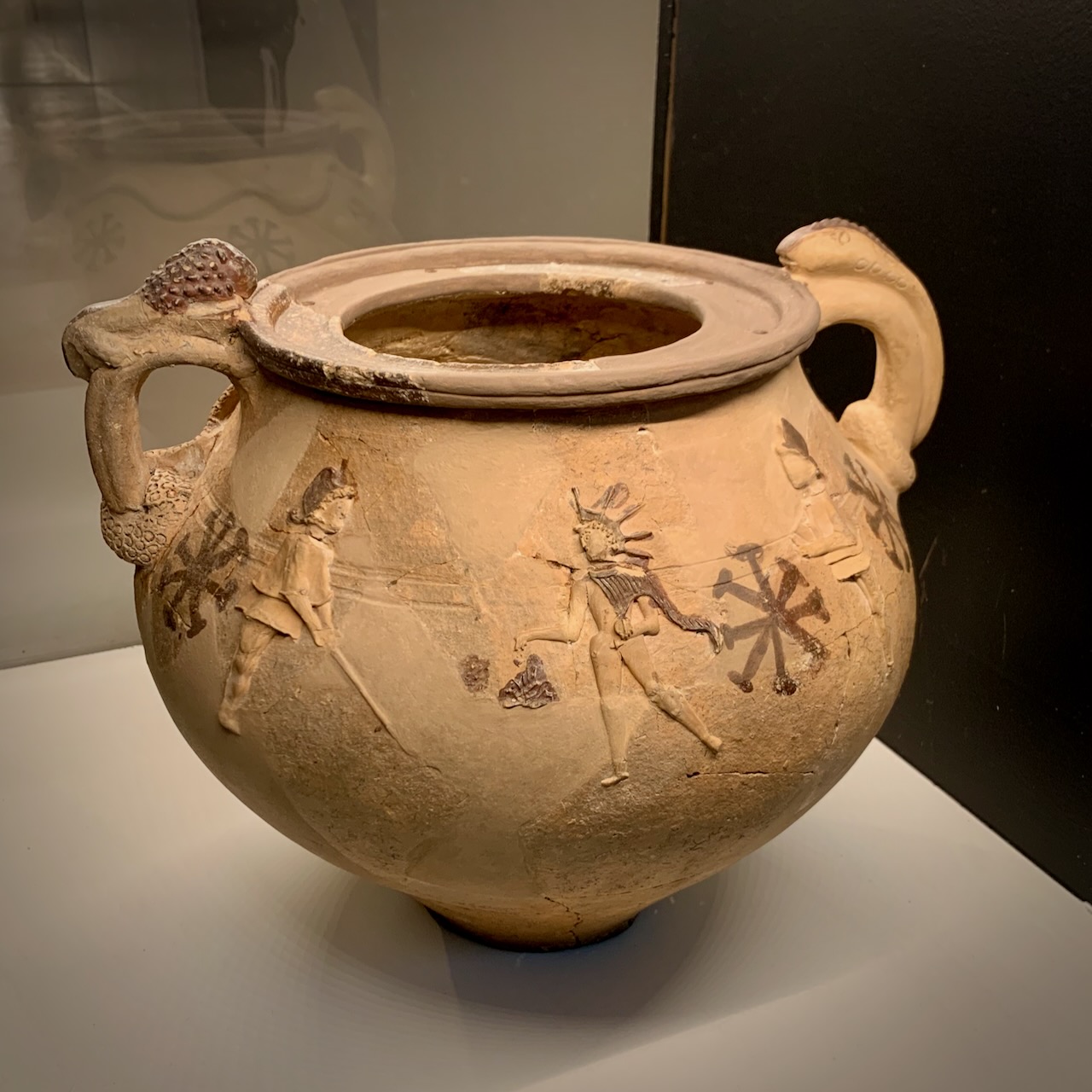
The Mithraic vase from Colonia Claudia Ara Agrippinensium in Germany includes Sol-Mithras between Cautes and Cautopates, as well as a serpent, a lion and seven stars.
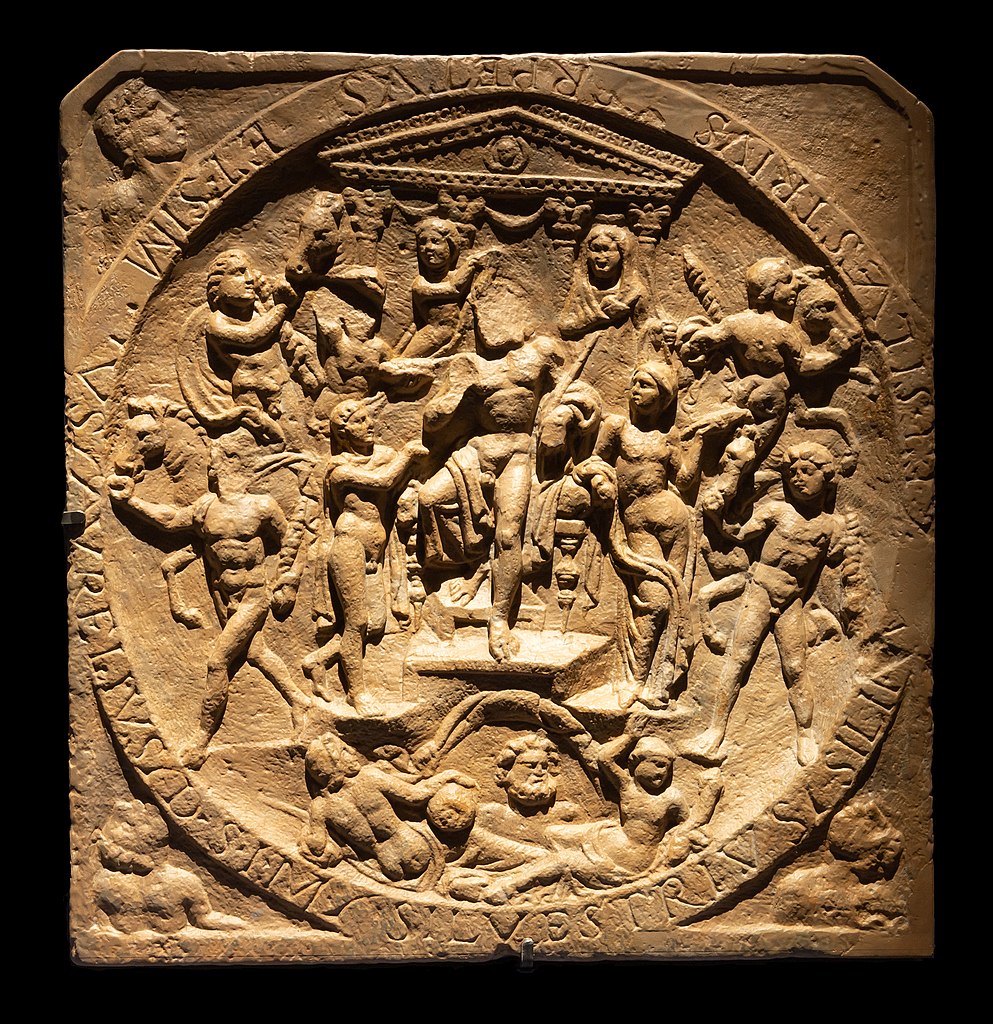
The relief of Dieburg shows Mithras riding a horse as main figure, surrounded by several scenes of the myth.
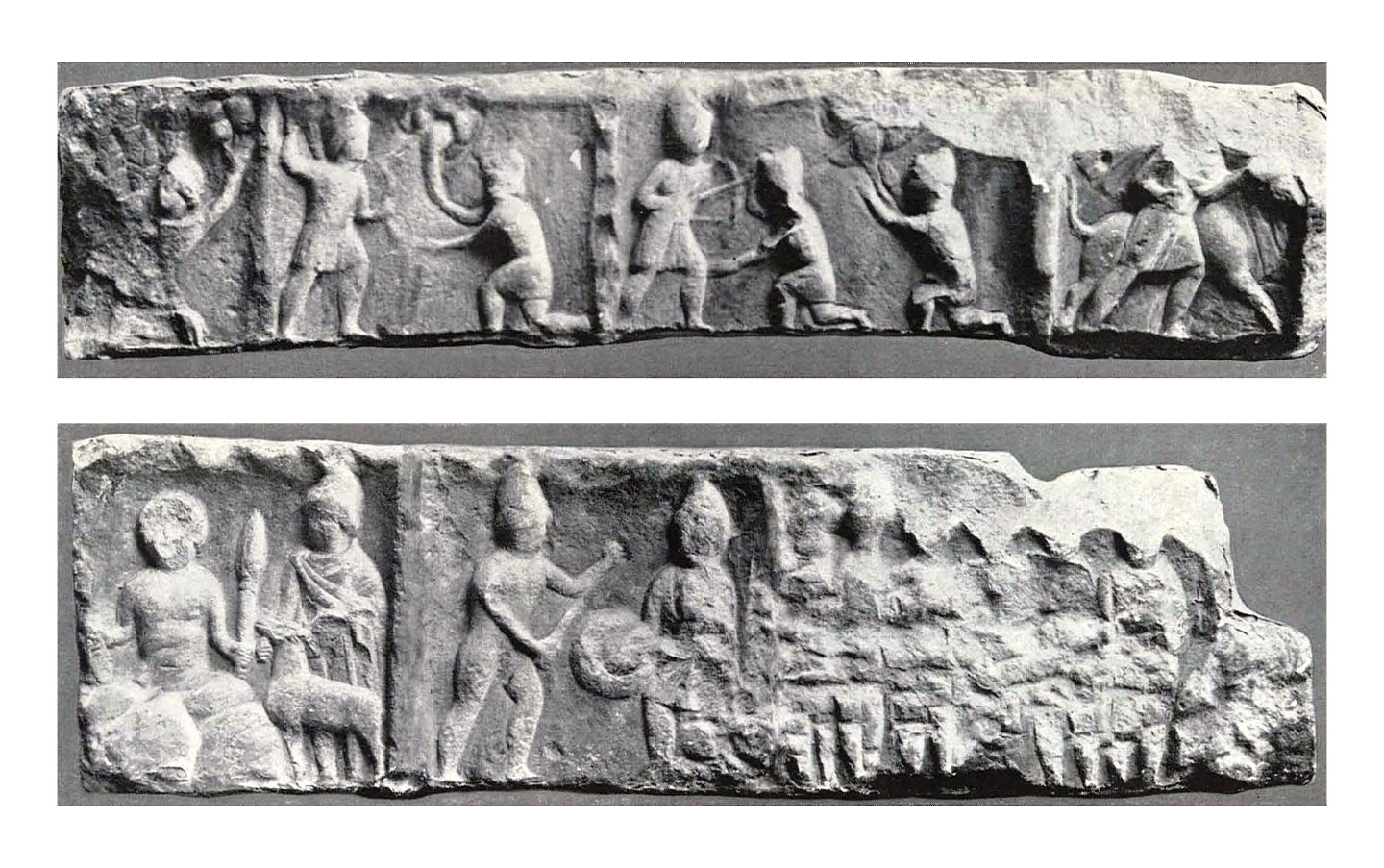
These two fragments of a sandstone relief were walled into a house on the market square in Besigheim.
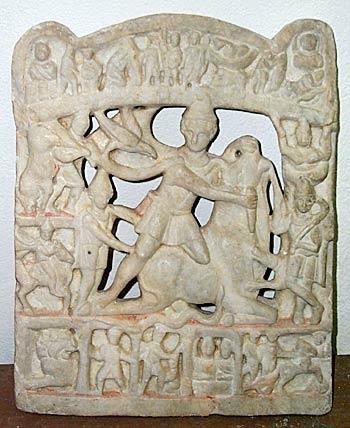
This Mithraic relief of the Danubian type was found in 1940 in the old town of Plovdiv.

The sculpture of the birth of Mithras in Florence included the head of Oceanus.
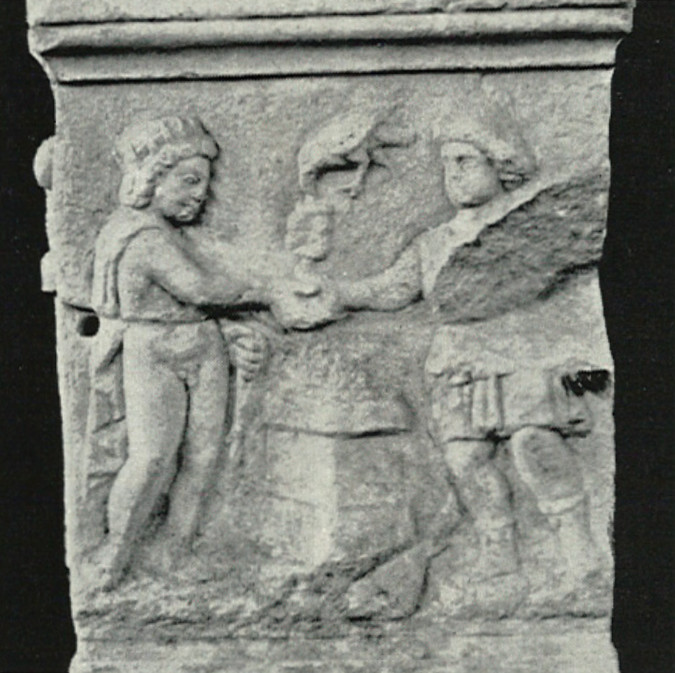
The altar of Ptuj depicts Mithras and Sol on the front and the water miracle on the right side.

In these two key passages, Justin Martyr interprets Mithraic rituals and myths as demonic parodies of Christ’s incarnation, the Eucharist, and biblical revelation.
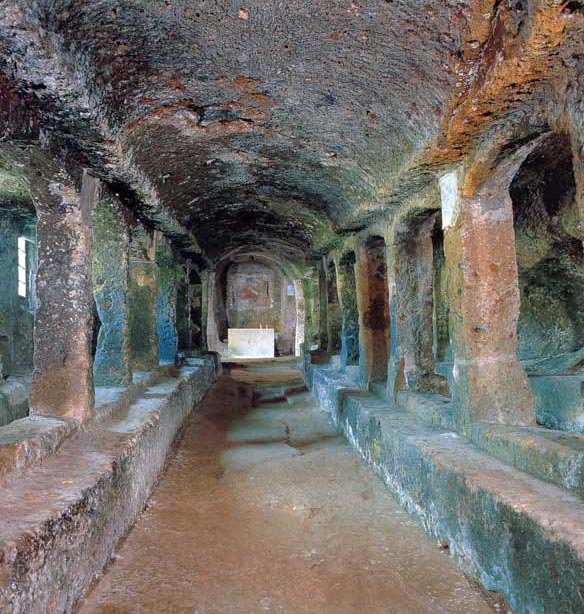
The Mithraeum of Sutri was built inside a rocky hill that also hosted the Roman theatre of the city.
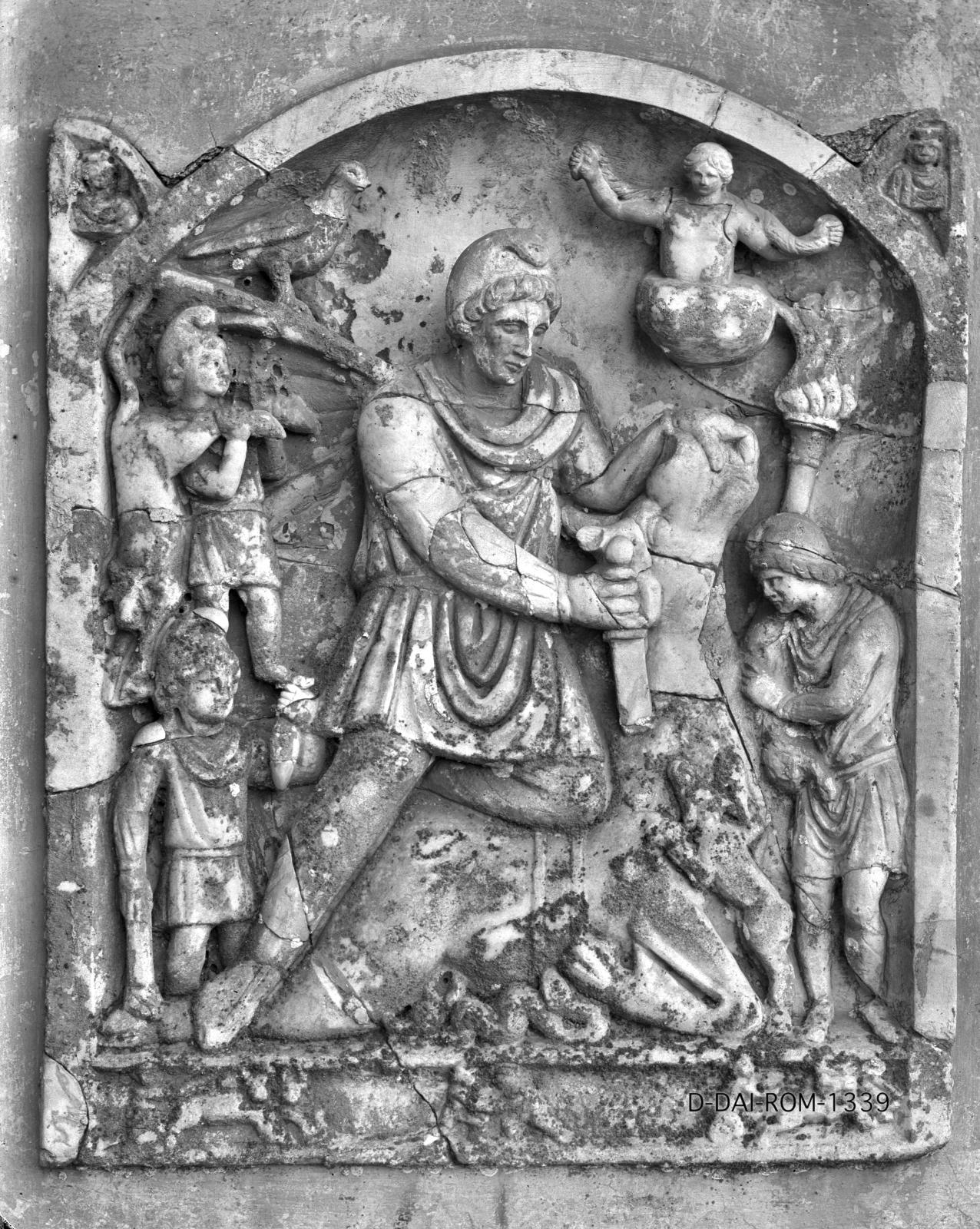
Currently in the Musei Vaticani, this Tauroctony includes Mithras’s birth restored as Venus anaduomene.
