Your search Podersdorf am See gave 2325 results.
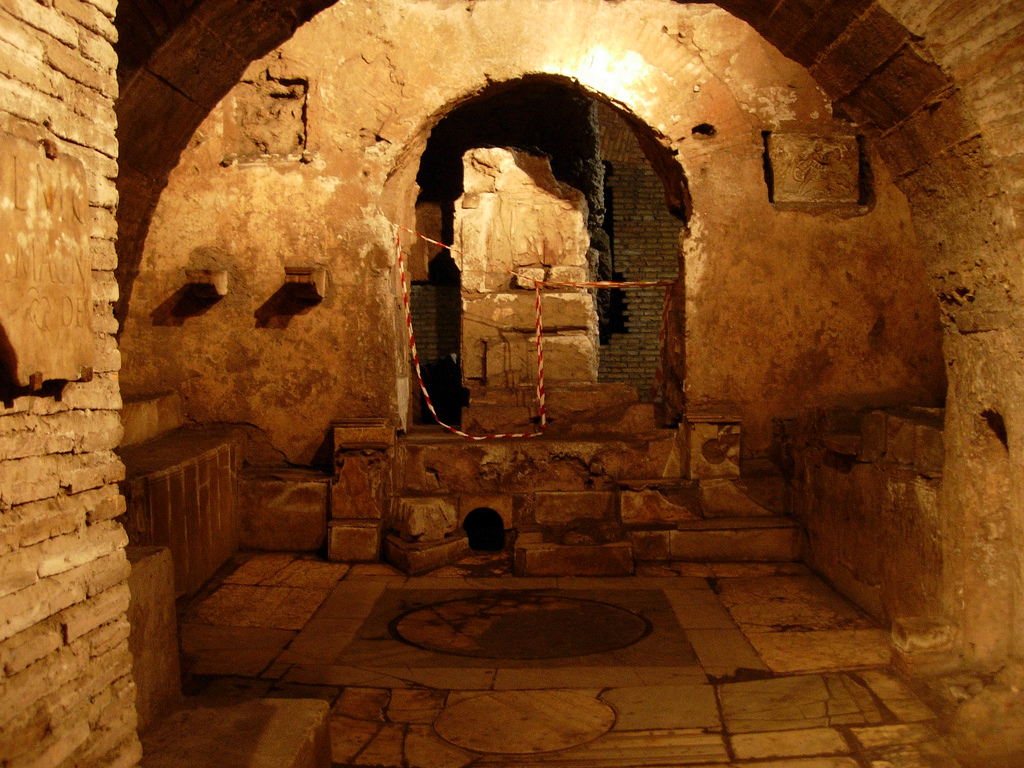
The Mithraeum of the Circus Maximus was discovered in 1931 during work carried out to create a storage area for the scenes and costumes of the Opera House within the Museums of Rome building.
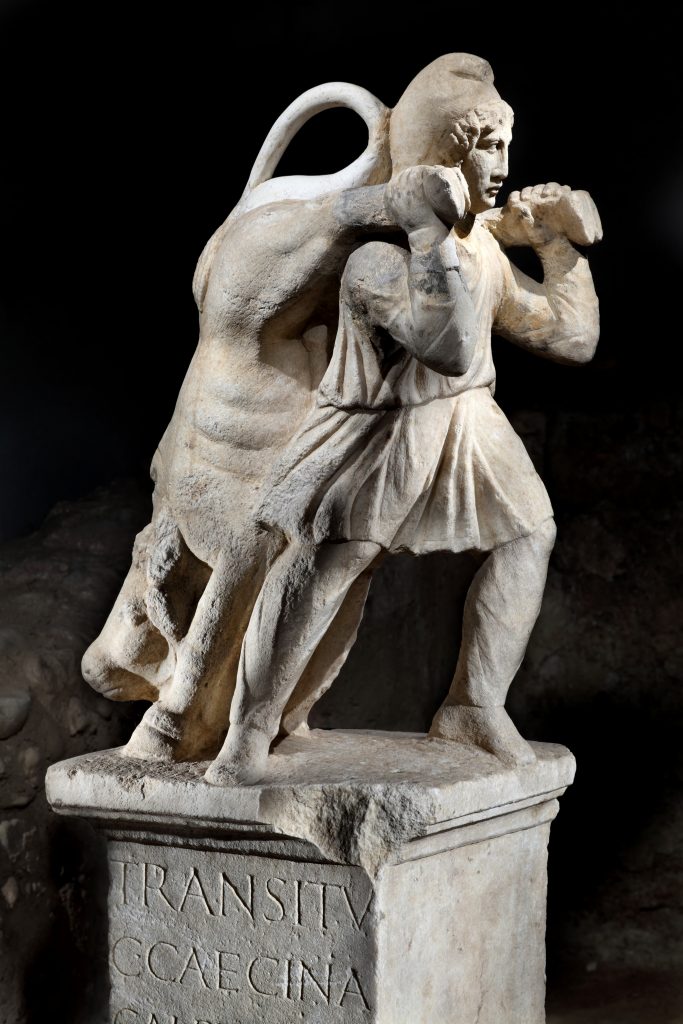
The sculpture of Mithras carrying the bull includes an inscription on its base.
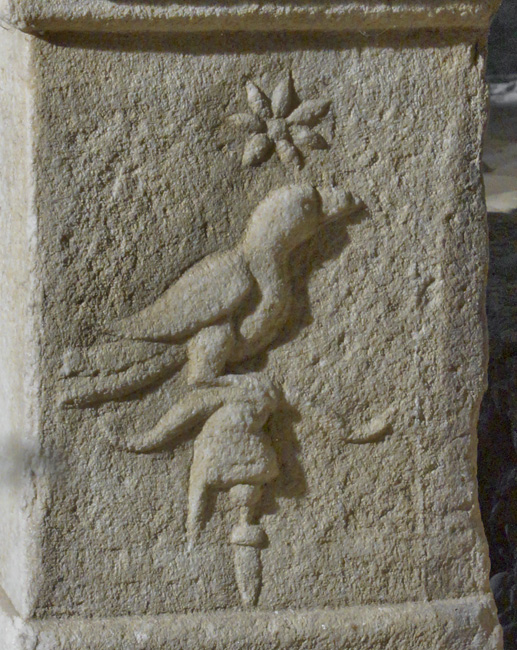
This altar from Ptuj, present-day Poetovio, is decorated with various Mithraic animals such as a tortoise, a cock and a crow and other objects.

Mithraeum II was found at Ptuj at a distance of 20 m south of the Mithraeum I in 1901.
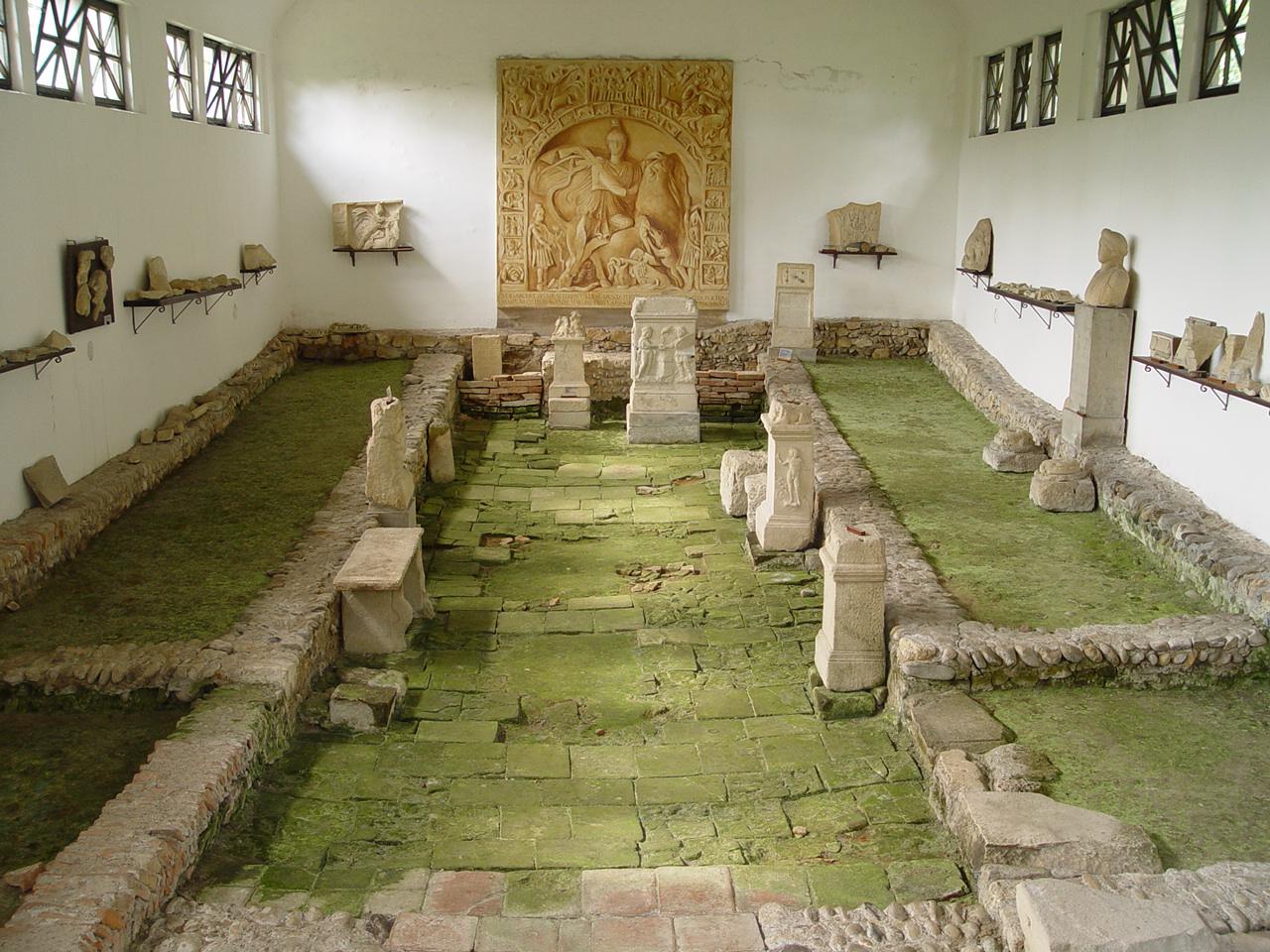
Mithraeum III in Ptuj was built in two periods: the original walls were made of pebbles, while the extension of a later period was made of brick.
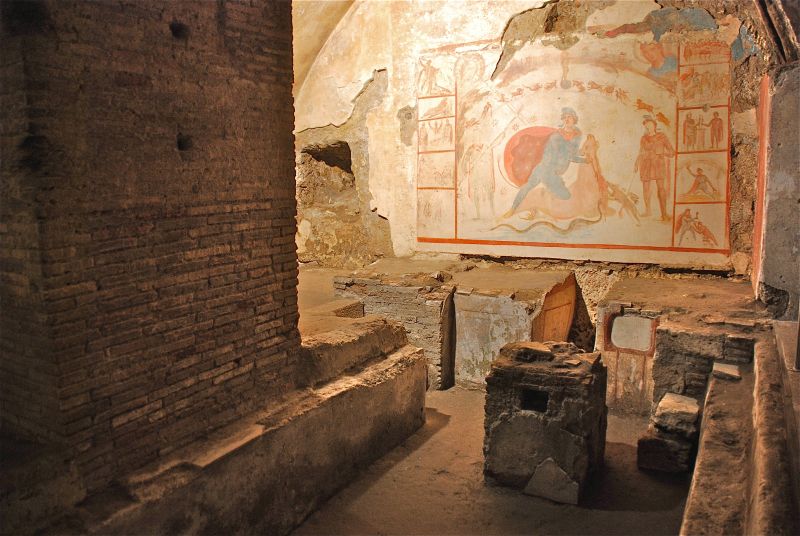
The Barberini Mithraeum was discovered in 1936 in the garden of the Palazzo Barberini, owned by Conte A. Savorgnan di Brazza.
The Mithraeum located in Piazza Dante in Rome was discovered in 1874 along with a series of monuments dedicated by a Pater named Primus.
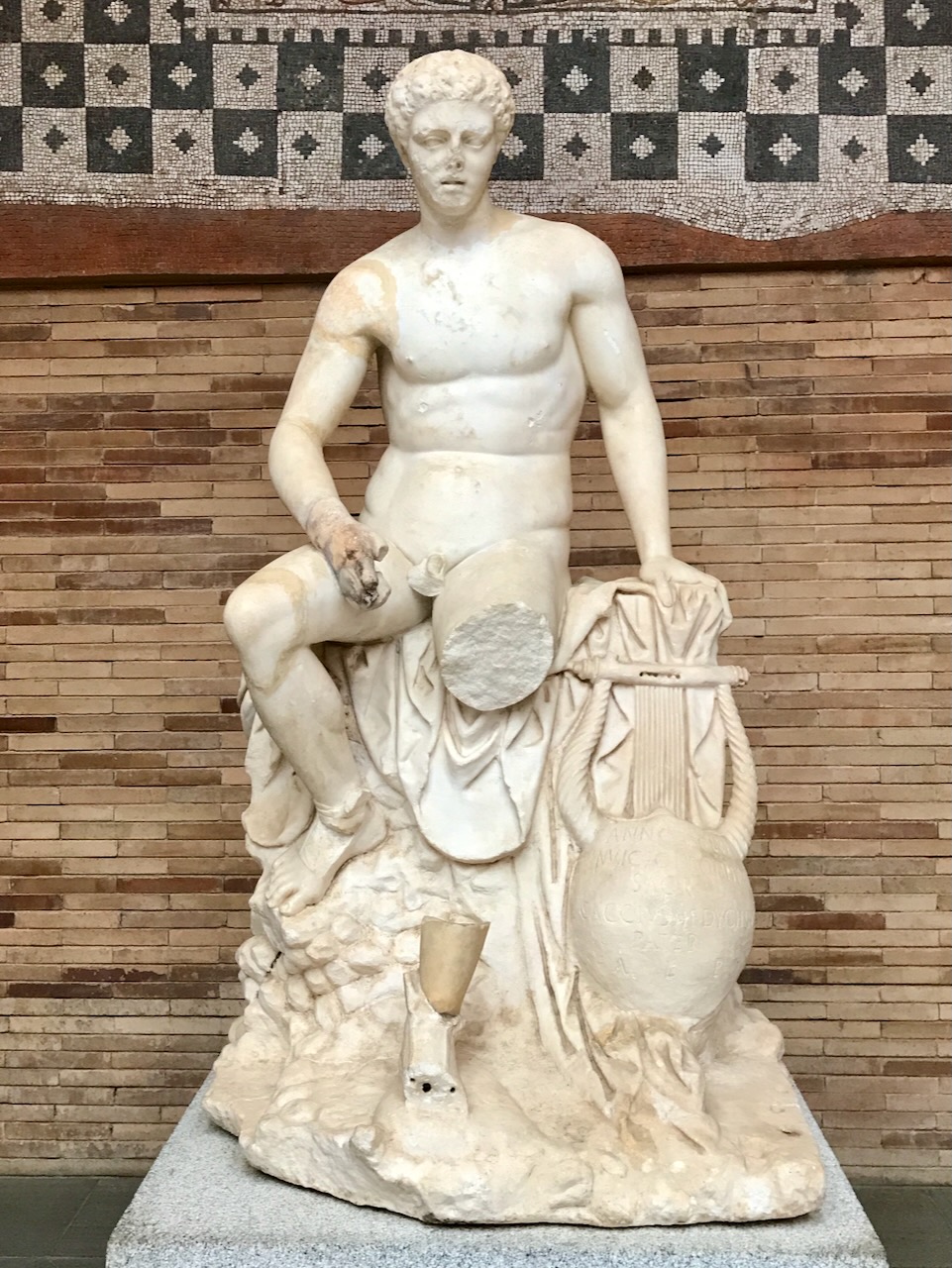
The statue of Mercury in Merida bears a dedication from the Roman Pater of a community in the city in 155.
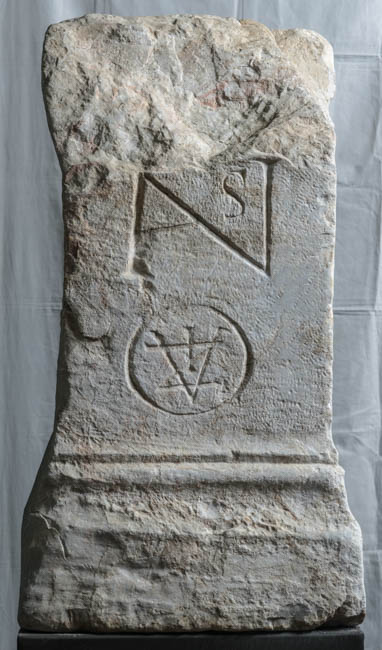
The limestone altar at Klechovtse in North Macedonia bears an inscription to the invincible Mithras.
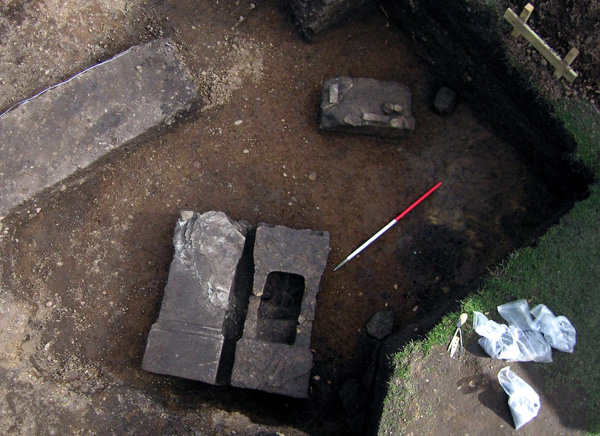
The Mithraeum of Inveresk, south of Musselburgh, East Lothian, is the first found in Scotland, and the earliest securely dated example from Britain.
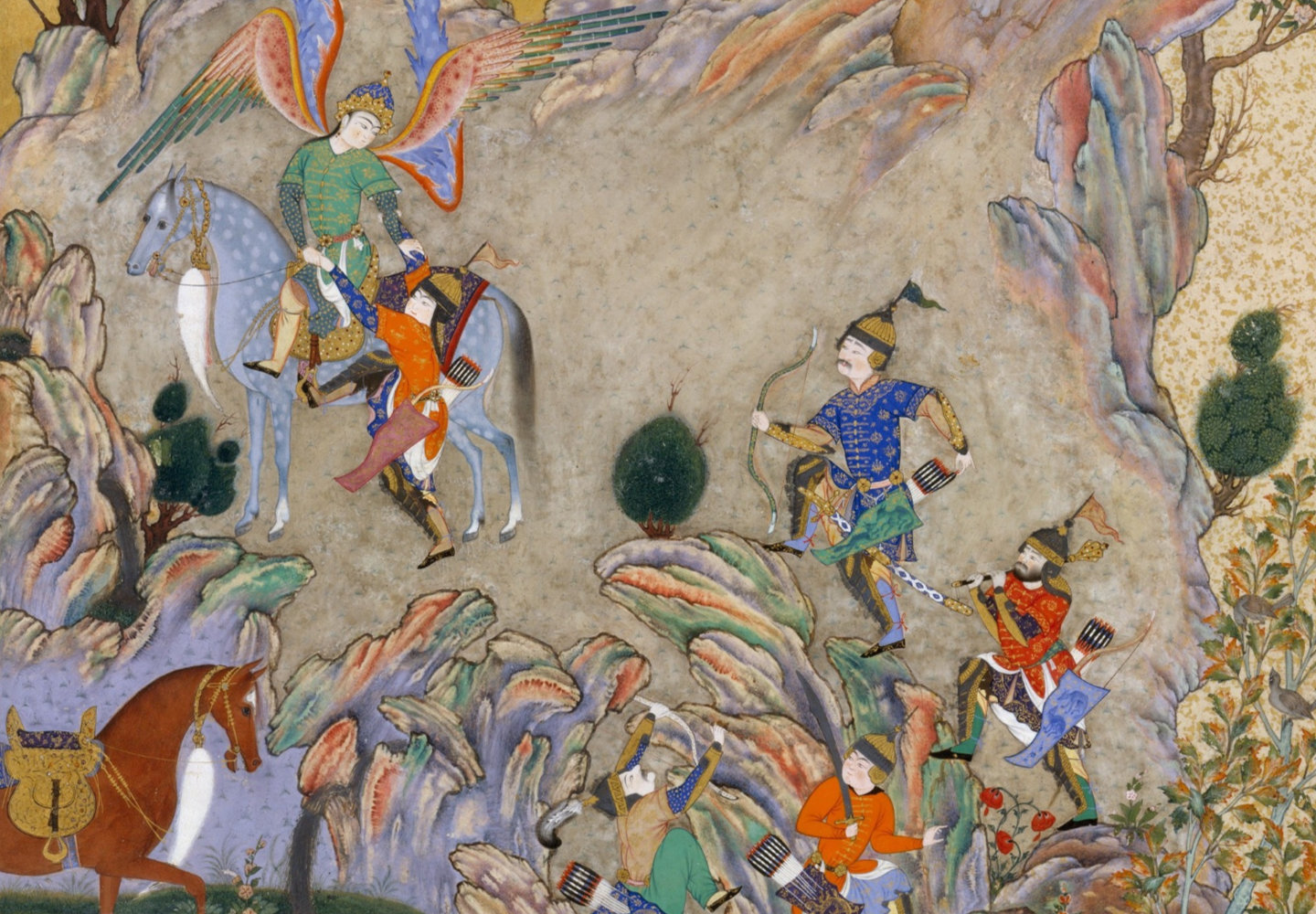
We propose to revisit a passage by the prolific author Marteen Vermaseren that highlights correspondences today forgotten between the Roman Mithras and its Eastern counterparts.
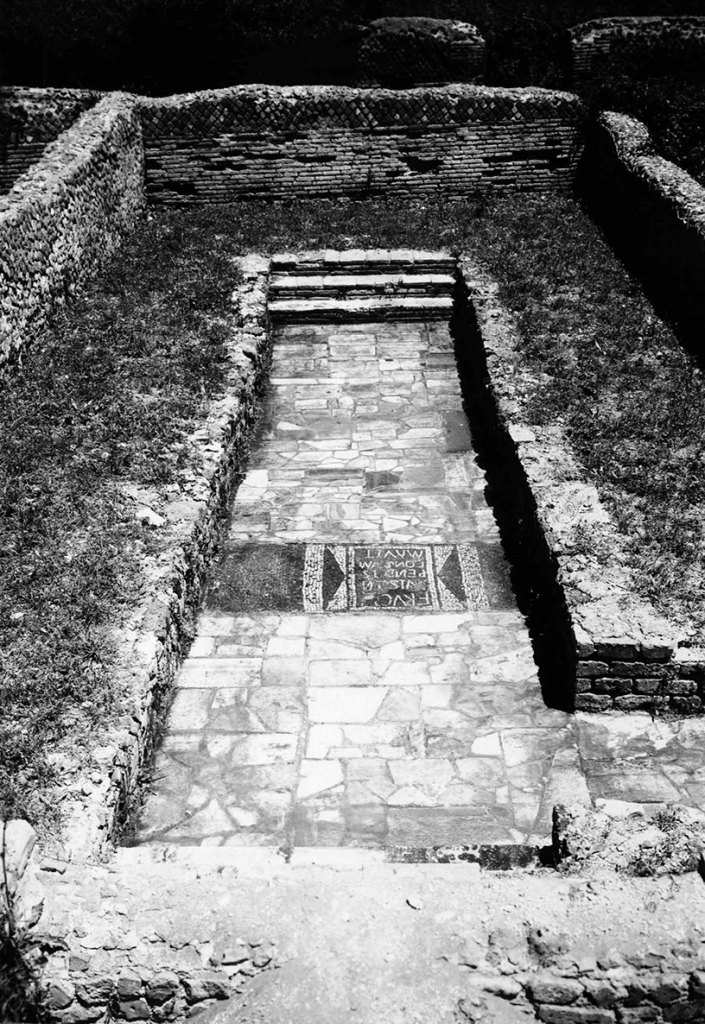
The Mithraeum was found in one of the rooms of the Horrea built in the years 120 - 125 AD. The installation of the shrine may have taken place in the first half of the third century.
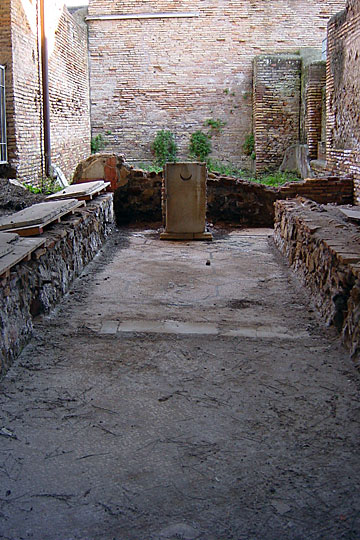
The Mithraeum of Lucretius Menander was installed in the early 3rd century in an alley to the east of a Hadrianic building named after the solar god temple.
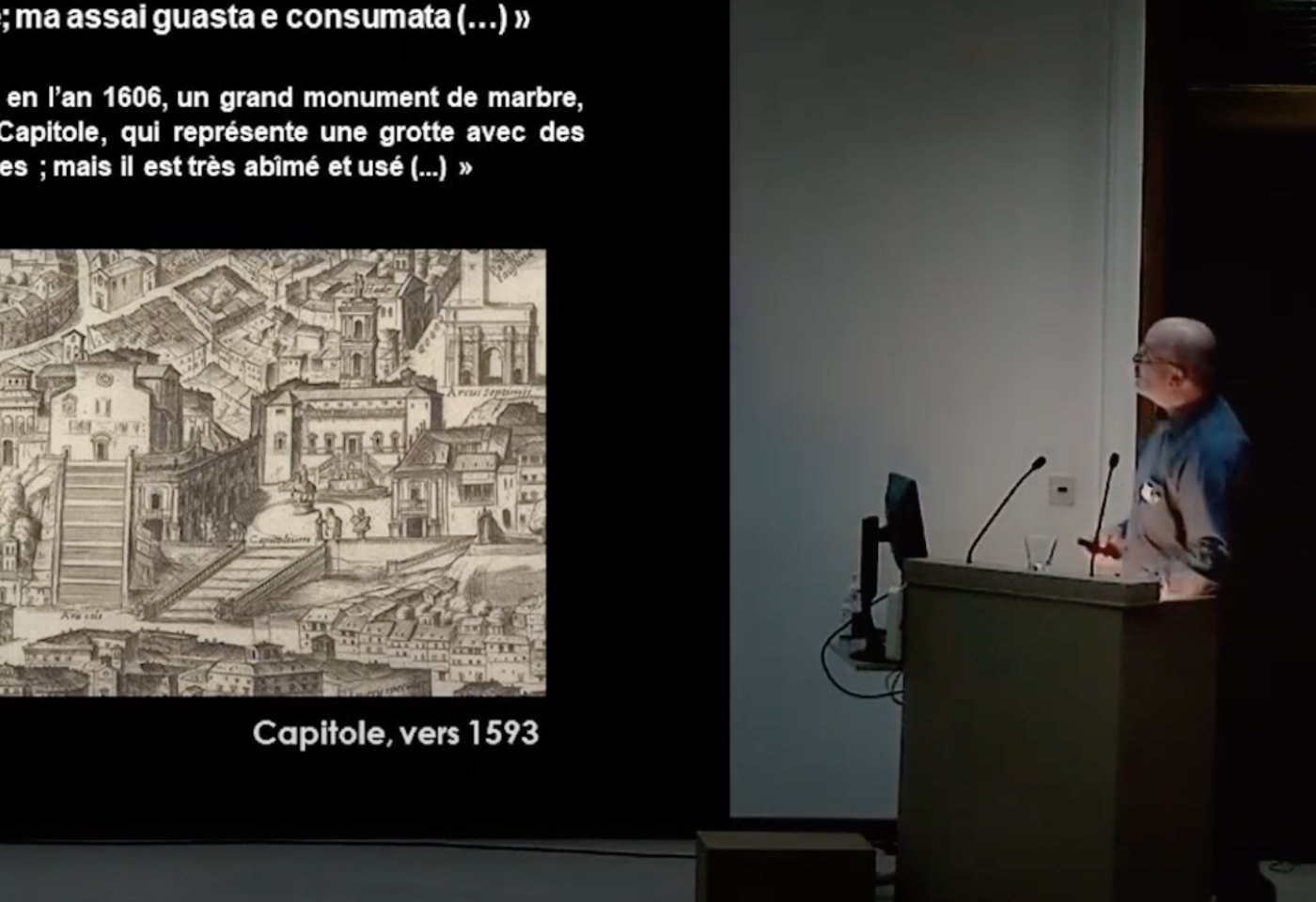
Intervention de Richard Veymiers, directeur du Musée royal de Mariemont et Laurent Bricault, de l'Université Toulouse Jean-Jaurès.
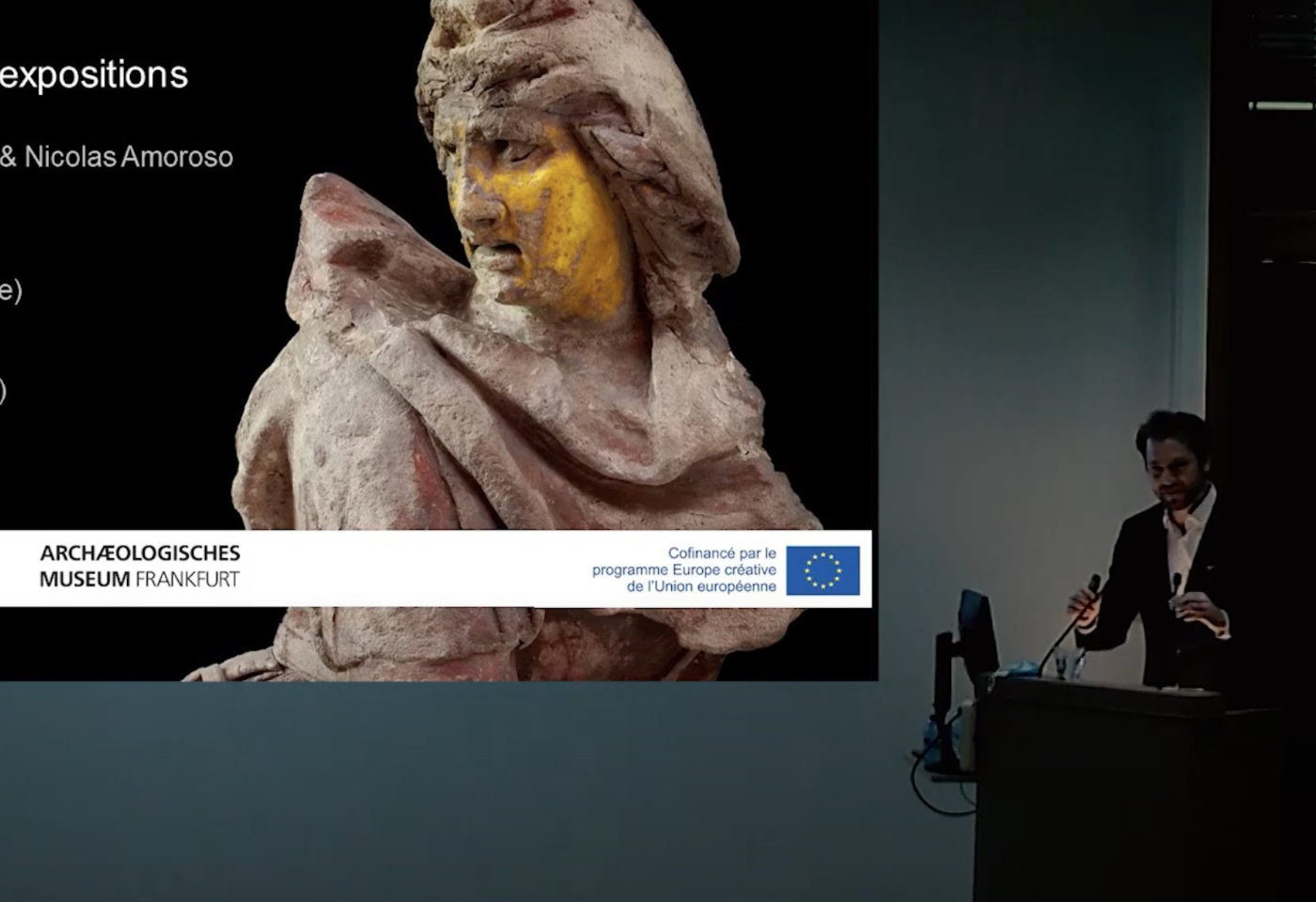
Journée scientifique du 17 décembre 2021 au Musée royal de Mariemont, dans le cadre de l’exposition 'Le Mystère Mithra. Plongée au cœur d’un culte romain'.
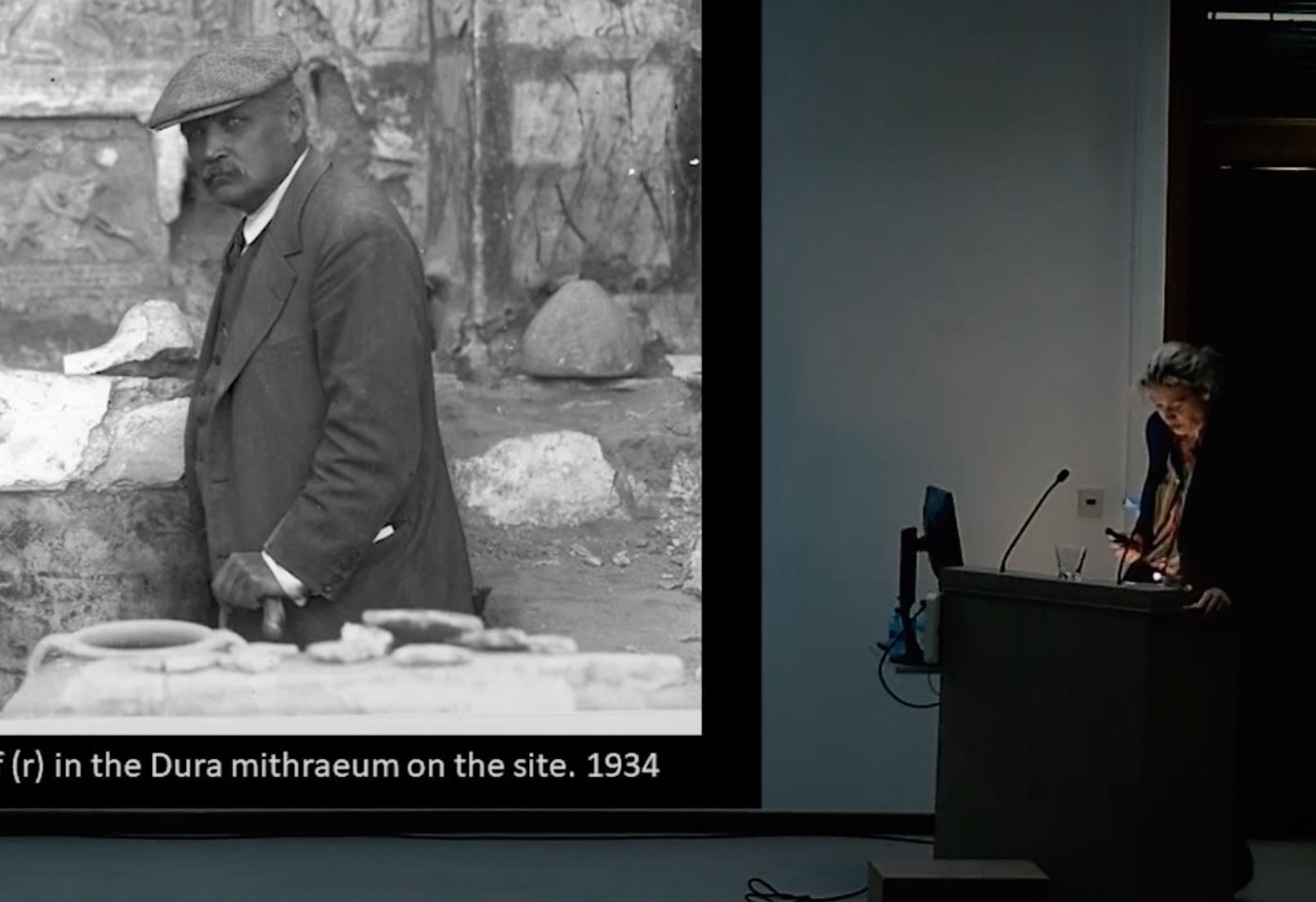
Intervention de Lucinda Dirven, Universiteit van Amsterdam.
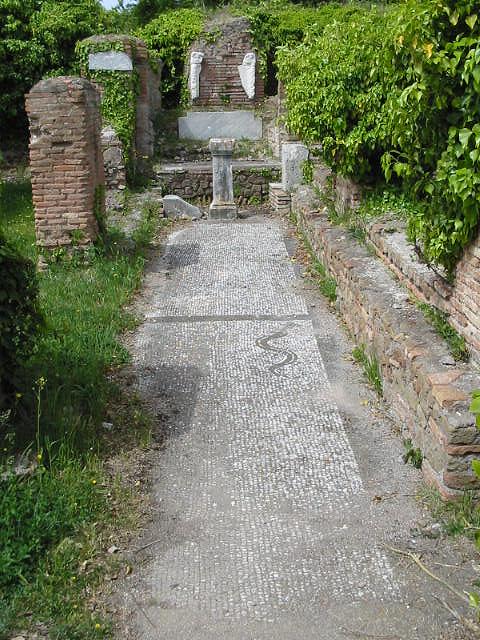
The floor of the central aisle of the Mithraeum of the Footprint in Ostia has a mosaic depicting a snake and a footprint.
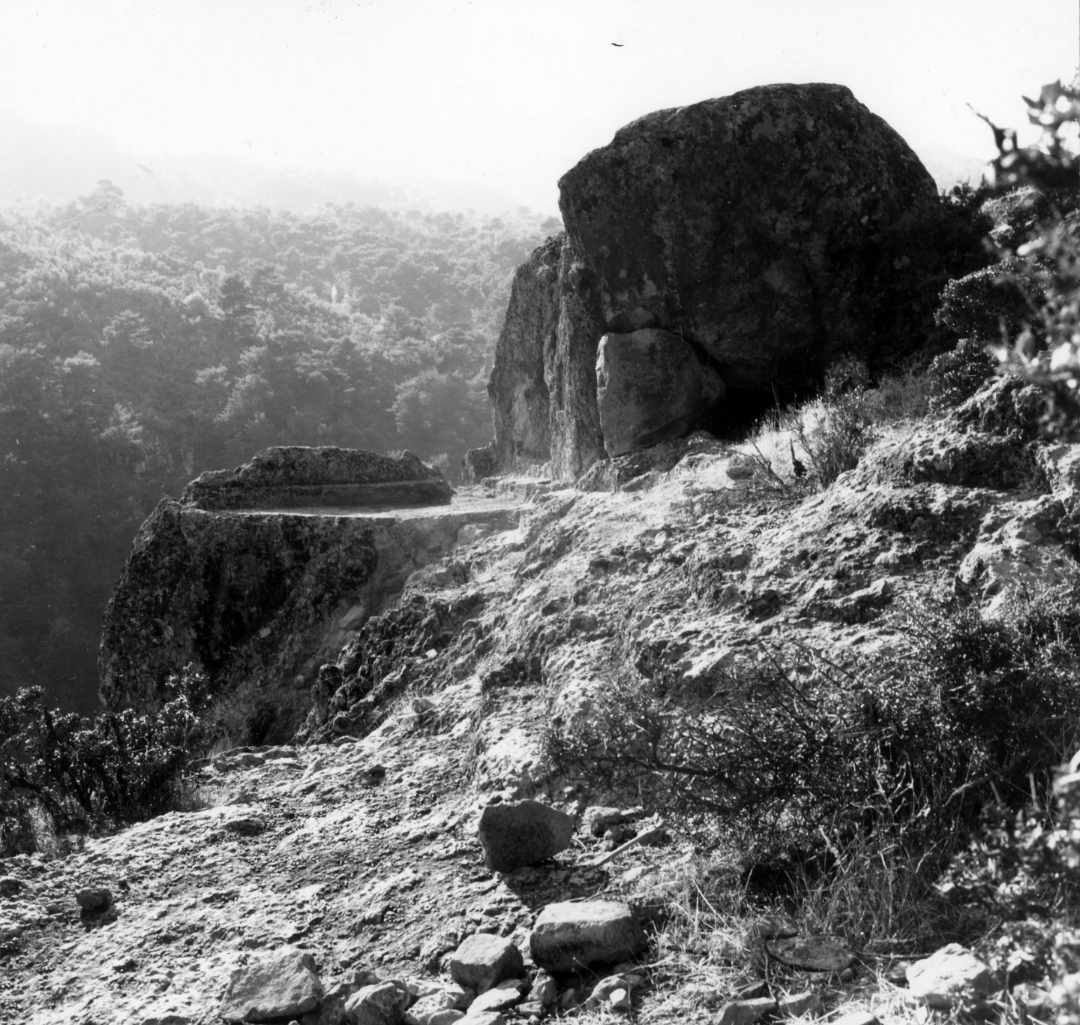
Mithras became the main deity worshipped in the sanctuary of Meter in Kapikaya, Turkey, in Roman times, at least until the fourth century.
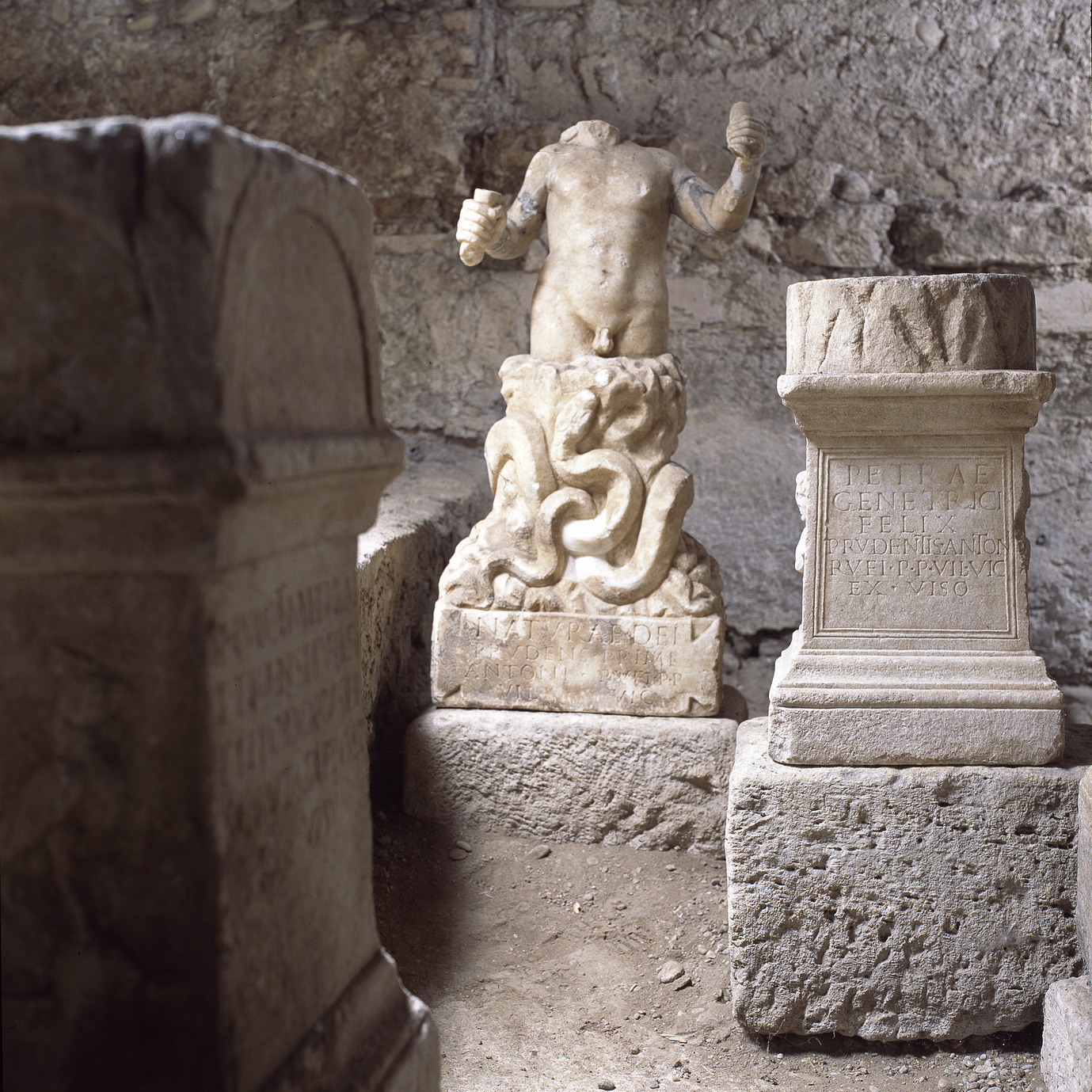
The sculpture includes a serpent climbing the rock from which Mithras is born.
