Your search Radcliffe G. Edmonds III gave 138 results.

Square bronze plate from Mithraeum III at Heddernheim, ancient Nida, probably a cult tessera bearing barely legible engraved letters
Three basalt fragments of a standing figure in jack-boots from Mithraeum III at Heddernheim, ancient Nida, with traces of red paint on the loin-cloth

The Romans controlled Poetovium until the 1st century BC. It became the base camp of the Legio XIII Gemina, where they built a castrum.
Argentoratum or Argentorate was the ancient name of Strasbourg. Its name was first mentioned in 12 BC, when it was a Roman military outpost established by Nero Claudius Drusus. The Legio VIII Augusta was stationed there from 90 AD.
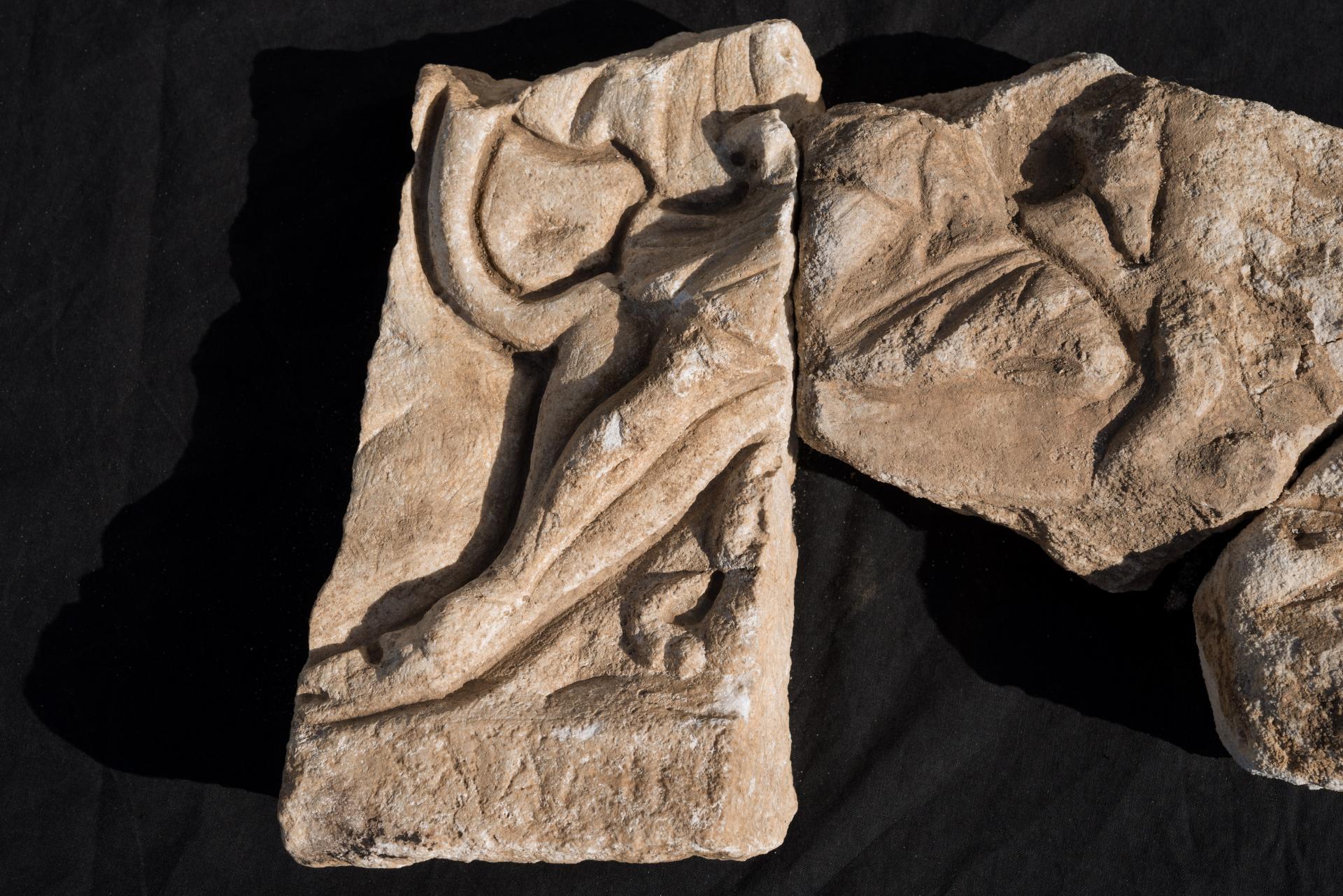
The archeologists have found three fragments of the Tauroctony of Lucciana, which includes Cautes and Cautopates.

Dans un VIIIᵉ siècle uchronique où Mithra est devenu le dieu officiel de Rome, Rachel Tanner imagine un empire impitoyable, déchiré entre révoltes barbares, intrigues politiques et résistances occultes, porté par une fresque de fantasy historique d’une intensité rare…
Firmidius Severinus was a soldier who served in the Legio VIII Augusta for 26 years.






Soldier of Legio XIII Gemina and strator consularis who dedicated an altar to the invincible Mithras.

Centurio of the Legio III Augusta, Florus dedicated an altar to the unconquered Sol Mithras in El Gahra.

Historiador experto en Historia Antigua y catedrático en la Universidad Carlos III de Madrid.
In the altar that Titus Tettius Plotus dedicated to the invincible God, he called himself pater sacrorum.
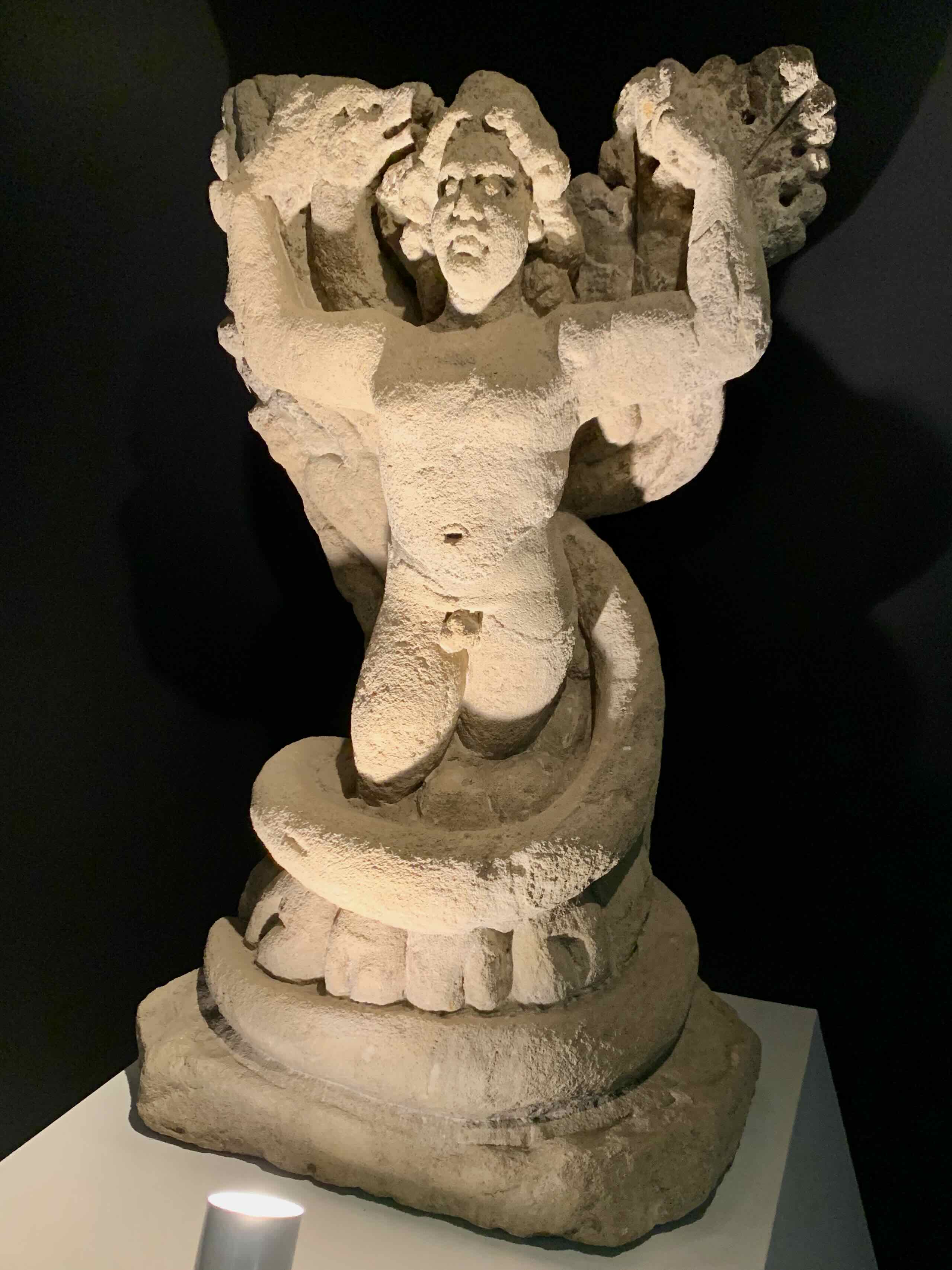
Mithras Petrogenitus, born from the rock, from the Mithraeum of Carnuntum III.
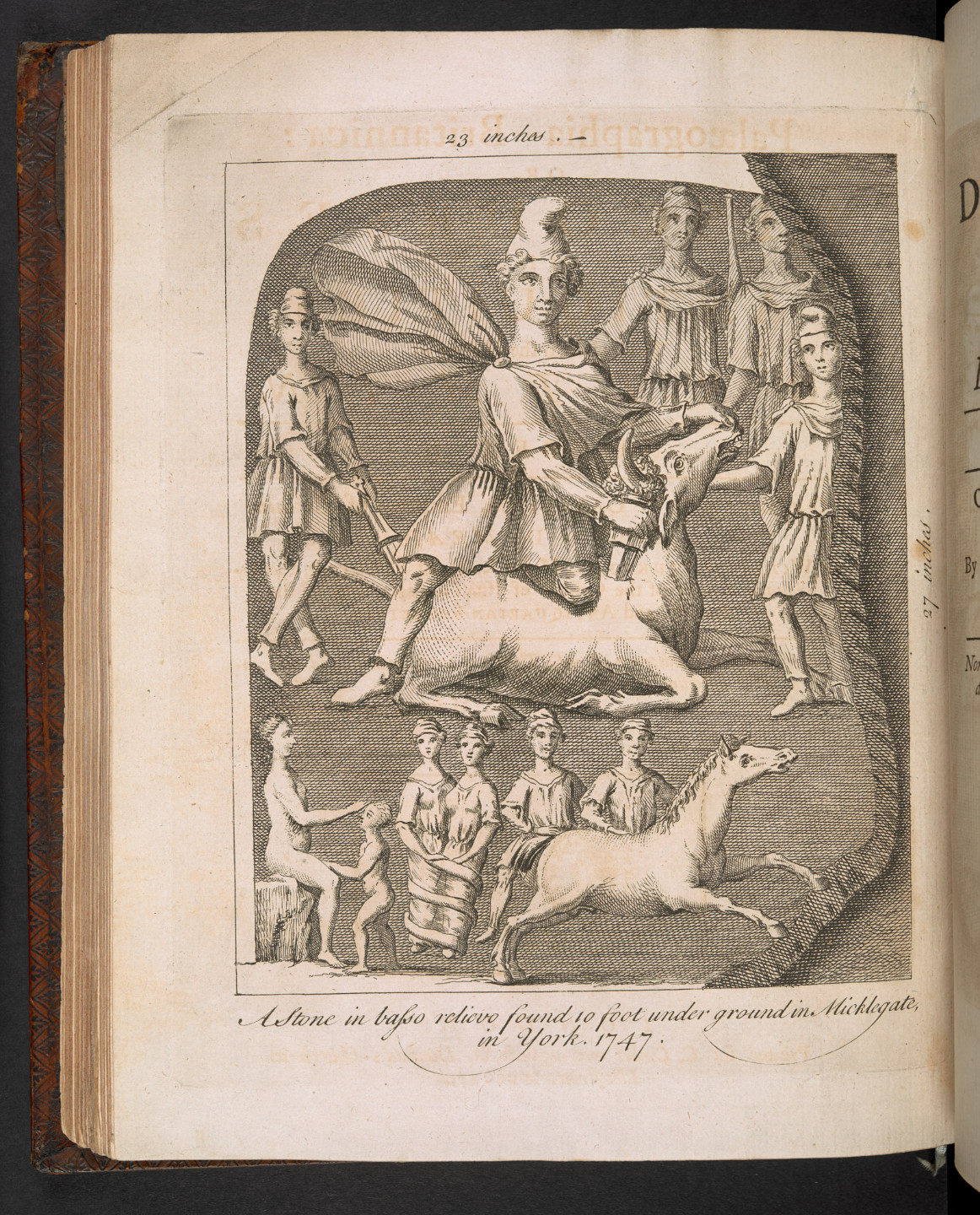
Palæographia Britannica: or, discourses on antiquities that relate to the history of Britain. Number III.
