Your search Roma gave 961 results.
For our German-speaking friends, don’t miss Stefan Nährlich’s blog, [ref:67685d70a6b54]. It offers a plethora of intriguing articles on not only Mithras but the entire Empire. His posts feature excellent original photographs, perfect for both Romans and barbarians alike! Enjoy exploring…

The Cilician pirates incorporated significant divine feminine elements, notably Anahita, into their Mithraic practices, profoundly influencing the initiation rites within the Roman Empire.

The exploration of an old pazo, a manor house, near the Roman wall, in Lugo, led to the discovery of a Roman domus, which existed continuously from the beginnings of the Christian Era until the Late Empire.

I am a member of the Longthorpe Legion, a Living History group linked to our local museum that portrays the Romans in Britain, including a Temple to Mithras.
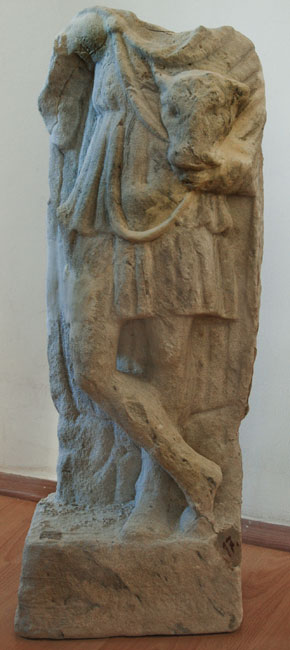
This sculpture of Cautes holding a bull’s head was found in 1882 in Sarmizegetusa, Romania.
The Mysteries of Mithras is an independent Initiatic Order which is inspired by and uses the allegory of the lost and ancient Mithraic Mysteries also known as Mithraism a previously influential Roman Cult of the same name.

"The remaining figure on this monument, Herakles, was previously misidentified as Apollo on this remarkable black basalt tablet from Samsat, known in Roman times as Samosata.

Hello. We new zartosht doesn’t wrote the book of avesta and he and other zorastarians just edited it. So my topic is about homosexuality in Mithraism. We now homosexuality banned in avesta with very rough punishment in this world purgatory…
Photos from the rite at the Mithraeum of Sutri carried out by Pietas - Comunita Gentile and Gruppo Storico Romano. [ref:66a65c3e1a756]
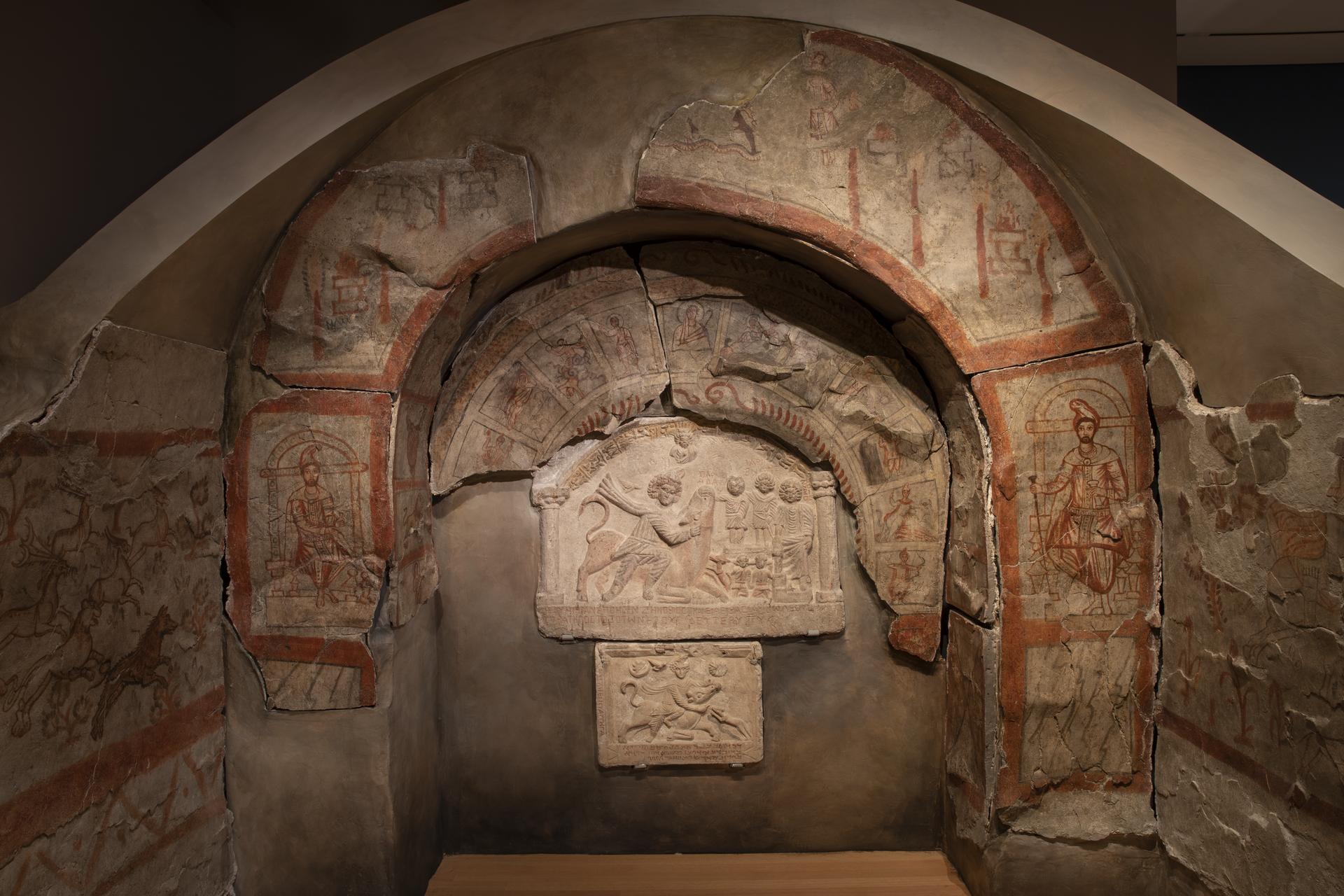
We are delighted to announce that the dates for MithraCon 2025 have been set for the last weekend in April, from Friday 25th to Sunday 27th. Mithracon is an informal research convention for people interested in the study of the god Mithras…
One of the first comprehensive historical reassessments of Mithraism in Roman Hispania, combining a revised catalogue of the archaeological and epigraphic evidence with analysis of its chronology, geographical distribution, and social composition.

One of the three known inscriptions of Dioscorus, servant of Marci, found in Alba Iulia, Romania.
This monument bears an inscription to Mithras by a well-known general of the Roman Empire.

This fine Roman marble slab of the killing bull of Mithras belongs to a private owner, most recently from Los Angeles, USA.

Hi, I’m a newly converted Greco-Roman pagan who’s deeply interested in Mithraism. Have no idea if I’m in the right place though!

Margaux Bekas, commissaire de l’exposition ’Le mystère Mitrha. Plongée au cœur d’un culte romain’, présente dans cette vidéo les origines du dieu Mithra.
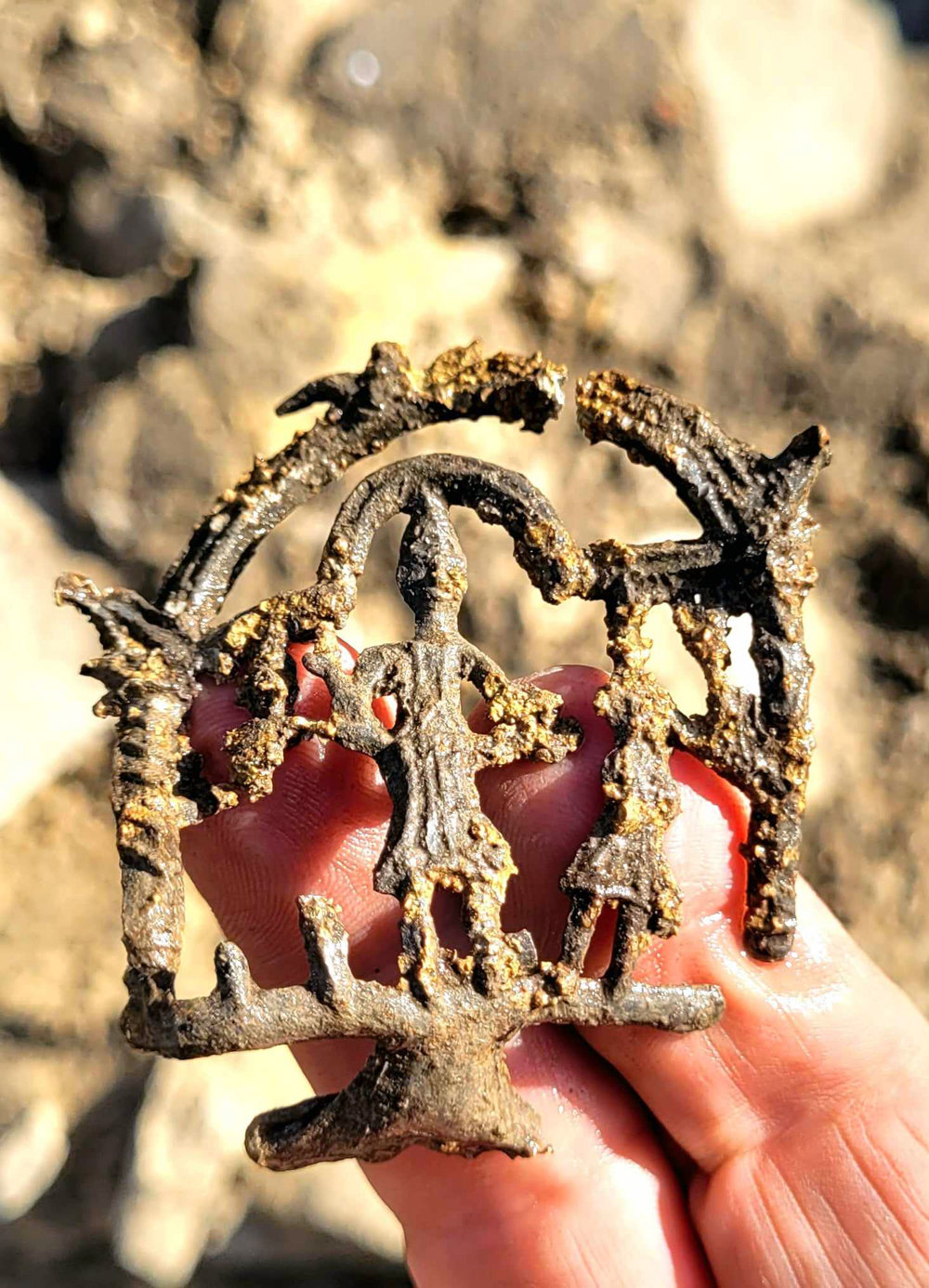
A sixth temple dedicated to Mithras has been identified for the first time in the military sector of the ancient Roman city of Aquincum.
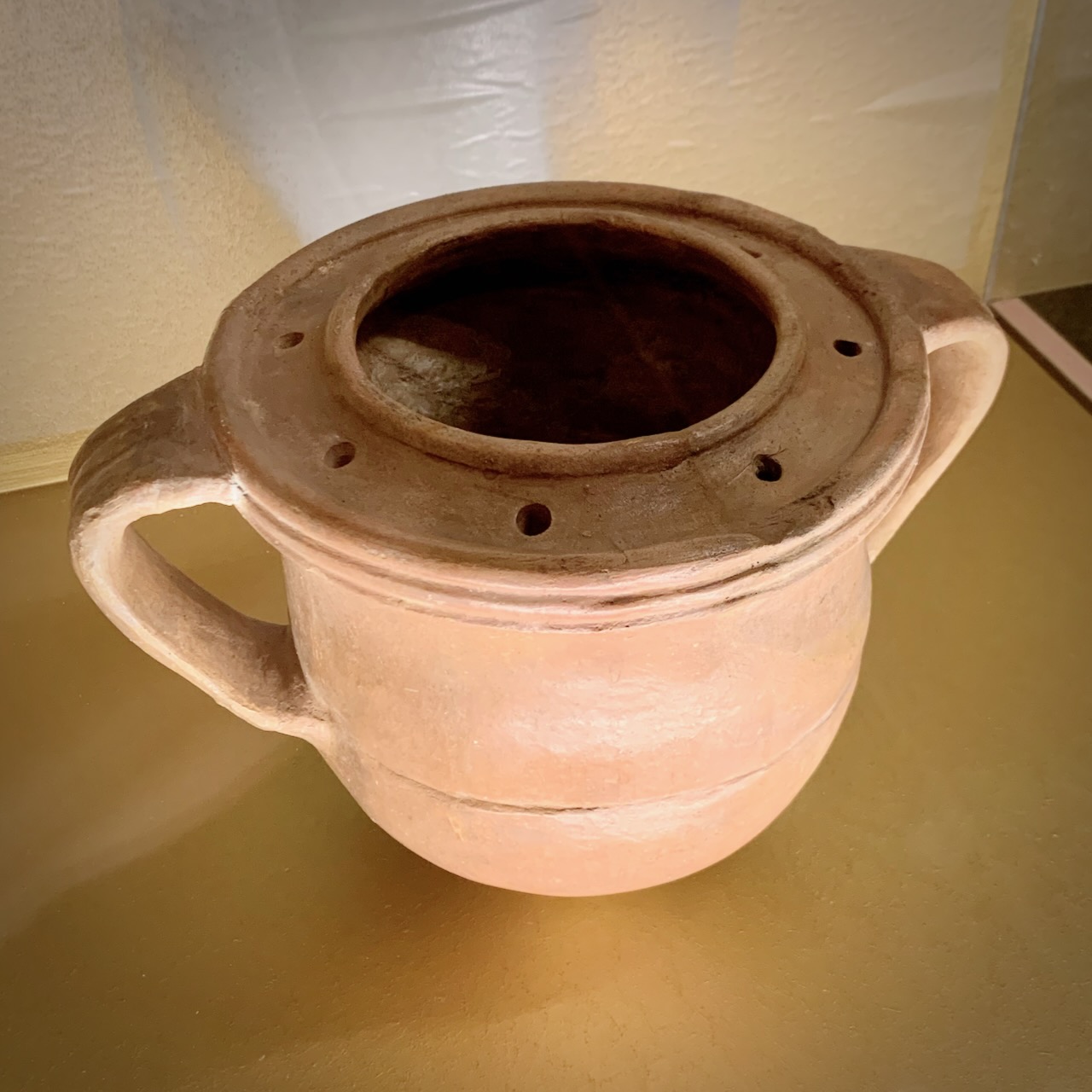
The vessel to burn incense from the Mithraeum of Dieburg is similar to those found in other Roman cities of Germany.