Your search Roma gave 961 results.

This inscription reveals the names of 36 cultori of Sentinum, one of whom bears the title of pater leonum.

Germania preserves some of the densest concentrations of Mithraic evidence in the Roman frontier provinces.

Roman devotee of the elusive Mithraic deity Nabarze, possibly identical with the associate of the Egyptian priest Arnouphis.

Roman statesman, scholar and Neo-Pythagorean philosopher associated with astrology, divination and ancient cosmology.

Late Roman senator and governor of Numidia whose inscriptions present him as a Mithraic pater and initiate in several mystery cults.
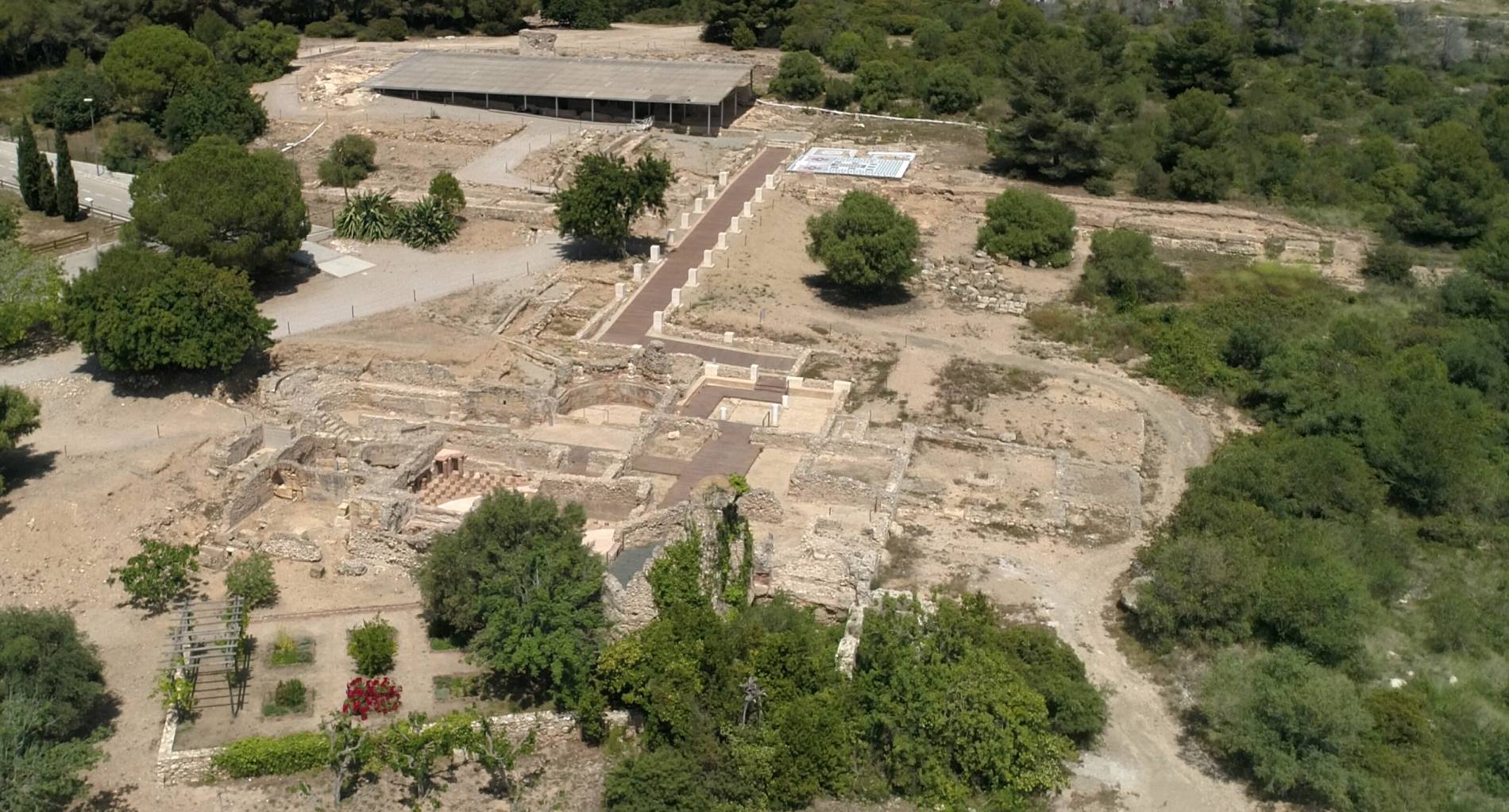
A possible Mithraic sanctuary attached to the luxurious Roman villa of Els Munts, near ancient Tarraco, whose interpretation remains disputed.
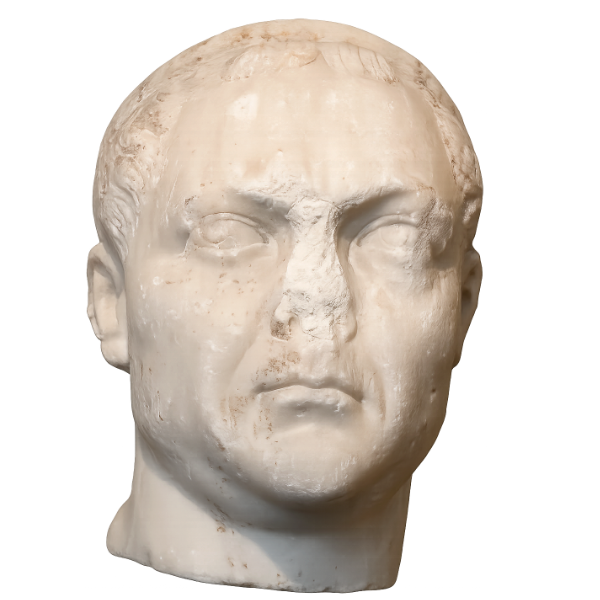
Roman emperor from 253 to 260, he was taken captive by Shapur I of Persia. He was thus the first emperor to be captured as a prisoner of war.
A brief dedicatory inscription to Deus Sol Invictus Mithras, found at Vasio (modern Vaison-la-Romaine) in Narbonensis.

First Roman emperor of African origin and founder of the Severan dynasty, which ruled the empire for over four decades.

Roman Mithraic relief illustrated in figure 171 of Vermaseren’s catalogue.

Roman building on the Aventine between the eastern side of S. Saba and Via Salvator, probably used as a Mithraeum at the end of the 4th century, with a long corridor bearing three semicircular niches and a large external basin.
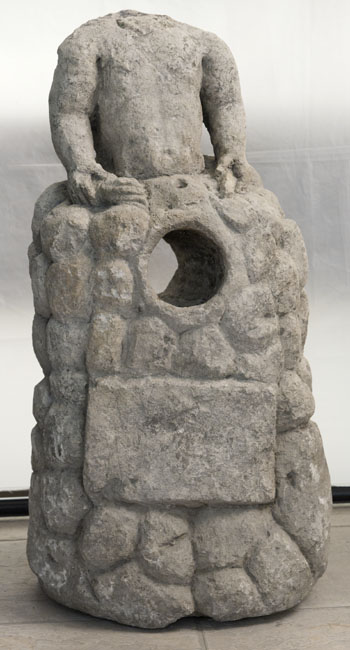
This sculpture from Dobrosloveni, Romania, depicts the petrogenesis of Mithras, with a hole through the generative rock from which water flowed.
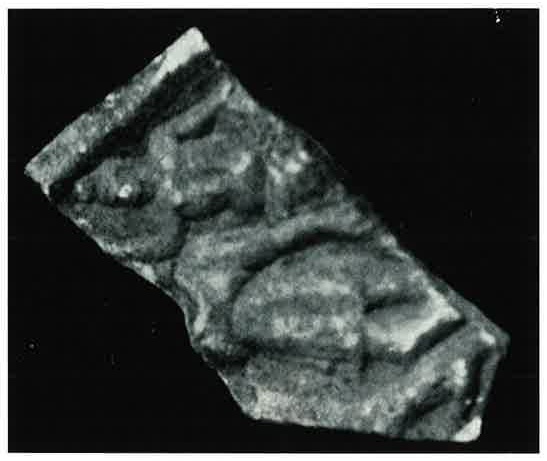
Tauroctony relief fragment with torchbearer and scene of Mithras’ rockbirth from Romula, Romania.
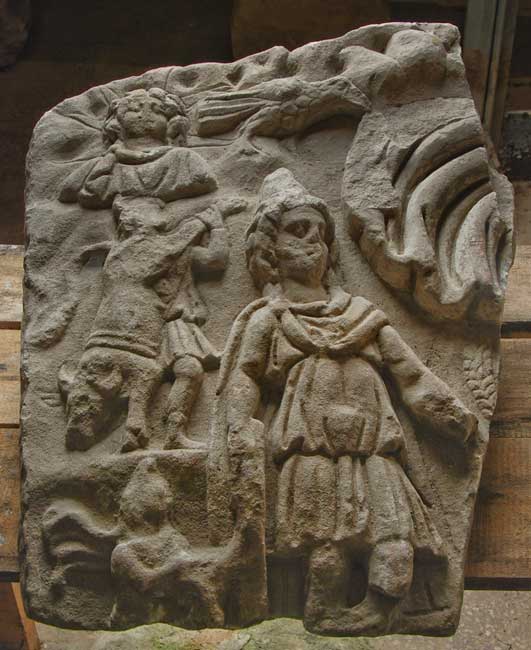
This marble fragment from Roman Dacia preserves part of a tauroctony with Sol, the raven, and Mithras dragging the bull.
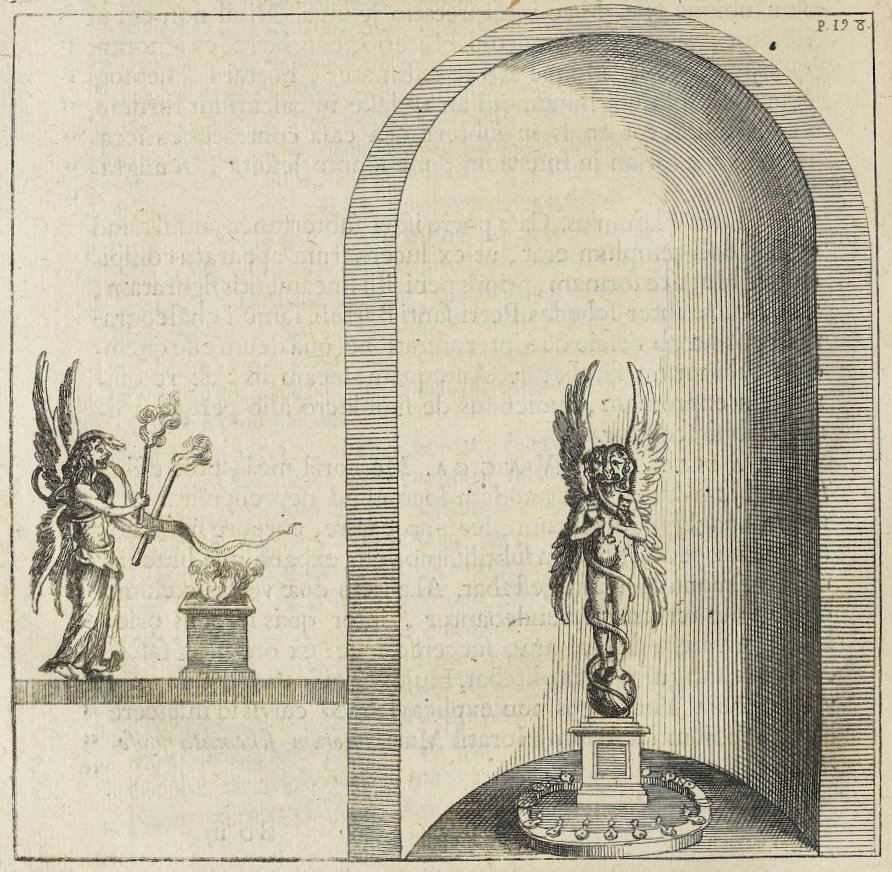
This monument has been identified from ’Memorie di varie antichità trovate in diversi luoghi della città di Roma’, a book by Flaminio Vacca of 1594.

Roman stone low-relief depicting Mithras as a bull-slayer, with the upper part of his head missing.

White marble statue of Mithras killing the sacred bull preserved in the Museo Nacional Romano.
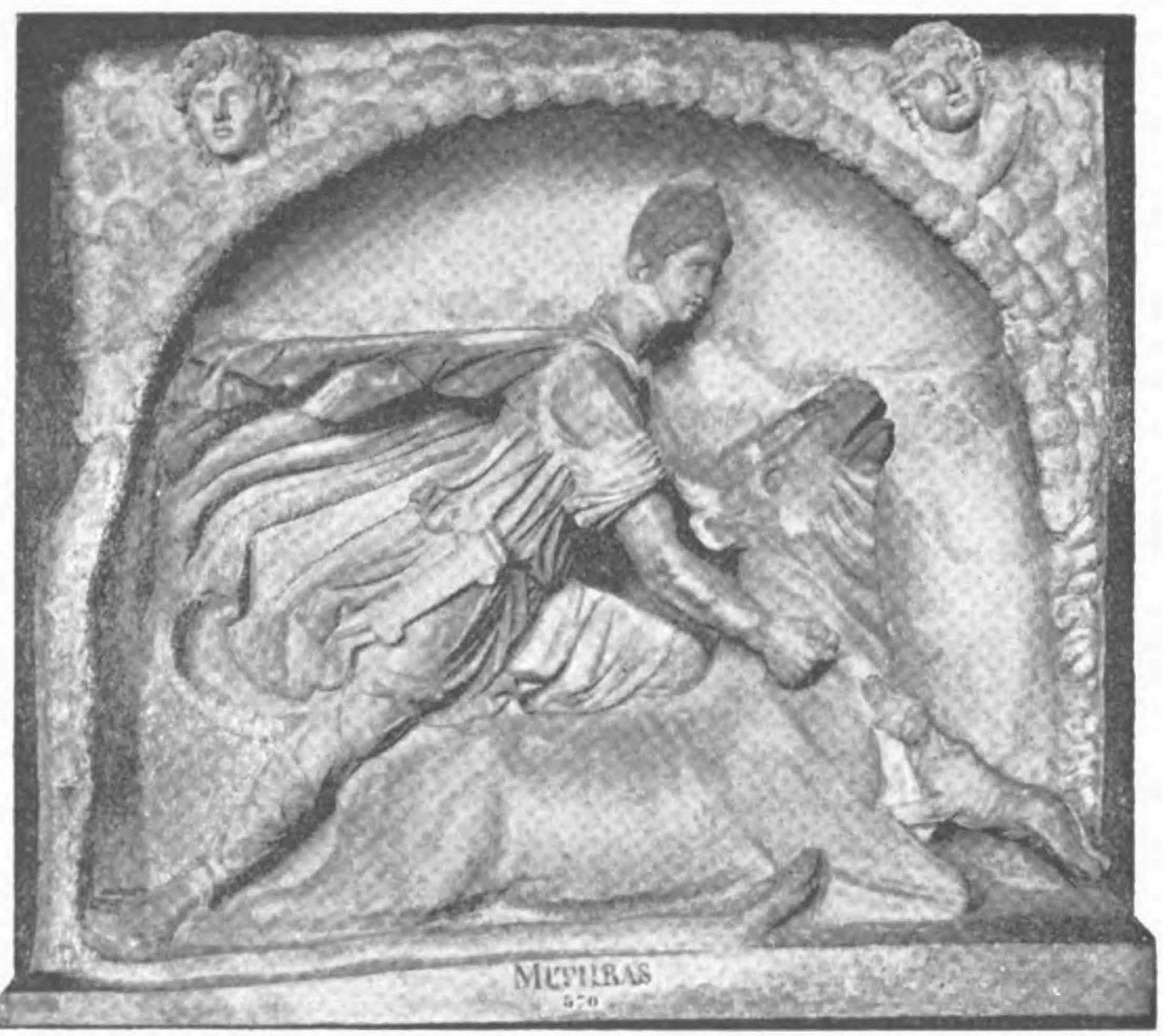
This is one of the three reliefs depicting Mithras killing the bull that the Louvre Museum acquired from the Roman Villa Borghese collection.
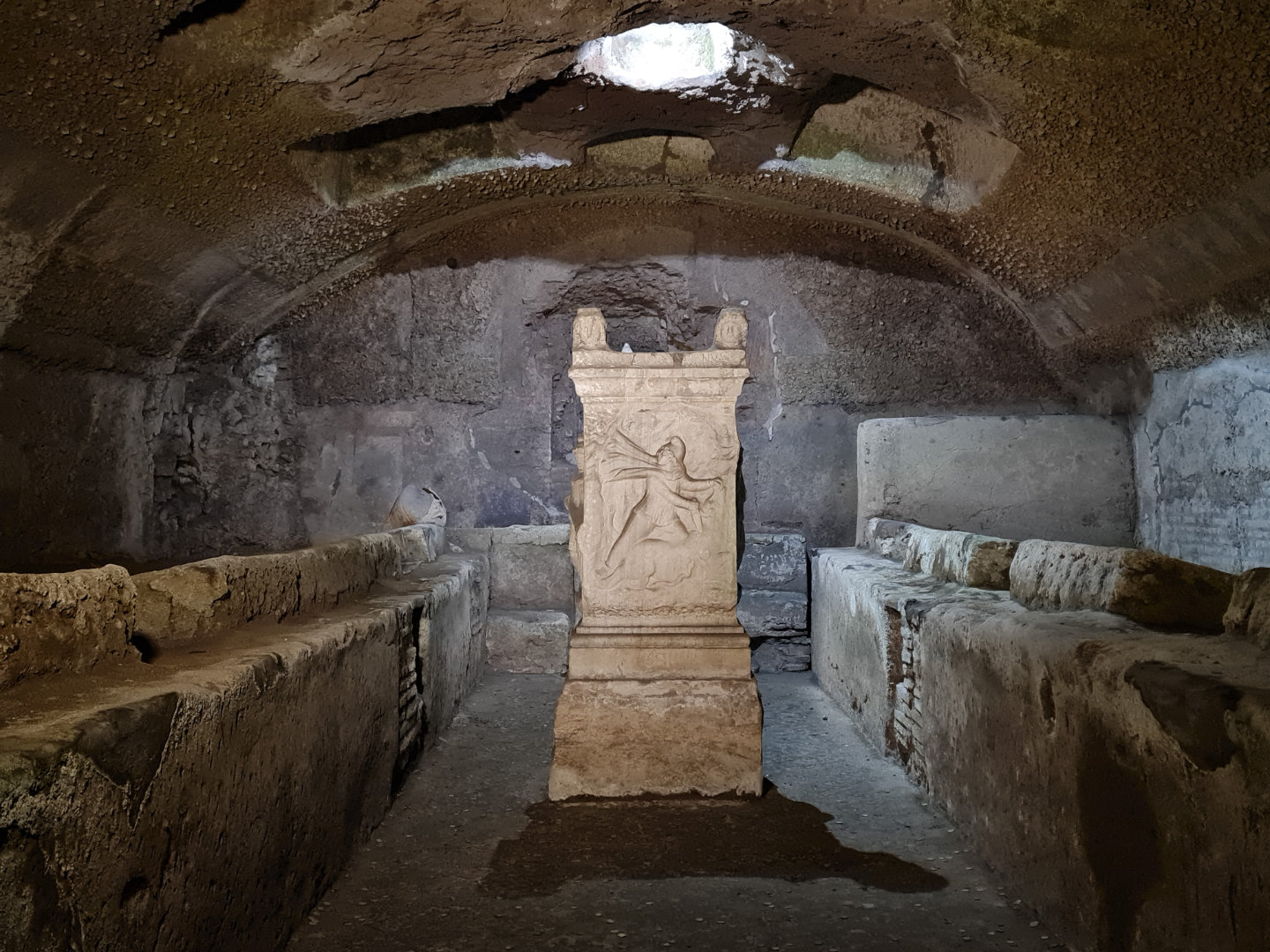
The Mithraeum under the Basilica of San Clemente made part of a notable Roman house.
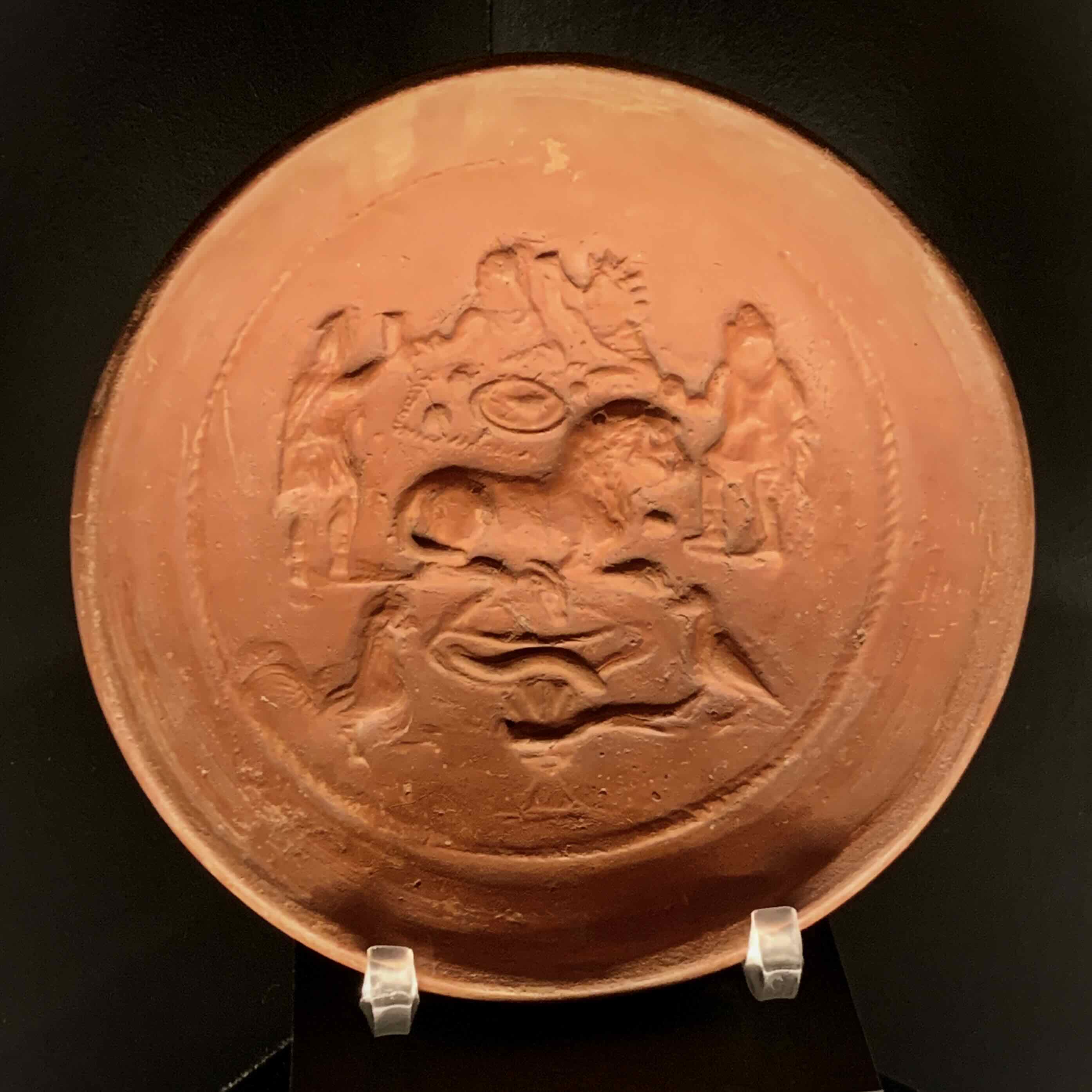
This terra sigillata was found in 1926 in a grave on the Roman cemetery of St. Matthias, Trier. An eyelet indicates that it could have been hung on a wall.
