Your search Rosa María Cid gave 235 results.
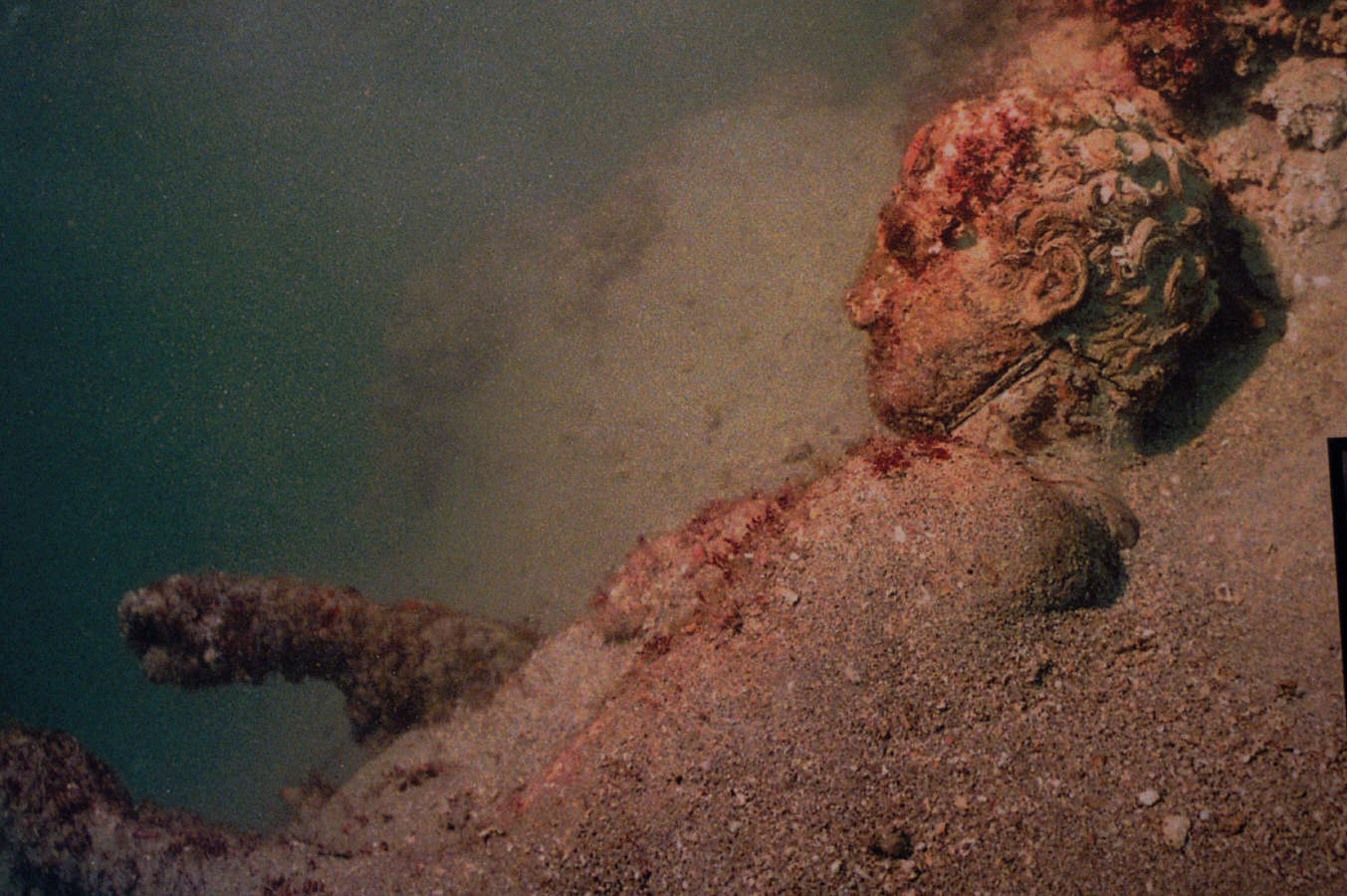
Two excerpts from the ’Life of Commodus’ in Lampridius’ Historia Augusta, dating from the 4th century CE.
Thrasyllus was an Egyptian of Greek descent grammarian, astrologer and a friend of the Roman emperor Tiberius.



Scholar, politician and a court astrologer to the Roman emperors Claudius, Nero and Vespasian.

Pater nominos in Sidon, he consecrated a number of sculptures, including a Hecataion.
He commissioned the main cult relief found in the Mithraeum of Circo Massimo.

Centurion of the Legio VII Gemina Antoniana Pia Felix who erected the only known mithraeum at Lucus Augusti to date.

Centurio frumentarius probably from Tarraco, who served in the Legio VII Gemina located in Emerita Agusta.
He was a Heliodromus who recorded his grade on an inscription dedicated to Mithras.

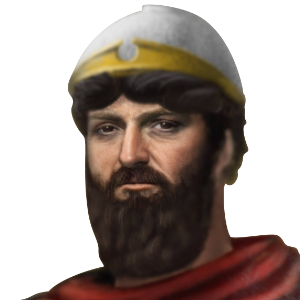
Founder of the Arasacid dynasty, Tiridates I was crowned king of Armenia by Nero in 66.

The pater Artemidorus seems to be an Augustan freedman of the Claudians, of Eastern origin.
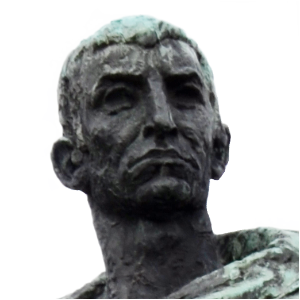
Danube region can be traced back to the legions that fought under his command in Armenia.


Butcher who dedicated a statue of Mercurius Quillenius in the Mithraeum of Groß-Gerau.

Public treasurer known for several inscriptions to Mithras found in San Silvestro.

