Your search Sankt Johann im Pongau gave 1046 results.

Miscellaneous cult objects from Ober-Florstadt including pottery, lamps, legionary stamps, coins, animal bones, and a bone flute fragment
Sacrificial knife, lamps, pottery, animal remains and inscribed terracotta fragments discovered inside the sanctuary.
Imported limestone relief fragments showing the Mithraic torchbearers beside the podia of the sanctuary.
Large quartzite tauroctony relief with torchbearers, zodiacal imagery and traces of ancient red paint from the Friedberg Mithraeum.
Simple inscribed altar dedicated to the invincible deity from Cologne.
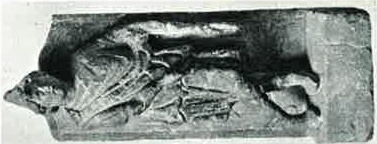
Limestone relief of the torchbearer Cautopates standing cross-legged in Oriental dress.
Limestone base with remains of a torchbearer and an inscription to Mithras by Lucius Pervincius Sequens.
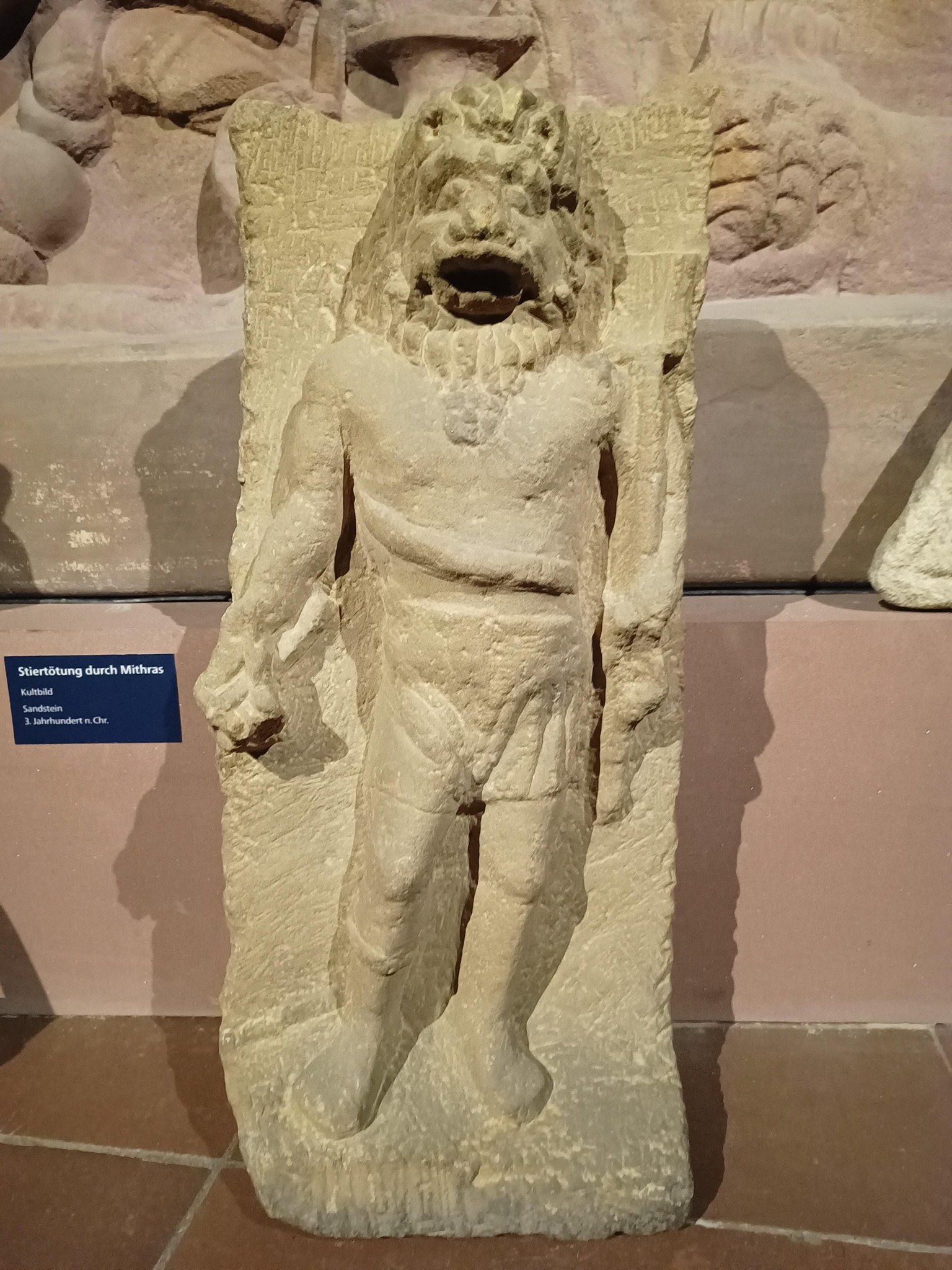
This lion-headed figure from Nida, present-day Frankfurt-Heddernheim, holds a key and a shovel in his hands.
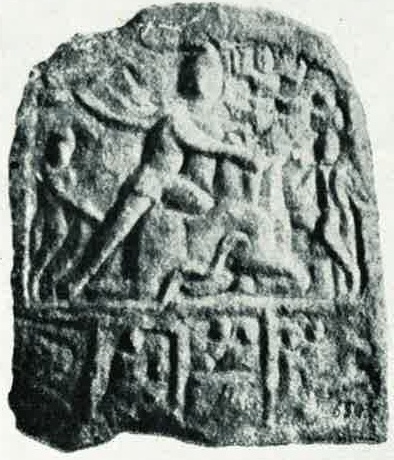
Small arched marble tauroctony relief from Philippovtsi near Sofia, Thracia, divided into two parts by a horizontal rim.

Nida was an ancient Roman town in the area today occupied by the northwestern suburbs of Frankfurt am Main, Germany, specifically Frankfurt-Heddernheim, on the edge of the Wetterau region.
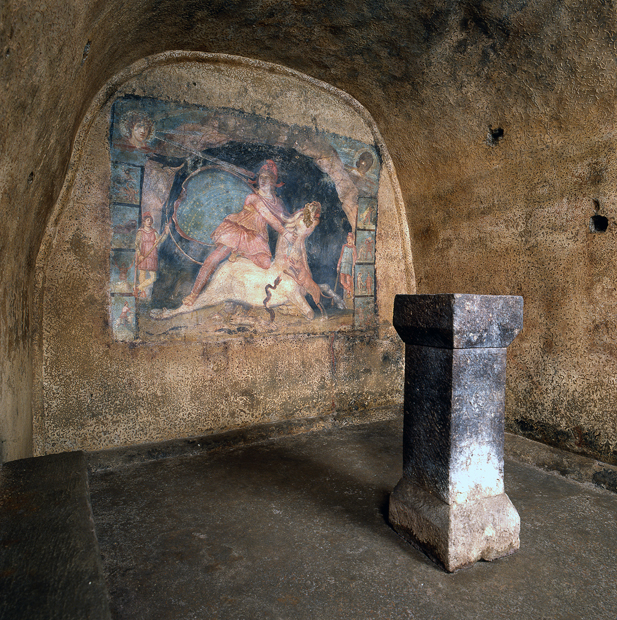
The Marino Mithraeum preserves one of the most elaborate painted cycles of Mithras’ myth, combining the tauroctony, planetary symbolism and scenes from the god’s sacred narrative.
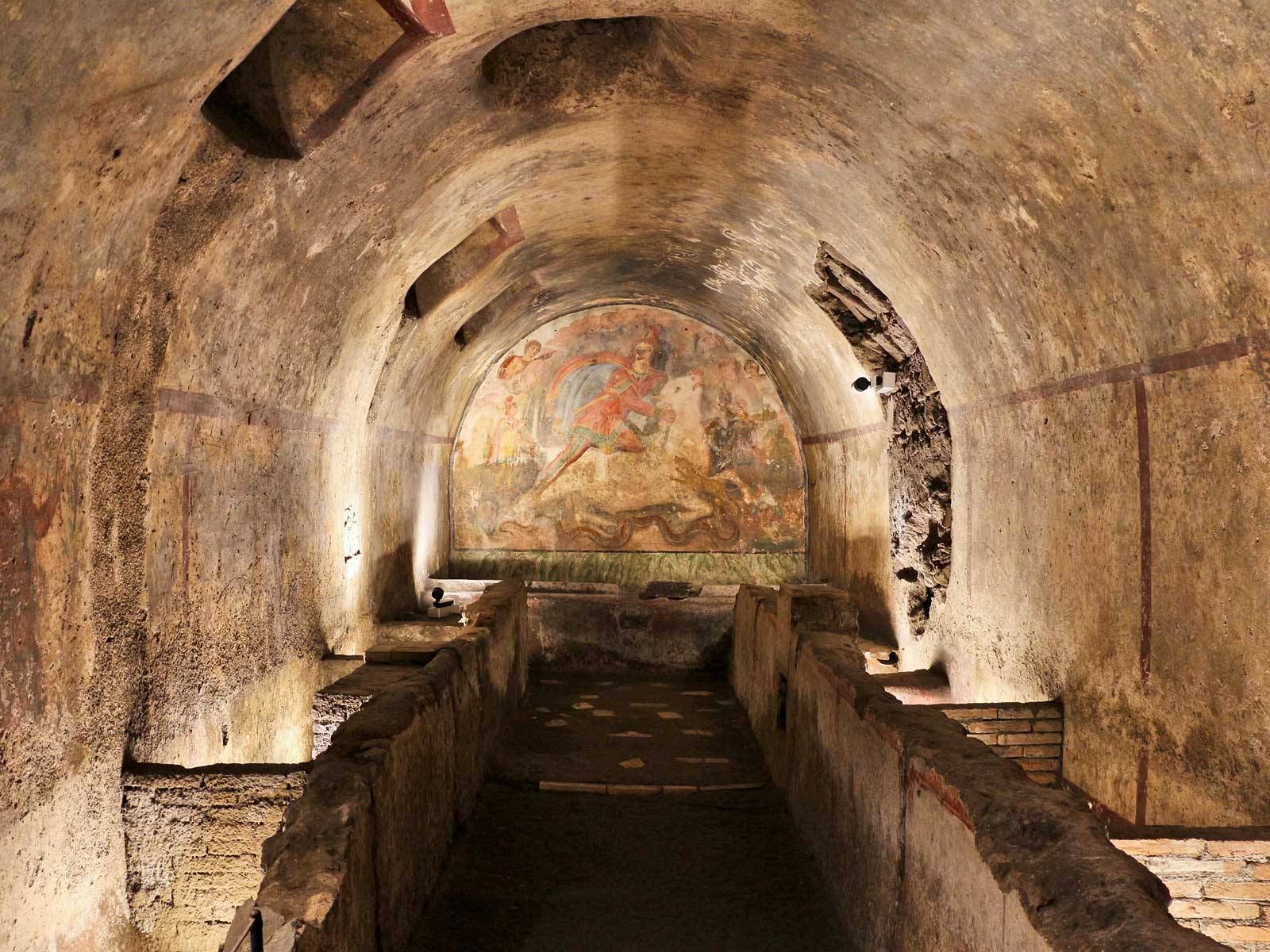
One of Roman Italy’s most important Mithraic sanctuaries, the Mithraeum at S. Maria Capua Vetere preserves a remarkable painted cycle of initiation scenes, offering rare visual evidence for the ritual life of Roman Mithaism.
The Pontiae islands, including modern Ponza, formed part of the Roman maritime landscape of Latium and preserve one of the most remarkable Mithraic sanctuaries of Roman Italy, renowned for its rare stucco zodiac and astral symbolism.
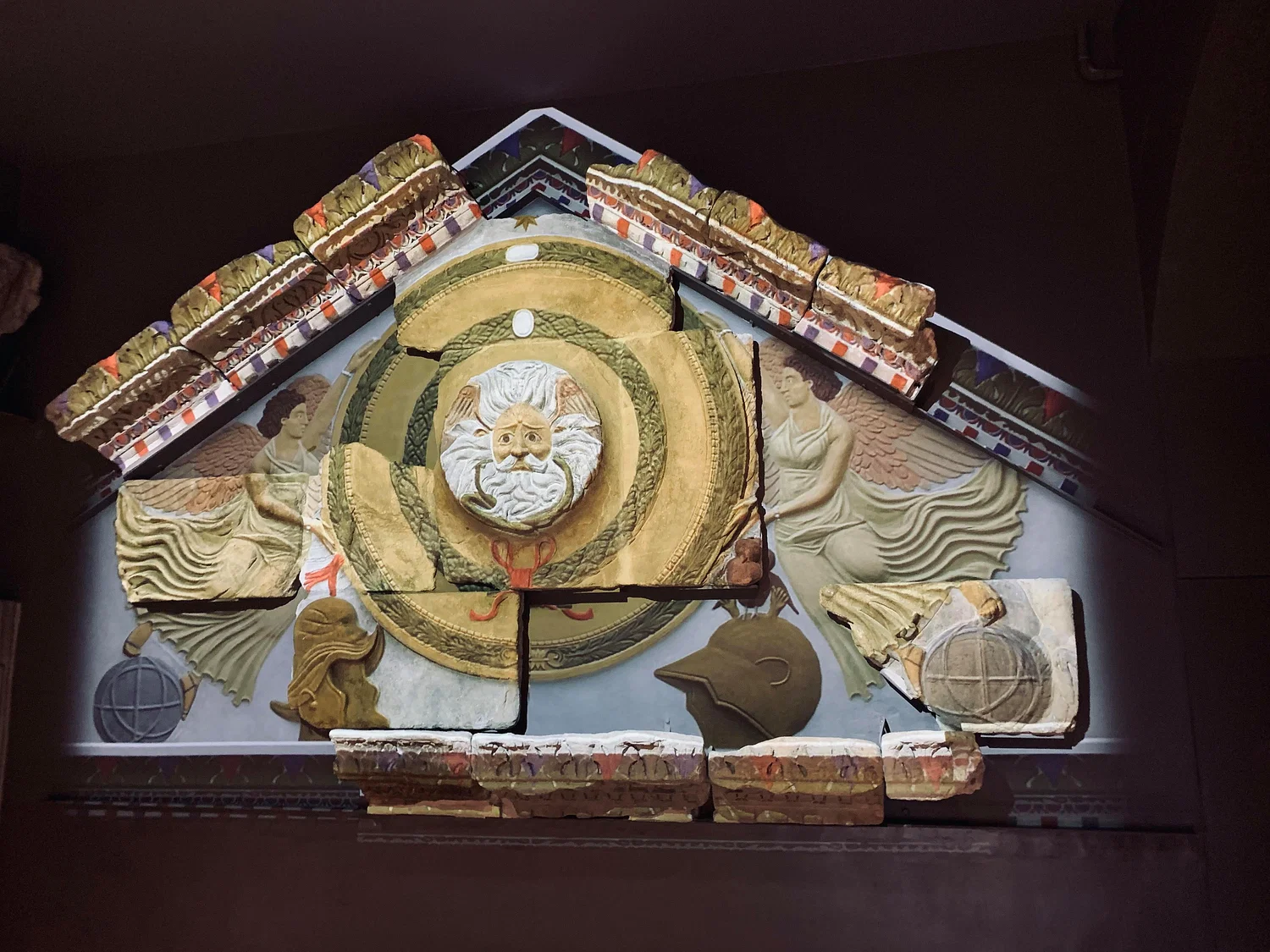
Roman Britannia preserves one of the most strongly militarised corpora of Mithraic evidence in the western empire.
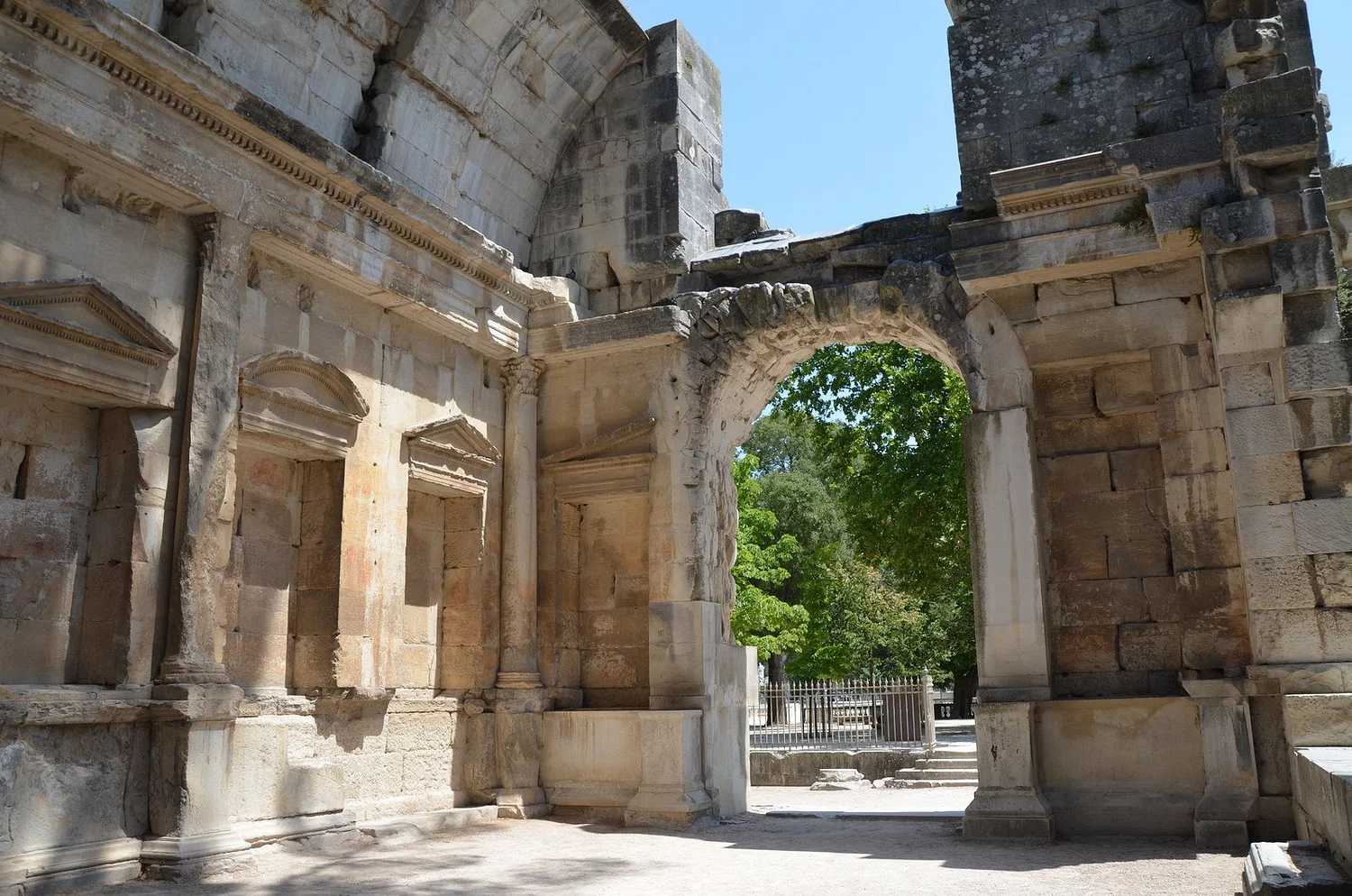
Roman Gallia preserves one of the largest and most geographically diverse corpora of Mithraic evidence in the western empire.
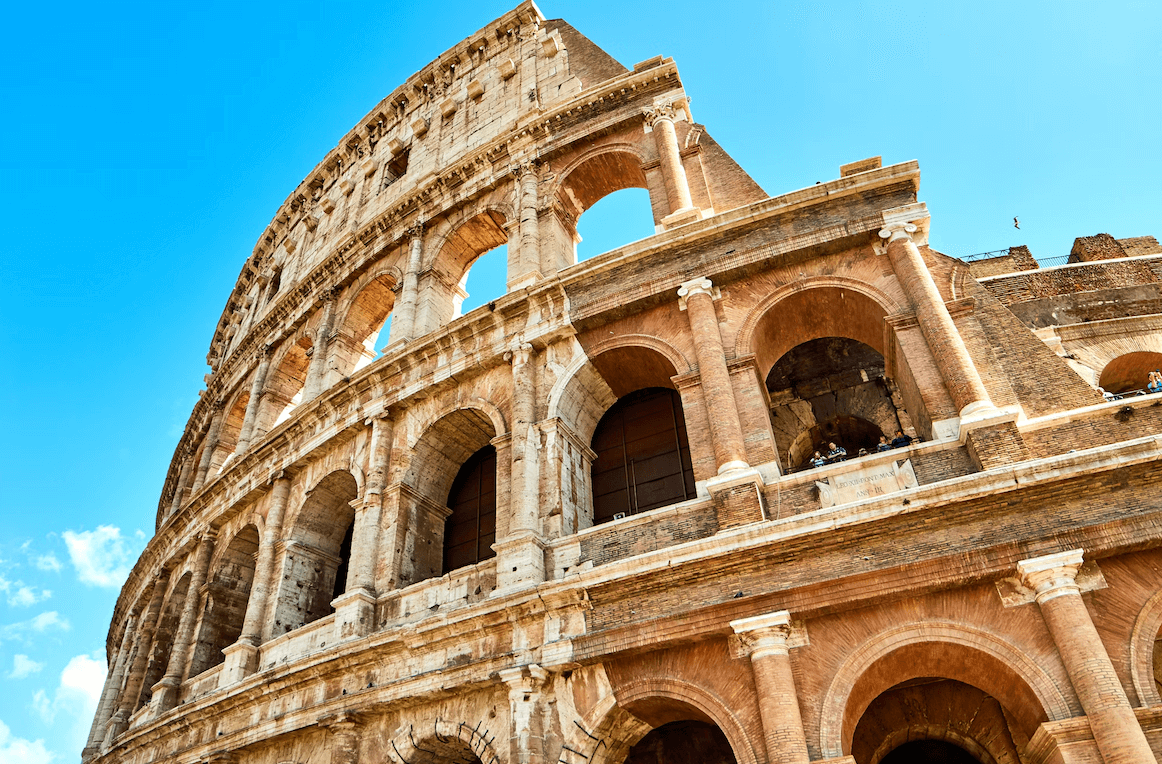
Roman Italia preserves a central and exceptionally influential corpus within the development of Mithraic cults.
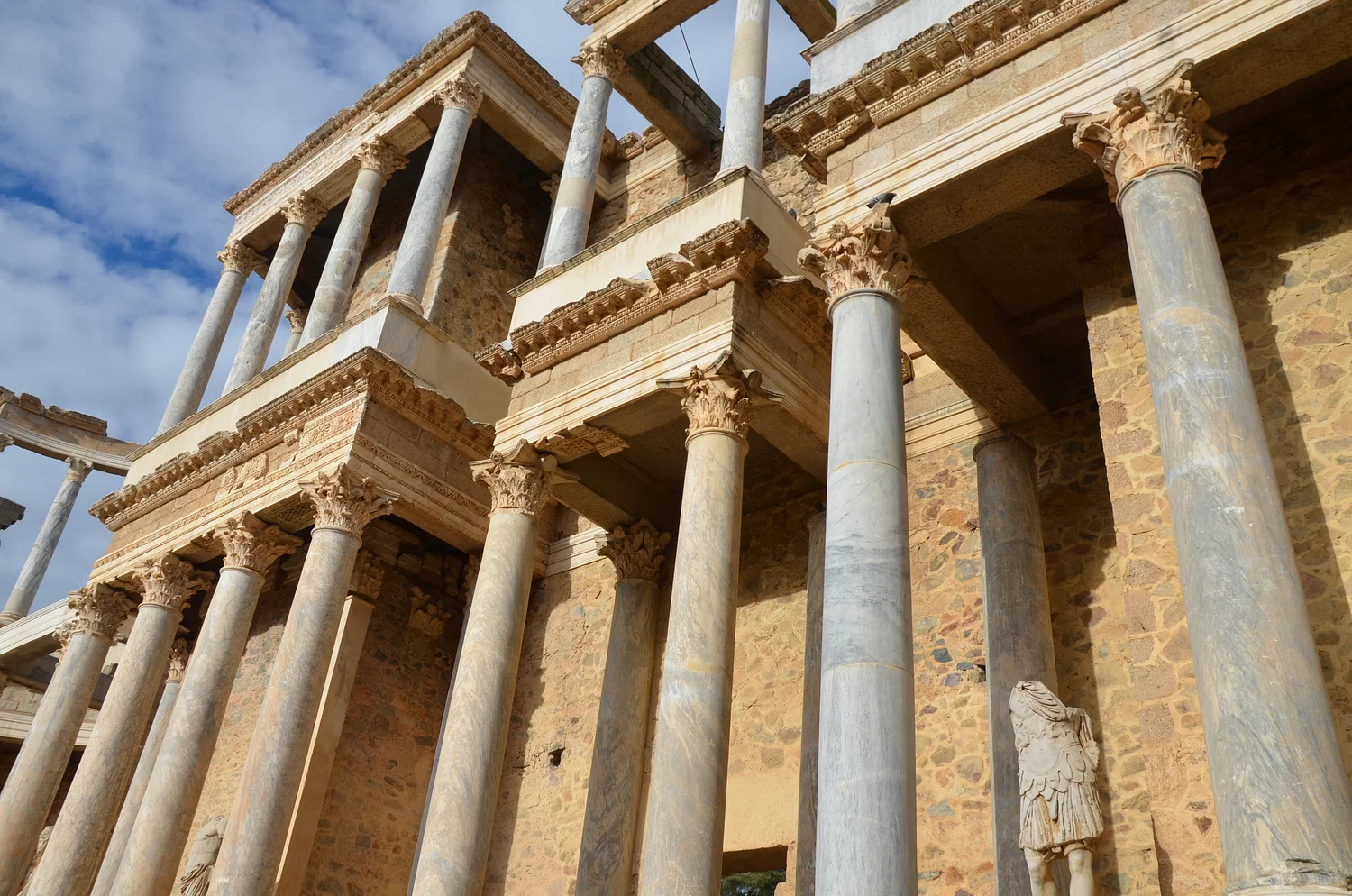
Roman Hispania preserves a relatively modest but strongly urban body of Mithraic evidence, centred above all on Mérida.

Emperor Caracalla ordered one of Rome’s largest temples to the god Mithras to be built in the baths bearing his name.
