Your search for Sankt Urban gave 110 results.

Sankt Urban lies within the southern Alpine zone connected with Roman Noricum.

Natural grotto called the Bichl on the south slope above the Glanegg lake near St. Urban, Noricum, adapted as a Mithraic sanctuary; part of the grotto floor was paved and remnants of water installations survive.
St. Wendel is associated with archaeological material from the Roman-period Moselle-Saar region.
Sankt Thomas belongs to the rural Alpine territory associated with Roman Noricum.
Sankt Johann occupied a position along the Alpine communications network of Noricum.
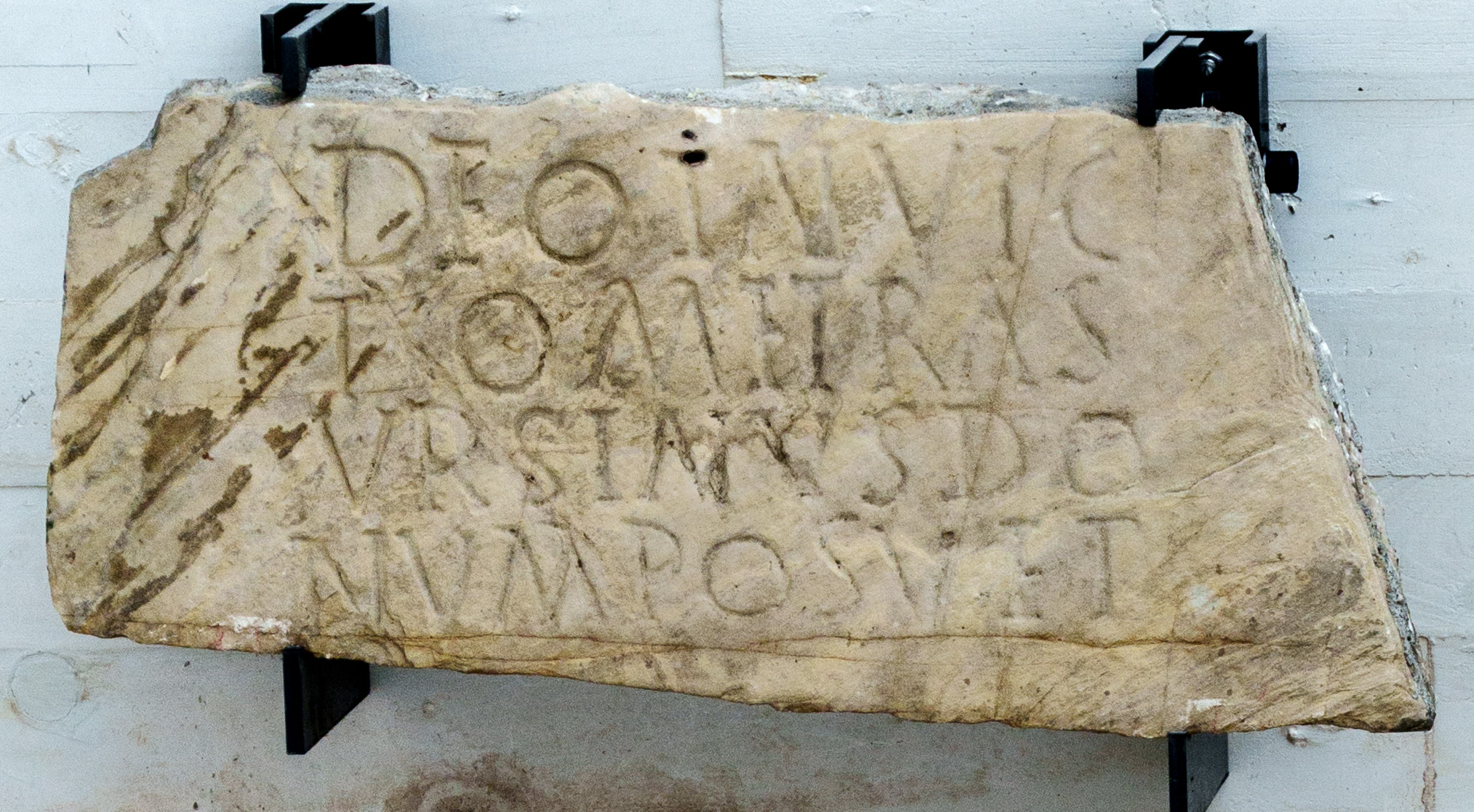
Marble plaque with inscription by a certain Ursinus found in Virunum in 1838.
Small altar found in 1843 at Sankt Johann in the Saan valley, Noricum, dedicated to Deo invicto Mithrae by Sextus Masclinus.

Baetica occupied a prosperous and highly urbanised corner of Roman Hispania where Mithraic cults circulated through Mediterranean exchange networks.
Macedonia formed a major crossroads between the Greek world, the Balkans and the communication routes of the eastern Roman empire.
Achaea preserves some of the earliest and most culturally complex evidence for Mithraic activity in the Greek-speaking eastern Mediterranean.
Pax Iulia, modern Beja, developed into one of the principal urban centres of southern Lusitania.
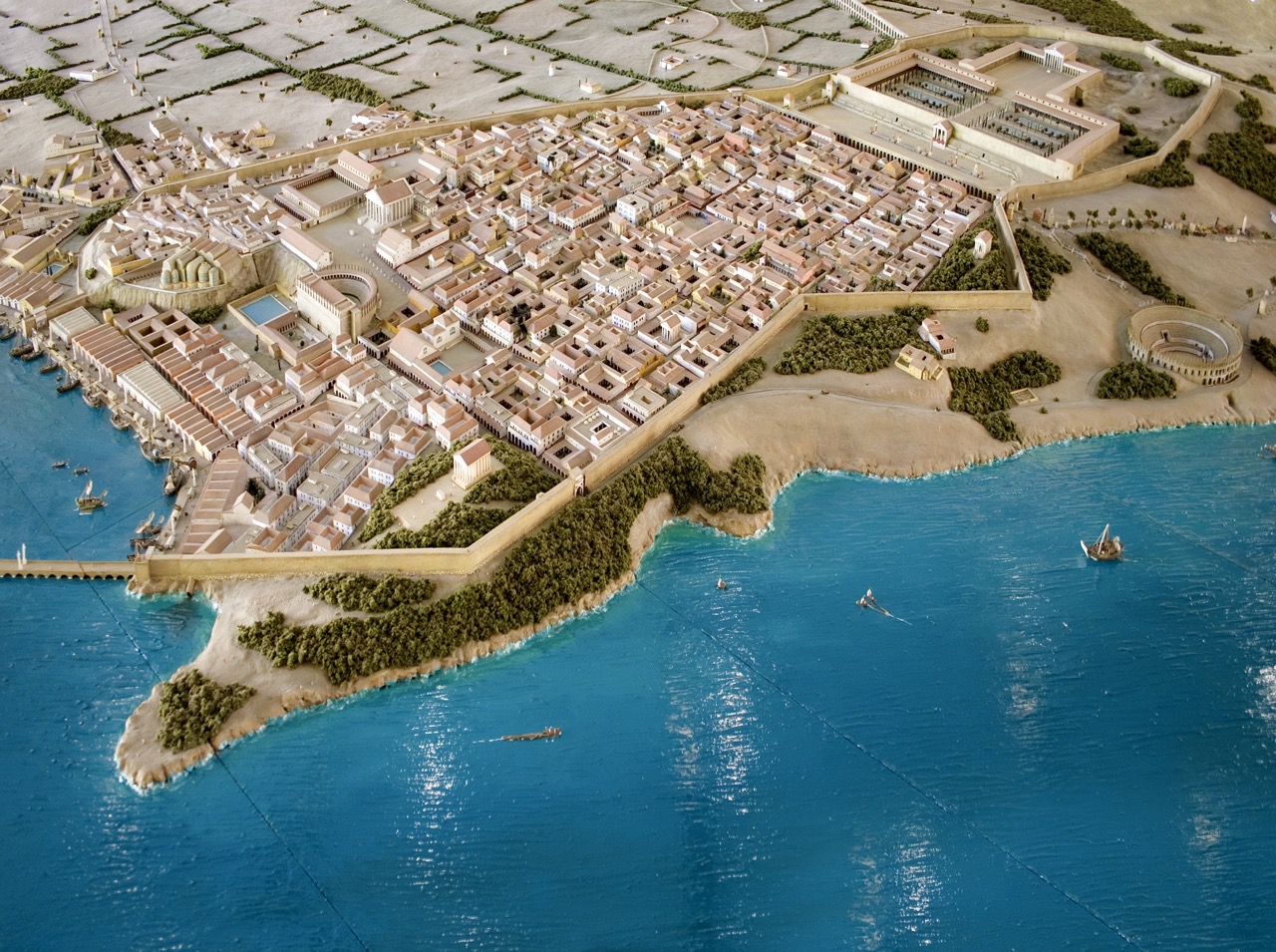
Across Tarraconensis, Mithraic evidence appears in diverse urban, military and Mediterranean environments of Roman Hispania.
Moesia superior preserves frontier evidence shaped by the military infrastructure and circulation networks of the middle Danube.
Britannia superior preserves a substantial body of Mithraic evidence associated with military sites and urban centres of Roman Britain.
Latium formed the political and religious centre of the Roman world where some of the most important Mithraic communities developed.
Sicilia connected Italy, North Africa and the eastern Mediterranean through some of the busiest maritime routes of the Roman world.
