Your search Santa Barbara gave 78 results.
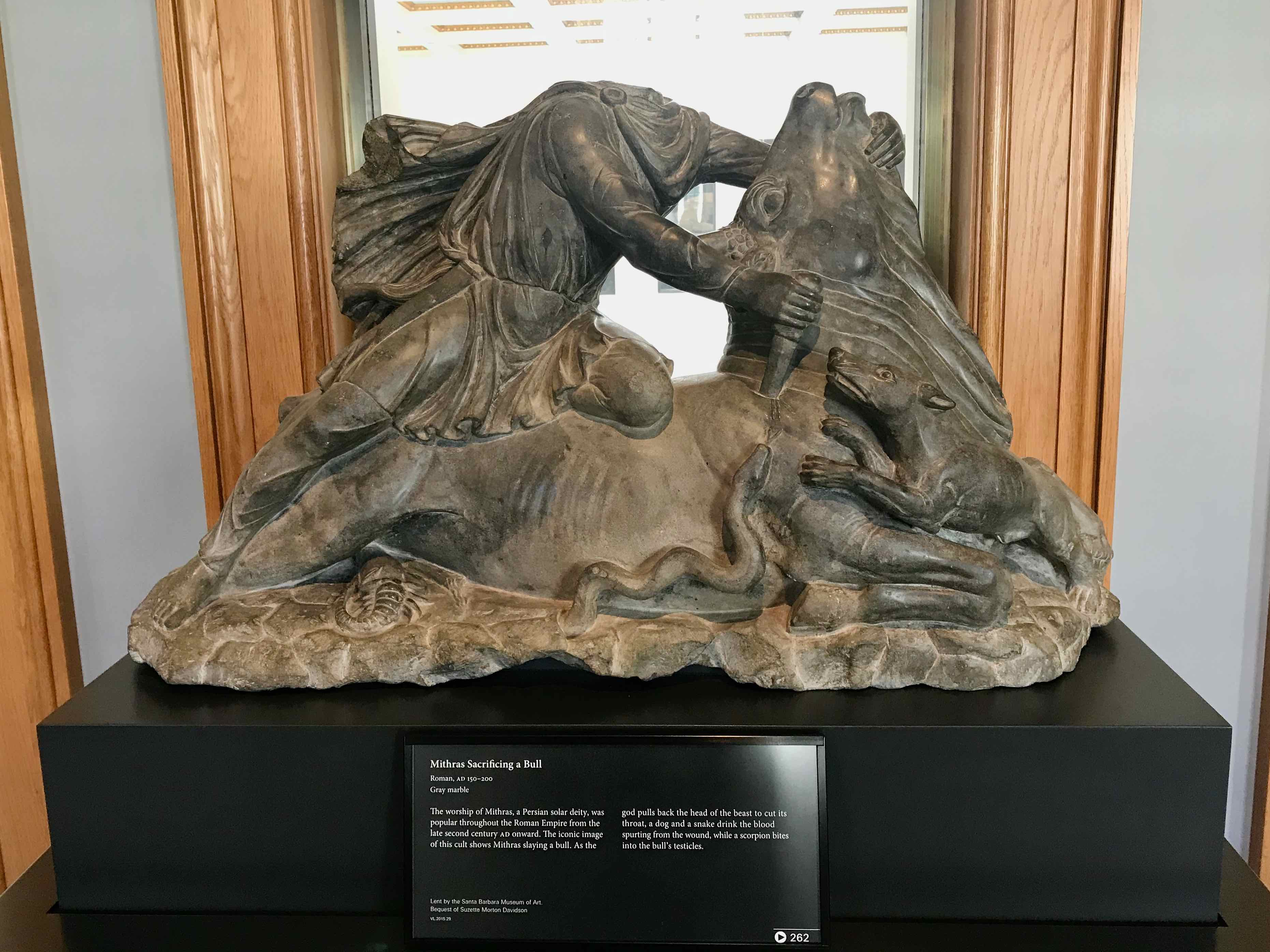
Tauroctony in black marble on display at the Santa Barbara Museum of Art, California.
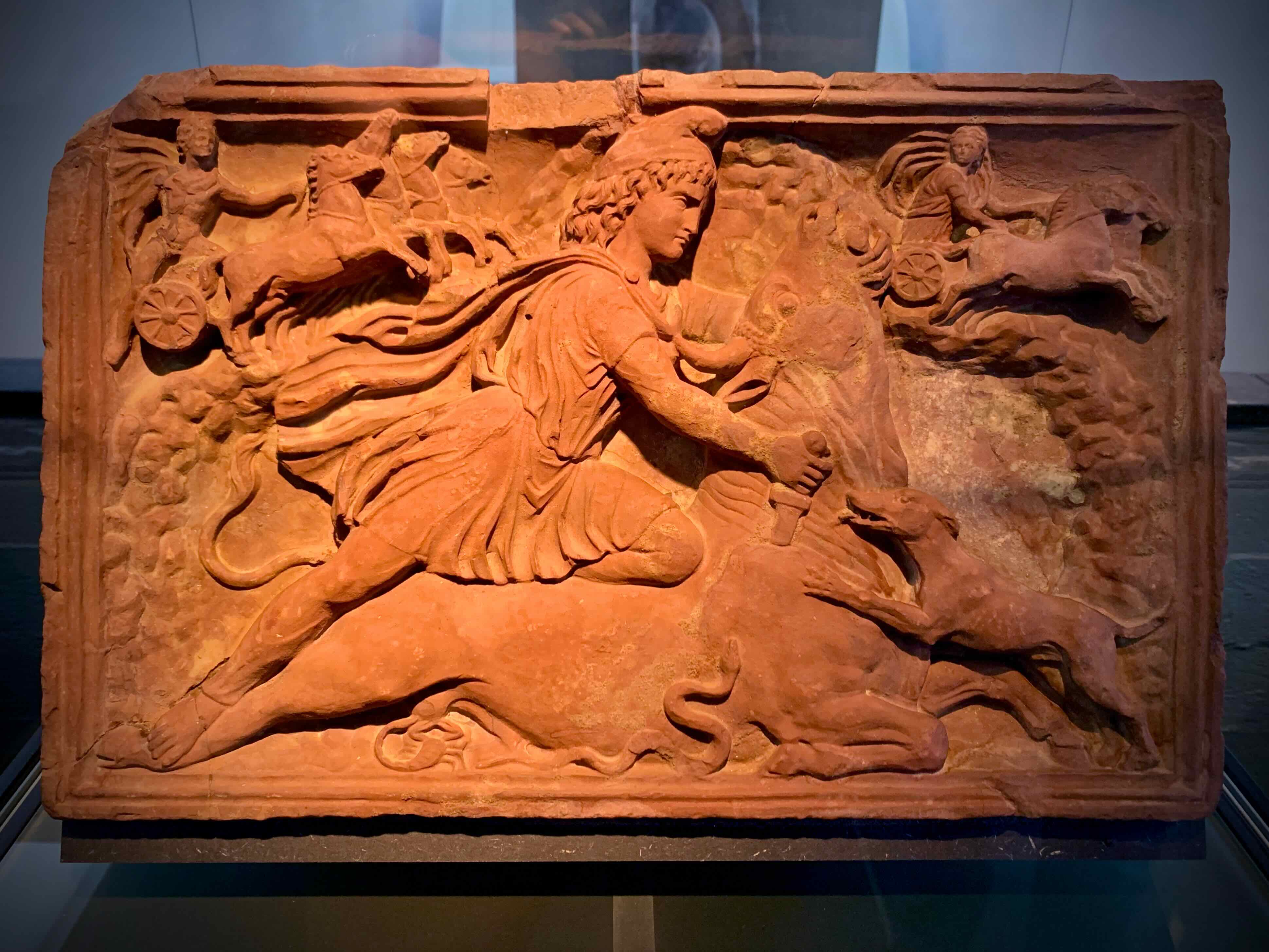
Maarten Vermaseren acquired this rosso antico marble of Mithras slaying the bull in 1961.
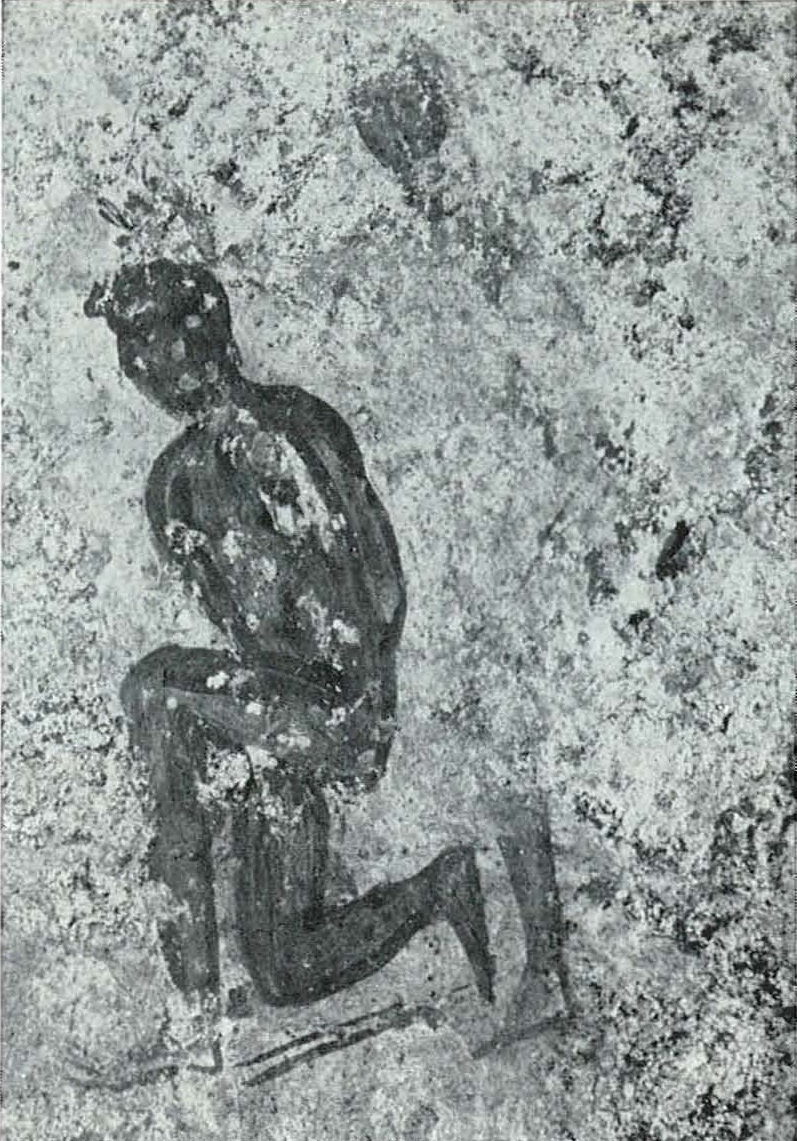
This scene from the frescoes of the Mitreo di Santa Maria Capua Vetere shows a kneeling, naked man surrounded by two other figures.
Luna riding a biga in the Mithraeum of Santa Capua Vetere.
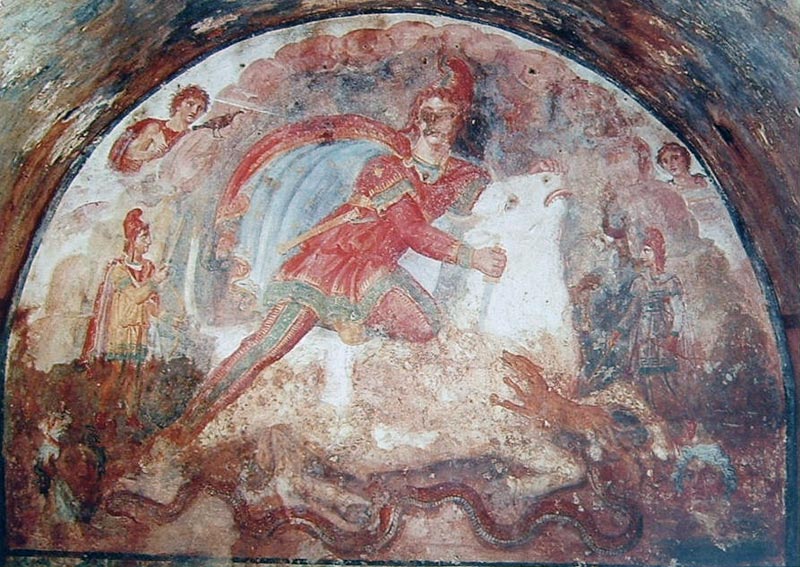
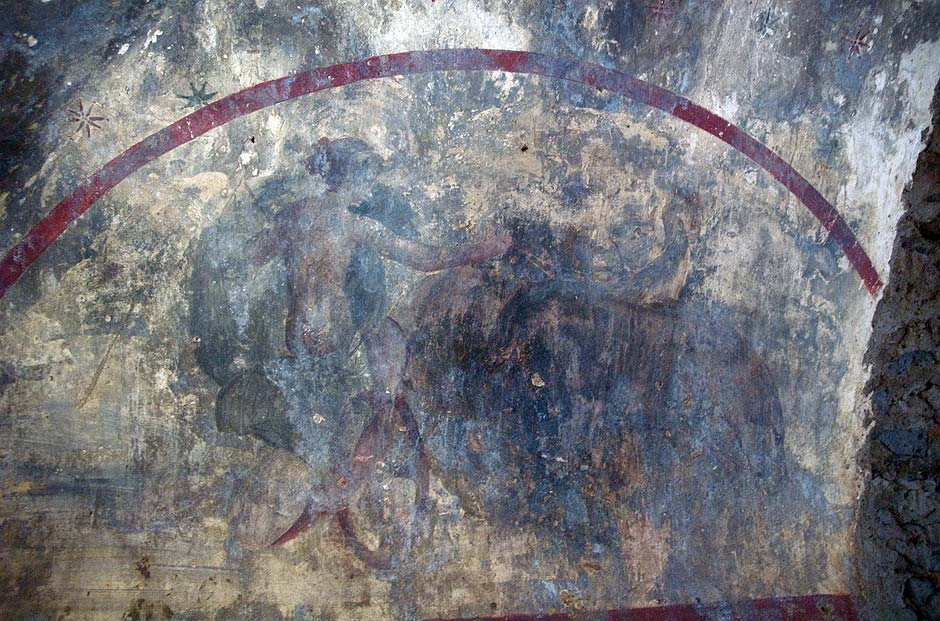
The main fresco of the Mithraeum of Santa Maria Capua Vetere portrays Mithras slaughtering a white bull.
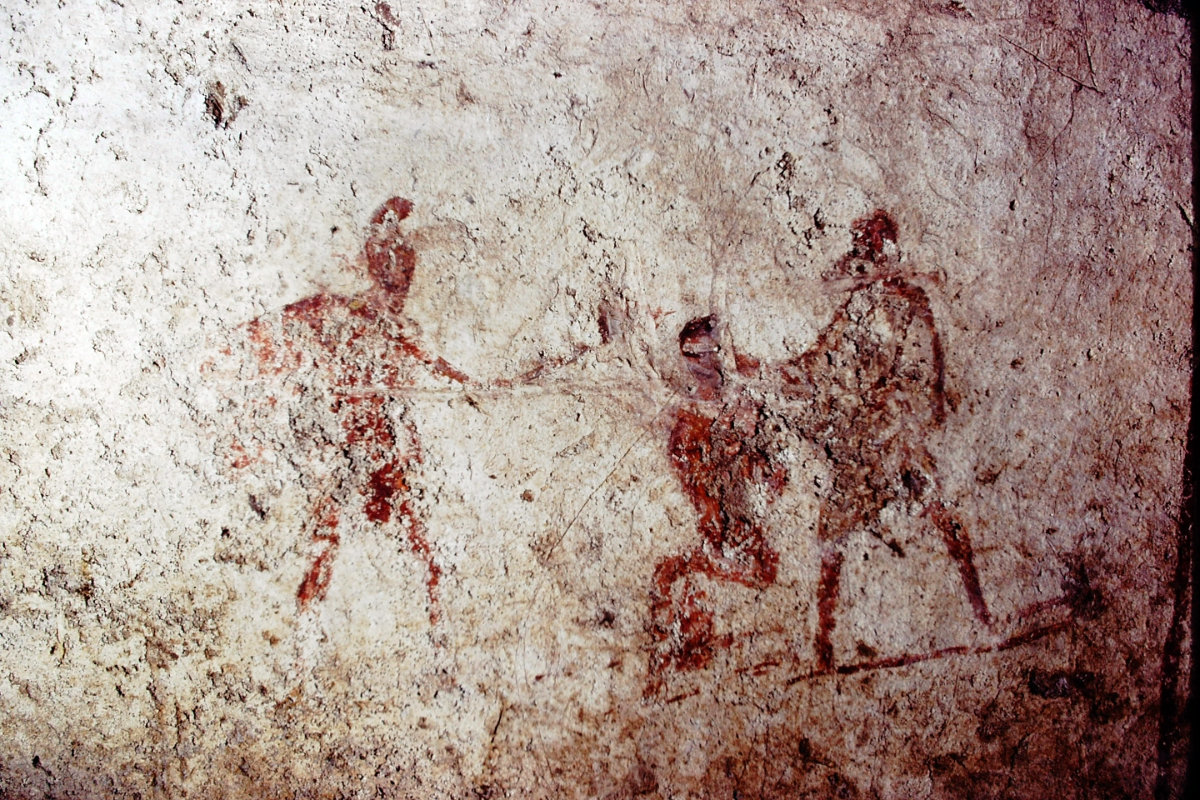
Fresco showing a scene of initiation into the mysteries of Mithras in the Mithraeum of Santa Maria Capua Vetere.
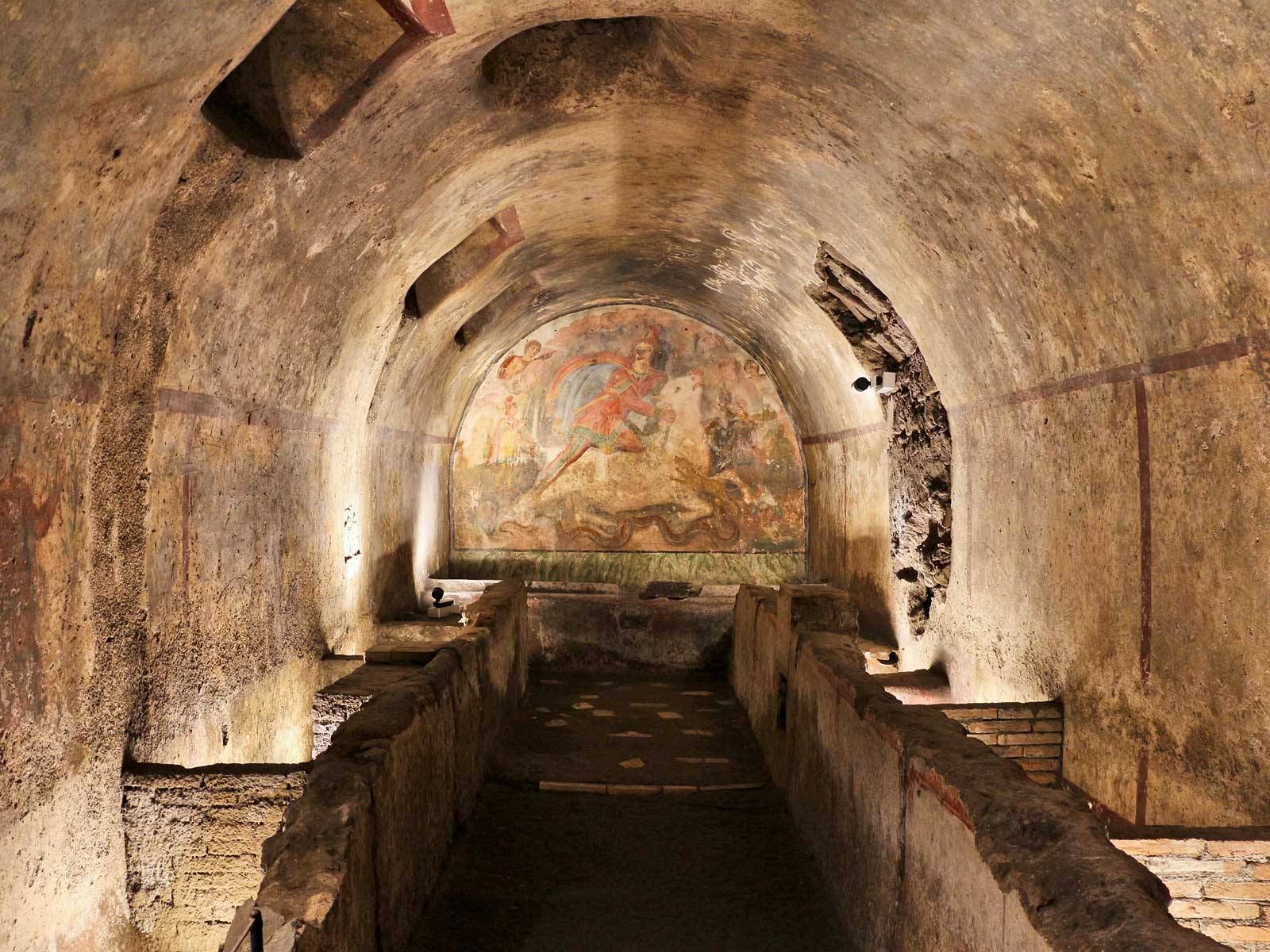
One of Roman Italy’s most important Mithraic sanctuaries, the Mithraeum at S. Maria Capua Vetere preserves a remarkable painted cycle of initiation scenes, offering rare visual evidence for the ritual life of Roman Mithaism.
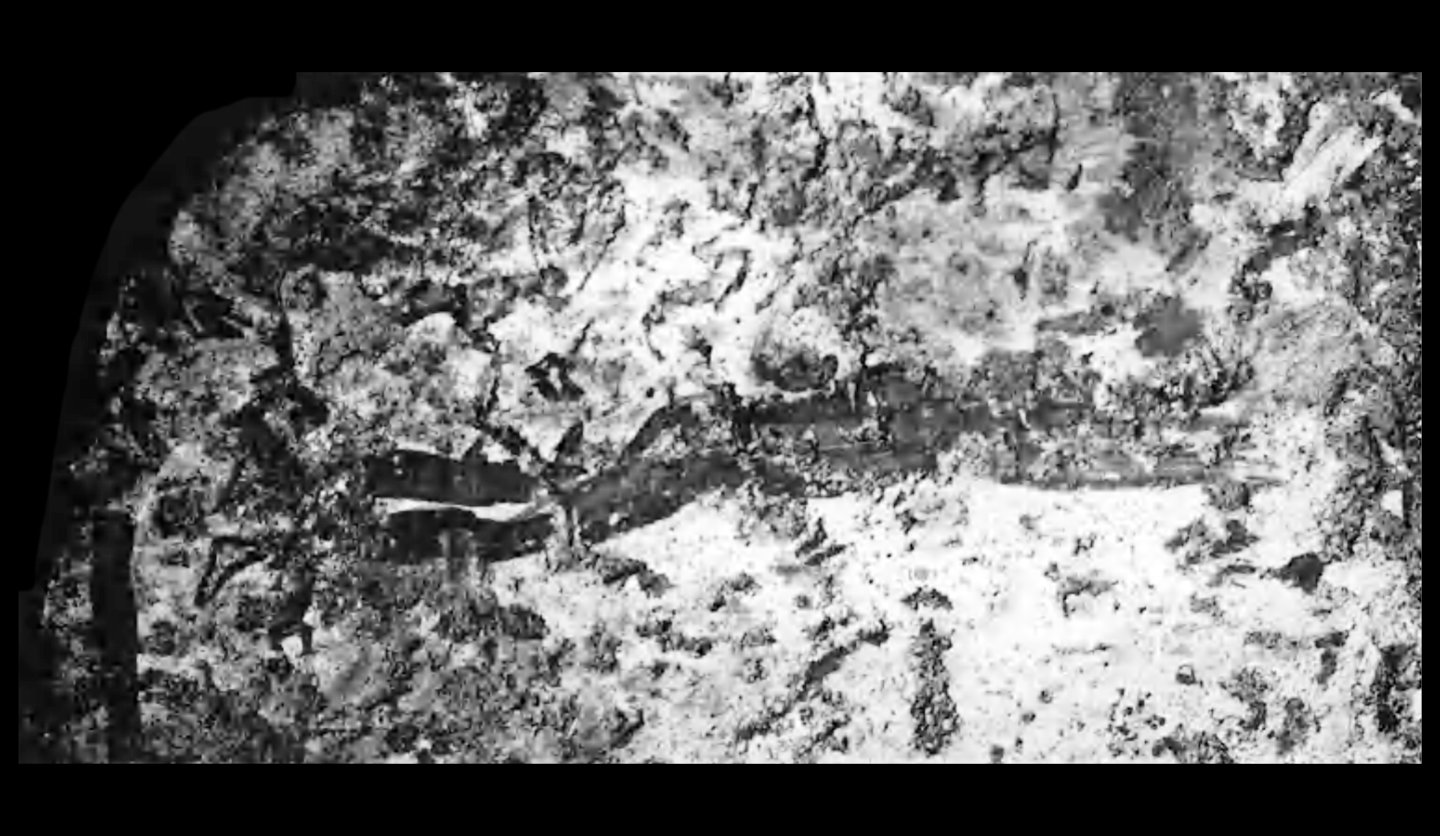
Representation of a person lying prostrate on the ground between two other walking figures on the Mitreo of Santa Capua Vetere.
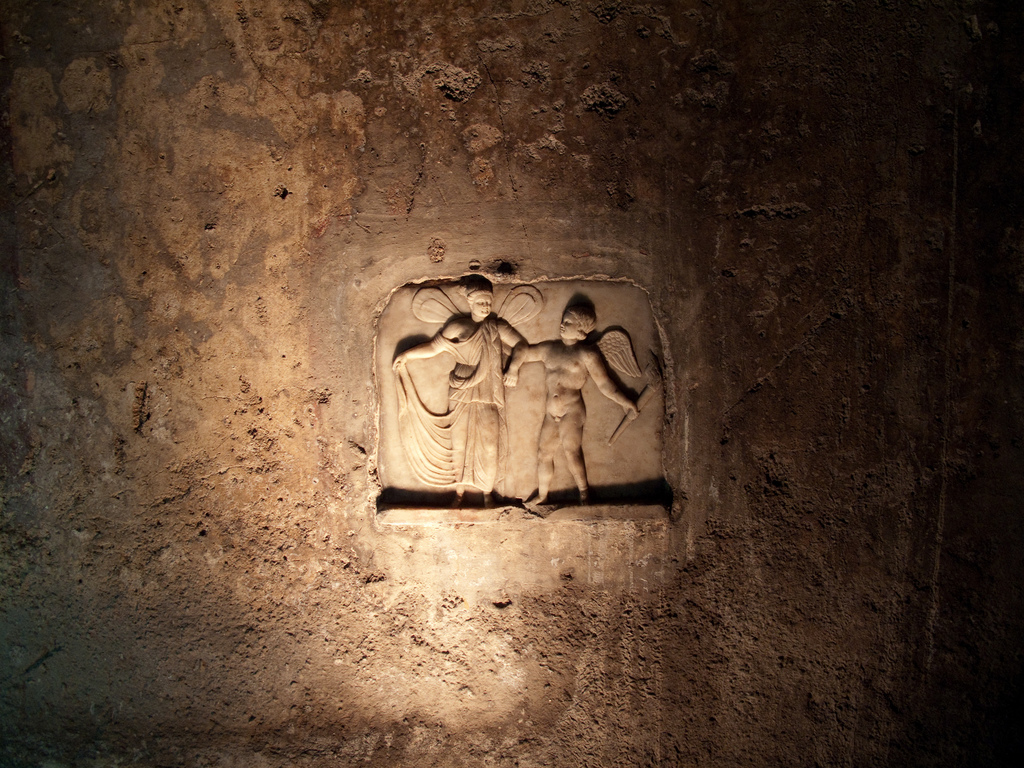
The Mithraeum of Santa Maria Capua Vetere includes a marble relief depicting a child Eros guiding Psyche through the dark.
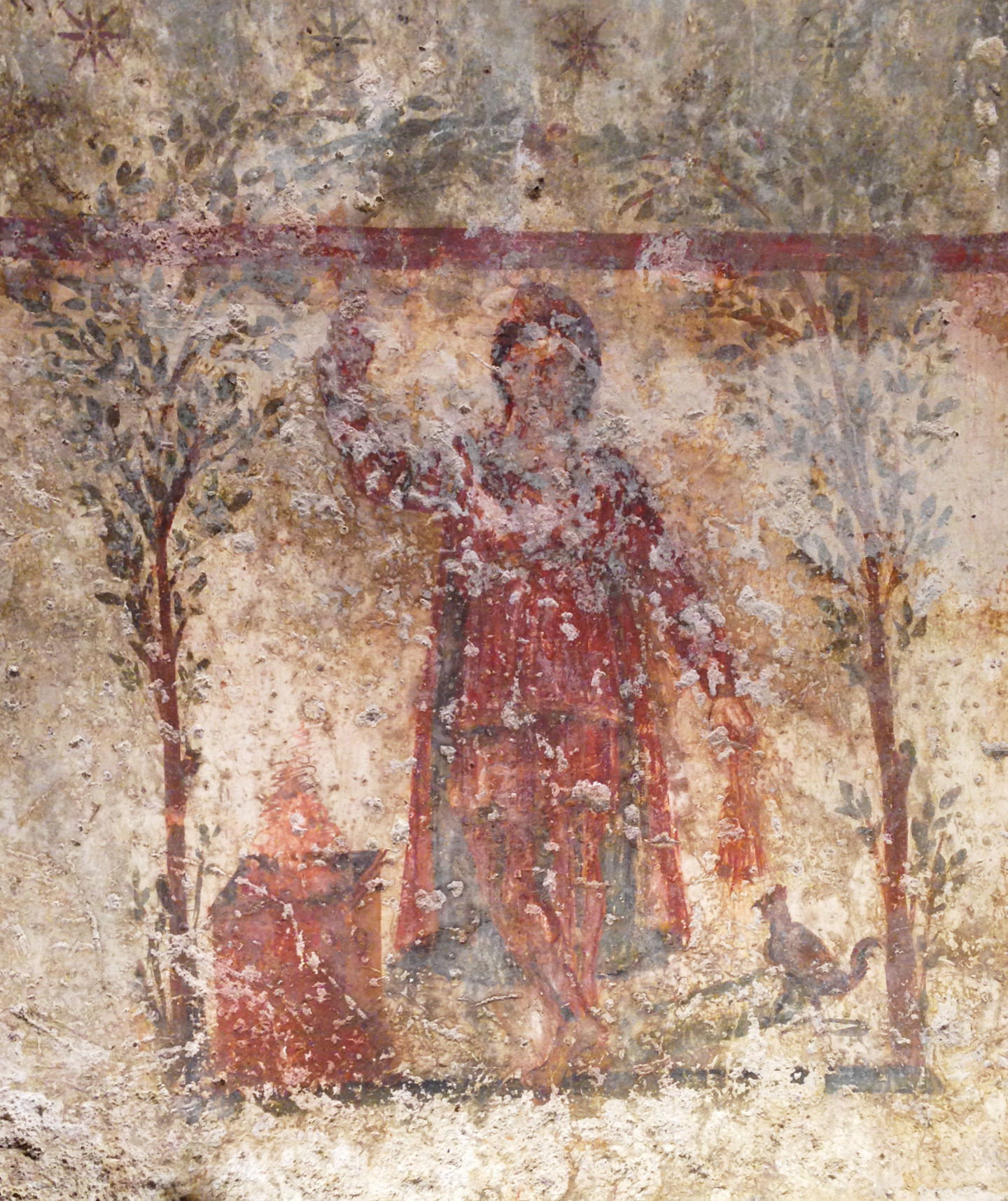
In the Mithraeum of S. Capua Veteres, Cautes stands between two laurel trees.
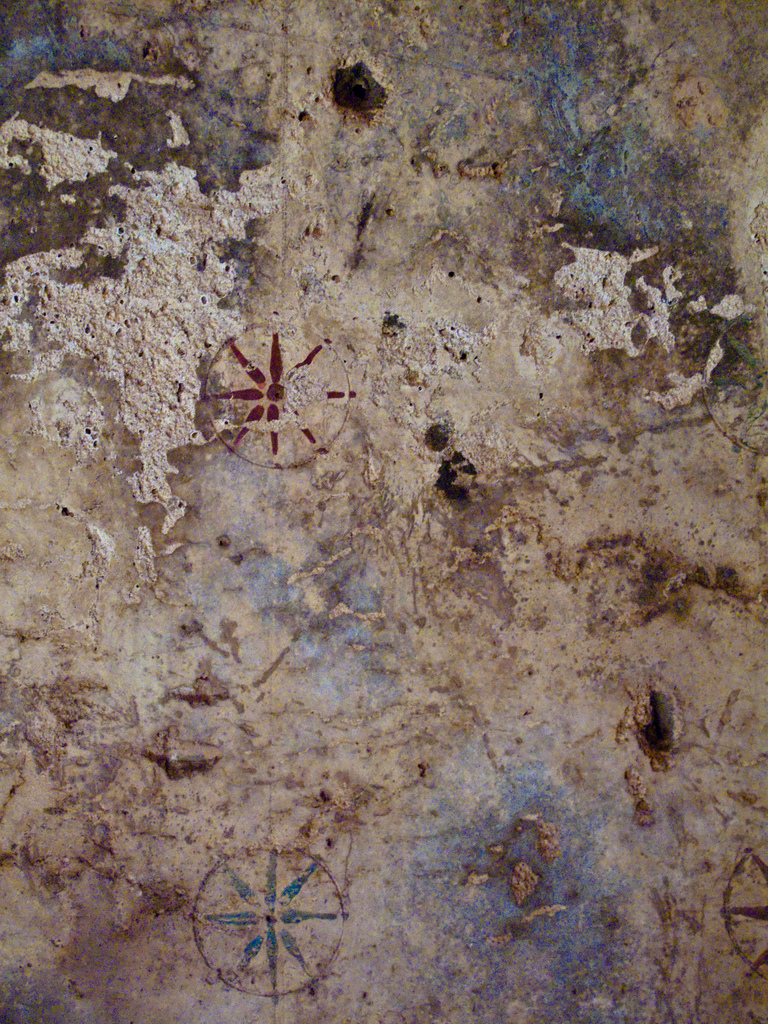
The vault of the Mithraeum in S. Capua Vetere is decorated with stars that have holes in their centers, which once held colorful glass decorations.
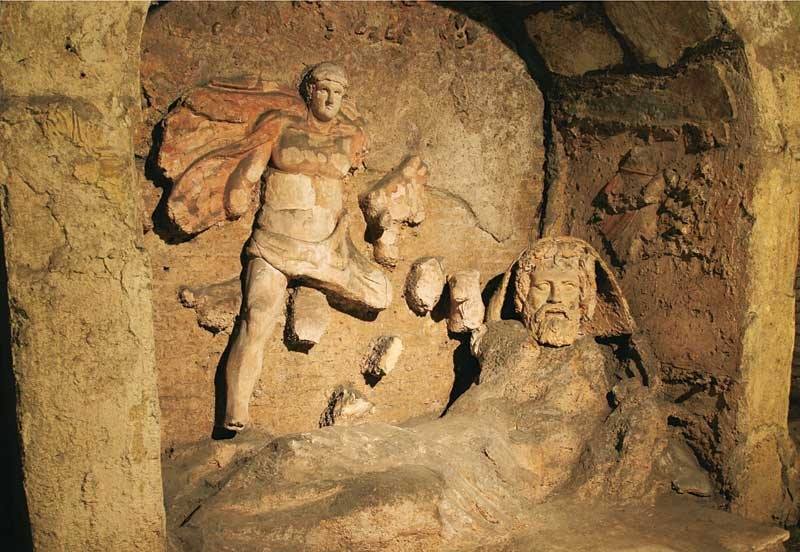
Even if only a few fragments remain, it is very likely that the main niche of the Mitreo di Santa Prisca contained the usual representation of Mithras killing the bull.
The fragmented tauroctony of the Mitreo di Santa Prisca rests on the naked figure of a bearded man, probably Ocean or Saturn.
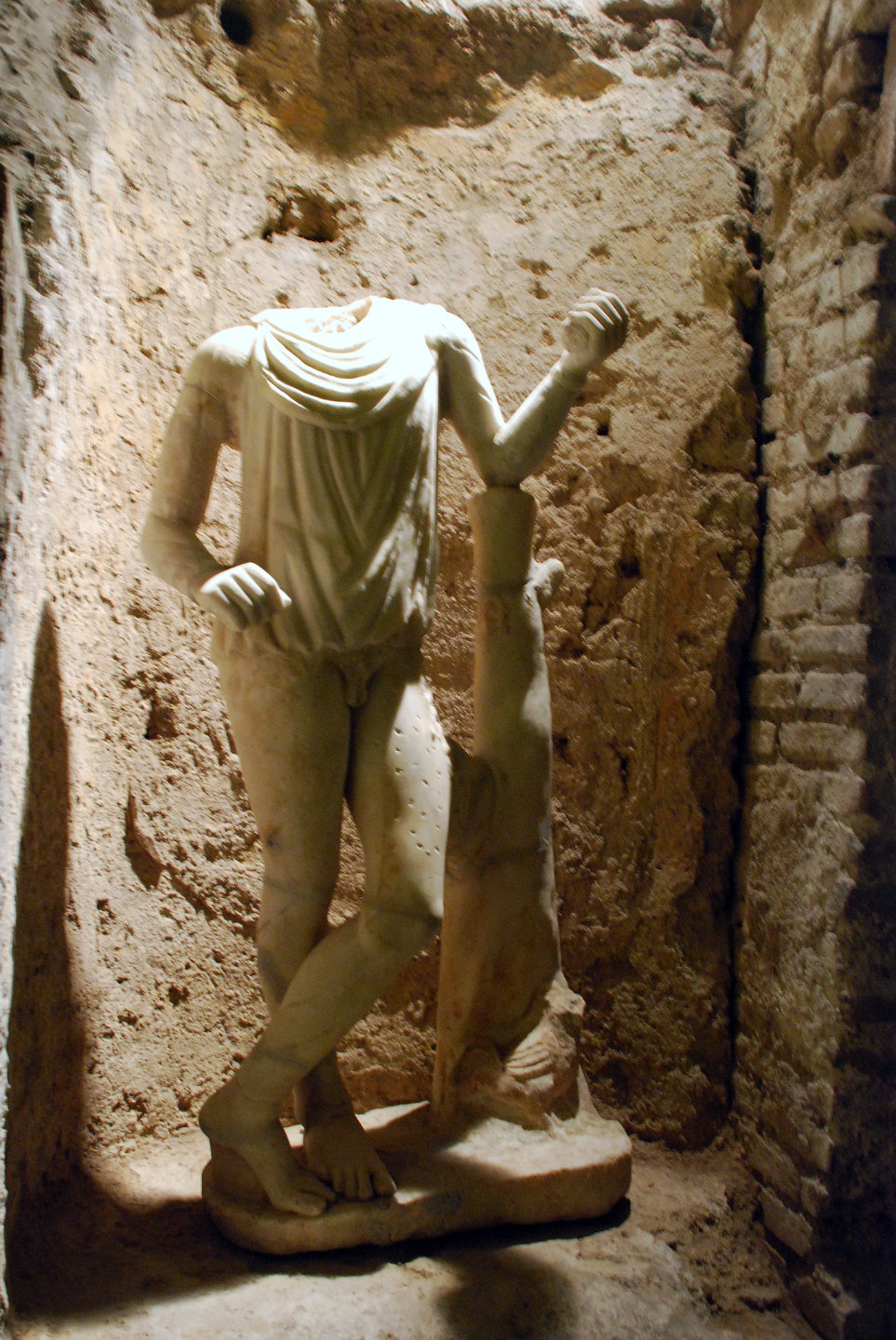
The marble statue of Cautes, found in the Mithraeum of Santa Prisca, was originally a Mercury.
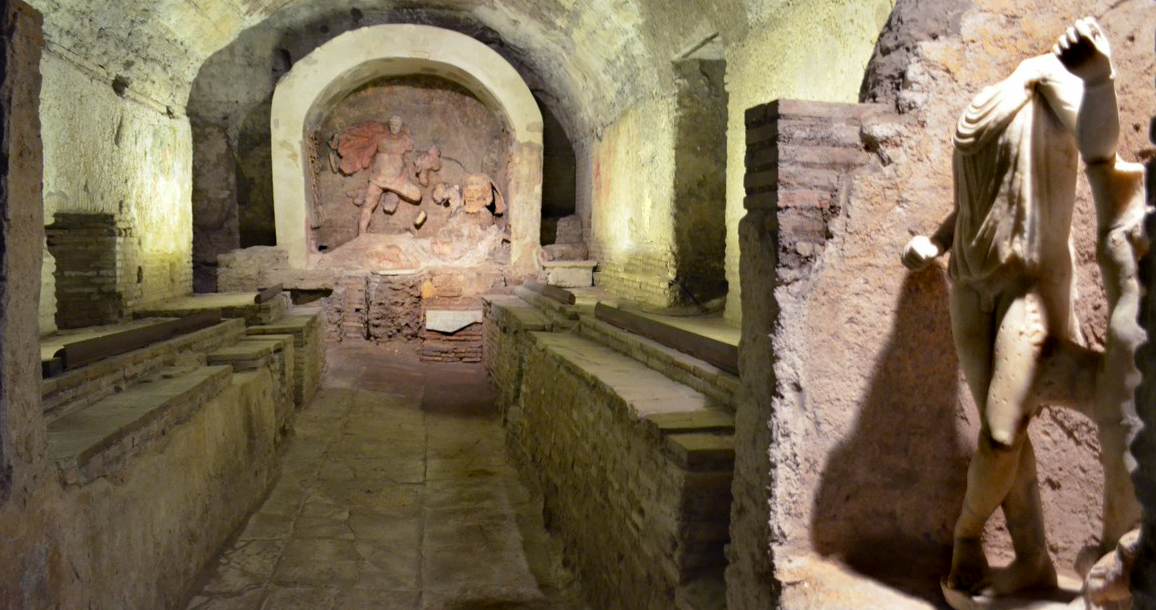
The Mithraeum of Santa Prisca houses remarkable frescoes showing the initiates in procession.

Partial relief of a Giant with snake-feet found in the Mithraeum of Santa Prisca.
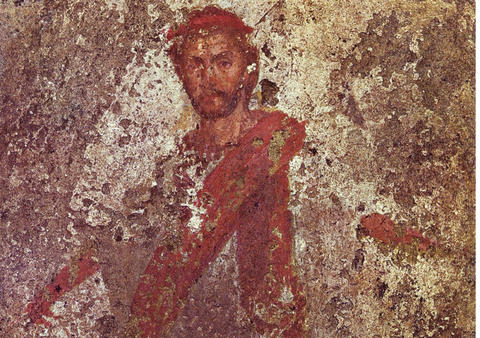
Figures in procession, each representing a different grade of Mithraic initiation, labeled with their respective titles.

This inscription, which doesn’t mention Mithras, was found near the church of Santa Balbina on the Aventine in Rome.

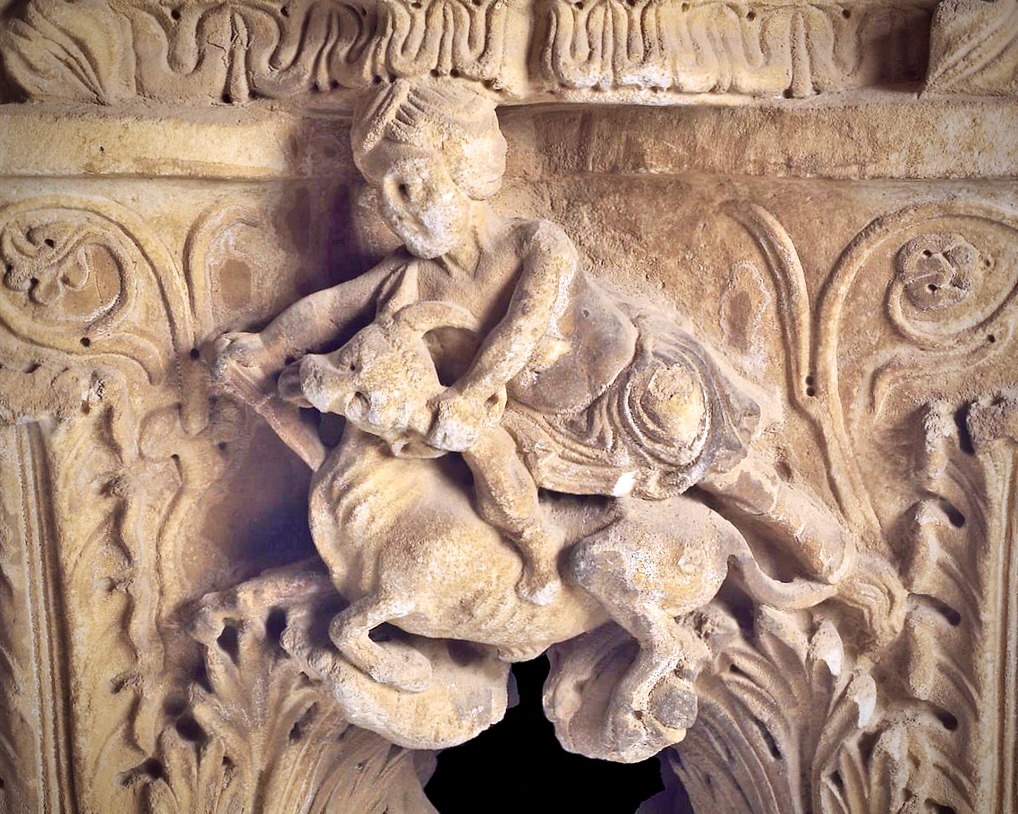
On one of the capitals of the cathedral of Santa Maria Nuova in Monreale, Sicily, an unusual turbaned bull-slaying Mithras has been recorded.
