Your search Sidi Ali Belkacem (سيدي علي بلقاسم) gave 1194 results.

Spoleto is an ancient city in the Italian province of Perugia in east-central Umbria on a foothill of the Apennines.
Pescorocchiano is a comune in the Province of Rieti in the Italian region of Latium, located about 60 kilometres northeast of Rome and about 30 kilometres southeast of Rieti. Pescorocchiano borders the following municipalities: Borgorose, Carsoli
Colunga is a municipality in the Autonomous community of the Principality of Asturias, Spain.
Cabra is a municipality in Córdoba province, Andalusia, Spain and the site of former bishopric Egabro.
Dura-Europos was a Hellenistic, Parthian and Roman frontier city built on the Euphrates River. It was founded around 300 BC by Seleucus I Nicator. The Romans took Dura-Europos in 165 AD.
Tienen is a city and municipality in the province of Flemish Brabant, in Flanders, Belgium.
Centum Prata is the name of a Roman vicus, whose remains are located on the eastern Zürichsee lakeshore in Kempraten, a locality of the municipality Rapperswil-Jona in the canton of St.
Künzing is a municipality in the district of Deggendorf, Bavaria, Germany.
Kalkar is a municipality in the district of Kleve, in North Rhine-Westphalia, Germany.
Aquileia, now a small municipality in north-eastern Italy, was one of the largest cities in the world in the 2nd century AD, with a population of 100,000.

Clarissimus knight and legate born in Poetovio that helped to disseminate the cult of Mithras in the African provinces.

Tribune of the First Cohort of Vardulli, he erected a mithraeum at Bremenium together with his consacranei.

Garlic merchant, probably from Lusitania, who dedicated an altar to Cautes in Tarraconensis.
Venetia connected northern Italy to the Adriatic and Danubian worlds through trade, mobility and imperial communication routes.
Samnium occupied a mountainous region of central Italy linked to Rome through military movement and regional urban networks.
Bruttium occupied the southernmost reaches of the Italian Peninsula where maritime mobility linked Italy, Sicilia and the wider Mediterranean.
Apulia connected southern Italy to the Adriatic and eastern Mediterranean through maritime trade and regional urban networks.

One of the most eminent representatives of late antique pagan religiosity, combining high civic authority with deep initiation into multiple mystery traditions, including the cult of Mithras.
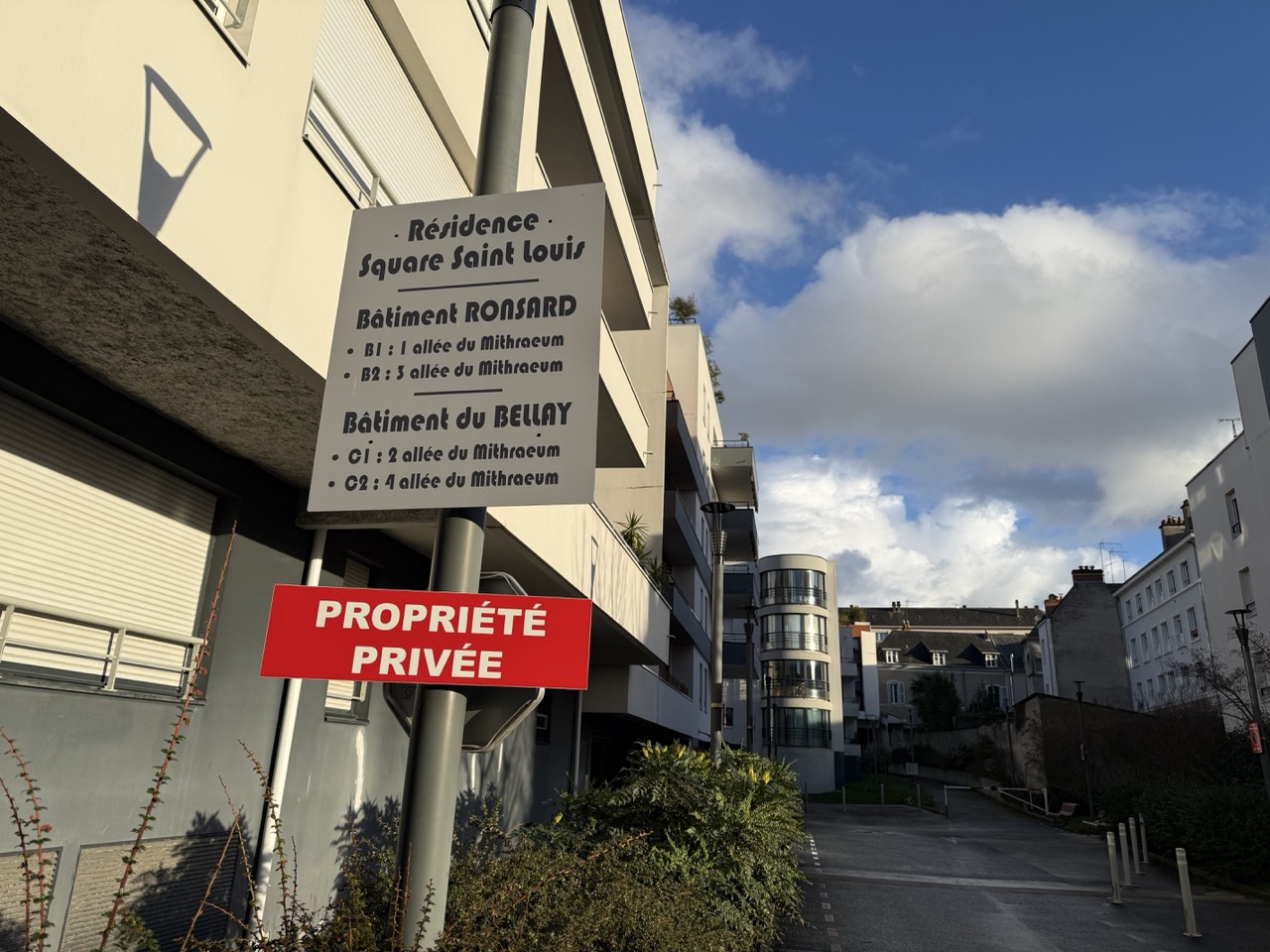
The Mithraeum of Angers, excavated during a preventive operation and subsequently dismantled in 2010, yielded numerous objects, including coins, oil lamps, and a ceramic vessel bearing a votive inscription to the invincible god Mithras.