Your search Sidi Ali Belkacem (سيدي علي بلقاسم) gave 1194 results.
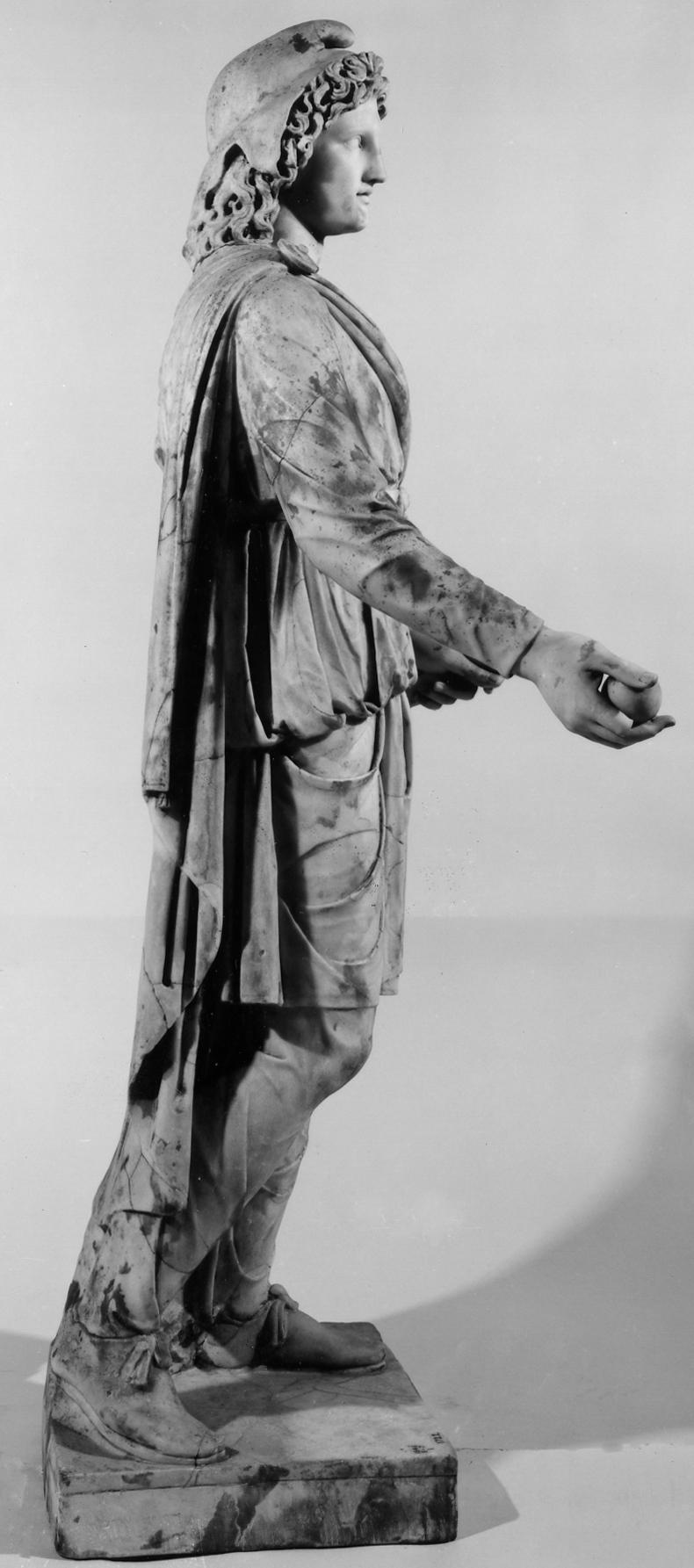
This is one of the two torchbearers, probably Cautes, transformed into Paris, now in the British Museum.

This inscription was dedicated to God Cautes by a certain Flavius Antistianus, Pater Patrorum in Rome.
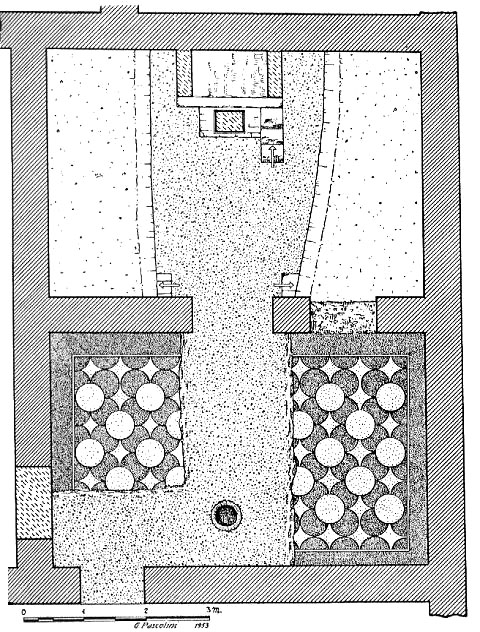
The Mithraeum of the House of Diana was installed in two Antonine halls, northeast corner of the House of Diana, in the late 2nd or early 3rd century.
In the cult niche of the Mitreo del Caseggiato di Diana there is a list of words that could indicate names and measurements.
A bearded Bacchus and another hermes as a woman, both crowned with vine tendrils, were walled into the base of a niche.
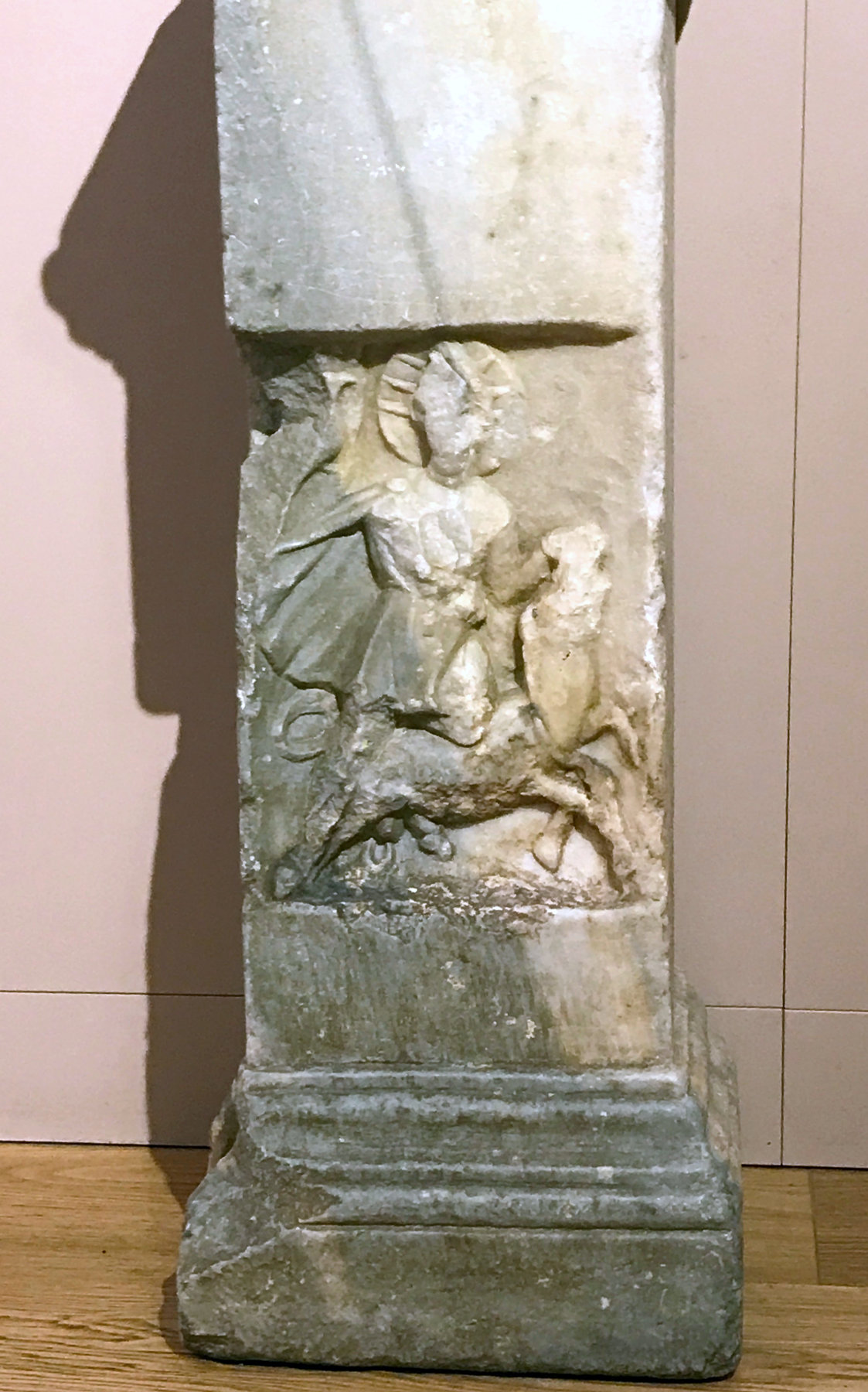
This low relief on an altar of Mithras killing the bull was found in a church in Pisignano, south of Ravenna.
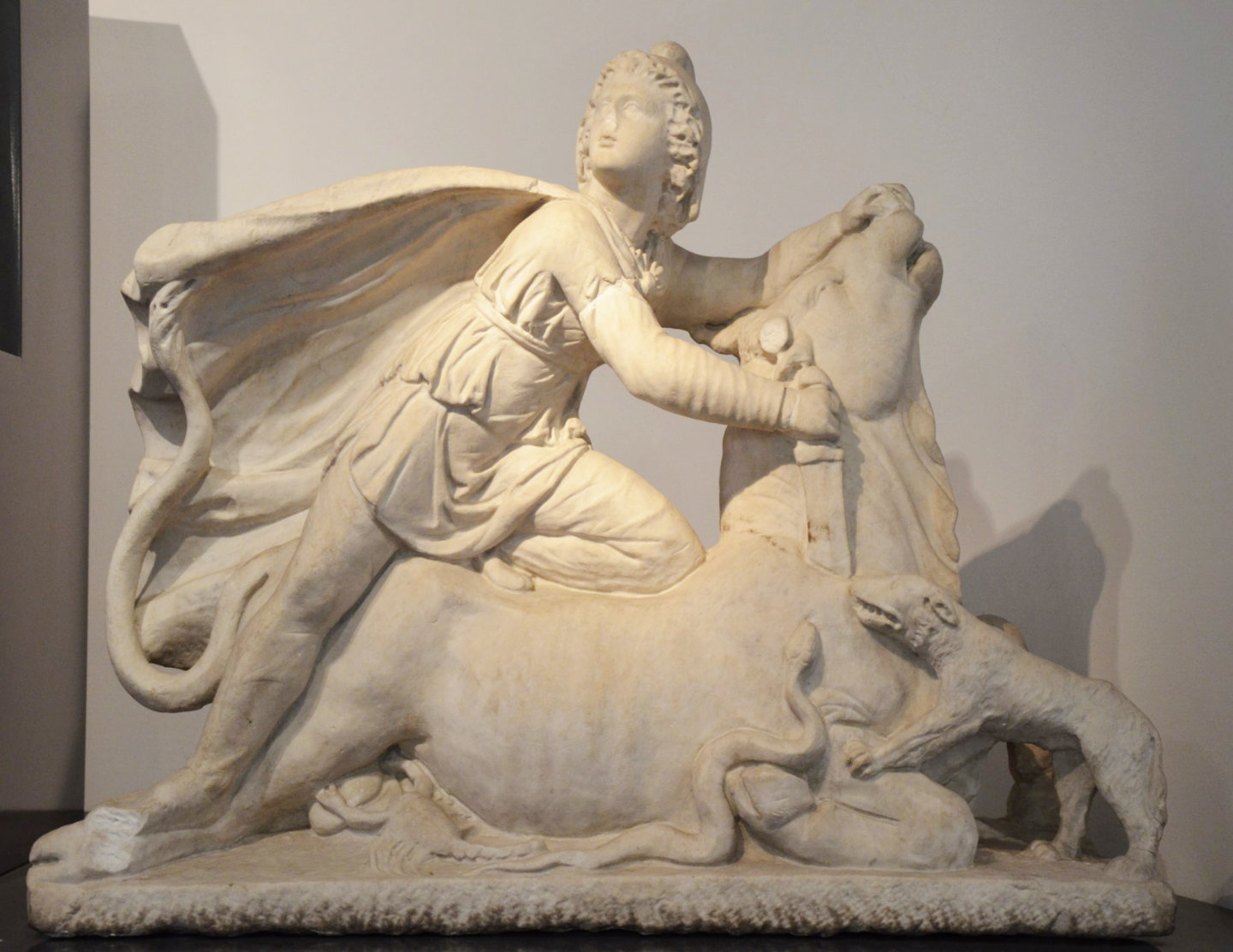
This statue of Mithras as a bullkiller was bought at Rome where it might be found.
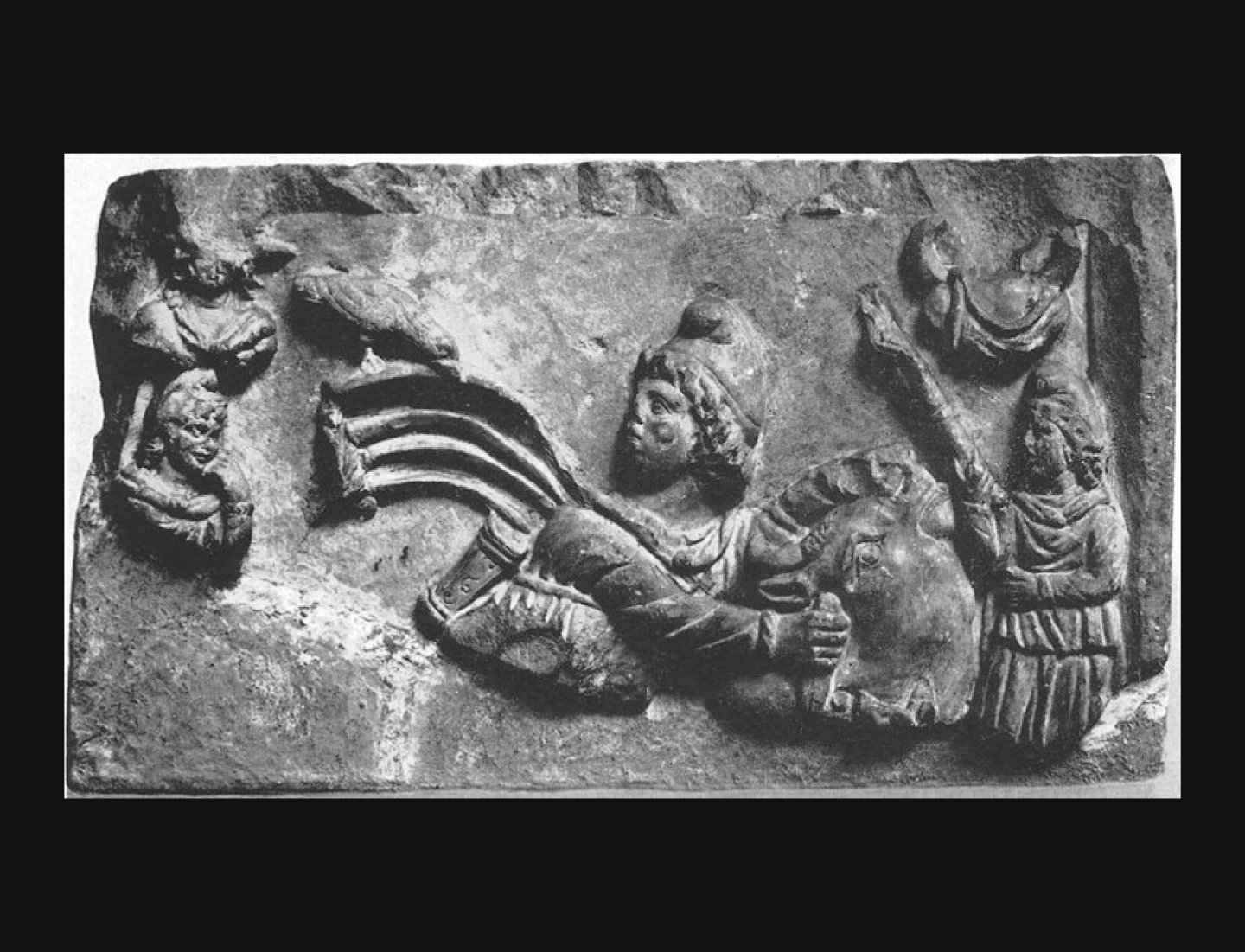
Franz Cumont bought this relief of Mithras as a bullkiller from a dealer who claimed to have found it in a vineyard near the church of Saint Pancrace, in Rome.
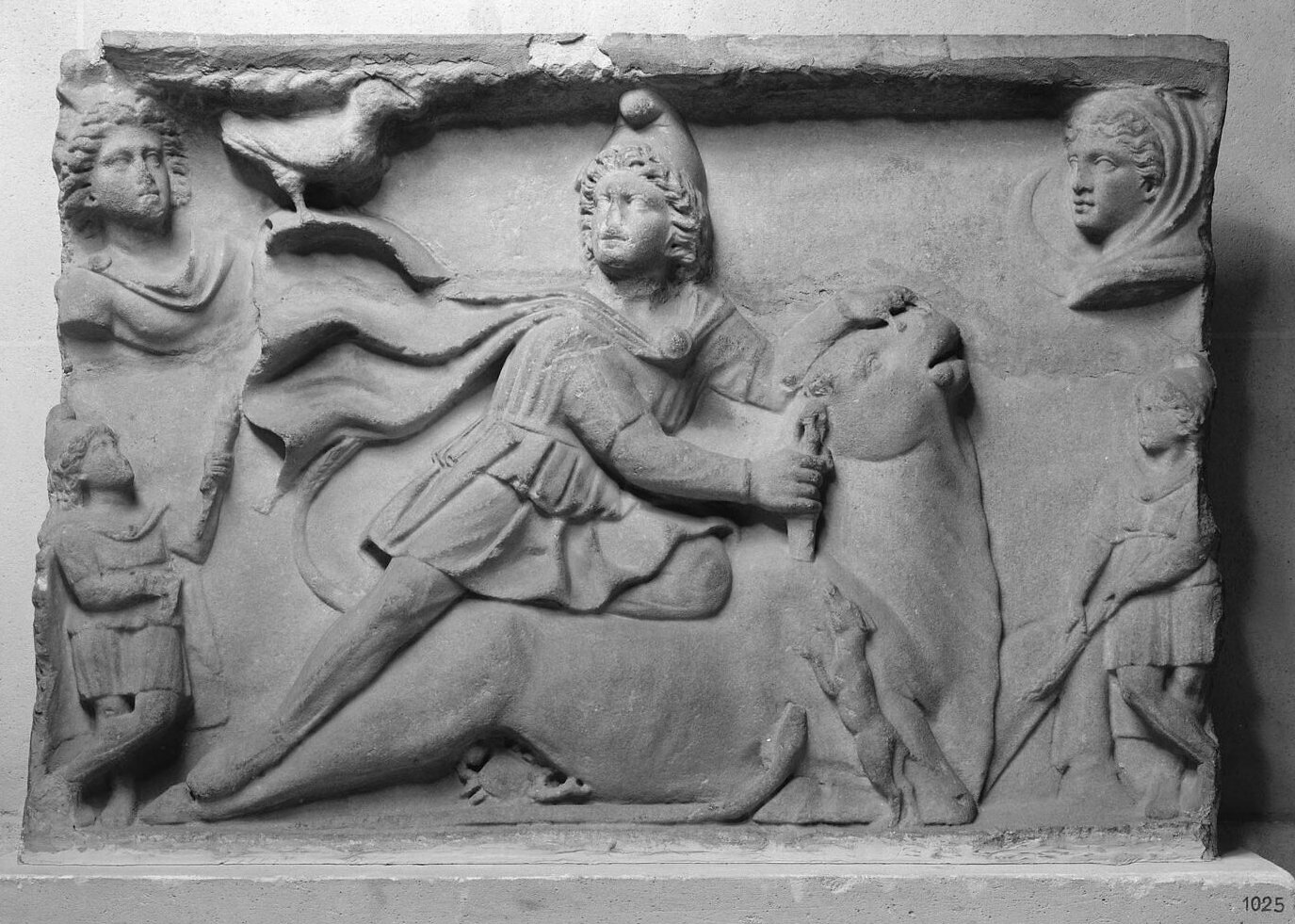
This is one of the three reliefs of Mithras as a bullkiller from the Villa Borghese collection that belong to the Louvre museum, now in the Louvre Abu Dhabi.
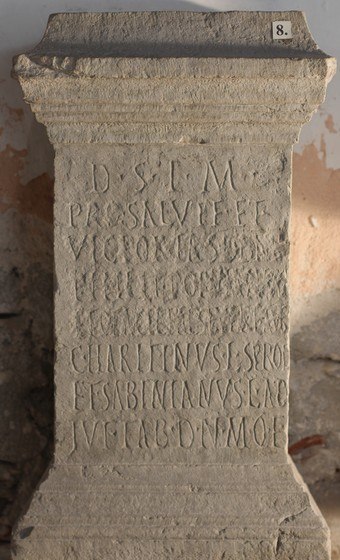
This stone altar found in Poreč was dedicated by two freedmen to the numen and majesty of the emperors Philip the Arab and Otacilia Severa.
This marble of Cautes was found together with his partner Cautopates in Ostia in 1939.
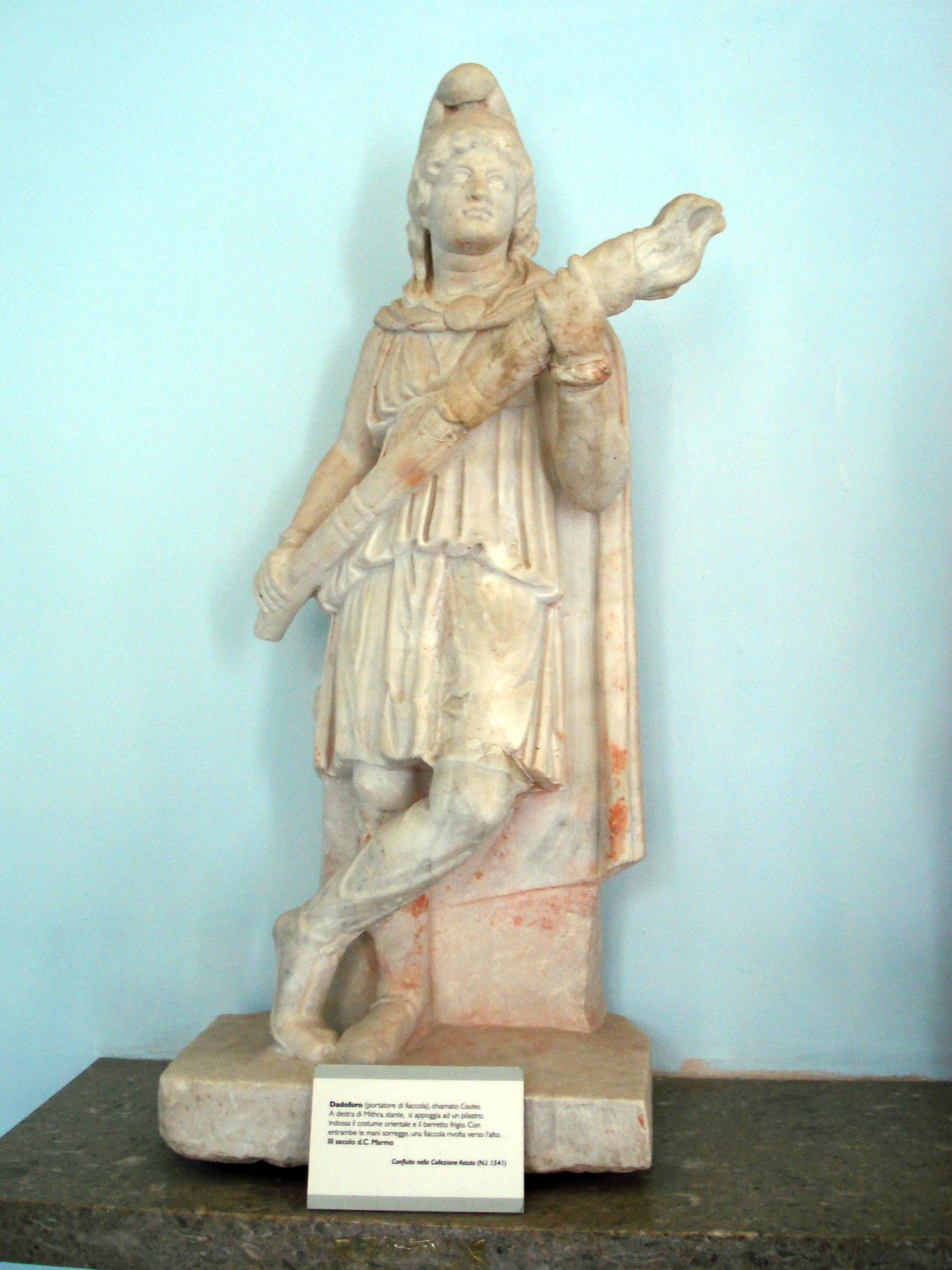
These two mithraic sculptures of Cautes and Cautopates belong to the same collection of Astuto de Noto, made up of mostly Sicilian monuments.
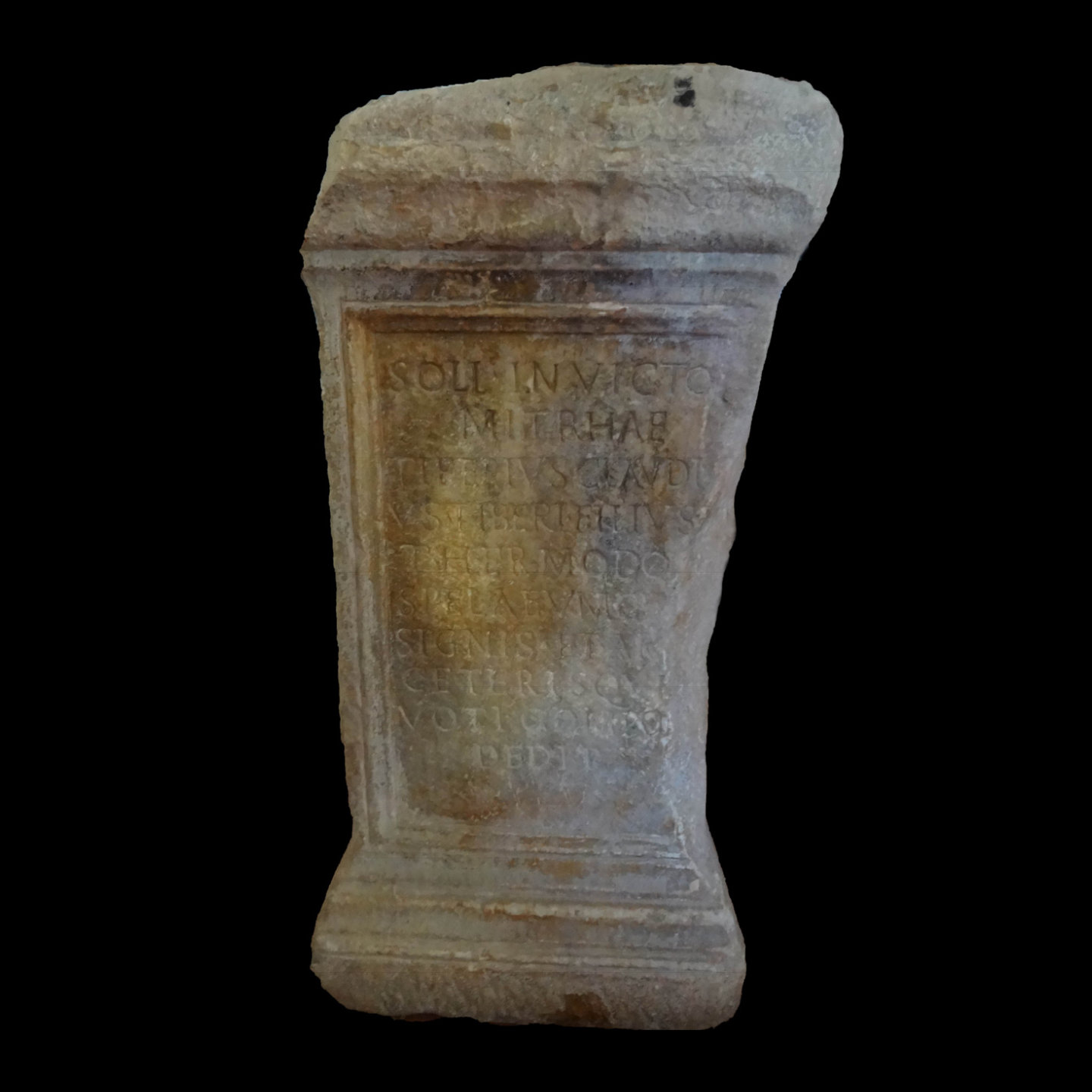
The donor of this Mithraic inscription from Bolsena, a certain Tiberius Claudius Thermoron, is known from two other monuments.
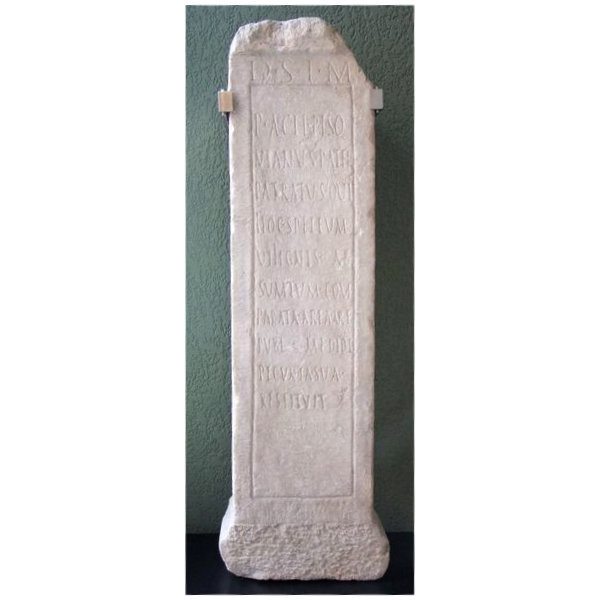
This high stele by a certain Acilius Pisonianus bears an inscription commemorating the restoration of a Mithraeum in Mediolanum, today's Milan.
This 3rd century marble relief of Silvanus is the only sculpture found in Mitreo Aldobrandini.
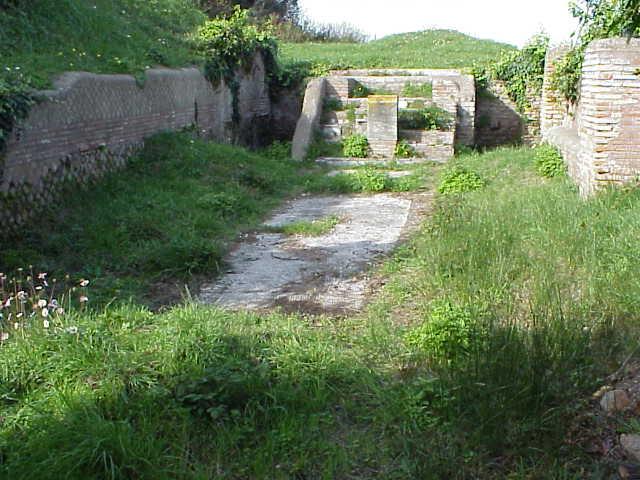
A mosaic of Silvanus, dated to the time of Commodus, was found in a niche in a nearby room of the Mithraeum in the Imperial Palace at Ostia.
In this inscription, found in Angera in Lombardy, Mithras is referred to by the unicum 'adiutor'.
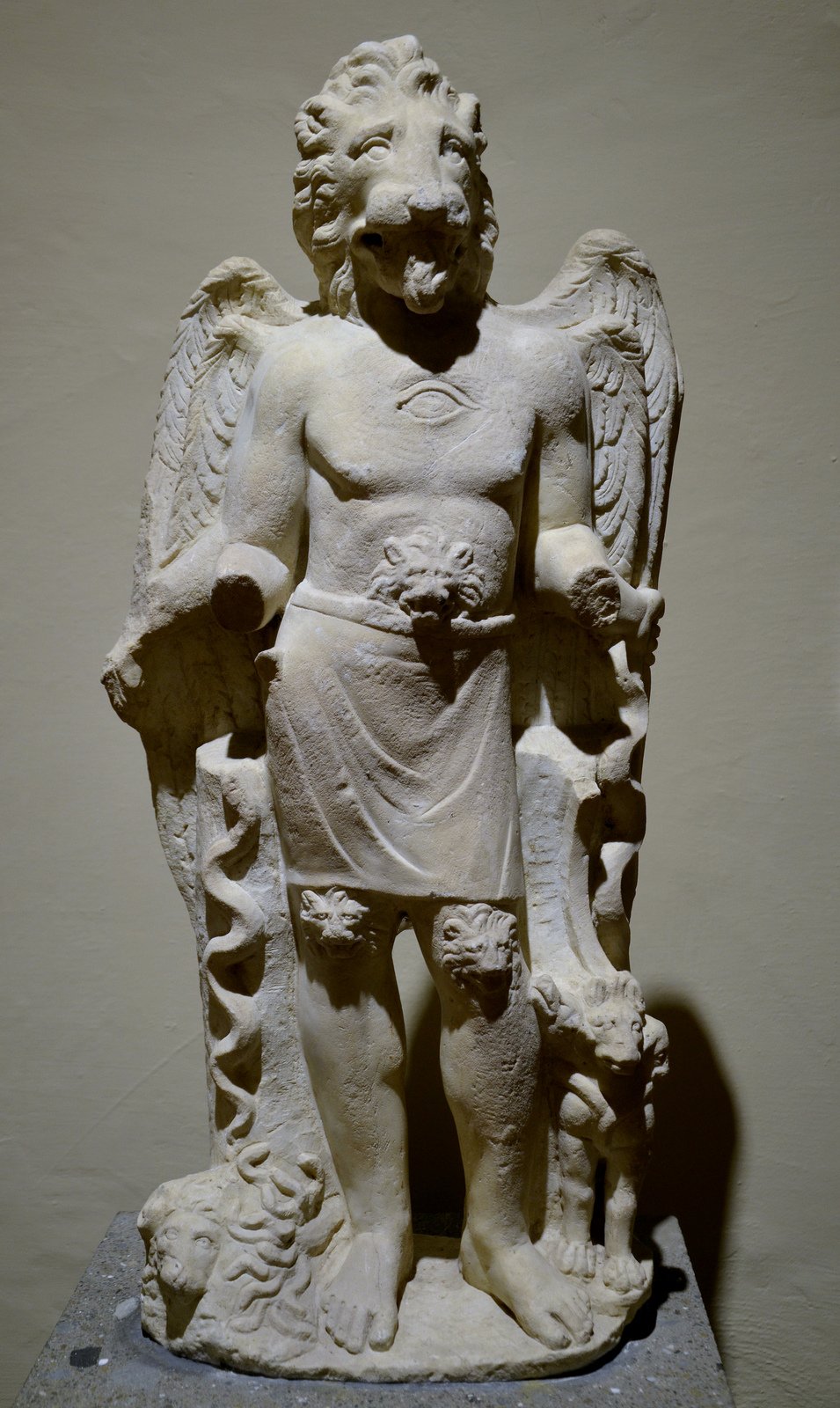
This lion-headed marble was found on the ruins of the Alban Villa of Domitianus.
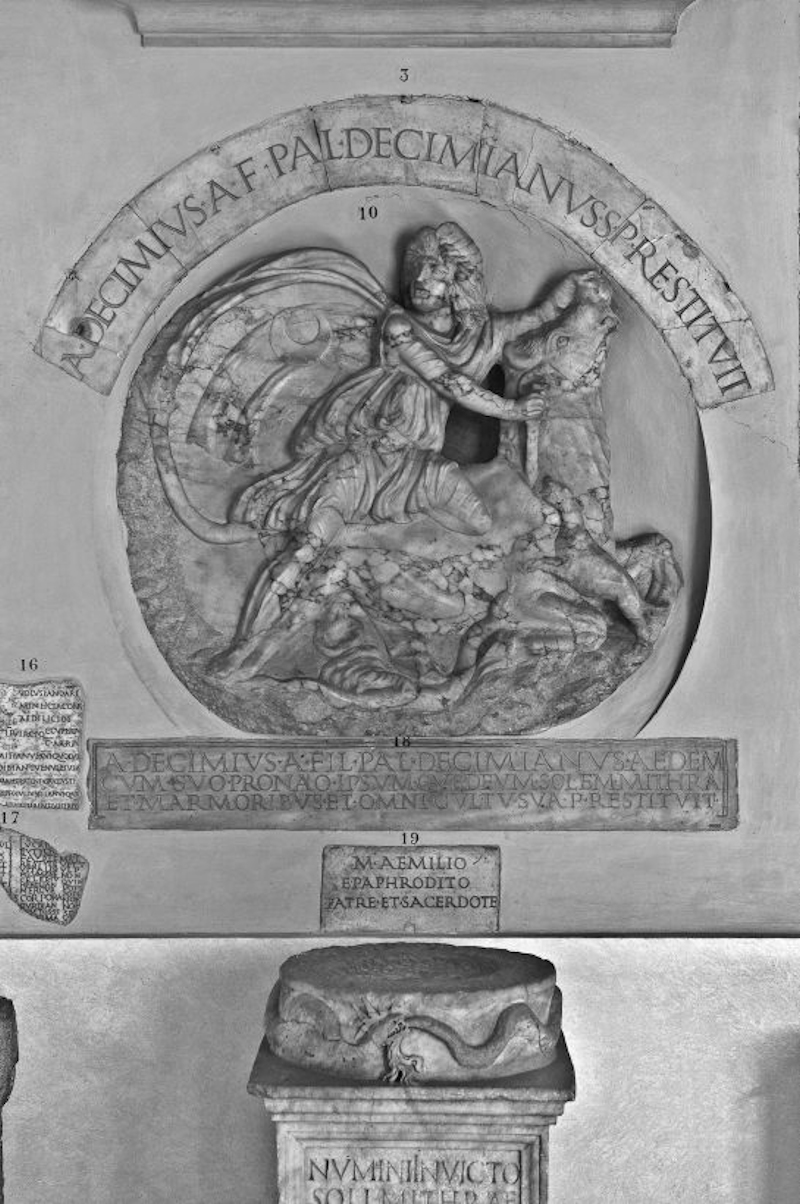
The relief of Mithras slaying the bull from the Mithraeum of the Seven Spheres was discovered in 1802 by Petirini by order of Pope Pius VII.
This inscription found in the Mithraeum of the Seven Spheres mentions the Pater Marco Aemiliio Epaphrodito known from other monuments in Ostia.
