Your search Spittal an der Drau gave 570 results.
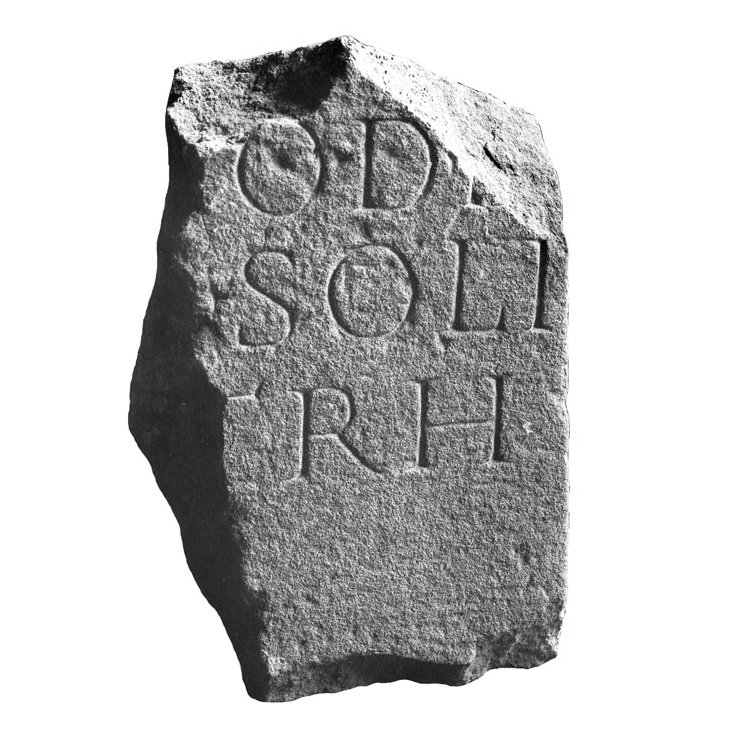
This monument with an inscription to the god Sol Mithras was found in front of the cathedral of Speyer during some sewer works.
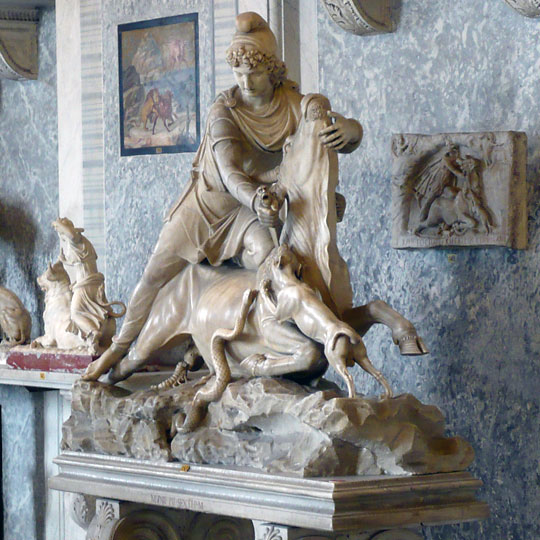
This Mithras killing the bull belonged to the sculptor V. Pancetti before being exhibited in the Vatican Museums under Pius VI.
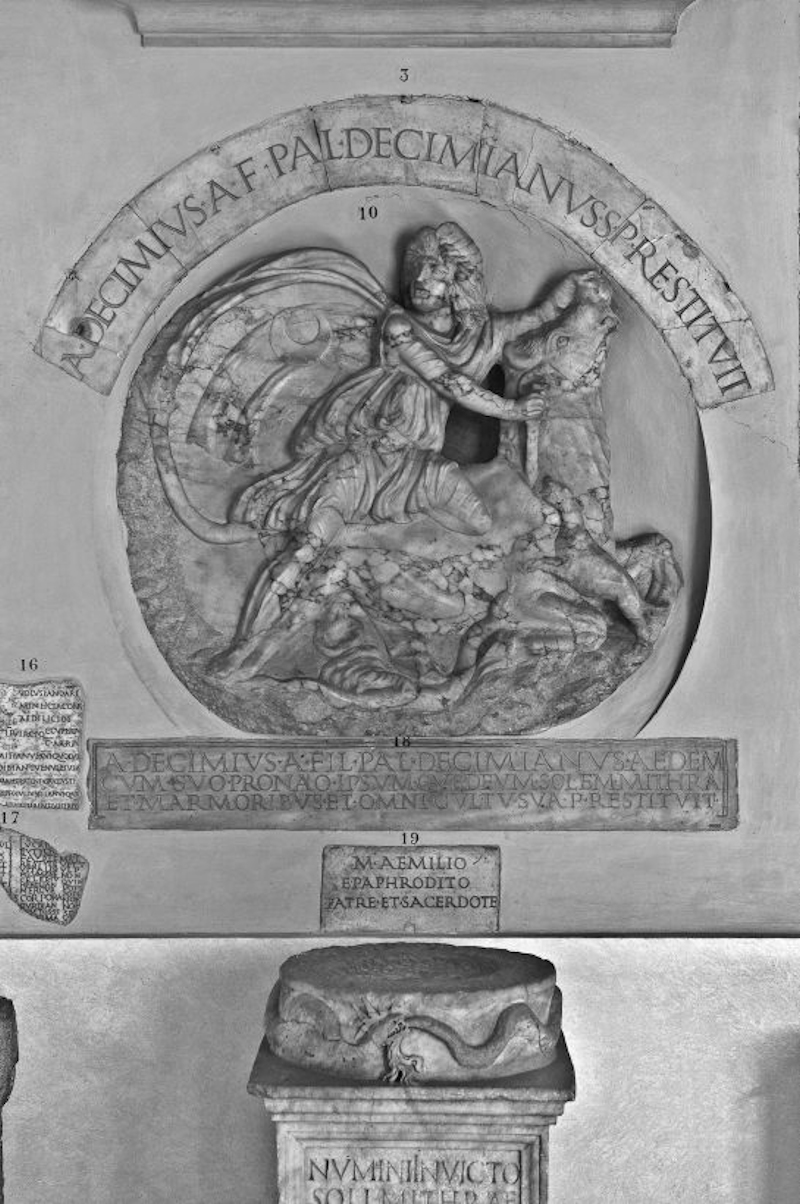
The relief of Mithras slaying the bull from the Mithraeum of the Seven Spheres was discovered in 1802 by Petirini by order of Pope Pius VII.
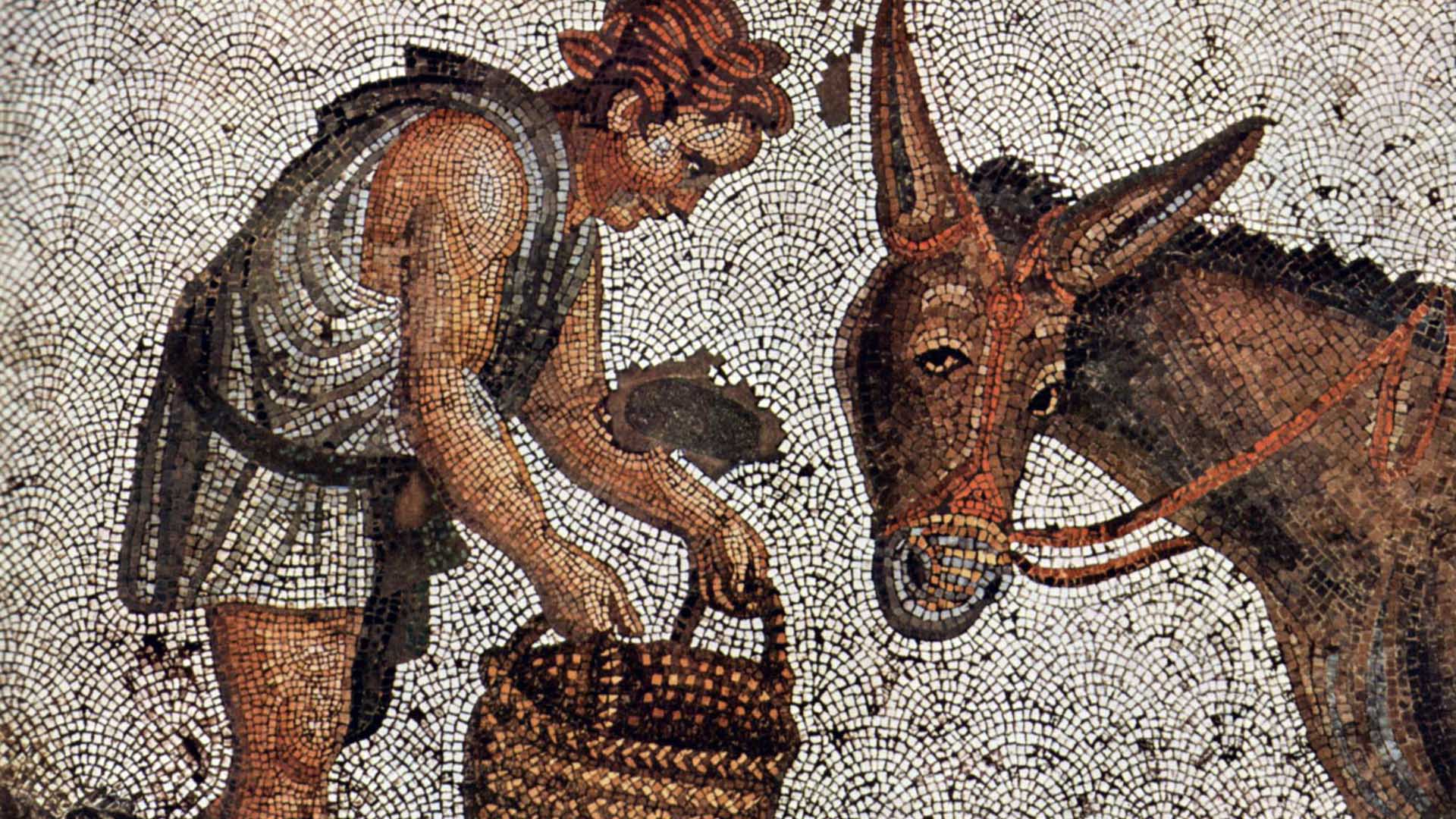
The concluding book of Apuleius’ Golden Ass (or Metamorphoses), where Lucius, the story’s protagonist, undergoes initiation into the mysteries of Isis and Osiris.
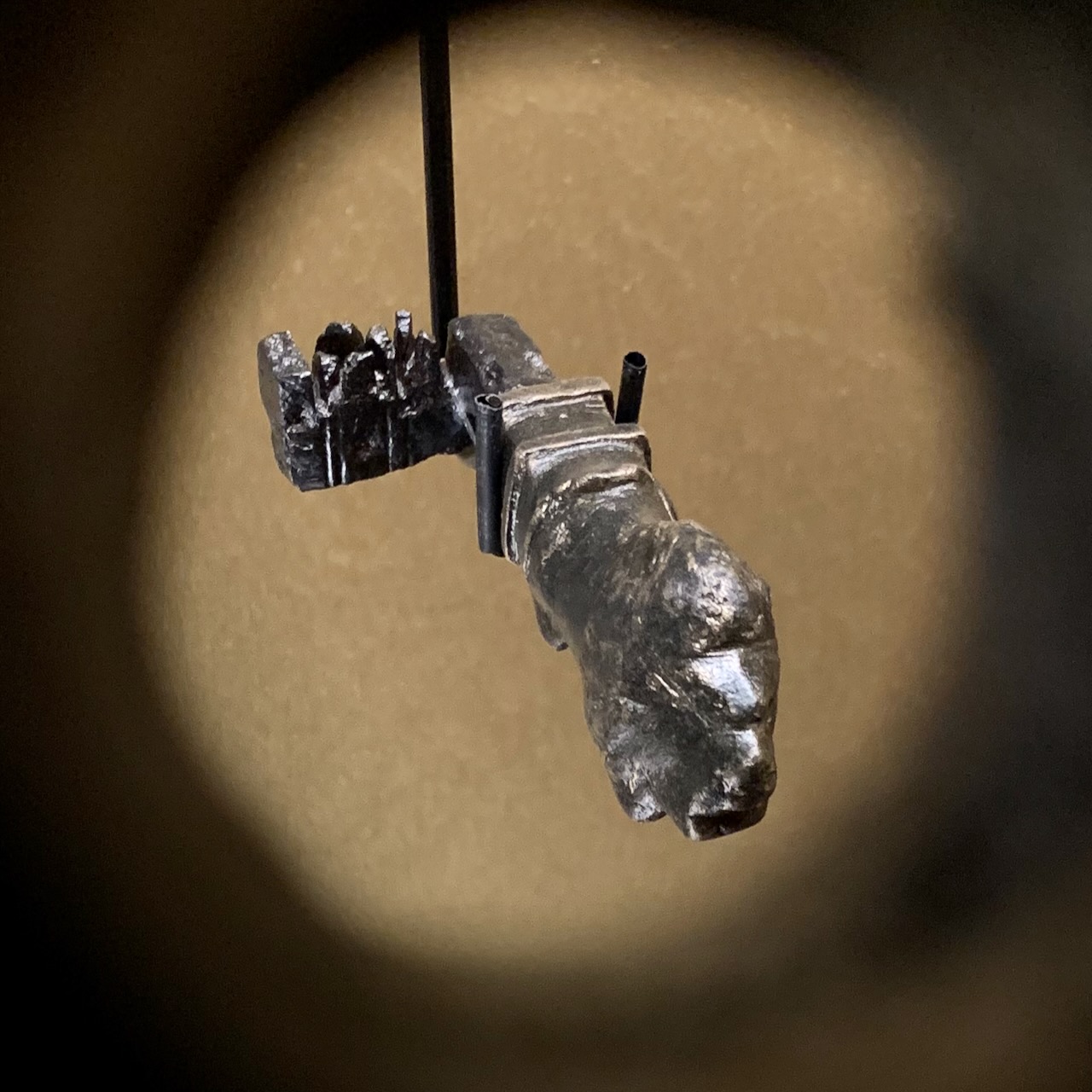
The key of Nida's Mithraeum III was decorated with a lion's head.
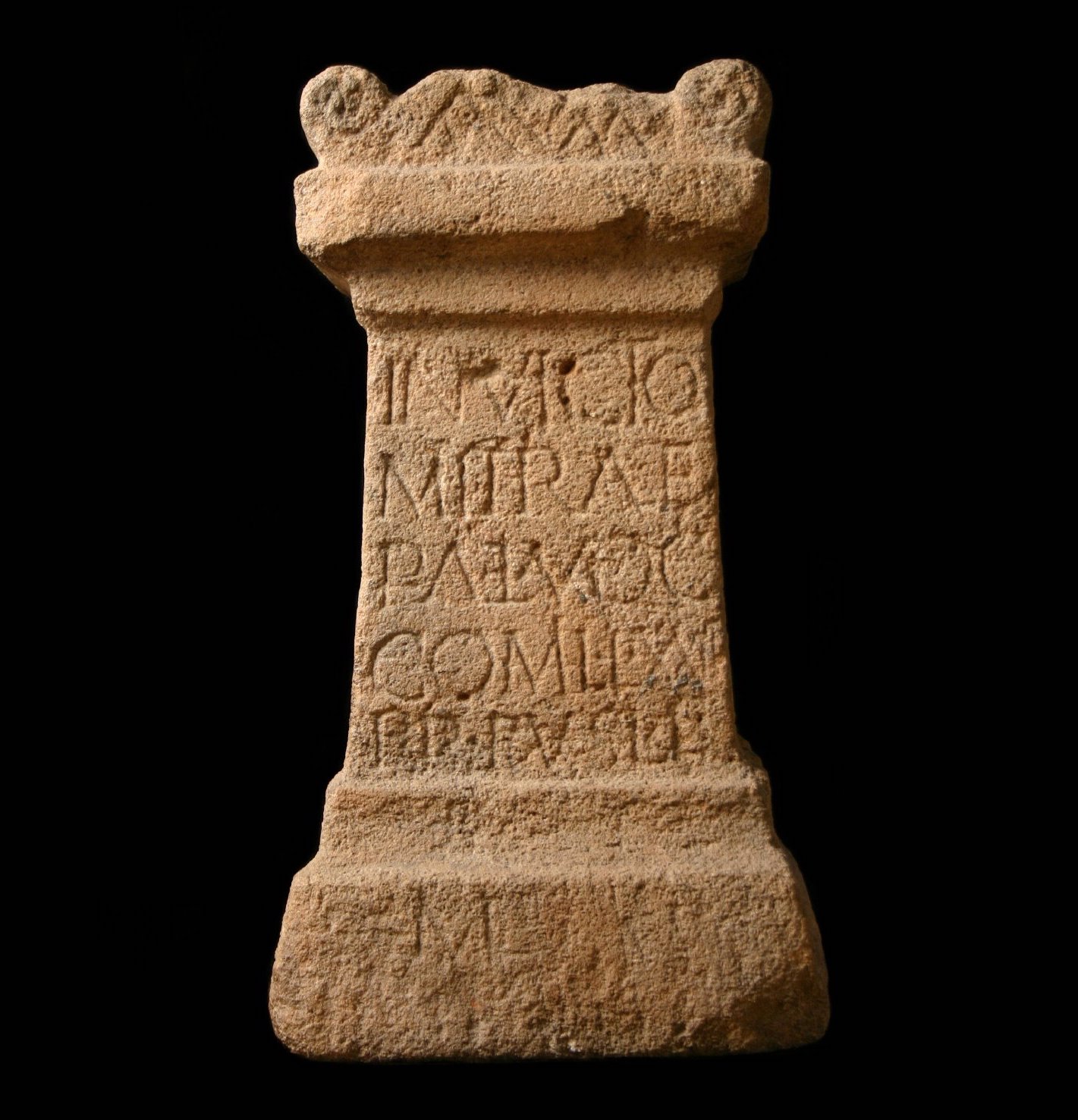
This monument was erected by a certain Publius Aelius Vocco, a solider of the Legio XXII Primigenia Pia Fidelis stationed in Mainz.
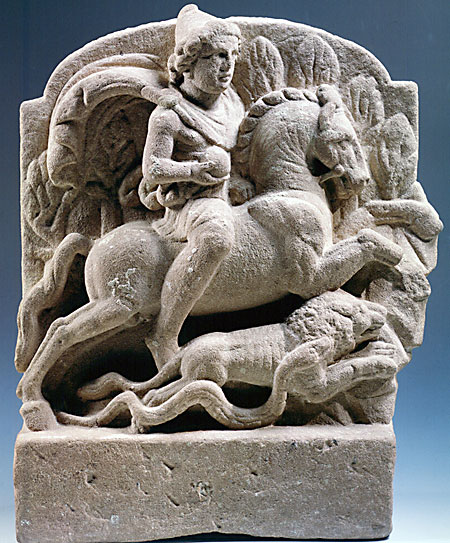
Mithras galloping, in a cypress forest, carrying a globe in one hand and accompanied by a lion and a snake.
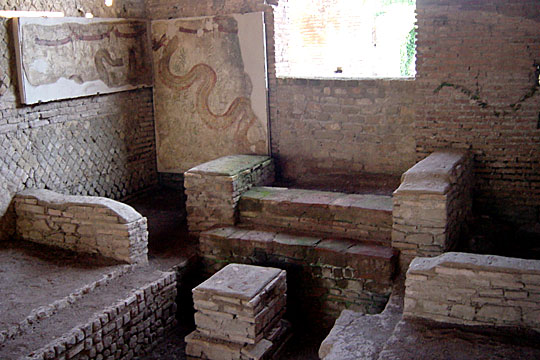
The Mithraeum of the Snakes preserves paintings of serpents, representing Genius Loci, part of an older private sanctuary, which were respected in the temple of Mithras.


Part of the finds from the fifth Mithraeum of Ptuj is kept in the Hotel Mitra in the modern city.

The inscription explains the transmission of the fourth Mithraic degree through the Paters of the Mitraeum of San Silvestro.
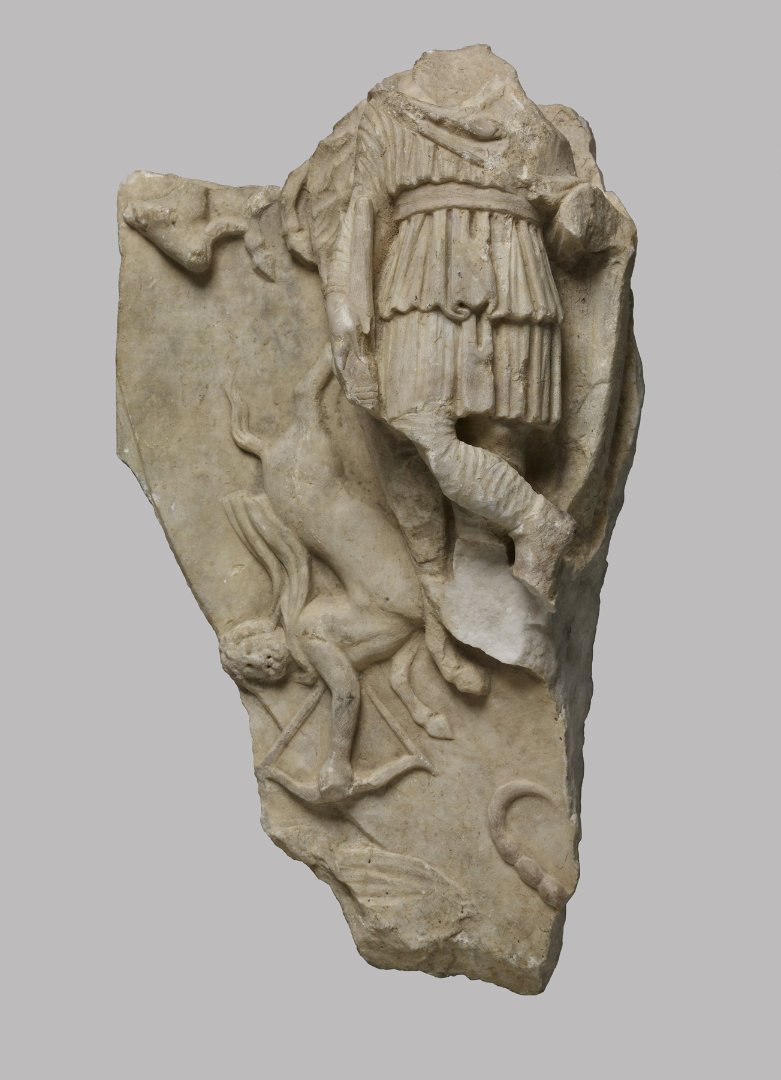
This fragmentary relief shows Cautopates bordered by three of the six zodiacal signs with which He is associated: Capricorn, Sagittarius and Scorpio.

Des rituels mystérieux, une hiérarchie gradée au sein d’un culte énigmatique, une société considérée pendant longtemps comme secrète au sein de l’Empire Romain…
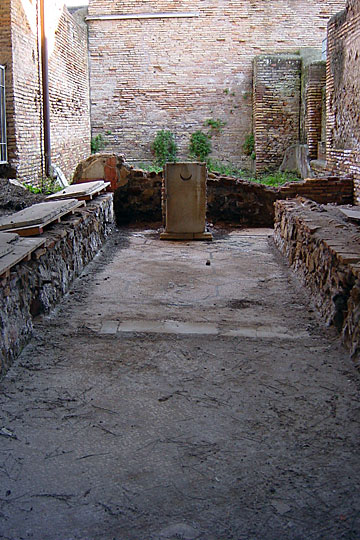
The Mithraeum of Lucretius Menander was installed in the early 3rd century in an alley to the east of a Hadrianic building named after the solar god temple.
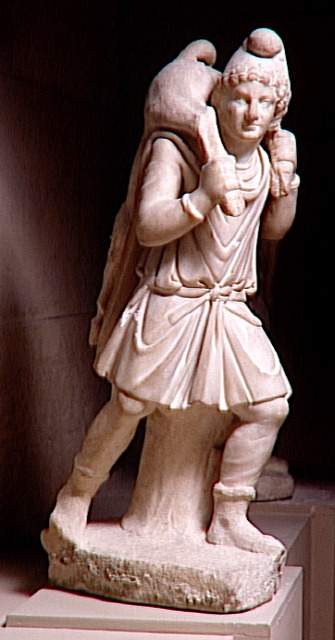
Sculpture depicting Mithras carrying a young bull on his shoulders.
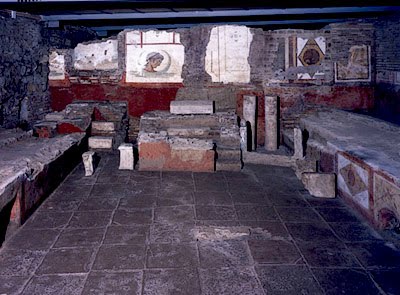
The Mitreo dei Castra Peregrinorum was discovered under the church of Santo Stefano Rotondo in Rome.
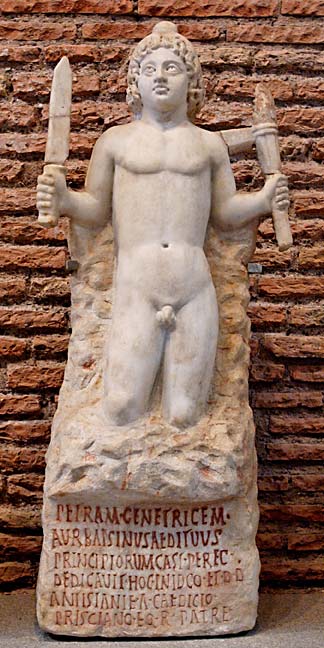
The sculpture of Mithras rock-birth from Santo Stefano Rotondo bears an inscription of Aurelius Bassinus, curator of the cult.
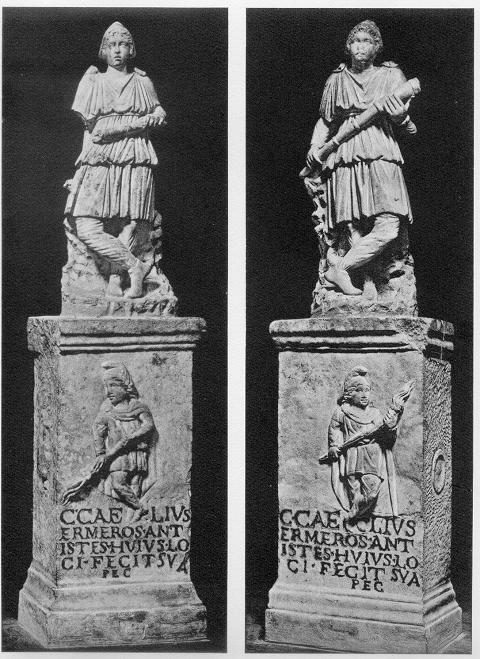
The sculptures of Cautes and Cautopates from the Mitreo del Palazzo Imperiale may have been reused from an older mithraeum in Ostia.
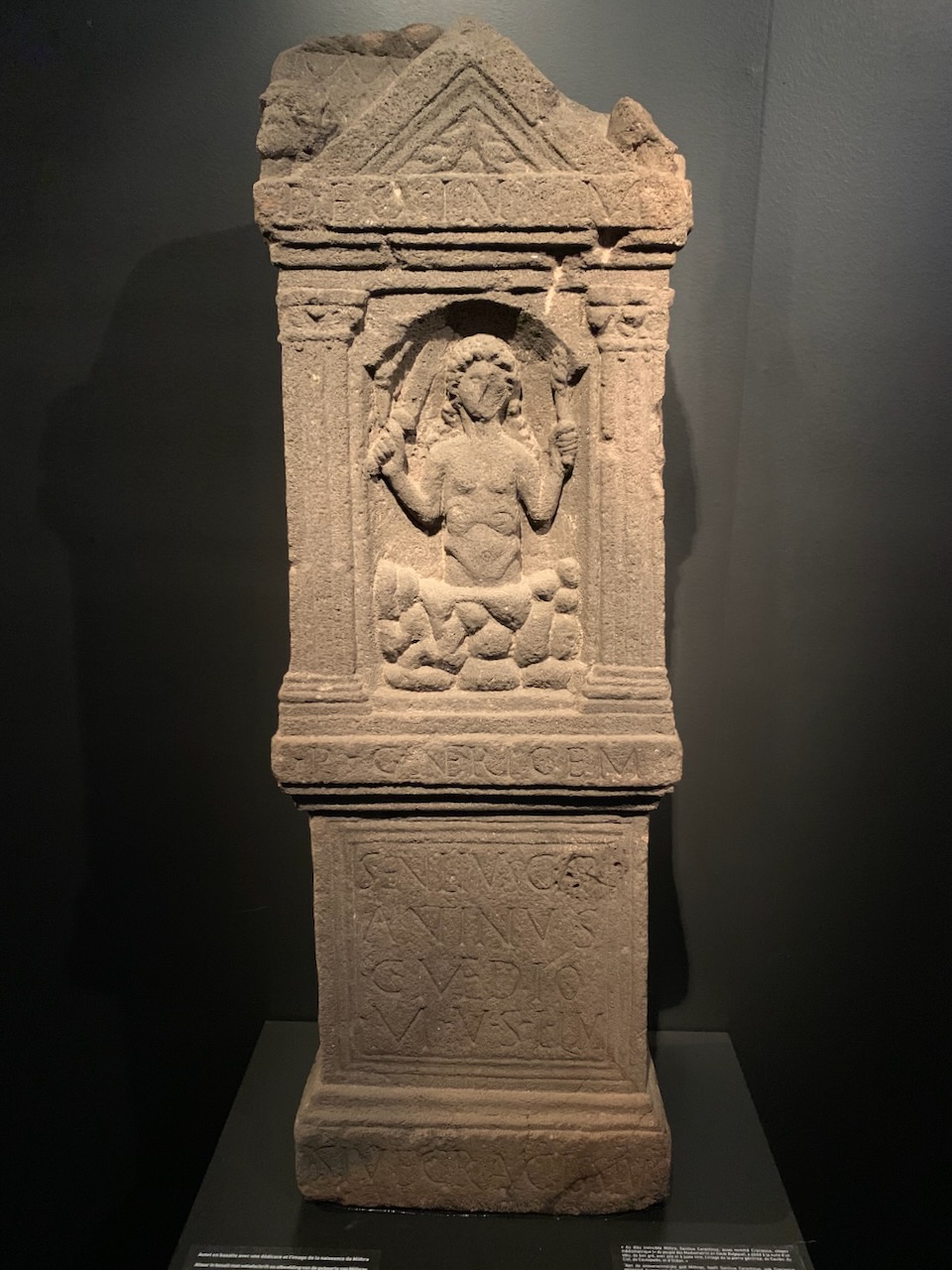
The Mithraic stele from Nida depicts the Mithras Petrogenesis and the gods Cautes, Cautopates, Heaven and Ocean.
