Your search Stockstadt am Main gave 1164 results.

The Mithraeum II in Stockstadt was in fact the first one known built in the vicus. It was destroyed by fire around 210.
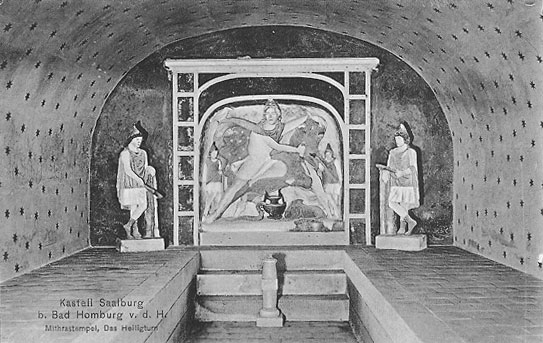
In the 1900s a model Mithraeum was built in Saalburg in the mistaken belief that there was an original temple of Mithras in an ancient Roman building.
Red sandstone altar from Stockstadt, featuring a square cavity in the front that contained a fragment of crystal and a small lamp.
Sculpted ram’s head discovered among the finds from the supposed Mithraic sanctuary.
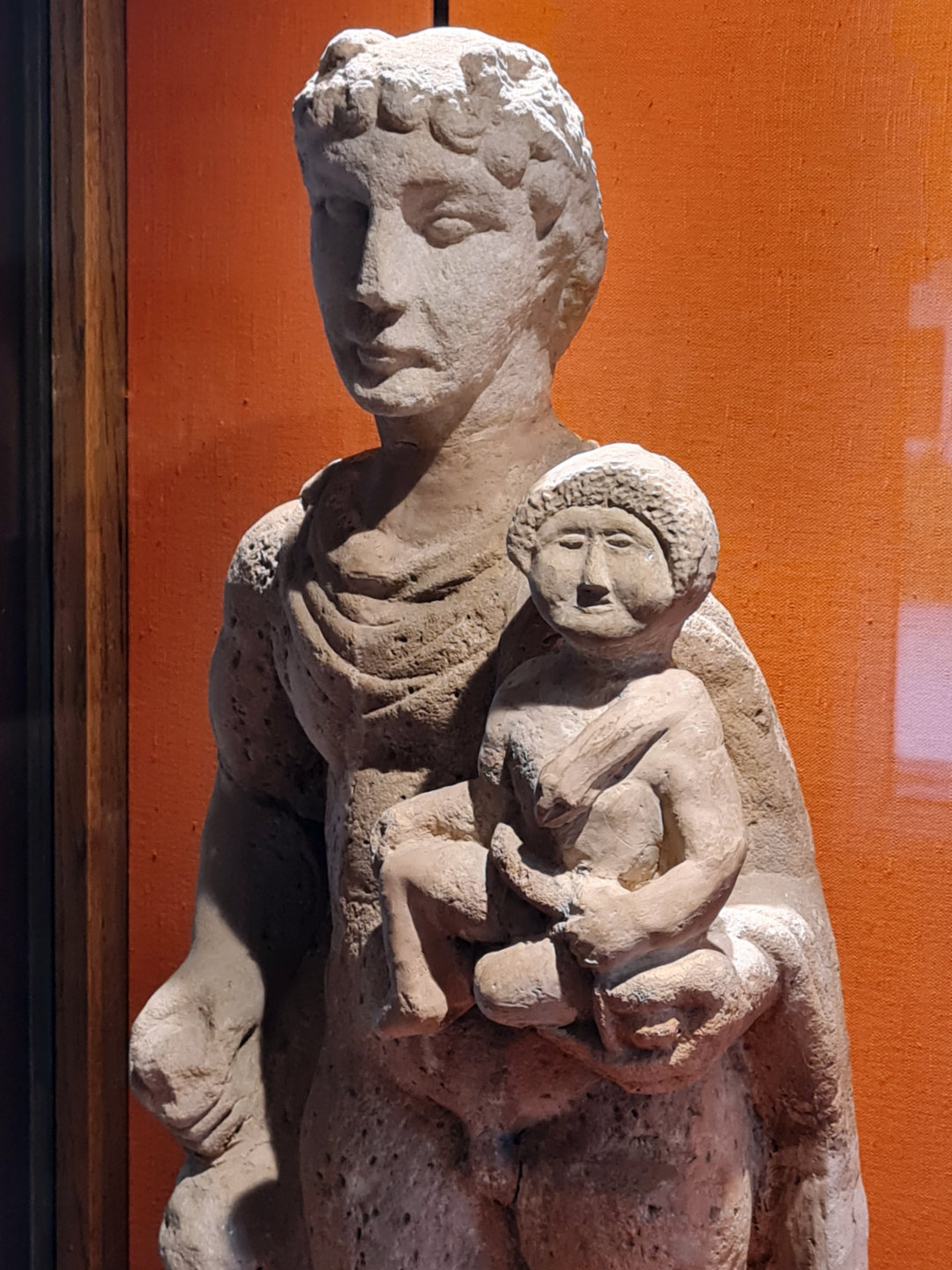
The Stockstadt Mercury carries a purse and a small child around which a snake is coiled.
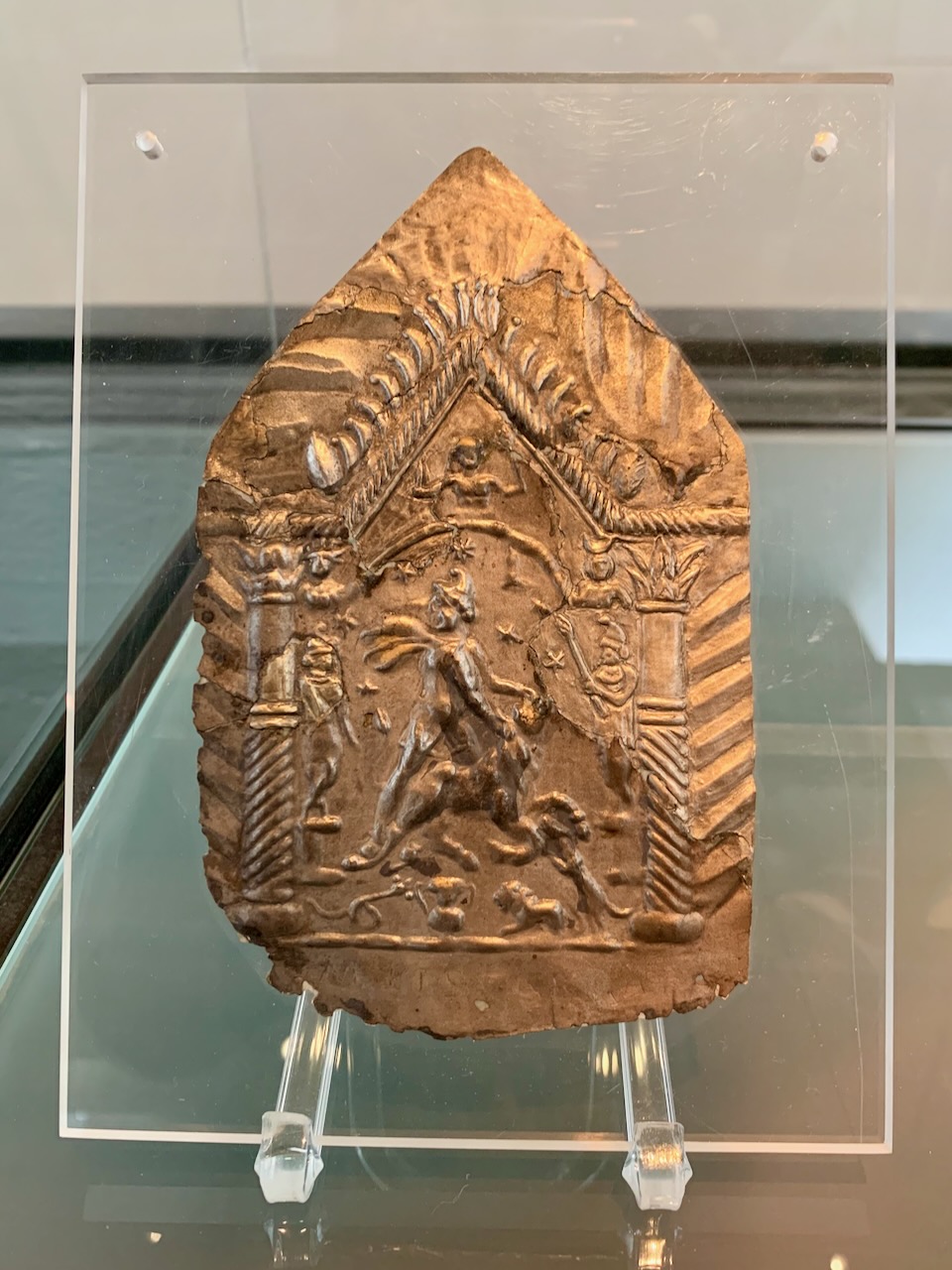
This plaque was found in Mithraeum I at Stockstadt broken into pieces inserted between the blocks of the socle of the cult relief, in the manner of a votive deposit.
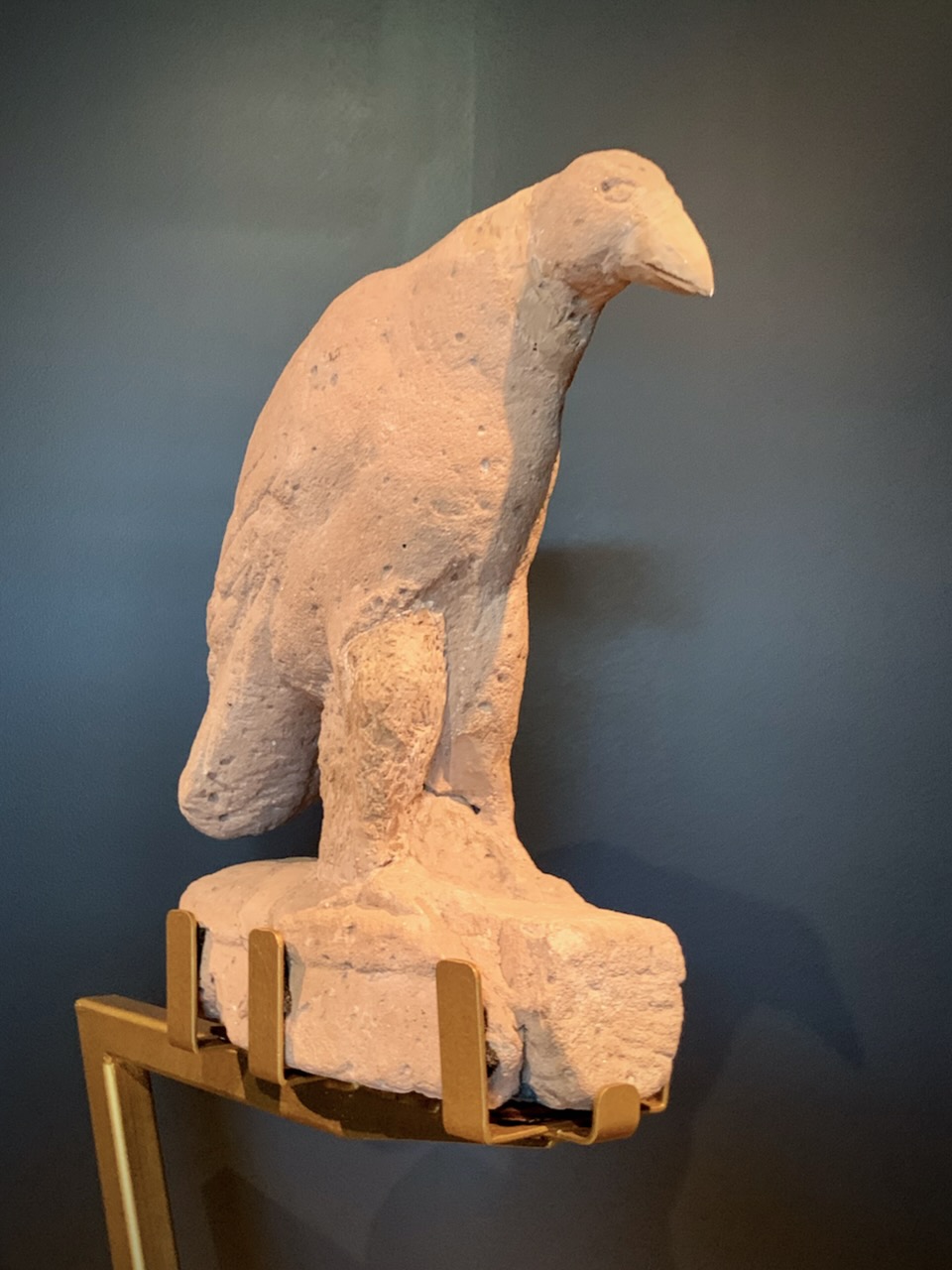
The Stockstadt Raven is one of only two standing-alone sculptures of this bird to be found in Mithraic statuary.
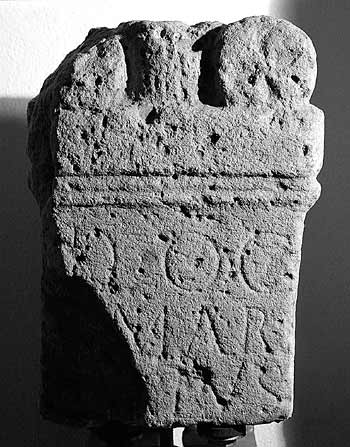
These two inscriptions by a certain Titus Martialius Candidus are dedicated to Cautes and Cautopates.
Triple-part sanctuary at Saalburg whose Mithraic interpretation remains uncertain despite serpent-vases and possible Aion fragments.
Assemblage of lamps, serpent-vases and painted ritual pottery from the sanctuary complex.
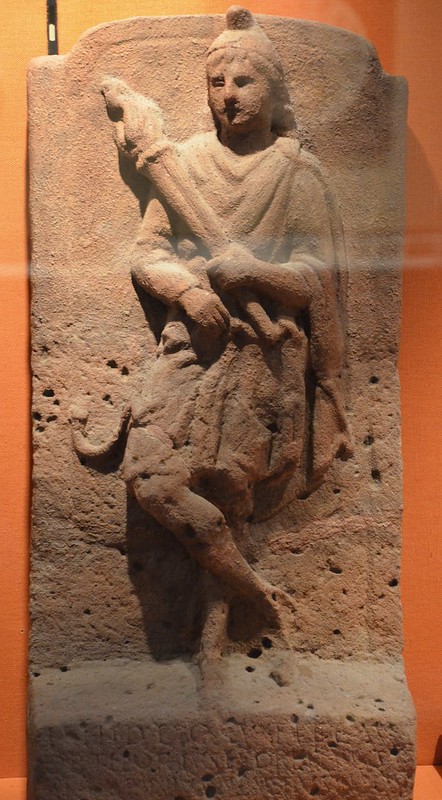
Reliefs of Cautes and Cautopates dedicated by Florius Florentius of Saalburg and Ancarinius Severus.
A fragmentary red sandstone relief preserves the upper part of three-headed Hekate holding a long object in her left hand.
Sandstone fragment of a Mercury statuette preserving part of the shoulder and caduceus.
Fragmentary inscribed altar dedicated to Mercury from the Saalburg sanctuary area.
Small inscribed plaque invoking Mithras and Mercury attached to a sandstone column inside the sanctuary.
Decorative bronze candlestick discovered near the entrance of the supposed Mithraic sanctuary.
Sandstone basin from the pronaos of the sanctuary originally mounted on a short column.
Cult statue base discovered with a hooked ritual sword in front of the sanctuary niche.
Elongated cult building near the Saalburg fort traditionally interpreted as a Mithraeum but later reconsidered as a possible funerary enclosure.

"The remaining figure on this monument, Herakles, was previously misidentified as Apollo on this remarkable black basalt tablet from Samsat, known in Roman times as Samosata.
