Your search Tal hal Hariri / Es-Sâlihiyeh / As Salhiyah gave 3730 results.
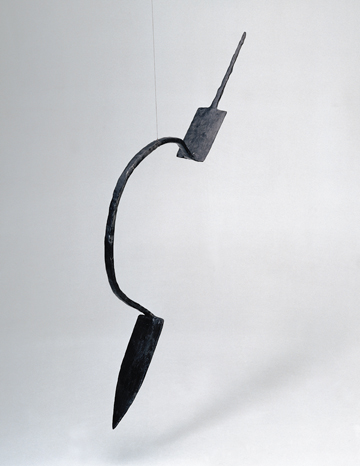
The Mithraic sword found in the Riegel Mithraeum may have been used as a prop during rituals.
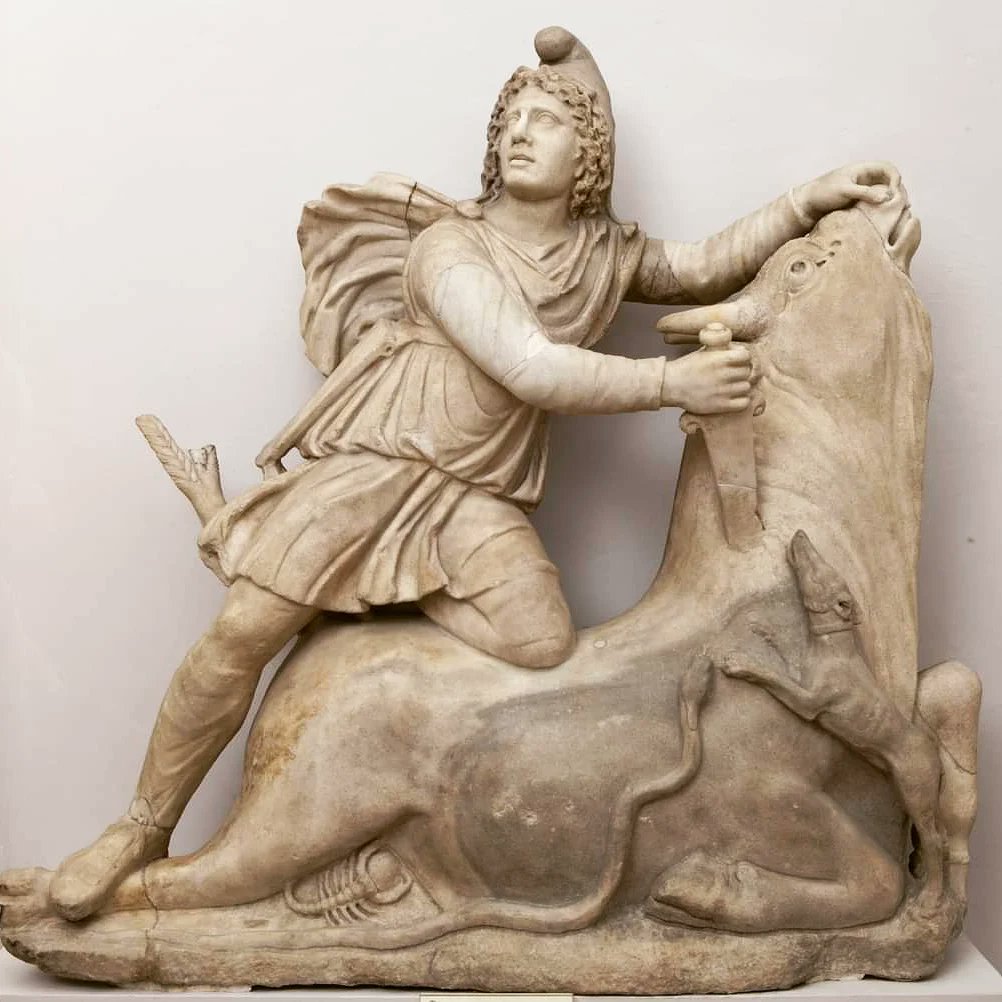
This sculpture of Mithras slaying the bull was bequeathed to the Republic of Venice in 1793 by Ambassador Girolamo Zulian.

At about a mile's distance from the village of Mit-Rahine near Memphis a Mithraeum has been discovered, which itself has not yet been described.
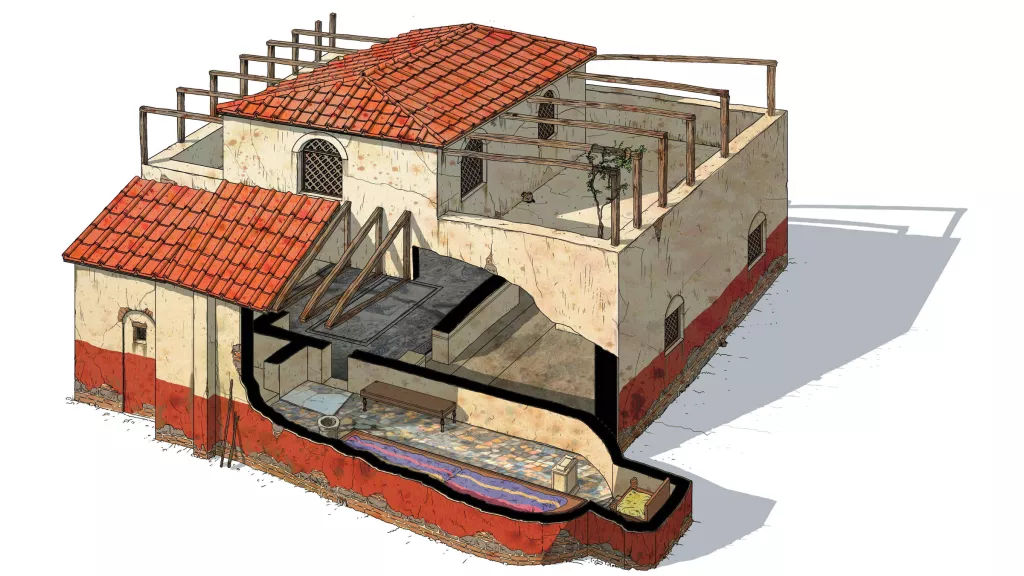
The Mitreo dei Marmi Colorati takes its name after the discovery of a black-and-white mosaic of Pan fighting with Eros.
Emperor Julian is supposed to have presided over a human sacrifice in the Mithraeum of Scarbantia, according to N. Massalsky.
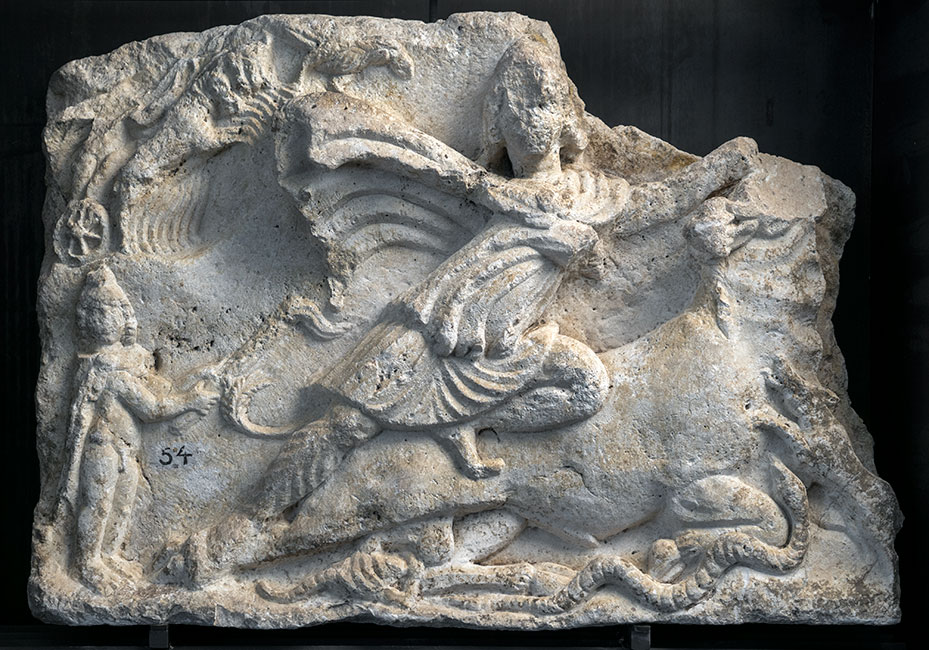
The relief of Mithras killing the bull of Zadar includes a naked Sol in a quadriga.
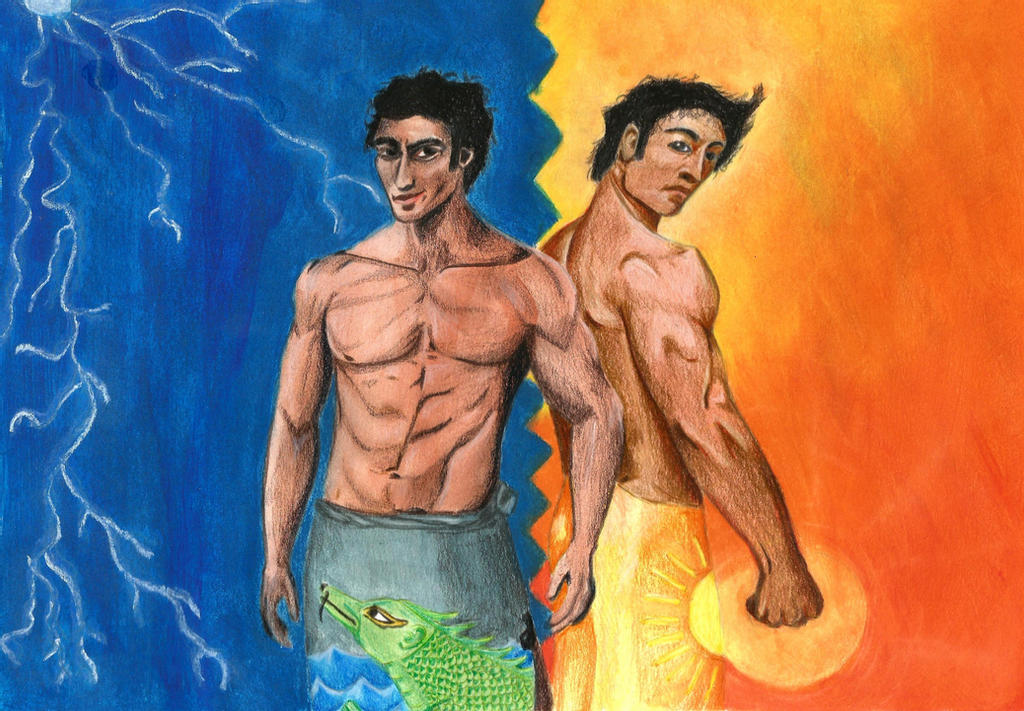
The Sanskrit and Hindi word for friend is “Mitra”. It is also the Nepali word for it. The Sinhala word is ‘mitura’. The word’s etymology has surprising, stark and vivid homosexual connotations.
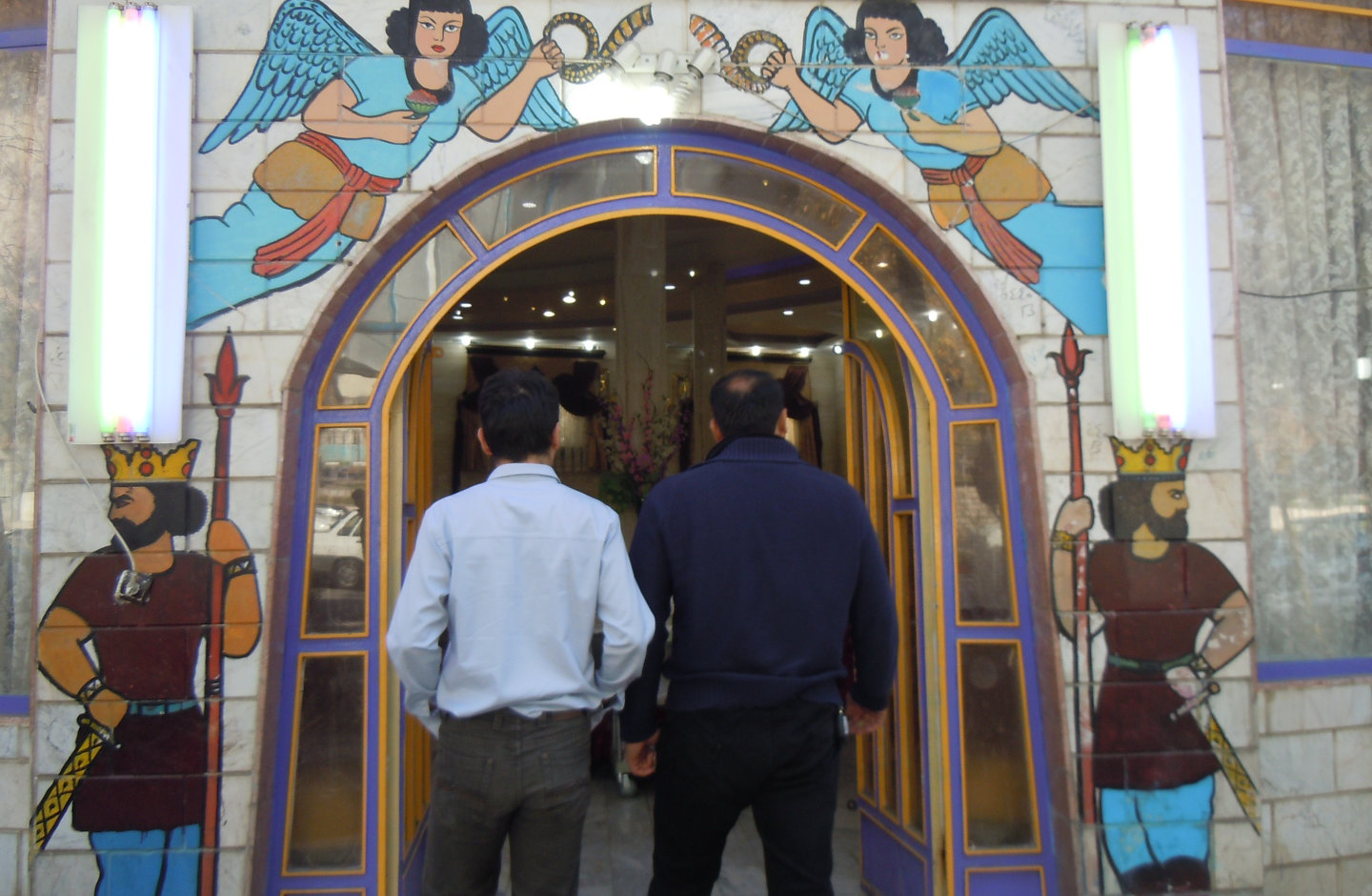
How a rock relief in western Iran, carved during the time of the Sasanian Persian Empire (AD 224-651), has been re-imagined over the centuries.
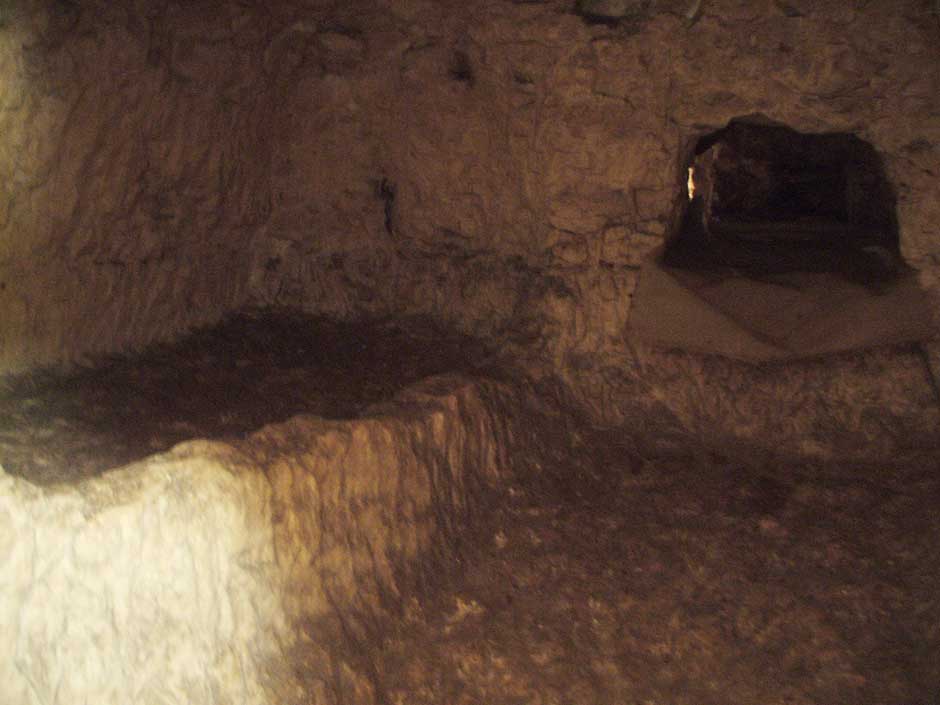
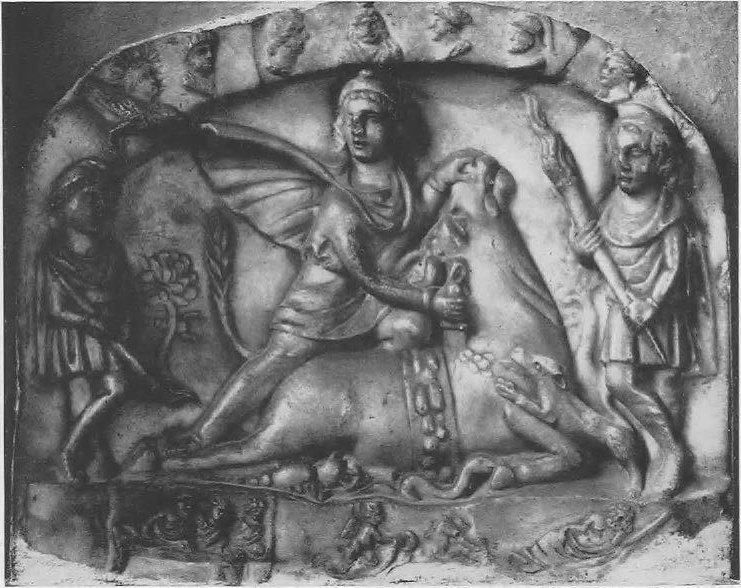
The relief of Mithras killing the bull of Bologna depicts several scenes of the mithraic myth.

Ancient site in Moesia Superior, north-east of Kumanovo, where the remains of a Mithraic sanctuary were discovered together with several marble reliefs, altars and cult objects.
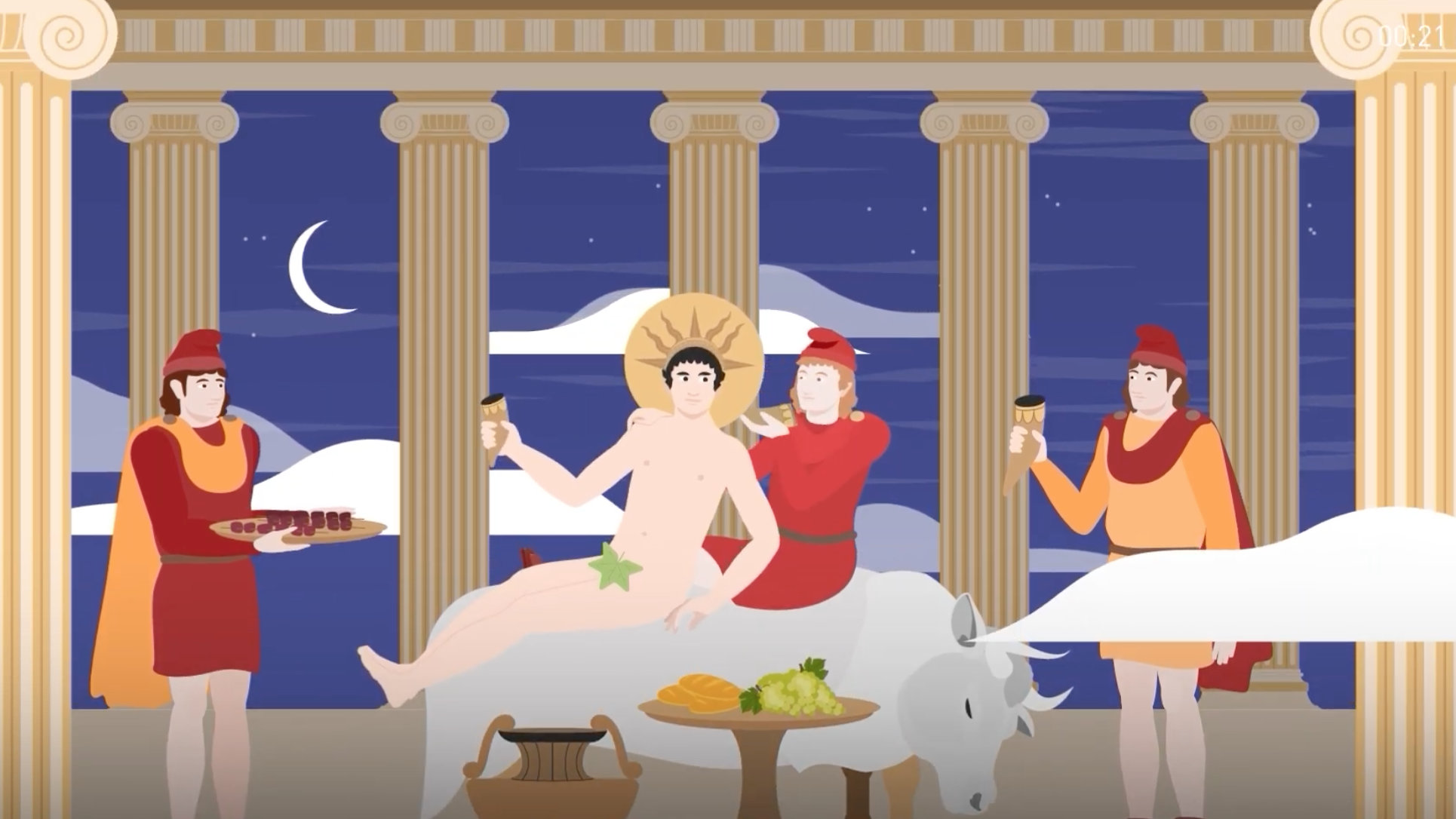
This short animation traces one of the interpretations of the Mithras legend based on archaeological research.

BSc Econ in Political Science and Intelligence Studies, born in Warsaw, PL, Researcher of Cults and Mysteries, a practicing Heathen since the age of 12.

Professional author with a special interest in Greco-Roman ritual and sacred landscapes, art and philosophy.

Roman auxiliary prefect of the Cohors I Batavorum Antoniniana and one of the earliest known patrons of the Mithraeum of Carrawburgh.

Roman auxiliary prefect associated with the maintenance of the Mithraeum at Carrawburgh.

Equestrian pater patrorum whose dedication to Cautes attests the involvement of Rome’s elite in Mithraism.

Slave and vilicus in the household of Tiberius Claudius Livianus, linked to the earliest known Mithraic tauroctony.


A Romano-Germanic woman whose inscription became central to debates on female participation in the Mithraic cult.
