Your search Tal hal Hariri / Es-Sâlihiyeh / As Salhiyah gave 3733 results.

I am a graduate trying to complete a MA in archaeology. My Master`s Dissertation is about Mistery Cults in the Roman Empire
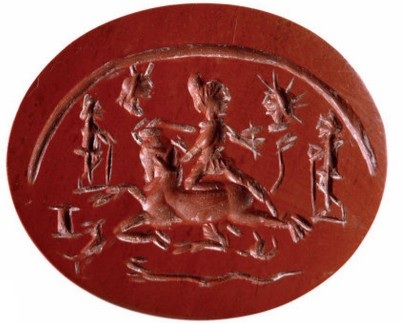
An oval carnelian gem from Carnuntum showing Mithras tauroktonos in a grotto. Sol and Luna appear above, with both torchbearers and a small altar before the bull.
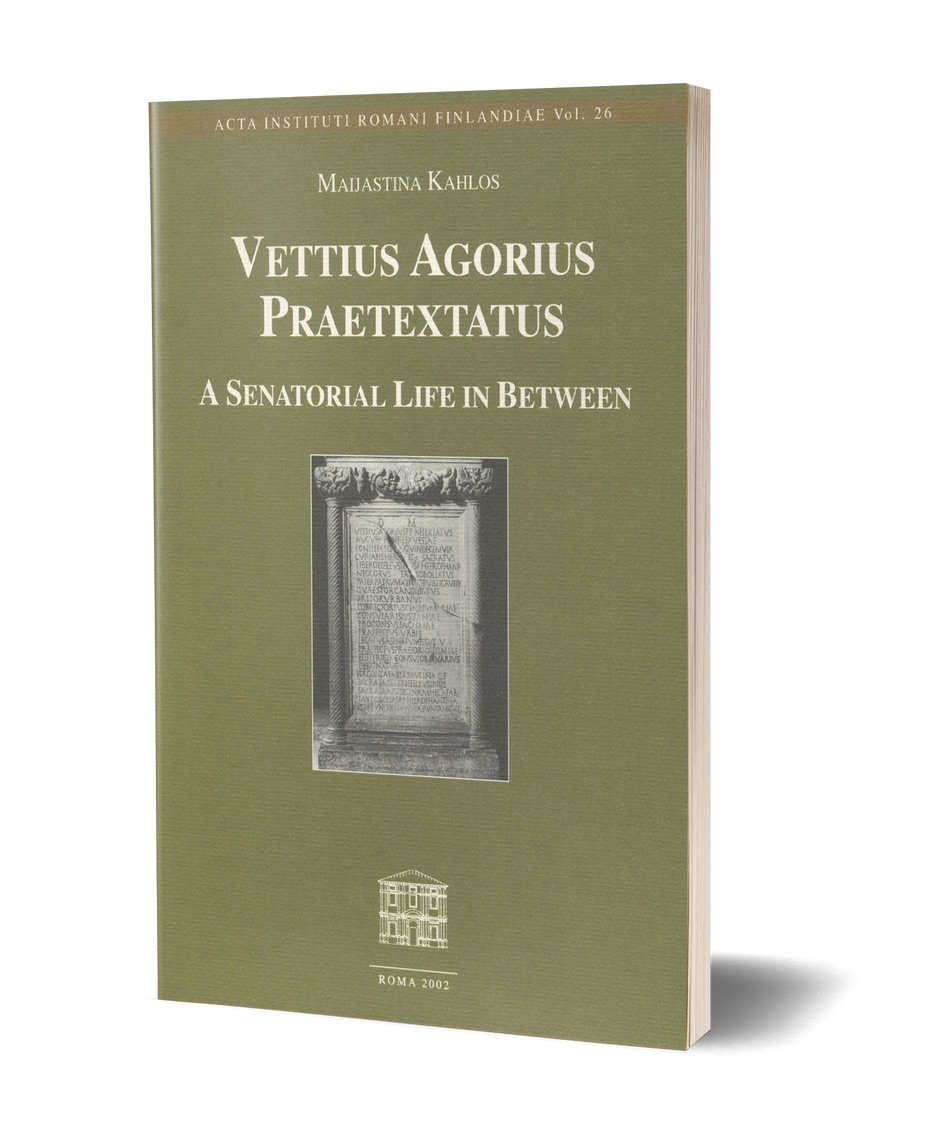
The cultural and religious world of fourth-century Rome is explored through the life and afterlife of Vettius Agorius Praetextatus. His case is set in comparison with other pagan and Christian senators of the period.
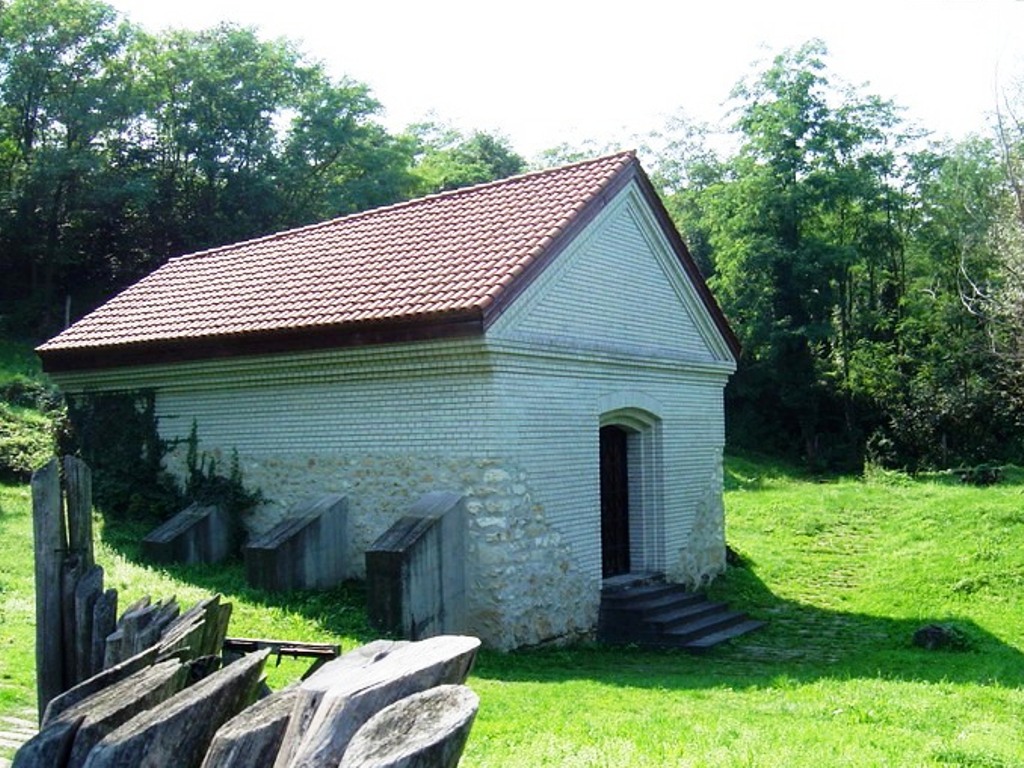
The temple of Mithras in Fertorakos was constructed by soldiers from the Carnuntum legion at the beginning of the 3rd century AD.

This inscription mentions a Pater for the first known time.
A dark occult novel intertwining Templar mythology, ritual magic, and modern conspiracy, with Mithraic and gnostic motifs woven into its esoteric narrative. It explores the persistence of hidden initiatory currents in the contemporary world.

The Mithraeum of London, also known as the Walbrook Mithraeum, was contextualised and relocated to its original site in 2016.
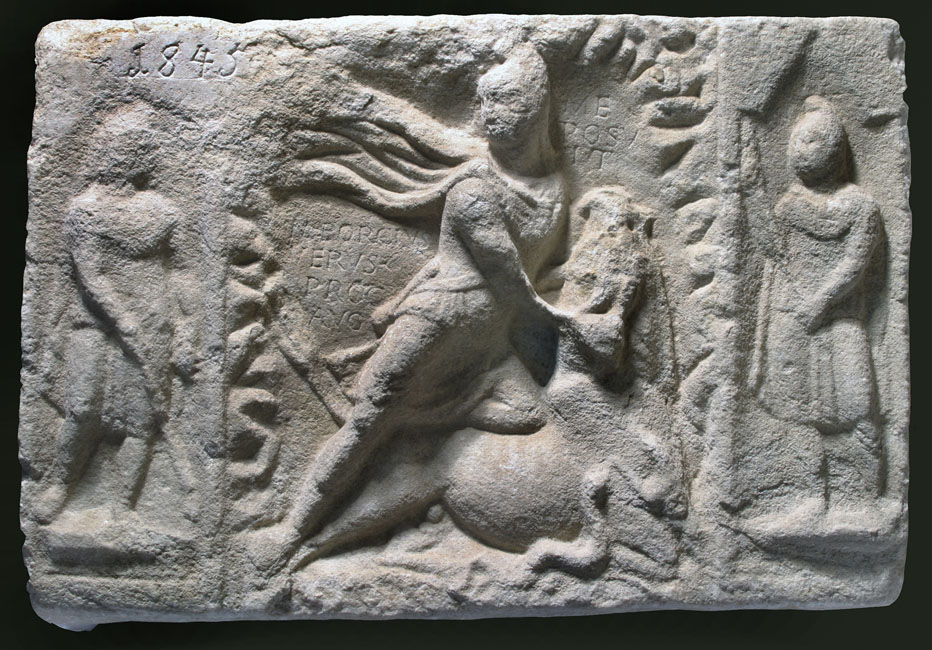
This relief of Mithras tauroctonus and other finds were discovered in 1845 in Ruše, where a Mithraeum probably existed.
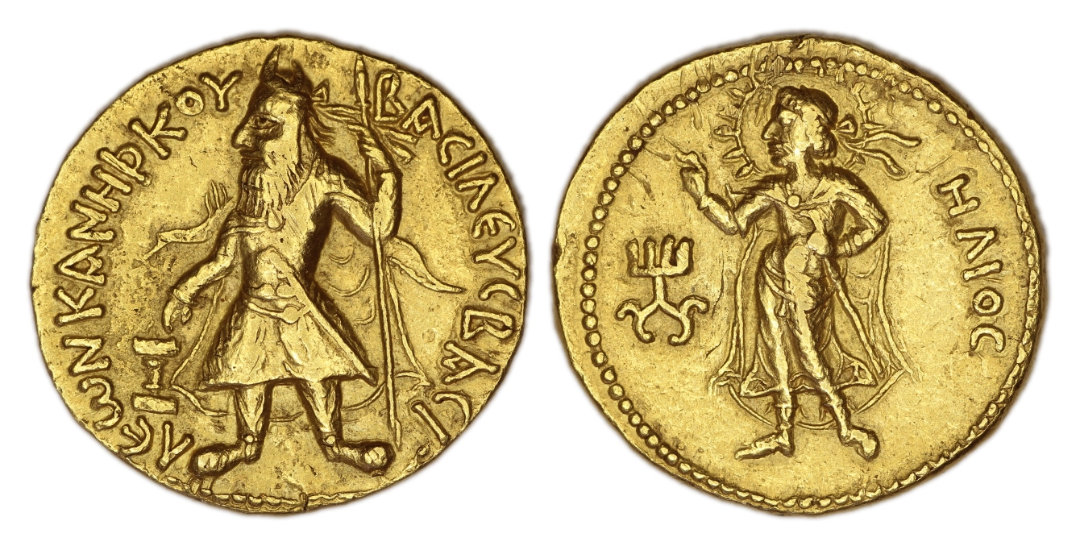
This gold coin depicts Kanishka I on one side and Mithras standing on the other side.
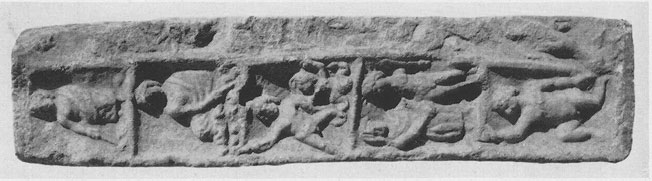
Fragment of a double-sided white marble Mithraic relief from San Zeno, found near the Castello di Tuenno, depicting elements of the tauroctony cycle and bearing a dedication to Deo Invicto Mithrae.
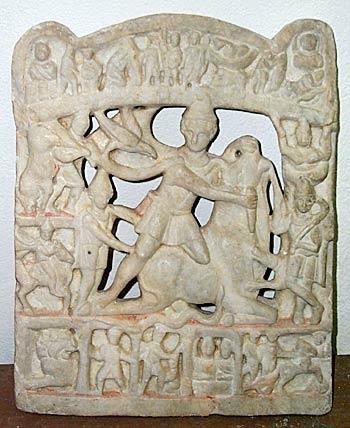
This Mithraic relief of the Danubian type was found in 1940 in the old town of Plovdiv.
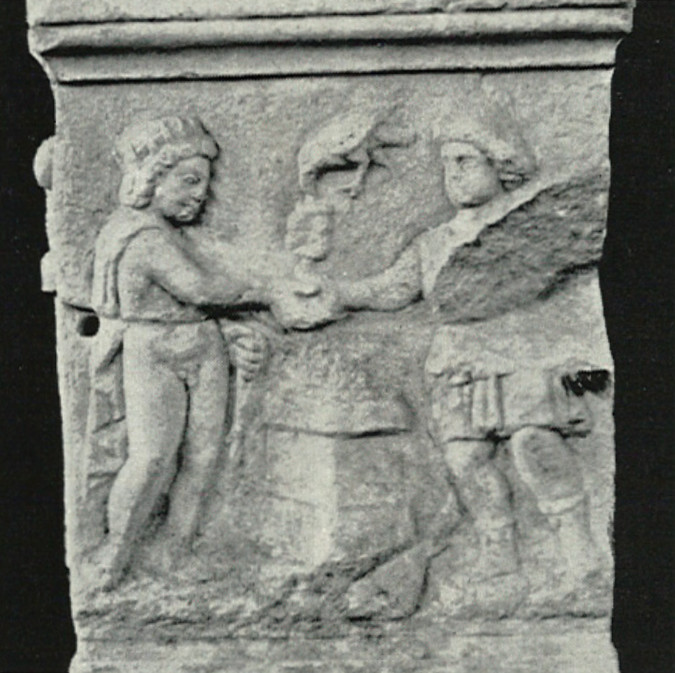
The altar of Ptuj depicts Mithras and Sol on the front and the water miracle on the right side.
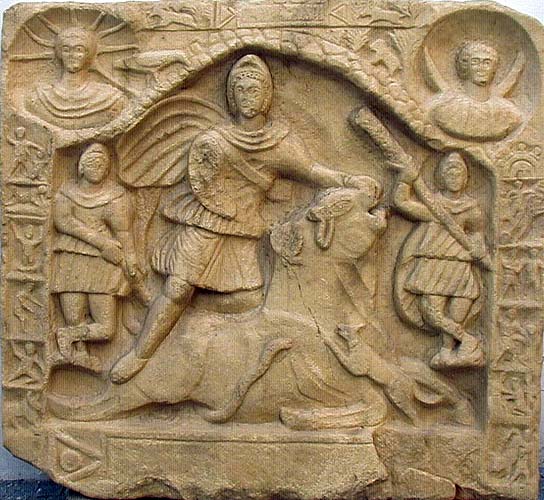
The relief of Mithras slaying the bull at Mauls in Gallia cisalpina is a paradigmatic example of the so-called Rhine-type Tauroctony.

Red sandstone altar from Stockstadt, featuring a square cavity in the front that contained a fragment of crystal and a small lamp.
Fragmentary sandstone relief from Rückingen showing a male figure walking right and holding a kantharos. Traces on the chest may indicate a torques or shoulder-cape.
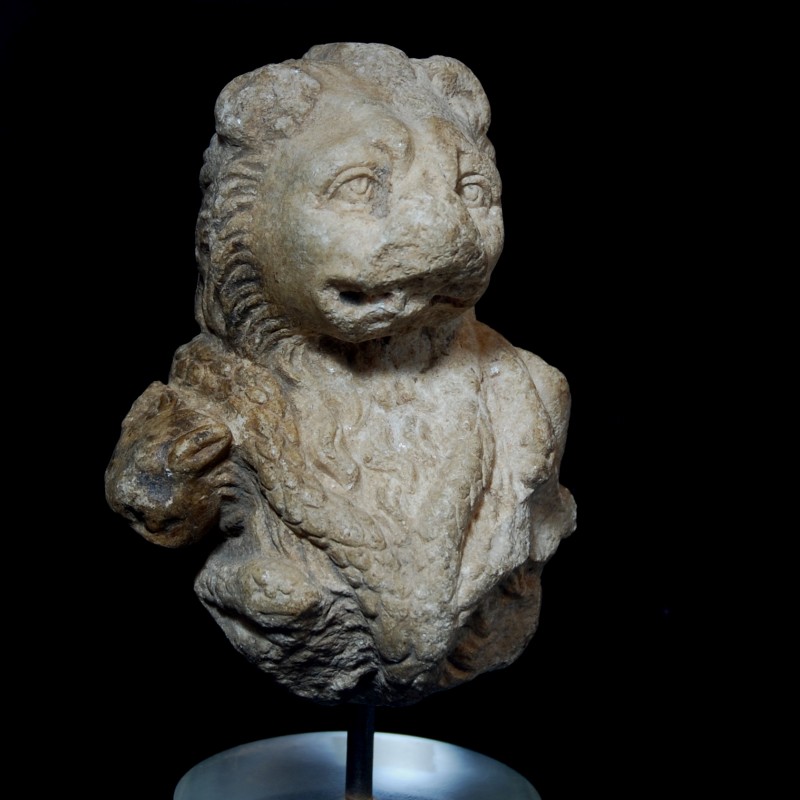
This bust of a lion-headed figure has been was part of a French private collection.

