Your search Terme di Caracalla gave 2084 results.

During the excavations of 1804-1805, a series of monuments dedicated to Mithras and a temple were discovered at ancient Mons Seleucus.
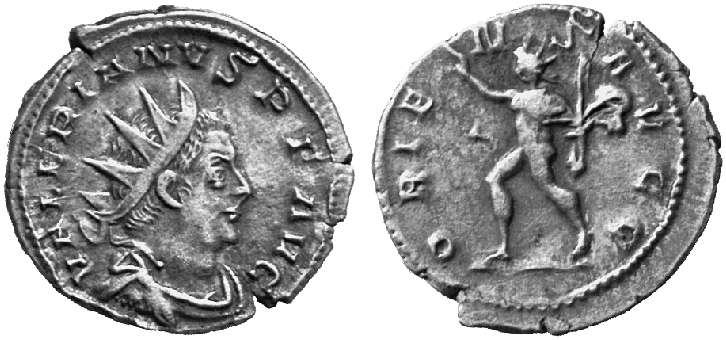
This coin was deposited in the upper level of the throne in the cult niche of the Mitreo della Planta Pedis.

The inscription explains the transmission of the fourth Mithraic degree through the Paters of the Mitraeum of San Silvestro.
The Mithraeum located in Piazza Dante in Rome was discovered in 1874 along with a series of monuments dedicated by a Pater named Primus.
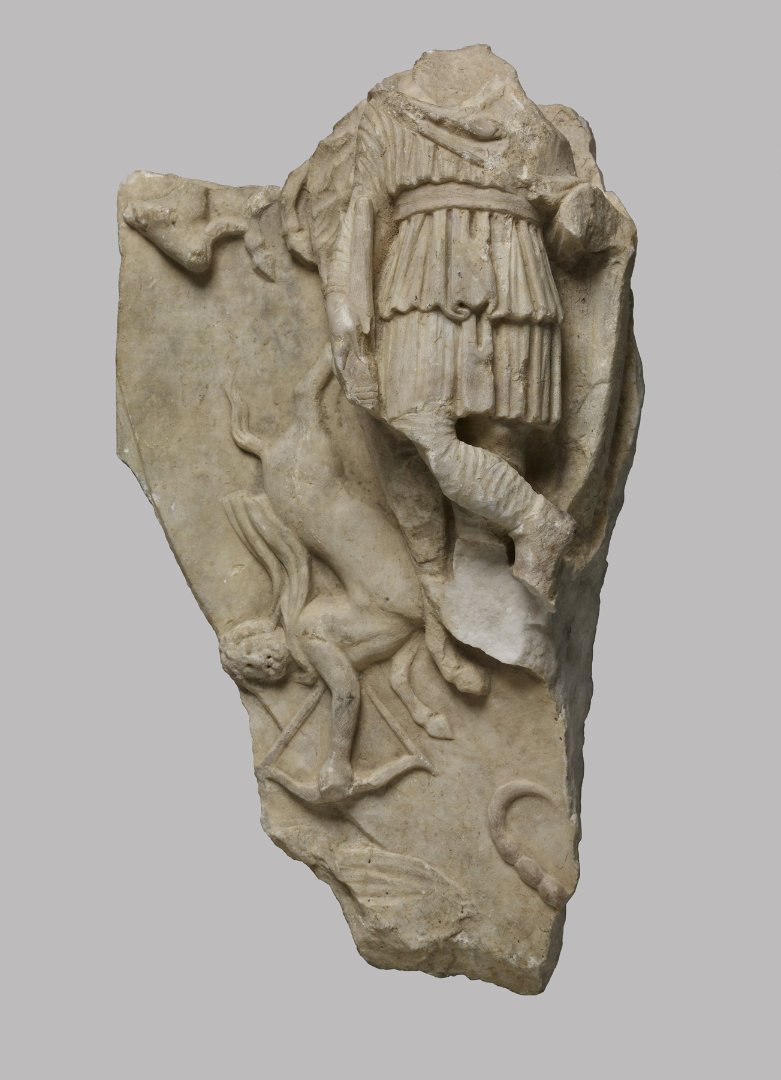
This fragmentary relief shows Cautopates bordered by three of the six zodiacal signs with which He is associated: Capricorn, Sagittarius and Scorpio.
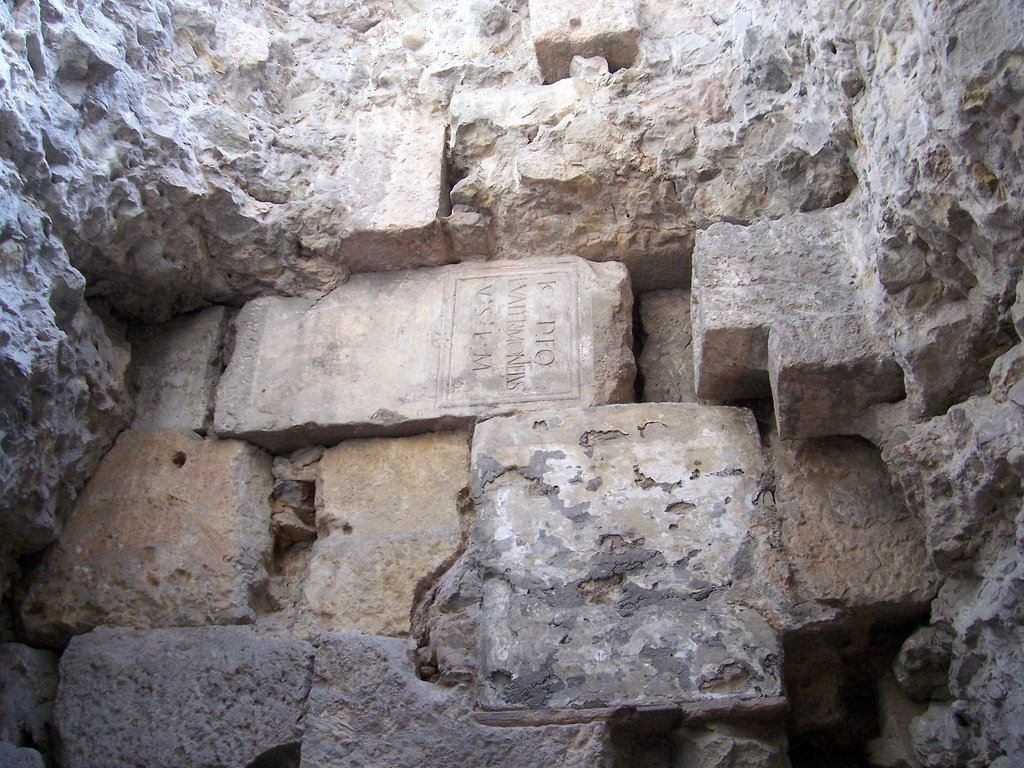
This altar was dedicated to Cautes by a certain Lucius in Baetulo (Badalona), near Barcino (Barcelona).
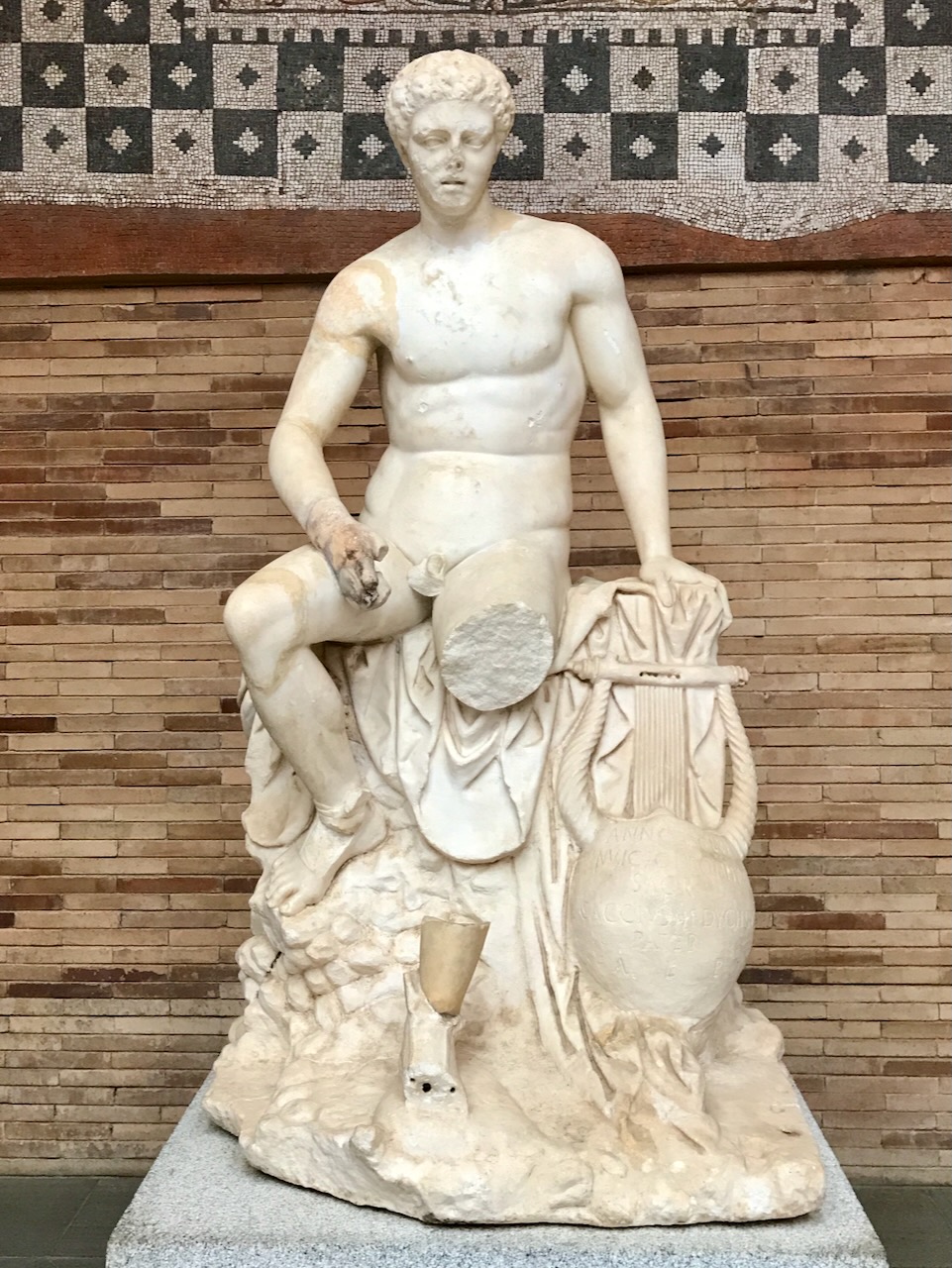
The statue of Mercury in Merida bears a dedication from the Roman Pater of a community in the city in 155.
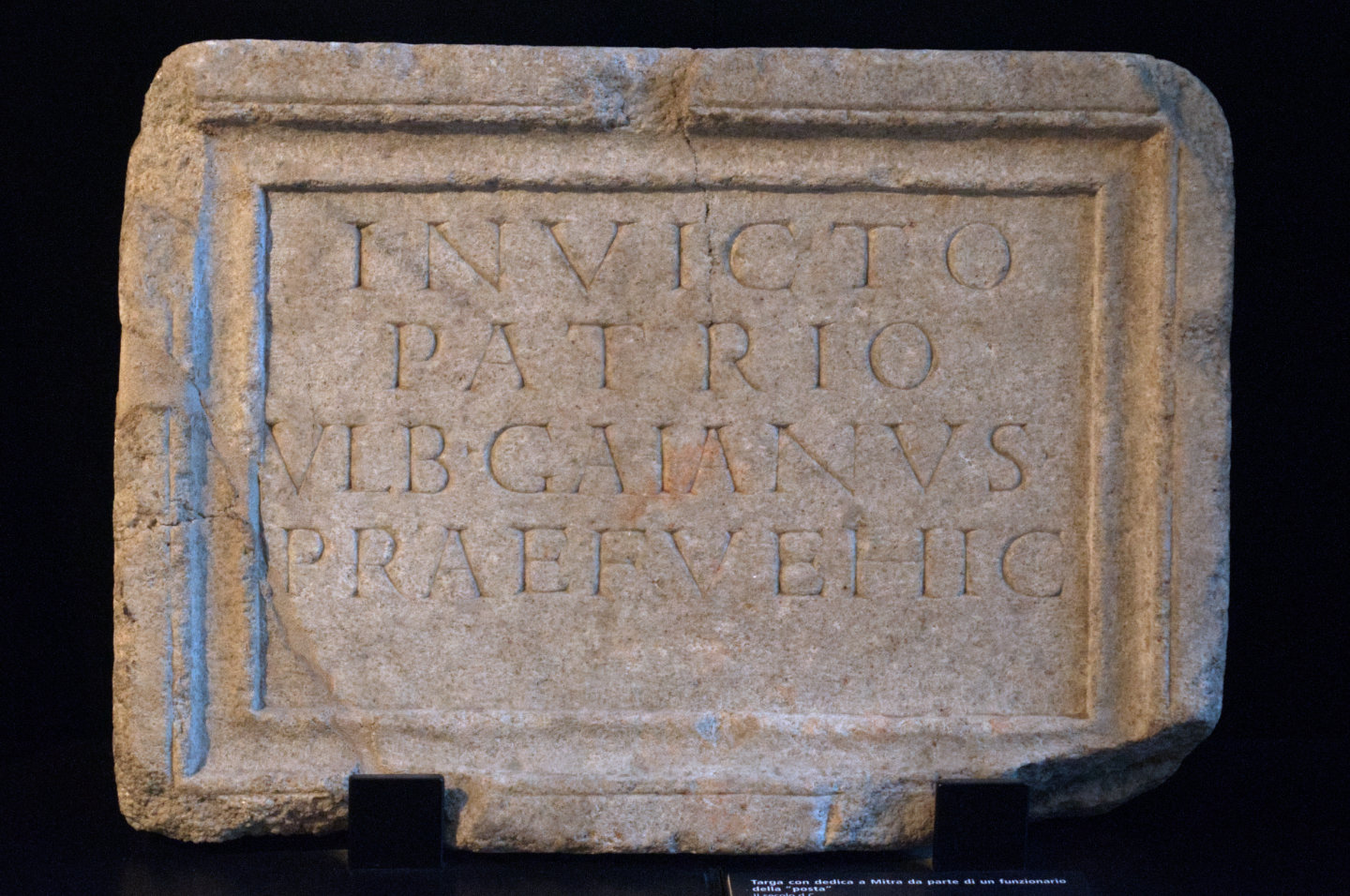
This monument dedicated to 'Invicto Patrio' was found in Milan in 1869.
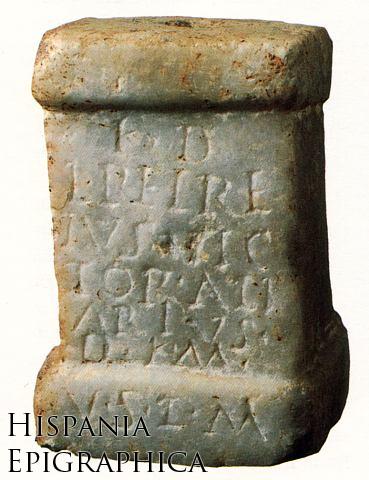
Small arula with mithraic inscription and dedication to Cautes from a garlic merchant.
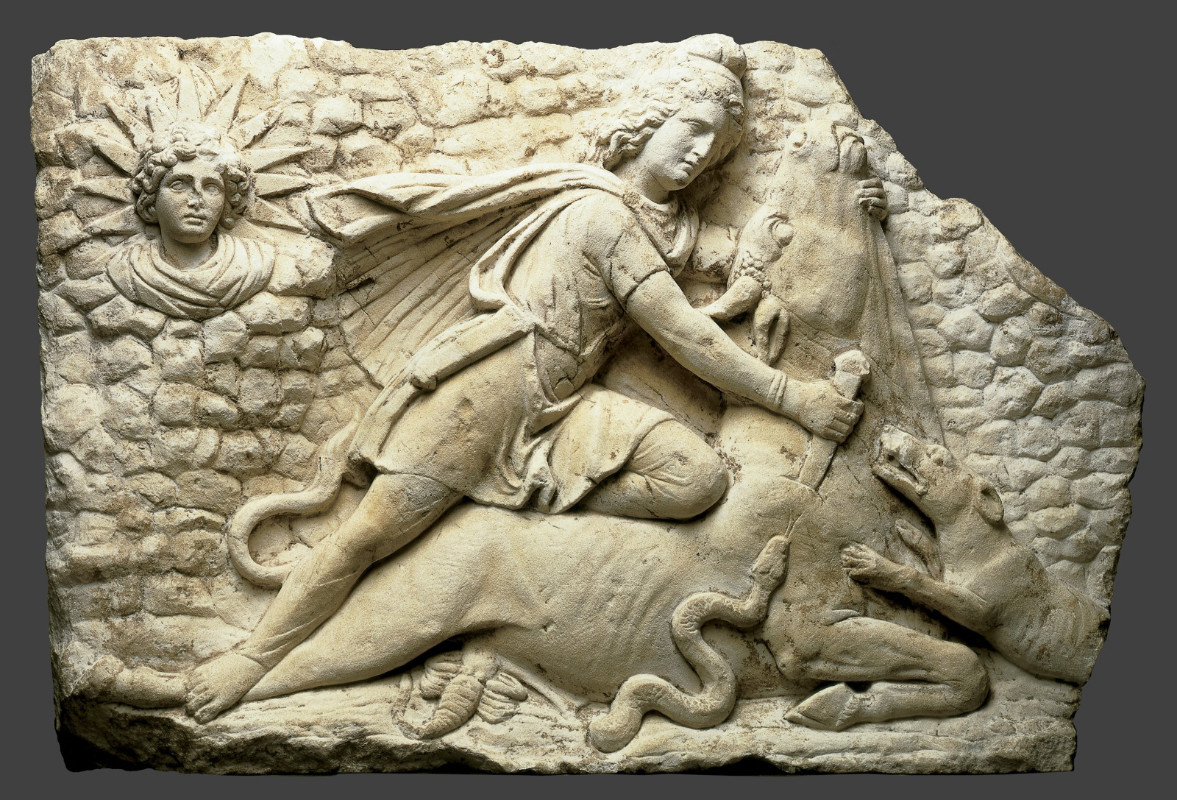
In the tauroctonic relief on display at the Cincinnati Art Museum, Mithras slaughters the bull over a rocky background.
Intervention de Richard Veymiers, directeur du Musée royal de Mariemont et Laurent Bricault, de l'Université Toulouse Jean-Jaurès.
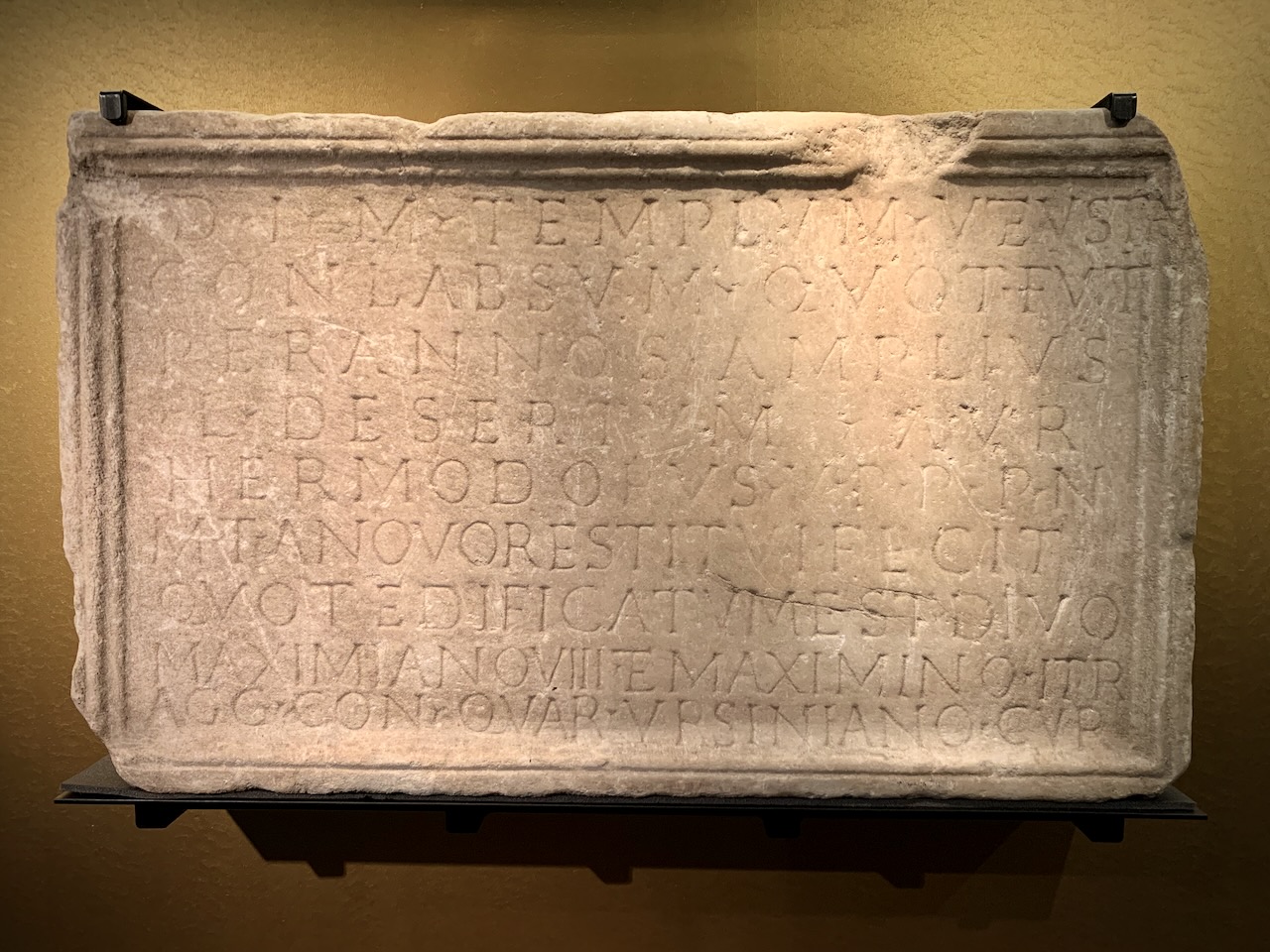
This marble gives some details of the reconstruction of the Virunum Mithraeum.
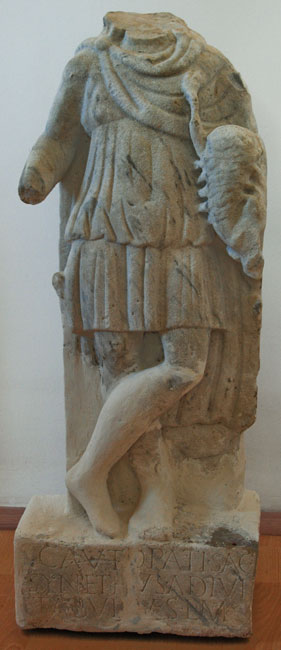
The Cautopates with scorpion found in 1882 in Sarmizegetusa includes an inscription of a certain slave known as Synethus.
This altar, which has now disappeared, was dedicated by the slave Quintio for the health of a certain Coutius Lupus.
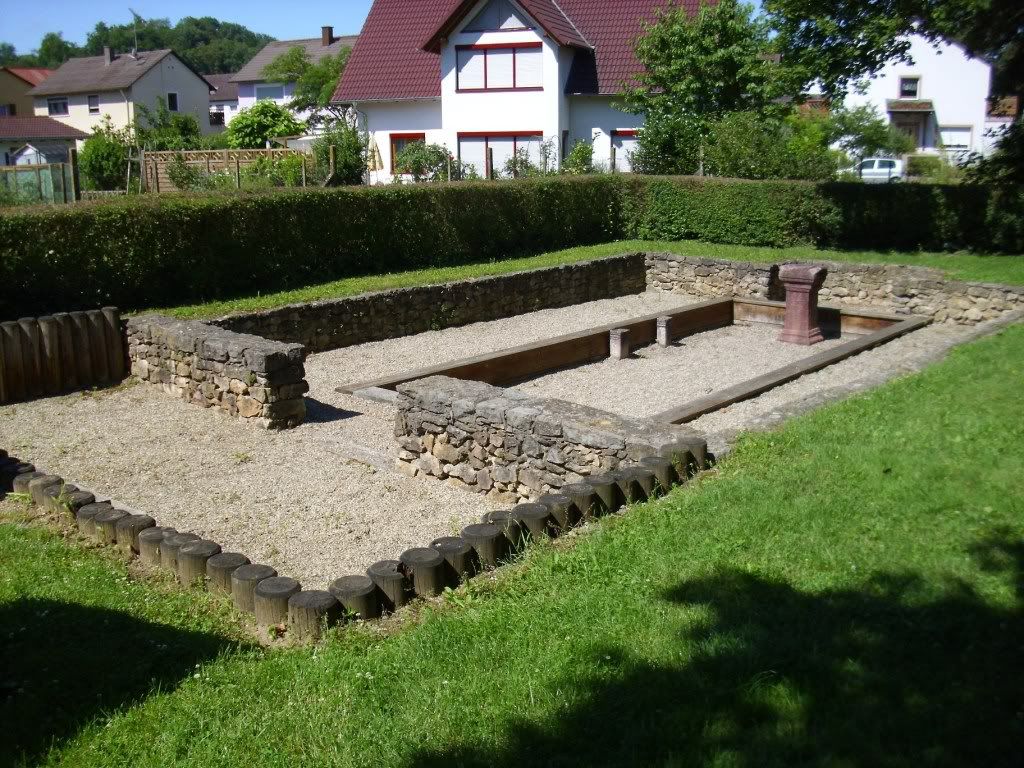
A votive altar referring to the cult of Mithras was found more than forty years before the site was excavated and the Mithraeum discovered.
The Mithraeum of Mainz, was discovered outside the Roman legionary fortress. Unfortunately the site was destroyed without being recorded.
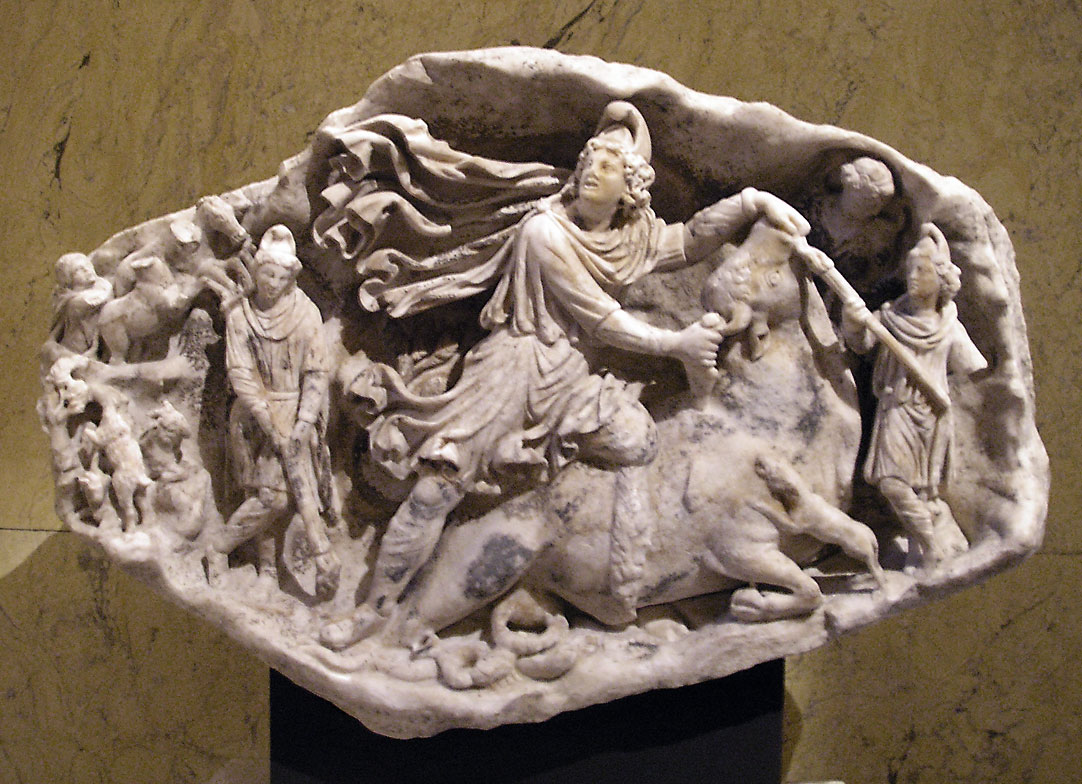
The relief of the Mithraic tauroctony of Aquiliea is currently on display in Vienna.
This altar to Mithras is dedicated by a certain Gaius Iulius Castinus, legate prefect of the emperors.
On this slab, Gaius Iulius Propinquos indicates that he made a wall of the Mithraeum at his own expense.
The Kempraten Mithraeum was unexpectedly discovered during the 2015 excavations near the vicus.
