Your search Tulln an der Donau gave 577 results.

In Plutarch’s Life of Alexander, the grieving Darius binds the eunuch Tireus by the light of Mithras to reveal the truth about his captive wife Statira, a solemn appeal that leads to unexpected praise for Alexander’s honor and restraint.

He was from Aphrodisias in Caria, where he erected a relief depicting Mithras killing the bull.

Tracing the links between the cult of Mithras and the Proud Boys’ quest for identity, power, and belonging. How ancient rituals and brotherhood ideals resurface in radical modern movements.
Conference by Freemason Chris Ruli on the parallels between the cult of Mithras, Freemasonry and other initiatic orders.

In 1938 this Mithraeum was found 3.45 mtrs under the Basilica of S. Lorenzo in Damaso, in a cellar near the Sacrament's Chapel.
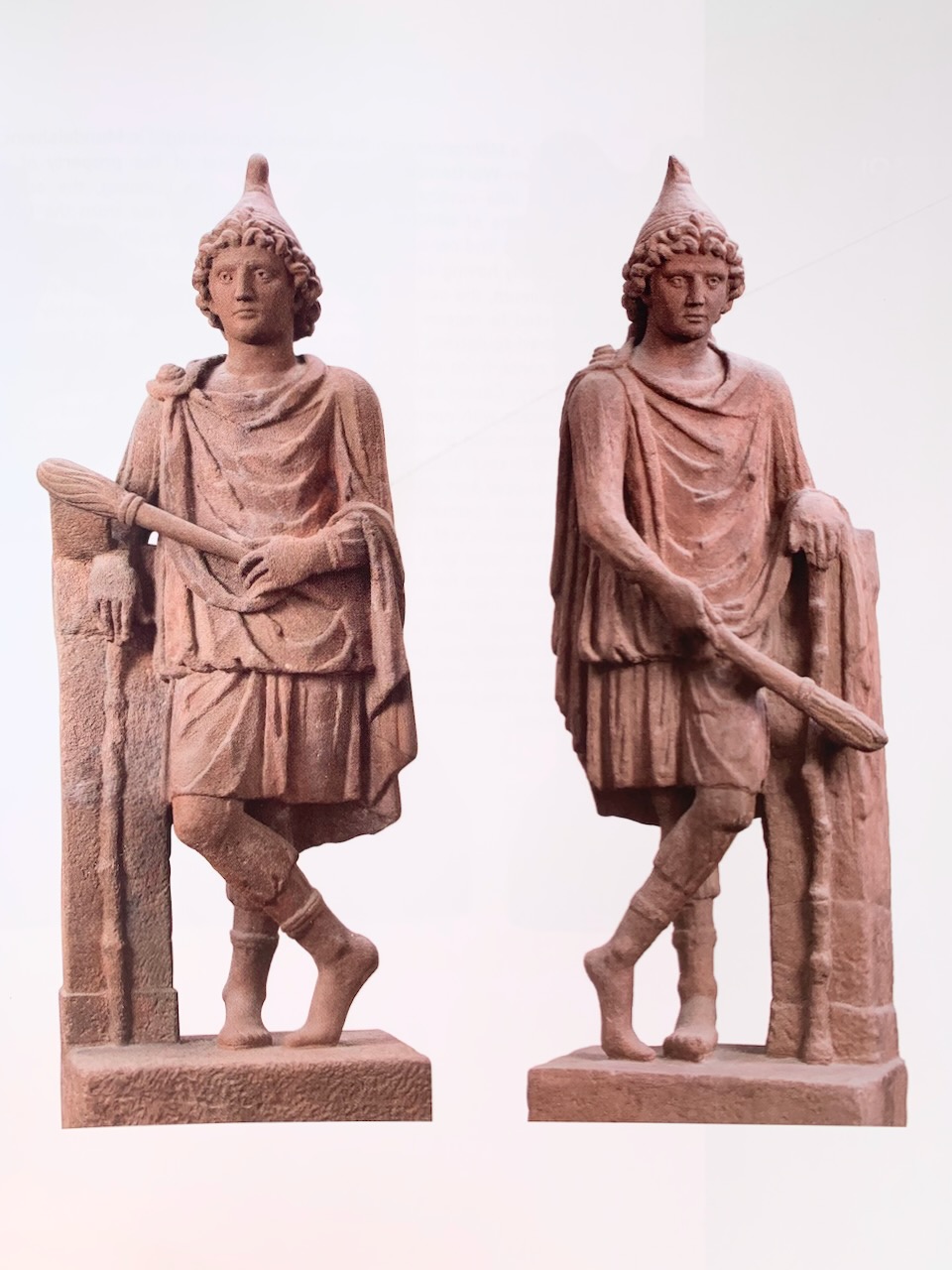
The two companions of Mithras carry a torch and a shepherd's staff at the third Mithraeum in Frankfurt-Heddernheim, formerly Nida.
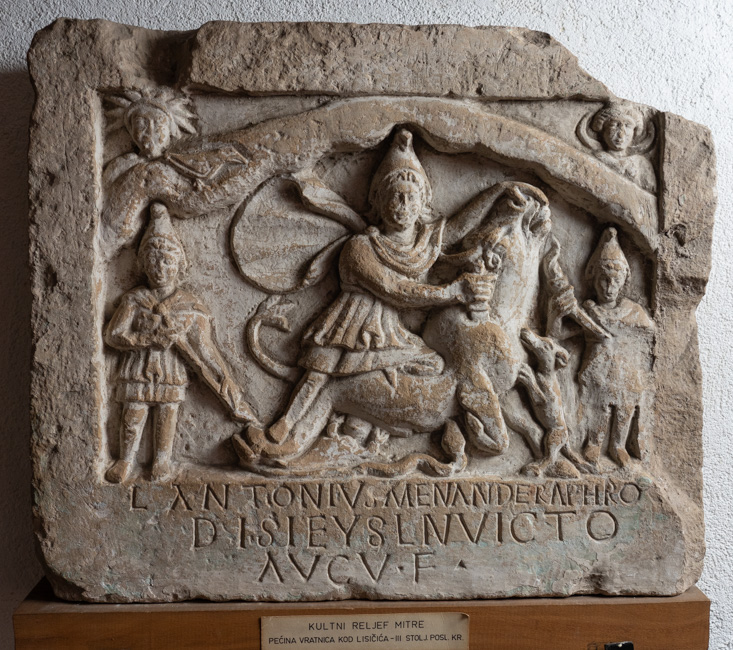
This relief of Mithras as a bullkiller found at Vratnitsa, near Lisicici in northern Macedonia, was signed by a certain Menander Aphrodisieus.

Teurnia became an important late Roman urban centre in the province of Noricum.

A funerary inscription from Besançon (ancient Vesontio) in Belgica, bearing the title mater sacrorum, but correctly excluded from the Mithraic corpus, as women were barred from Mithras sanctuaries.
Small bronze statuette recovered from the river Saale near Burg Giebichenstein in 1900, depicting Mithras as bull-slayer without a Phrygian cap; the left leg is lost.
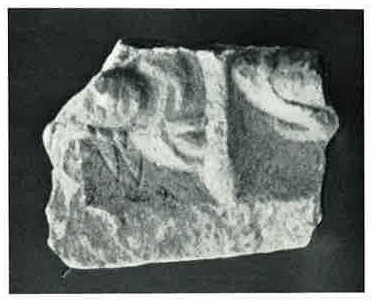
Left upper corner of a marble relief from Mithraeum II at Ptuj, ancient Poetovio, with the dressed bust of Sol in radiate crown above a horizontal rim, beneath which the head of a torchbearer, probably Cautopates.
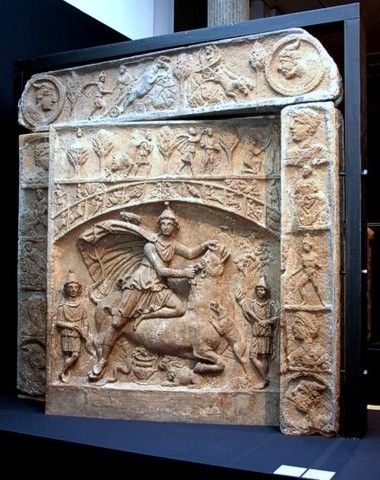
This relief is so well-known that it has been reproduced in nearly every handbook of archaeology and of history of religions.
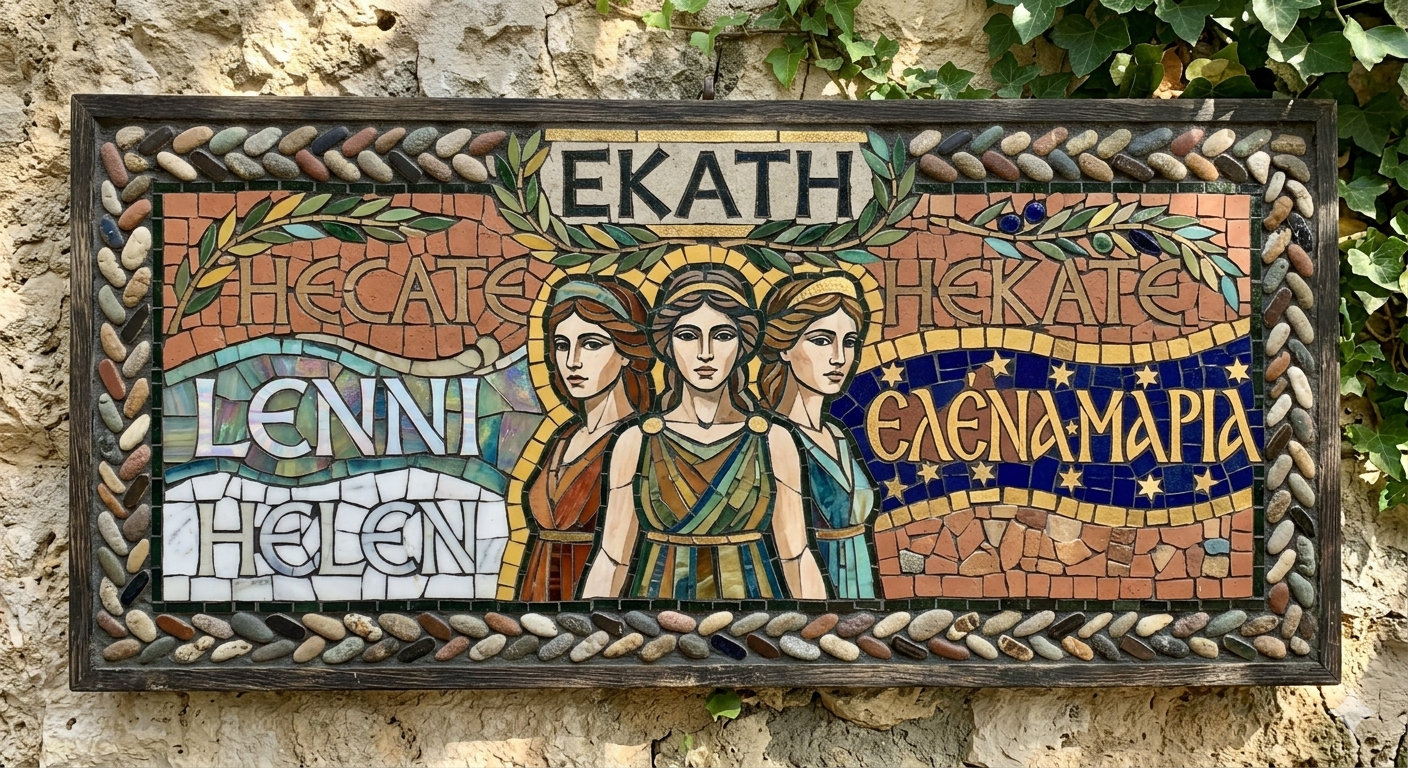
On what Hekate’s name may or may not tell us, and why the uncertainty matters.
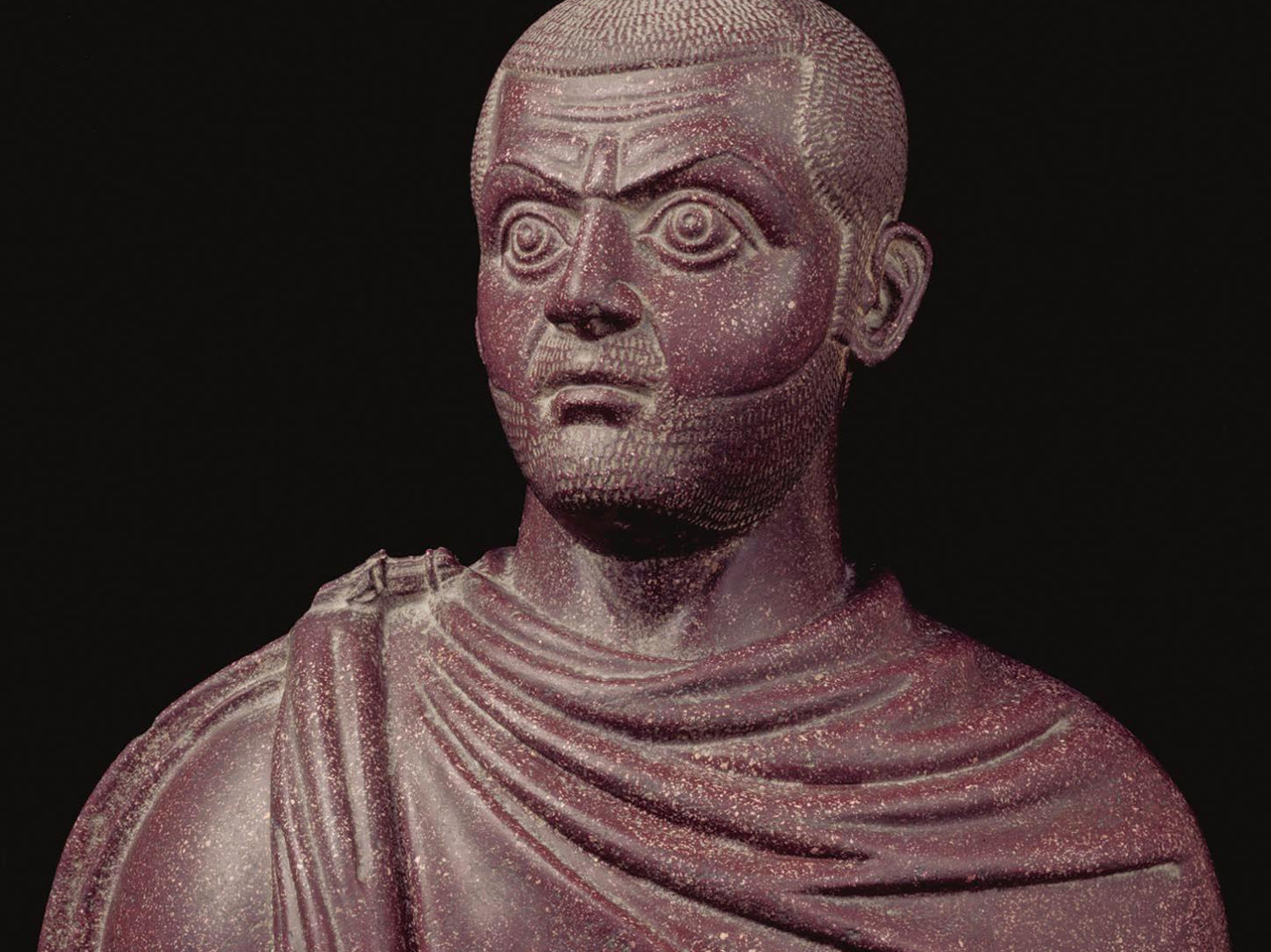
In the eighteenth year of Diocletian’s reign, Galerius Maximianus, persuaded by the sorcerer Theoteknos, consulted demonic oracles in a cave and was urged to initiate the persecution of the Christians.
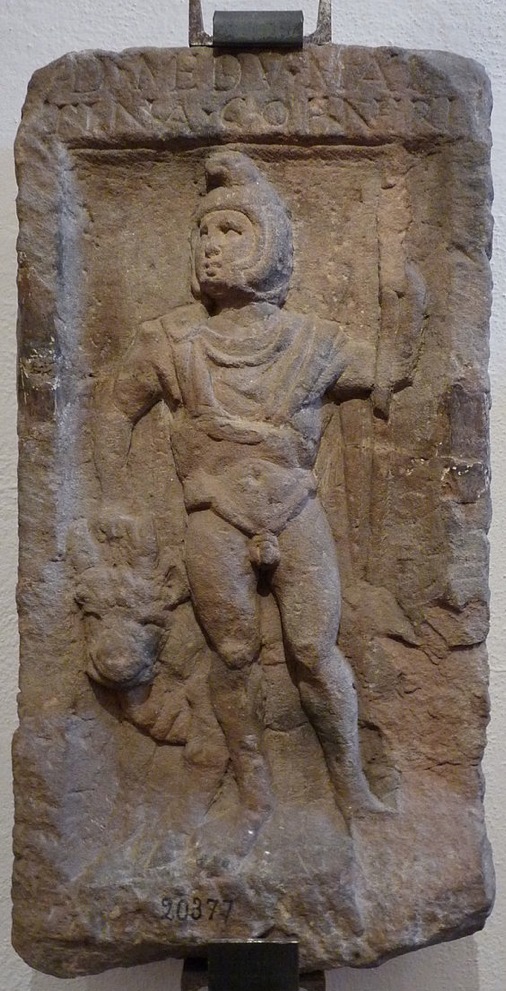
The relief of naked Roman soldier, wearing a mantle and a Phrygian cap, has been related to the Mithras' cult.
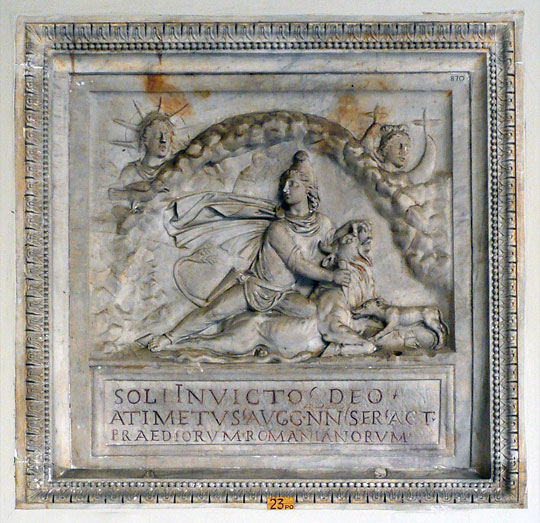
White marble relief depicting Mithras slaying the bull, dedicated by Atimetus.
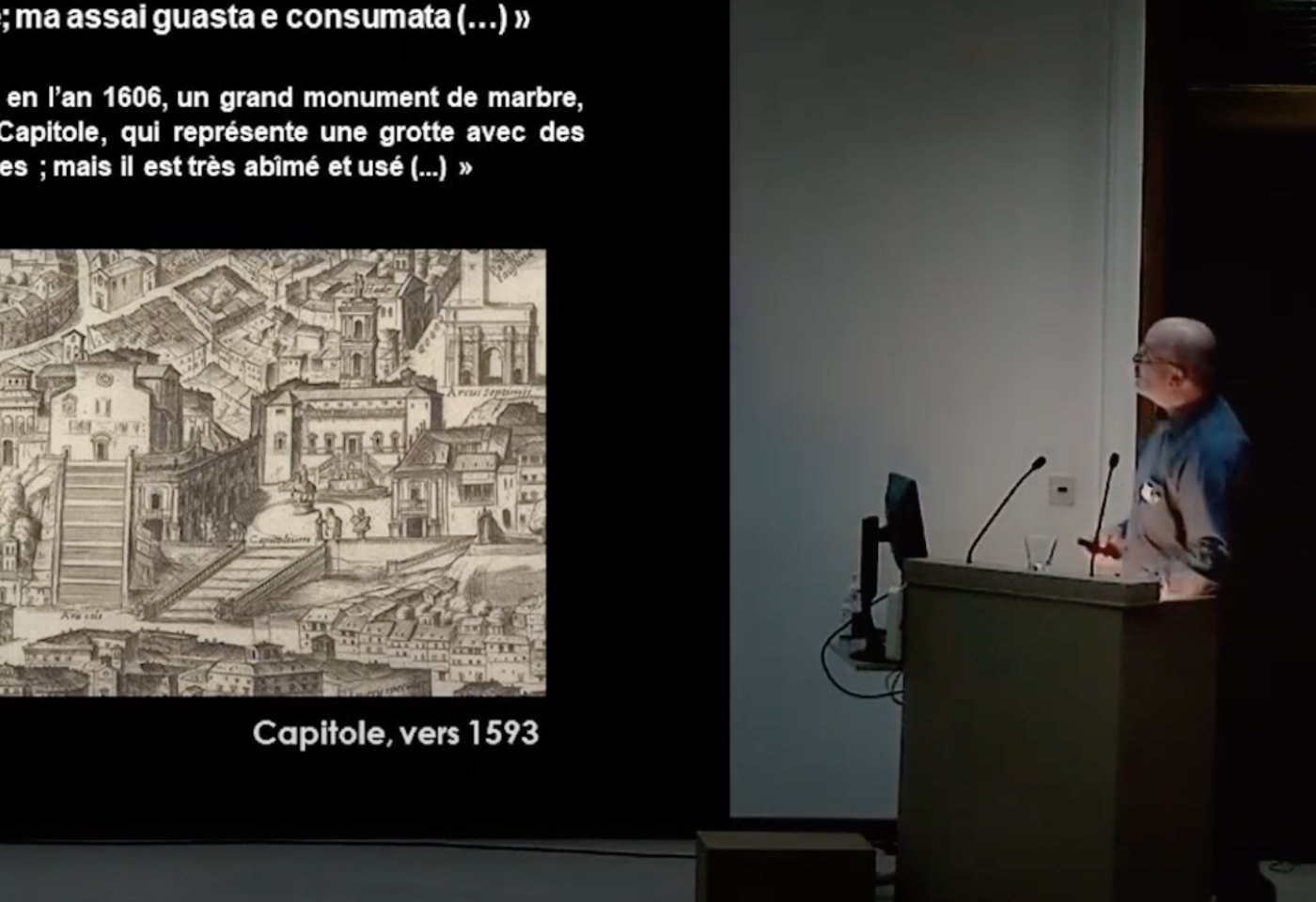
Intervention de Richard Veymiers, directeur du Musée royal de Mariemont et Laurent Bricault, de l'Université Toulouse Jean-Jaurès.
Historical region of north-western Iran, forming a major political and cultural centre under the Parthian and Sasanian empires.
Large marble slab found in 1648 near S. Silvestro in Capite, inscribed with a Latin dedicatory poem forming a cypher-acrostic for TAMESIUS and AUGENTIUS, with records of leontica and chrysos initiations, dated to 362 A.D.
