Your search Val Camonica gave 183 results.
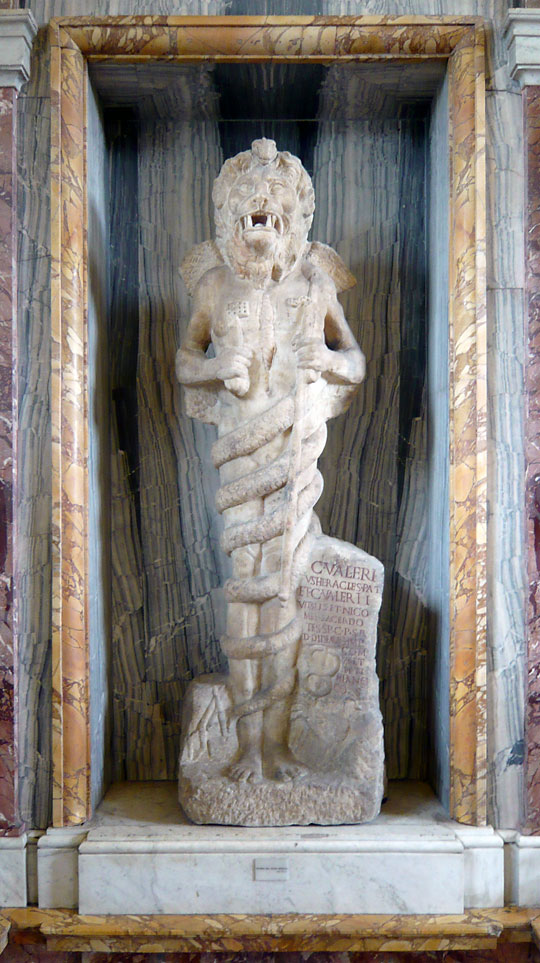
Marble leontocephalic Aion/Arimanus from the now-lost Fagan Mithraeum at Ostia, dedicated in AD 190 by three members of the local Mithraic priesthood.
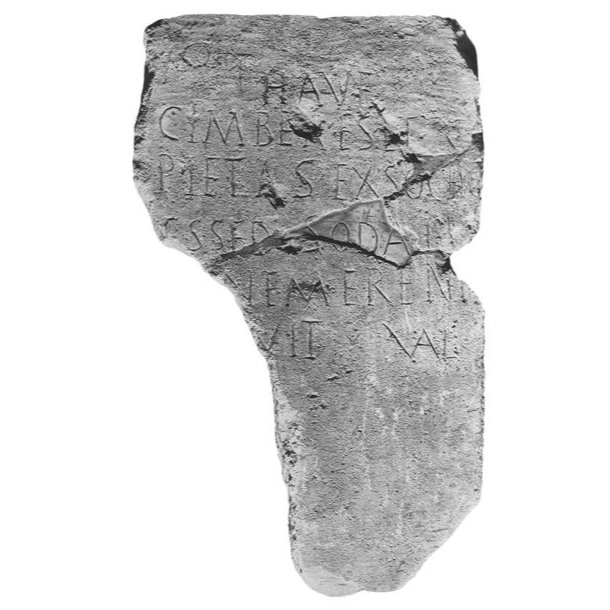
This monument with an inscription by two individuals was found in the first mithraeum of Cologne, Germany.

The base of a statuette, preserving only one foot of Cautes, found at Luguvallium (modern Carlisle), bearing a dedication to Deus Cautes by Iulius, the archietus.
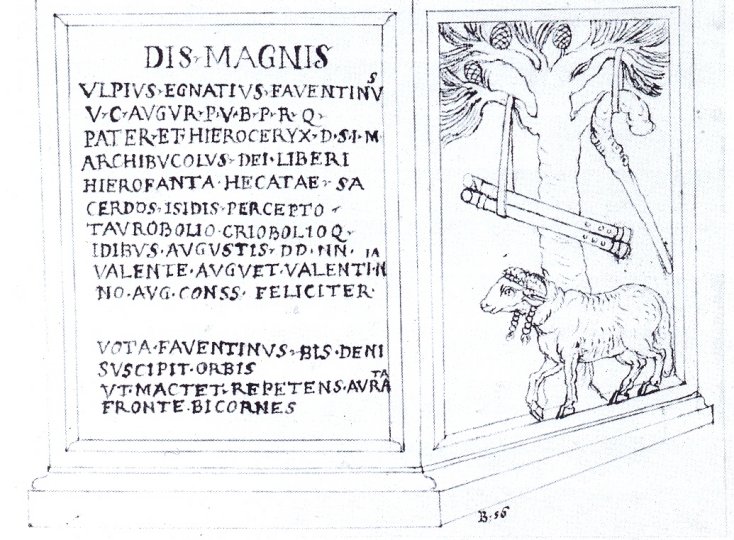
Both of them were discovered in 1609 in the foundations of the façade of the church of San Pietro, Rome.
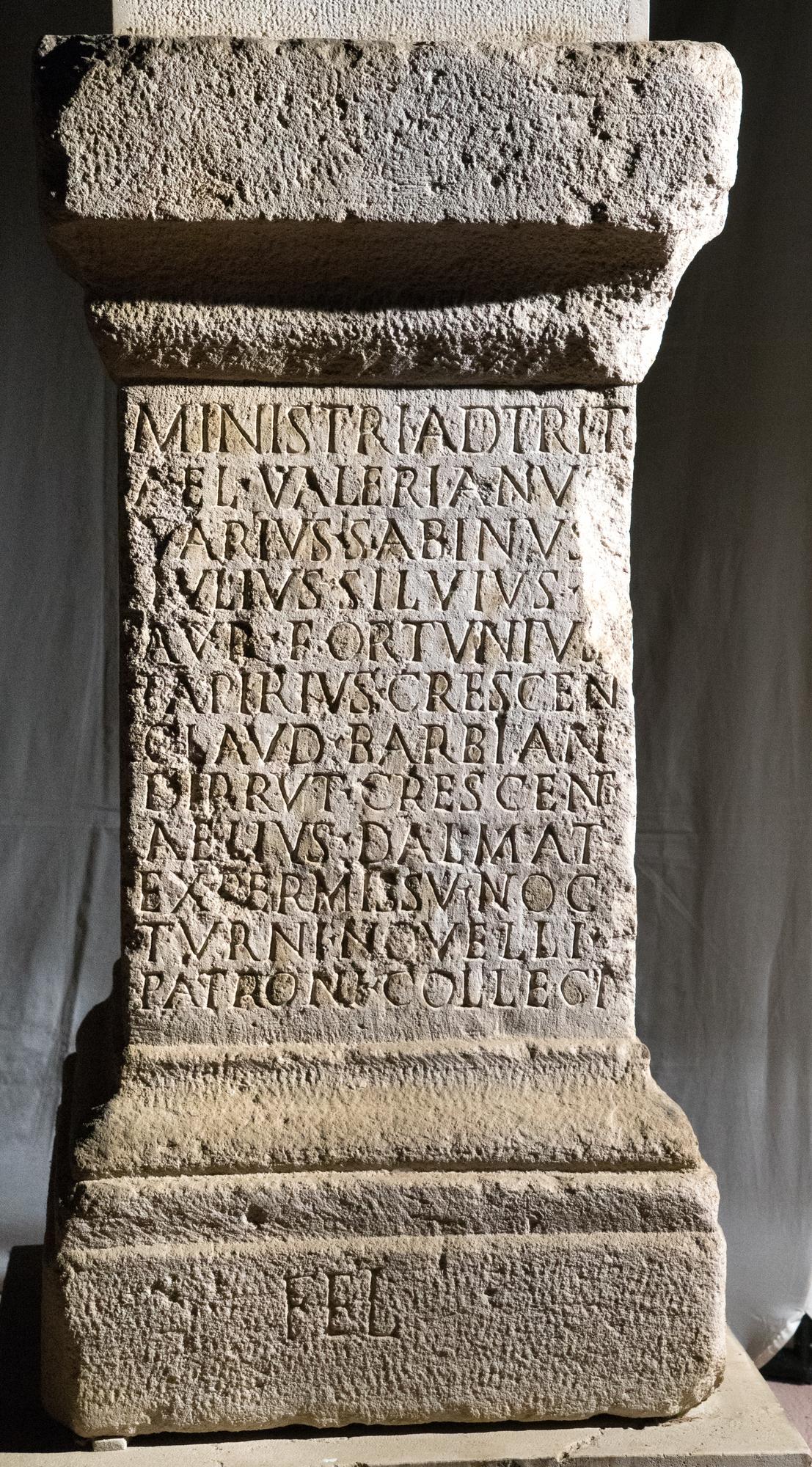
This inscribed limestone altar from Roman Salona preserves several lists of ministers associated with the Tritones collegium during the Tetrarchic period.

This altar, found in Tazoult تازولت, Algeria, was dedicated to the god Sol Mithras by a certain Florus.
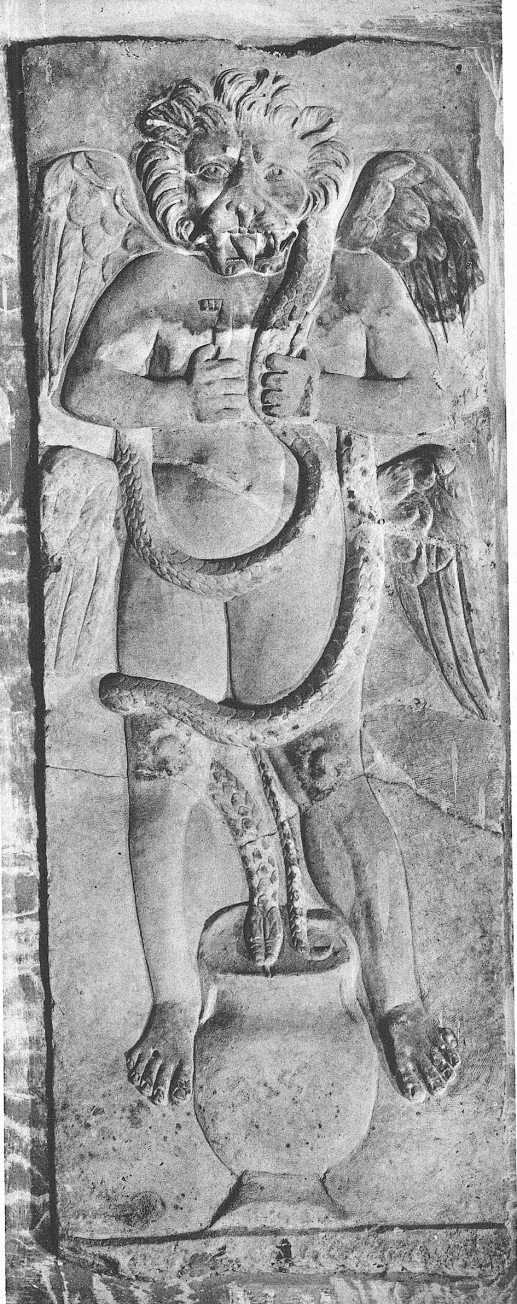
This white marble relief depicting a lion-headed figure from Ostia is now exposed at the Musei Vaticani.
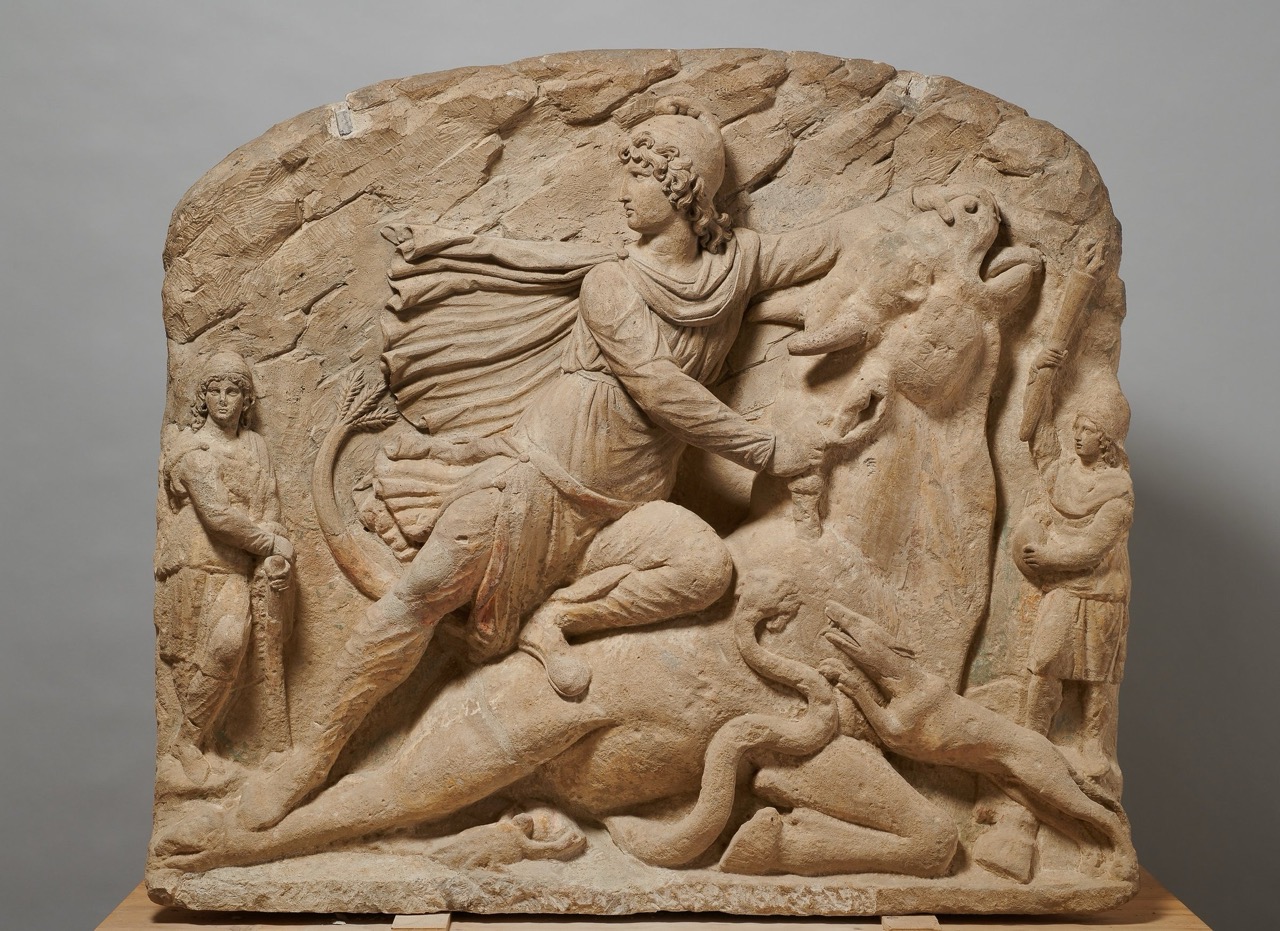
Limestone tauroctony relief from Carnuntum with traces of polychromy and a graffito on the bull’s neck. The inscribed base was carved separately.
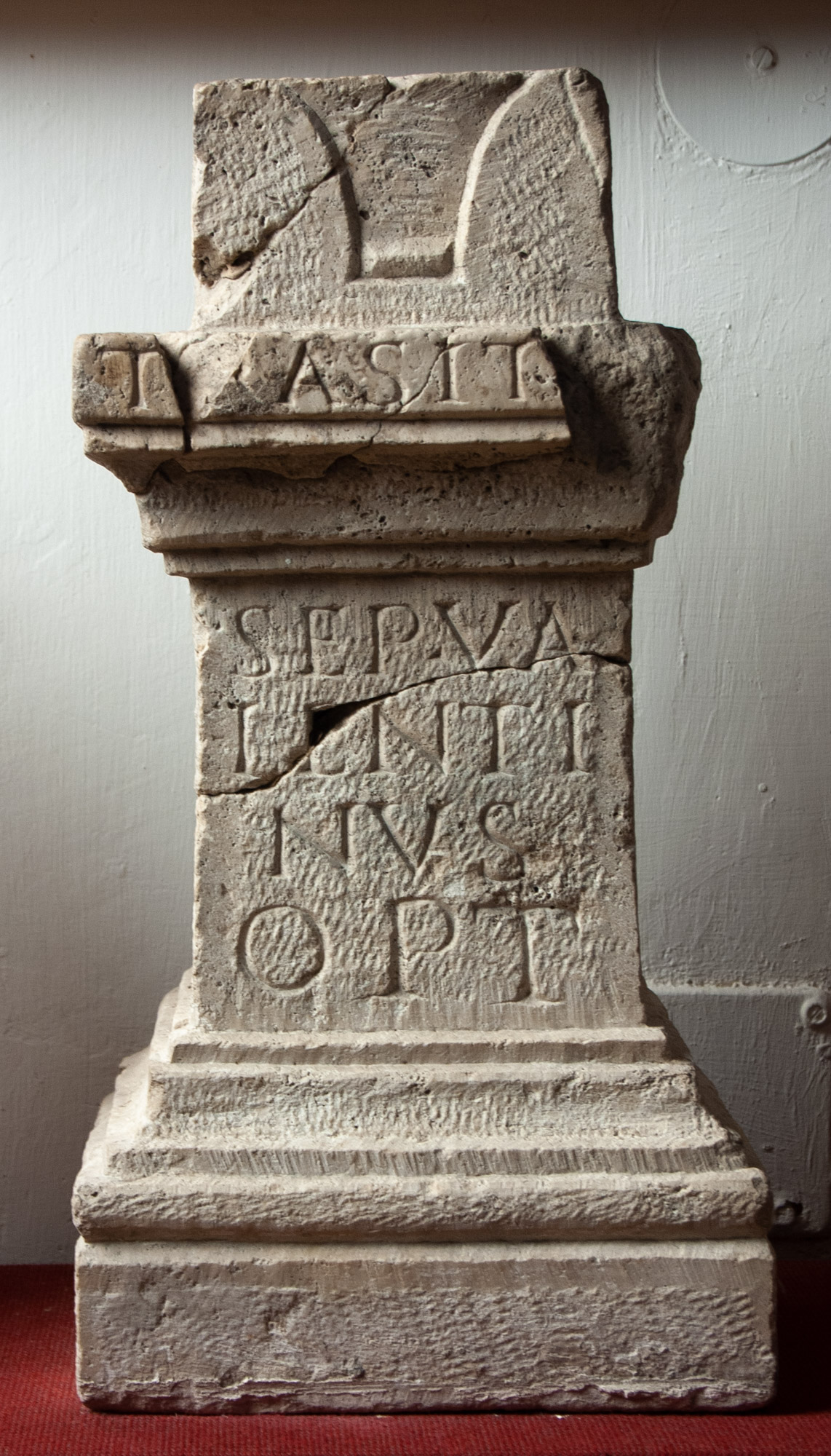
This is one of the altars erected by Septimius Valentinus, in this case, to the transitus of Mithras.
This inscription reveals the names of 36 cultori of Sentinum, one of whom bears the title of pater leonum.
This marble base found in Angera in 1868 bears the inscription of two people who reached the degree of Leo.
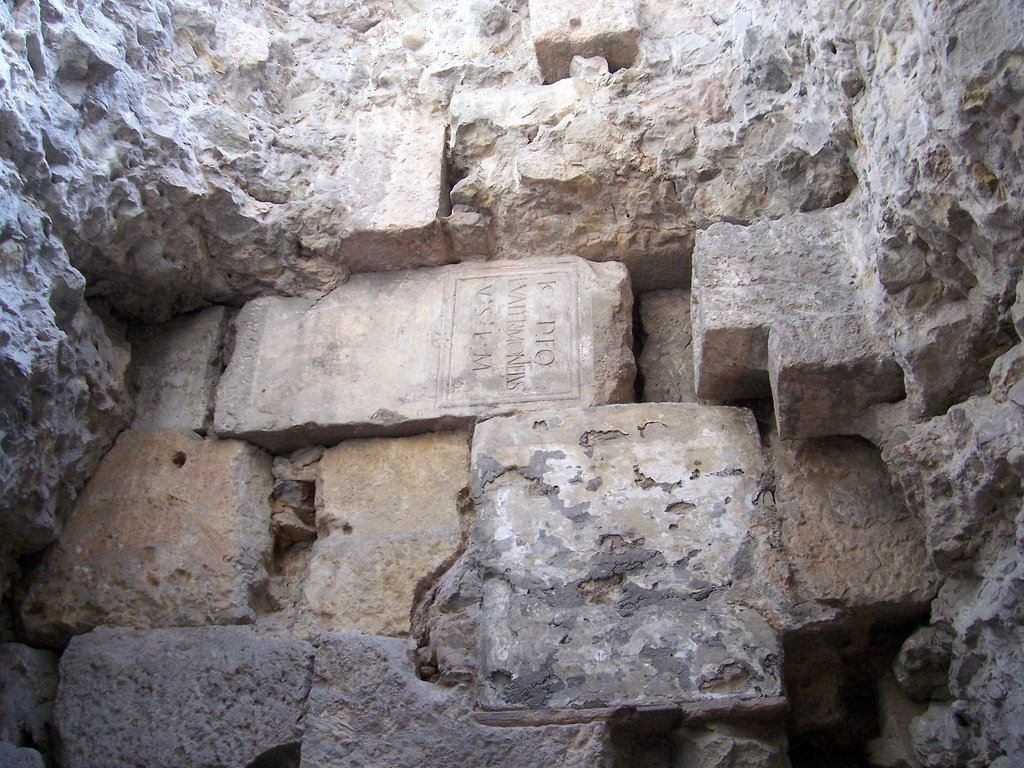
This altar was dedicated to Cautes by a certain Lucius in Baetulo (Badalona), near Barcino (Barcelona).
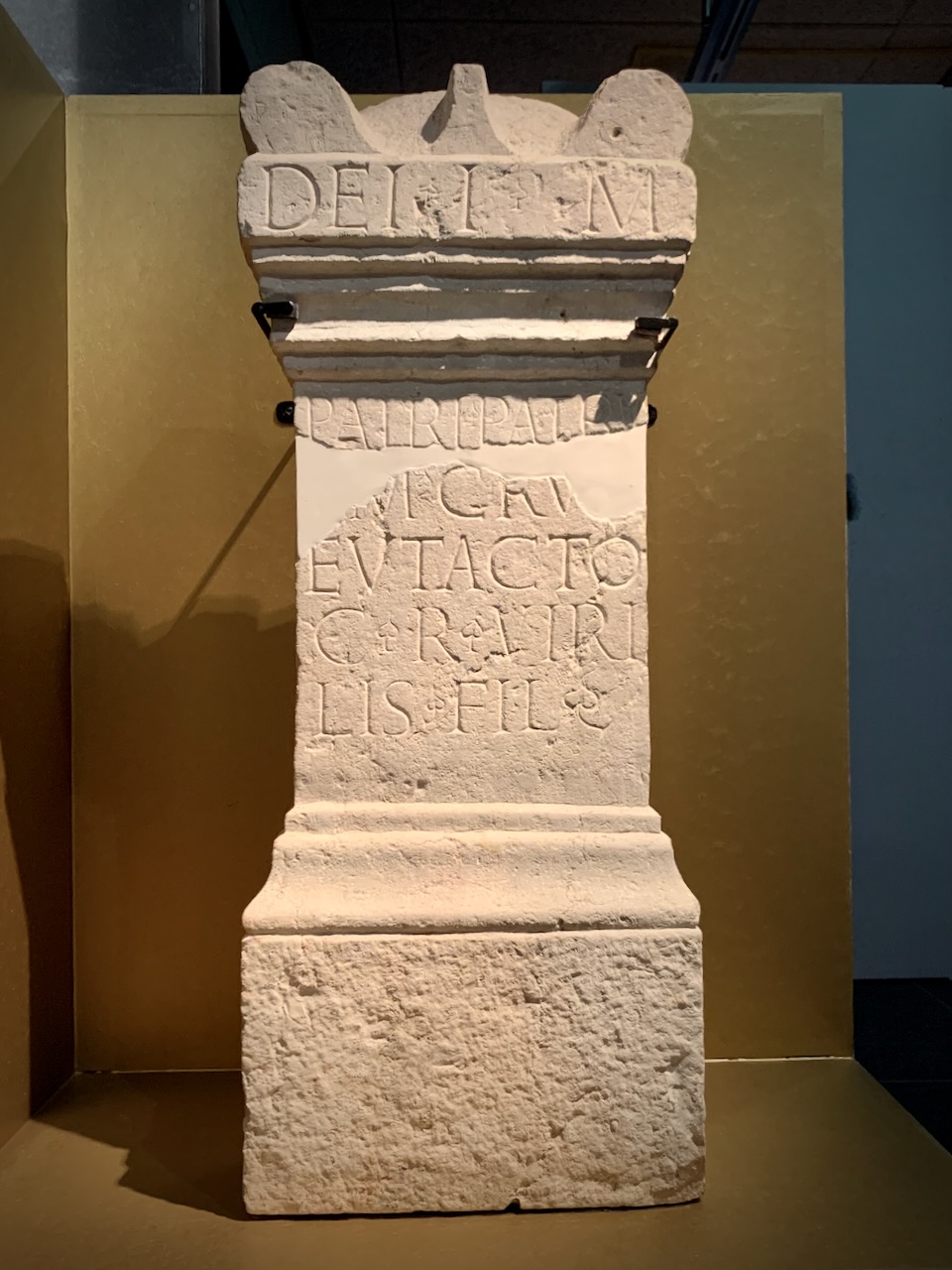
This altar was dedicated by a son to his father, one of the few Patres Patrum recorded in the western provinces.
This altar, now lost, mentions that the Pater Patrum passed on the attributes of the sacred Corax to his son.


medical doctor. Hypnotherapist. medieval art interpretation. Mithras mystery I live in Sarrebourg (France) where a marvelous mithraeum was discovered in 1890
A historical novel that weaves Mithraic symbolism and initiation into a dramatic tale of friendship, vengeance and survival in the Roman Empire.

Rural slave devoted to Mithras on an estate near Valentia during the later second century CE.

Aristocratic villa near Tarraco, capital of Hispania Tarraconensis, associated with Caius Valerius Avitus and a Mithraic sanctuary.
Oval jasper gem in the Cairo Museum depicting Mithras slaying the bull with Sol, Luna, a leontocephalic figure and seven stars.
