Your search Val di Non gave 2329 results.
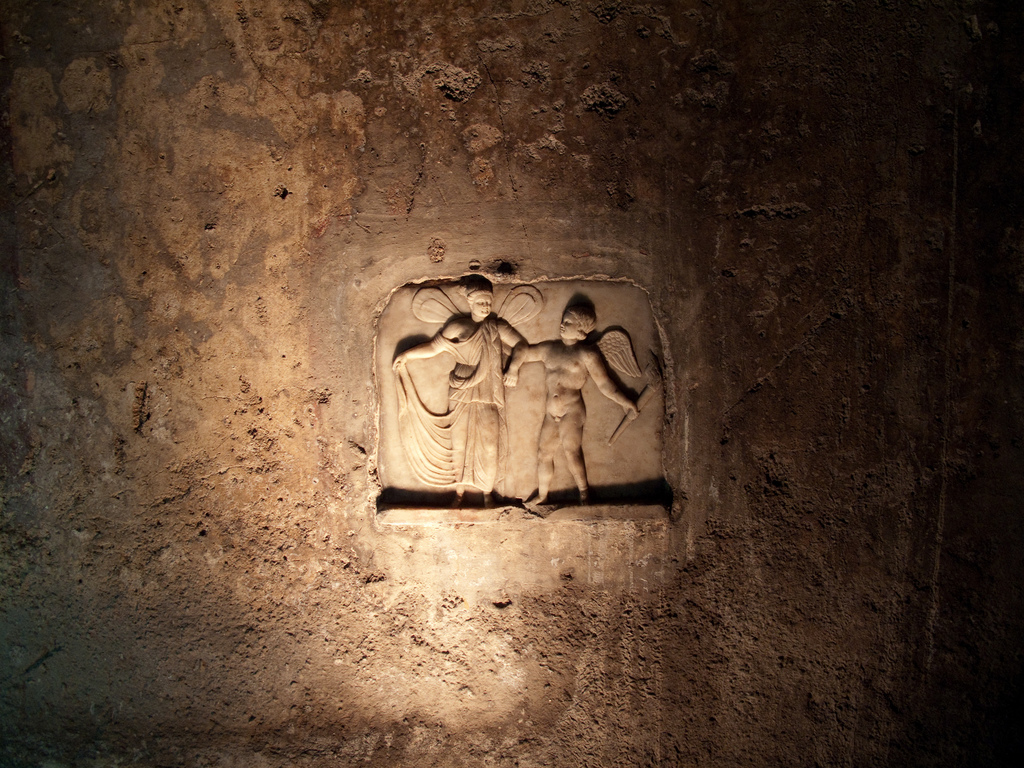
The Mithraeum of Santa Maria Capua Vetere includes a marble relief depicting a child Eros guiding Psyche through the dark.
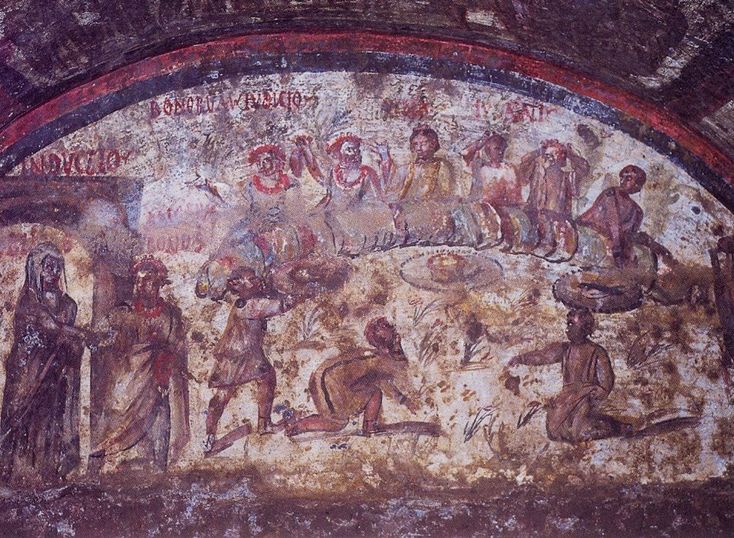
The epigrahy includes a mention of Marcus Aurelius, a priest of the god Sol Mithras, who bestowed joy and pleasure on his students.
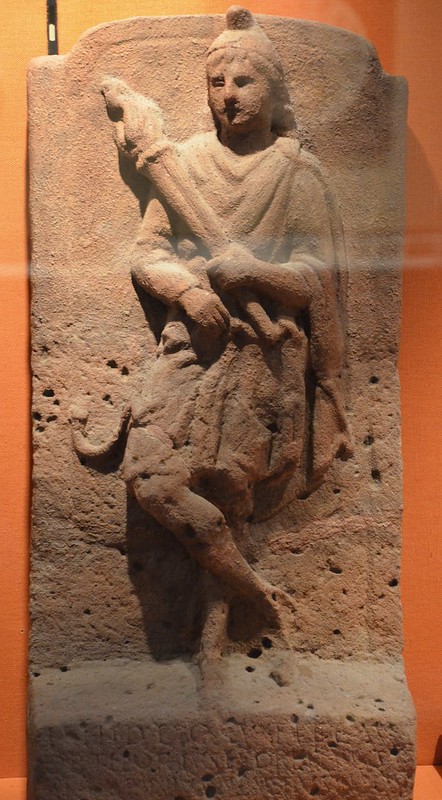
Reliefs of Cautes and Cautopates dedicated by Florius Florentius of Saalburg and Ancarinius Severus.
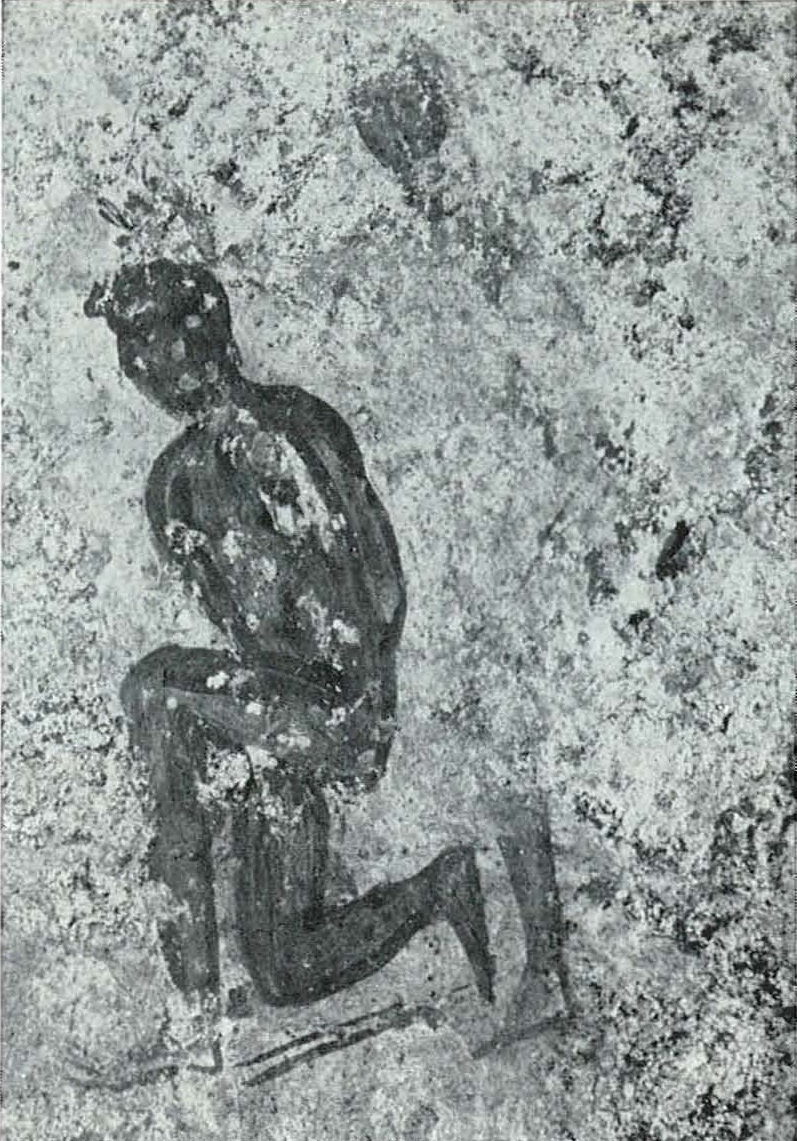
This scene from the frescoes of the Mitreo di Santa Maria Capua Vetere shows a kneeling, naked man surrounded by two other figures.
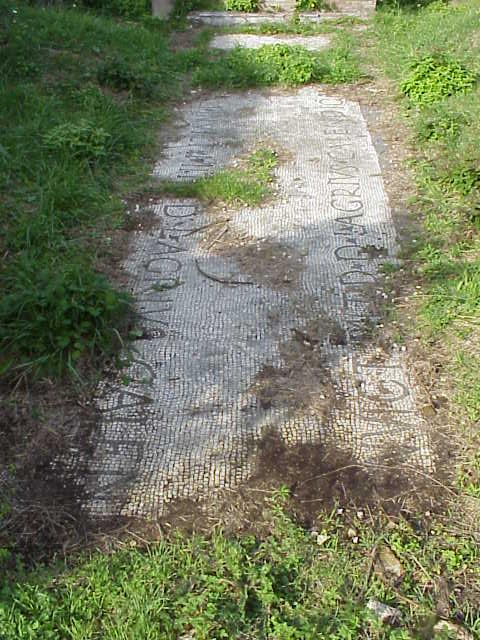
It bears an inscription repeated on each side of the podia.

This remarkable marble relief from the end of the 3rd century was discovered in the most remote room of the Mithraeum in the Circo Massimo.
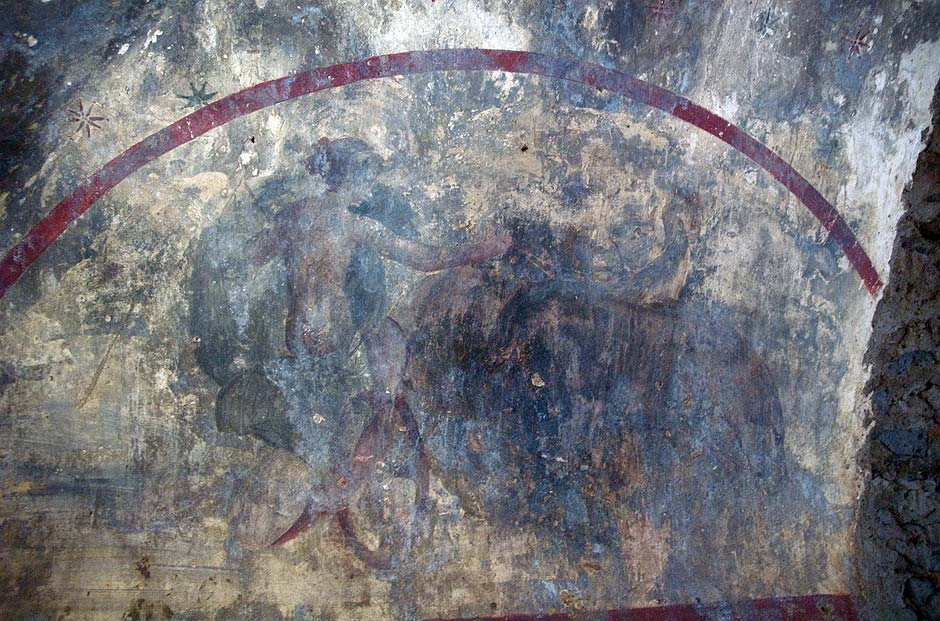
Luna riding a biga in the Mithraeum of Santa Capua Vetere.

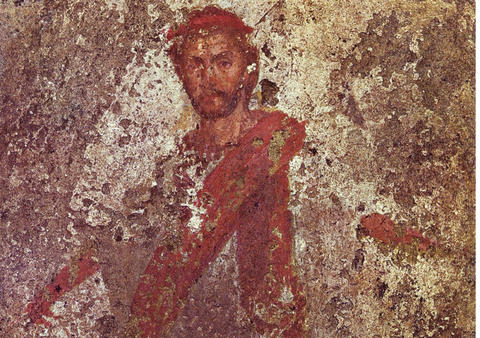
Figures in procession, each representing a different grade of Mithraic initiation, labeled with their respective titles.

This marble relief, found in Sisak, Croatia, shows Mithras killing the bull in a circle of corn ears, gods and some scenes from the Mithras myth.
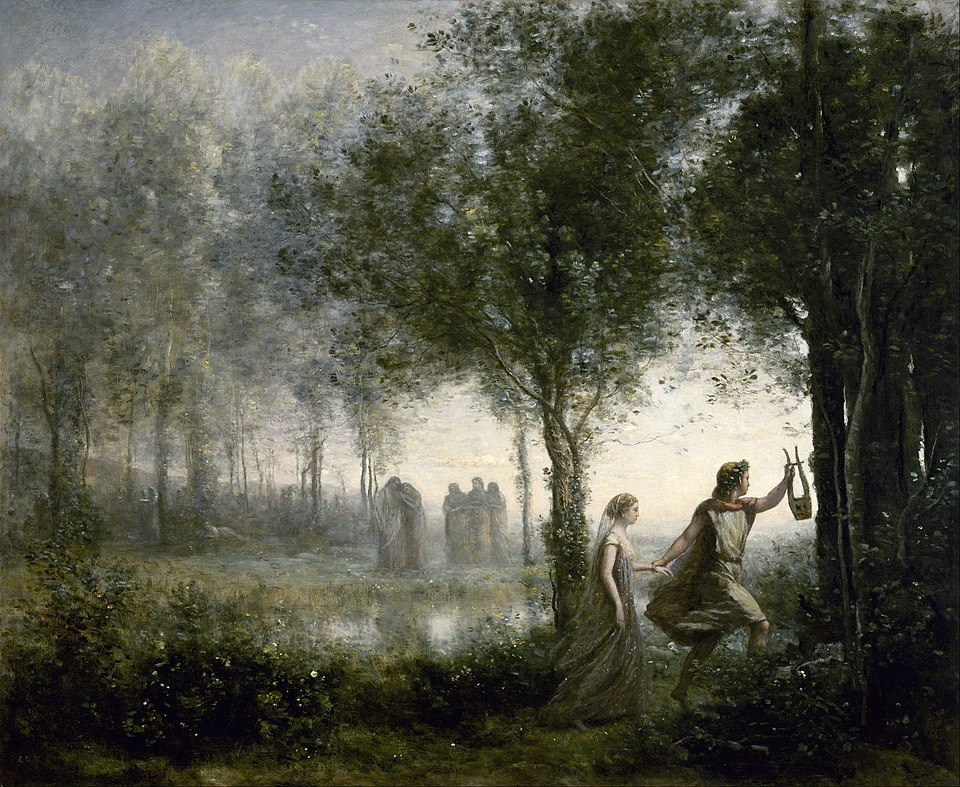
By reading Orphic theology together with Eleusinian ritual practice, the mysteries emerge as a structured mystagogy of transformation: a disciplined passage from forgetfulness (Lethe) to knowledge (aletheia), from mortality to participation in the divine.

A historical novel framed as the memoir of a Brittano-Roman soldier witnessing the end of Roman Britain. It explores identity, loyalty, and survival at the twilight of empire.
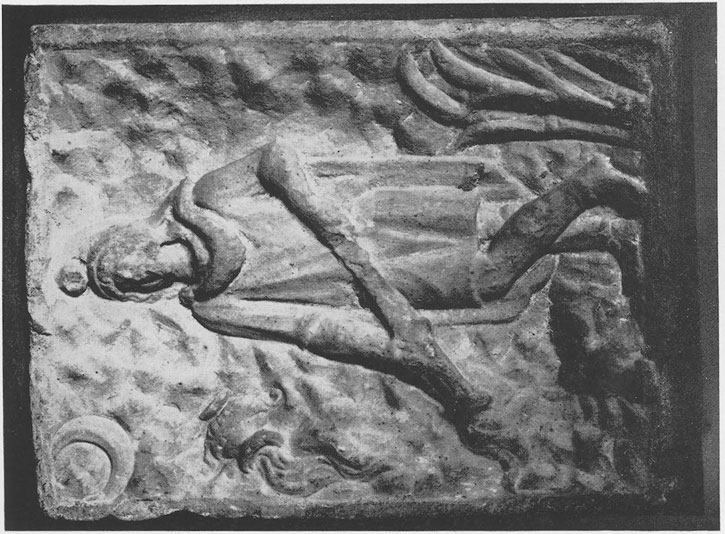
Limestone low-relief depicting Cautopates standing cross-legged in eastern dress, accompanied by a bull, flowing water from an overturned jar and a crescent from Bolognia.
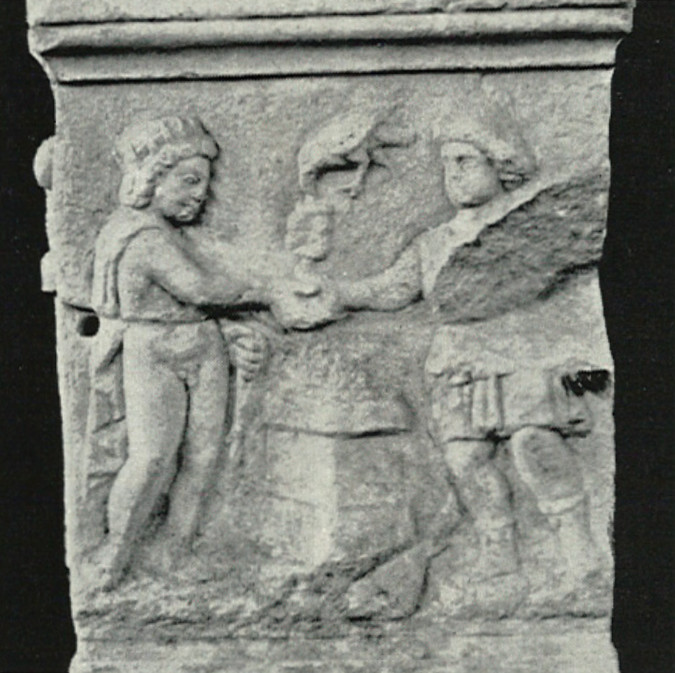
The altar of Ptuj depicts Mithras and Sol on the front and the water miracle on the right side.
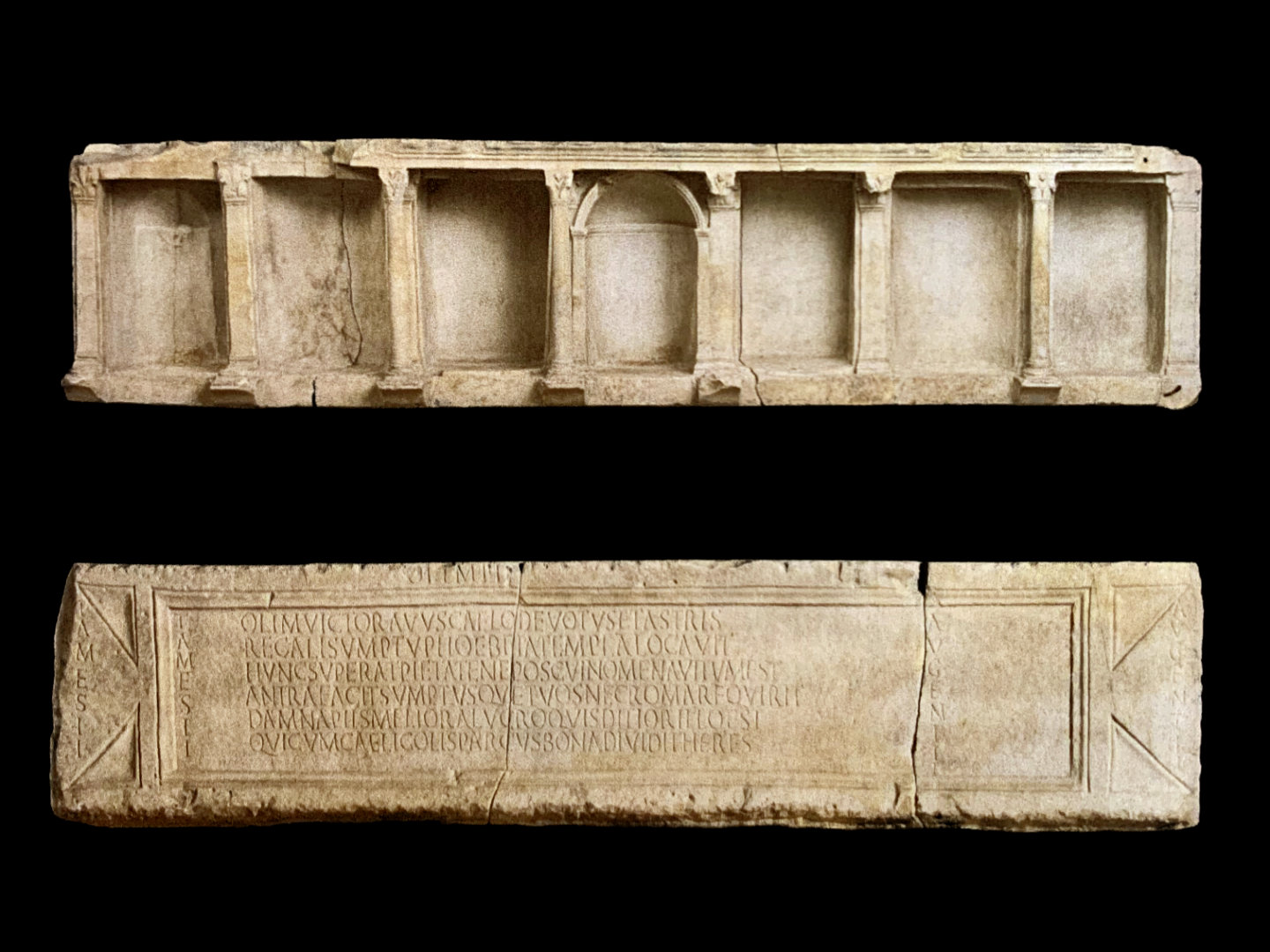
This monument is the only one still available from the disappeared Mithraeum in Piazza S. Silvestro in Capite.
In these passages from his hymns and satires, Julian articulates a solar theology in which Helios governs cosmic order and time. Within this framework, Mithras appears as a personal divine guide associated with the ascent of souls.
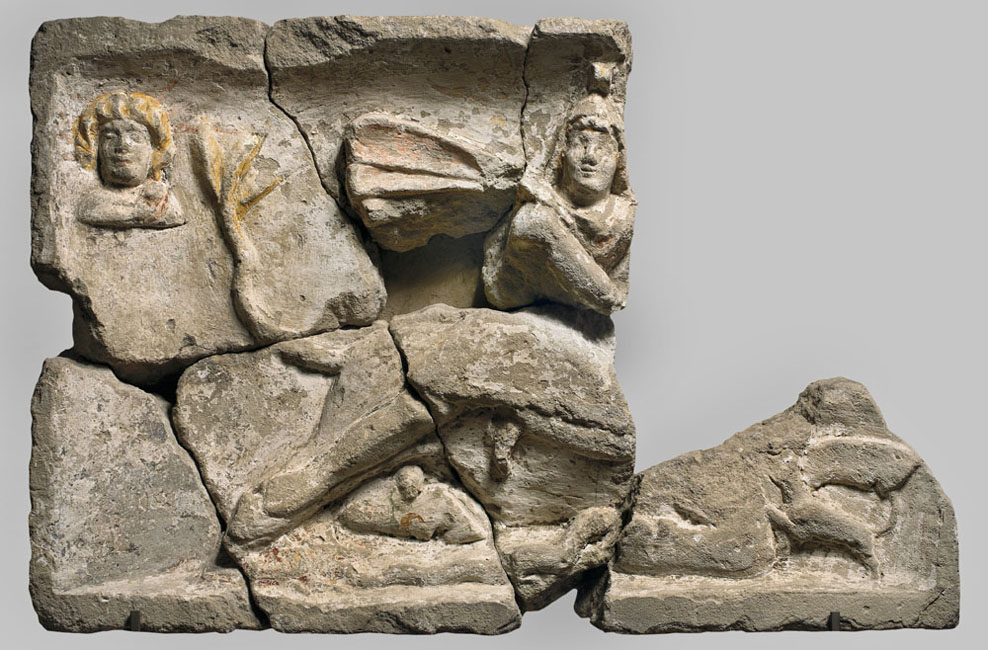
Sandstone relief of Mithras as bull-slayer, found at Petronell in 1932, with dog, serpent and scorpion, traces of polychromy preserved, now in the Museum Carnuntinum.
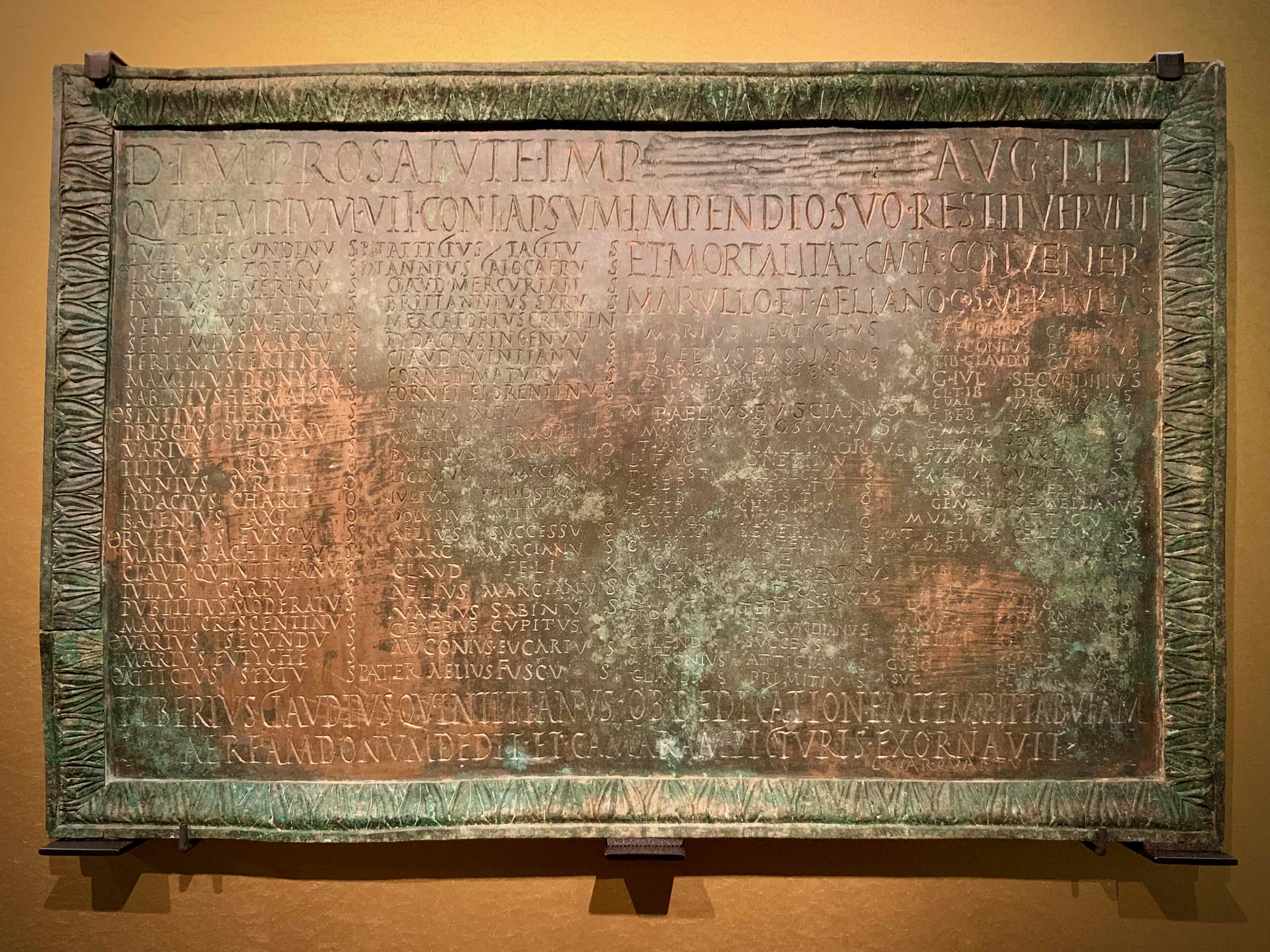
The bronze bears the dedication of a restoration of a Mithraeum carried out in 183.

Standing stone statuette of Cautopates, the downward-torch bearer, found at Bordeaux and kept in the city’s museum of antiquities (musée d’Aquitaine ?).
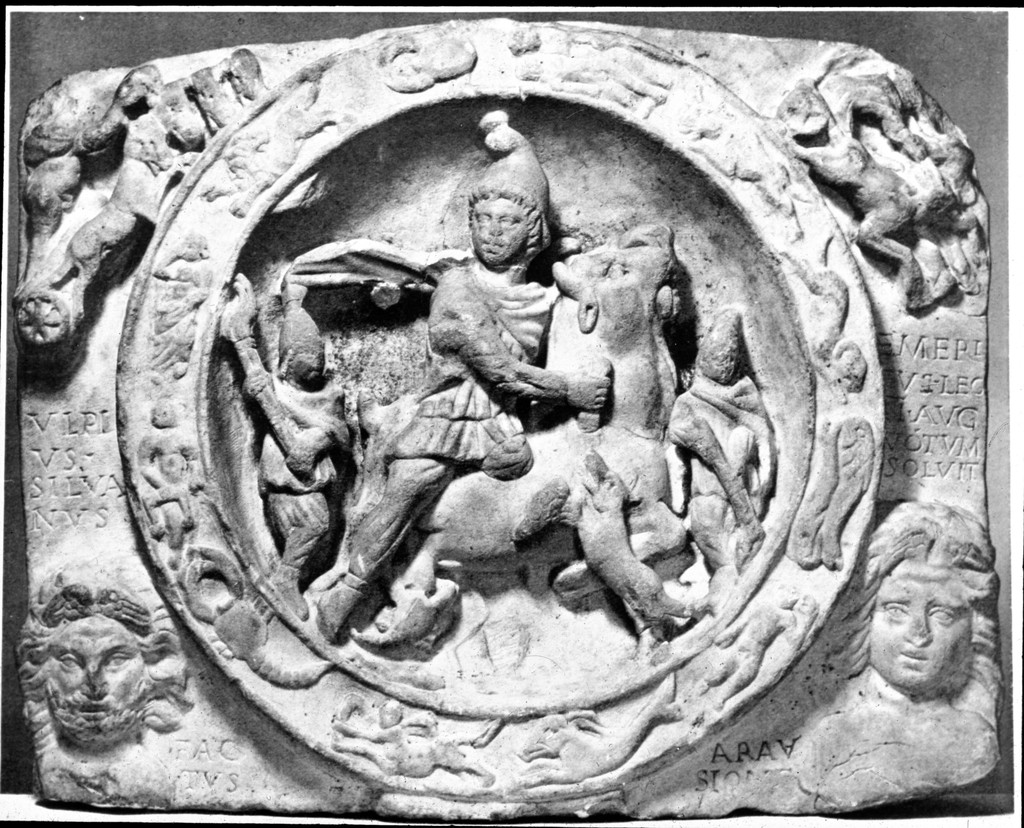
The image of Mithras killing the bull, found near Walbrook, is surrounded by a Zoadiac circle.
