Your search Vil·la romana dels Munts gave 370 results.

Marino has been inhabited by Latin tribes since the 1st millennium BC. During the Roman Republic it was a summer resort for Roman patricians who built luxurious villas in the area.
Lambaesis, Lambaisis or Lambaesa, is a Roman archaeological site in Algeria, 11 km southeast of Batna and 27 km west of Timgad, located next to the modern village of Tazoult.

Slave and vilicus in the household of Tiberius Claudius Livianus, linked to the earliest known Mithraic tauroctony.

Clarissimus knight and legate born in Poetovio that helped to disseminate the cult of Mithras in the African provinces.

A Mithraic initiate attested in Pannonia Superior during the late 2nd or early 3rd century CE.

Tribune of the First Cohort of Vardulli, he erected a mithraeum at Bremenium together with his consacranei.

Garlic merchant, probably from Lusitania, who dedicated an altar to Cautes in Tarraconensis.

This heavily damaged relief from Narbo preserves the figure of a cross-legged Mithraic torchbearer carved in low relief near the church of Saint-Sébastien in Narbonne.
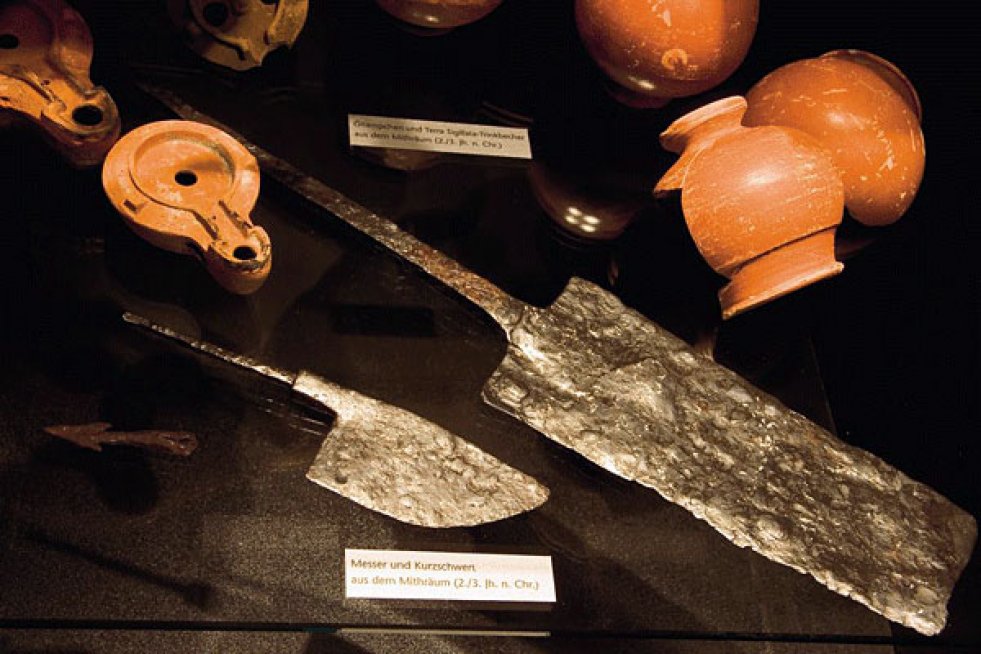
The Mithraeum of Kunzing was an underground building, oriented east-west. The entrance was probably on the east.
Campania preserved a vibrant urban and maritime environment closely connected to the commercial life of Roman Italy.

One of the most eminent representatives of late antique pagan religiosity, combining high civic authority with deep initiation into multiple mystery traditions, including the cult of Mithras.
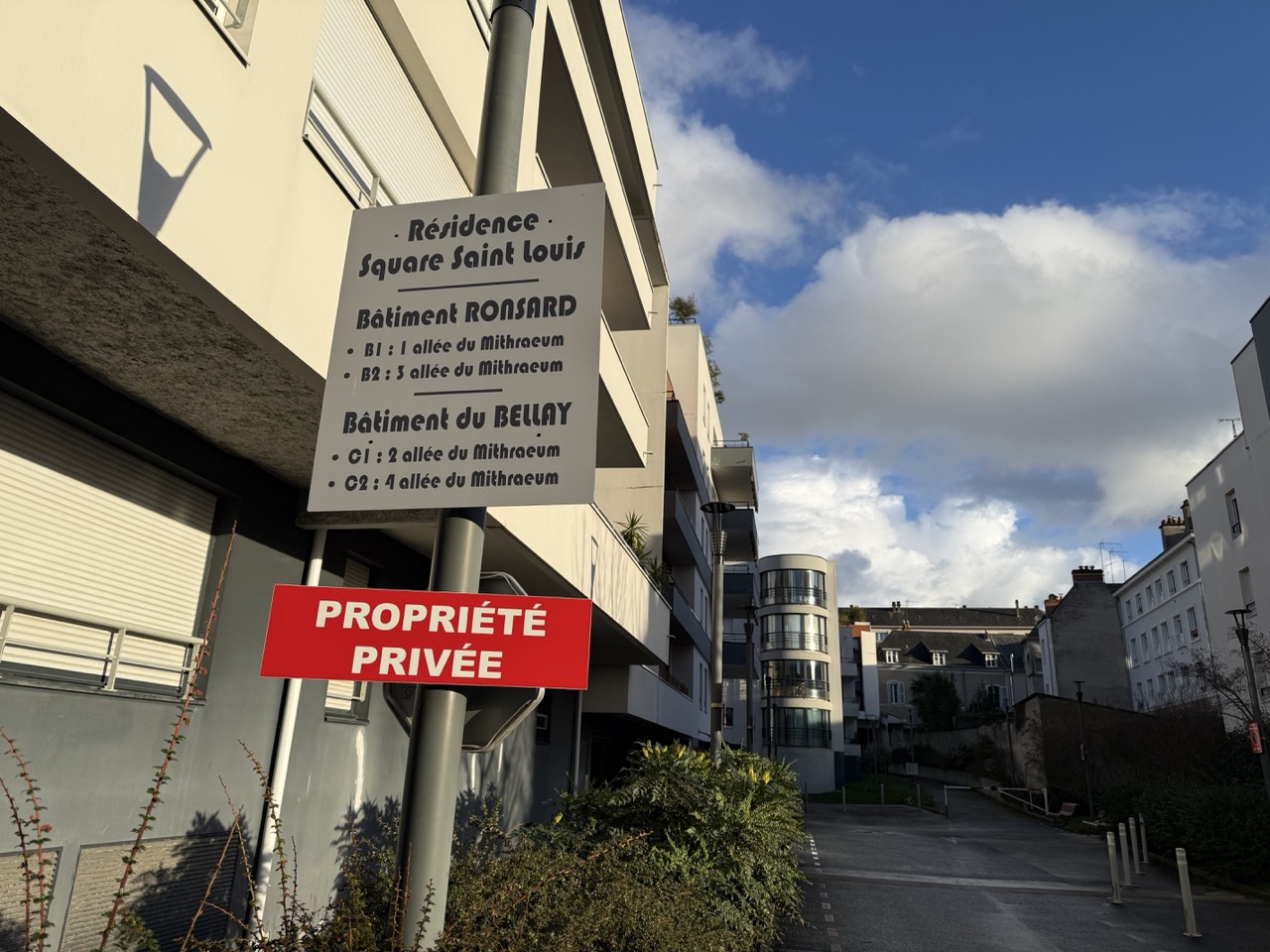
The Mithraeum of Angers, excavated during a preventive operation and subsequently dismantled in 2010, yielded numerous objects, including coins, oil lamps, and a ceramic vessel bearing a votive inscription to the invincible god Mithras.

,_found_in_Rome,_2nd_century_AD,_British_Museum_(15545876047).jpg)
The sculpture of Mithras slaying the bull was transported from Rome to London by Charles Standish in 1815.

An imperial slave and customs administrator of the Illyrian tax system, he financed and built a Mithraic temple in Moesia Superior.

Hector erected an altar to Mithras in Emerita Augusta by means of a ‘divine vision’.
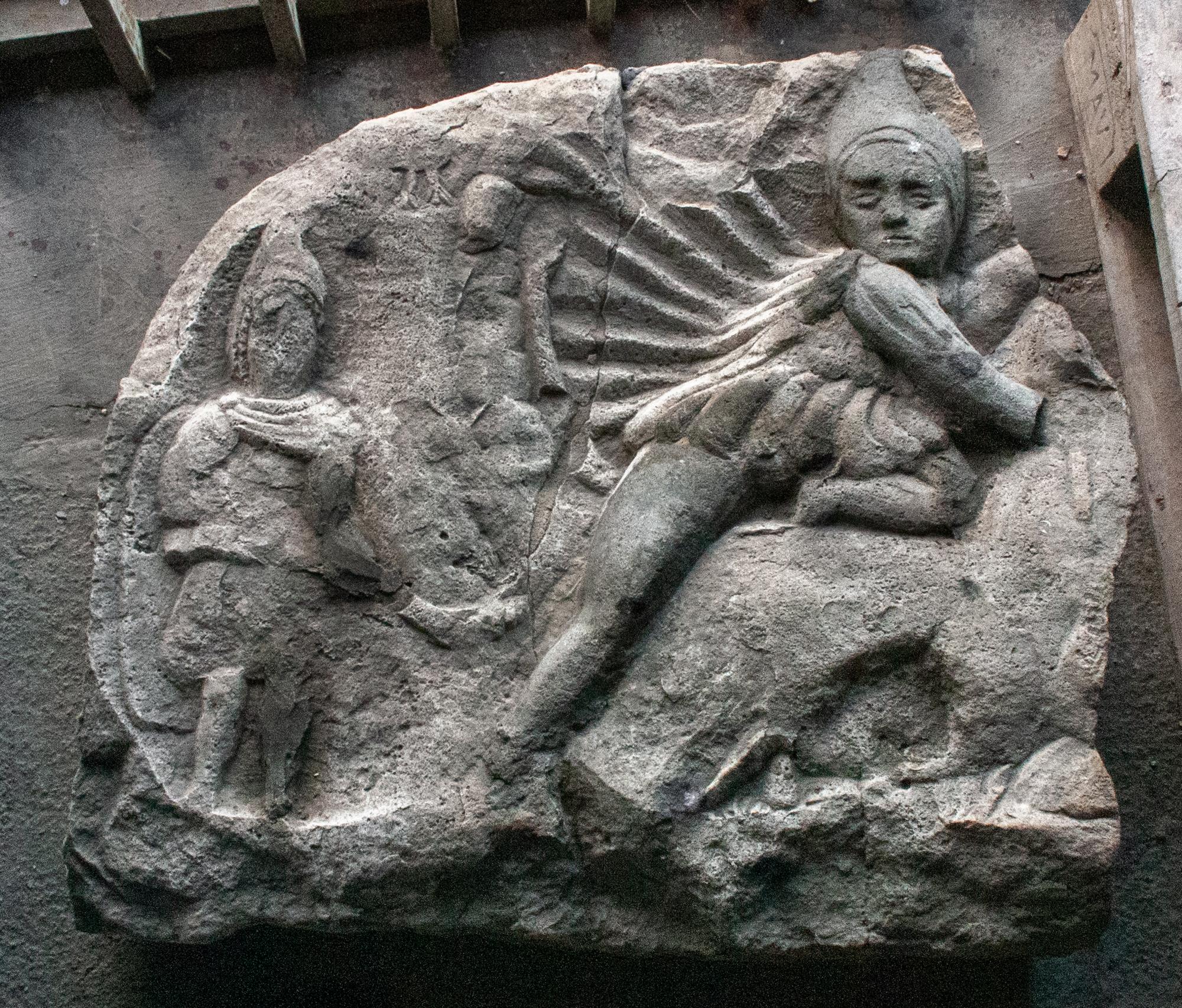
This limestone tauroctony from Aquincum preserves Mithras slaying the bull together with Cautopates, the serpent, the scorpion, and the legs of the raven.
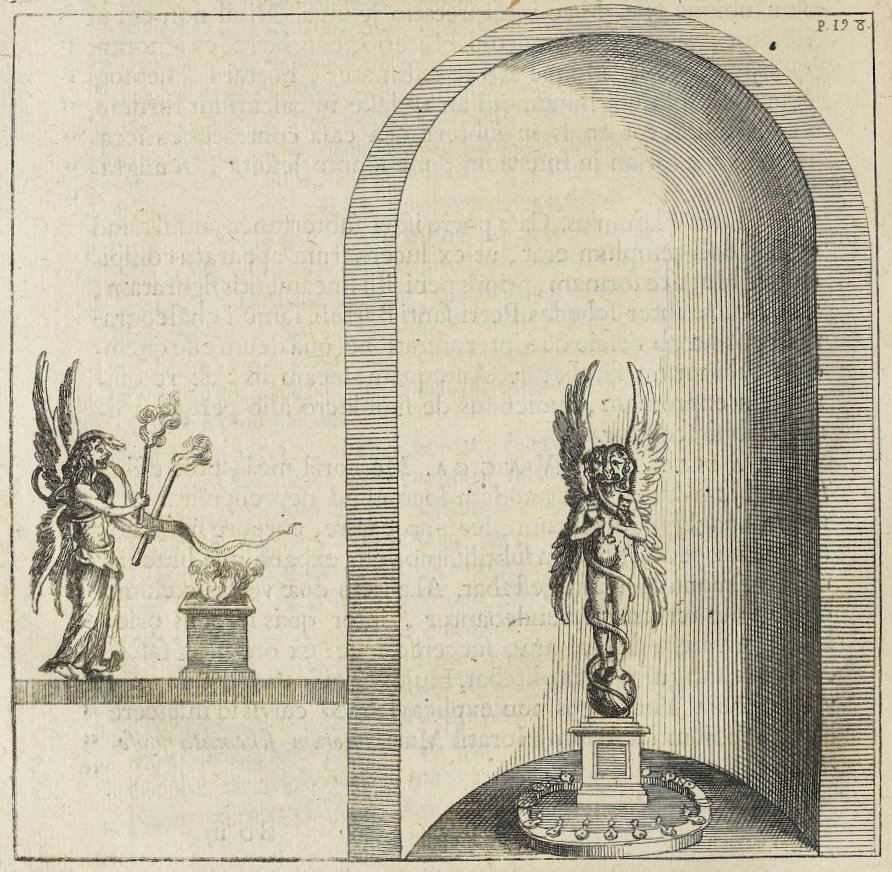
This monument has been identified from ’Memorie di varie antichità trovate in diversi luoghi della città di Roma’, a book by Flaminio Vacca of 1594.
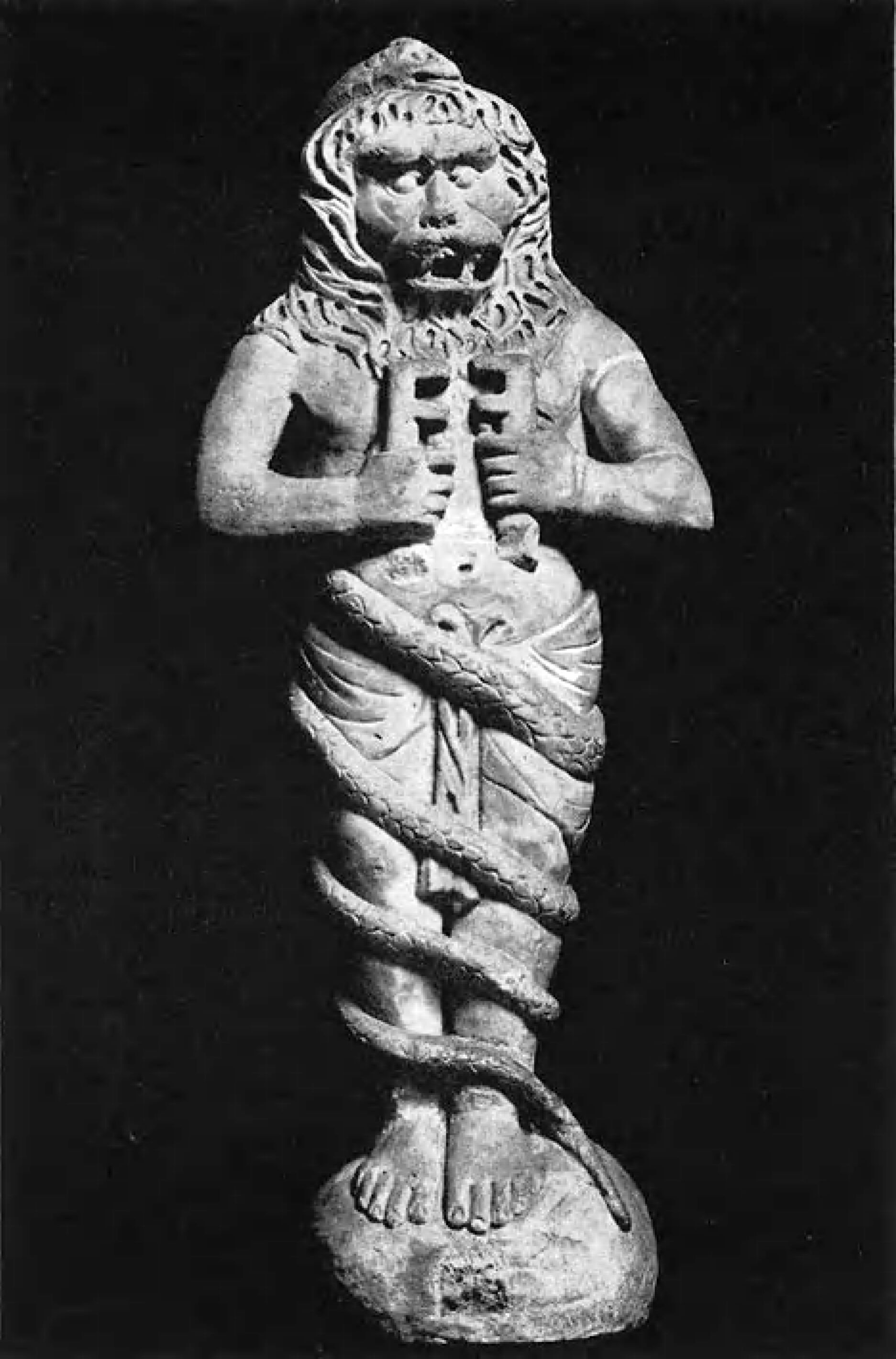
The lion-headed marble from Muti's gardens has a serpent entwined in four coils around his body.
