Your search Villa Romana de Fuente Álamo gave 186 results.
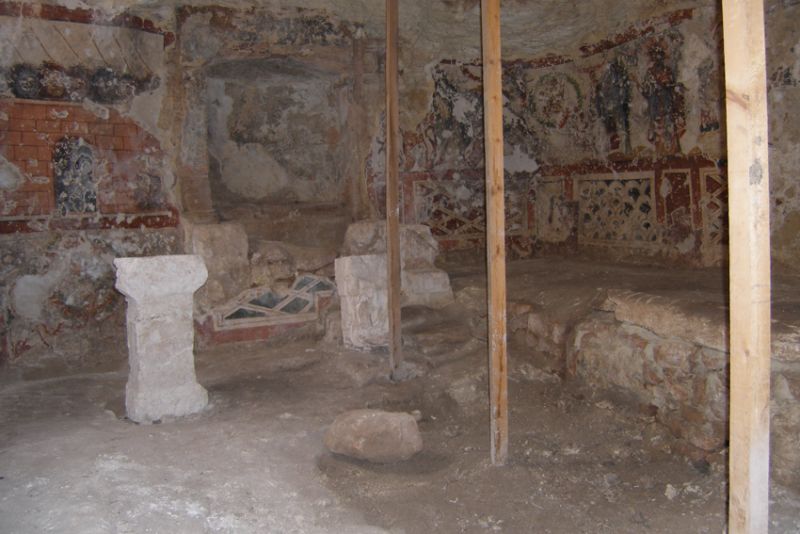
The Mithraeum of Hauarte or Hawarte, which preserves colourful frescoes, it’s the latest know and used.

I am a graduate trying to complete a MA in archaeology. My Master`s Dissertation is about Mistery Cults in the Roman Empire
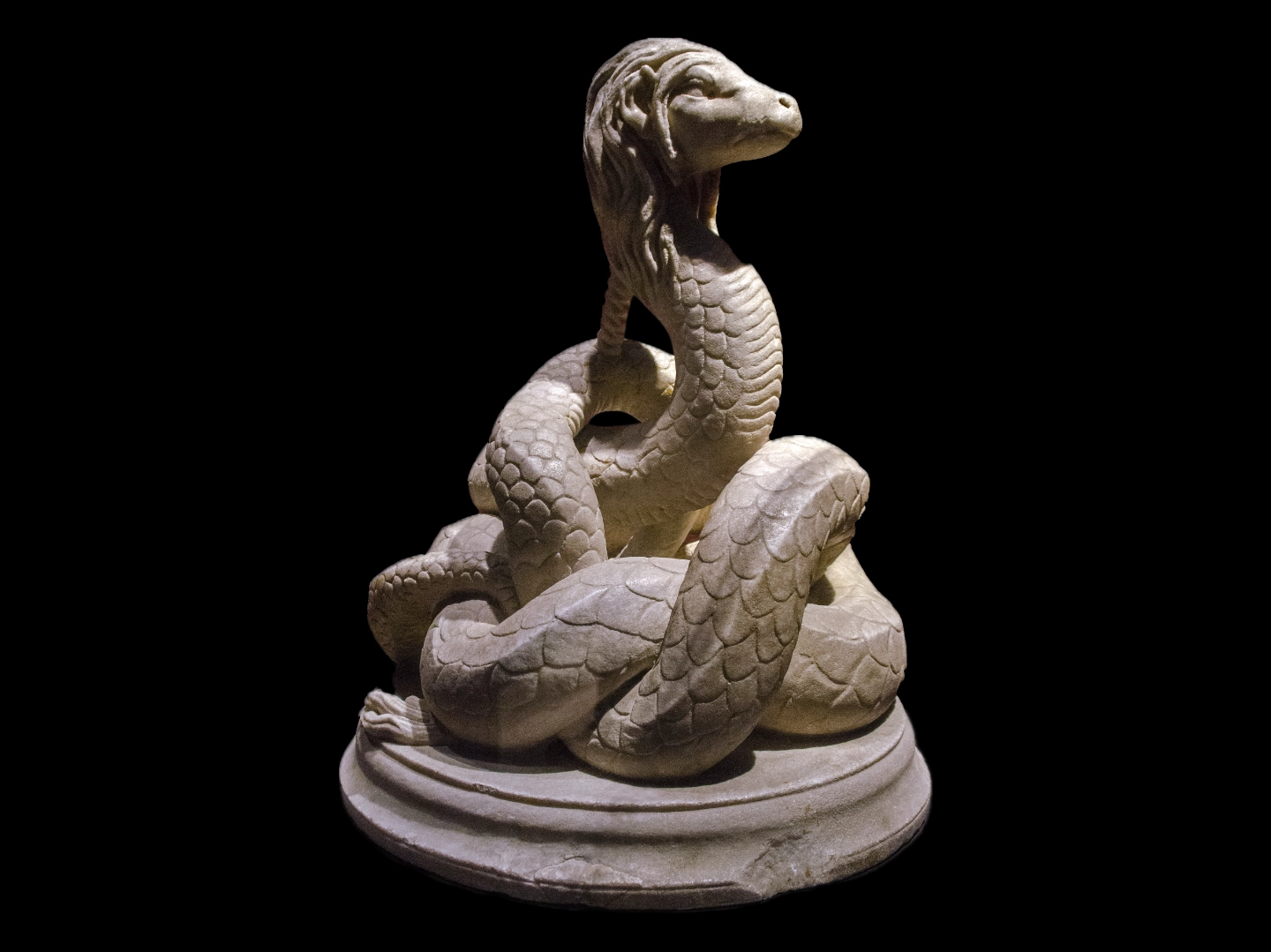
At Rome’s twilight, amid political upheaval and Christian ascendancy, Vettius Agorius Praetextatus embodied pagan intellect, virtue, and authority across senatorial, military, and mystical spheres.
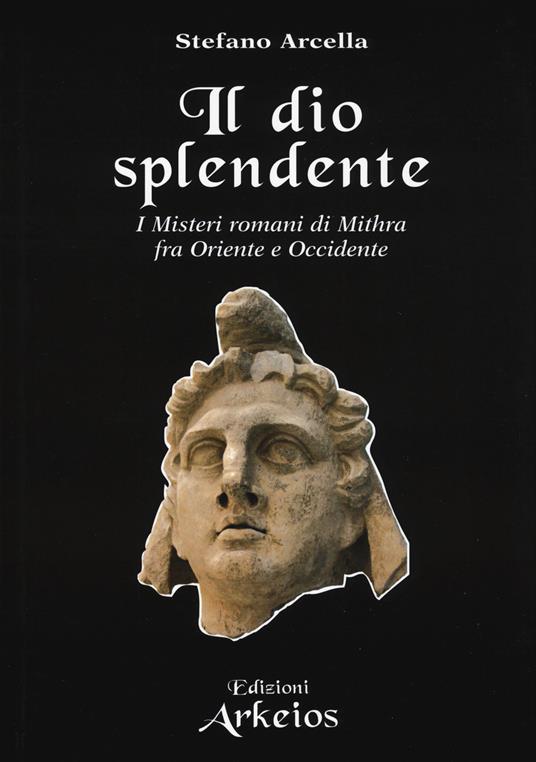
A study that re-examines Roman Mithraism through epigraphic evidence and comparative analysis, exploring its links with Orphism, Platonism, and Iranian traditions, and presenting the cult of Mithras as a solar path of individual spiritual awakening between East and West…
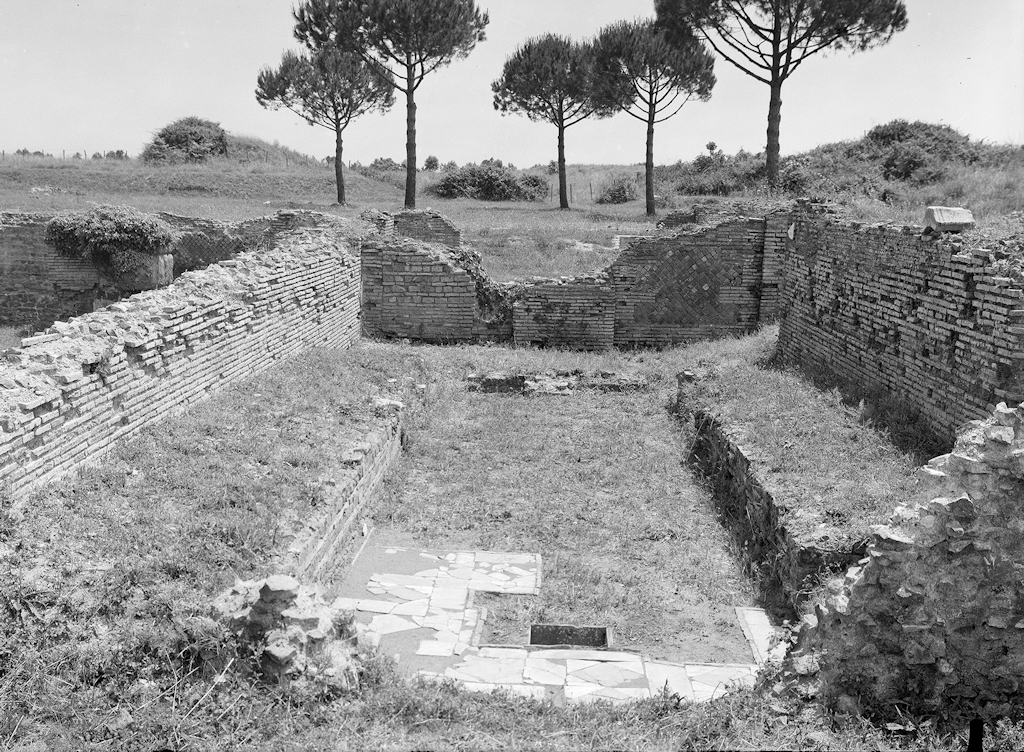
Excavated in 1919, the Mithraeum near the Roman Gate was installed in the 3rd century within a larger building complex.
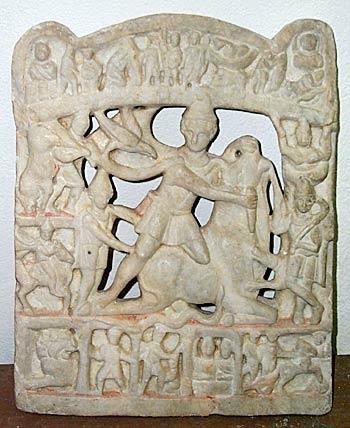
This Mithraic relief of the Danubian type was found in 1940 in the old town of Plovdiv.

The Mithraeum II in Stockstadt was in fact the first one known built in the vicus. It was destroyed by fire around 210.

India, beyond all other countries on the face of the earth, is preeminently the home of the worship of the Phallus—Linga puja. It has been so for ages and remains so still.

Papers of the international conference "Roman Mithraism: the Evidence of the Small Finds". Tienen 7-8 November 2001.

Tercera entrega de la trilogía de Jaime Alvar dedicada al estudio de los cultos a dioses procedentes de Oriente en la Península Ibérica.

Ce 4e fascicule de Mithriaca concerne un très curieux monument exhumé au XVIe siècle sur le site d'un Mithraeum qu'on localise tout près de l'église S. Maria in Domnica, non loin de S. Stefano Rotondo où un autre spelaeum fut mis au jour en 1973…

La localización de una comunidad mitraísta en San Juan de la Isla posee un notable interés, debido a la débil popularidad de este culto oriental entre las poblaciones de Hispania.
In his first book, Fahim Ennouhi sheds light on the cult of Mithras in Roman Africa. A marginal and elitist phenomenon, confined to restricted circles and largely absent from local religious dynamics, yet revealing.

An inscription mentioning a speleum decorated by Publilius Ceionius suggests the location of a mithraeum in Cirta, the capital of Numidia.

Saul cutting the oxen to pieces poses as Mithras Tauroctonos in this painting, which adorns the mantelpiece of Henry II’s bedroom at the Château d’Écouen near Paris.
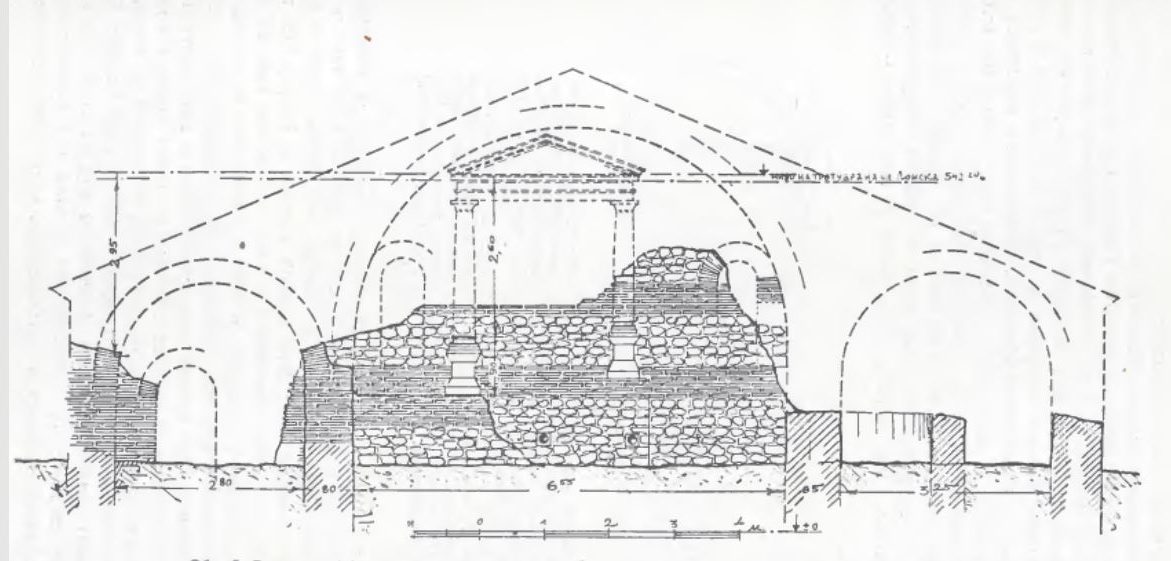
The Mithraeum of Serdica was found in the fortified area of the ancient city of Serdica, now Sofia, Bulgaria.

Passage from Plutarch’s Life of Pompey, recounting the rise, power, and insolence of the Cilician pirates before Pompey’s campaign to suppress them.


