Your search Villa of Domitian at the Castel Gandolfo gave 3663 results.
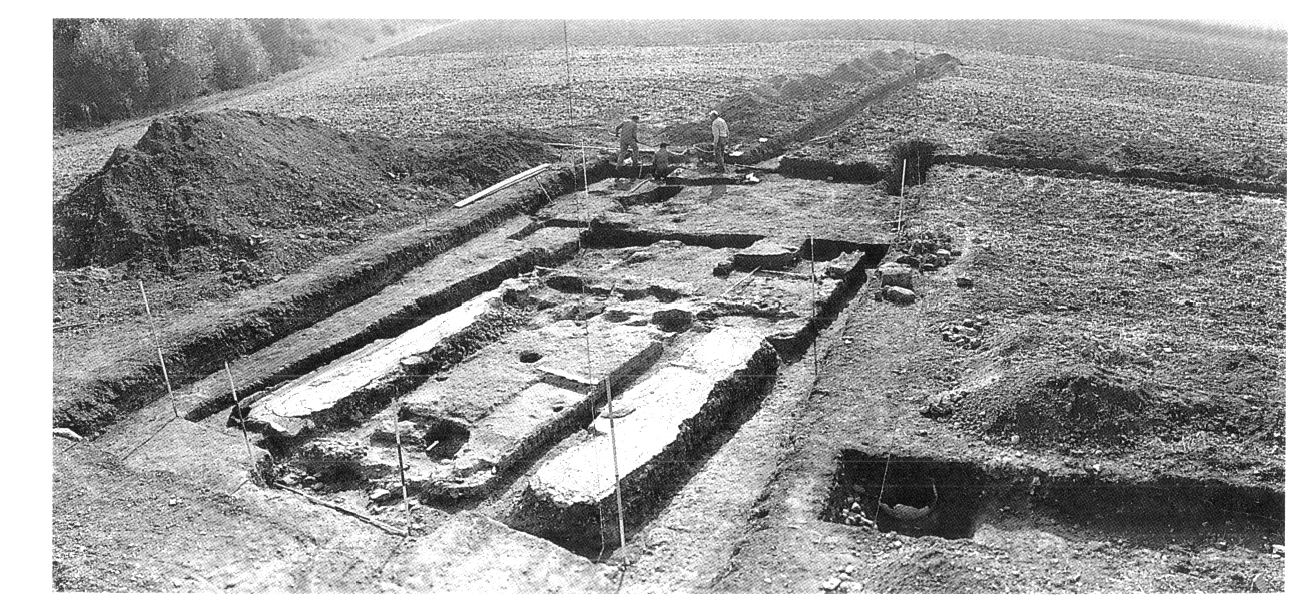
The Mithraeum of Biesheim-Kunheim is located near the ancient village of Altkirch, near the Rhin.
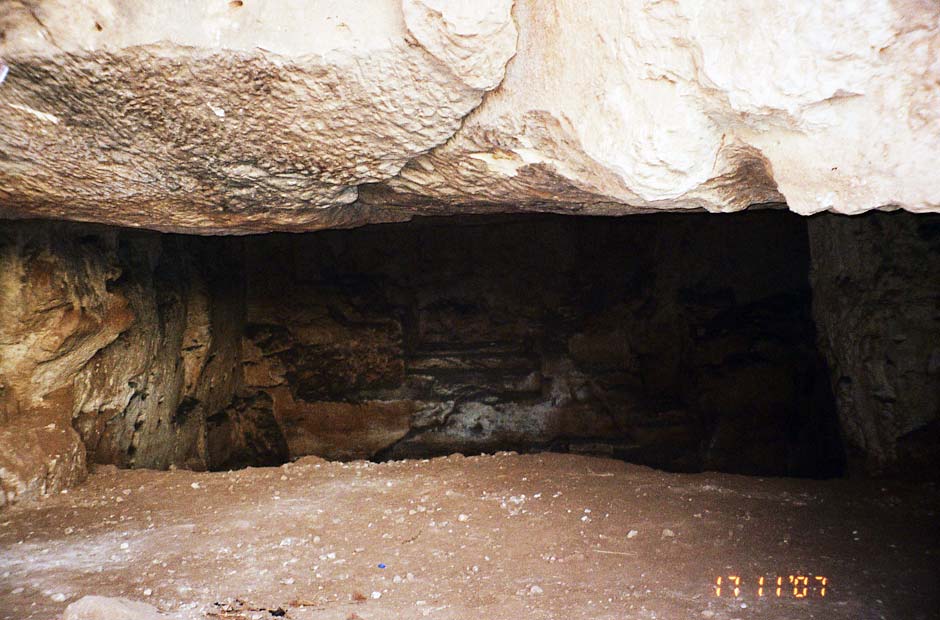
The Mithraea of Doliche, ancient Dülük, Turkey, are unique in that they represent two distinct shrines on the same site.

Excavations in 1979 on the remains of the church of Notre-Dame d'Avigonet in Mandelieu, Alpes-Maritimes, brought to light a small mithraeum.
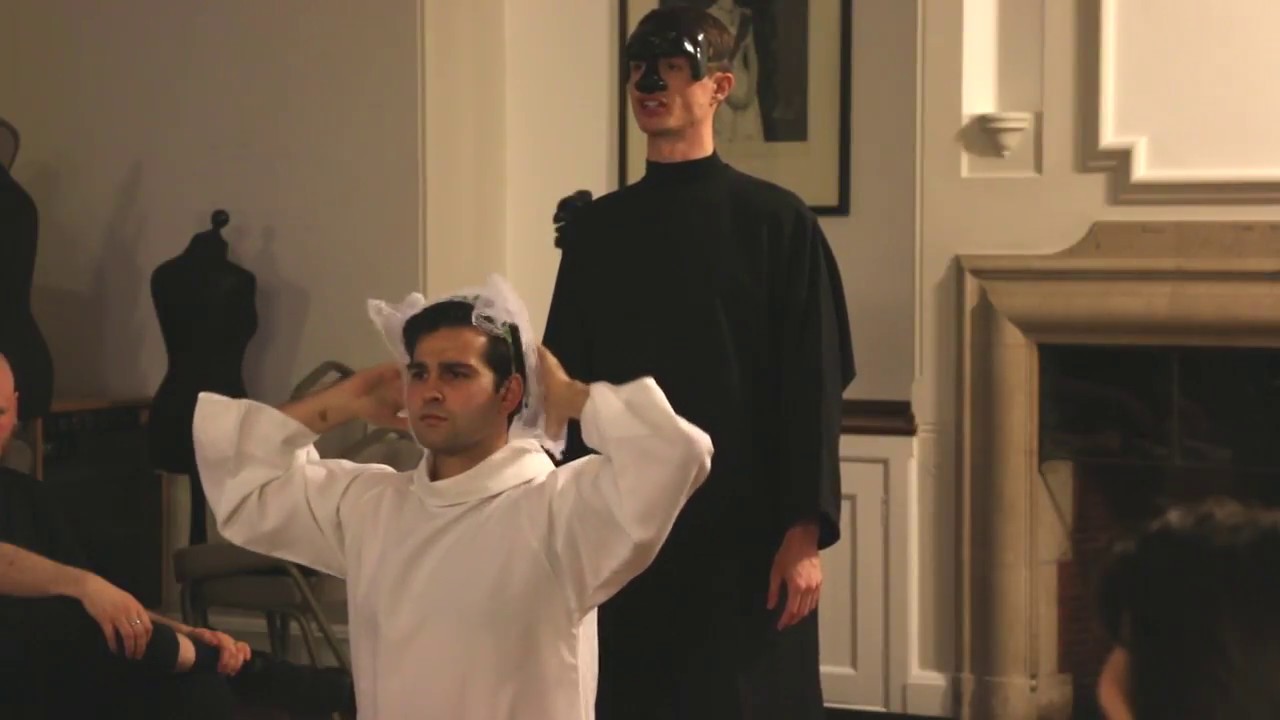
This is a reconstruction of the 2nd level initiation, the Nymphus or male bride.
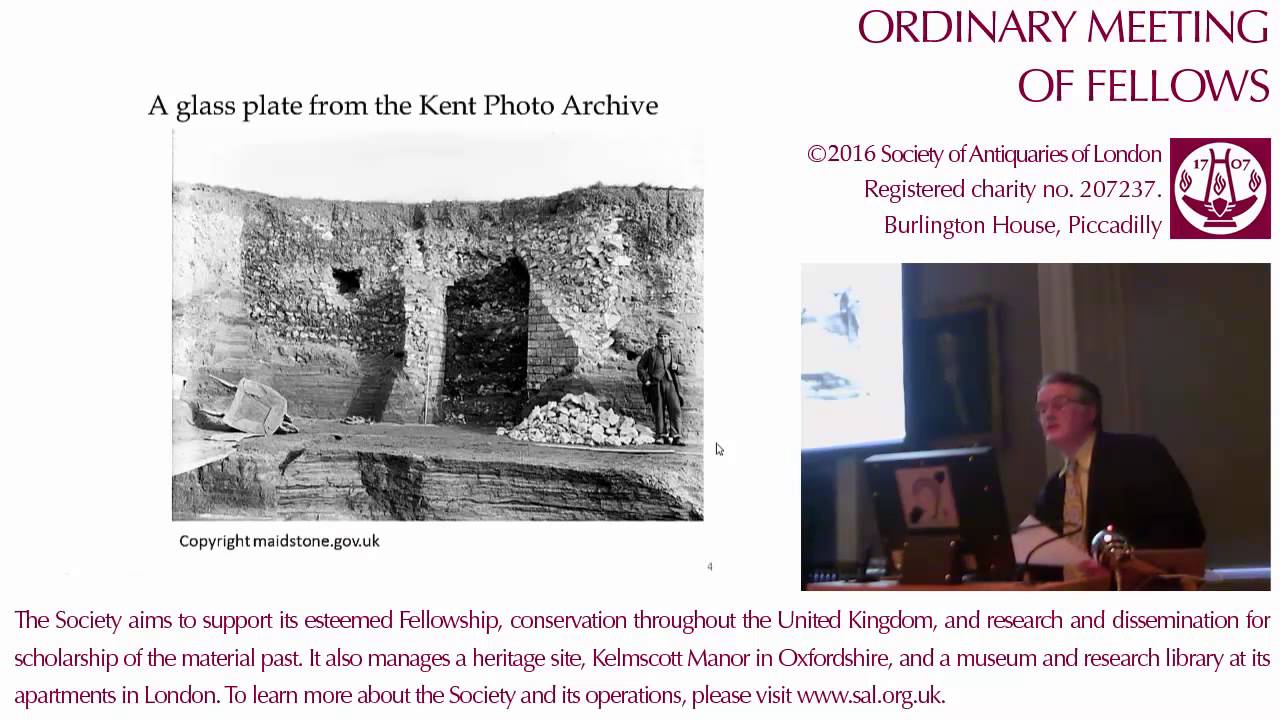
Presentation of the so-called Mithraeum of Burham by Mark Samuel at the Ordinary Meeting of Fellows of the Society of Antiquaries of London.
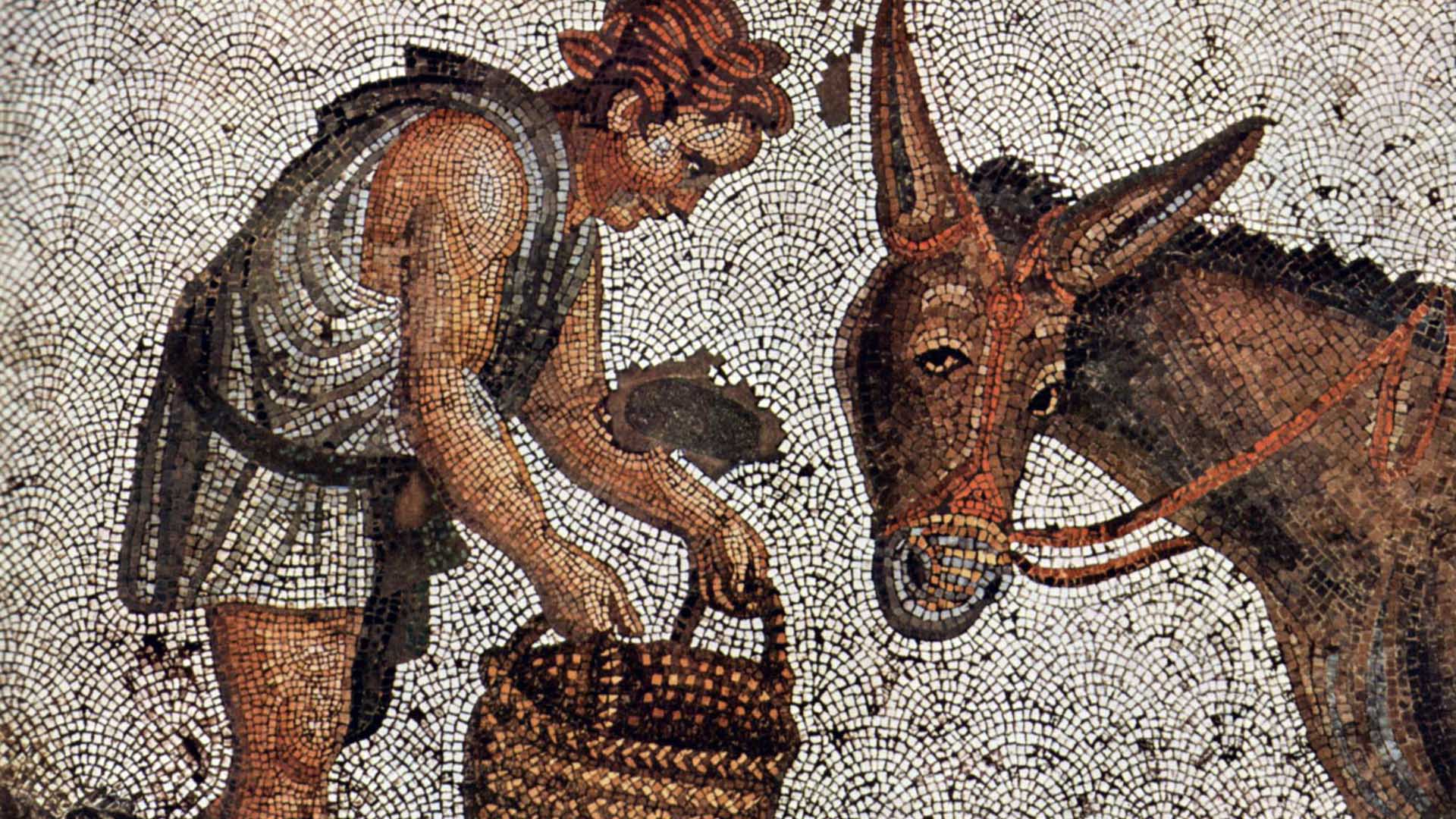
The concluding book of Apuleius’ Golden Ass (or Metamorphoses), where Lucius, the story’s protagonist, undergoes initiation into the mysteries of Isis and Osiris.
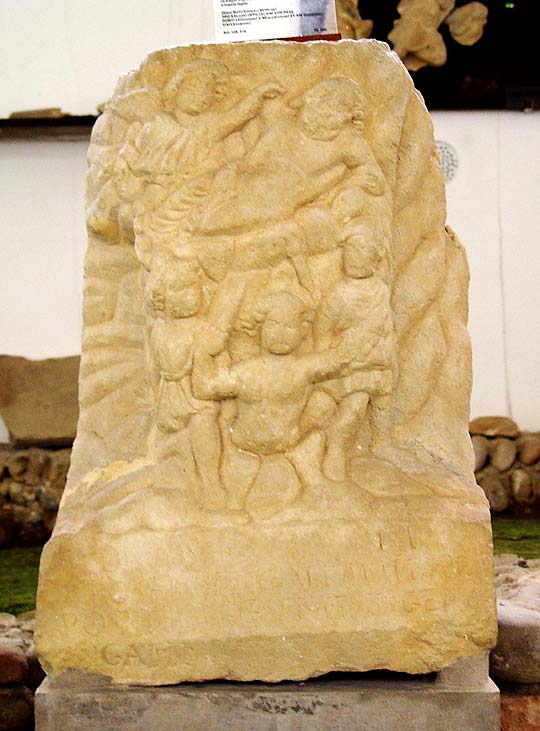
Cautes and Cautopates attend the birth of Mithras from the rock in the Petrogenia of the third Mithraeum of Ptuj.
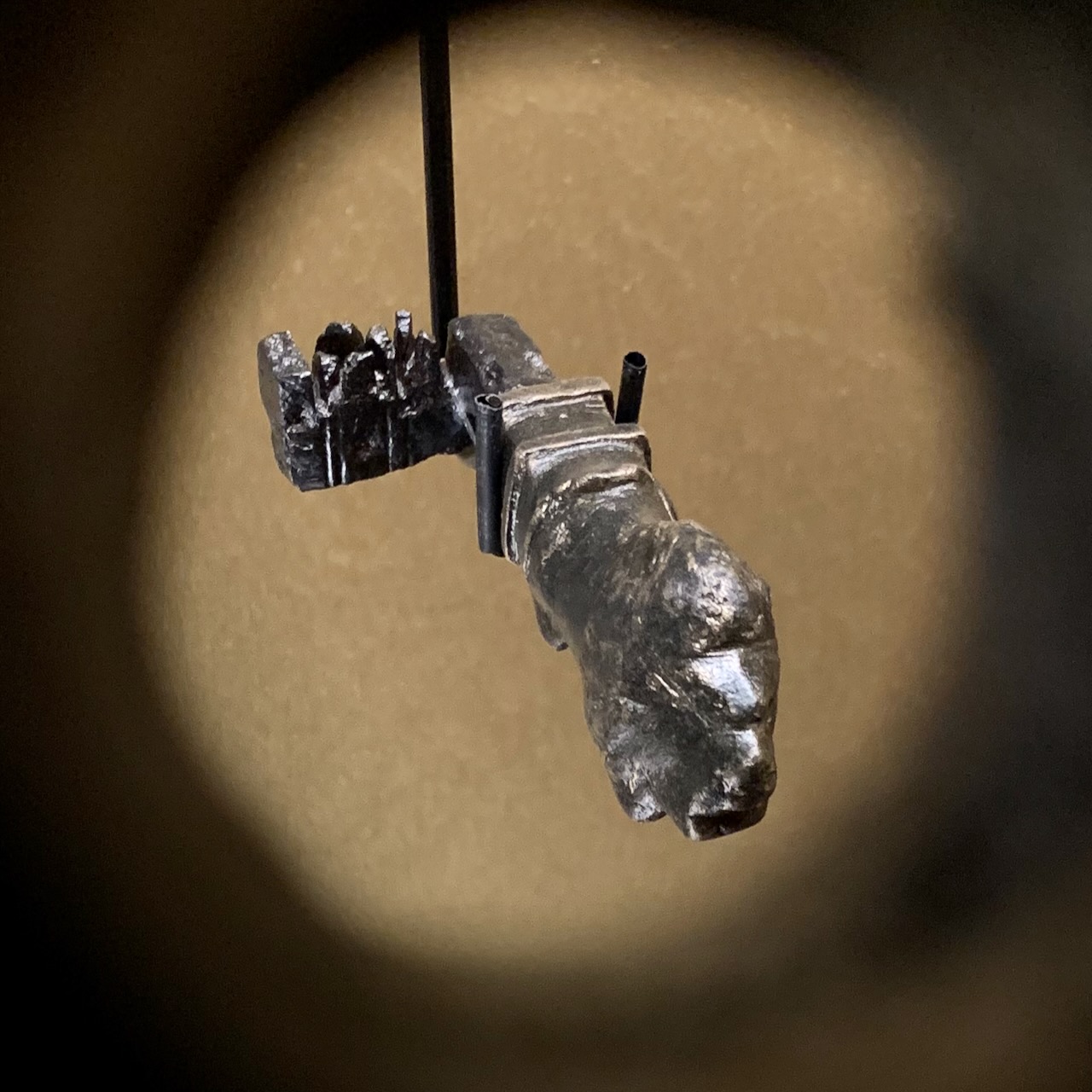
The key of Nida's Mithraeum III was decorated with a lion's head.
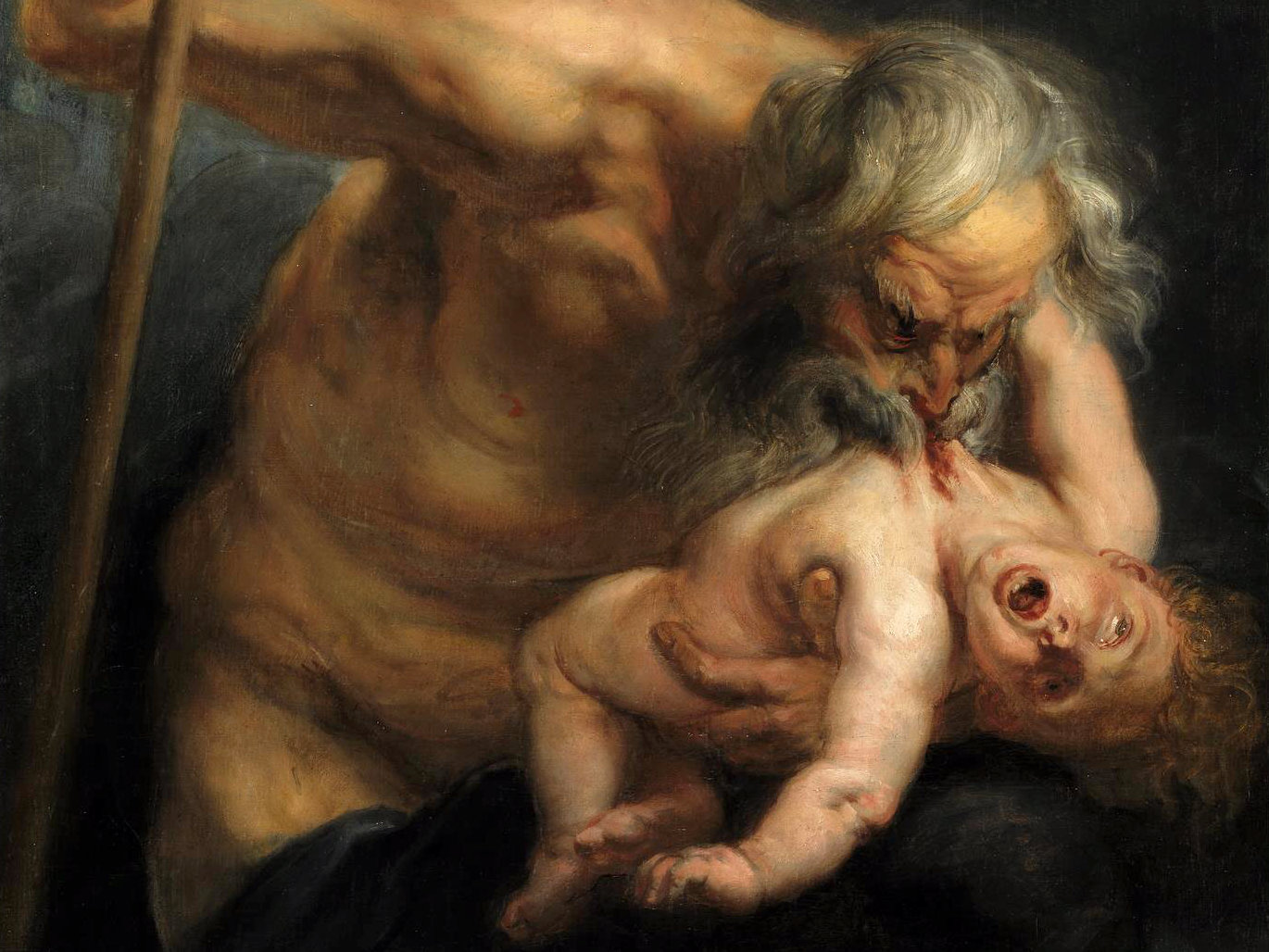
It is well known that Mithras was born from a rock. However, less has been written about the father of the solar god, and especially about how he conceived him.

A concise guide for curatores on how to prepare, structure, and publish articles on The New Mithraeum.

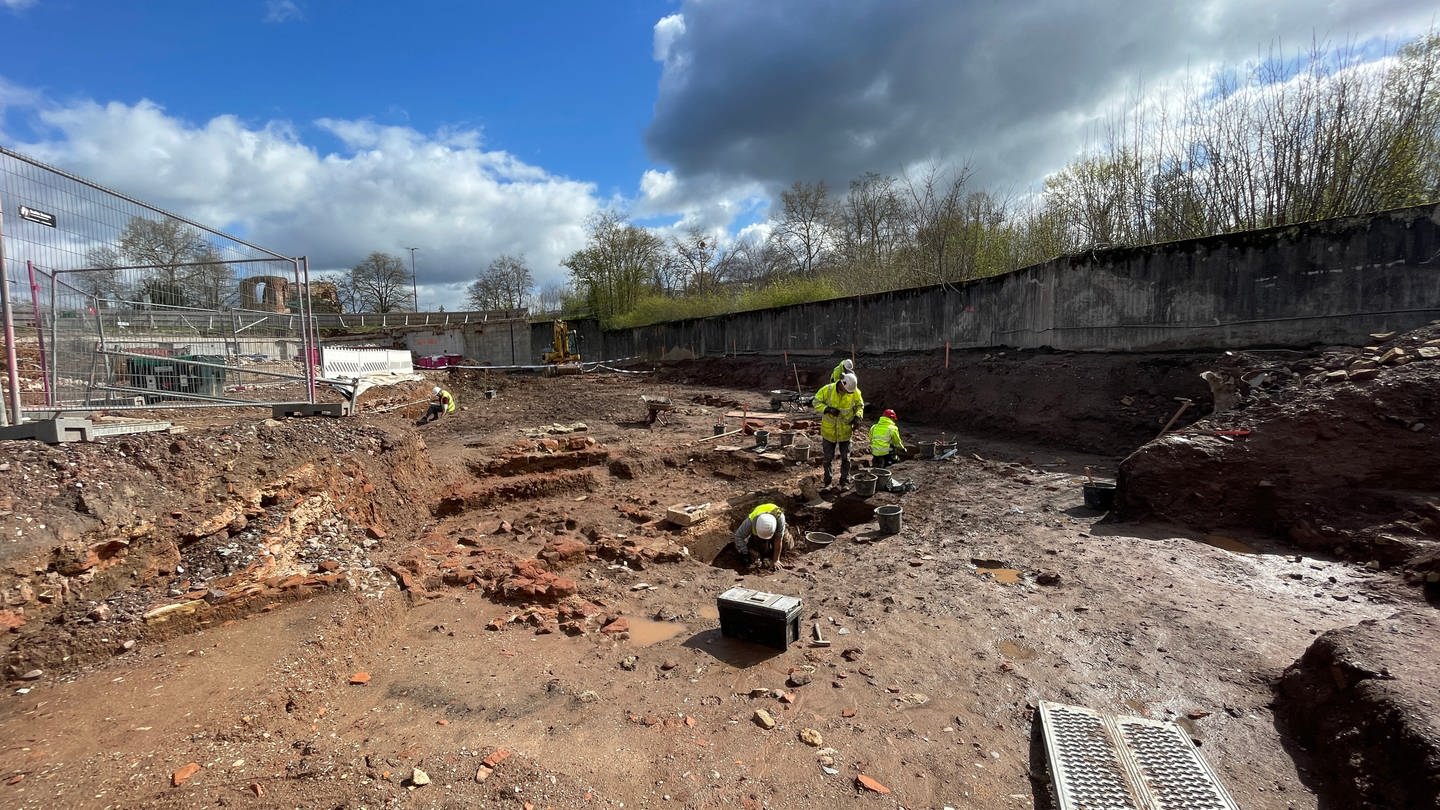
A place of worship for the Roman god of light Mithras was discovered during archaeological excavations in Trier. This includes a larger relief.
This is one of the few known Mithraic inscriptions dedicated by a member who attained the grade of Perses.

On the occasion of the discovery of a Mithraeum in Cabra, Spain, we talk to Jaime Alvar, a leading figure in the field of Mithraism. With him, we examine the testimonies known to date and the peculiarities of the cult of Mithras in Hispania.

In this article, Chalupa examines the scant evidence that has been found for the presence of women in the Roman cult of Mithras.
This marble base found in Angera in 1868 bears the inscription of two people who reached the degree of Leo.
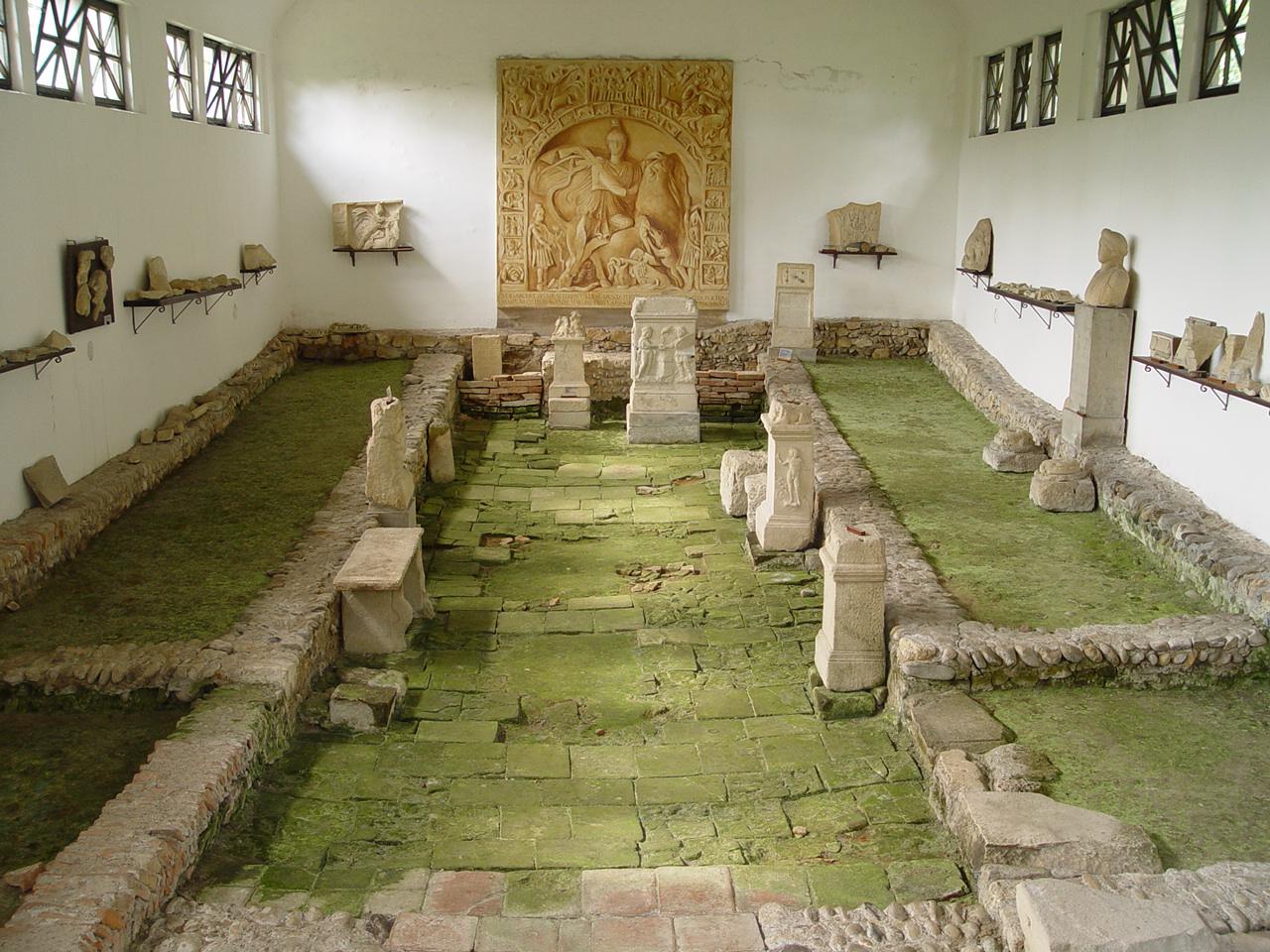
Mithraeum III in Ptuj was built in two periods: the original walls were made of pebbles, while the extension of a later period was made of brick.
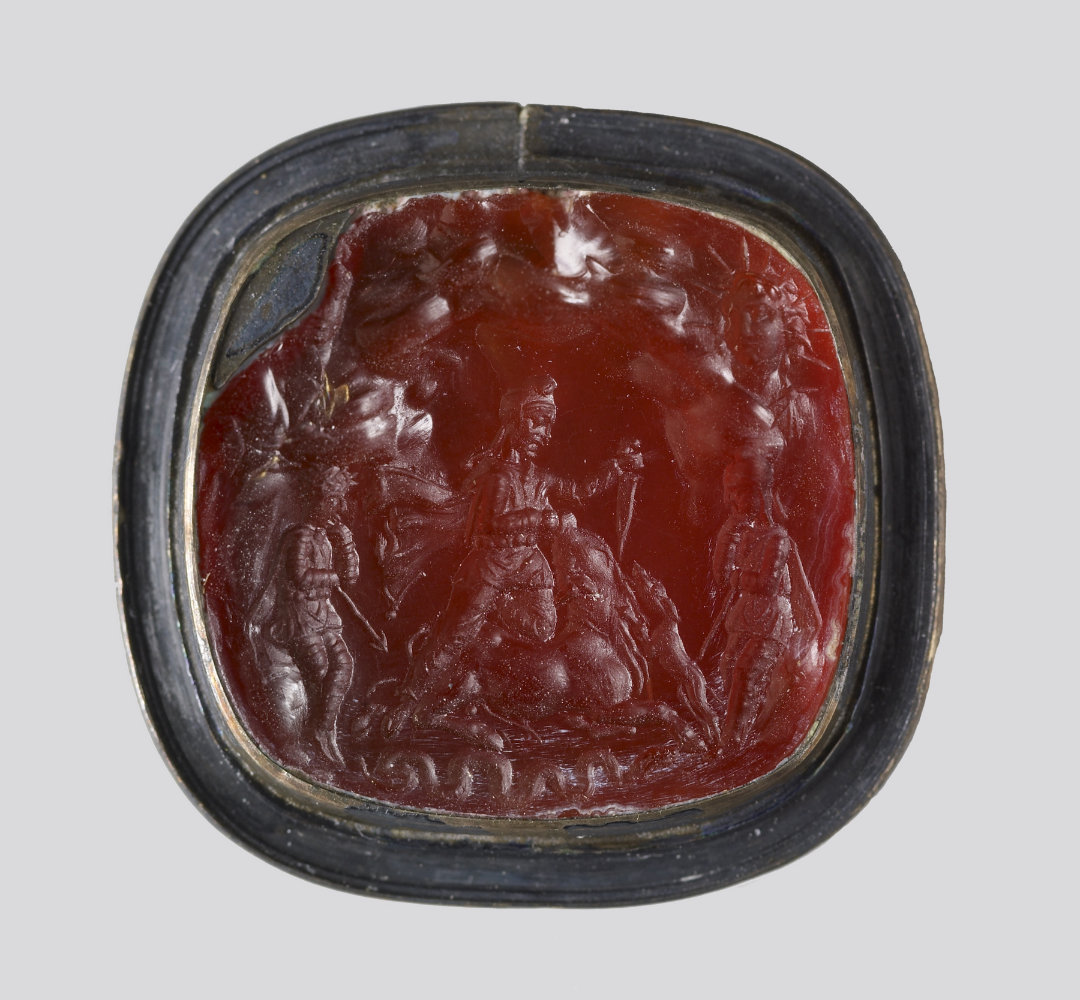
This ancient carnelian intaglio mounted in gold depicts Mithras slaying the bull surrounded by his companions Cautes and Cautopates.
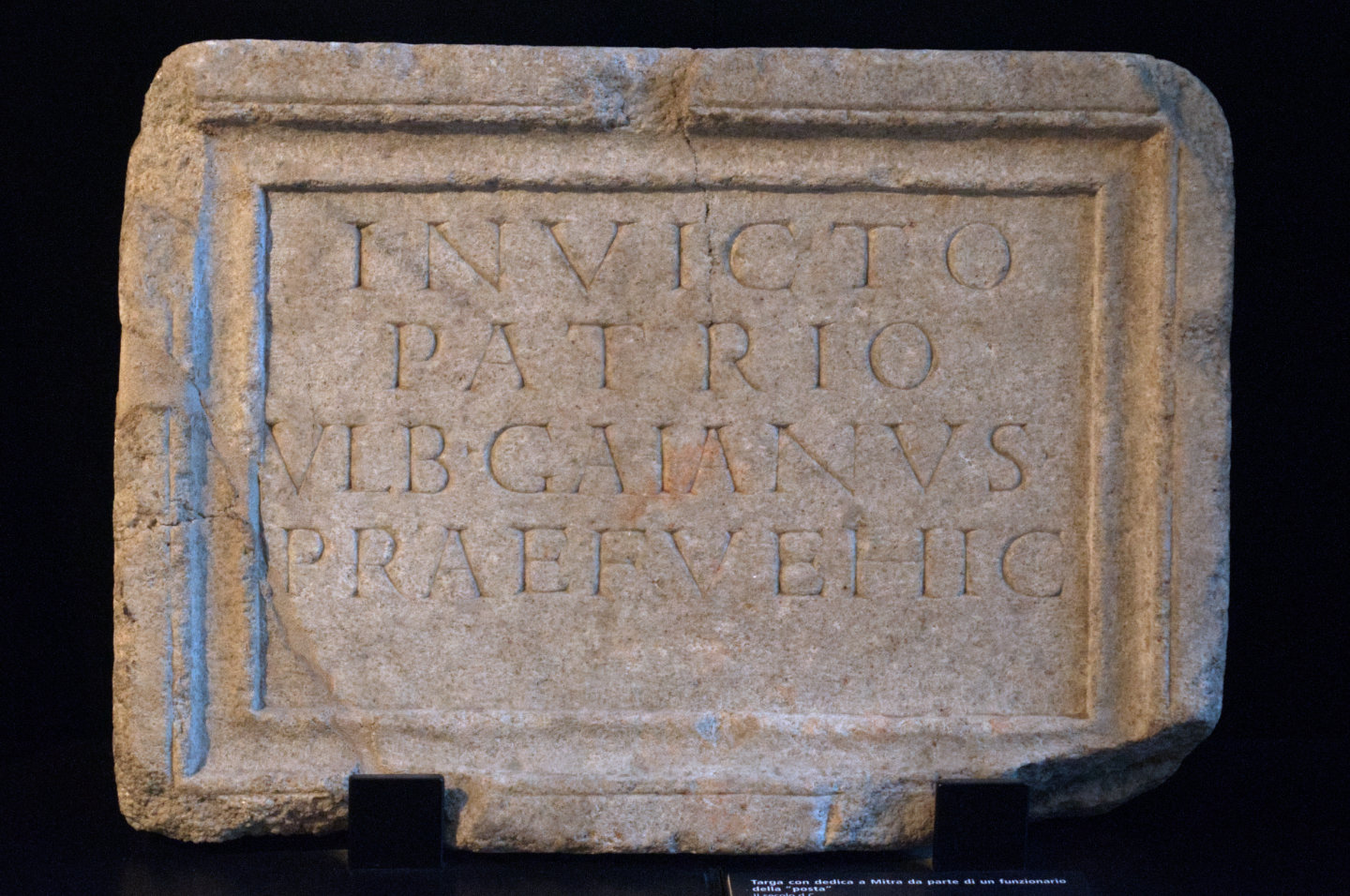
This monument dedicated to 'Invicto Patrio' was found in Milan in 1869.
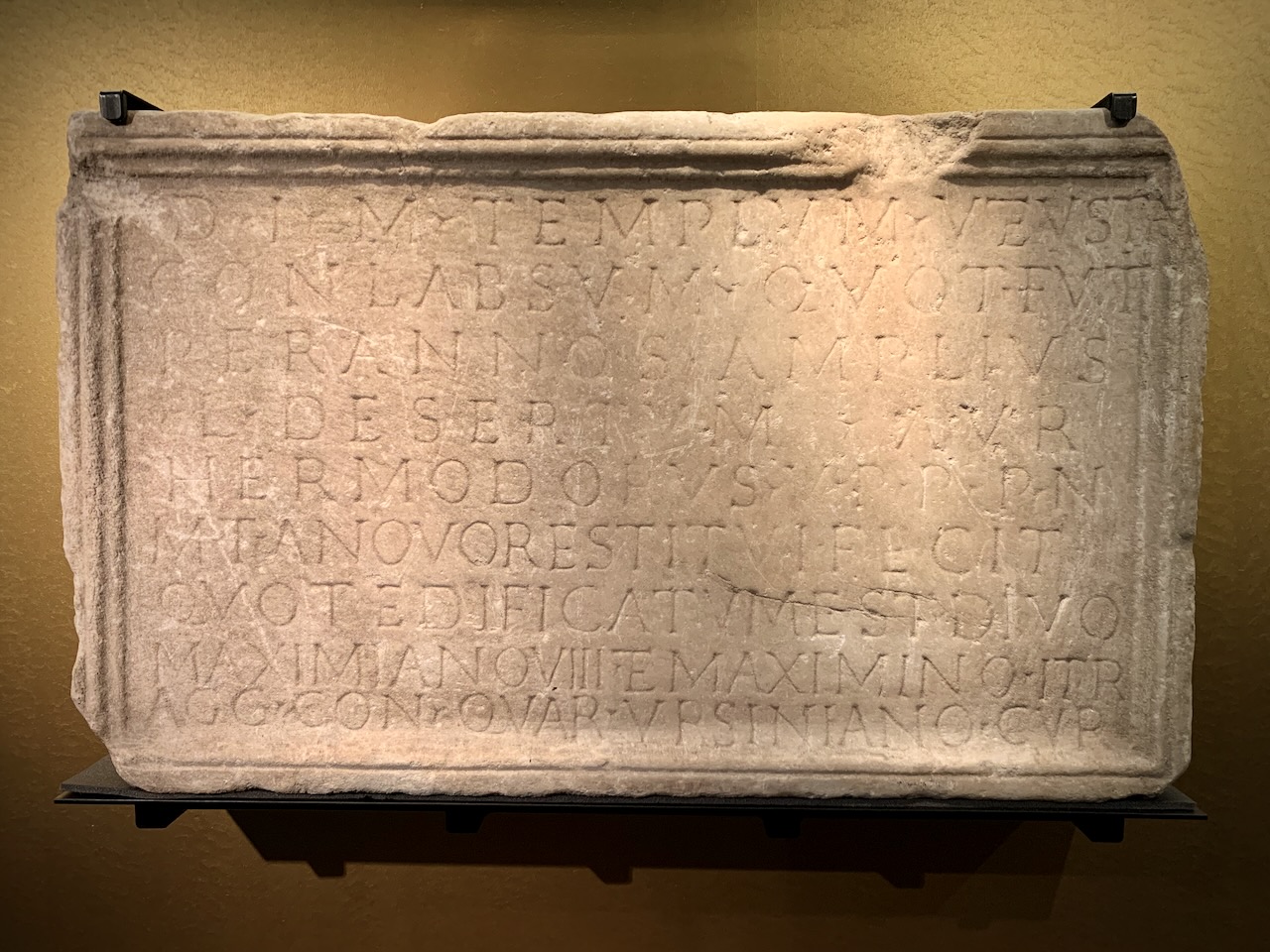
This marble gives some details of the reconstruction of the Virunum Mithraeum.
