Your search Villa of Domitian at the Castel Gandolfo gave 3663 results.

Inscription from Lopata, Moesia Superior, recording that Apollonides, imperial slave and scrutator of the statio Lamud, restored a Mithraic temple that had collapsed through age at his own expense; dated to the consulship of Gentianus and Bassus, AD 211.
White marble altar from Lopata in the Kumanovo district, Moesia Superior, associated with possible Mithraic sanctuary remains at the find-spot.
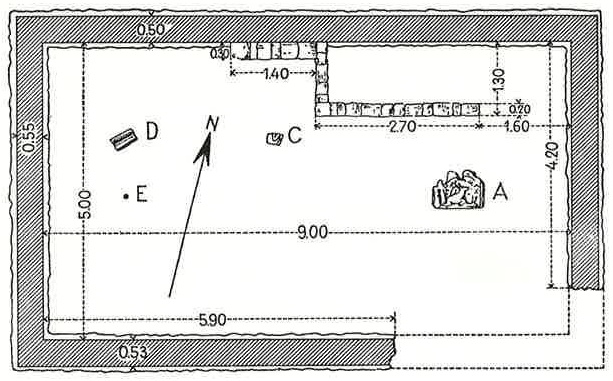
Mithraic sanctuary found in 1897 on the slope of the Repovic mountains on the right bank of the river Trstenic near Konjic in Herzegovina, Dalmatia; a limestone sanctuary with cult relief, altar, and architectural elements.
Mithraic sanctuary in a steep rock face called Preslica at Nefertara near Plevlje, Dalmatia, described as carved into the cliff above a ravine with a carved tauroctony scene.
Rocky pass about twenty minutes south of Prozor, Dalmatia, containing a rock niche with a carved Mithraic scene; probably a secondary cult place related to the Vitalj sanctuary.
Small two-fragment altar walled into the church at Schlatten near Rosenbach, Noricum, dedicated to Deo invicto Mithrae by Mocio Aprilis.
Clay tablets recording a treaty between the Hittites and Mitanni invoking Mitra among the divine witnesses, excavated at Boğazkale (ancient Boghaz-Koï), 14th century B.C.
Foundations of a rectangular building (10 × 6 m) and a front-stone fragment at Golubić near Bihać, Dalmatia, suggesting the existence of a Mithraic sanctuary.
Altar from Salona, Dalmatia, with a bust of Sol in radiate crown in the lower portion, dedicated to Deo invicto for the welfare and safety of Pamphilus, imperial dispensator, by his arkarius Fortunatus.
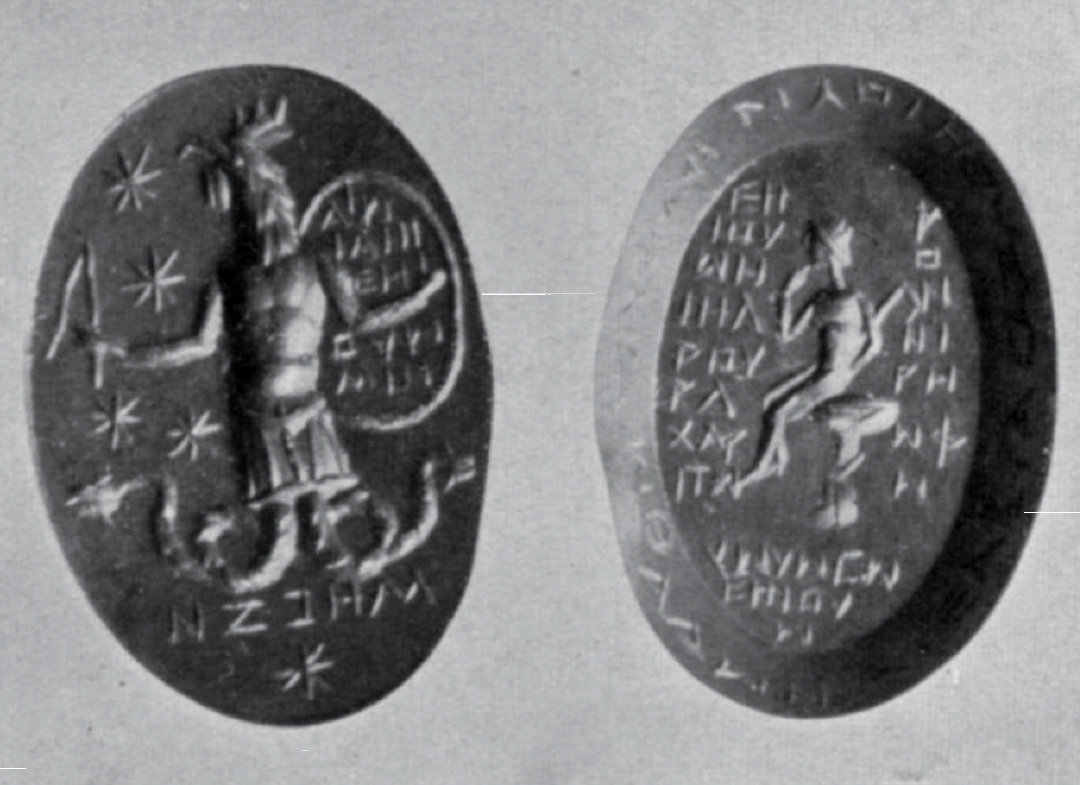
Gnostic amulet found in the ancient Agora of Athens, depicting Abraxas on one side and a Mithraic inscription on the other.
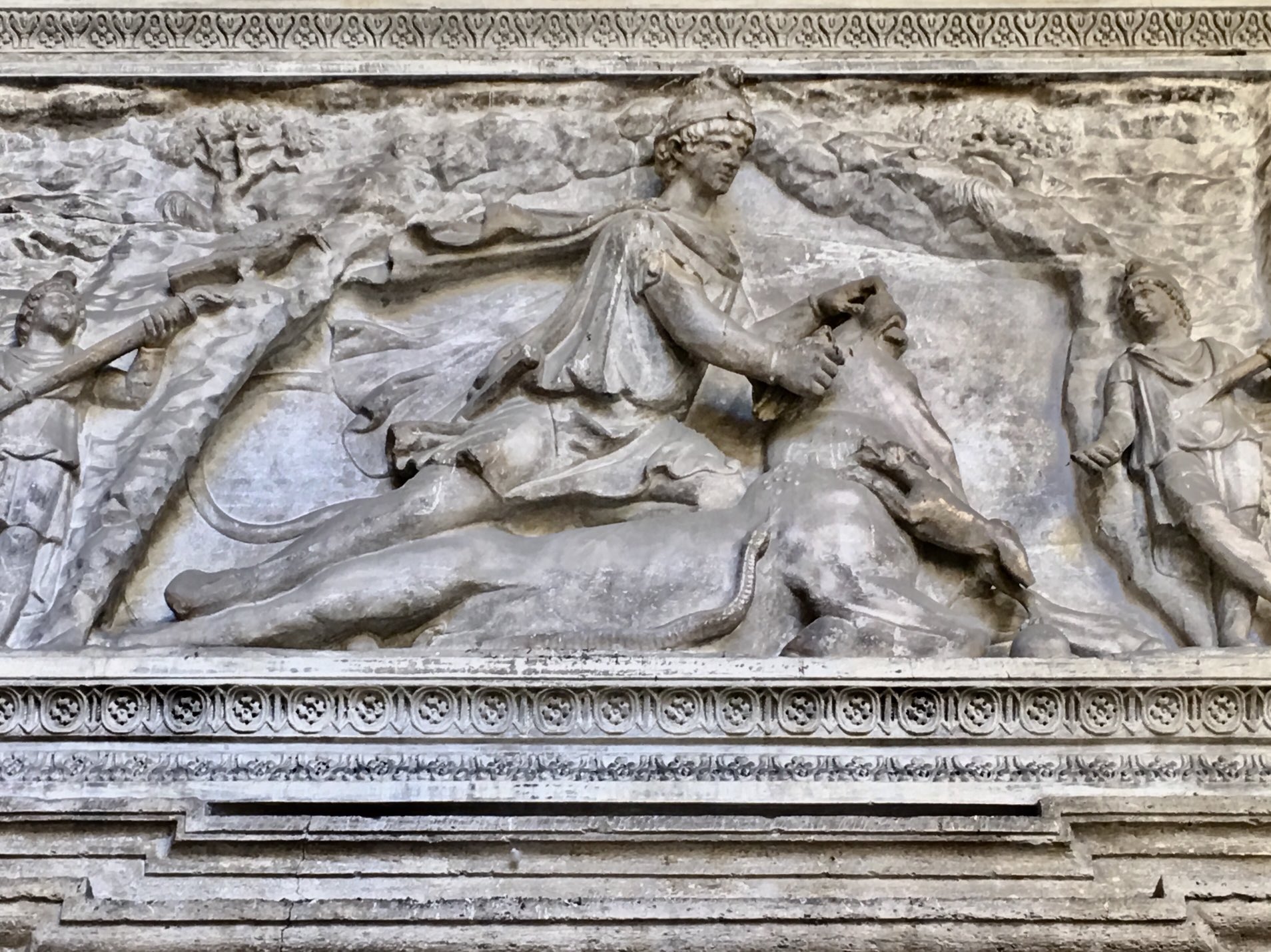
This relief of Mithras as a bullkiller, probably found in Rome, has been part of the Palazzo Mattei collection since at least the end of the 18th century.
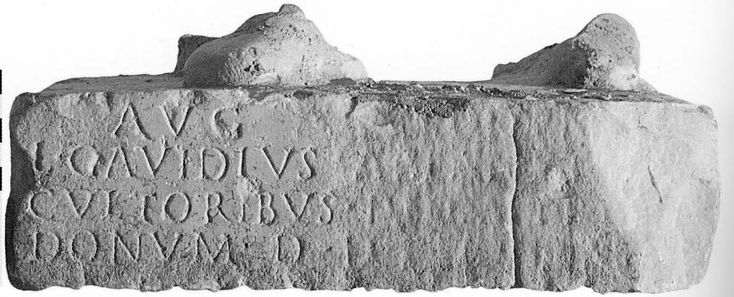
This inscription on white marble by Lucius Gavidius uses the term ther cultores to refer to his Mithraic community in Stabiae, Italy.

Beheaded Cautopates in limestone found on the podium of the Jajce Mithraeum, Bosnia and Herzegovina.
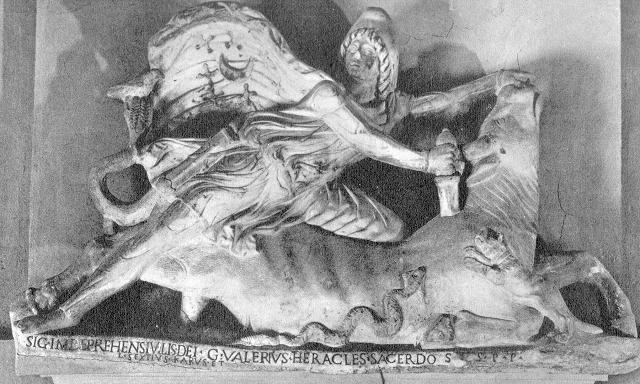
This sculpture of Mithras killing the bull was dedicated to the ’incomprehensible god’ by a certain priest called Gaius Valerius Heracles.
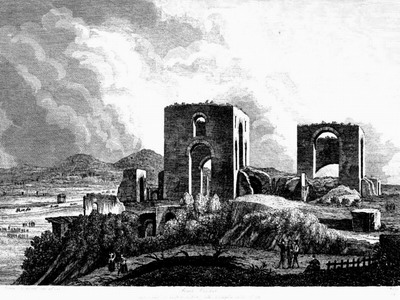
Mithras and other oriental gods were worshipped in the shrine of Zeus near the Villa of the Quintilians in Rome.

"The remaining figure on this monument, Herakles, was previously misidentified as Apollo on this remarkable black basalt tablet from Samsat, known in Roman times as Samosata.
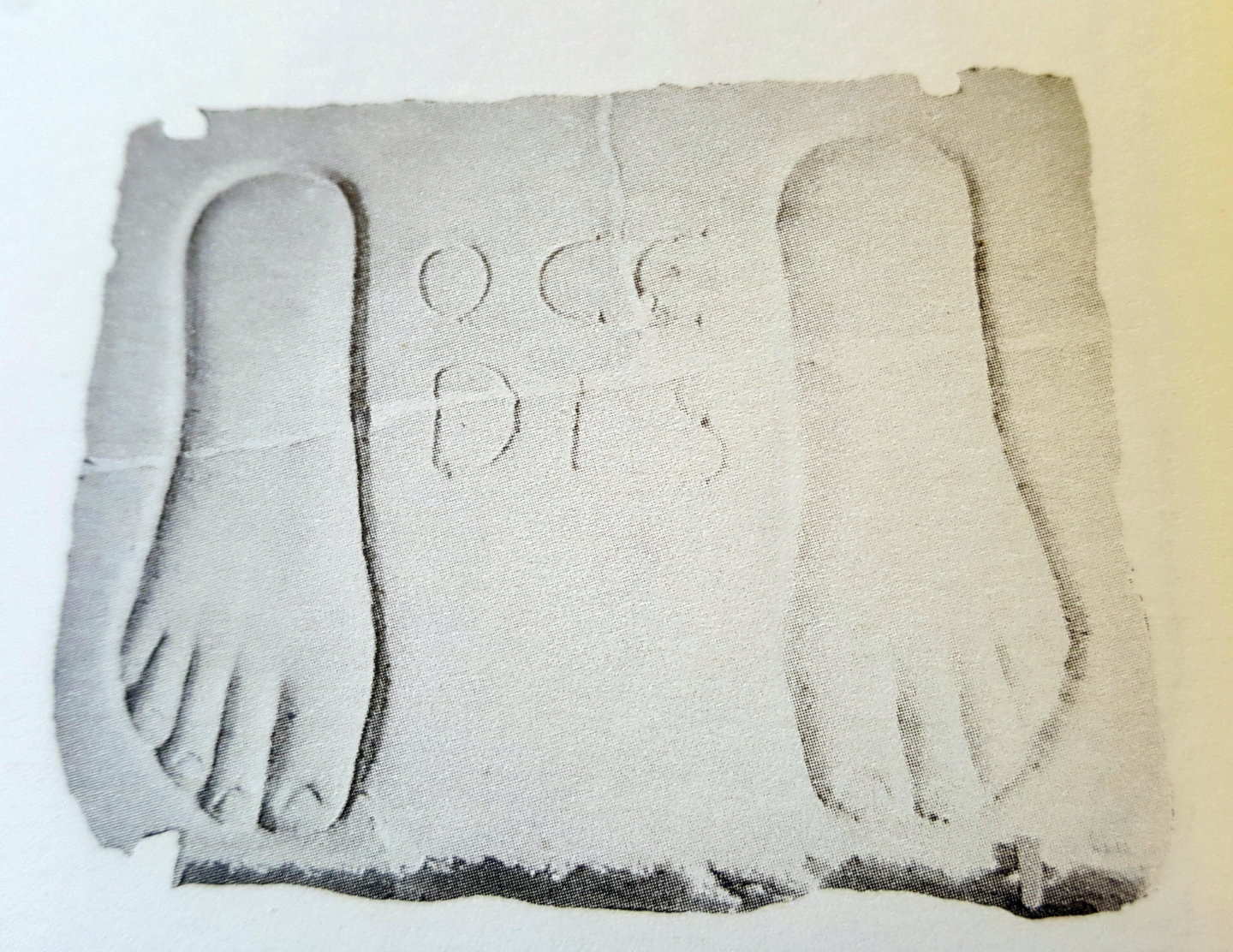
Recent interpretations link this marble inscription to the cult of the goddess Nemesis.
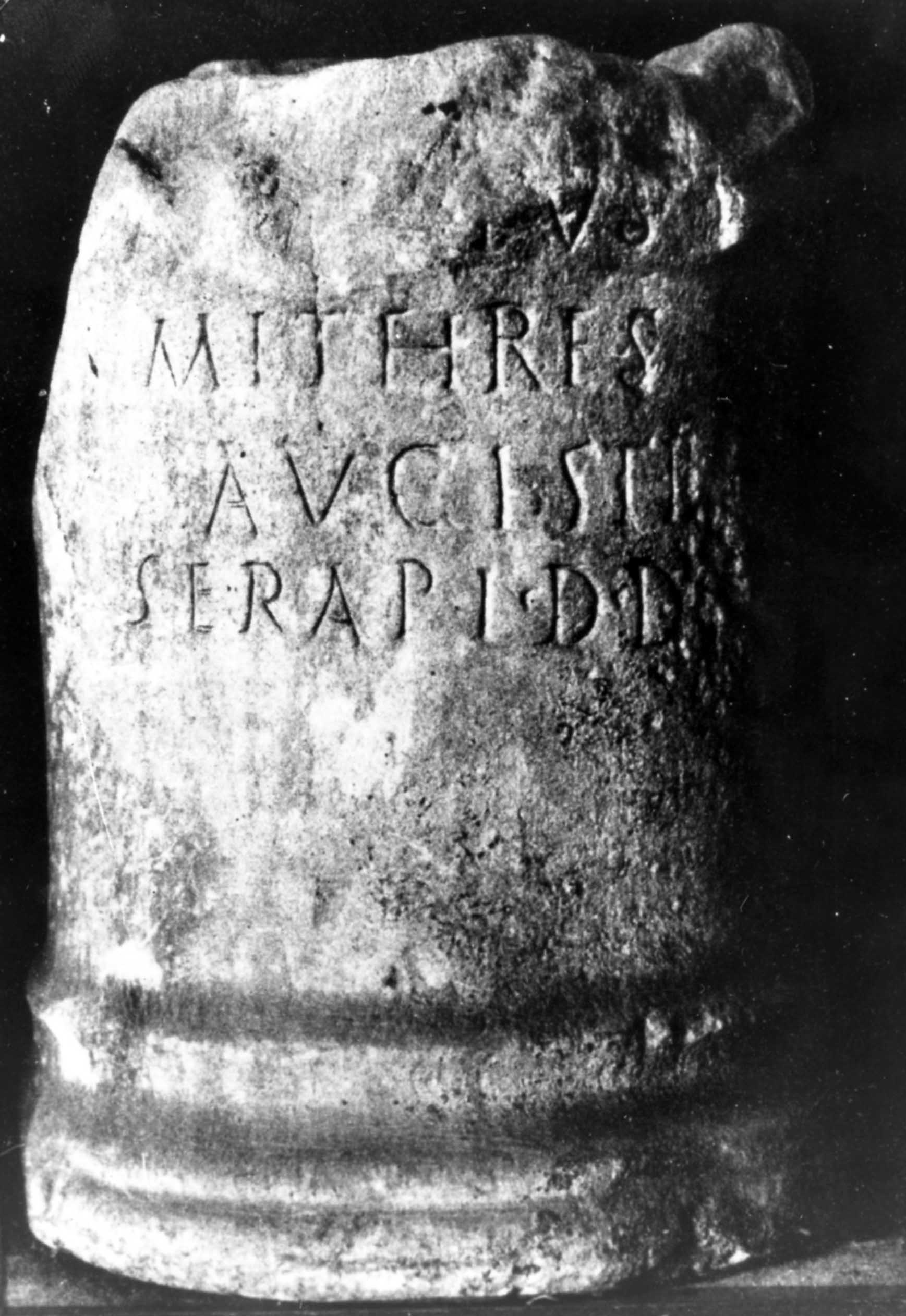
This monument, found in the Domus Flavia in Rome, bears an inscription by a certain Aurelius Mithres.
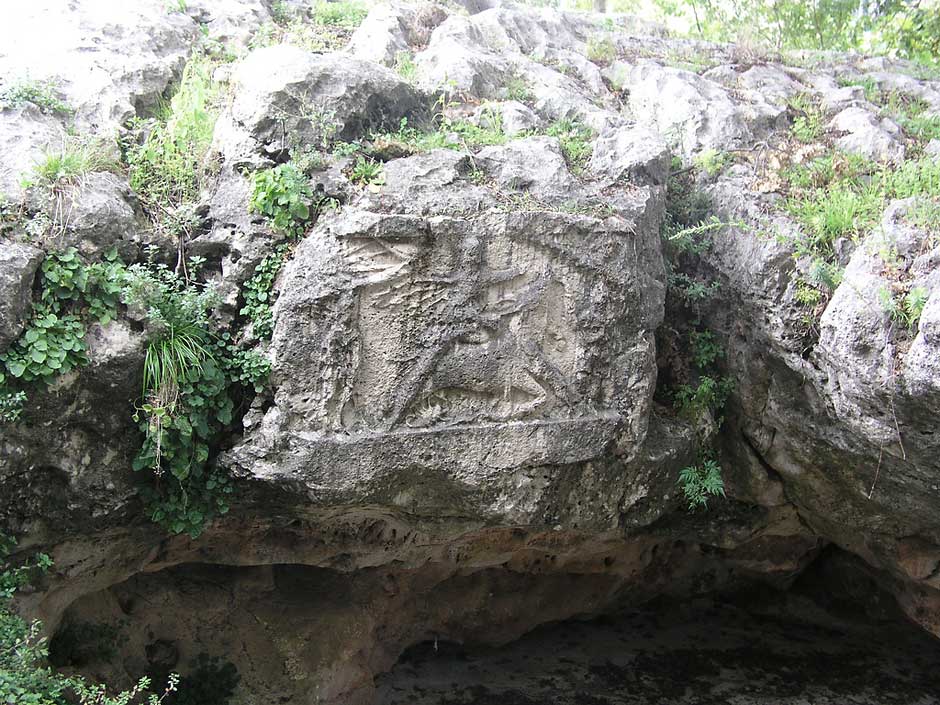
The Mithraeum of Mocici was situated in a grotto at one hour's walk fomr the ancient Epidaurum.
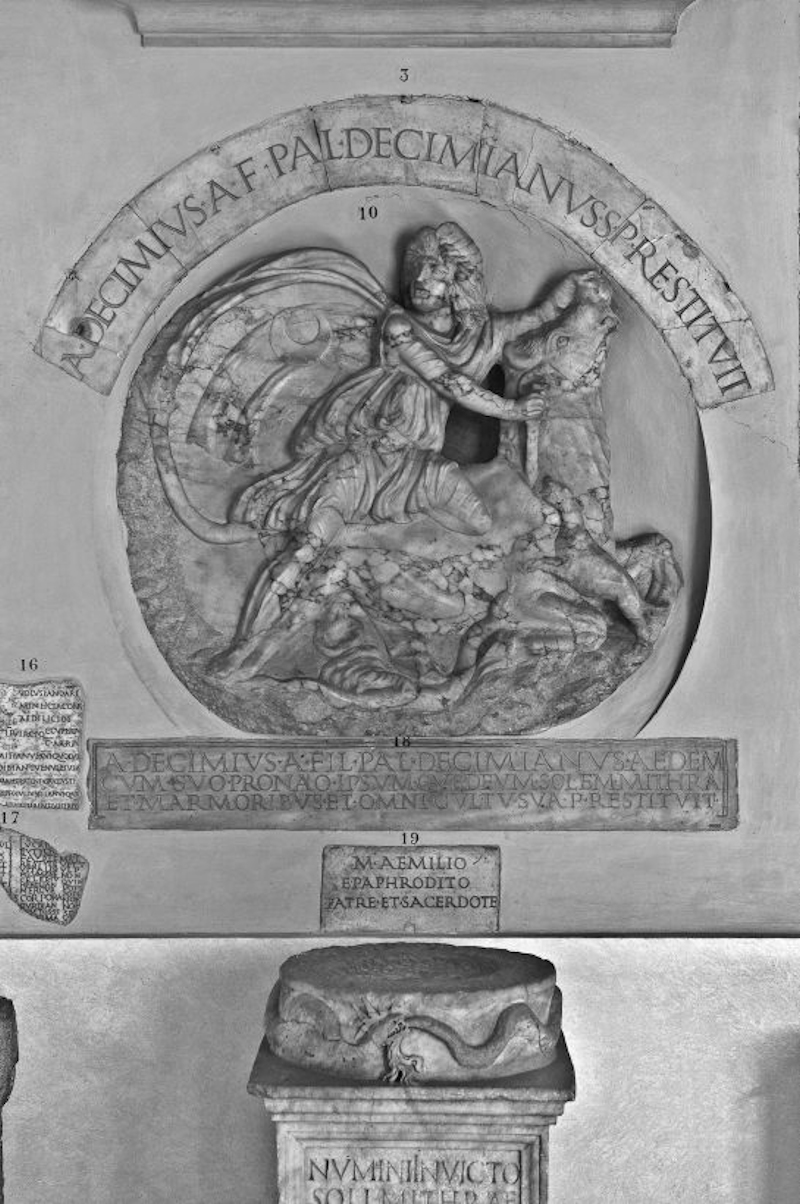
The relief of Mithras slaying the bull from the Mithraeum of the Seven Spheres was discovered in 1802 by Petirini by order of Pope Pius VII.
