Your selection in monuments gave 21 results.
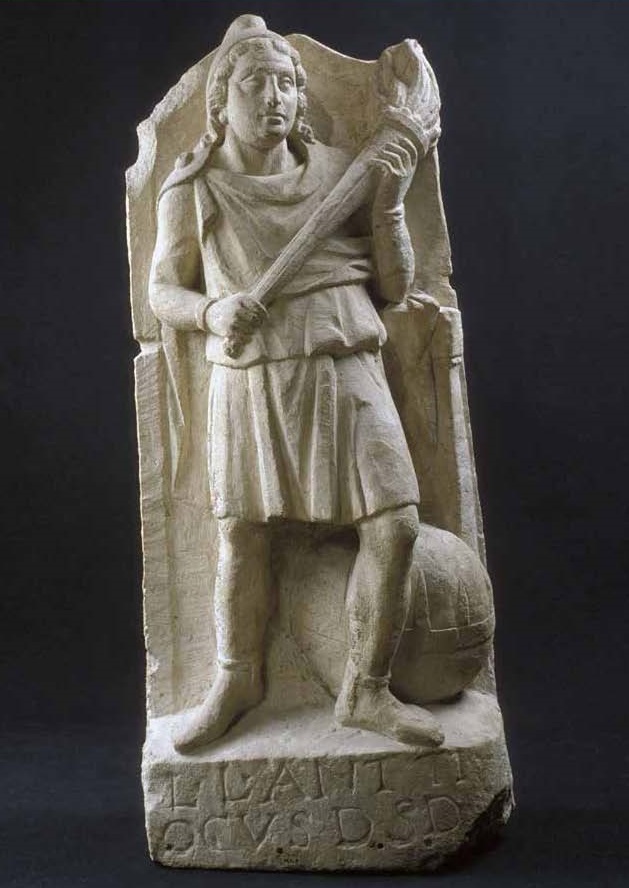
This monument representing Cautes with uncrossed legs was consecrated by a certain Anttiocus.
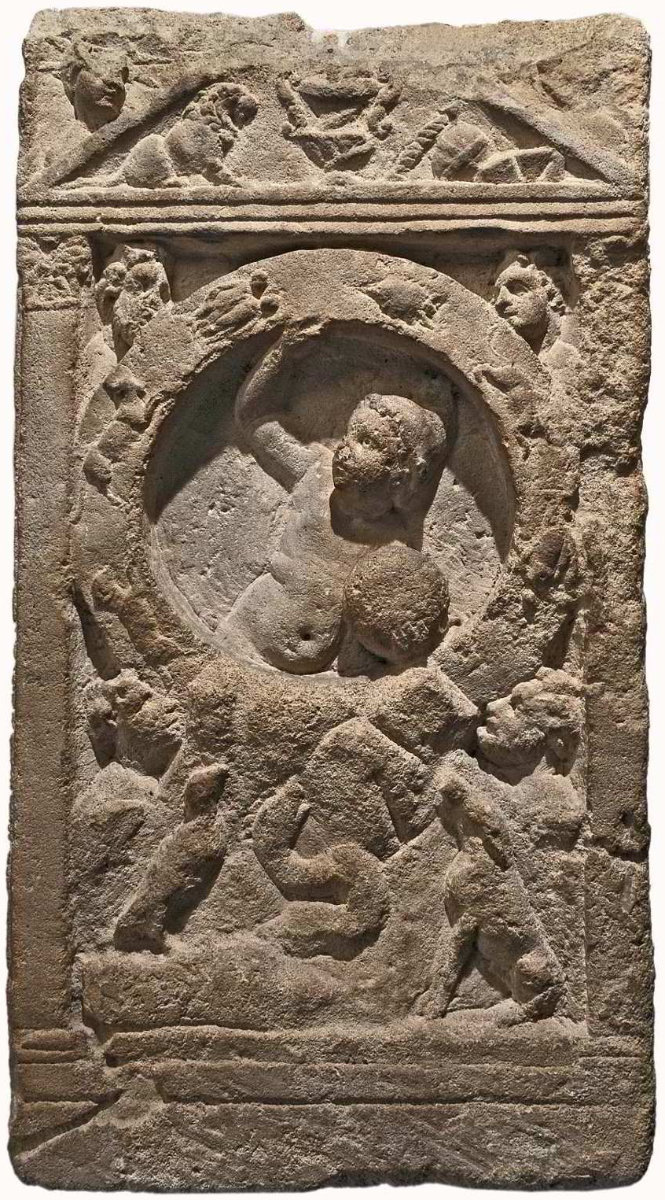
The relief depicts the birth of Mithras, holding a globe, surrounded by the zodiac.
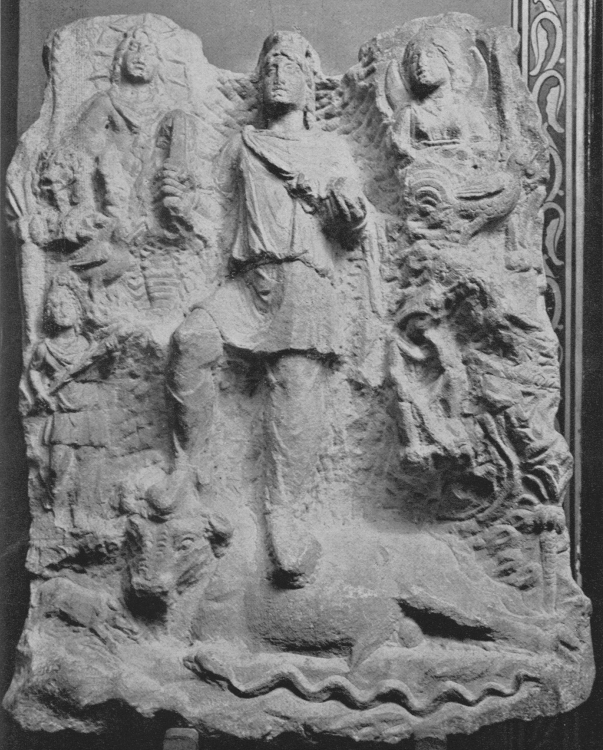
This unusual representation of Mithras standing on a bull was kept in the Casino di Villa Altieri sul Monte Esquilino until the 19th century.
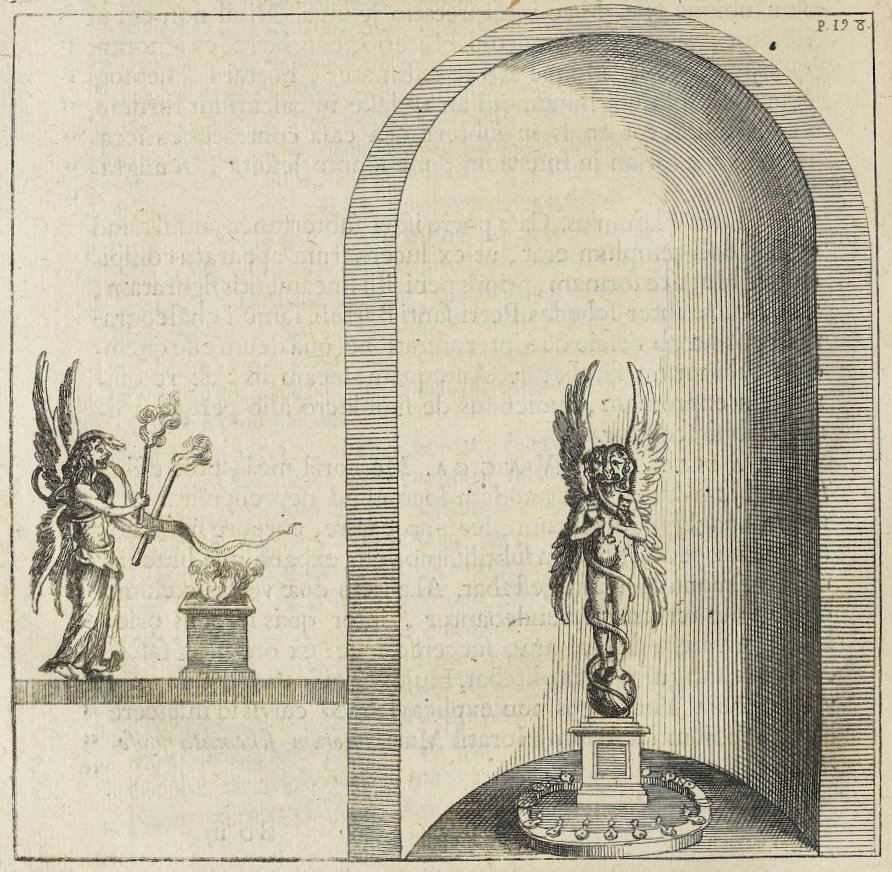
This monument has been identified from ’Memorie di varie antichità trovate in diversi luoghi della città di Roma’, a book by Flaminio Vacca of 1594.
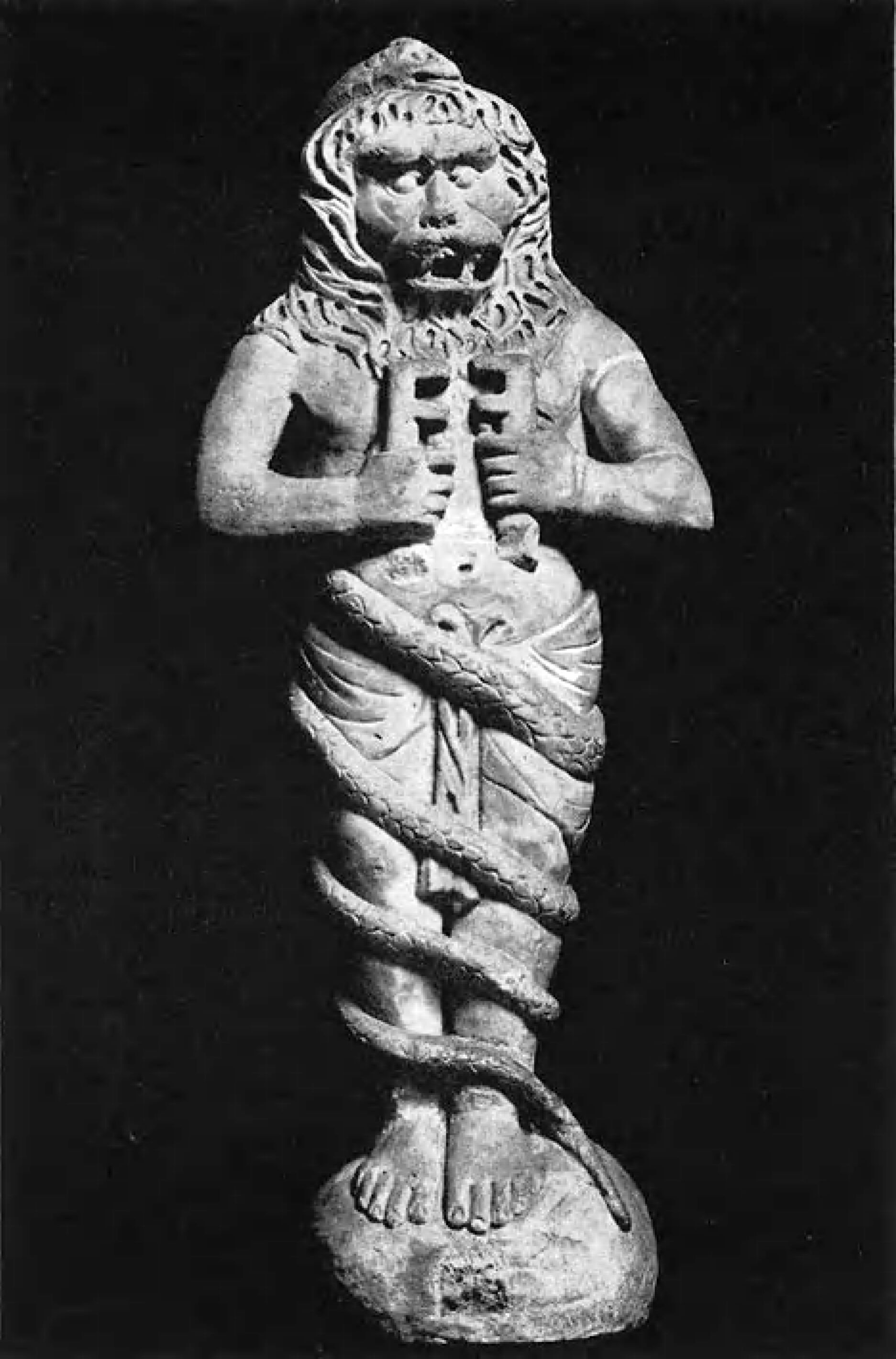
The lion-headed marble from Muti's gardens has a serpent entwined in four coils around his body.
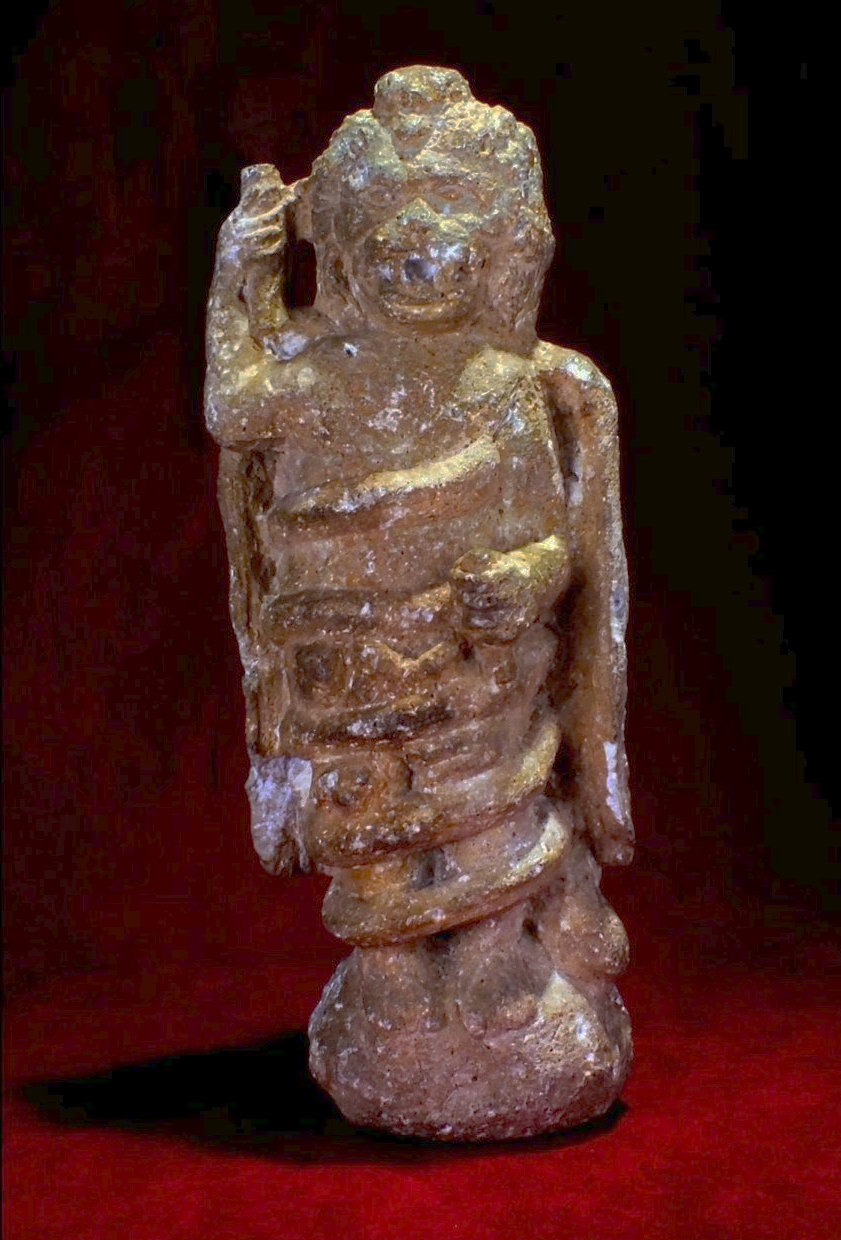
Its base is partially broken, so it is unclear if the figure was standing on a globe, an expected position, or not.
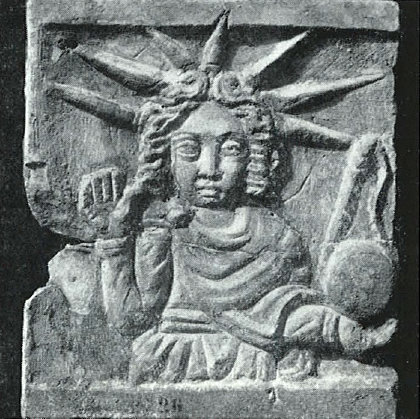
The relief of Sol was found during the construction of Piazza Dante in Rome in 1874.
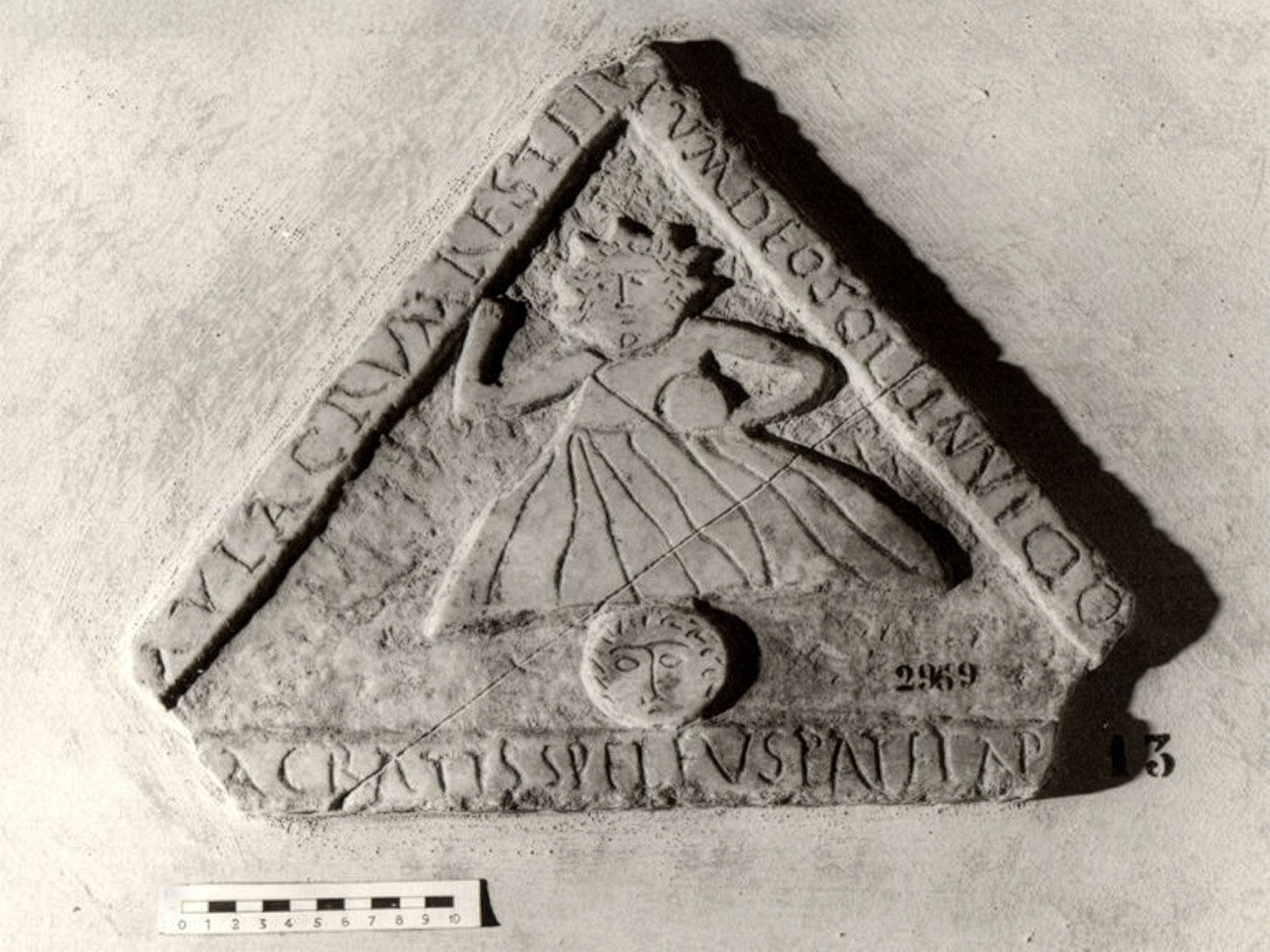
Small triangular slab bearing a Latin inscription referring to Sol Invictus and to a sacred cave, probably dating to the 4th century AD.

The importance of the Mithraeum of Marino lies in its frescoes, the most significant of which is that of Mithras slaying the bull, surrounded by mythological scenes.
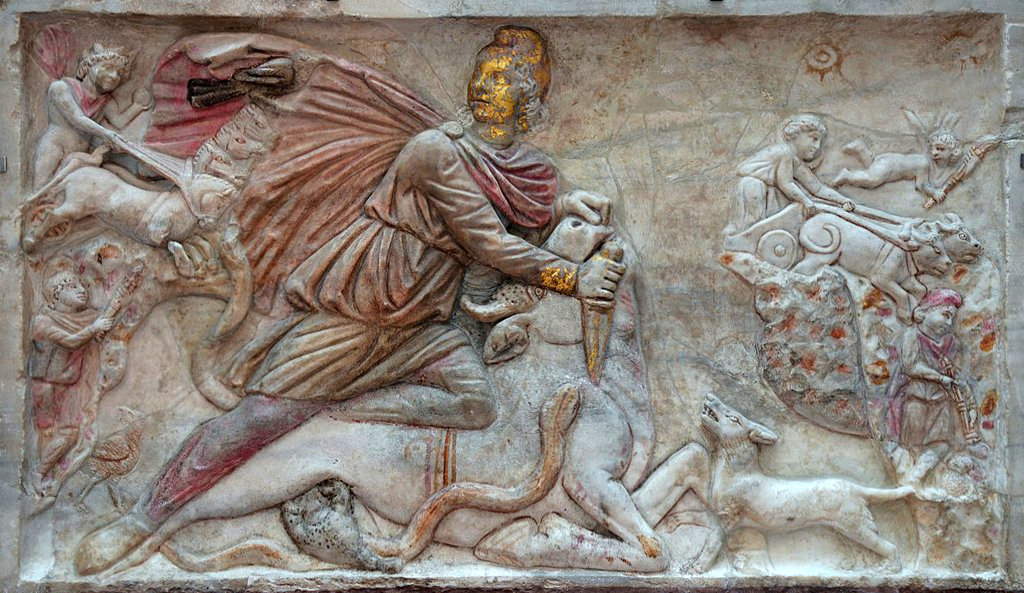
The relief of Mithras killing the bull of Stefano Rotodon preserves part of his polycromy and depicts two unusual figures: Hesperus and an owl.
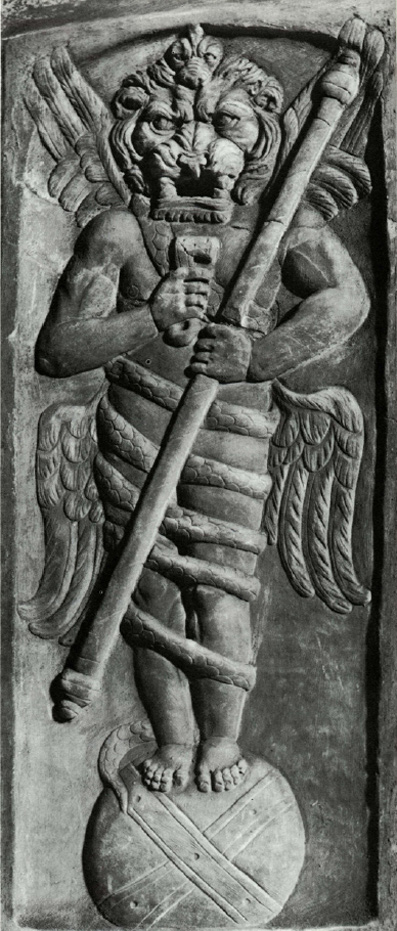
The lion-headed god is standing on a globe encicled by two crossed bands on which five pearls.
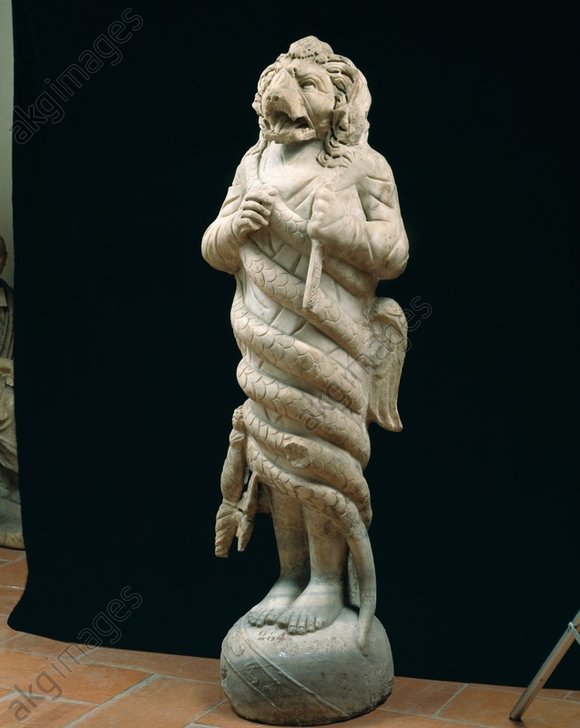
The sculpture of Aion from Florence, Italy, has the usual serpent, coiled six times on its body, whose head rests on that of the god of eternal time.
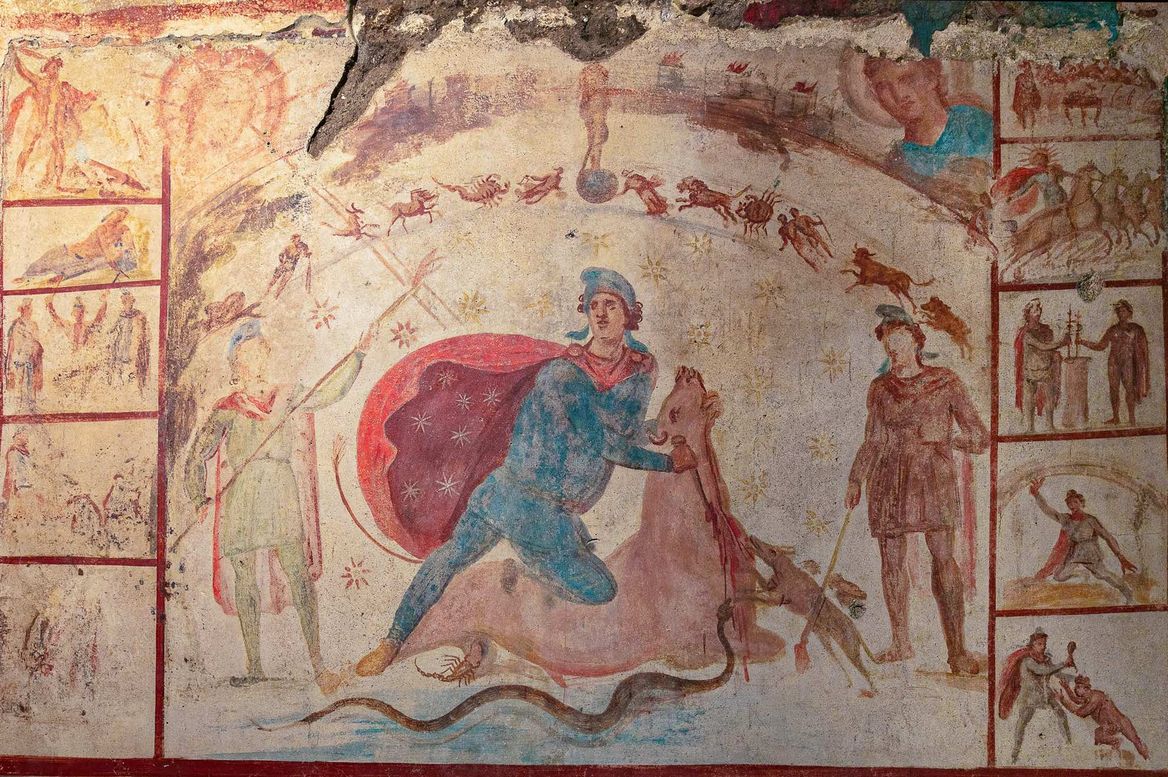
The votive fresco from the Mithraeum Barberini displays several scenes from Mithras’s myth.
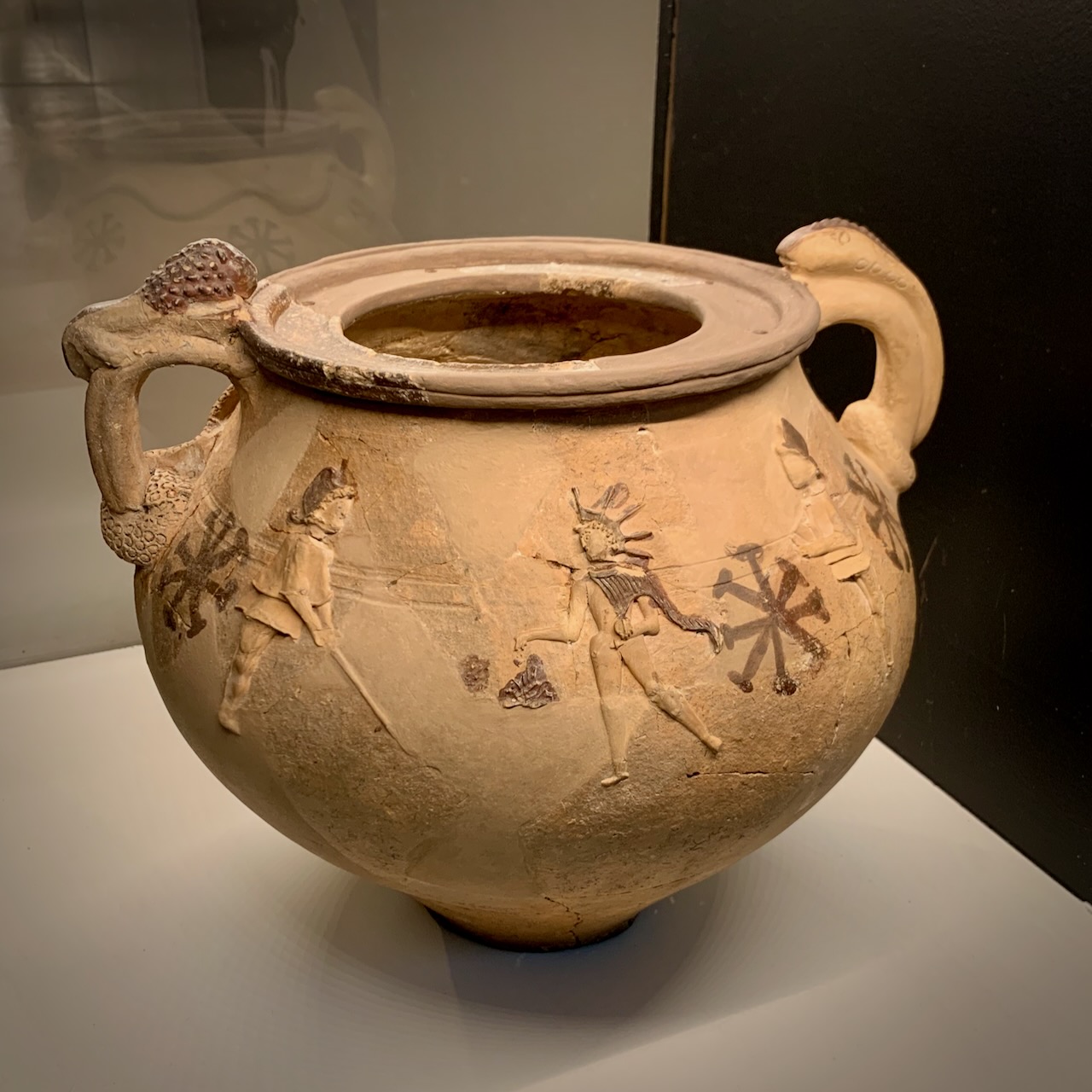
The Mithraic vase from Colonia Claudia Ara Agrippinensium in Germany includes Sol-Mithras between Cautes and Cautopates, as well as a serpent, a lion and seven stars.
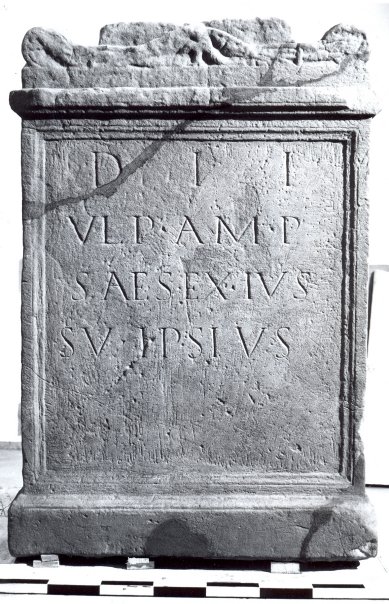
This altar found at ancient Burginatum is the northernmost in situ Mithraic find on the continent.

White marble statue of Lion-head god of time, formerly in the Villa Albani, nowadays in the Musei Vaticani.
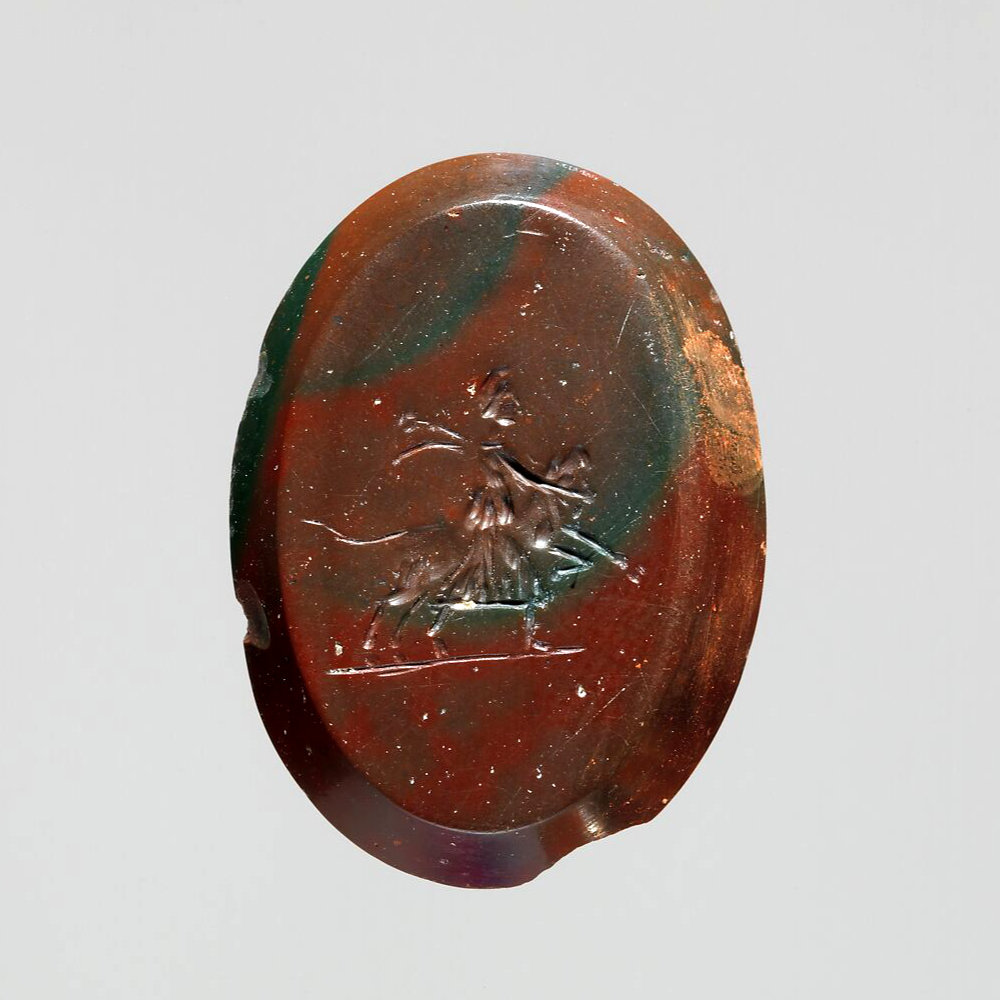
This small magical jasper gem shows Sol in a quadrigra on the recto and Mithras as a bull slayer on the verso.
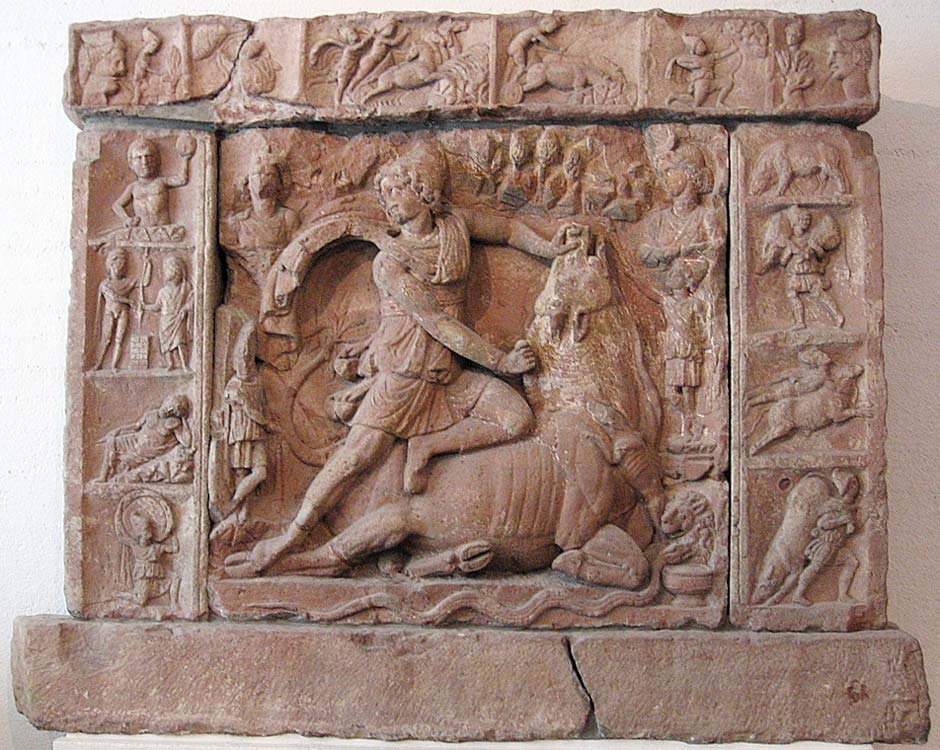
The Tauroctony relief of Neuenheim, Heidelberg, includes several scenes from the deeds of Mithras and other gods.
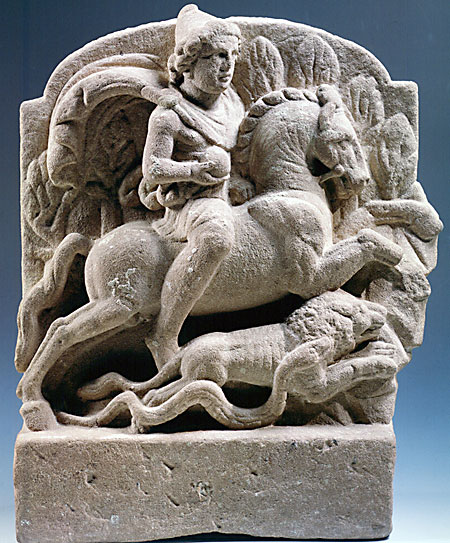
Mithras galloping, in a cypress forest, carrying a globe in one hand and accompanied by a lion and a snake.
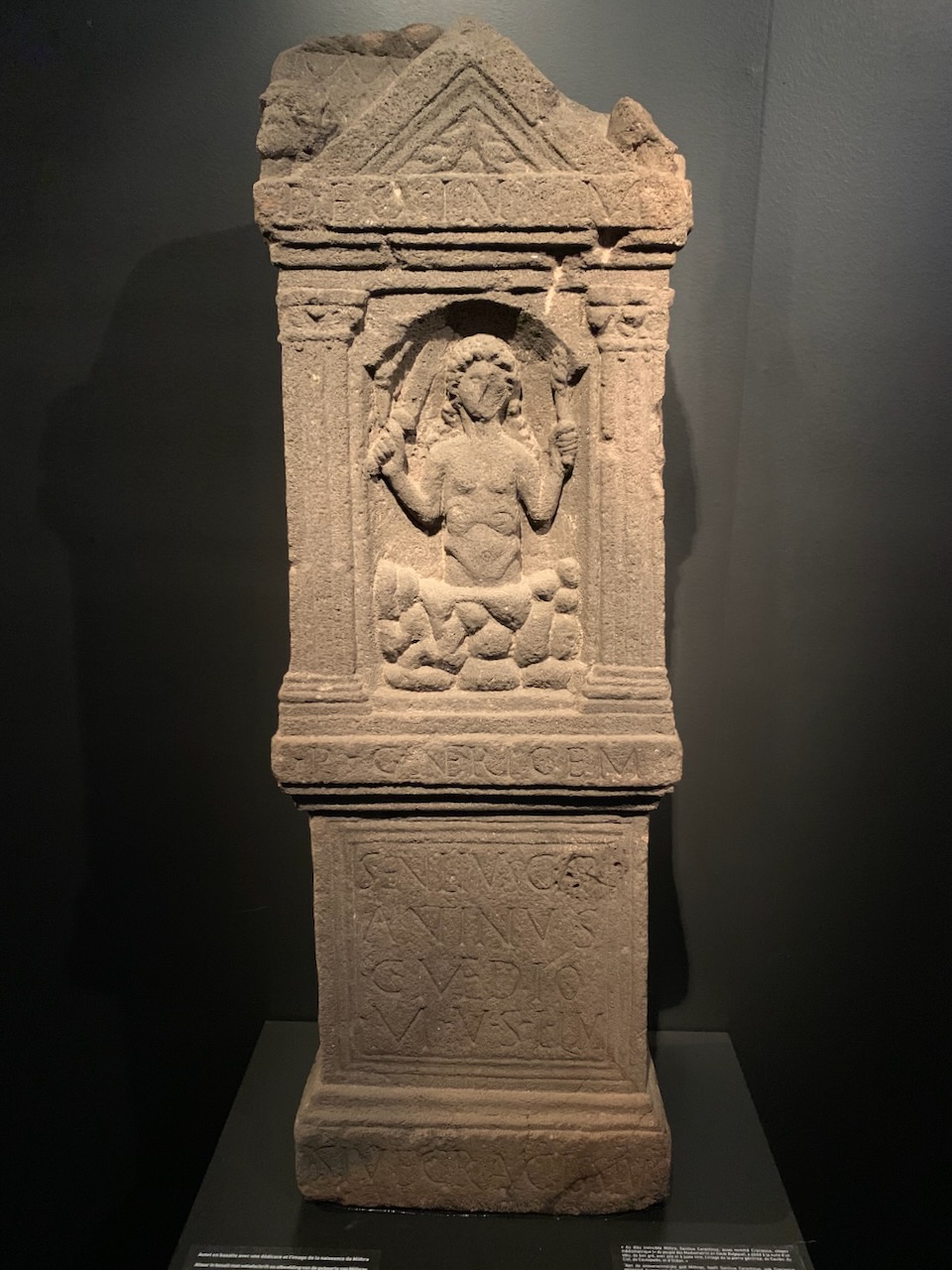
The Mithraic stele from Nida depicts the Mithras Petrogenesis and the gods Cautes, Cautopates, Heaven and Ocean.
