Your selection in monuments gave 278 results.
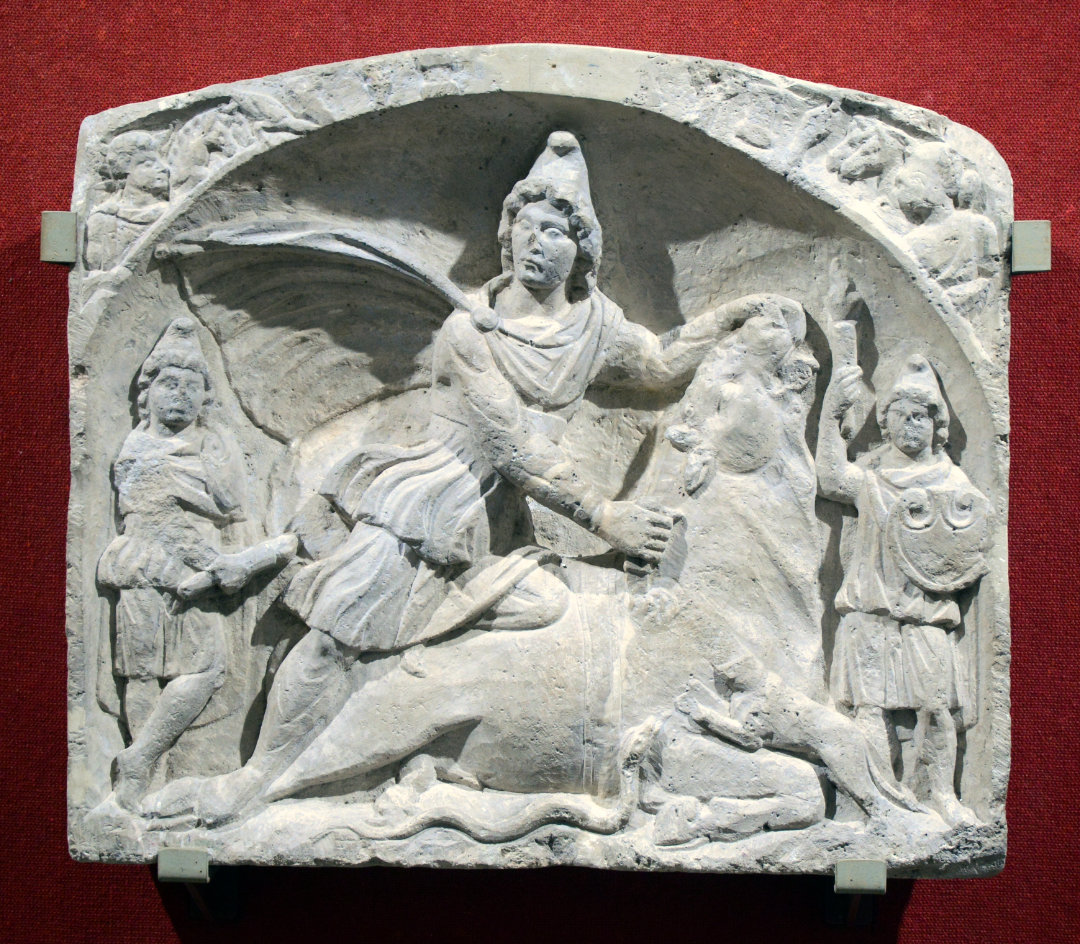
In this relief found in the Sárkeszi Mithraeum, Cautes and Cautopates hold an Amazon shield.
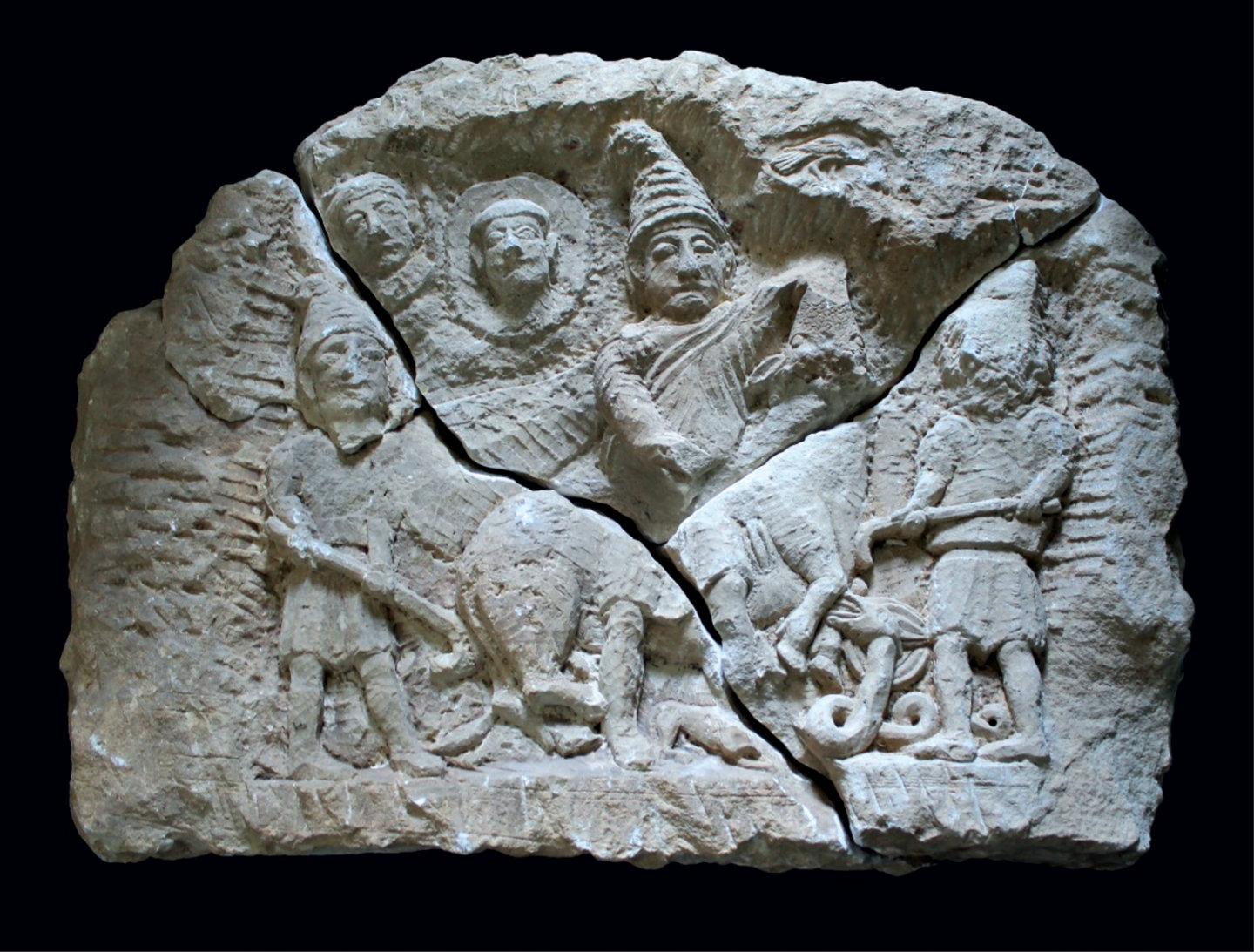
The relief of Mithras killing the bull, found near Zvornik in Bosnia and Herzegovina, features some variations on the usual scene.

This elliptical terracotta fragment from Ostia depicts Mithras as a bullkiller.
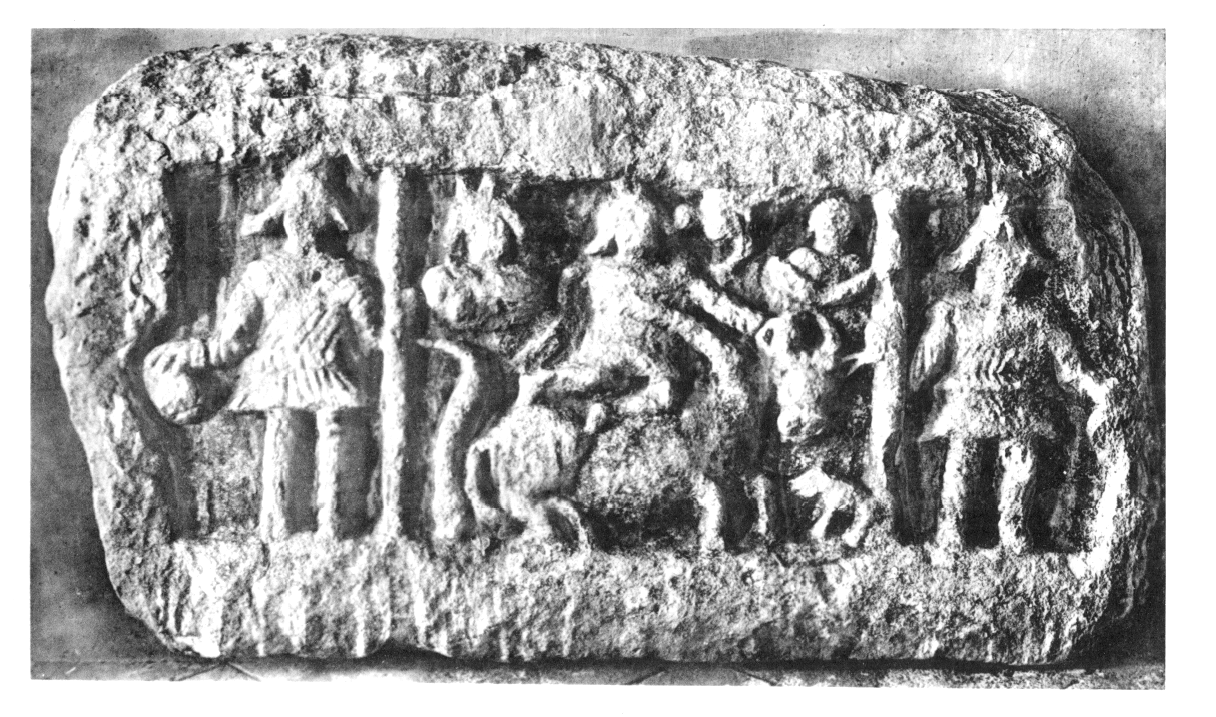
This relief of Mithras as bull slayer is surrounded by Cautes and Cautopates with their usual torch plus an oval object.
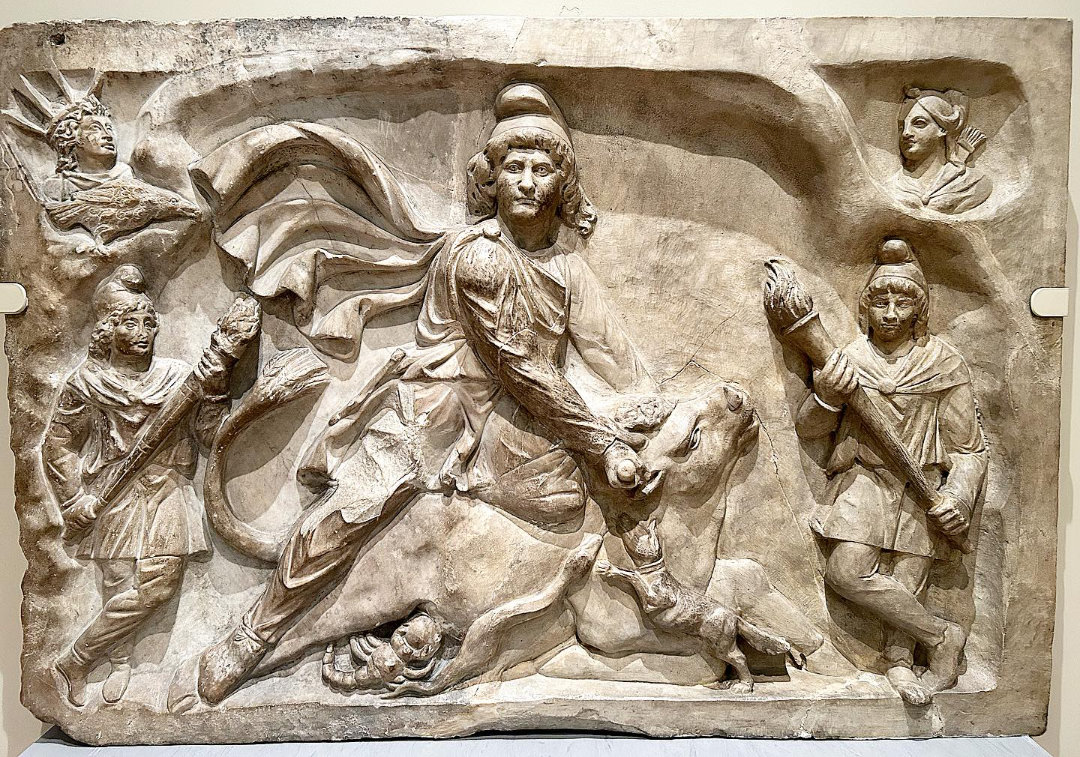
This relief of Mithras killing the bull is on display at the Royal Ontario Museum.
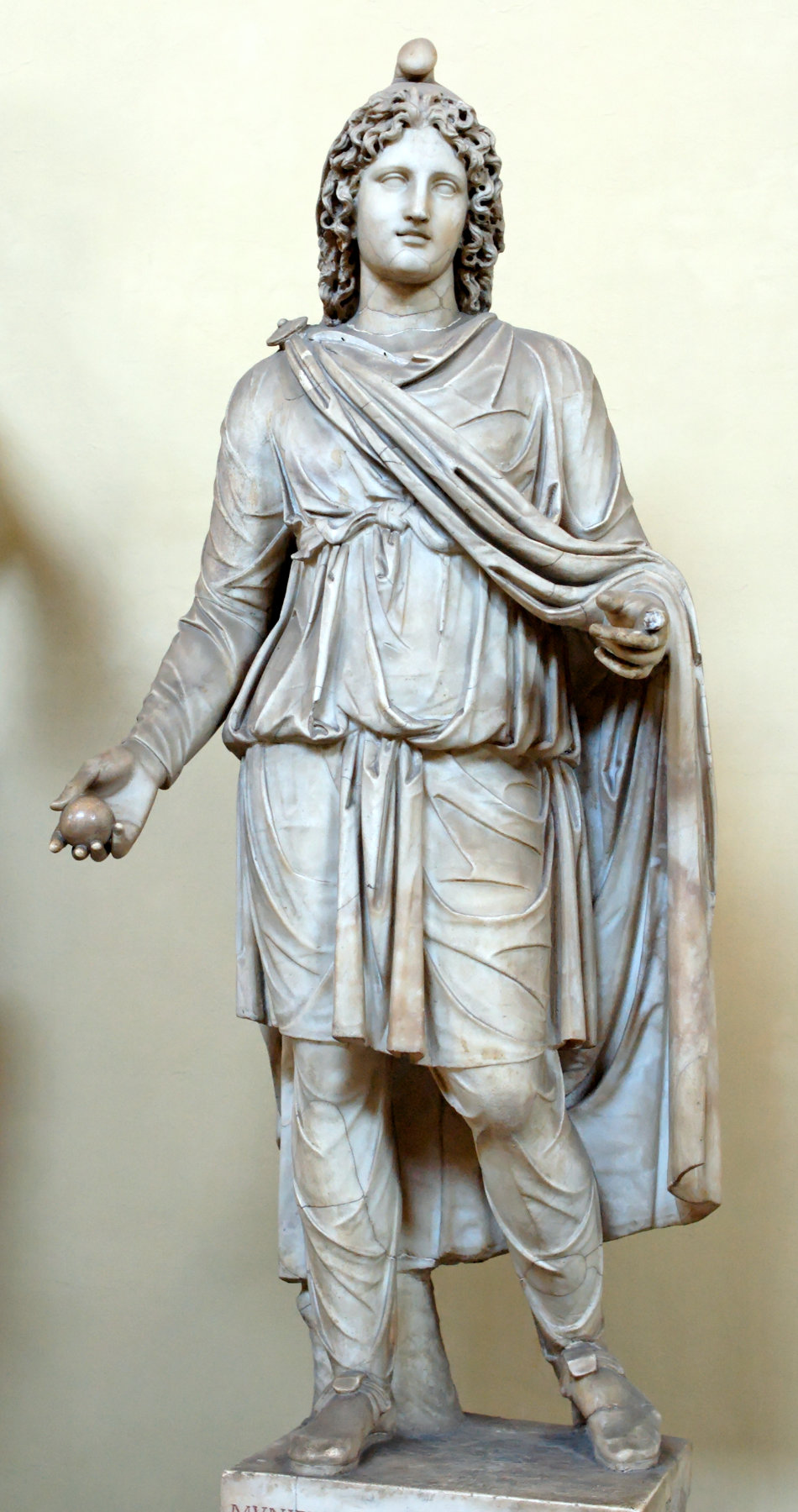
This sculpture, probably of Cautopates, now in the Musei Vaticani, was transformed into Paris.
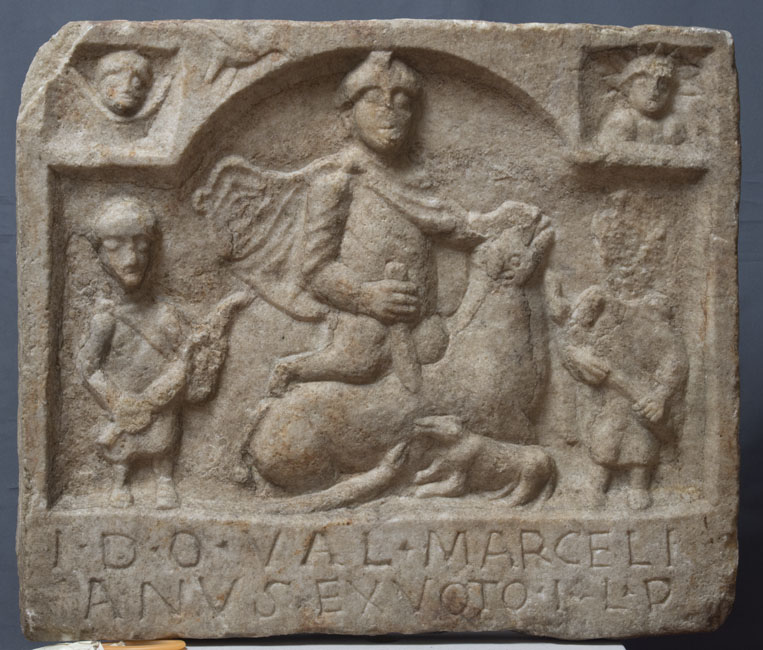
This primitive relief of Mithras as a bullkiller is signed by a certain Valerius Marcelianus.
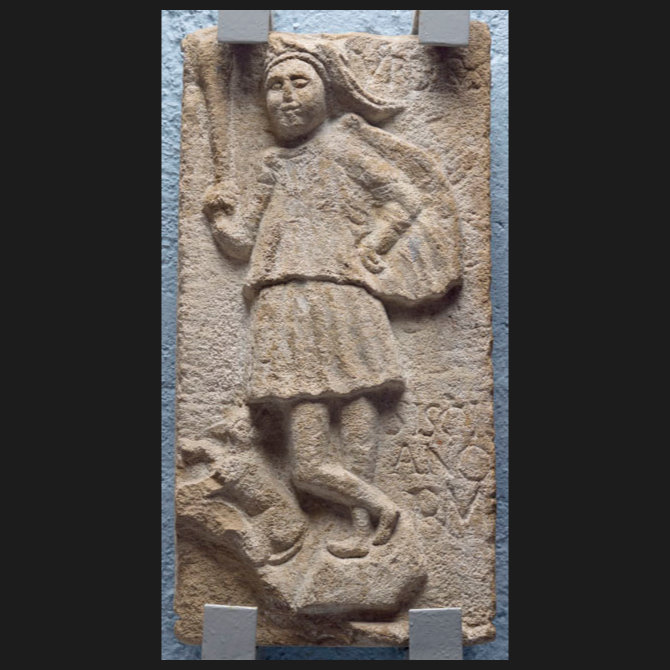
There are no further details about this Mithraic statue from Transylvania, the historical region of central Romania.
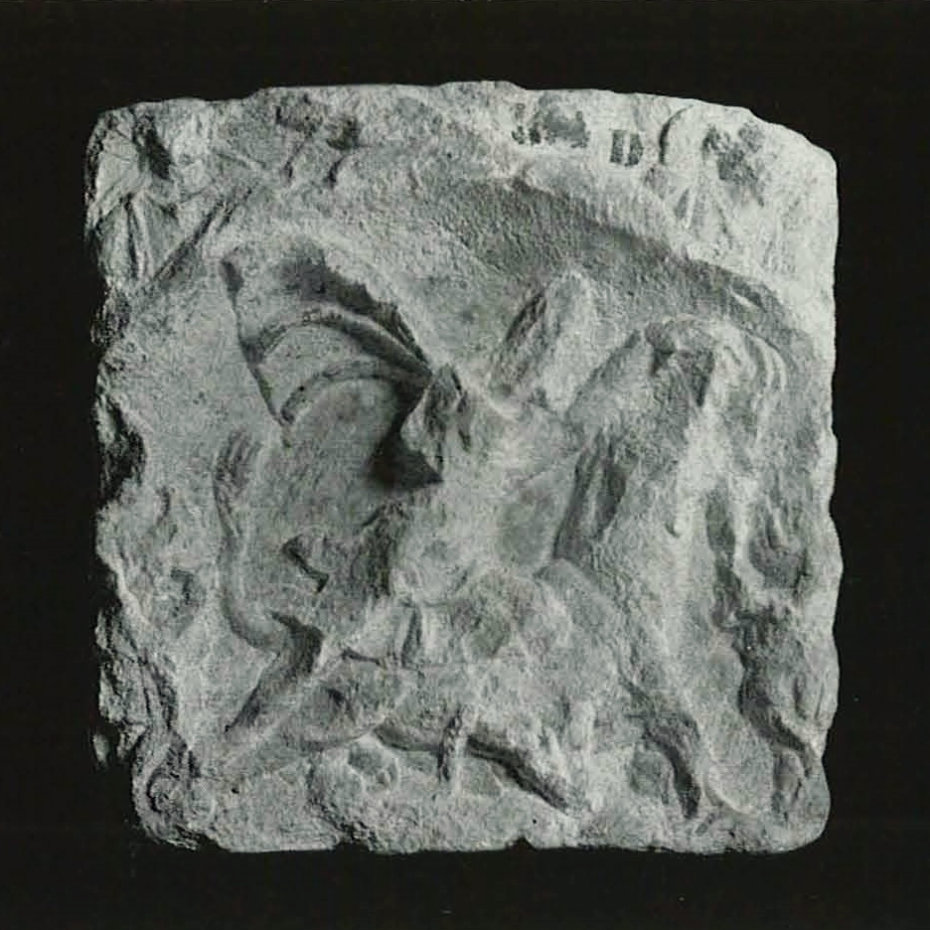
This damage relief of Mithras killing the bull was found walled into a house near Split, Croatia.
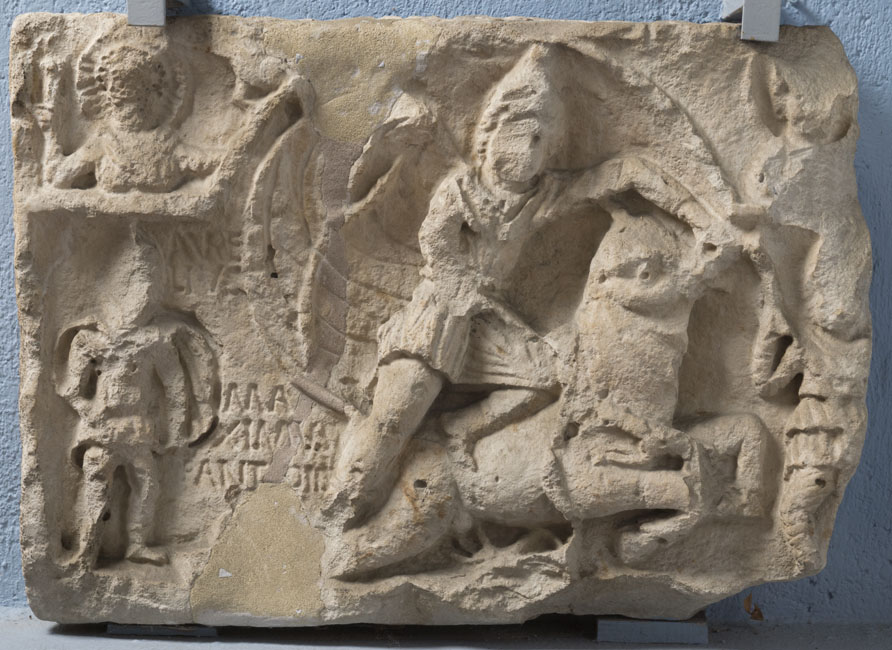
This relief of Mithras as a bullkiller was found in Golubić, Bosnia and Herzegovina, near a cementery.
Vermaseren noted in his Corpus that he had been informed of a fragmented relief of Mithras killing the bull in "the museum at Ghighen".
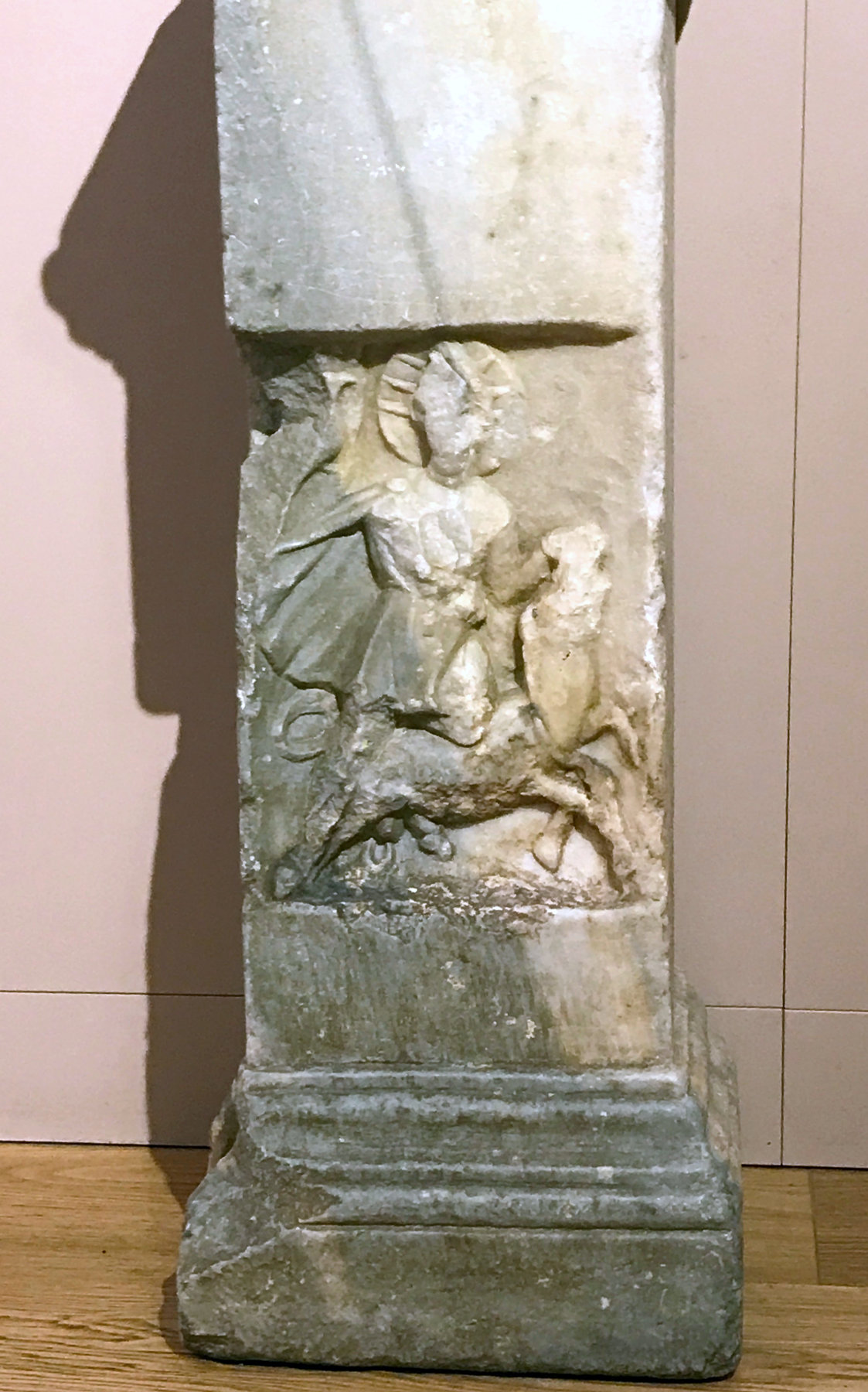
This low relief on an altar of Mithras killing the bull was found in a church in Pisignano, south of Ravenna.
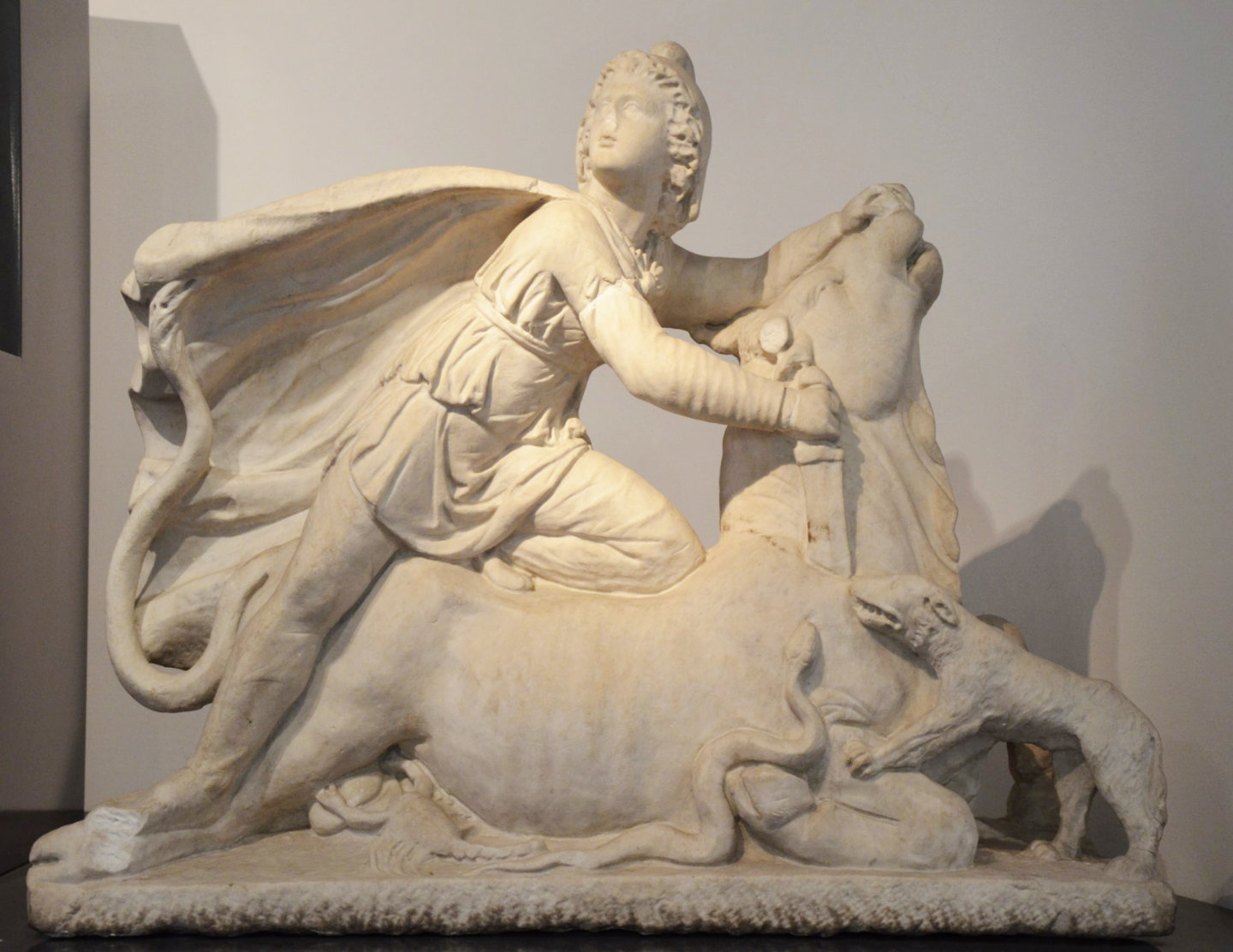
This statue of Mithras as a bullkiller was bought at Rome where it might be found.
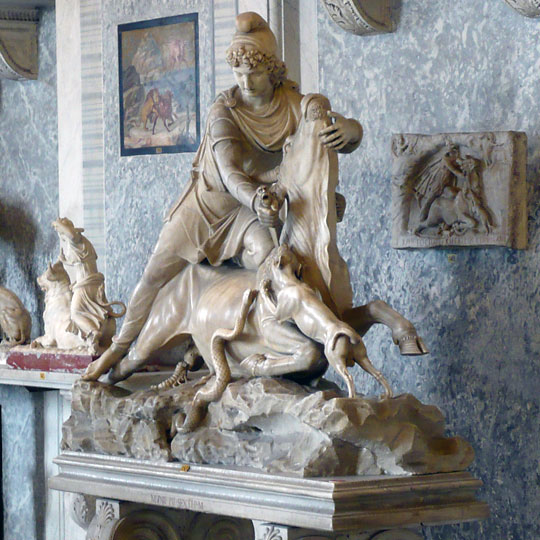
This Mithras killing the bull belonged to the sculptor V. Pancetti before being exhibited in the Vatican Museums under Pius VI.
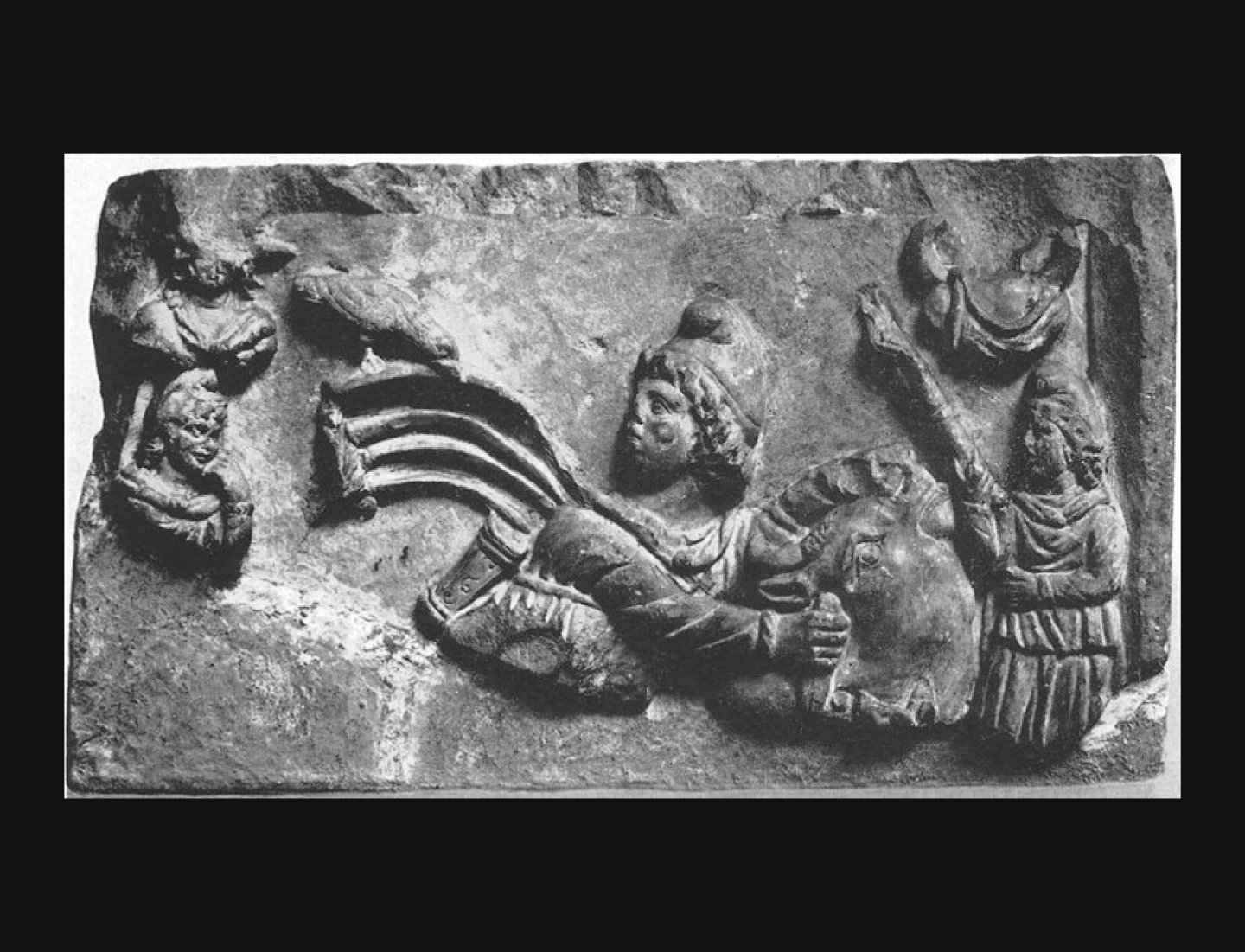
Franz Cumont bought this relief of Mithras as a bullkiller from a dealer who claimed to have found it in a vineyard near the church of Saint Pancrace, in Rome.
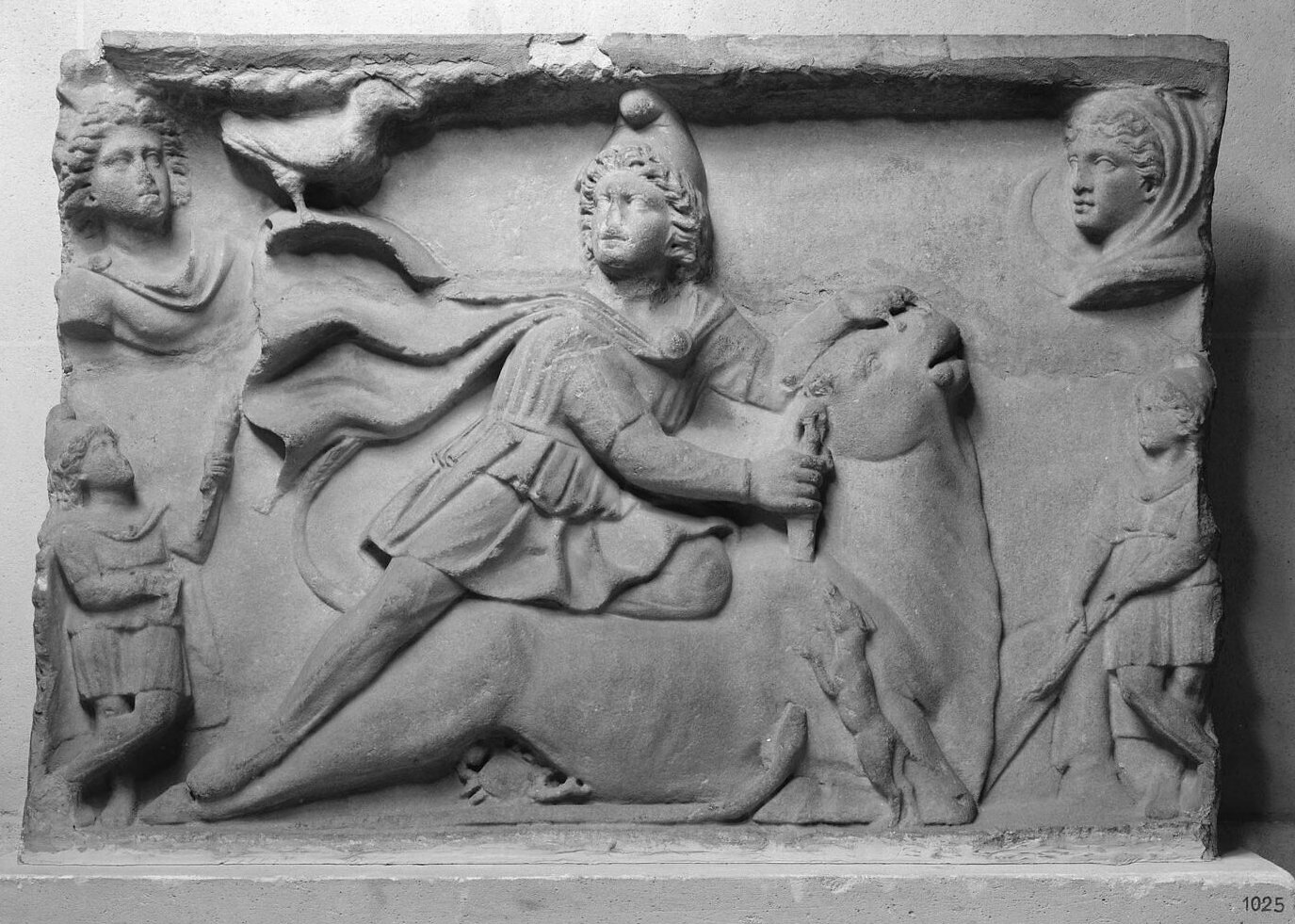
This is one of the three reliefs of Mithras as a bullkiller from the Villa Borghese collection that belong to the Louvre museum, now in the Louvre Abu Dhabi.
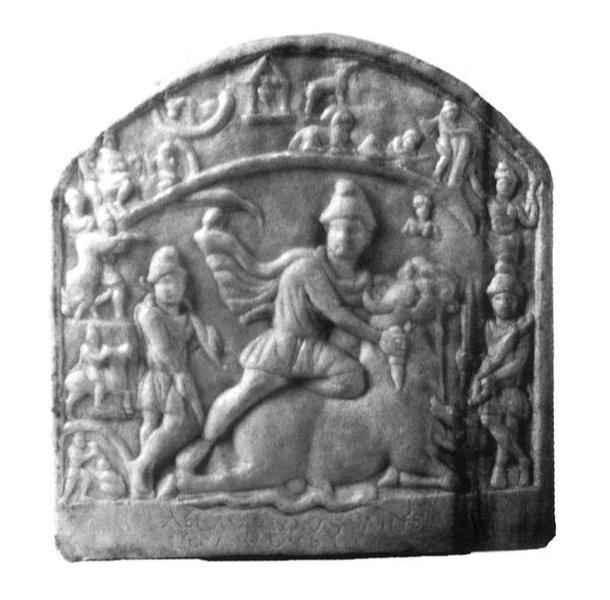
This small relief of Mithras killing the bull was found in 1859 in Turda, in the Cluj region of Romania.
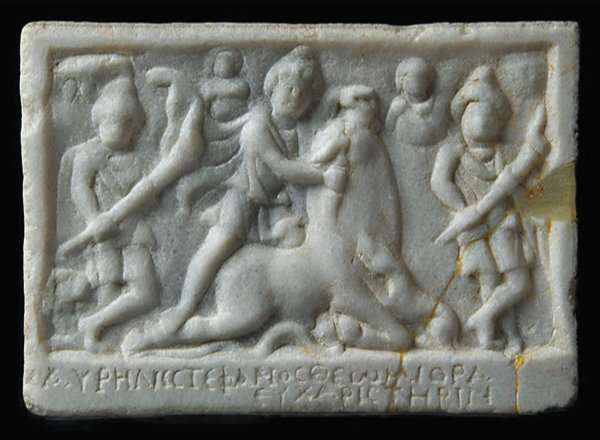
This relief of Mithras killing the bull is unique in the Apulum Mithraic repertoire because of its inscription in Greek.
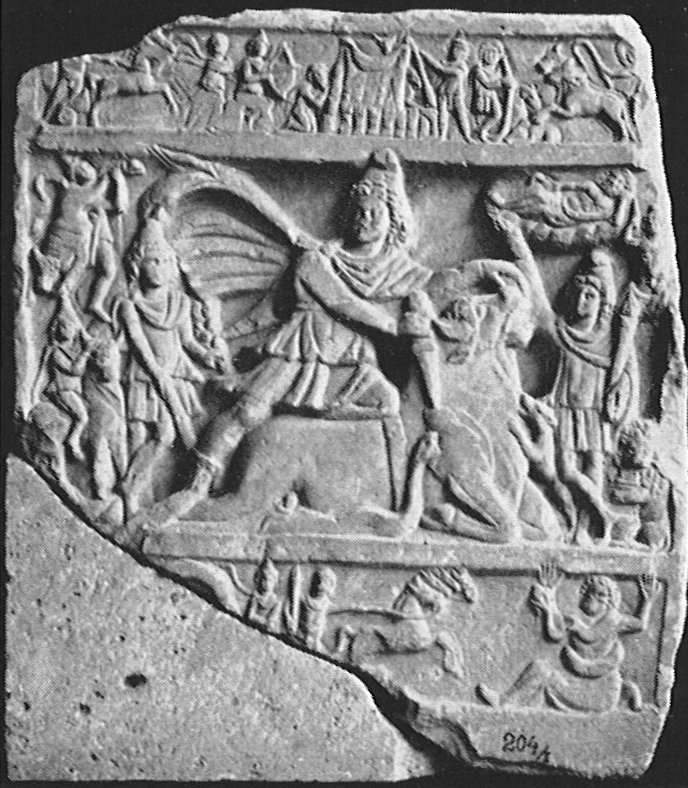
This relief of Mithras killing the bull from Apulum, now Alba Iulia, Romania, contains several scenes from the Mithras legend.
