Your selection in monuments gave 410 results.
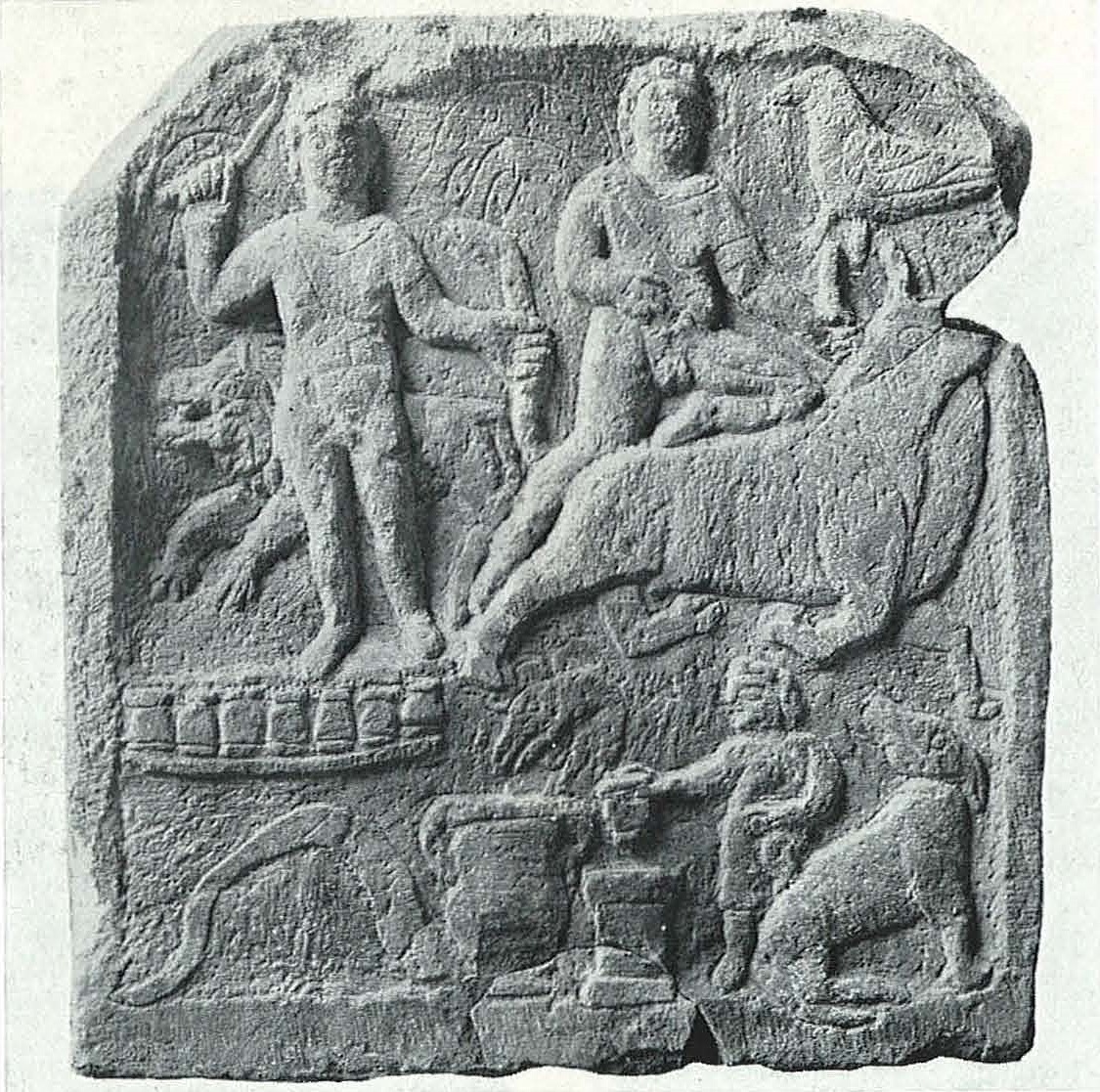
The Tauroctony from Landenburg, Germany, shows a naked Mithras only accompanied by his fellow Cautes.
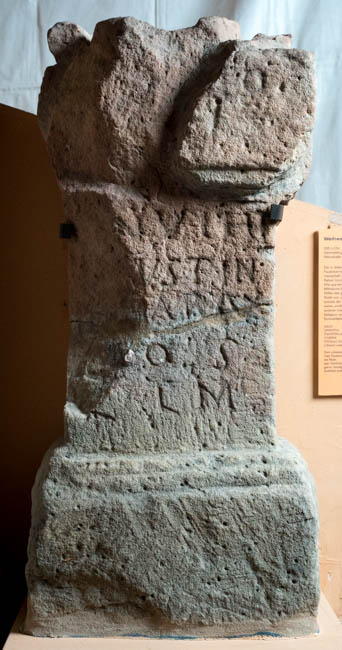
This sandstone altar was dedicated to the god Invictus by a certain Faustinus from Gimmeldingen.
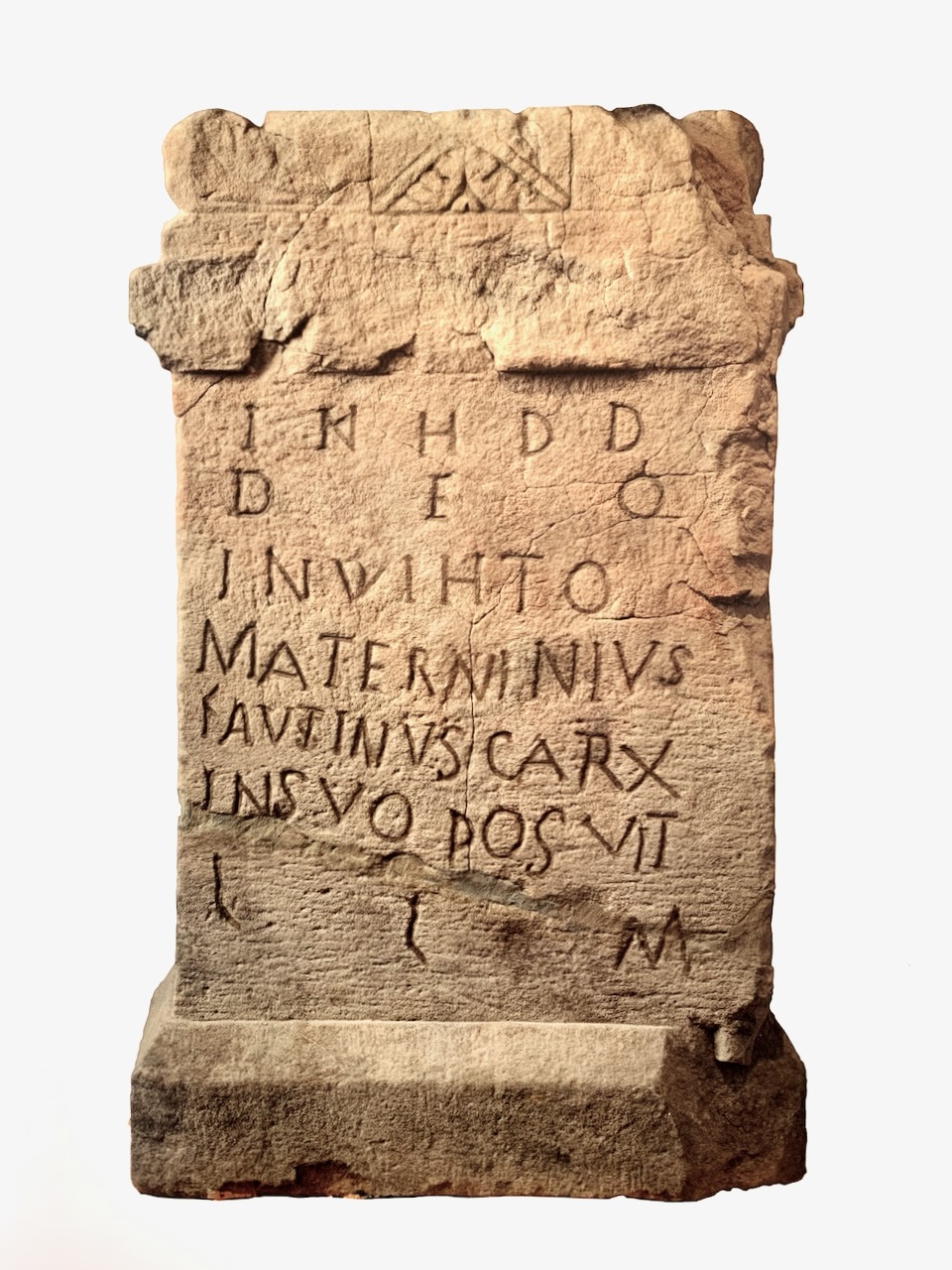
Corax Materninius Faustinus dedicated other monuments found in the same Mithraeum in Gimmeldingen.
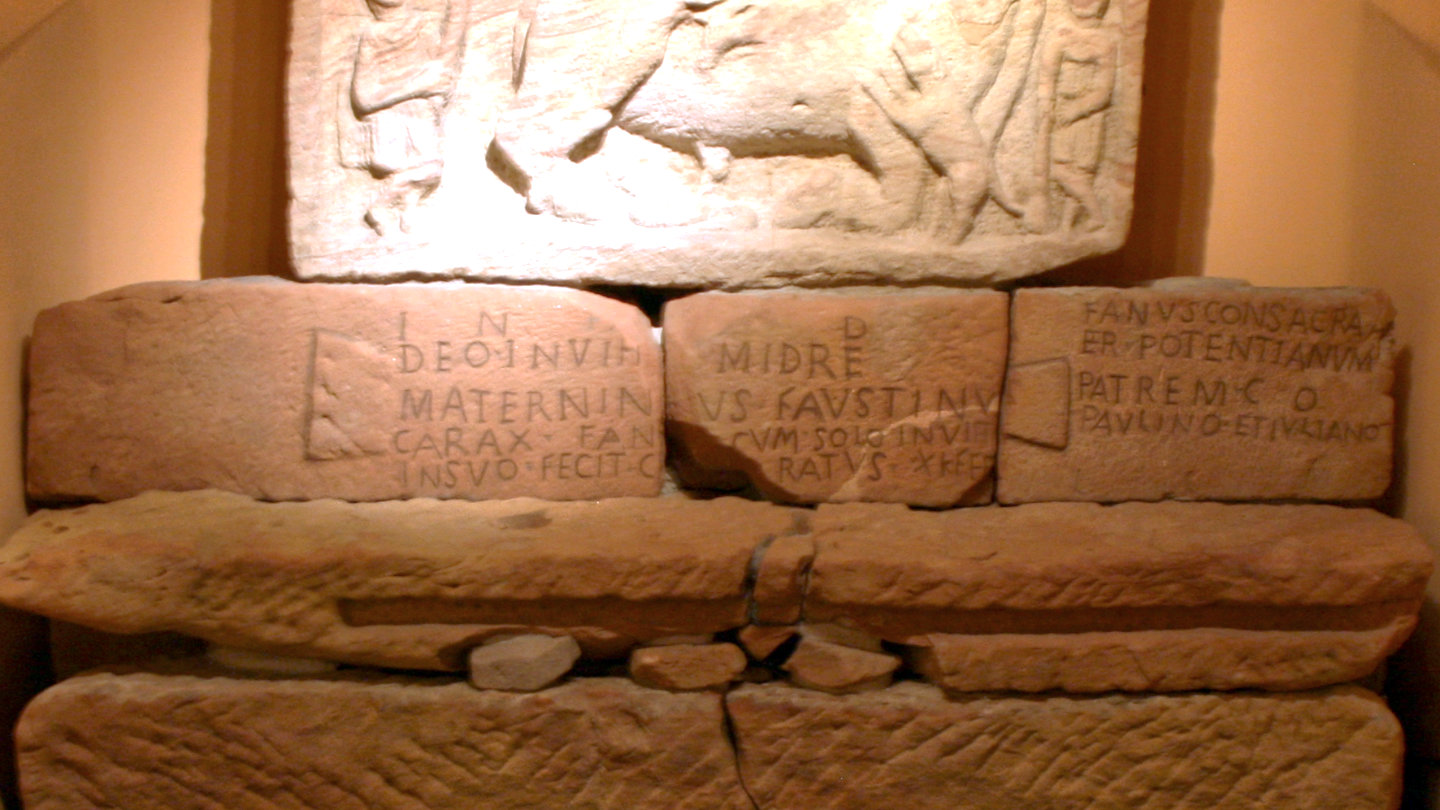
The inscription was located at the base of the main Tauroctony of the Gimmeldingen Mithraeum.
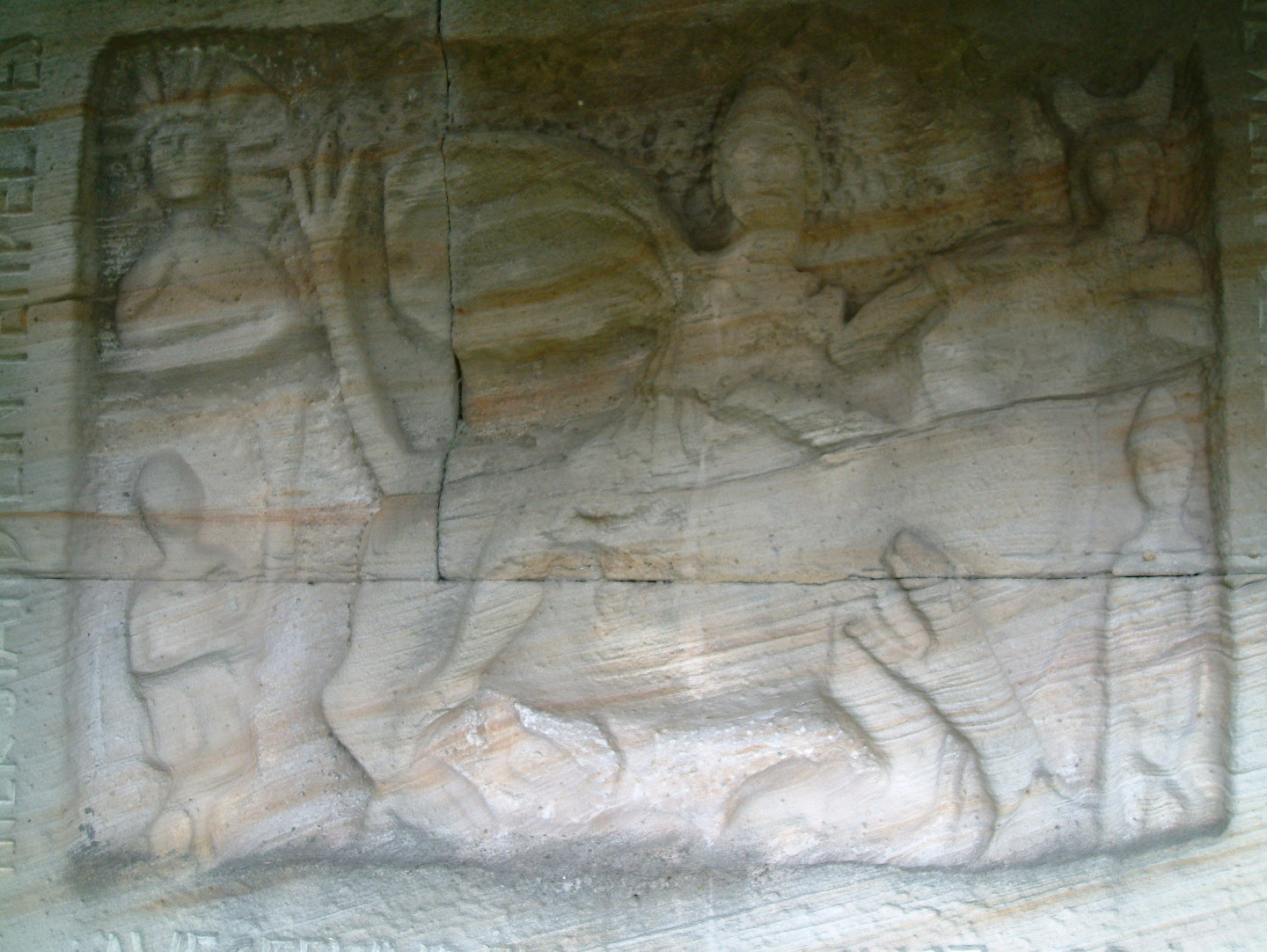
This relief of Mithras killing the bull found in Gimmeldingen, Germany, lacks the usual raven.
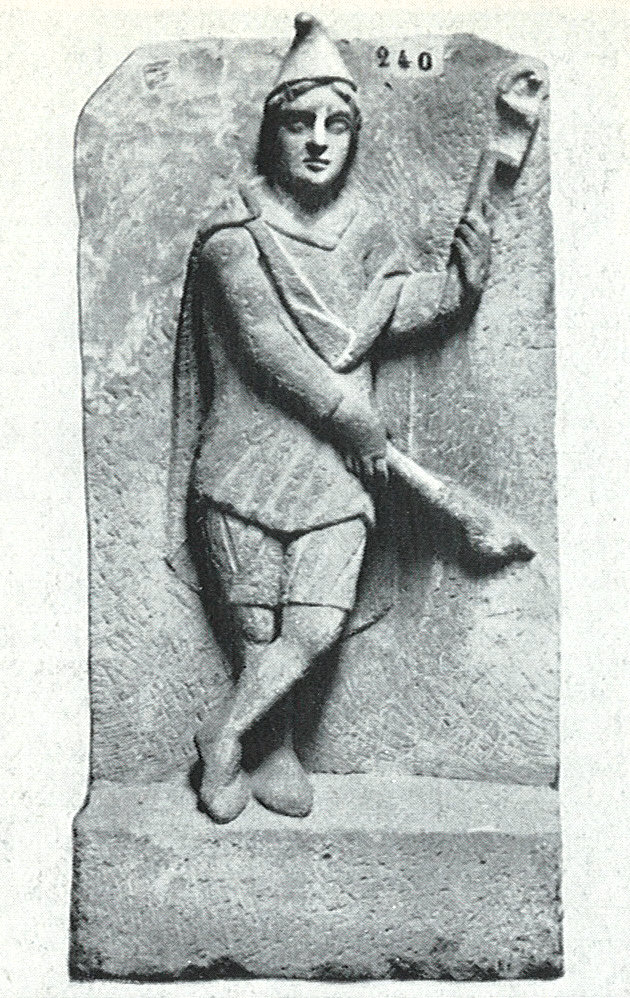
This Cautopates from Nida carries the usual downward torch in his right hand and a hooked stick in his left.
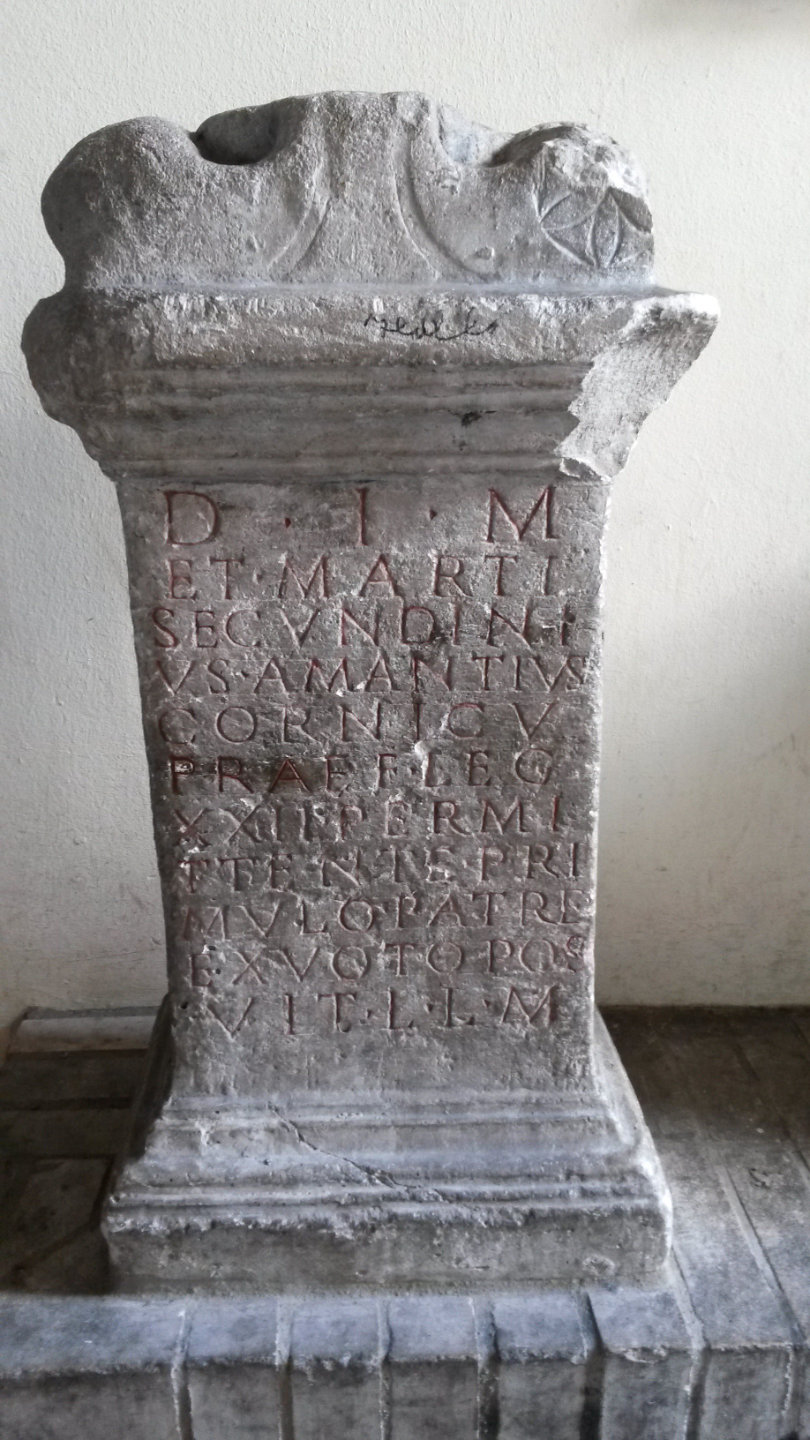
This altar has been unusually dedicated to both gods Mithras and Mars at Mogontiacum, present-day Mainz.
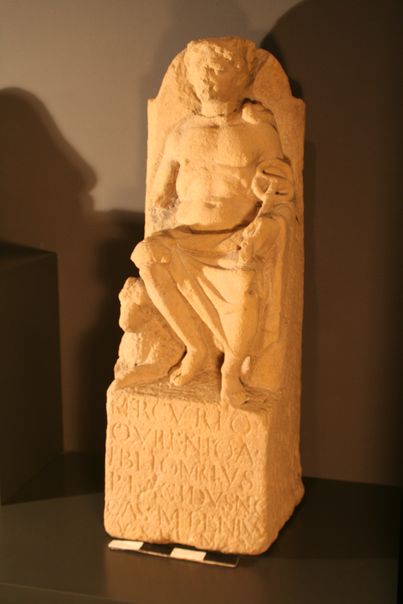
The statue was dedicated to Mercury Quillenius, an epithet used to refer to a Celtic god or the Greek Kulúvios.
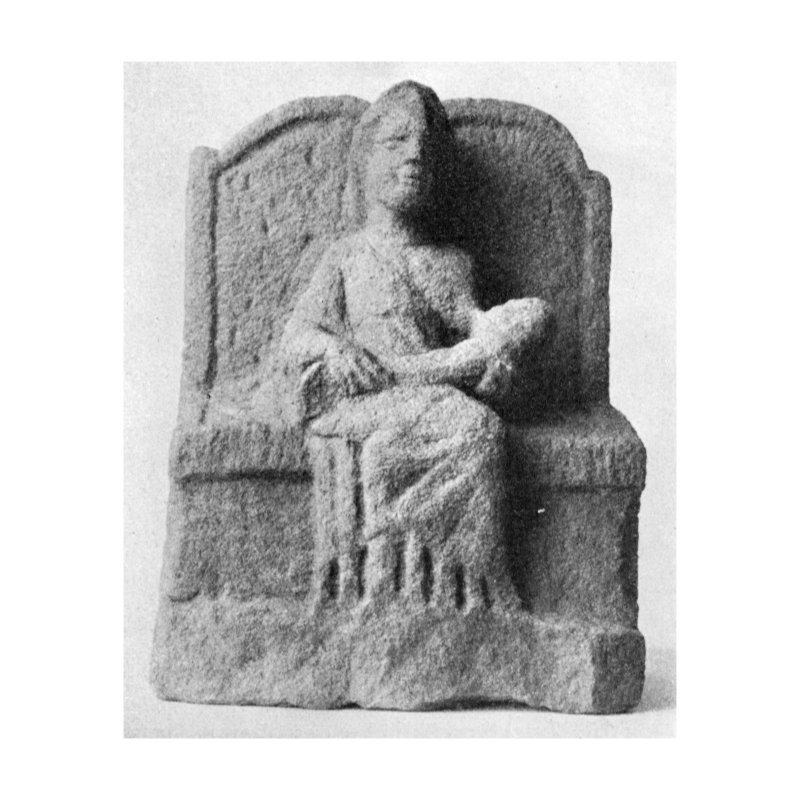
This unusual statue in Mithraic iconography of a mother nursing a child was found in the vestibule of the Mithraeum of Dieburg.

This remarkable double-sided relief depicts the myth of Mithras and the Tauroctony on one side, and a scene of Mithras the hunter and the banquet of Mithras and the Sol on the other.
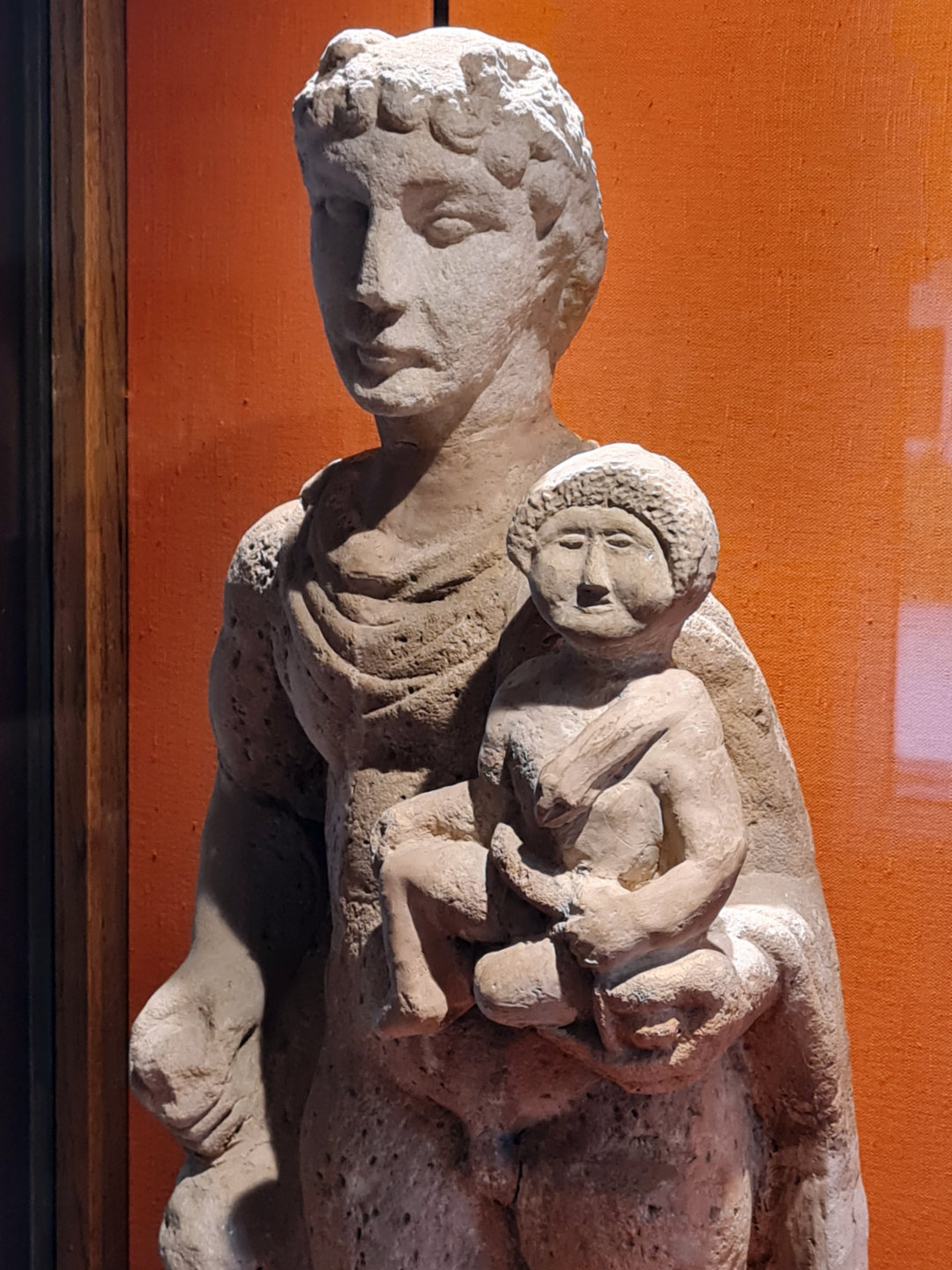
The Stockstadt Mercury carries a purse and a small child around which a snake is coiled.
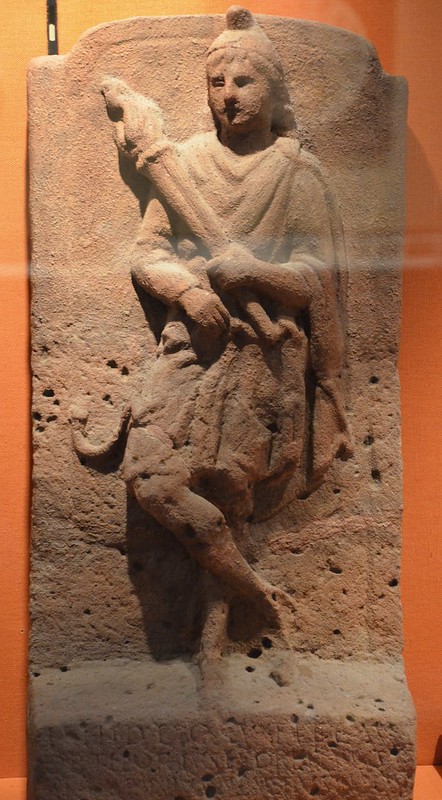
Reliefs of Cautes and Cautopates dedicated by Florius Florentius of Saalburg and Ancarinius Severus.
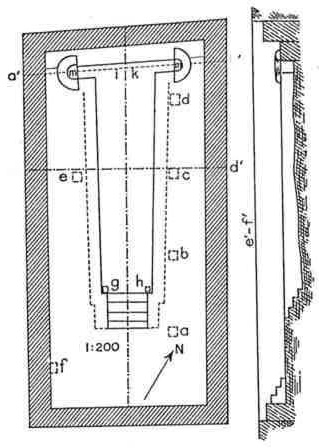
Mithraeum discovered in 1887–1888, located about 85 m north of the castellum at Ober-Florstadt, built on a hillside with a central aisle, benches, and an altar podium.
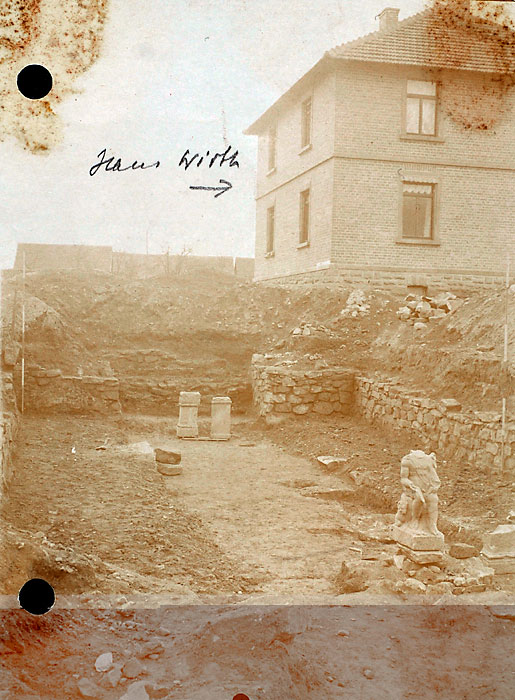
The Mithraeum I in Stockstadt contained images of Mithras but also of Mercury, Hercules, Diana and Epona, among others.

A fragmentary red sandstone relief preserves the upper part of three-headed Hekate holding a long object in her left hand.
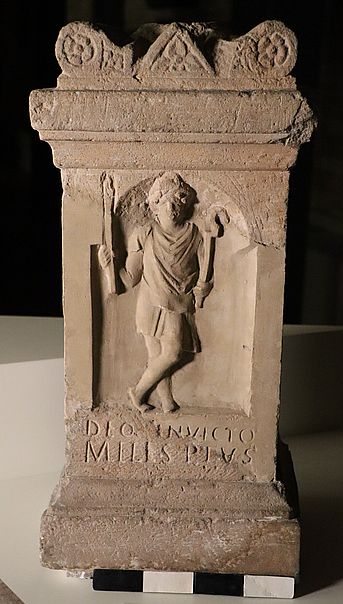
Small votive altar in white limestone from Aquae Mattiacae, dedicated to Deo Invicto by a miles pius. The top preserves the head of Cautes with his raised torch.
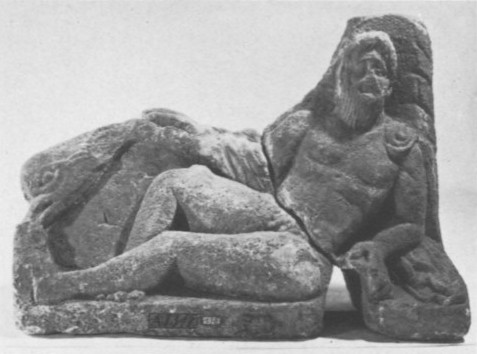
A small limestone altar from Bandorf near Oberwinter dedicated to Deo Invicto Regi. Found in an isolated structure not resembling a mithraeum, its function remains uncertain.
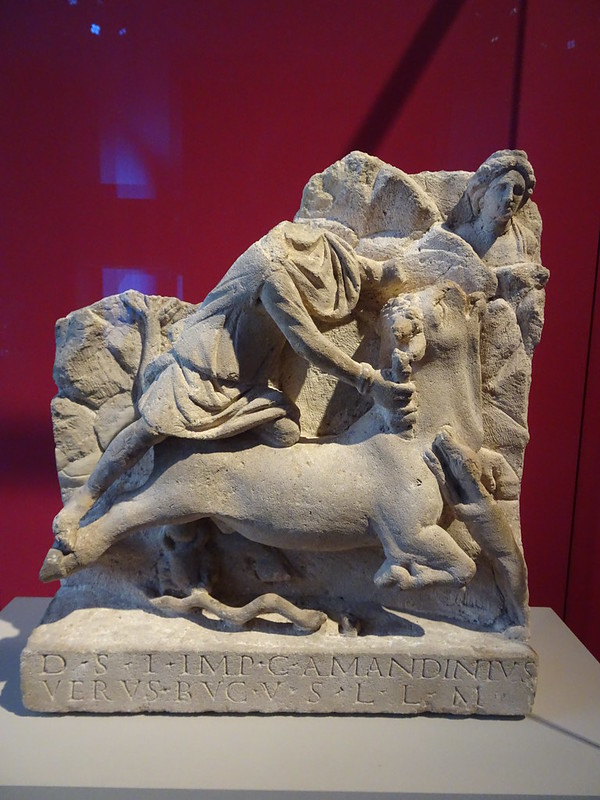
The sculpture of Mithras slaying the bull found in Dormagen is exposed at Bonn Landesmuseum.
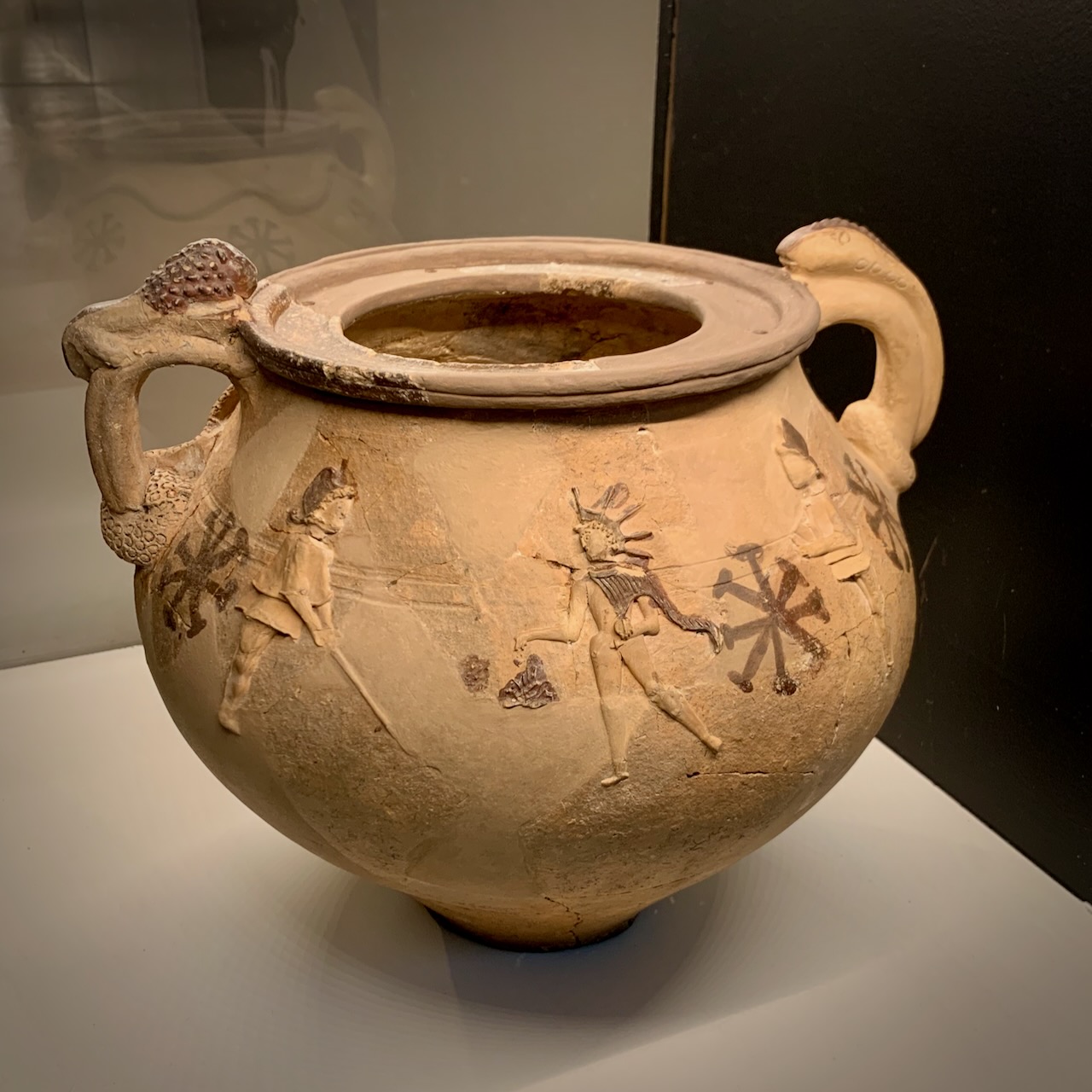
The Mithraic vase from Colonia Claudia Ara Agrippinensium in Germany includes Sol-Mithras between Cautes and Cautopates, as well as a serpent, a lion and seven stars.
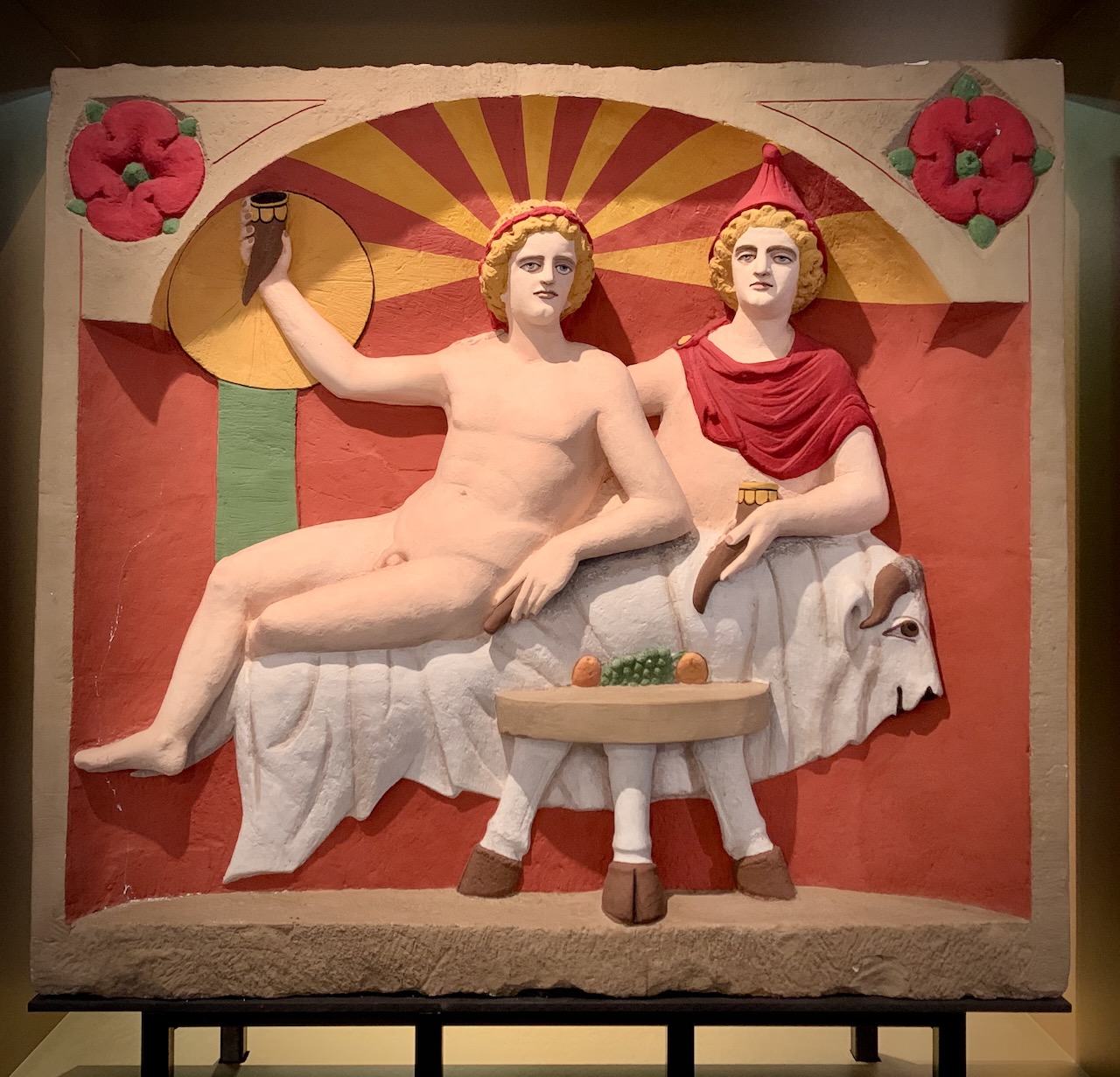
Bas-relief depicting a naked Sol leaning over his fellow Mithras while raising a drinking horn during the sacred feast.
