Your selection in monuments gave 63 results.
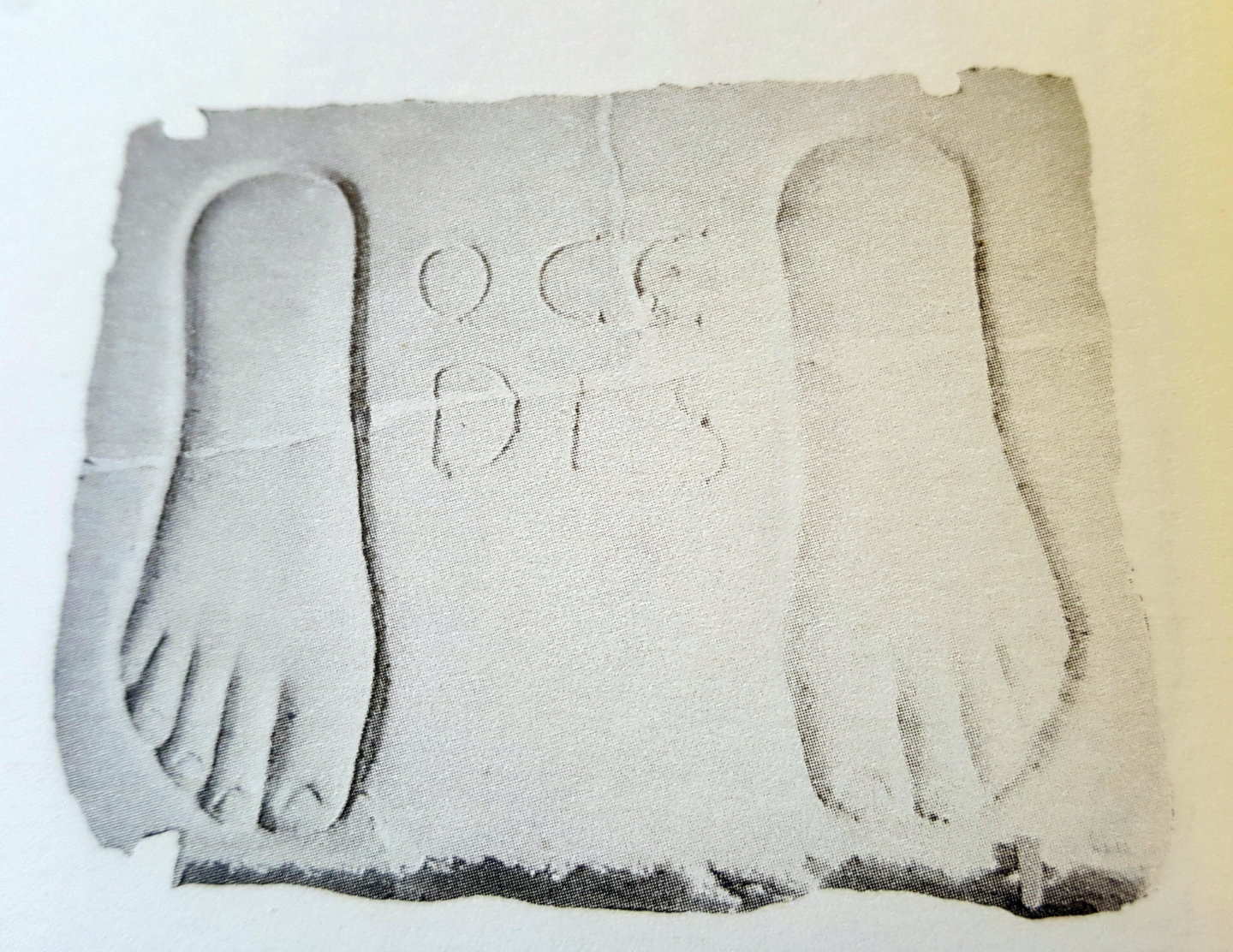
Recent interpretations link this marble inscription to the cult of the goddess Nemesis.
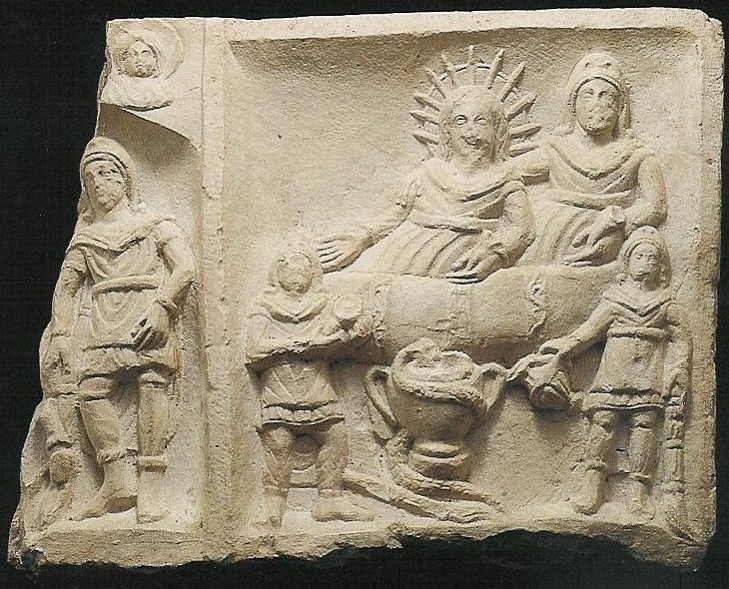
The remains of the mithraic triptic of Tróia, Lusitania, were part of a bigger composition.
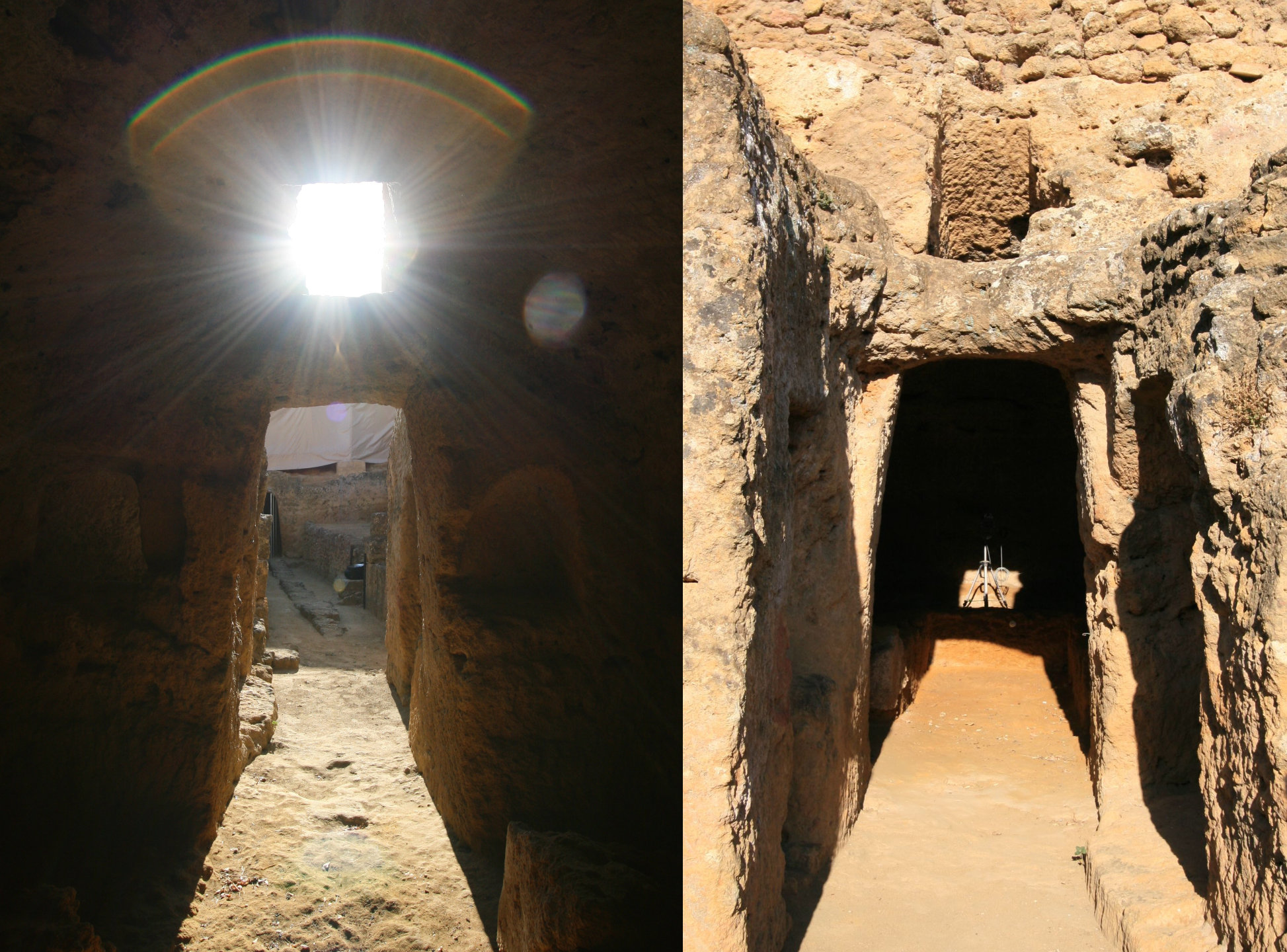
Set in a Roman necropolis, the so-called Mithraeum of the Elephant takes its name from an elephant statue found in one of the tombs.
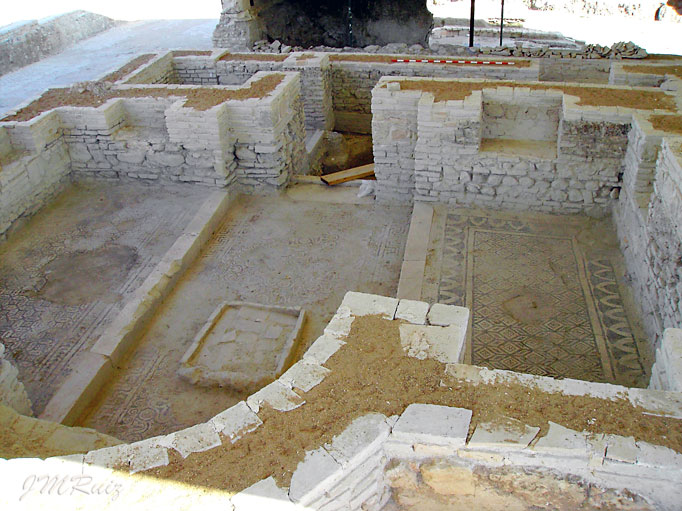
One of the rooms of the villa has been interpreted as a mithraeum, but we do not have enough evidence to confirm this.
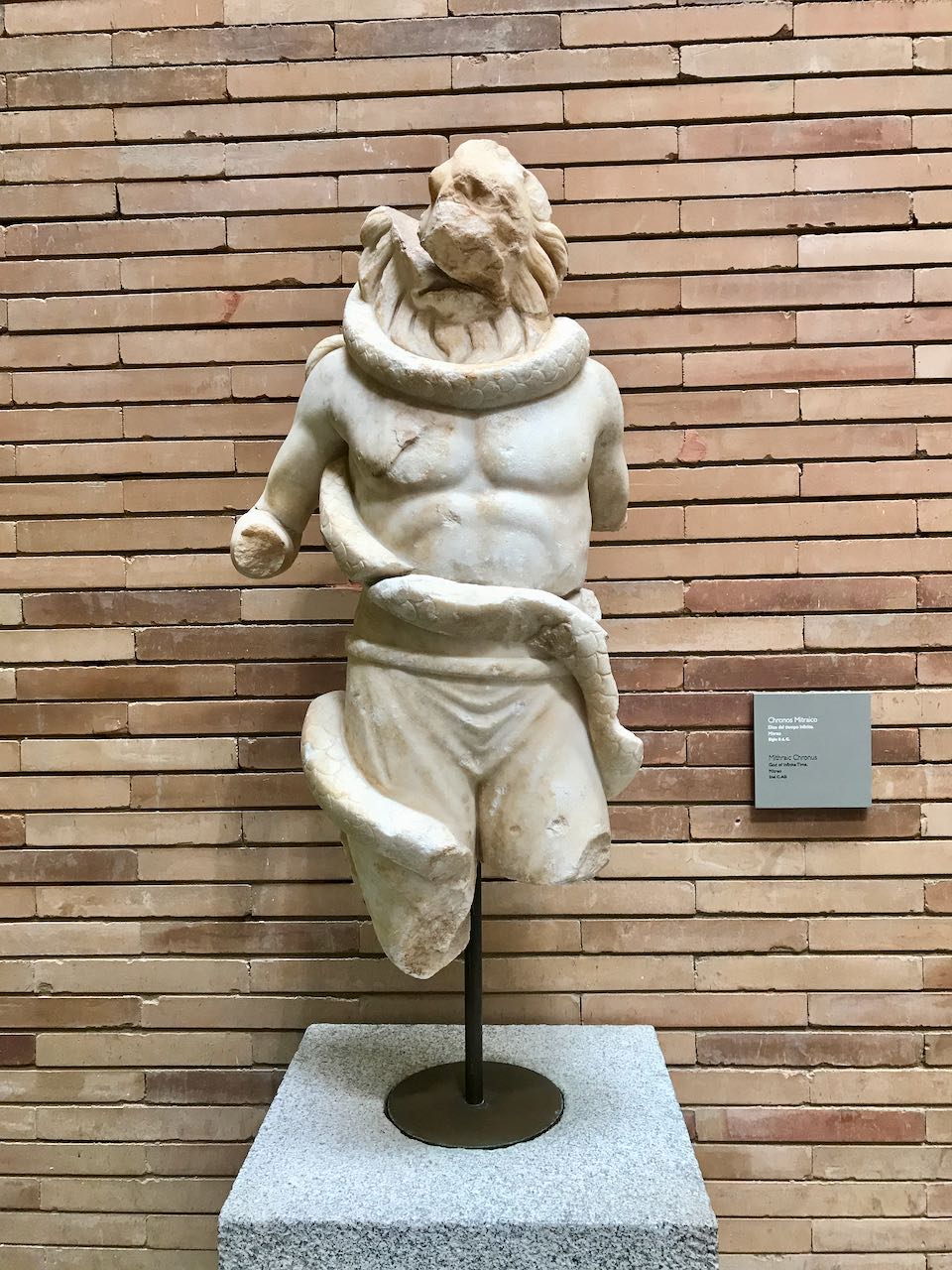
The lion-headed figure, Aion, from Mérida, wears oriental knickers fastened at the waist by a cinch strap.
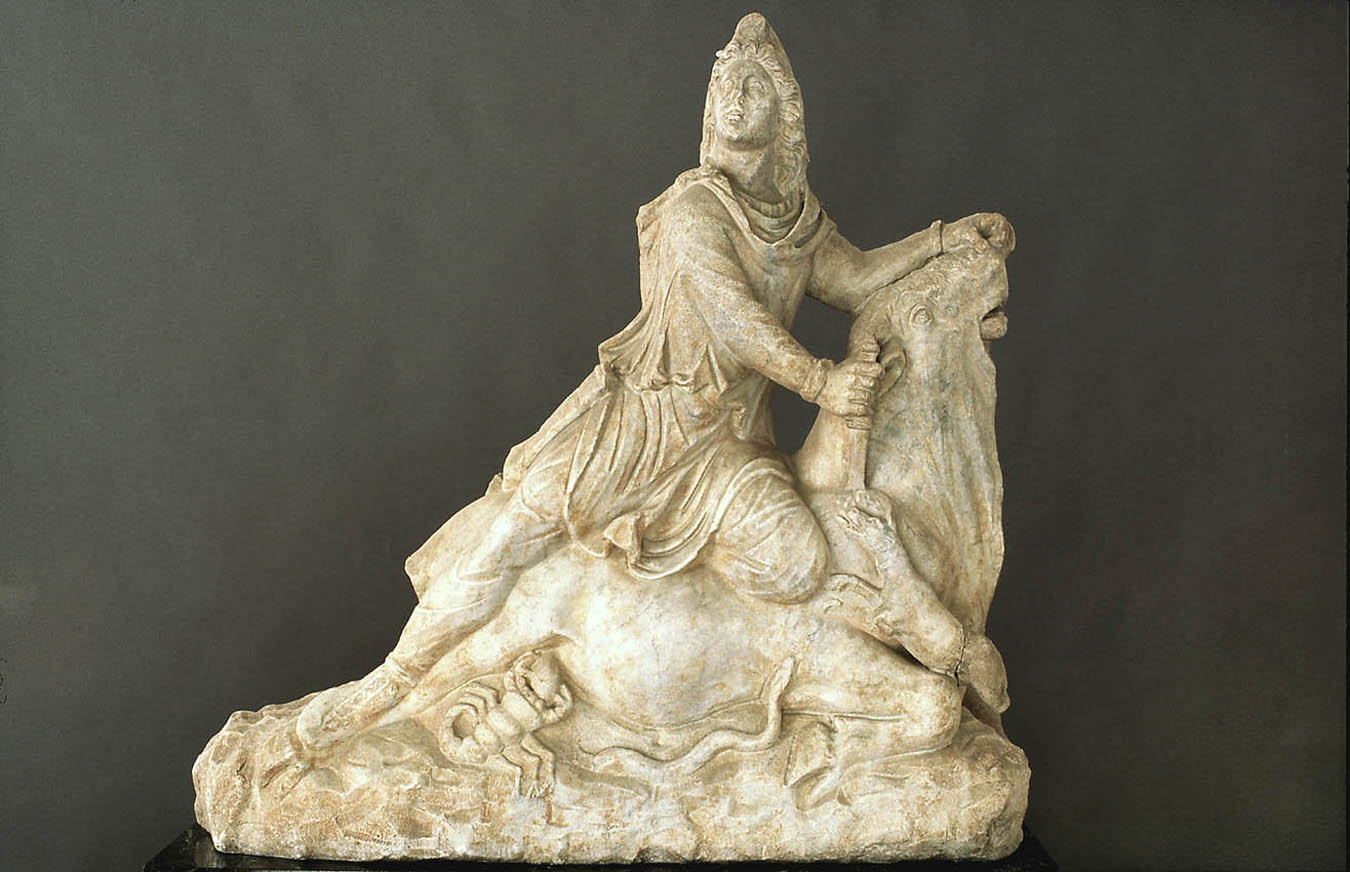
The Mithras of Cabra is the only full preserved Tauroctony sculpture found in Spain yet.
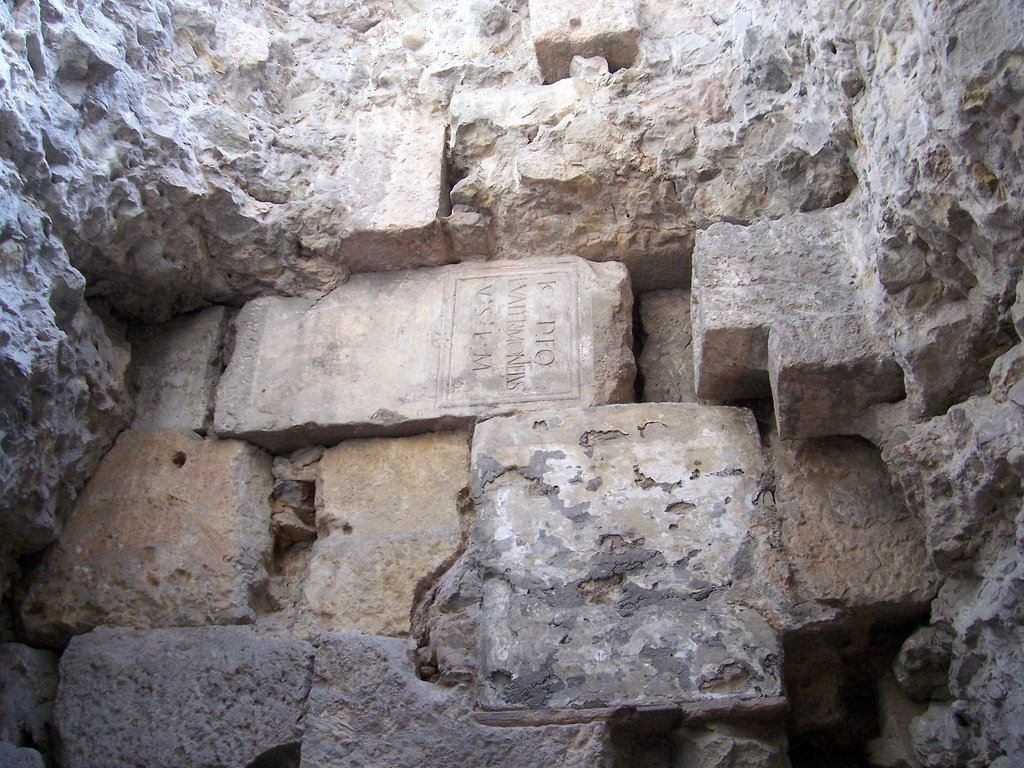
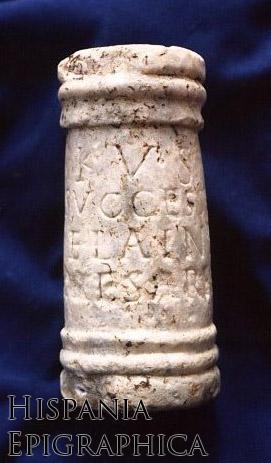
This altar was dedicated to Cautes by a certain Lucius in Baetulo (Badalona), near Barcino (Barcelona).
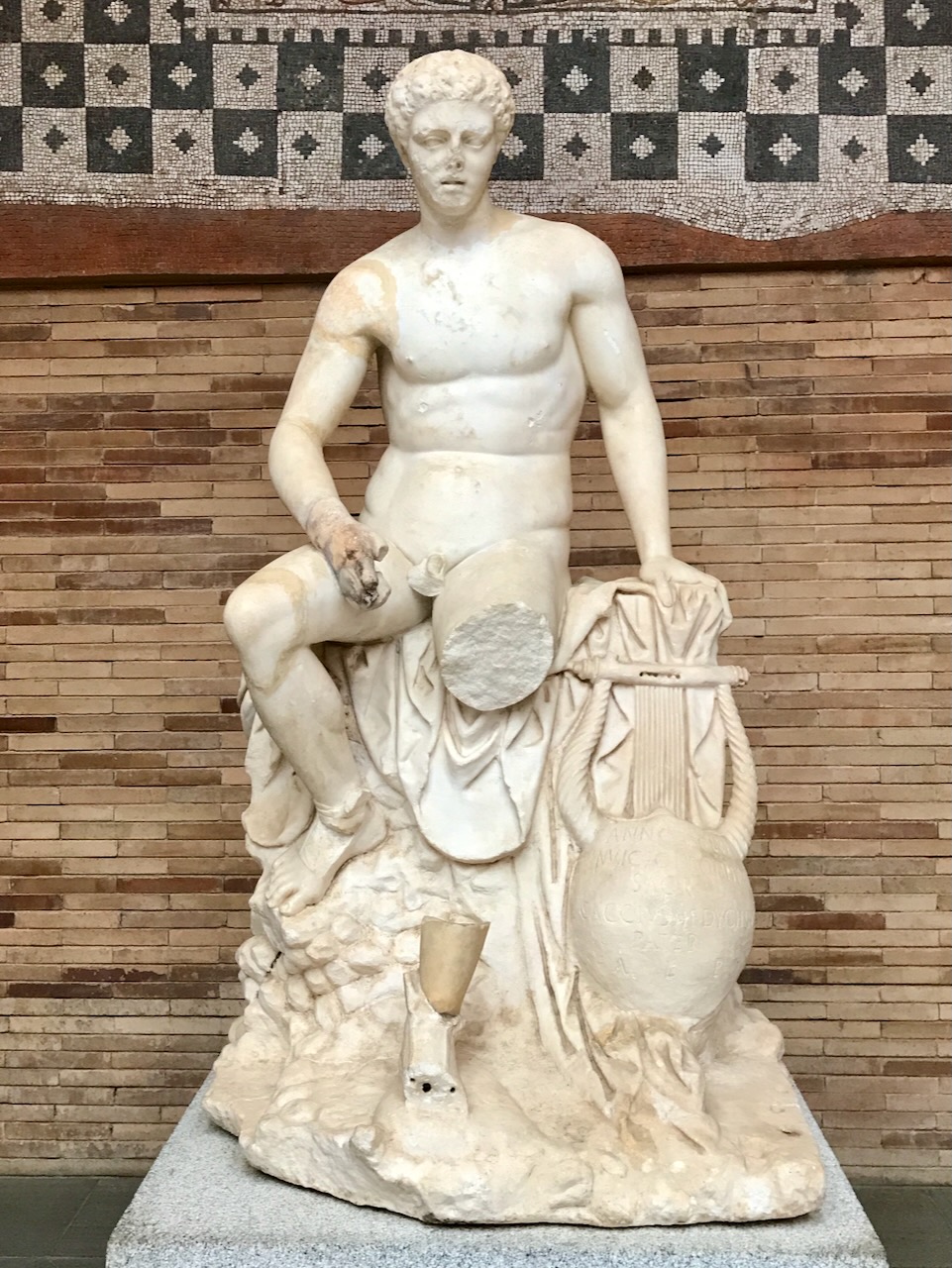
The statue of Mercury in Merida bears a dedication from the Roman Pater of a community in the city in 155.
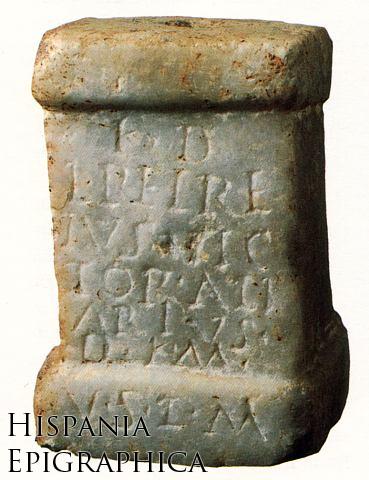
Small arula with mithraic inscription and dedication to Cautes from a garlic merchant.

This altar, which has now disappeared, was dedicated by the slave Quintio for the health of a certain Coutius Lupus.
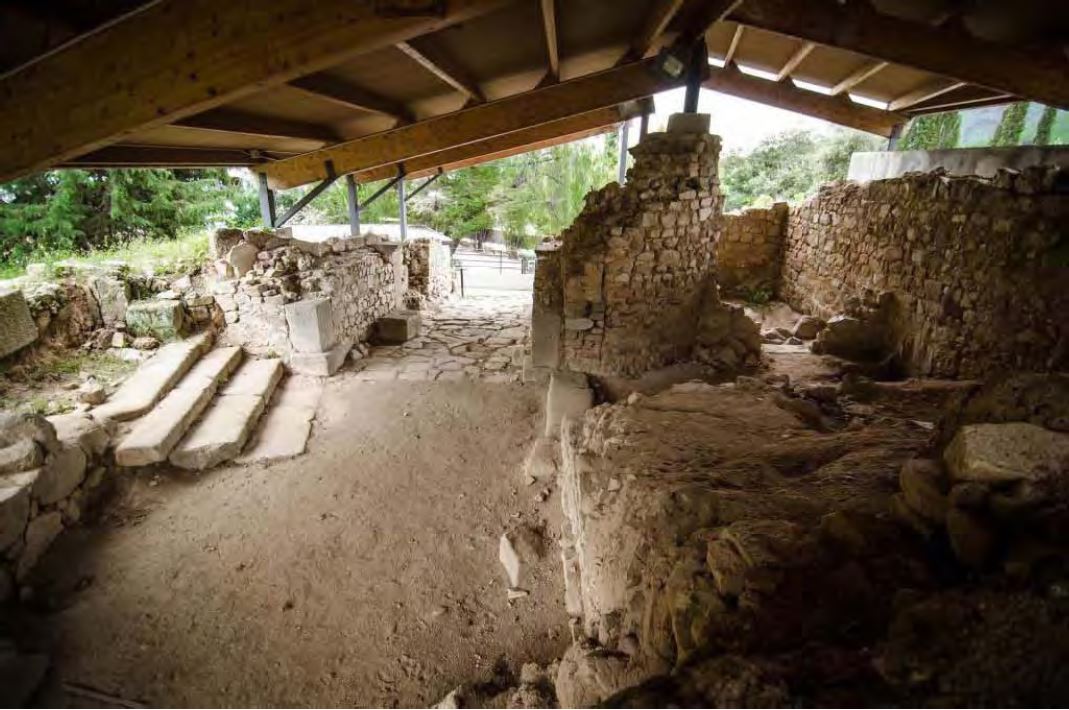
The Roman villa of Can Molodell had a sanctuary that has been related to the cult of Mithras.
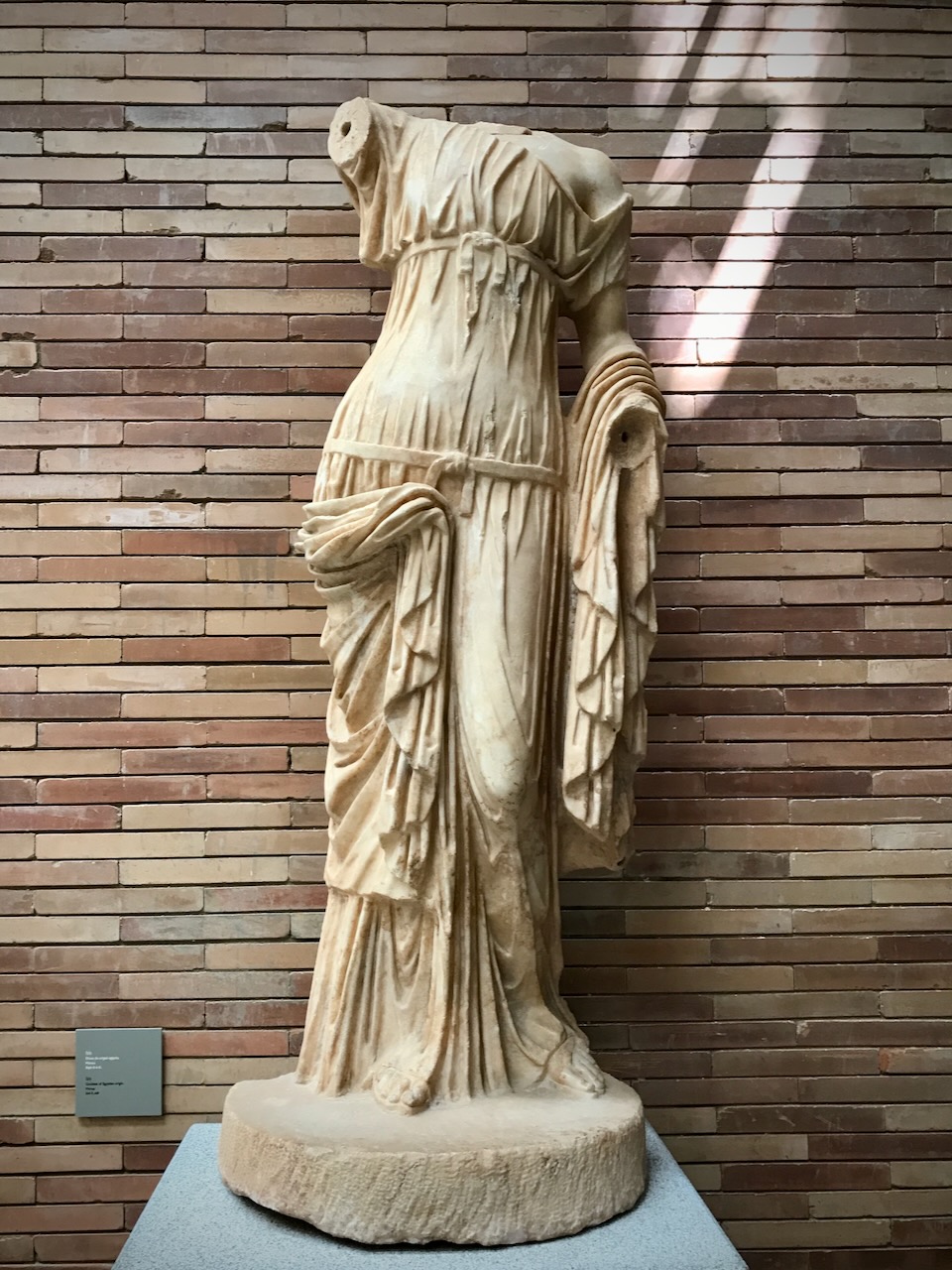
The Isis of Merida is covered by a long dress that reaches down to her feet.
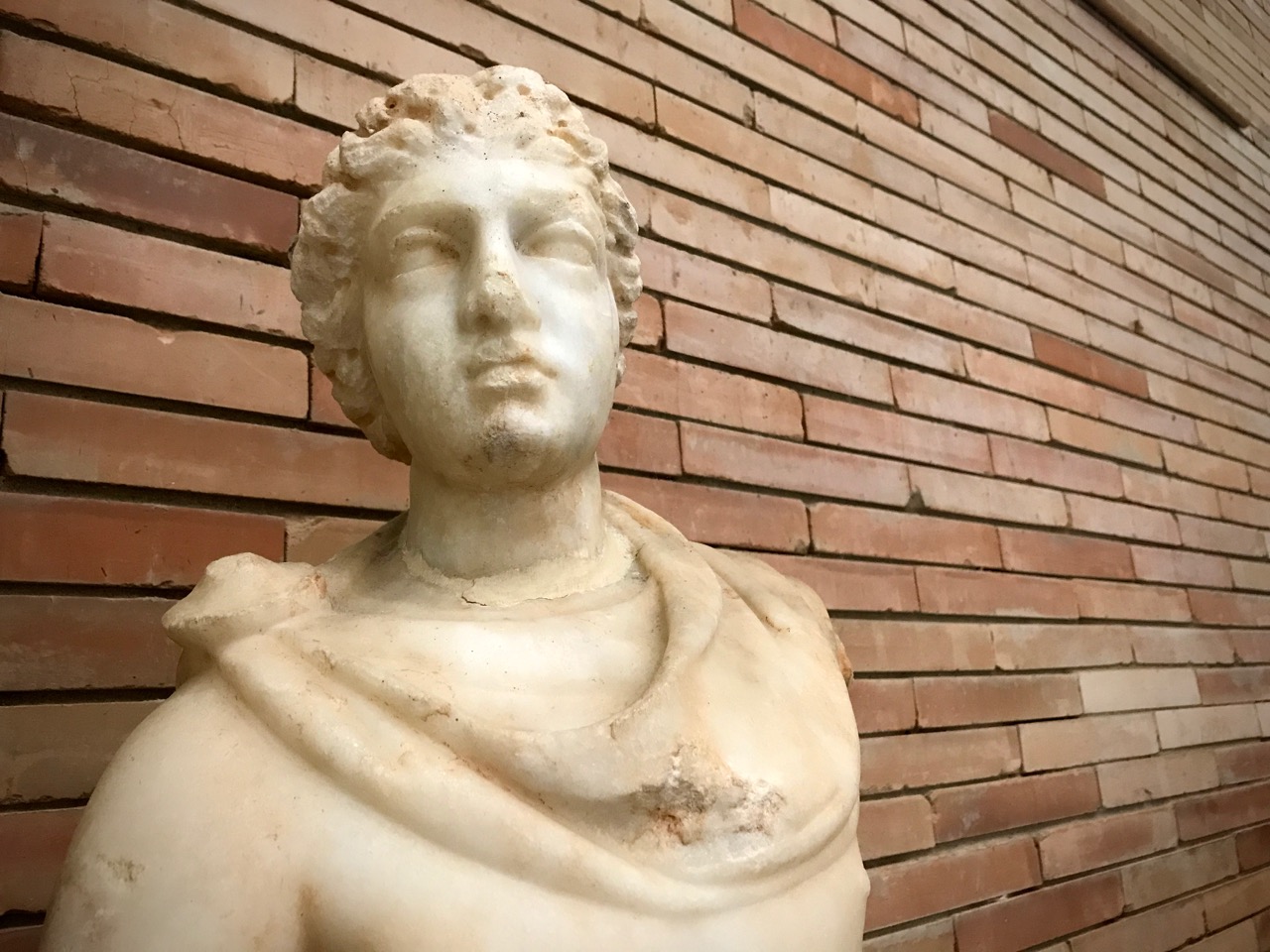
The sculpture of the solar god is signed by its author, Demetrios.
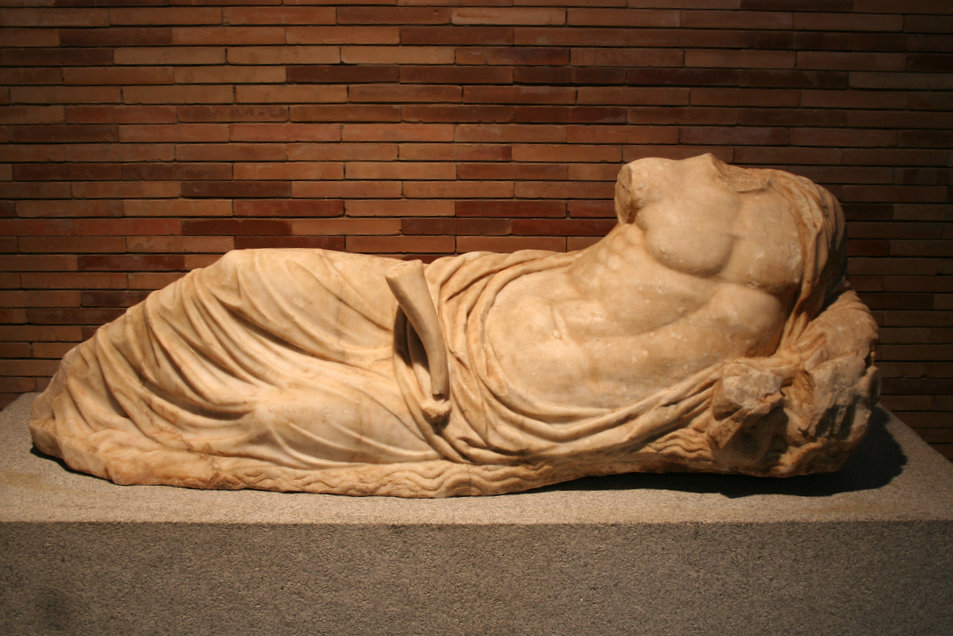
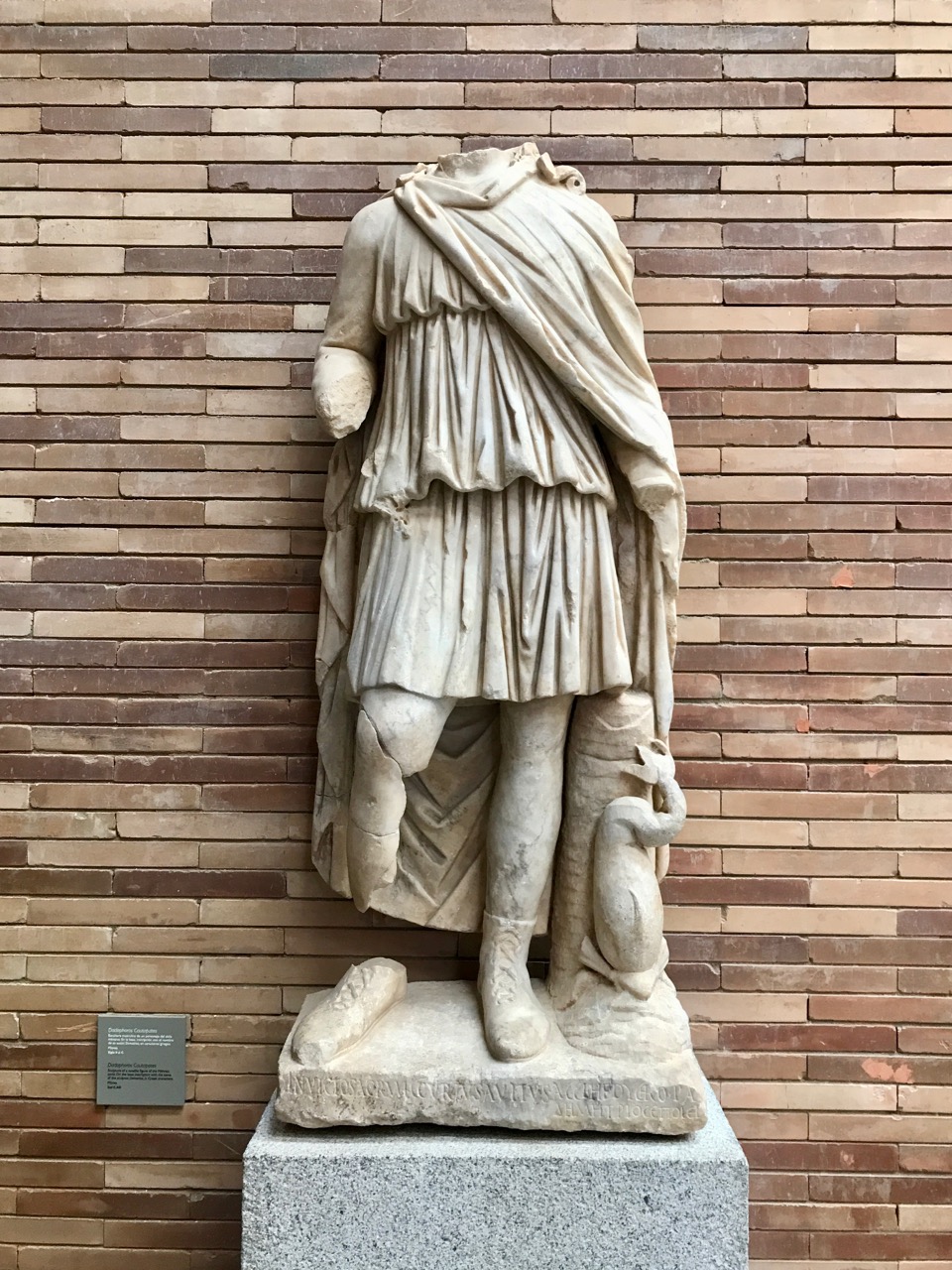
The sculpture of Oceanus in Merida bears an inscription by the Pater Patrorum Gaius Accius Hedychrus.
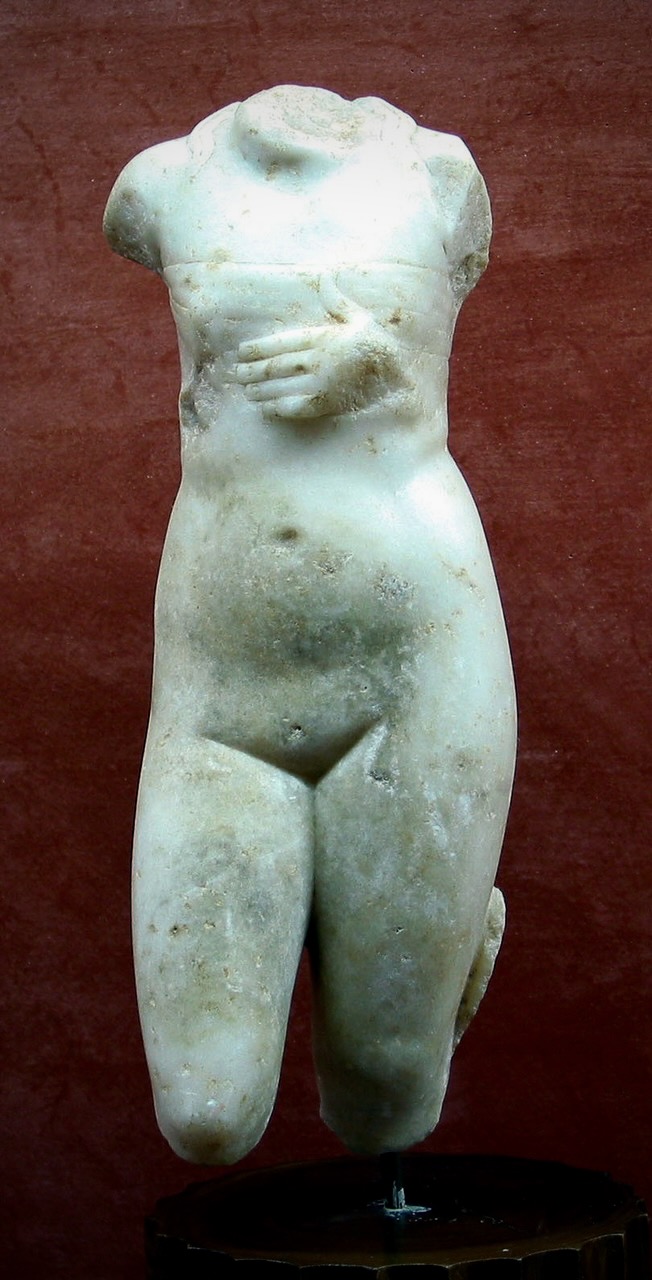
The lack of attributes and its decontextualisation prevent us from attributing a specific Mithraic attribution to this small Venus pudica from Mérida.
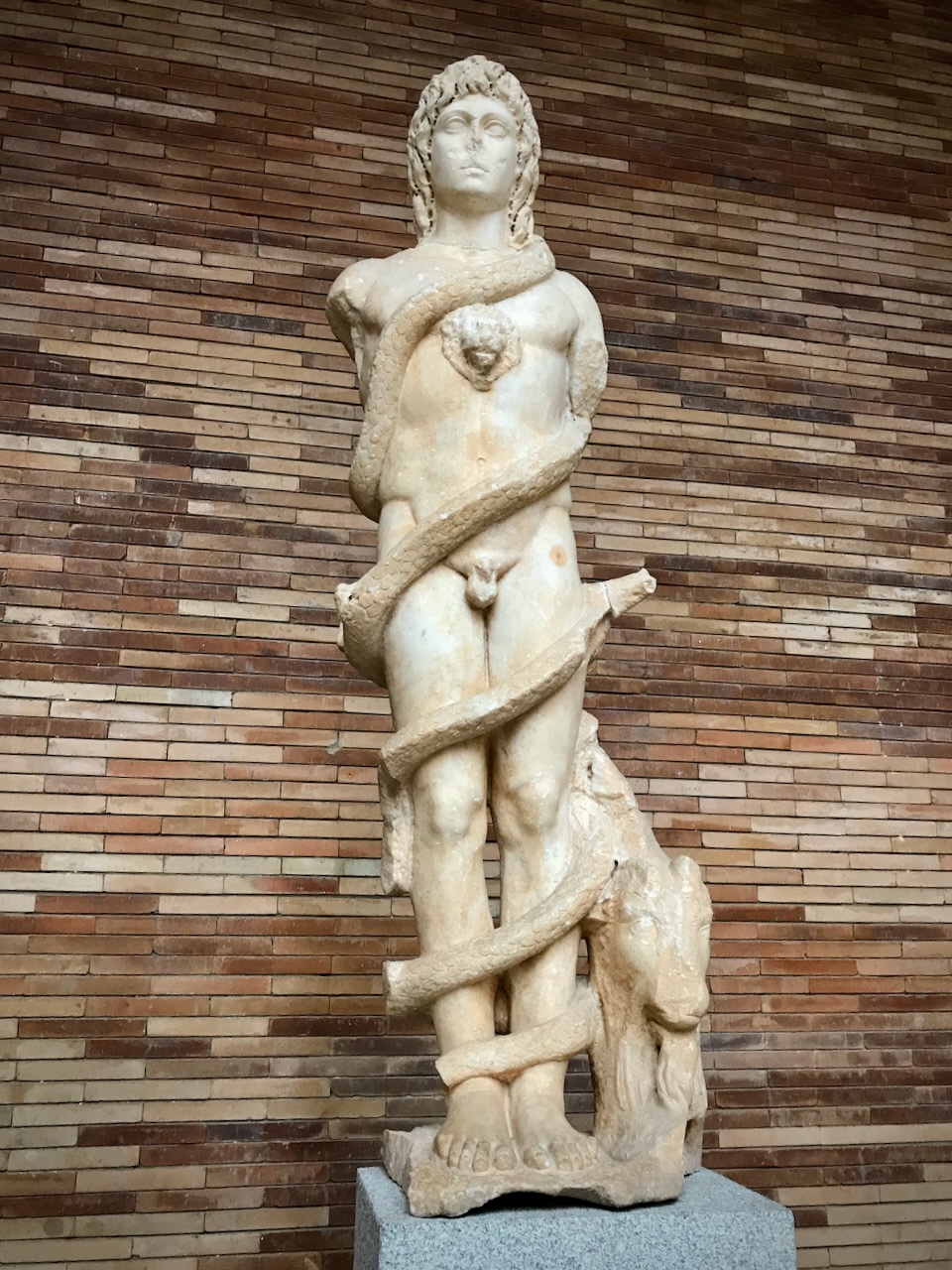
The Aion-Chronos of Mérida was found near the bullring of the current city, once capital of the Roman province Hispania Ulterior.
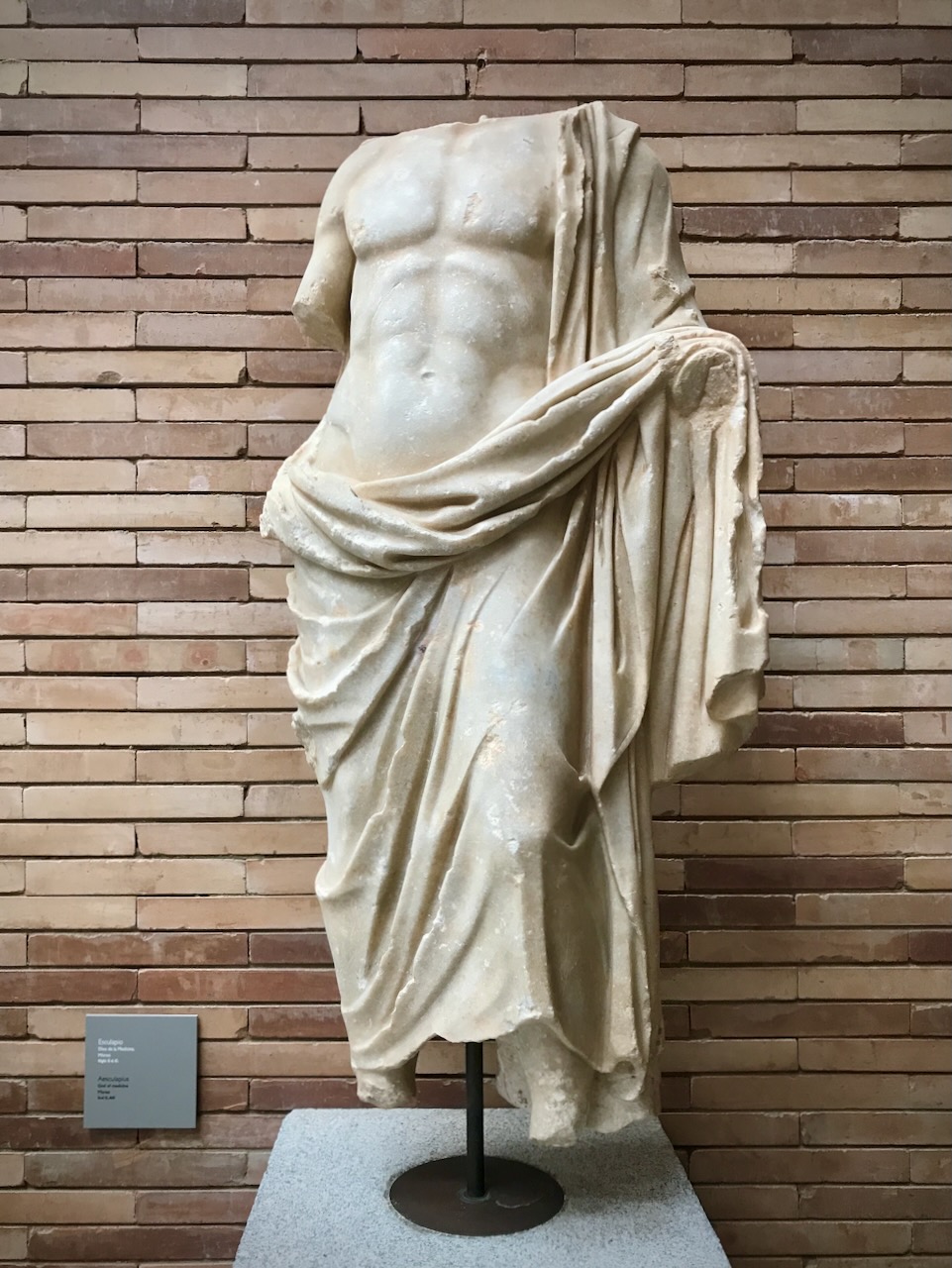
This standing sculptural figure from Mérida appears to carry the serpent staff, characteristic of the medicine god Aesculapius.
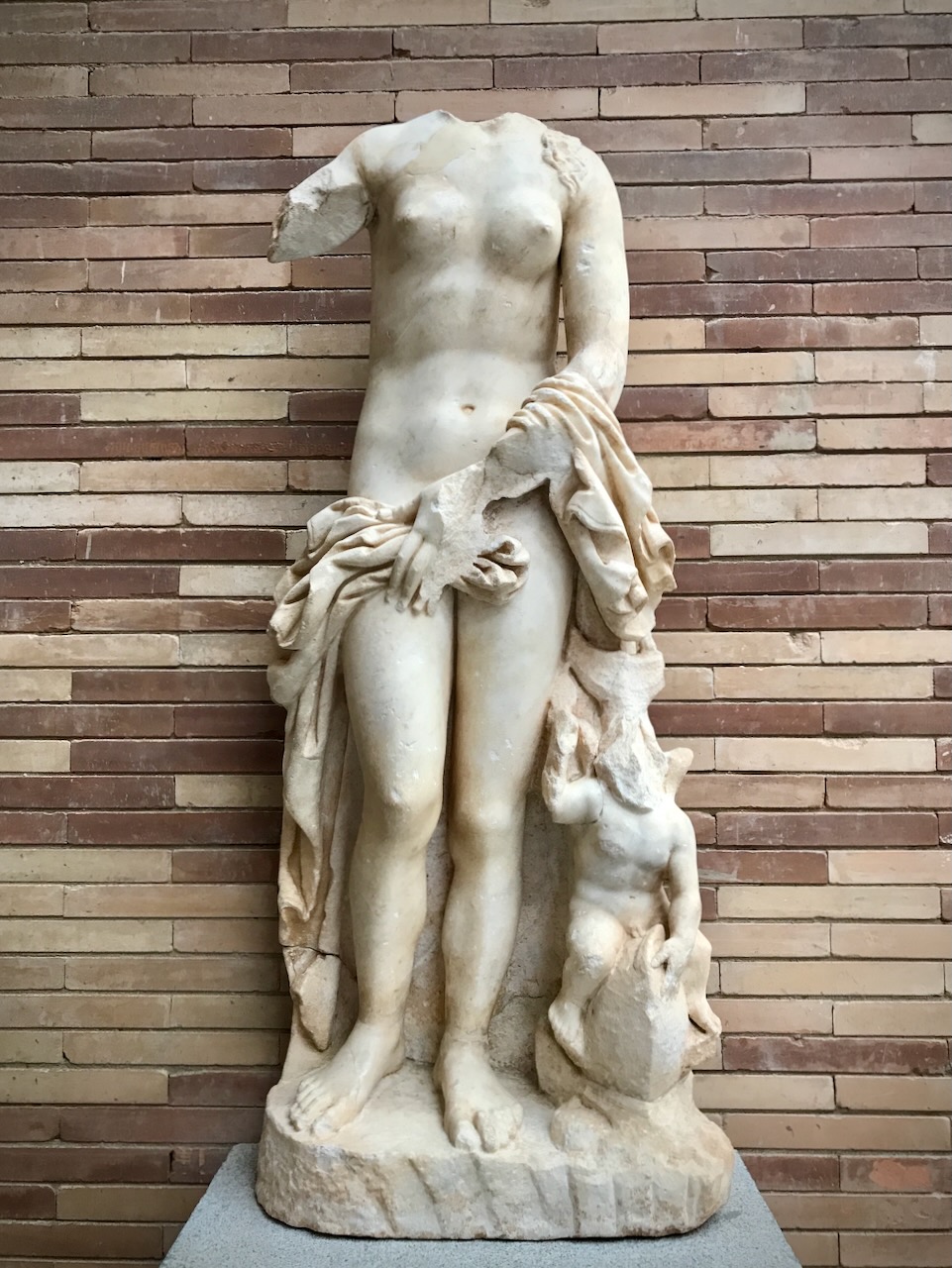
The Venus pudica of Merida stands next to the young Amor riding a dolplhin.