Your selection in monuments gave 431 results.
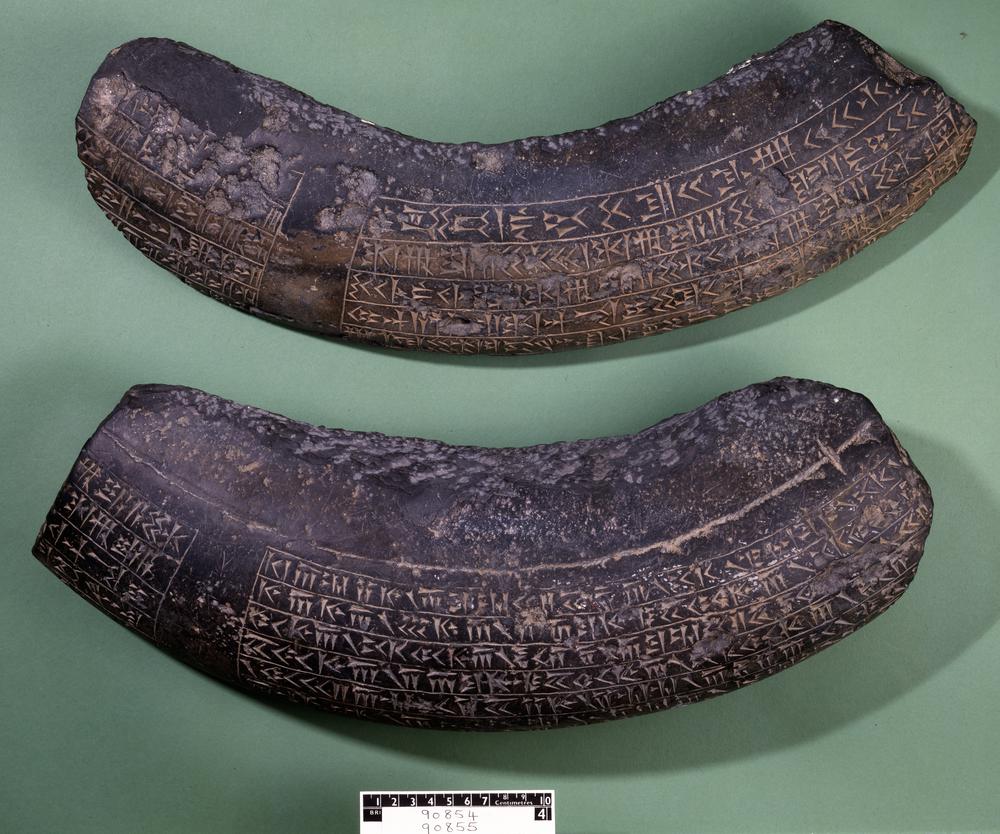
The base of the column bears an inscription that records the rebuilding of a palace at Ectabana ’by the favour of Ahuramaza, Anahita and Mithra’.

This dedicatory inscription by Aurelius Seleucus, found in Cilicia, aligns with Plutarch’s account of Cilician pirates performing foreign sacrifices and secret rites of Mithras.

Greek ritual graffito scratched on wall plaster in the Mithraeum of Dura-Europos, mentioning the “fiery exhalation” and the “sacred nitre” of the Magi.
Fragmentary Greek graffito from Dura-Europos recording the prices of everyday goods such as wine, meat, wood and lamp wicks.
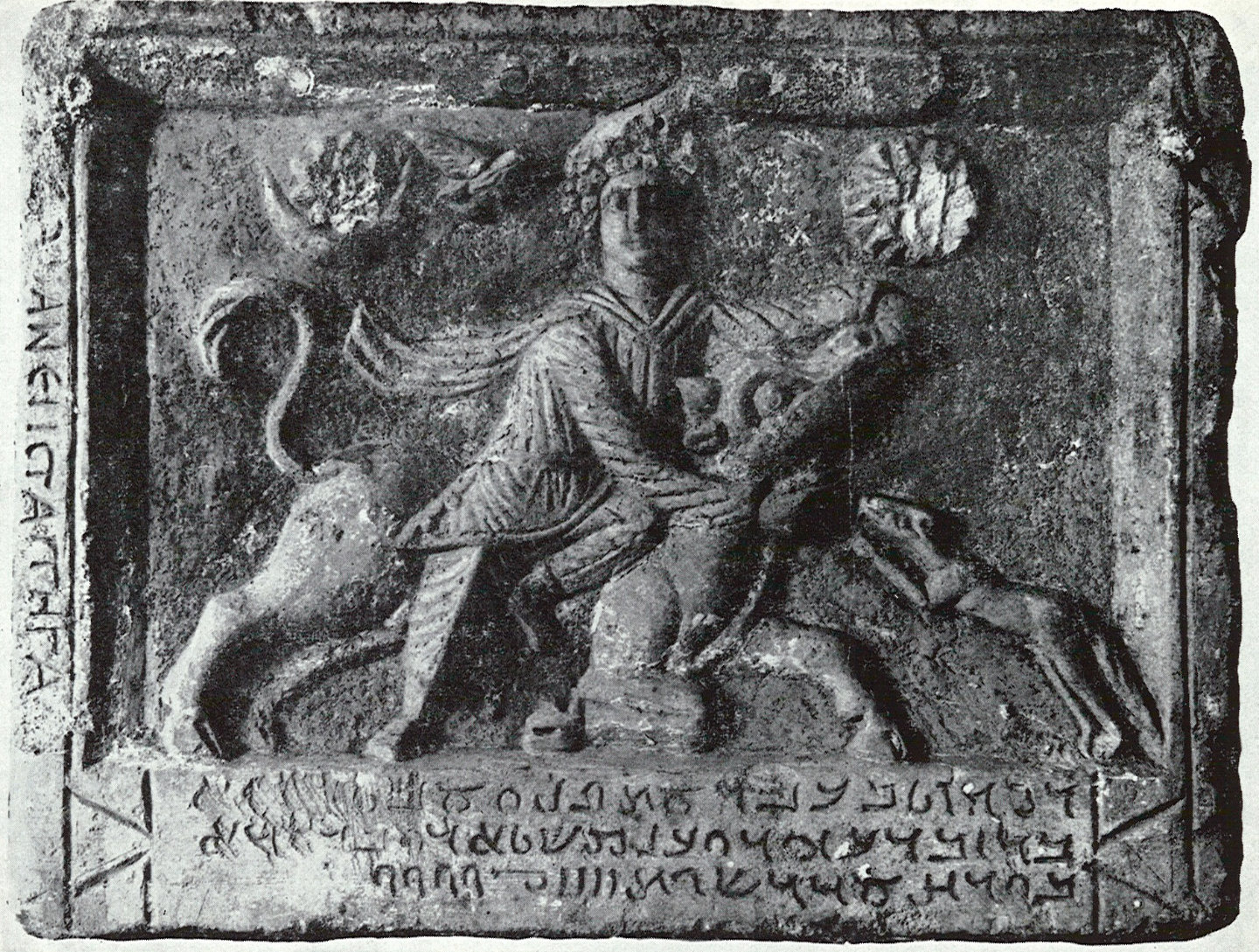
One of the reliefs of the Dura Europos tauroctonies includes several characters with their respective names.
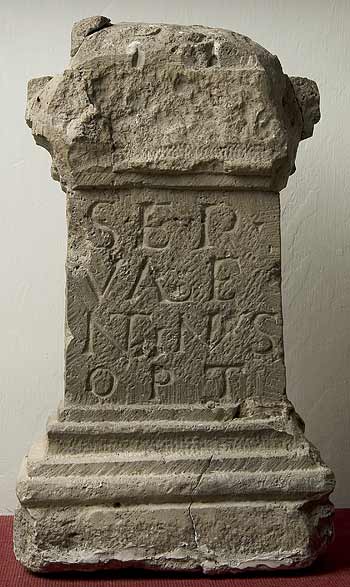
Limestone altar dedicated to Cautes by the Roman optio Septimius Valentinus, discovered in the Mithraeum of Sárkeszi in Pannonia Inferior.
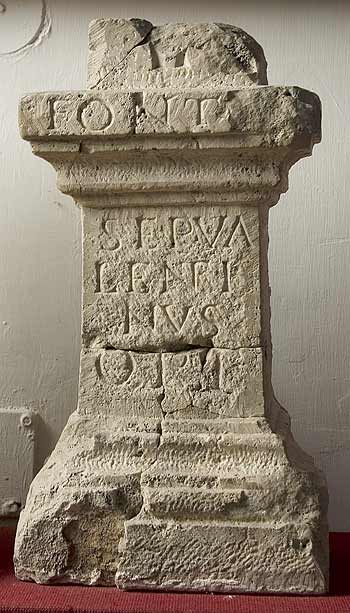
Fragmentary limestone altar dedicated by Septimius Valentinus, an optio, probably discovered in Mithraeum IV at Aquincum.
This marble tablet found at Portus Ostiae mentions a pater, a lion donor and a series of male names, probably from a Mithraic community.
This supposed Mithraic altar from Soulan in the Pyrenees was later identified as a modern forgery, including both the inscription and the alleged cave context in which it was said to have been discovered.
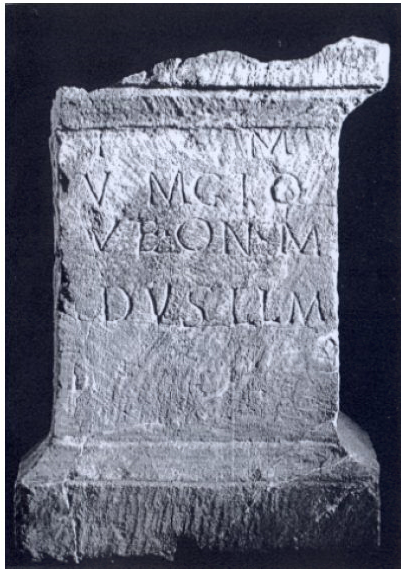
This fragmented monument bears an inscription of a certain veteran named Valerius Magio.
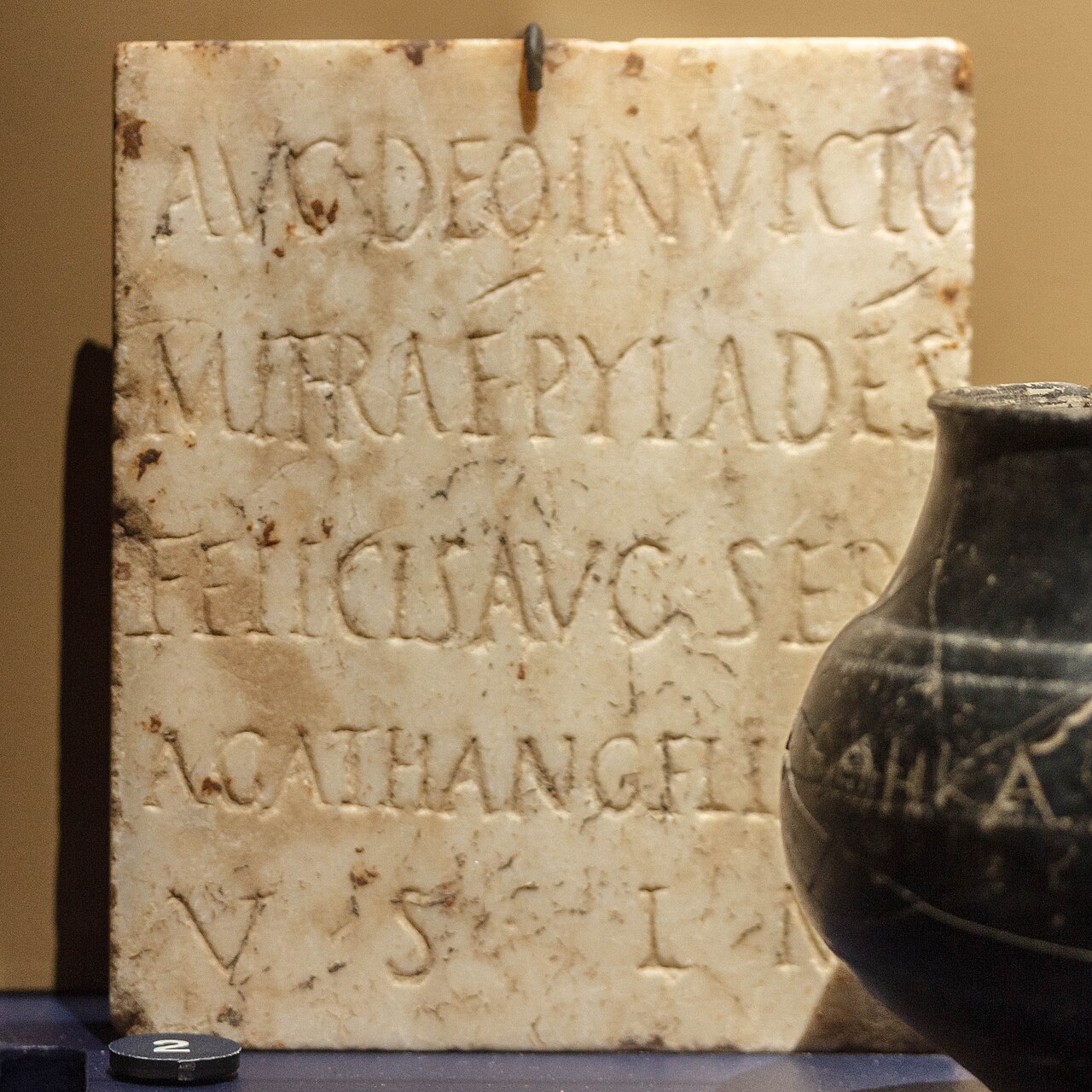
This marble plaque from Iuliomagus, Roman Angers, bears a rare dedication to Mithras by Pylades, a slave of an imperial slave connected to the Roman administration in Gaul.
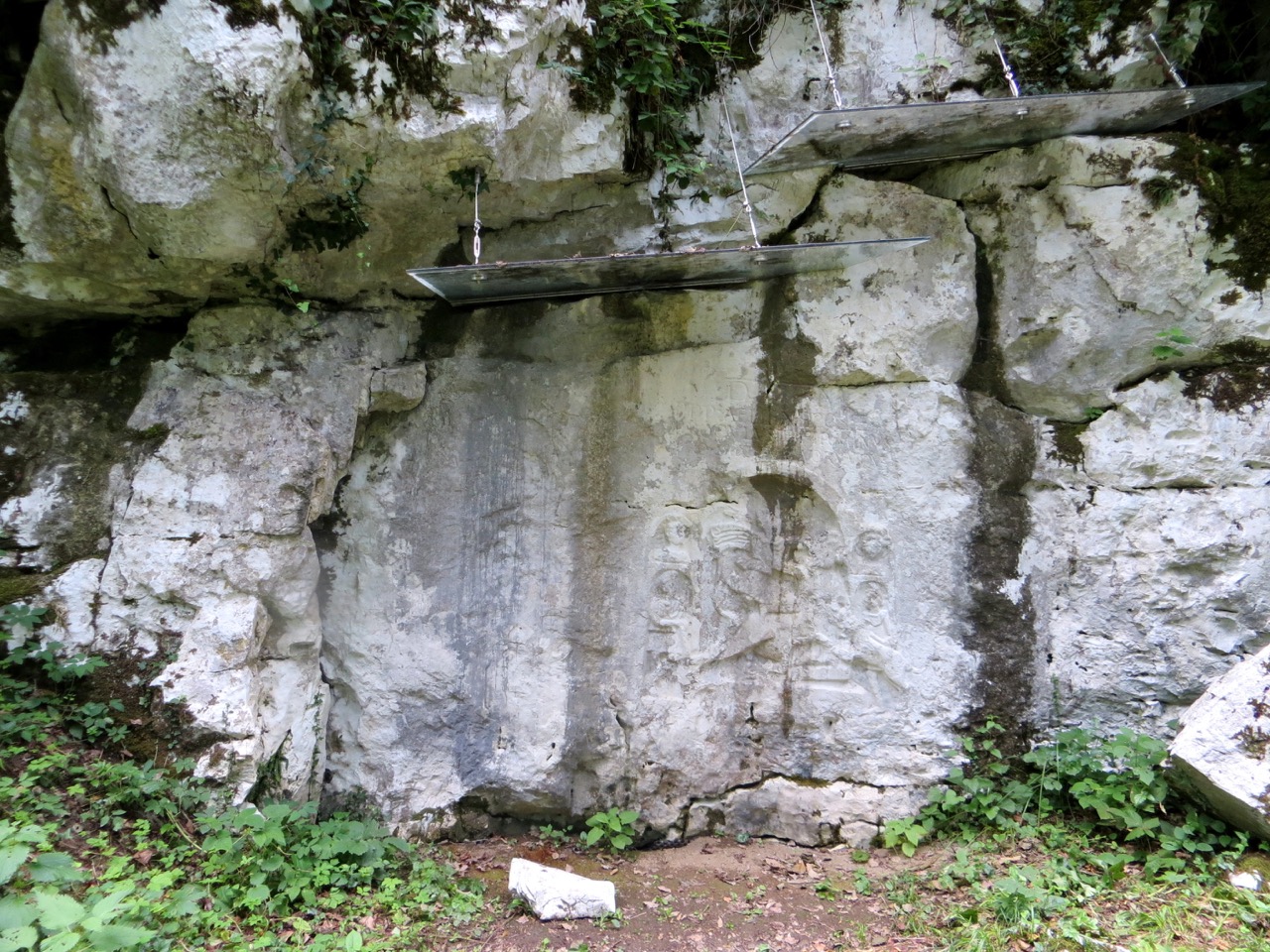
According to Hitzinger remnants of animal bones were found in front of the relief of the Mithraeum at Rozanec.
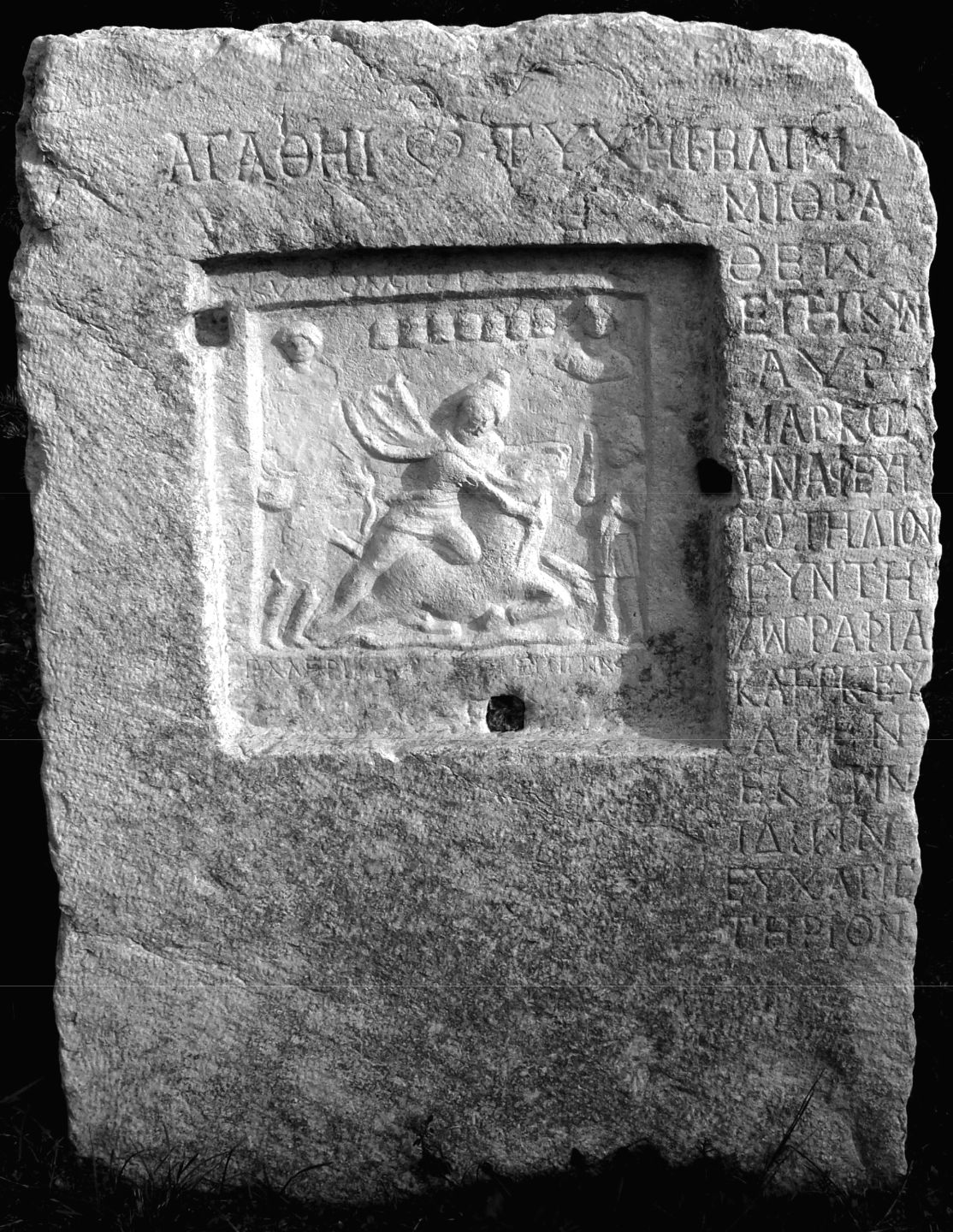
The Tauroctony of Nicopolis ad Istrum is unique as it is the only Mithraic stele befitting a Greek donor.
This fragmentary inscription from Zuccabar, reused in the wall of the Sidi Abd-el-Kader mosque at Affreville, preserves a dedication to Sol Invictus.
This small Greek dedication from the island of Aenaria invokes Helios Mithras under the epithet “unconquered”.
This marble dedication from Puteoli was offered to Sol Invictus and the genius of the colony by Claudius Aurelius Rufinus together with his wife and son.
This small inscription from Termini Himeraeae in Sicily was dedicated to Sol Invictus as protector of the emperor Antoninus Augustus.
Inscription from Hamadan where the ’great king’ Artaxerxes mentions Ahuramazda, Anahita, and Mithra as guardians.
This inscription probably belonged to the fourth mithraeum of Poetovio and records the restoration of a Mithraic temple by the dux Aurelius Iustinianus.
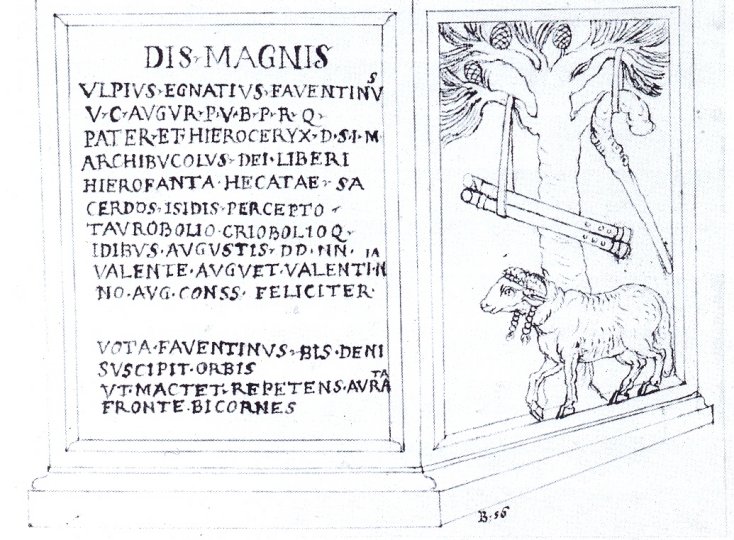
Both of them were discovered in 1609 in the foundations of the façade of the church of San Pietro, Rome.
