A series of polemical passages in which a leading fourth-century Christian theologian presents the cult of Mithras as a religion defined by cruelty, bodily suffering, and shameful initiation rites.
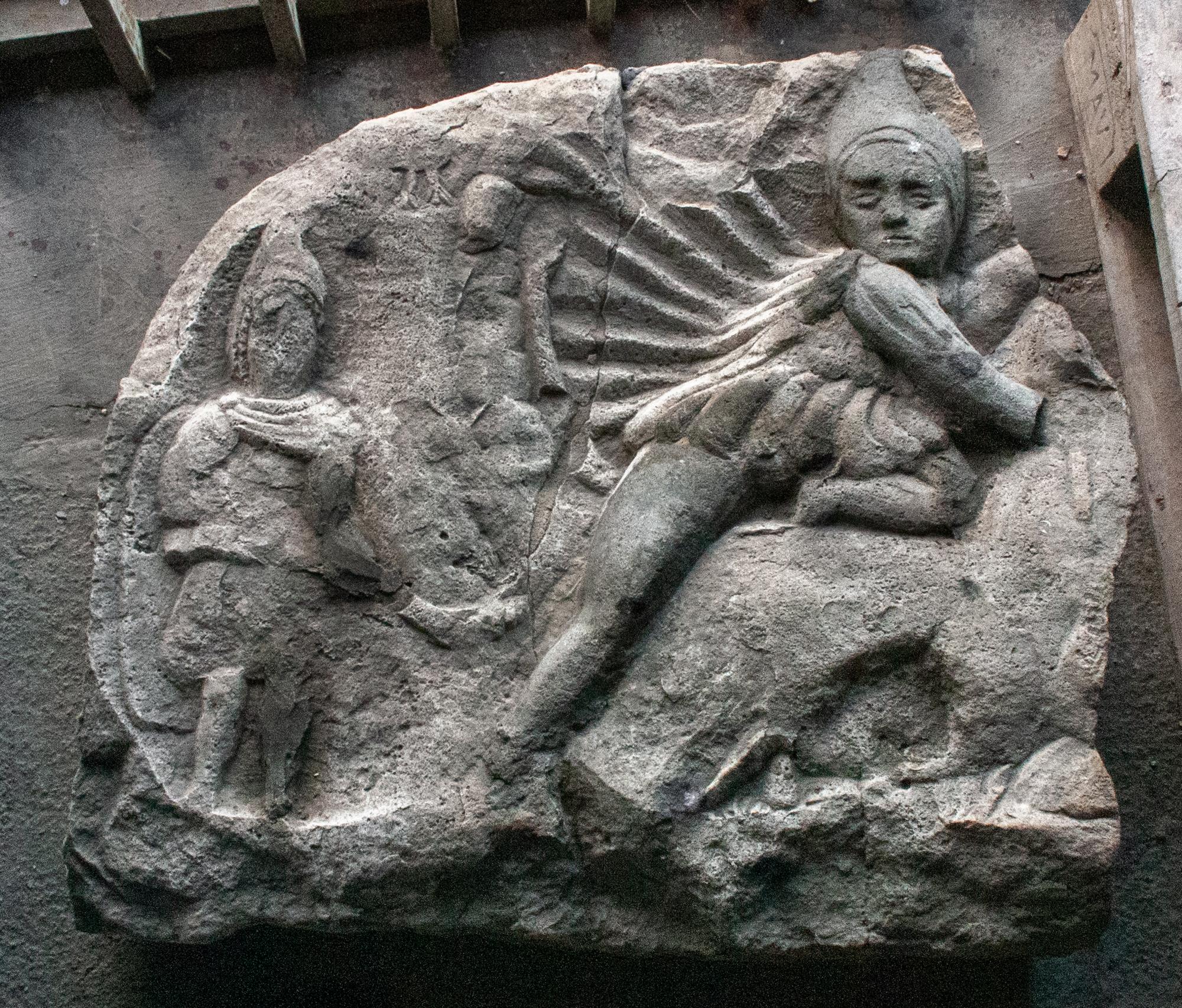
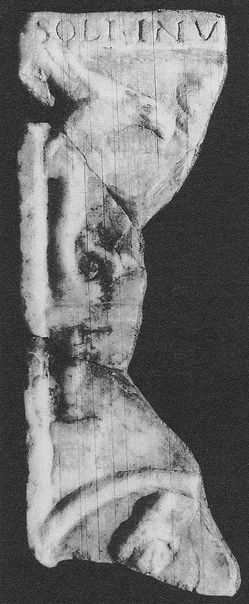
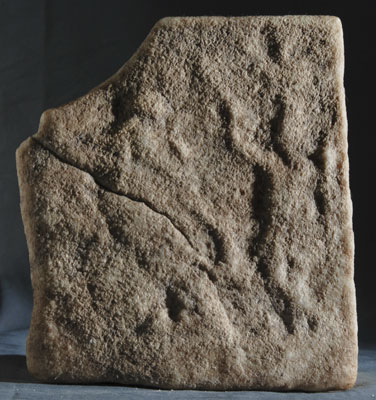
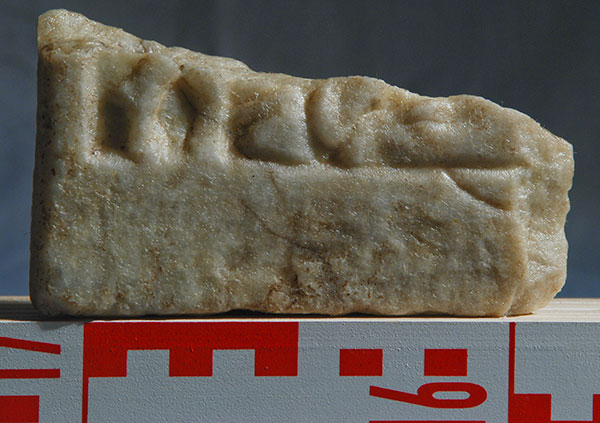
Fragmentary relief corner depicting Mithras as bull-slayer, preserving the bull’s hindquarters, scorpion, serpent and part of a torchbearer, with a partial inscription.
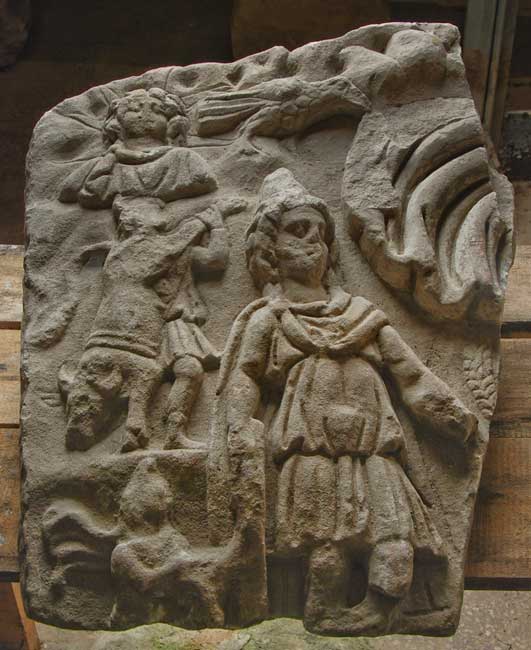
The article examines two recently discovered Mithraic representations of Cautes from Alba Iulia, focusing on a rare iconographic type showing the torchbearer with a bucranium.
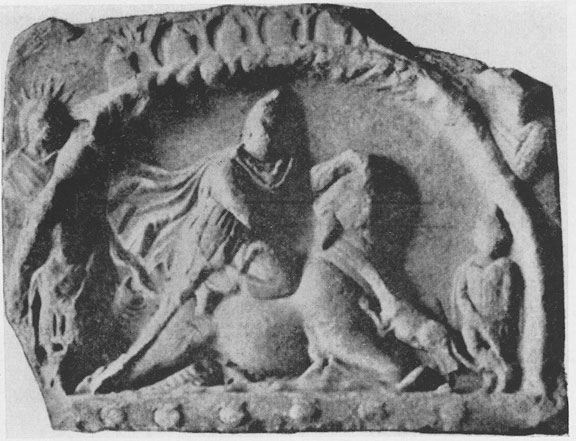
Memoir by Félix Lajard analysing a Mithraic bas-relief discovered in Vienne in 1830. Based on direct examination of the fragments and their context, the study corrects an earlier misidentification and documents a rare lion-headed figure within a probable mithraeum.
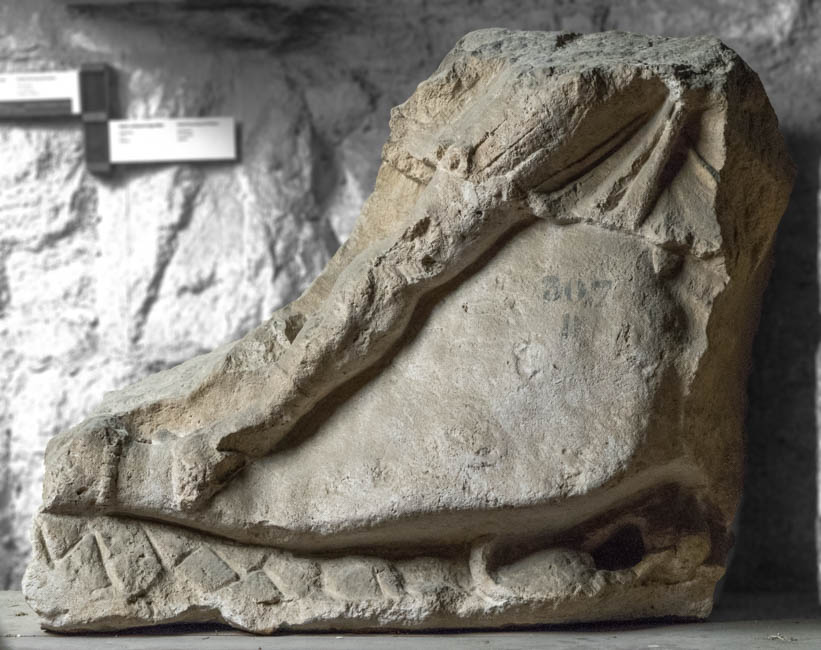
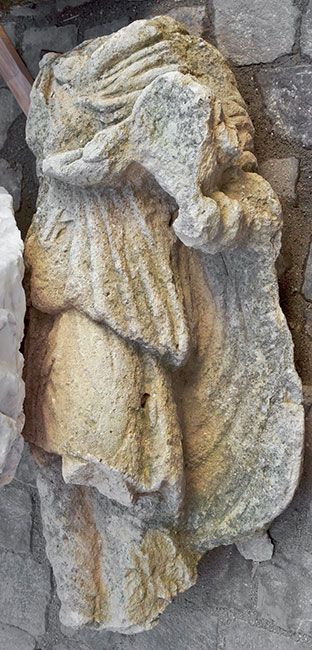
Marble statue of Cautes, found at Ostia. The head, one arm and the legs are missing. The figure wears a short tunic and raises the torch in the canonical upward gesture.
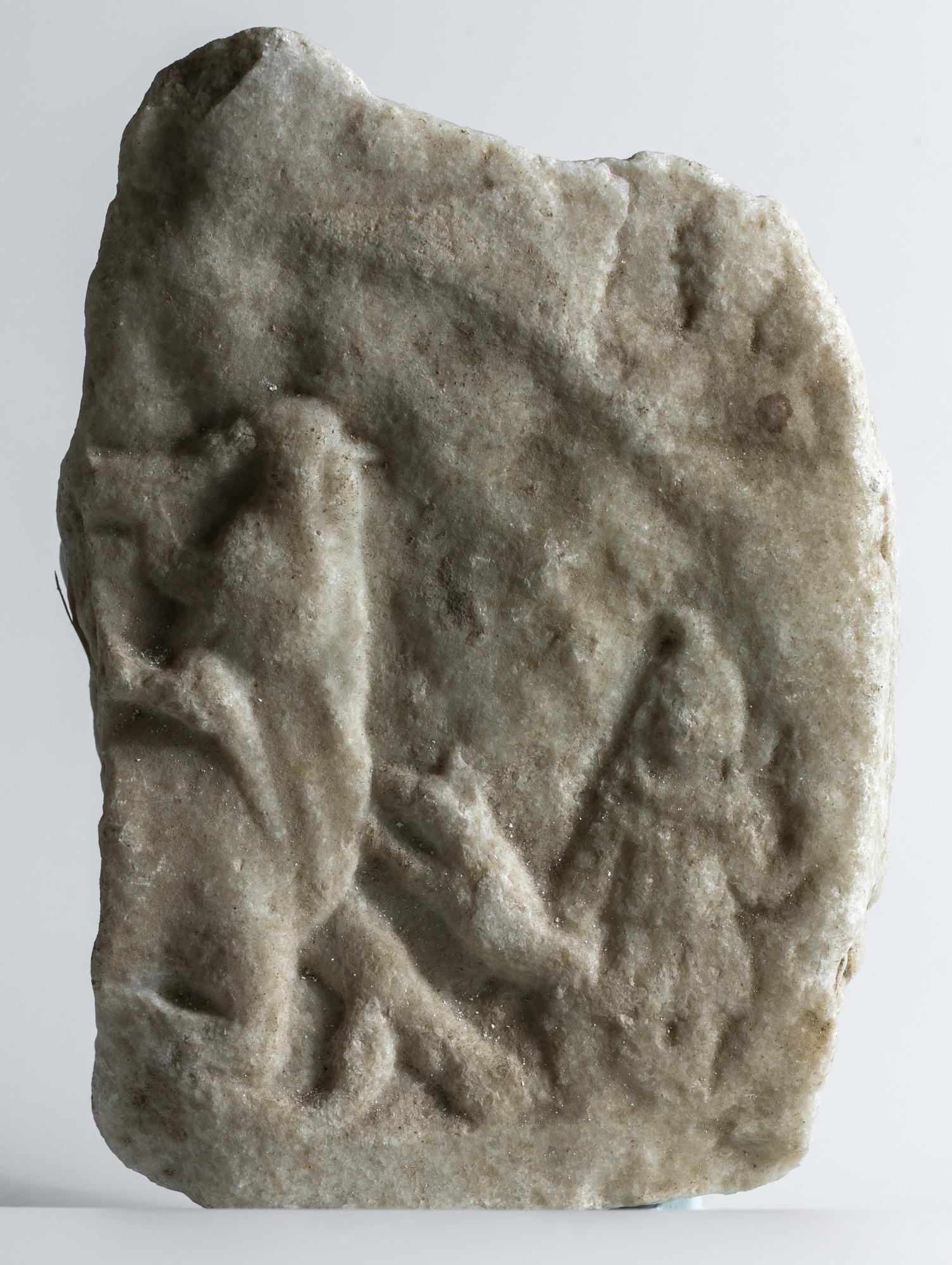
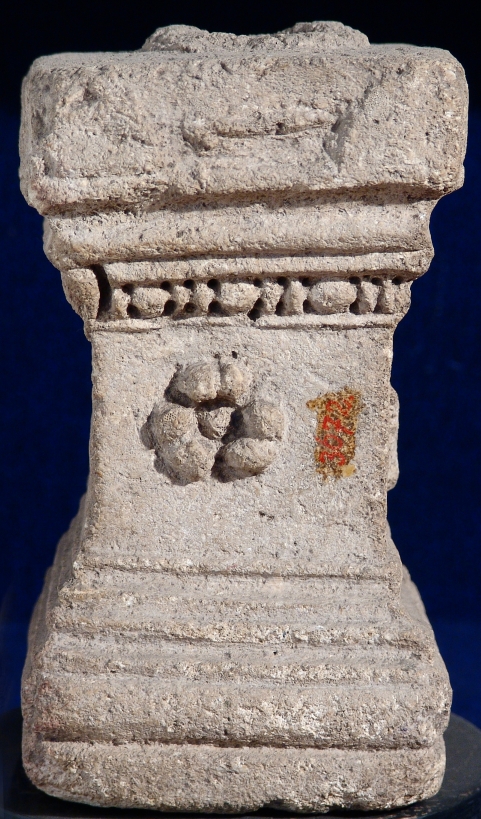
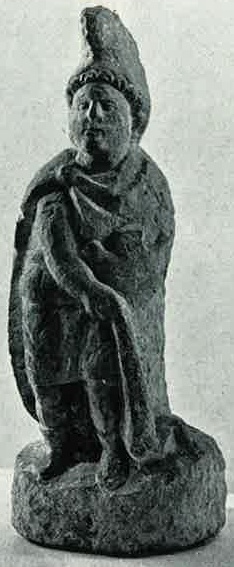
Small limestone stele, discovered at Apt in 1903. It depicts a standing torchbearer in the conventional Mithraic posture and dress, accompanied by a cock placed at his feet.
In polemical passages from the late second and early third centuries, Tertullian portrays the cult of Mithras as a demonic imitation of Christian rites and provides rare early references to Mithraic initiation and ritual symbolism.
An anonymous late-antique Christian poem, traditionally attributed to Pseudo-Paulinus of Nola (Poema 32, vv. 109–111), that ridicules pagan cults and presents Mithras, Isis, and Serapis as gods of concealment, contradiction, and unstable forms rather than light.
Late antique legendary biography of Alexander the Great (c. AD 300), where history, myth, and imperial ideology merge around figures of divine kingship and solar power.
Hmmm… Vermaseren says the figure "points the torch *downwards* with *both hands*", so that would mean Cautopates. But this one actually looks like it’s doing the opposite? Maybe the missing head (which Vermaseren doesn’t mention) makes the gesture harder to read?
Anyway, I’ll check my photo collection and see if I can find a better pic for the frame!
Pseudo-Plutarch, De fluviis. Goodwin, Ed. Plutarch. Plutarch’s Morals. Translated from the Greek by several hands. Corrected and revised by. William W. Goodwin, PH. D. Boston. Little, Brown, and Company. Cambridge. Press of John Wilson and son.