This site uses cookies to offer you a better browsing experience.
Find out more on how we use cookies in our privacy policy.

 
Support The New Mithraeum The New Mithraeum is an independent, non-profit project dedicated to Mithraic studies, ancient religions and classical culture. Developed and maintained independently since 2007, the site exists without advertising, paywalls or institutional funding. If you have found value in its articles, interviews, photographs or database, please consider supporting the project with a contribution. Every contribution helps keep The New Mithraeum open, free and alive. Thank you.
Support us →
Acta diurna

Daily Gazette/92

Acta diurna is our Mithraic social stream for keeping up to date with what is happening in The New Mithraeum.

avatar
Oct 2022
NewSyndexios

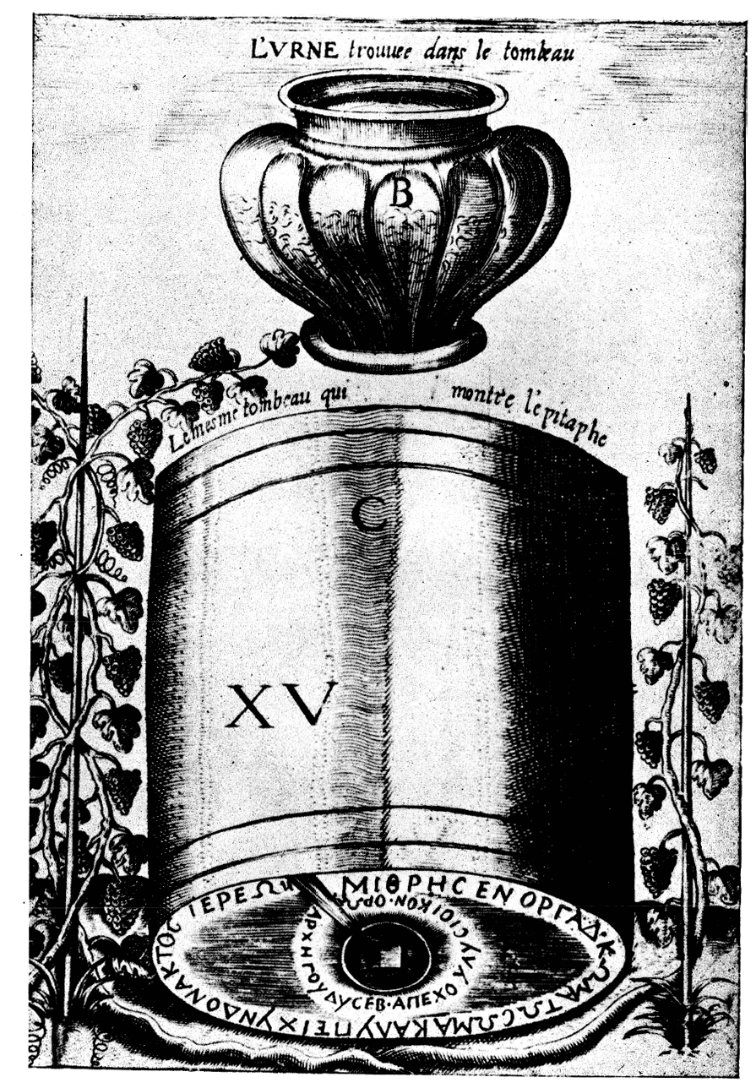
Chyndonax (Χυνδόναξ)

The cenders of Chyndonax were found on an urn with an inscription that reads High Priest of Mithras.
avatar
Oct 2022
NewMonumentum

Funerary urn of Chyndonax

This funerary inscription, engraved on a stone urn discovered near Roman Dijon, mentions a certain Chyndonax, described as a priestly leader of Mithras.
avatar
Oct 2022
Monumentum

Mithraeum of Mackwiller

The Mackwiller Mithraeum was built in the middle of the 2nd century, during the reign of Antoninus the Pious, on the site of a spring already worshipped by the natives.
avatar
Oct 2022
NewMonumentum

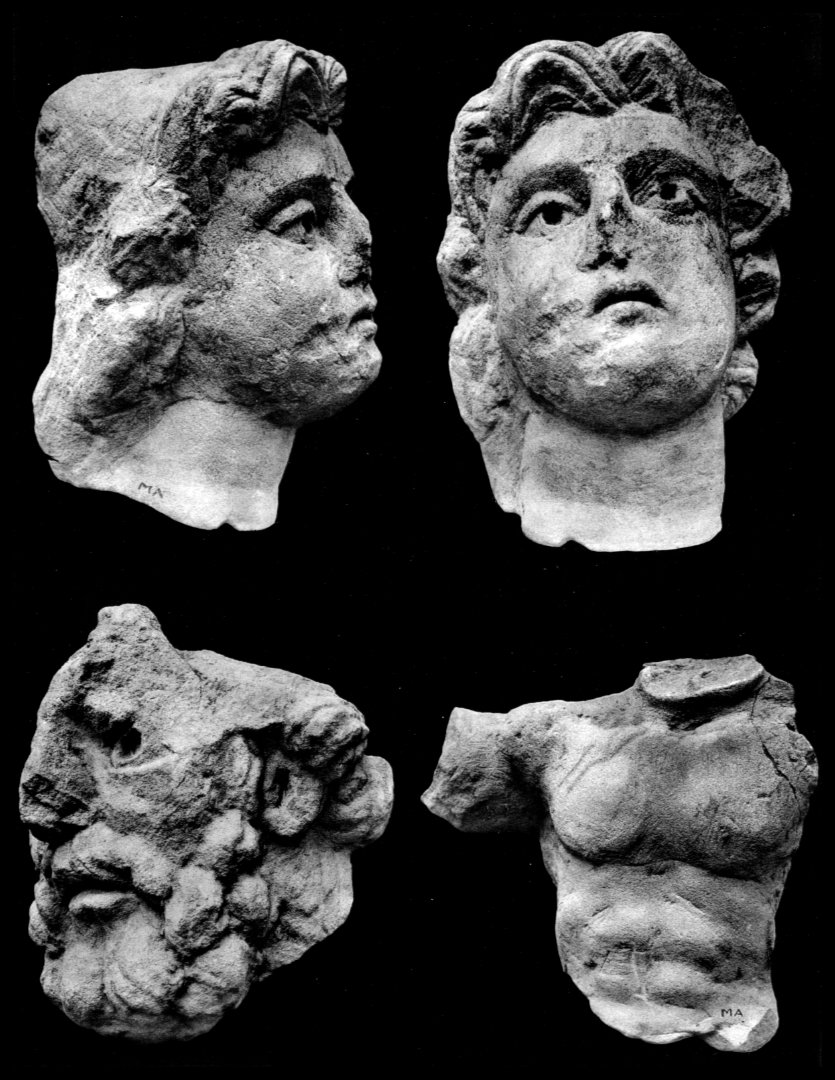
Head of Mithras from Mackwiller

This fragment of the head of a young Mithras is one of the finds made during the excavations carried out by Jean-Jacques Hatt at Mackwiller, France, in 1955.
avatar
Oct 2022
NewSocius
Csaba Szabó is a research fellow of the University of Szeged (Hungary).
Oct 2022
NewSocius
Dutch historian, born in 1918 and deceased in 1985. He was a specialist in the history of religions, especially the Eastern cults in the Roman Empire. A prolific writer, best known for his Corpus inscriptionum et monumentorum religionis Mithriacae.
Aug 2022
Monumentum

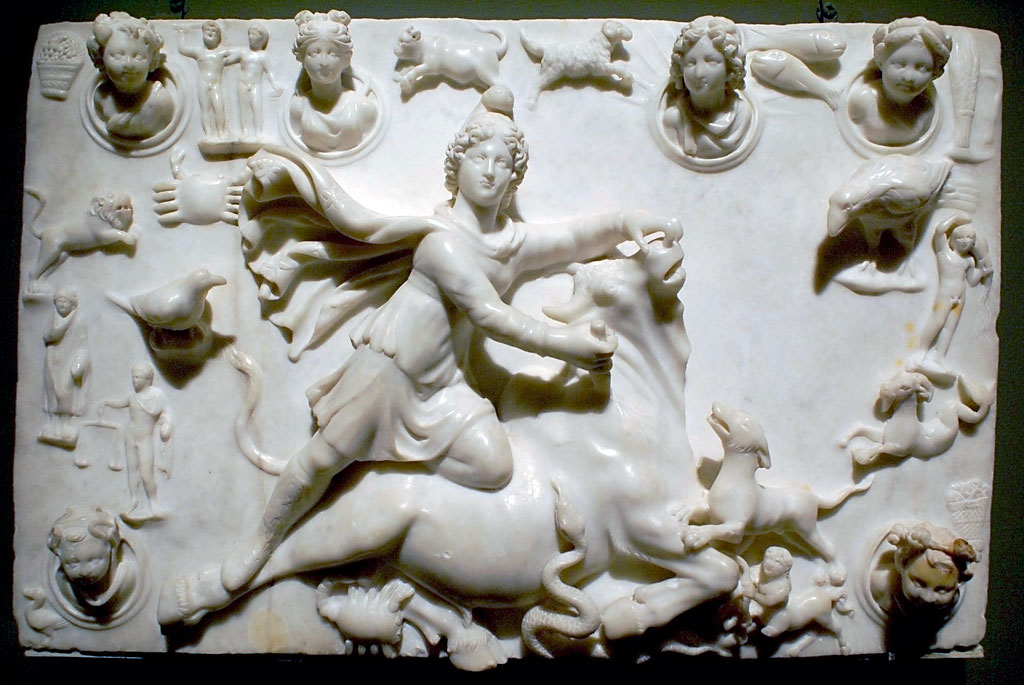
Relief of Tauroctony from Sidon

The relief of the Sidon Tauroctony includes the signs of the zodiac and the four seasons, among other common elements.
avatar
Aug 2022
Monumentum

Sabazeo

The Mithraeum was found in one of the rooms of the Horrea built in the years 120 - 125 AD. The installation of the shrine may have taken place in the first half of the third century.
avatar
May 2022
Monumentum

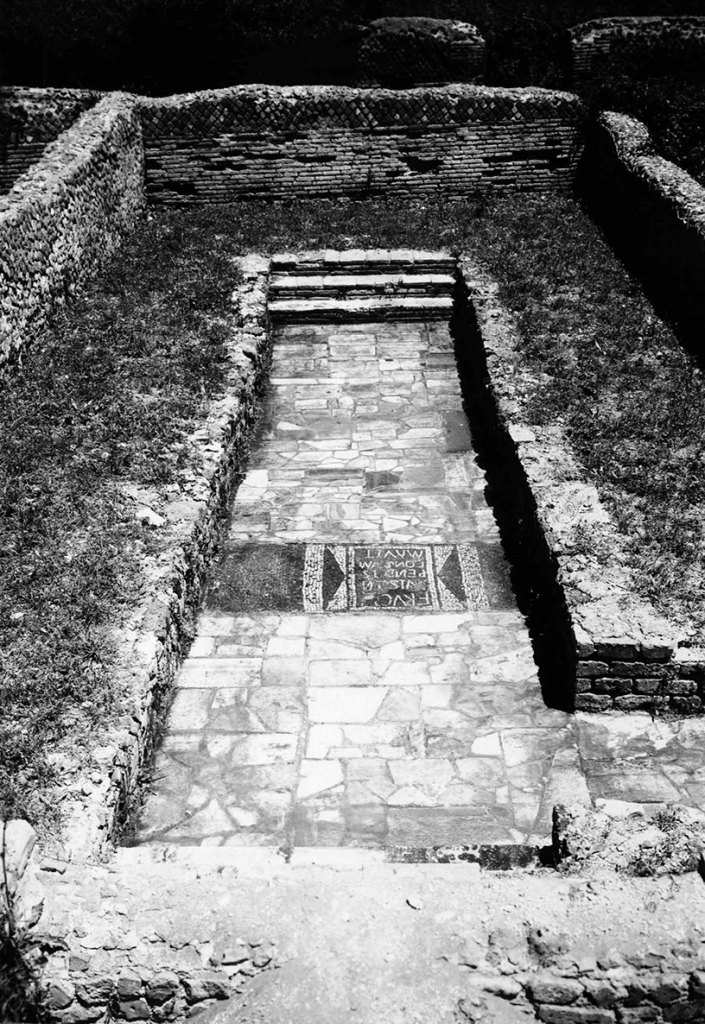
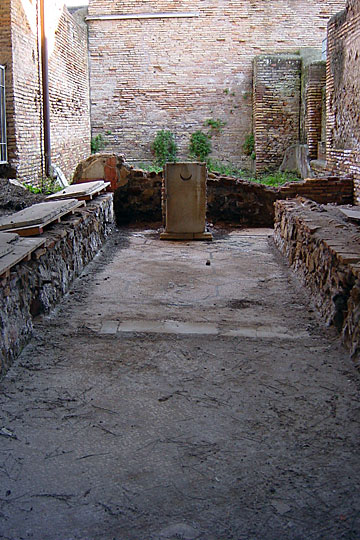
Mitreo di Lucrezio Menandro

The Mithraeum of Lucretius Menander was installed in the early 3rd century in an alley to the east of a Hadrianic building named after the solar god temple.

avatar
Apr 2022
NewSocius
Rem tene, verba sequentur.
Apr 2022
Monumentum

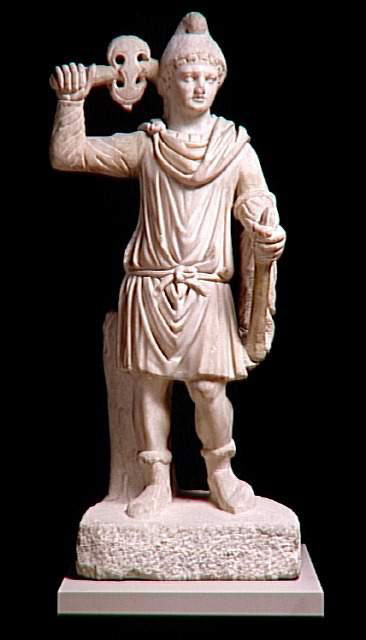
Cautes with an axe

The Cautes of Sidon who wields an axe also wears a piece of cloth on his left arm.
avatar
Apr 2022
Monumentum

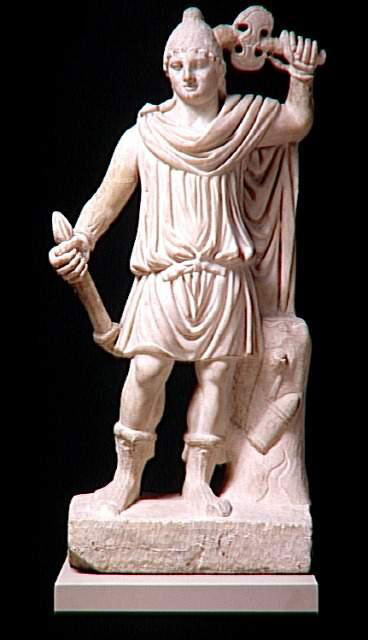
Second Cautes of Sidon holding an axe

In this case, a quiver has been attached to the tree-stump behind the torchbearer.
avatar
Apr 2022
Monumentum

Lion-headed Aion from Sidon

Edmon Durighello, a journalist, discovered this Aion marble in 1887.
avatar
Apr 2022
Monumentum

Cautopates of Sidon

Cautopates sculpture of Sidon features a snake near his left leg.
avatar
Apr 2022
Monumentum

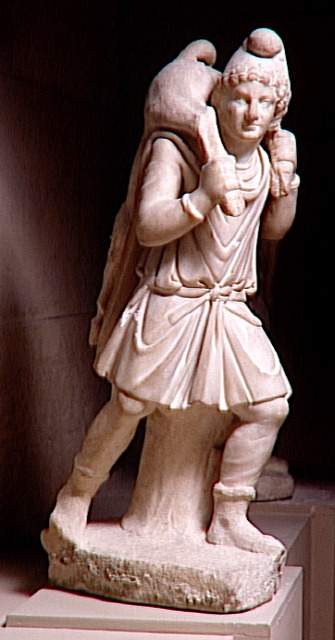
Mithras carrying the bull

Sculpture depicting Mithras carrying a young bull on his shoulders.
avatar
Apr 2022
Monumentum

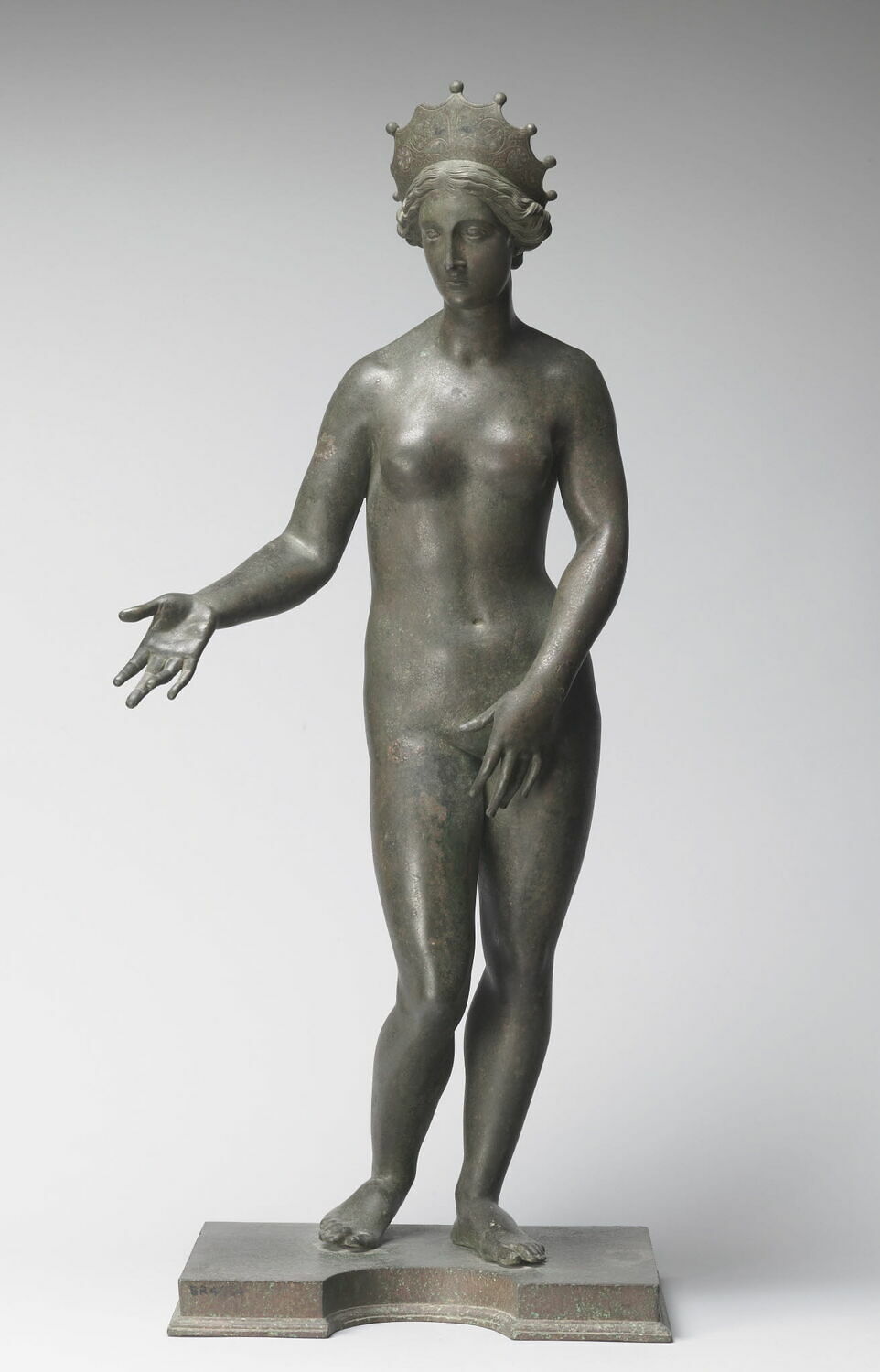
Bronze Venus of Sidon

There are two Venus from the Mithraeum of Sidon, one in bronze and the other in Parian marble.
avatar
Apr 2022
Monumentum

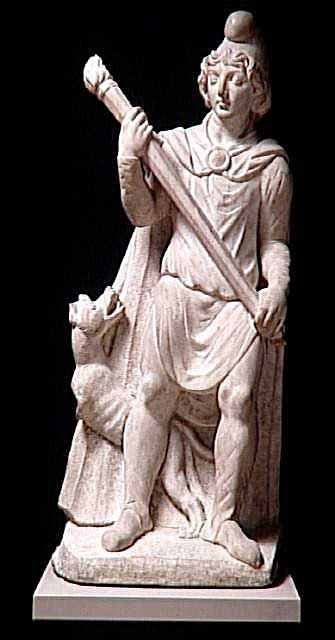
Cautes of Sidon

The Sidon sculpture includes a dog jumping between Cautes's legs.
avatar
Apr 2022
NewMonumentum

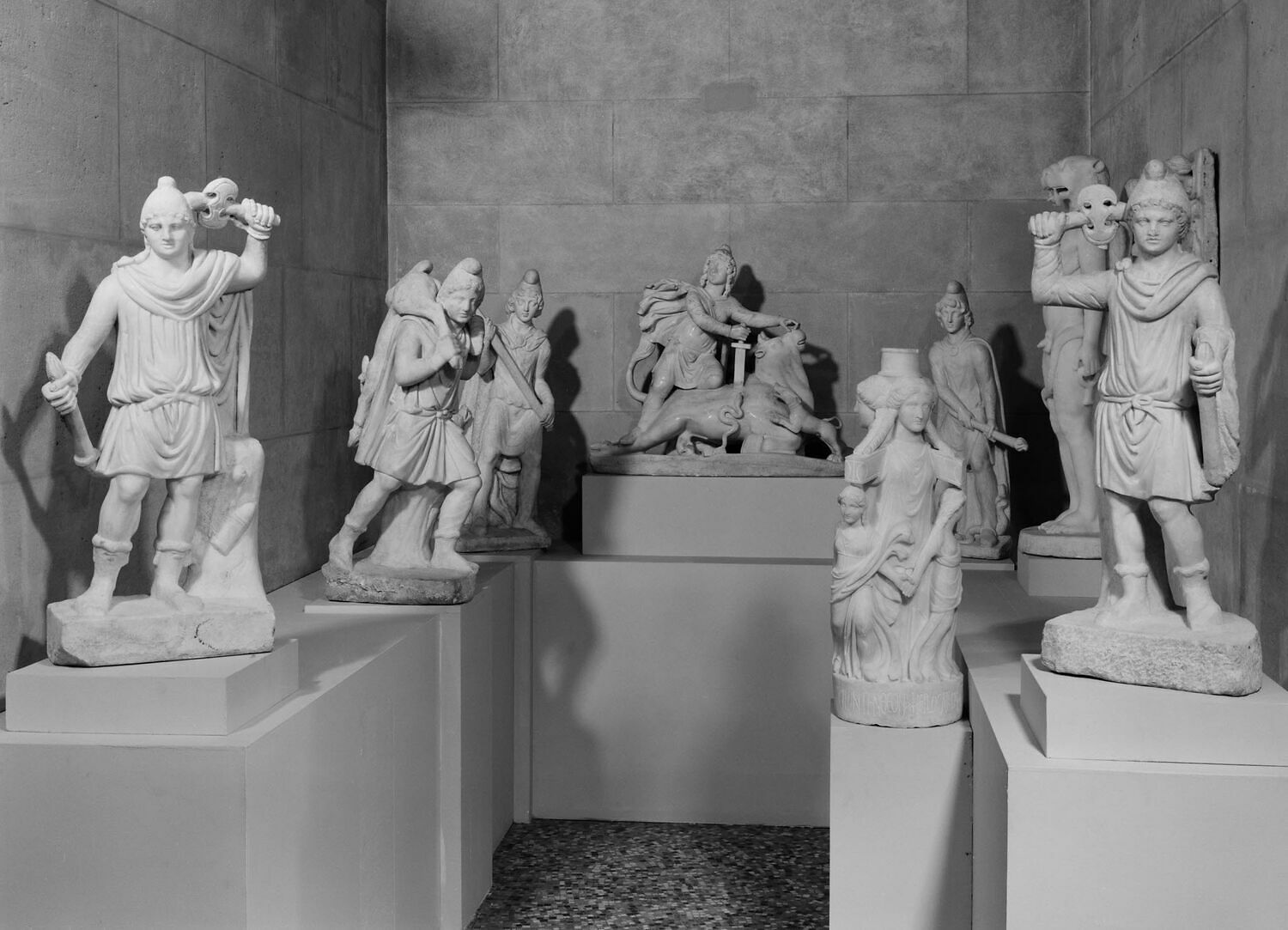
Mithraeum of Sidon

The Mithraeum of Sidon may have escaped destruction because the Mithras worshippers walled up the entrance to the underground sanctuary.
Ron Kassav
For rectification, Saïda or Sidon is in Lebanon
Thank you for noticing, Ron. The Syrian location mentioned before referred to the original Roman Province, I guess. Regards.
avatar
Mar 2022
Syndexios

Hermes

Estate manager and slave of Caius Antonius Rufus, prefect of roads and customs collector.
avatar
Mar 2022
NewSocius
Archaeologist, would be historian, Psychic, published Author, Tea Drinker and Motorcycle Rider.
 
Back to Top