This site uses cookies to offer you a better browsing experience.
Find out more on how we use cookies in our privacy policy.

 
Support The New Mithraeum The New Mithraeum is an independent, non-profit project dedicated to Mithraic studies, ancient religions and classical culture. Developed and maintained independently since 2007, the site exists without advertising, paywalls or institutional funding. If you have found value in its articles, interviews, photographs or database, please consider supporting the project with a contribution. Every contribution helps keep The New Mithraeum open, free and alive. Thank you.
Support us →
Acta diurna

Daily Gazette/91

Acta diurna is our Mithraic social stream for keeping up to date with what is happening in The New Mithraeum.

avatar
Oct 2022
Monumentum

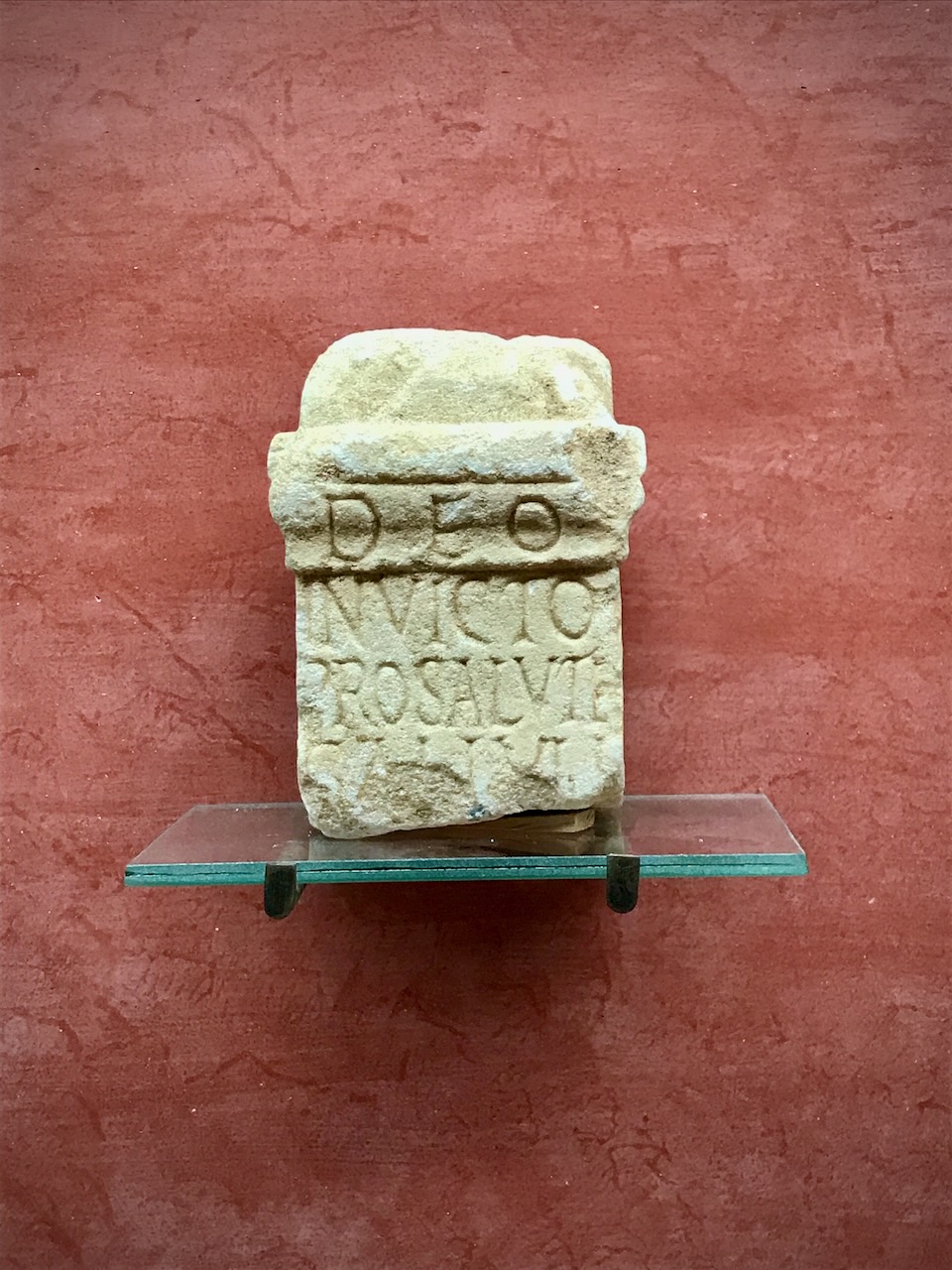
Altar from Mérida 'pro salute'

The small Mithraic altar found at Cerro de San Albin, Merida, bears an inscription to the health of Caius Iulius.
avatar
Oct 2022
Monumentum

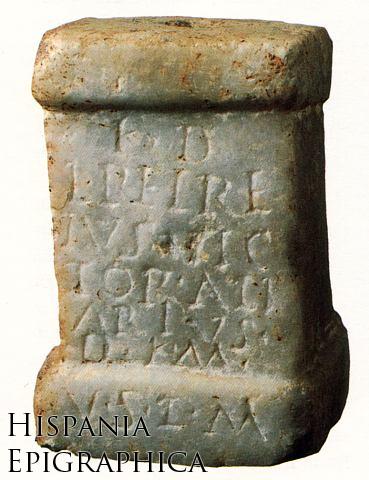
Arula by Lucius Petreius of Cabrera de Mar

Small arula with mithraic inscription and dedication to Cautes from a garlic merchant.
avatar
Oct 2022
NewMonumentum

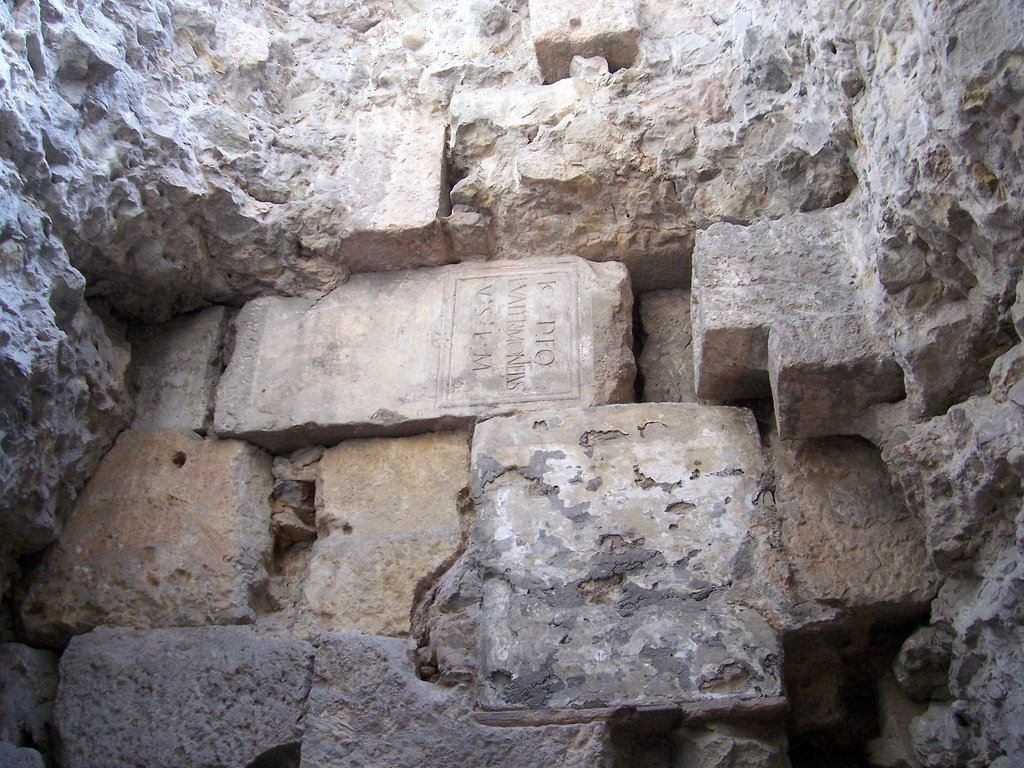
Altar with inscription from Baetulo

This altar was dedicated to Cautes by a certain Lucius in Baetulo (Badalona), near Barcino (Barcelona).
avatar
Oct 2022
NewSyndexios

Lucius Valerius Monteius

He dedicated an inscription to Cautes in Baetulo, near present-day Barcelona.
avatar
Oct 2022
NewMonumentum

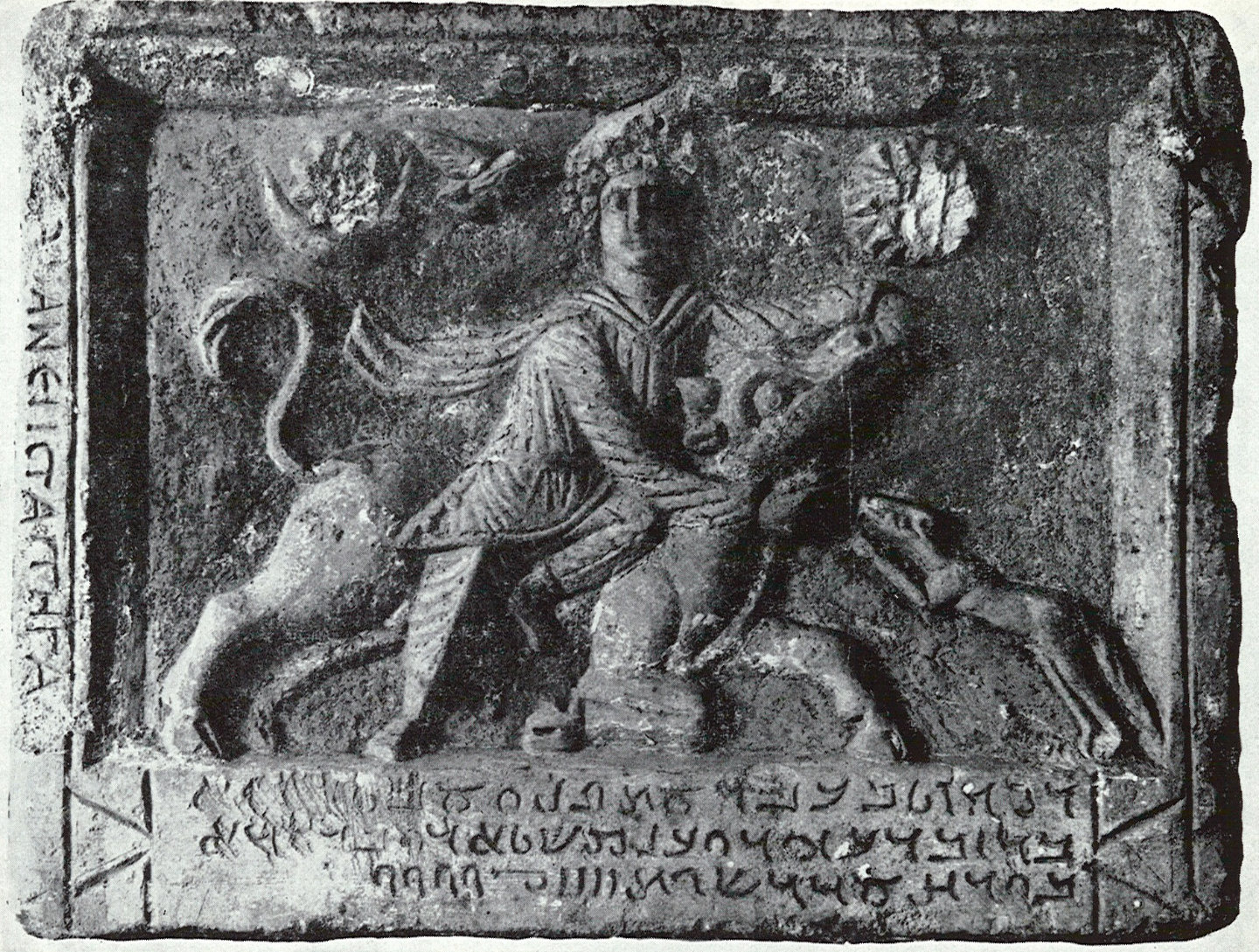
First Tauroctony relief of Dura Europos

One of the reliefs of the Dura Europos tauroctonies includes several characters with their respective names.
avatar
Oct 2022
NewMonumentum

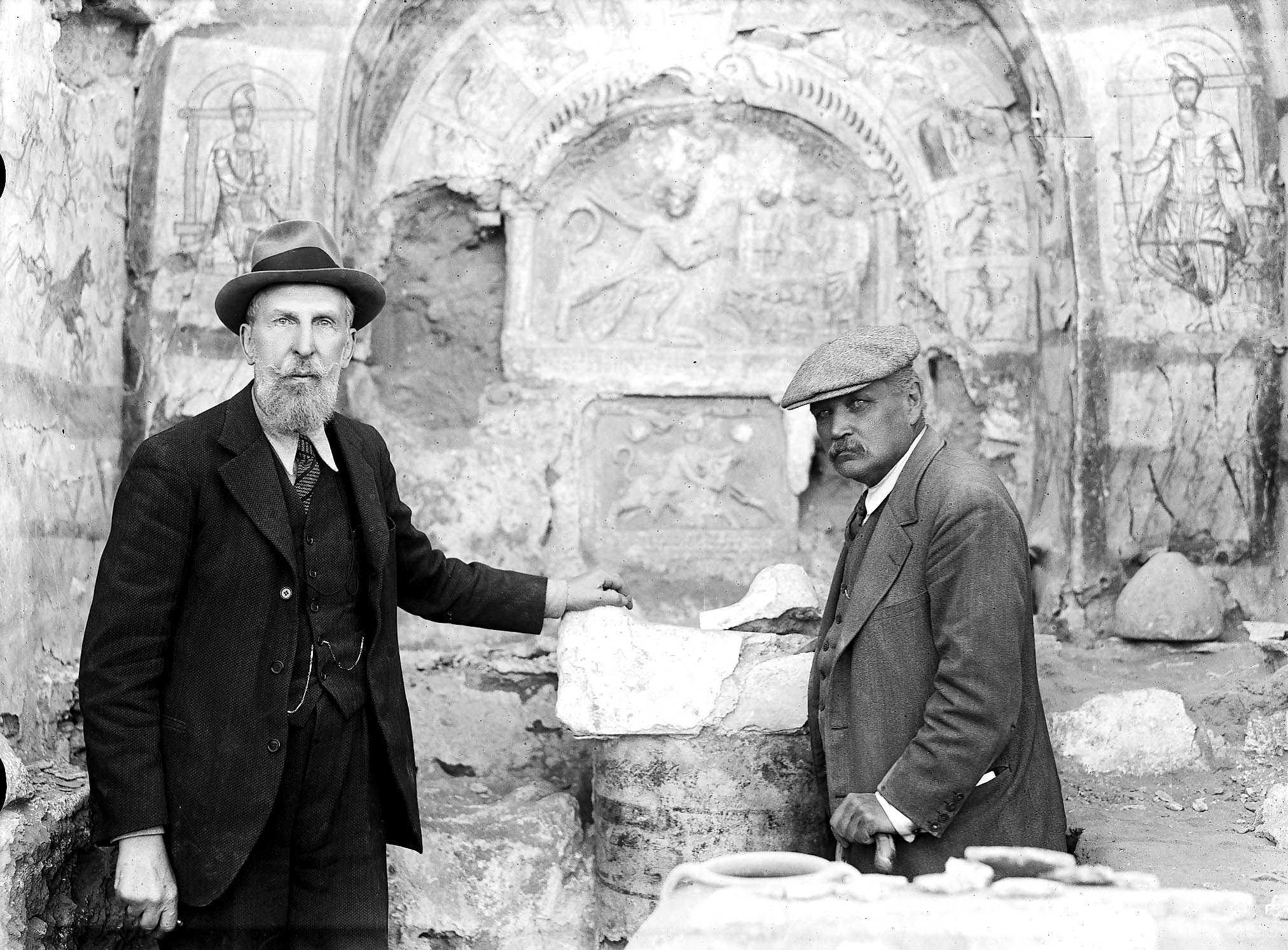
Mithraeum of Dura Europos

The most emblematic of the Syrian Mithraea was discovered in 1933 by a team led by the Russian historian Mikhaïl Rostovtzeff.
avatar
Oct 2022
Monumentum

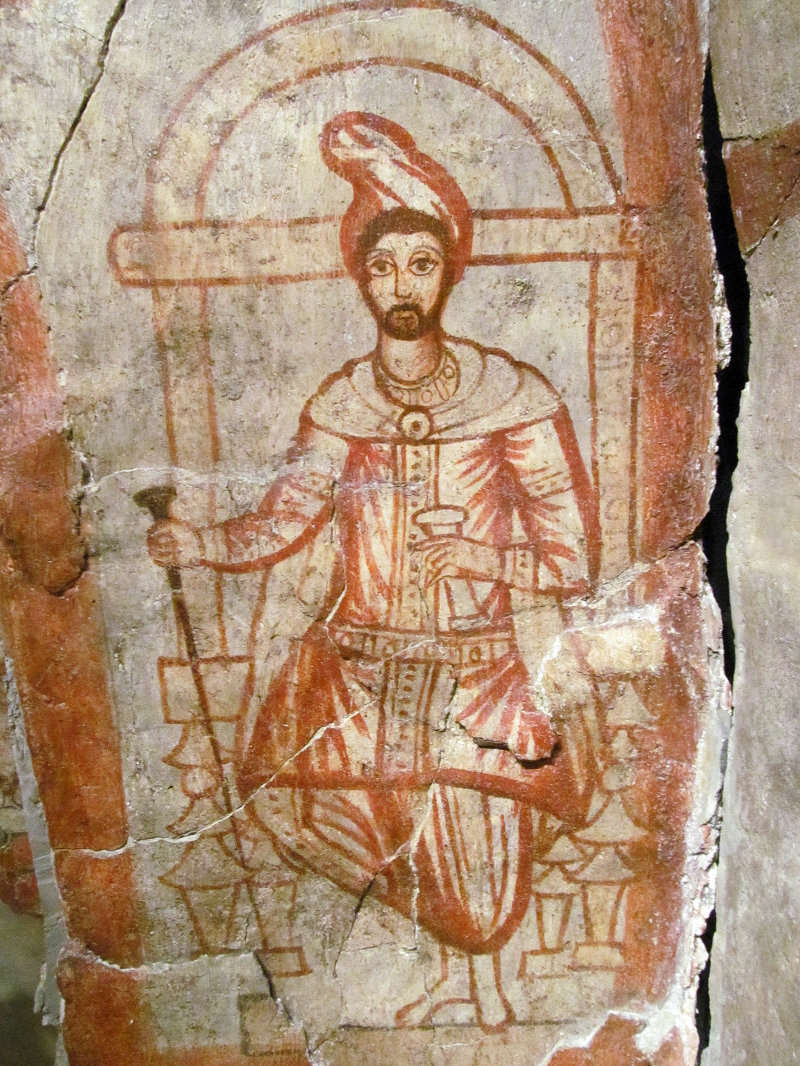
Frescoes of 'Magis' from Dura Europos

Some scholars have speculated that the scrolls both figures hold in their hands represent Eastern doctrines brought to the Western world.
avatar
Oct 2022
Monumentum

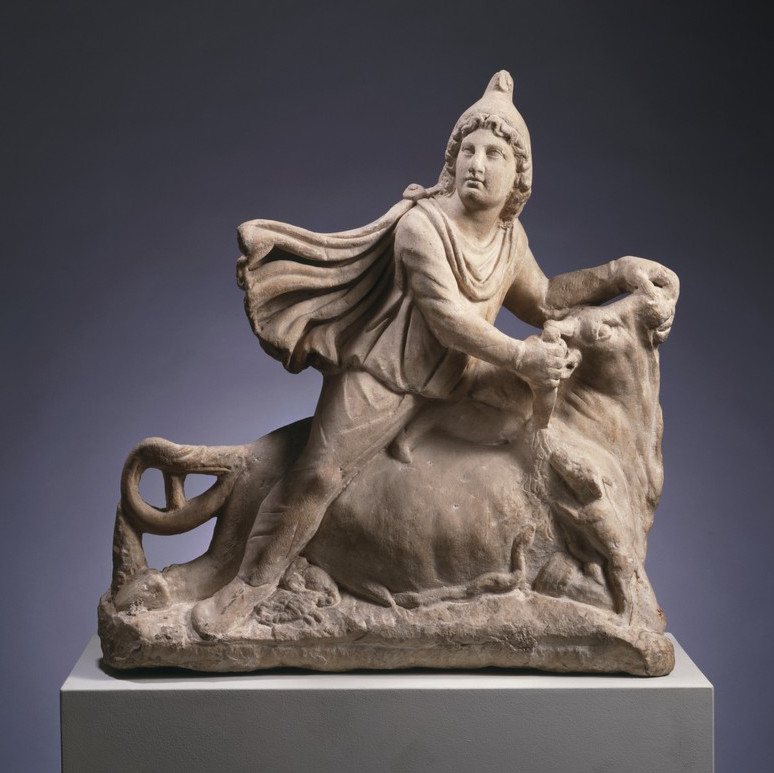
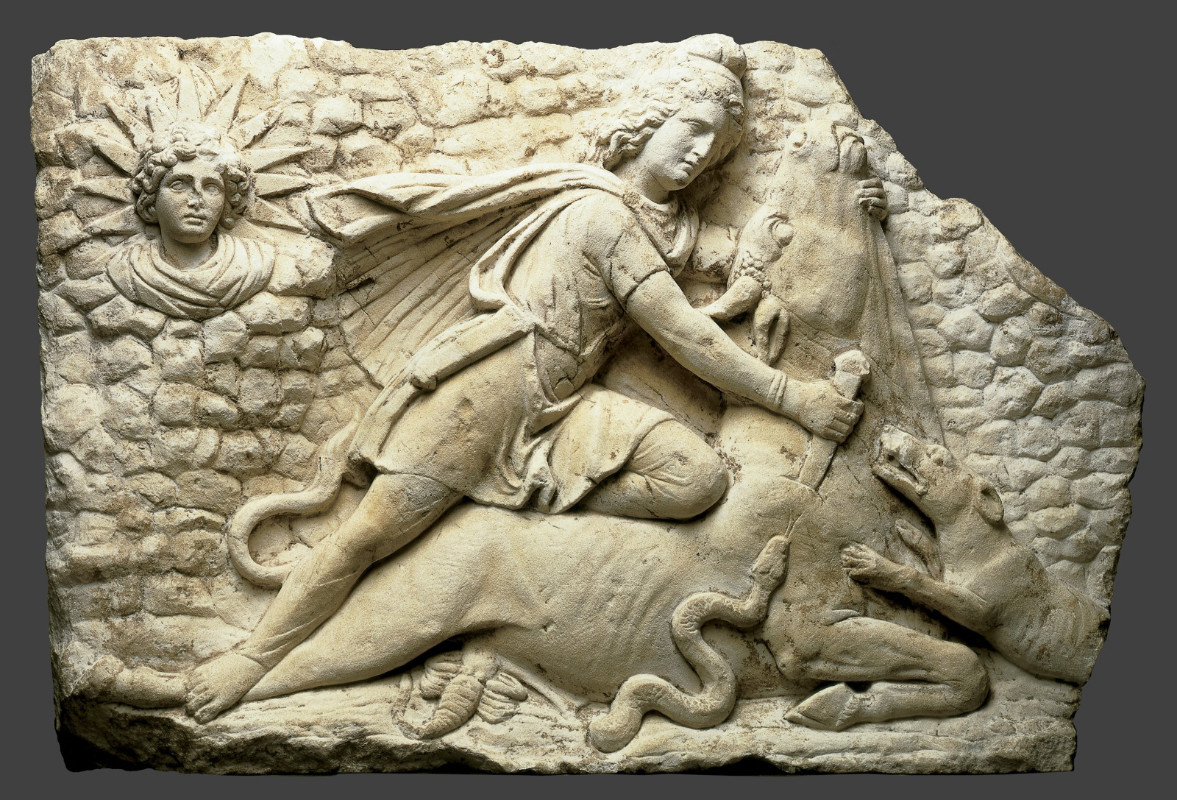
Tauroctony on display in Princeton

This sculpture of Mithras killing the bull may come from Rome, probably found in 1919.
avatar
Oct 2022
Monumentum

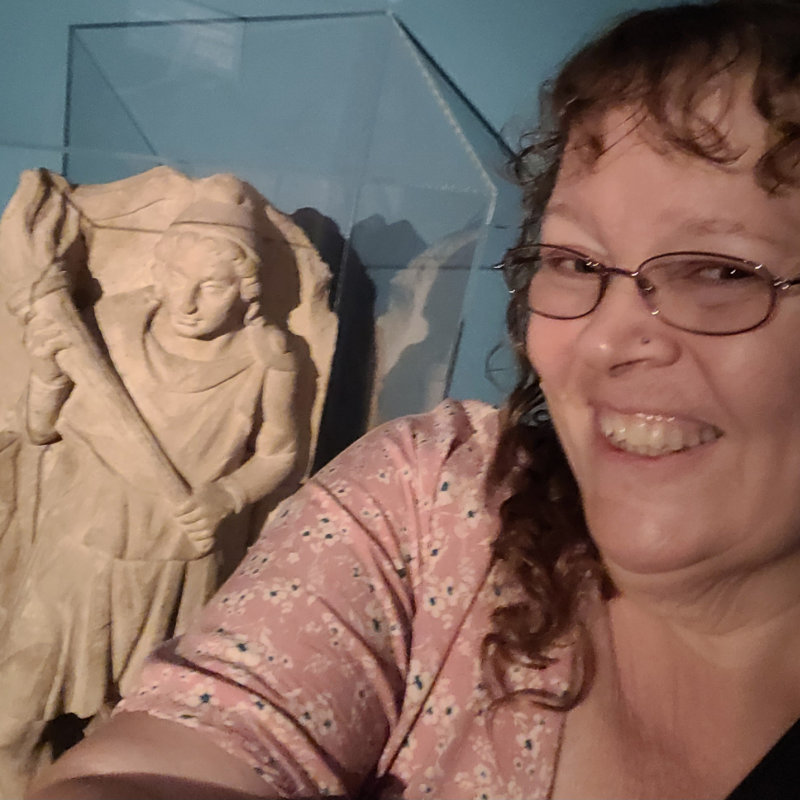
Tauroctony exhibited at the Cincinnati Art Museum

In the tauroctonic relief on display at the Cincinnati Art Museum, Mithras slaughters the bull over a rocky background.
avatar
Oct 2022
NewMonumentum

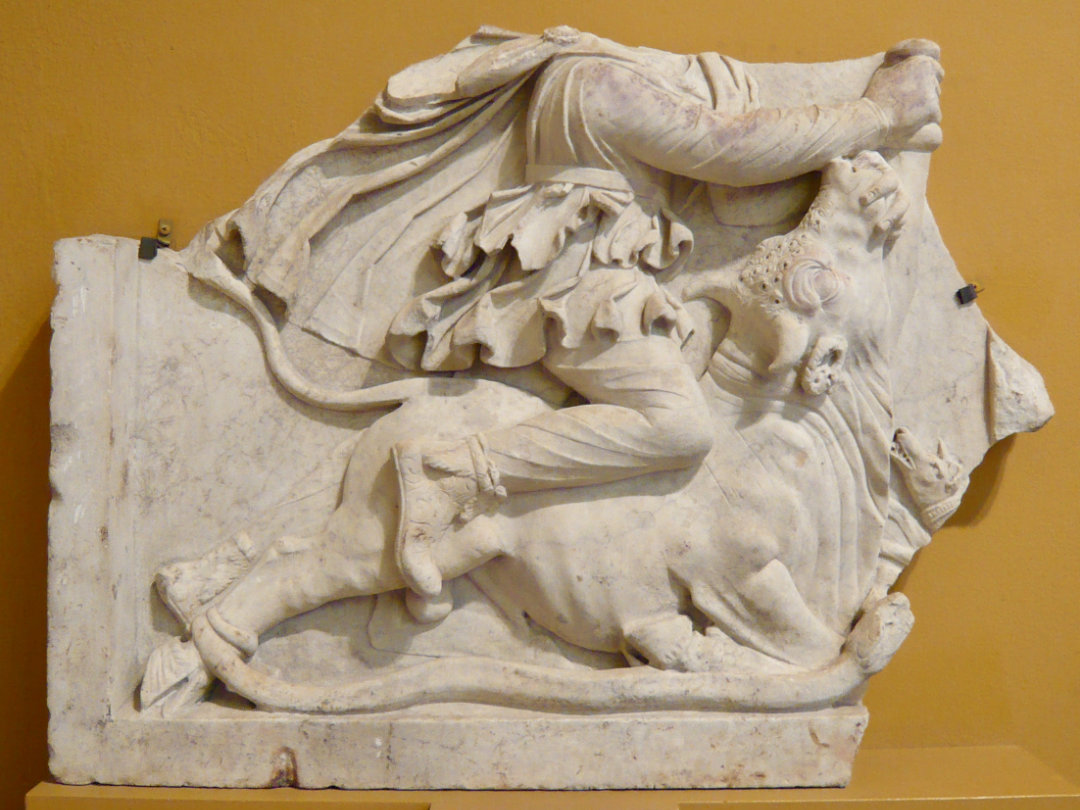
Tauroctony on display in Boston

This fragmentary relief depicts Mithras killing the bull in the usual manner, remarkably dressed in oriental attire.
As of 2022 this piece is currently NOT on display.
avatar
Oct 2022
NewMonumentum

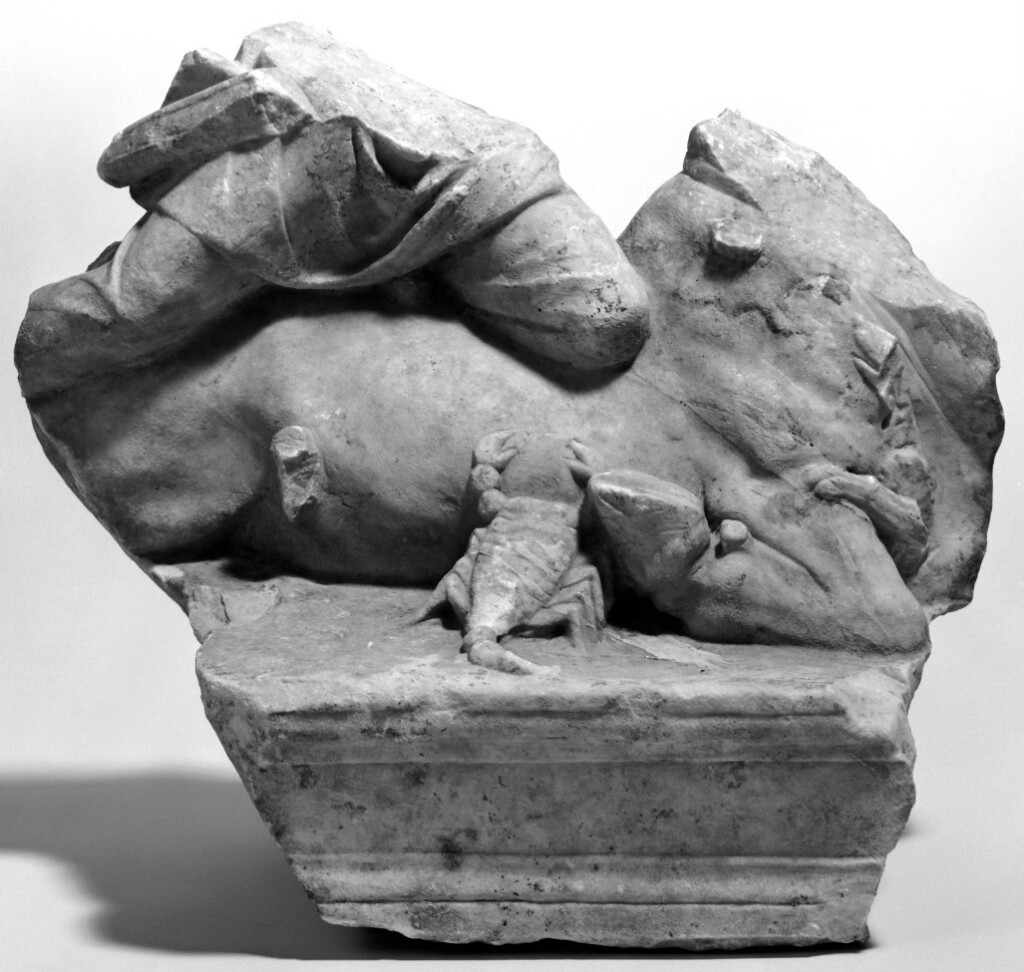
Tauroctony on displya at the Getty Museum

This fragmentary scupture of Mithras killing the bull belongs to the Getty Museum, Los Angeles, USA.
avatar
Oct 2022
NewMonumentum

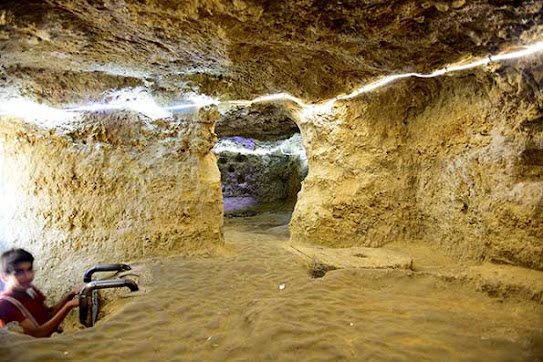
Niasar Cave

The Niasar Cave, غار نیاسر, was a temple probably devoted to Iranian Mithras that dates back to the early Partian era.
avatar
Oct 2022
NewMonumentum

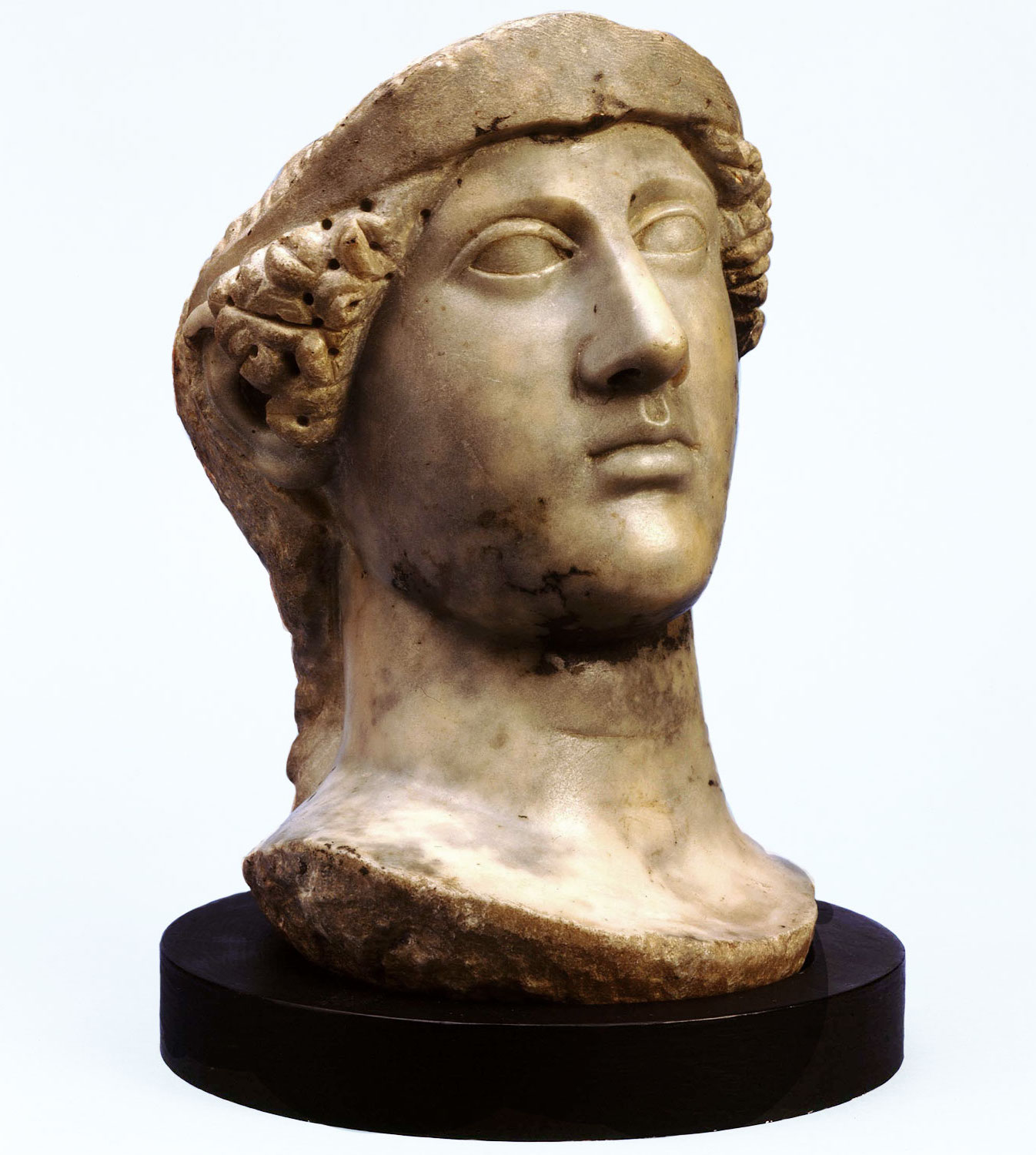
Head of Minerva from London

This head was found at the east end of temple of Mithras in London.
avatar
Oct 2022
Monumentum

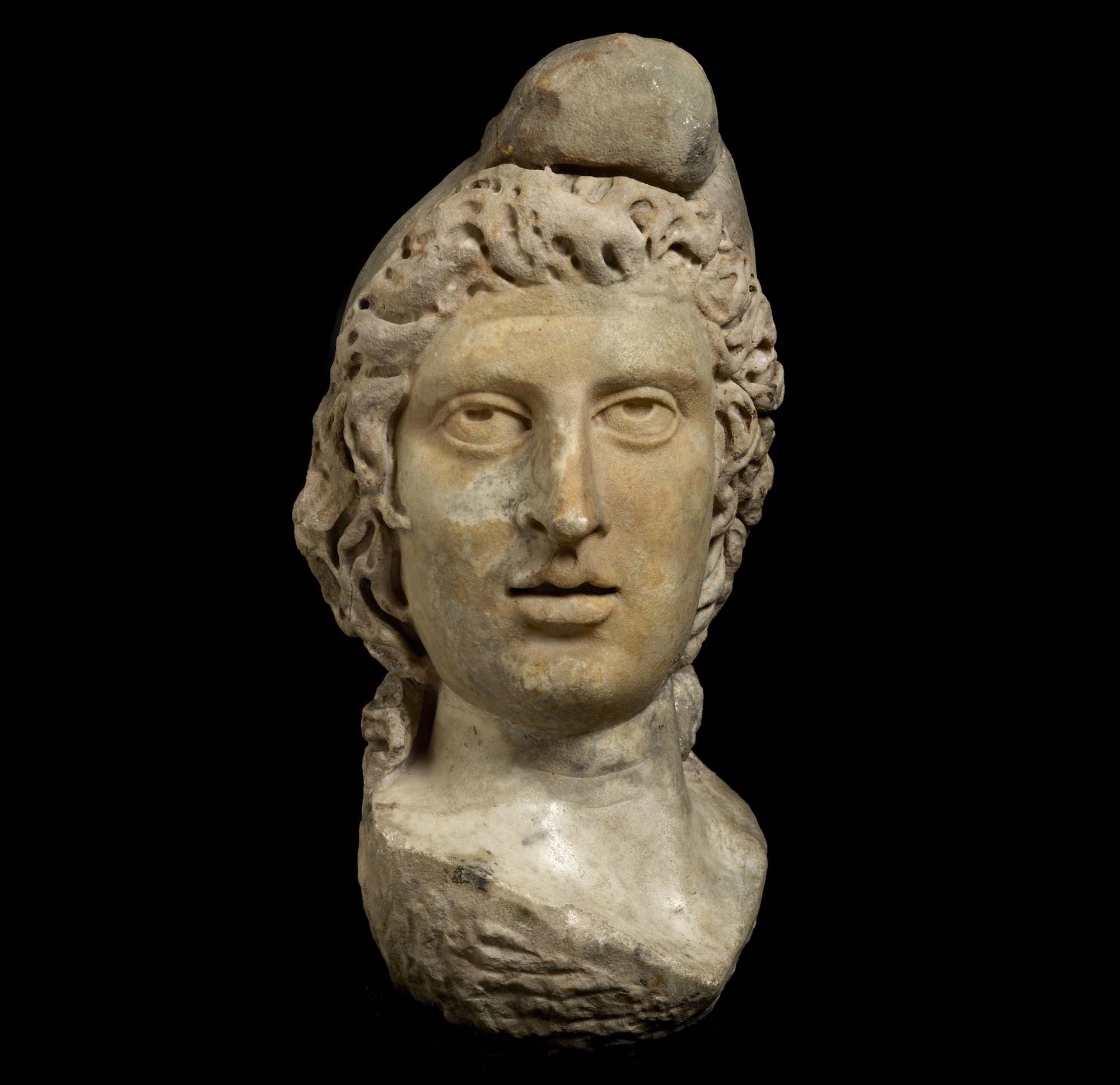
Mithras head of Walbrook

The Mithras's head of Walbrook probable belonged to a life-size scene of the god scarifying the bull.
avatar
Oct 2022
Monumentum

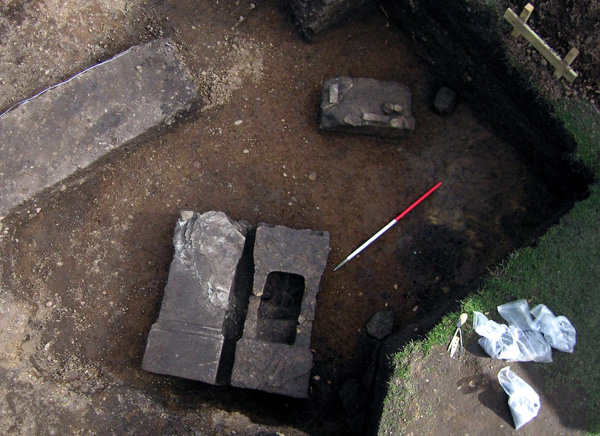
Mithraeum of Inveresk

The Mithraeum of Inveresk, south of Musselburgh, East Lothian, is the first found in Scotland, and the earliest securely dated example from Britain.
avatar
Oct 2022
NewMonumentum

London Mithraeum

The Mithraeum of London, also known as the Walbrook Mithraeum, was contextualised and relocated to its original site in 2016.
avatar
Oct 2022
NewMonumentum

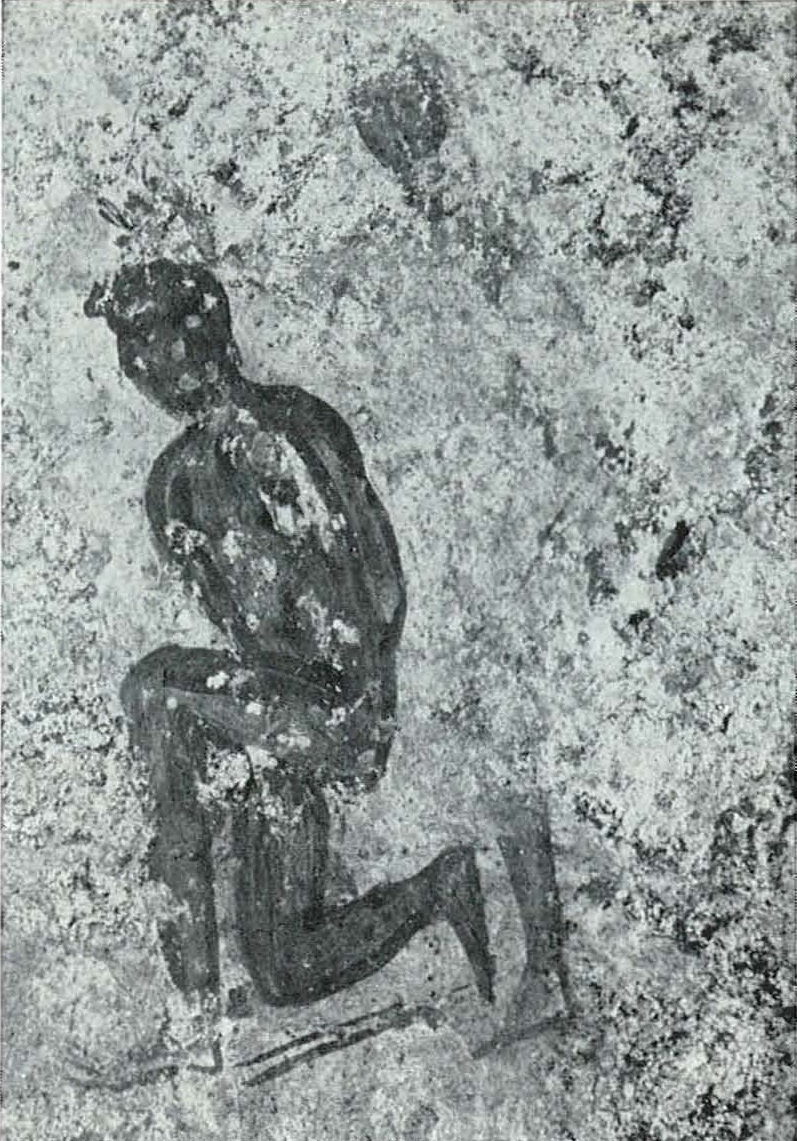
Kneeling man from Santa Maria Capua Vetere

This scene from the frescoes of the Mitreo di Santa Maria Capua Vetere shows a kneeling, naked man surrounded by two other figures.
avatar
Oct 2022
NewMonumentum

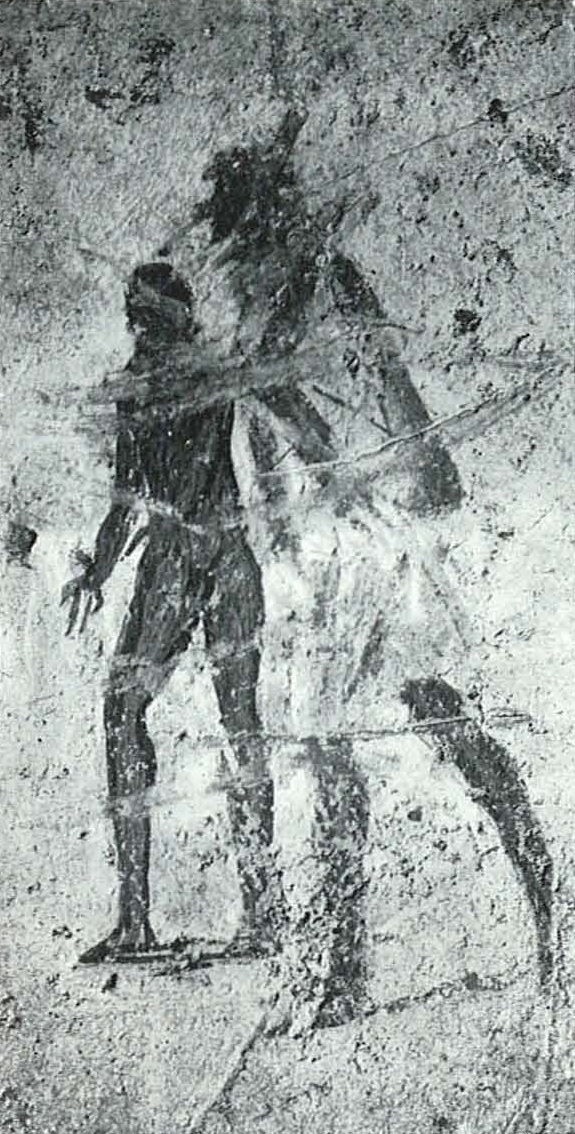
A man is initiated into the Mysteries of Mithras

This is the first of several fresco scenes depicting the initiation of a new member in a mithraic community, in Capua Vetere.
avatar
Oct 2022
NewMonumentum

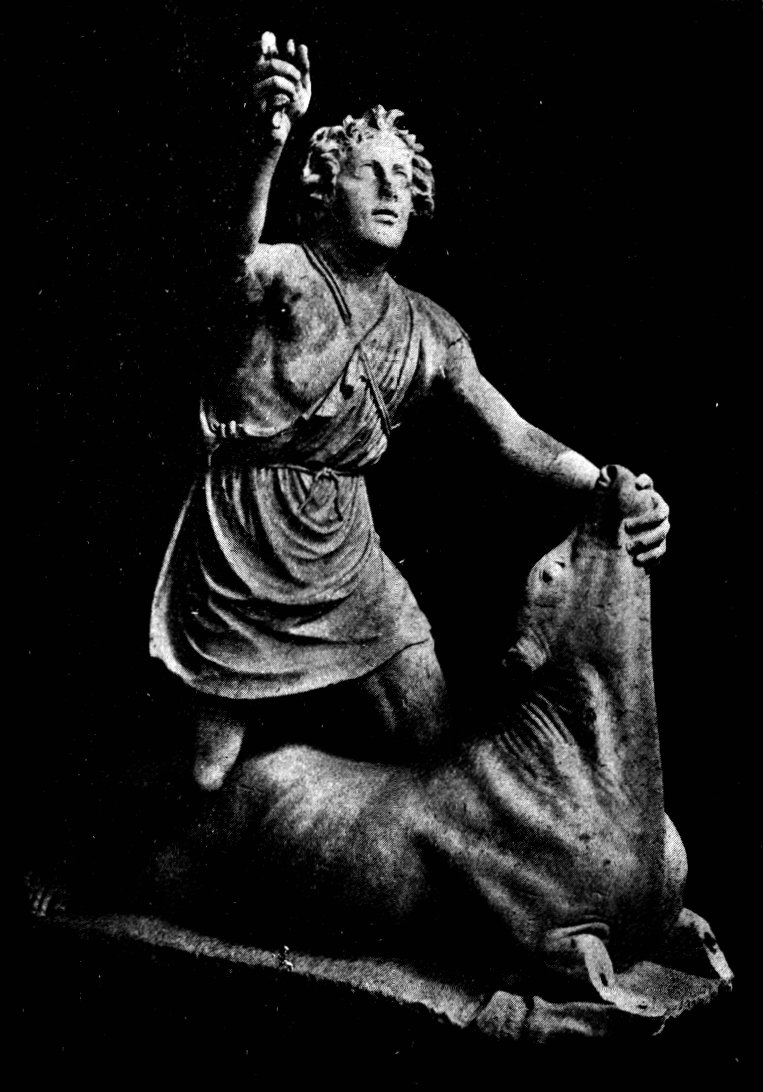
Tauroctony from the Mitreo delle terme di Mitra

The person who commanded the sculpture may have been M. Umbilius Criton, documented in the Mitreo della Planta Pedis.
avatar
Oct 2022
NewMonumentum

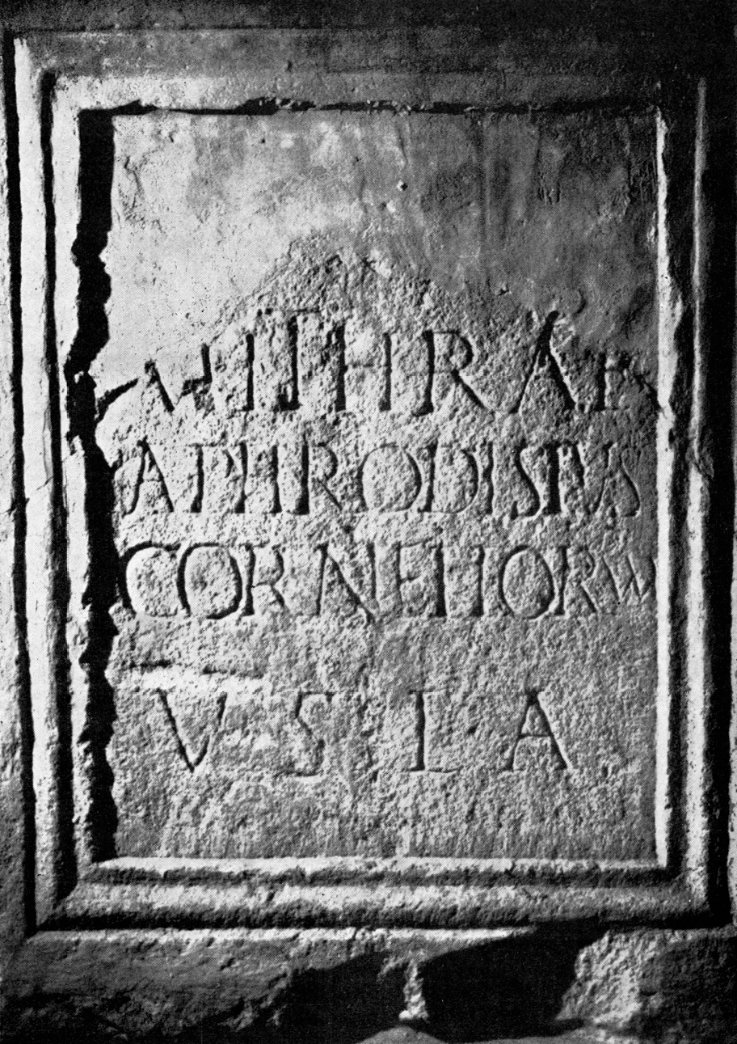
Inscription of Aphrodisius

This inscription by a certain Aphrodisius was found under the old city hall of Algiers.
avatar
 
Back to Top