Your selection in monuments gave 428 results.
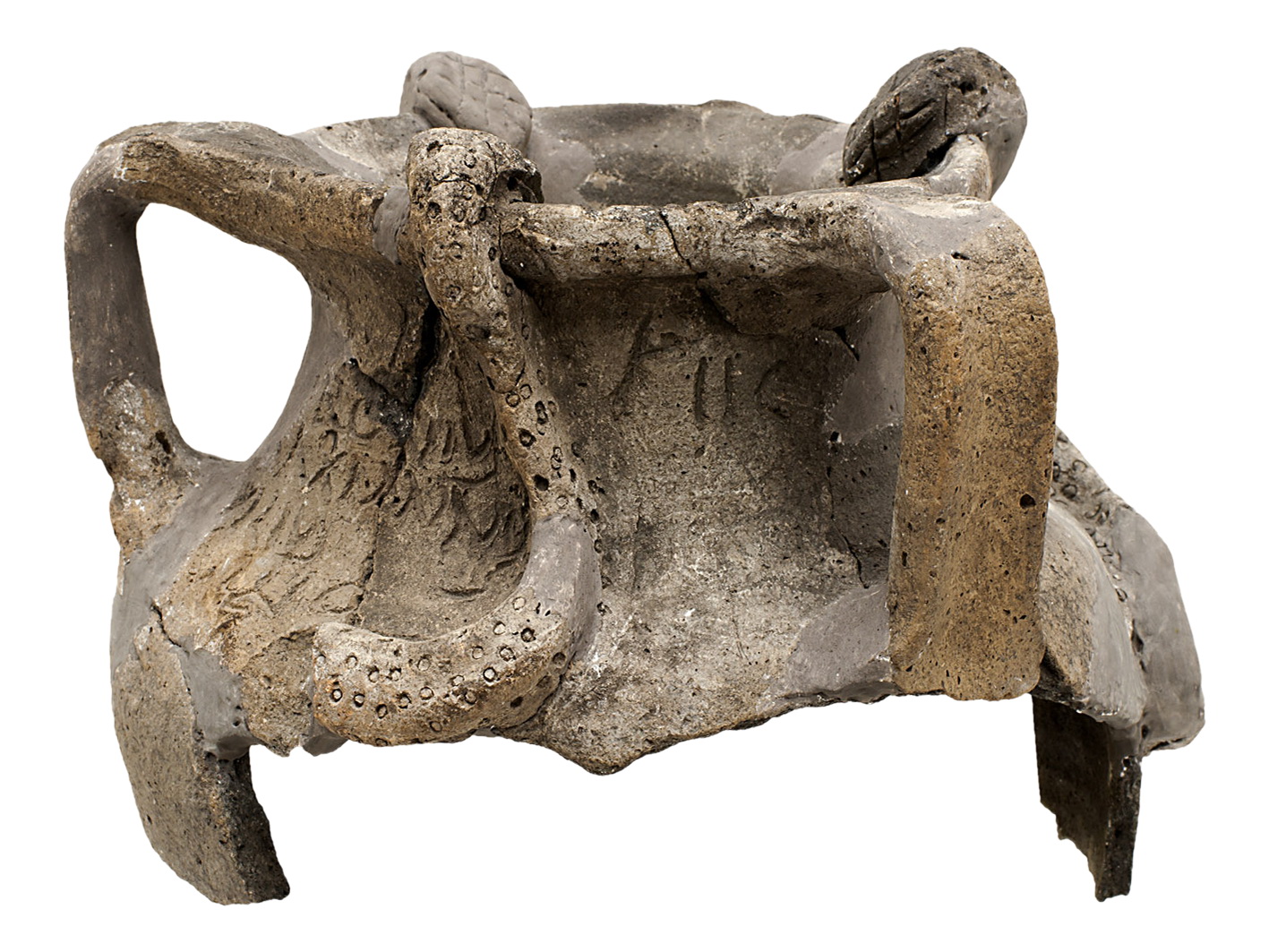
Upon first examination, archaeologists interpreted the inscription on the cult vessel from Gradishje as referencing Mithras, though it has since been re-evaluated.
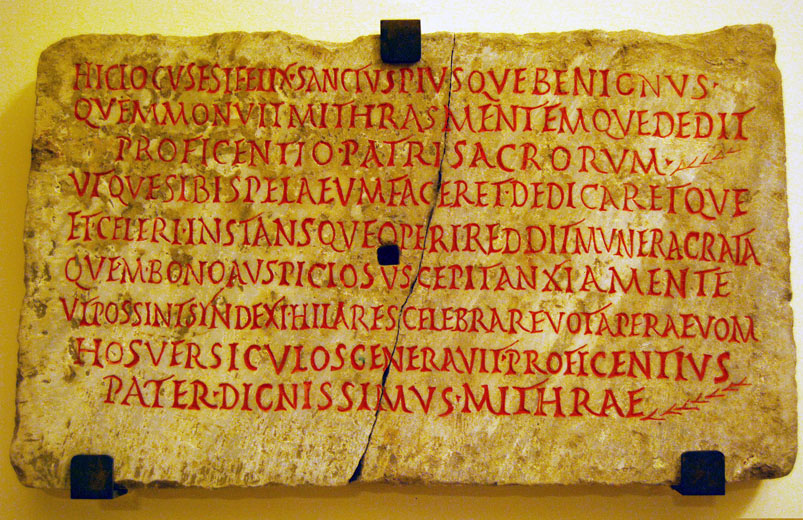
This marble slab bears an inception be the Pater Proficentius to whom Mithras has suggested to build and devote a temple.
The epigrahy includes a mention of Marcus Aurelius, a priest of the god Sol Mithras, who bestowed joy and pleasure on his students.
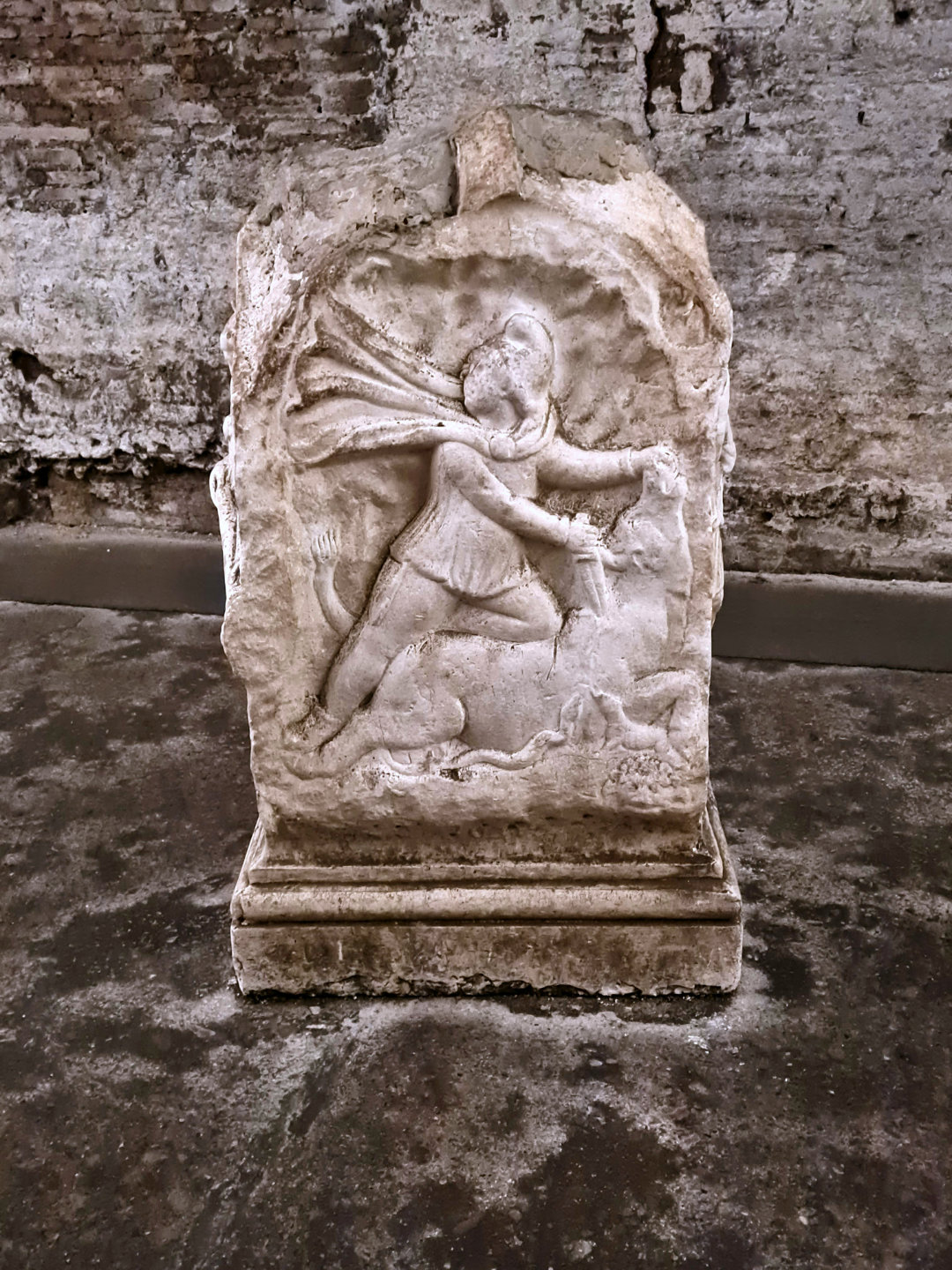
The altar of the Mithraeum of San Clemente bears the Tauroctony on the front, Cautes and Cautopates on the right and left sides and a serpent on the back.
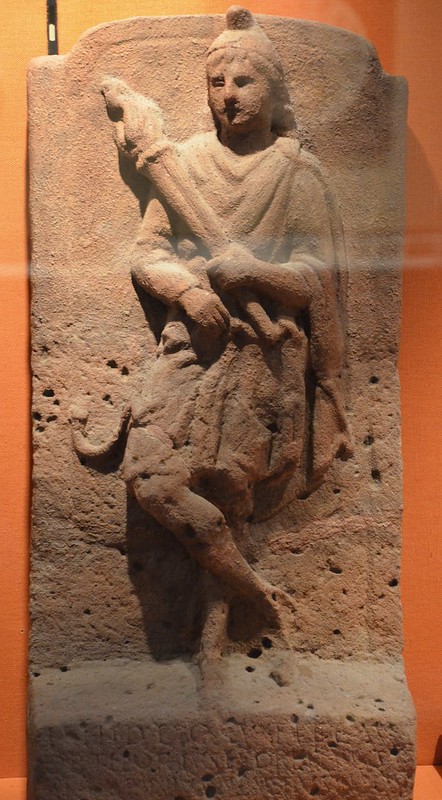
Reliefs of Cautes and Cautopates dedicated by Florius Florentius of Saalburg and Ancarinius Severus.
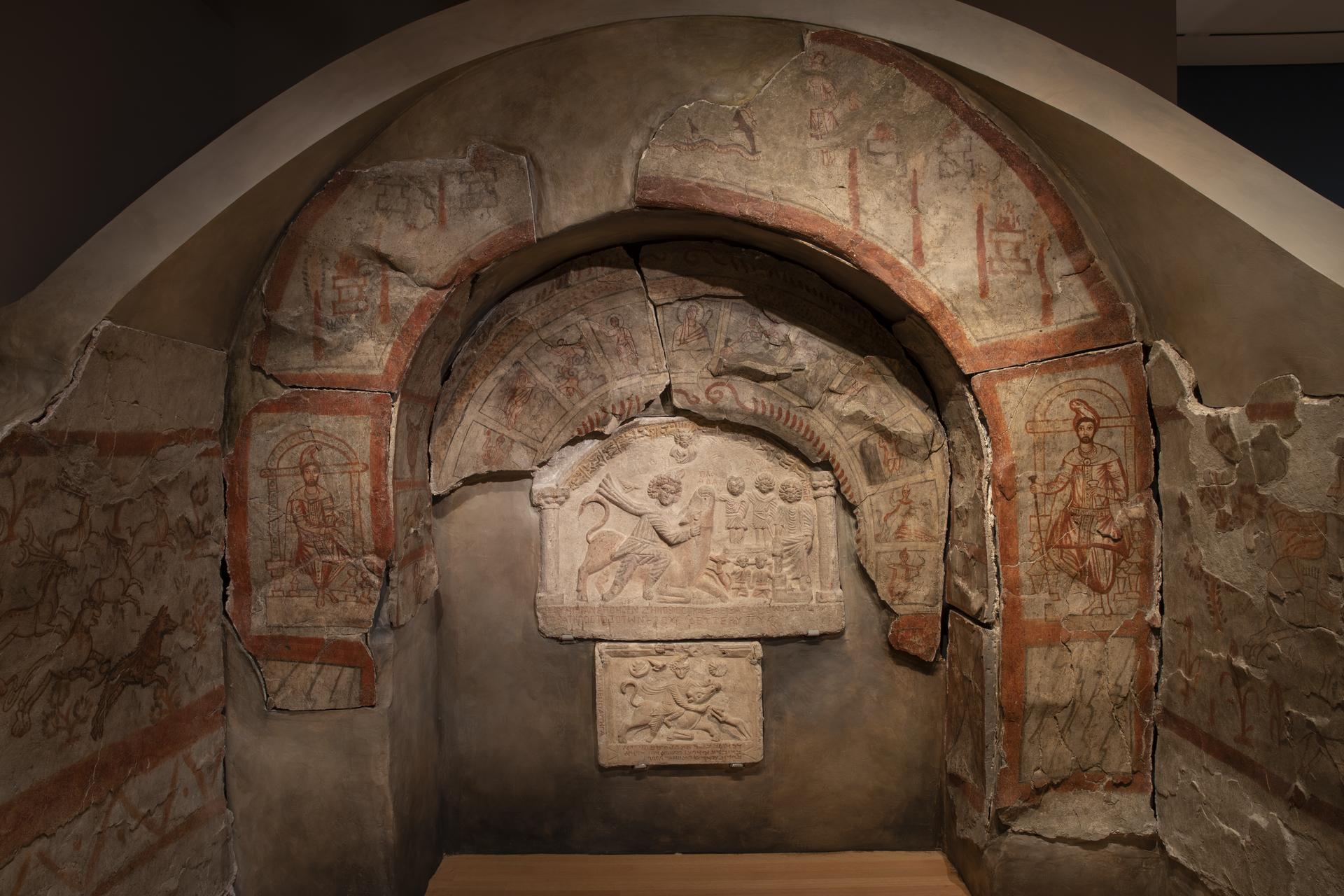
This enigmatic fresco on top of the main tauroctony shows Mithras killing the bull, accompanied by Cautes and Cautopates, surrounded by burning altars and cypress trees.
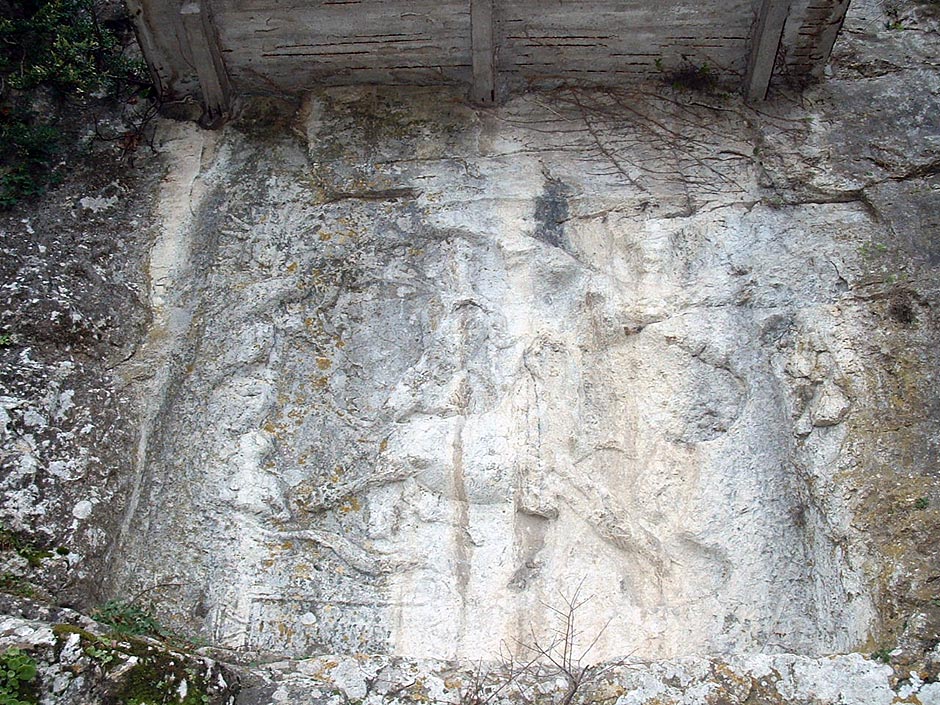
The low relief of Bourg-Saint-Andéol depicting Mithras killing the bull has been chiseled on the rock.
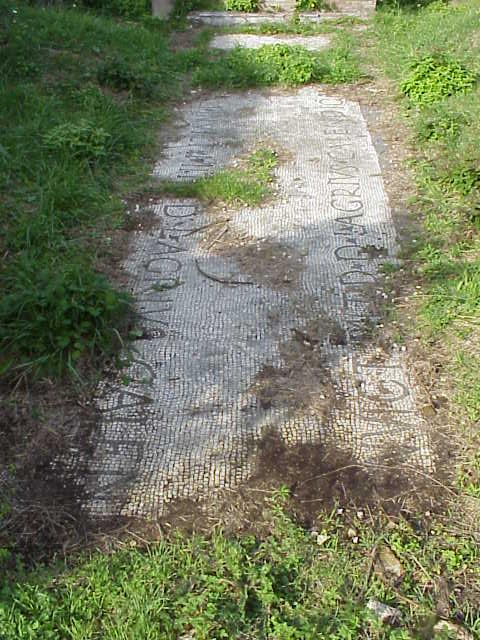
It bears an inscription repeated on each side of the podia.
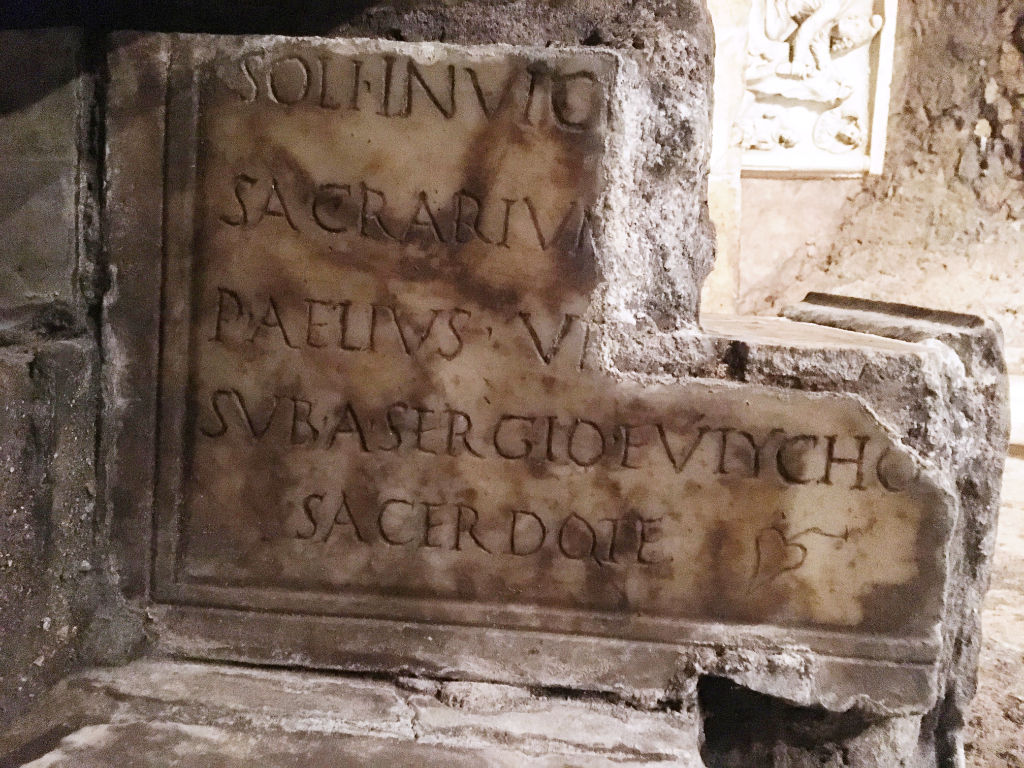
The Mithraic fellow P. Aelius Urbanus mentions that he built the sacred area of the Mithraeum Circo Massimo.

This remarkable marble relief from the end of the 3rd century was discovered in the most remote room of the Mithraeum in the Circo Massimo.

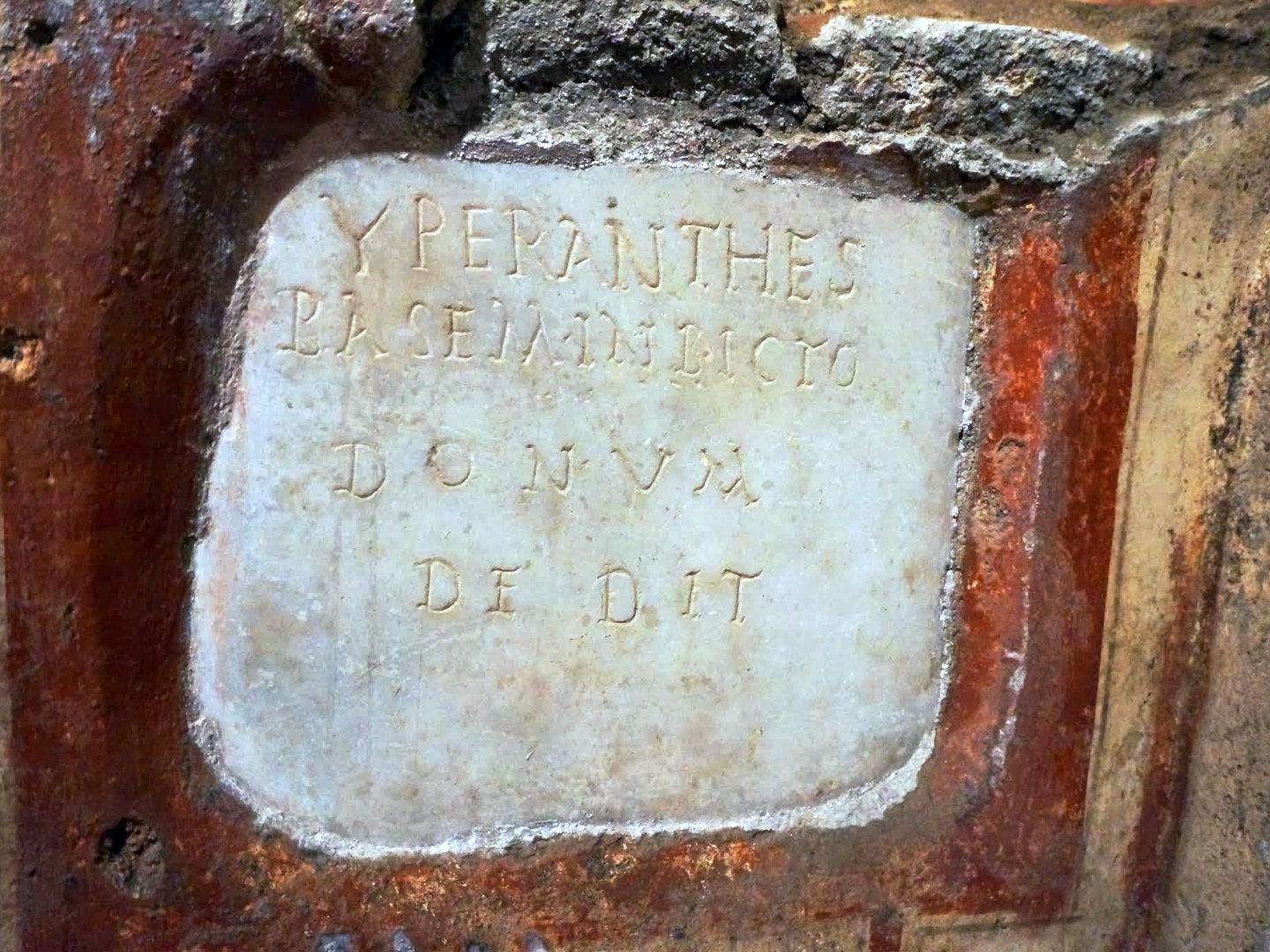
The inscription mentions the name of the donor, Yperanthes, of Persian origin.
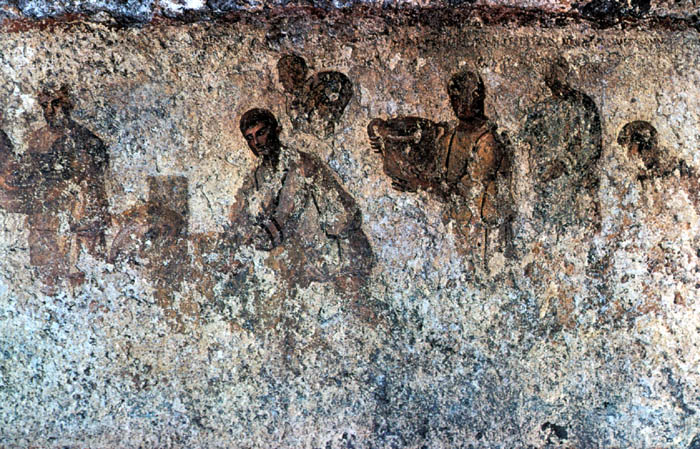
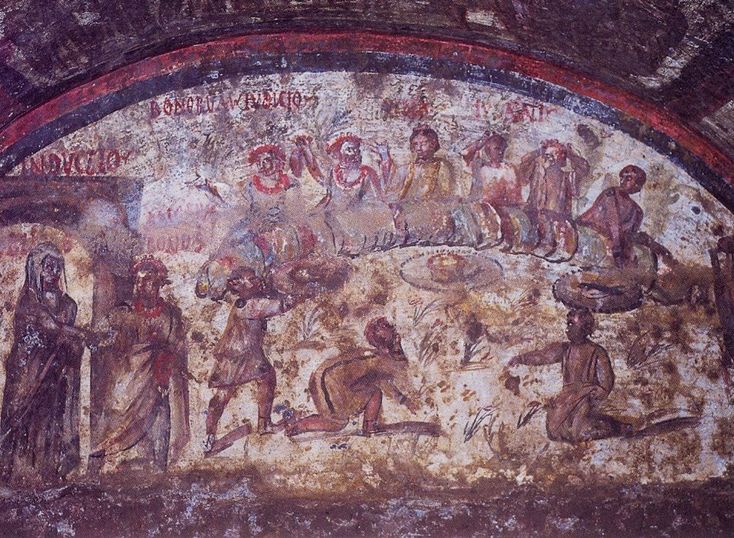
Procession of Leones carrying animals, bread, a krater, and other objects in preparation for a feast.
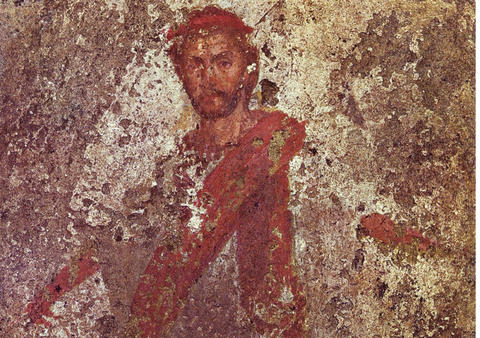
Figures in procession, each representing a different grade of Mithraic initiation, labeled with their respective titles.
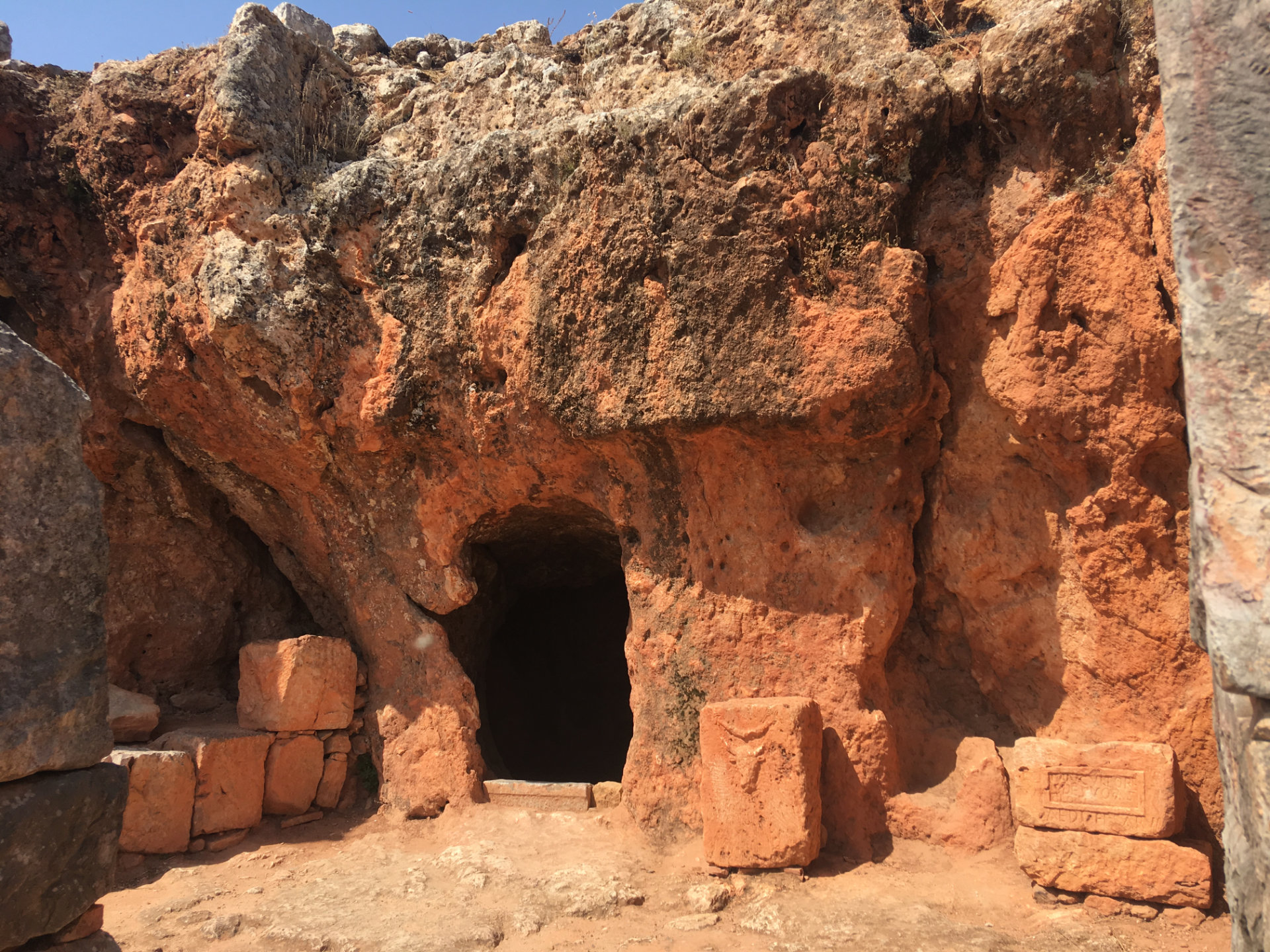
The Mithraeum was housed in a cave. The vault is almost dome-shaped and in front of the cave there is enough space for a possible adjacent temple.
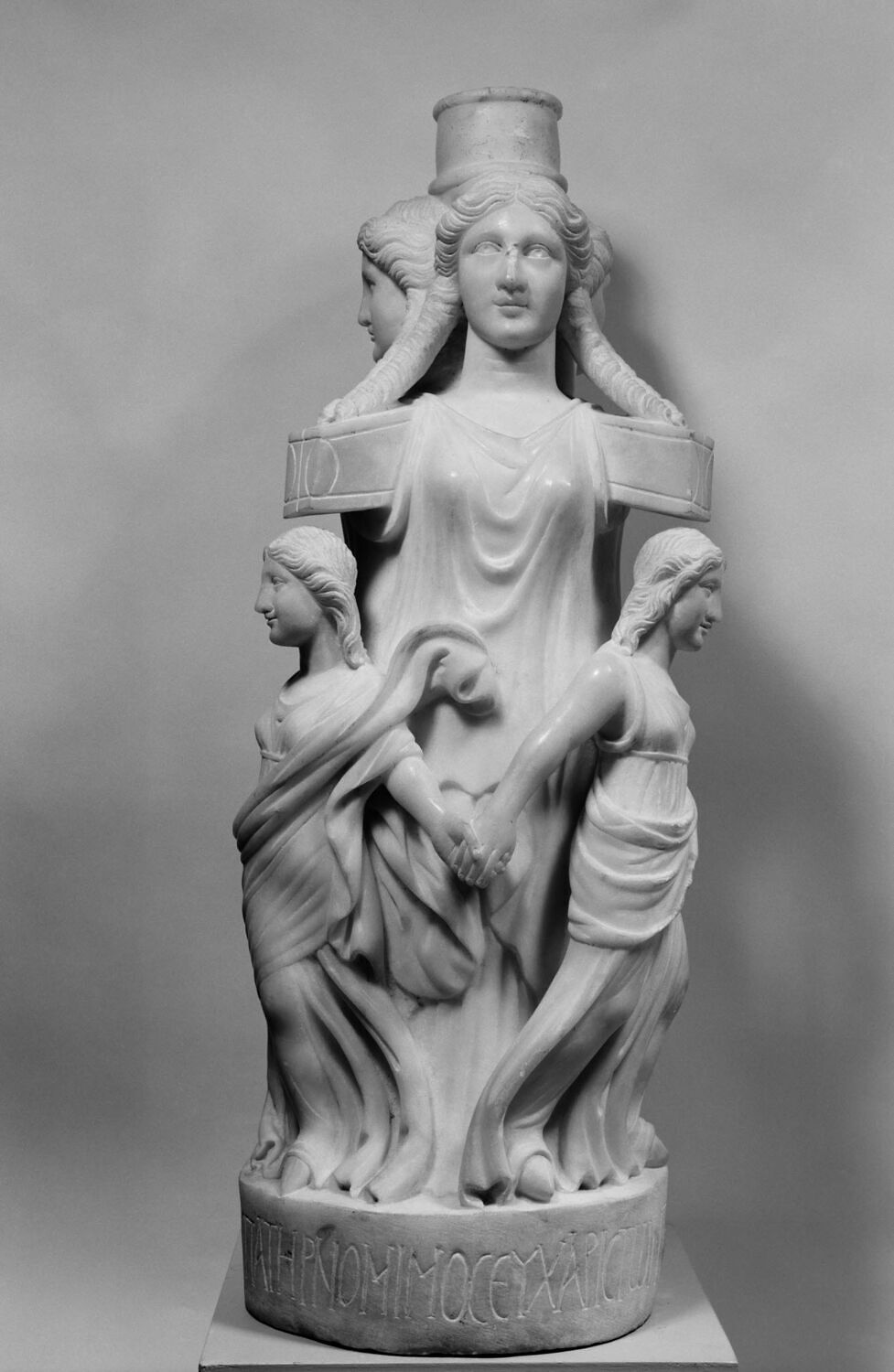
The Hekataion of Sidon, which depicts Hekate in her trimorphic form surrounded by three dancing girls, is the only example found to date in connection with the Mithraic cult.
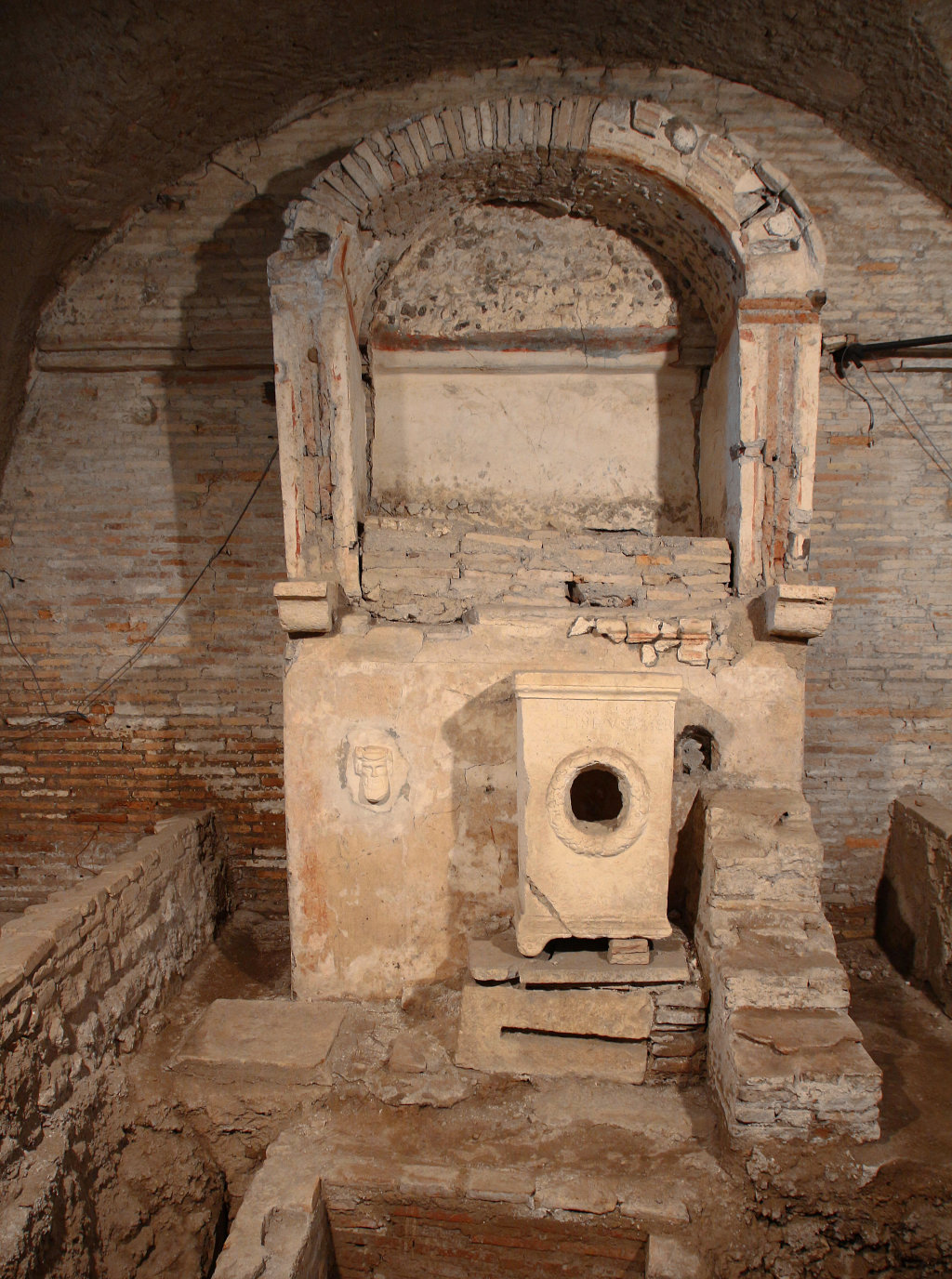
This altar was originally consecrated to Hercules and was rededicated to Mithras by Callinicus in the Mithraeum of the House of Diana.
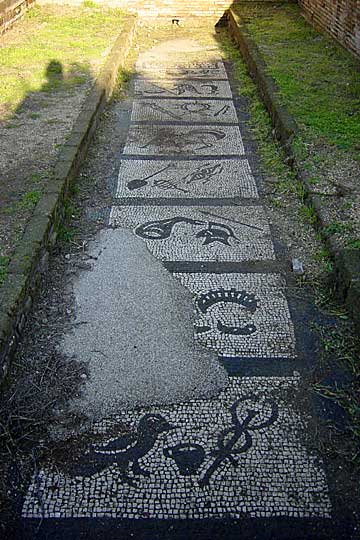
The Felicissimo Mithraeum has a floor mosaic depicting the seven mithraic grades.
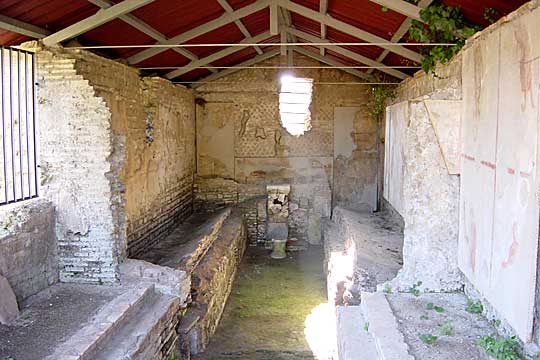
The House of the Mithraeum of the Painted Walls was built in the second half of the 2nd century BC (opus incertum) and modified during the Augustan period.

Two altars dedicated to Sucellus and Nantosvelta found near the Sarrebourg Mithraeum.
