Your search Ša‘āra gave 2453 results.

Bessapara occupied an important position along the communications routes linking Thrace with the interior Balkans.

Limestone altar fragment from the Mithraeum at Sárkeszi, Pannonia Inferior, dedicated to Fonti dei by Septimius Valentinus, optio.
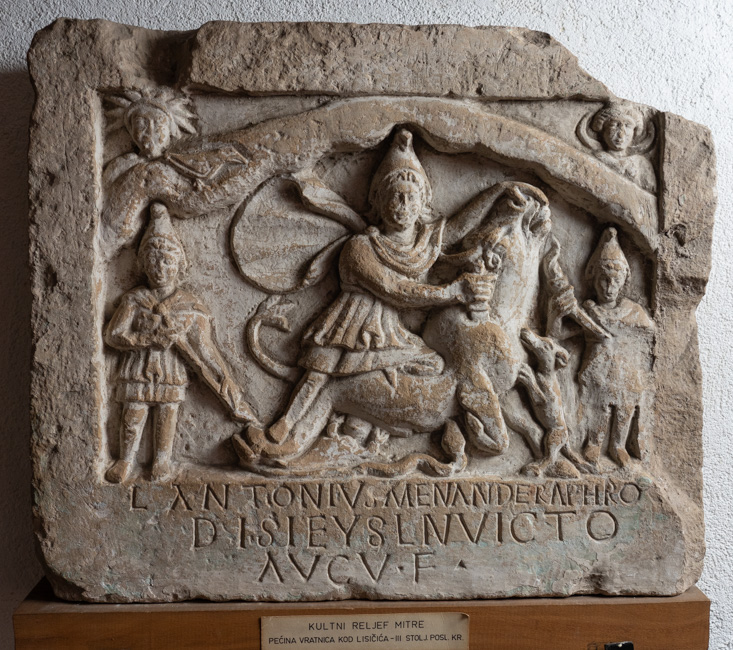
This relief of Mithras as a bullkiller found at Vratnitsa, near Lisicici in northern Macedonia, was signed by a certain Menander Aphrodisieus.
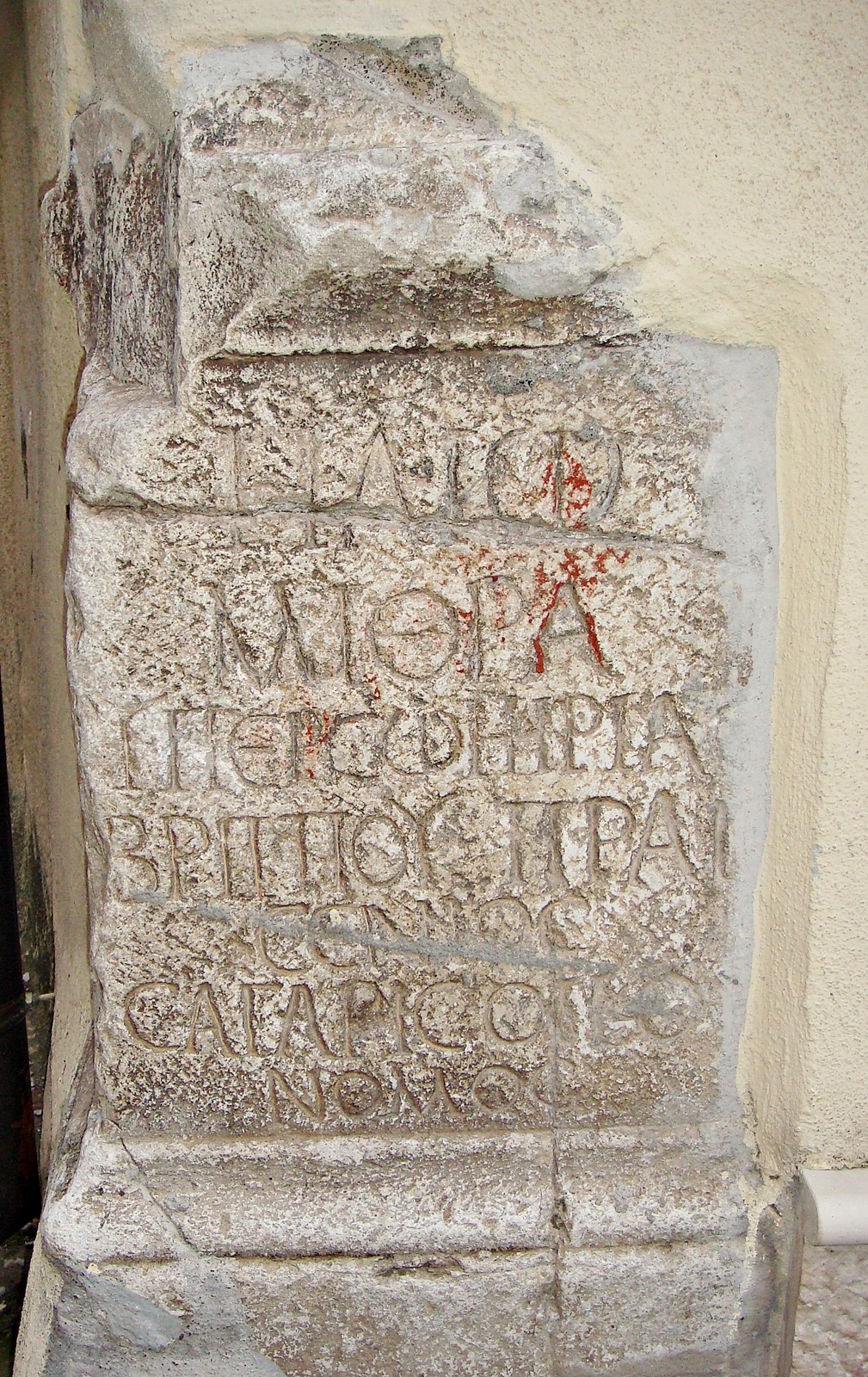
This altar dedicated to Helios Mithras by a certain Sagaris was repurposed in the masonry of Palazzo Bagnoli, Venosa, Italy.
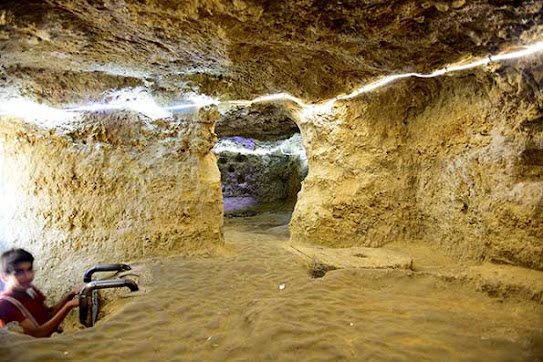
The Niasar Cave, غار نیاسر, was a temple probably devoted to Iranian Mithras that dates back to the early Partian era.
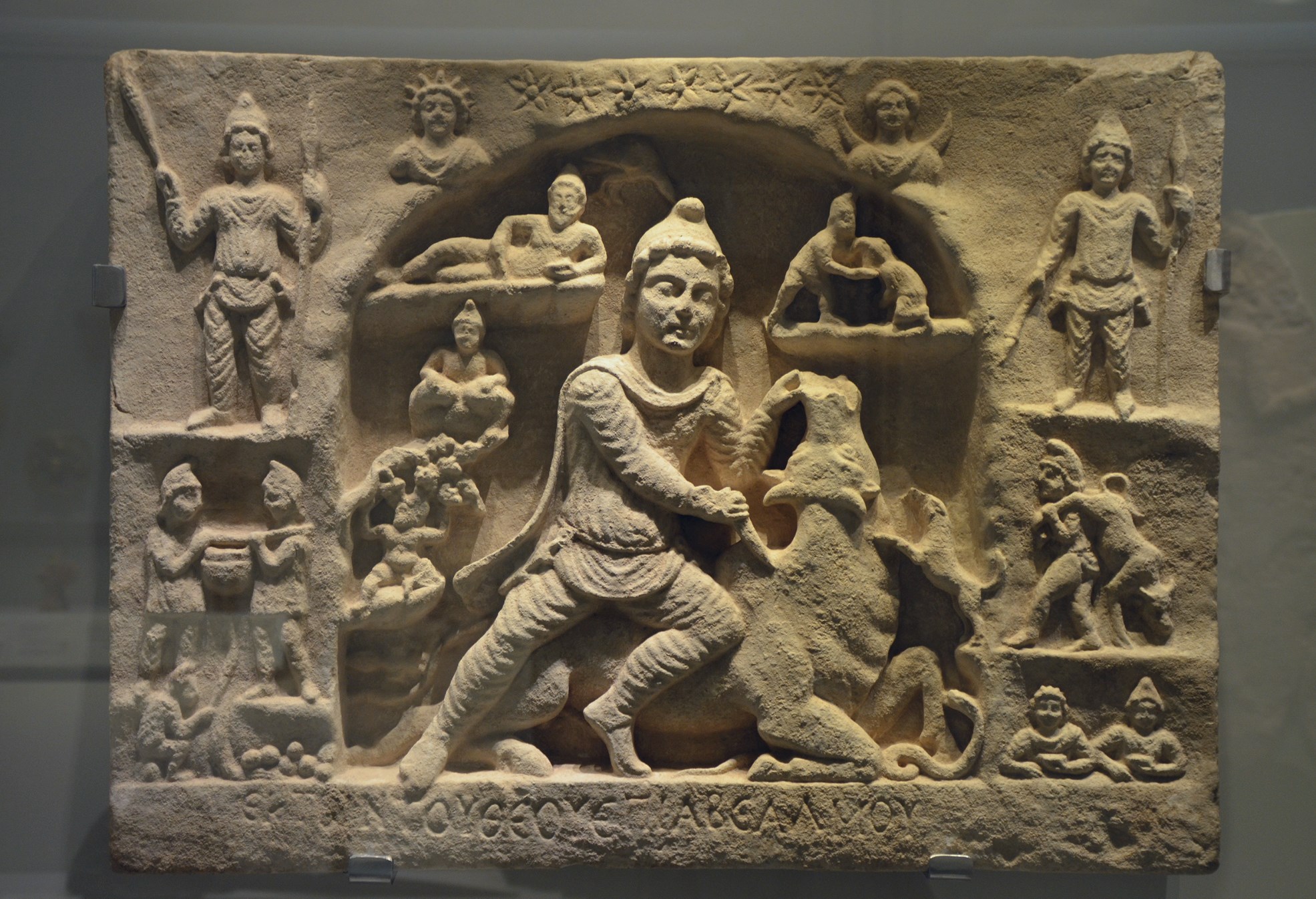
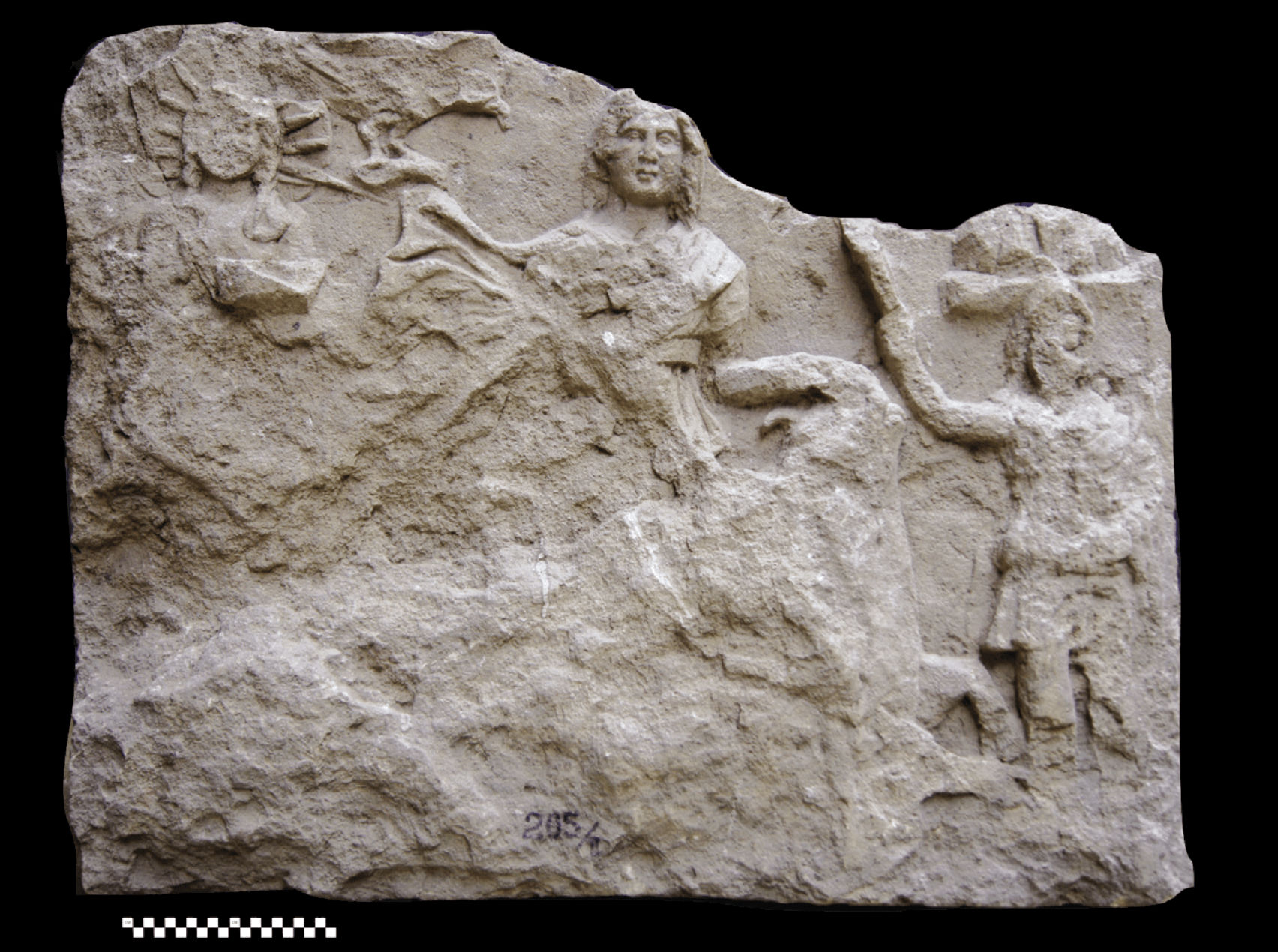
The relief of Mithra slaying the bull from Apulum, Romania, has been missing until the scholar Csaba Szabó identified it in the diposit of the Arad Museum.
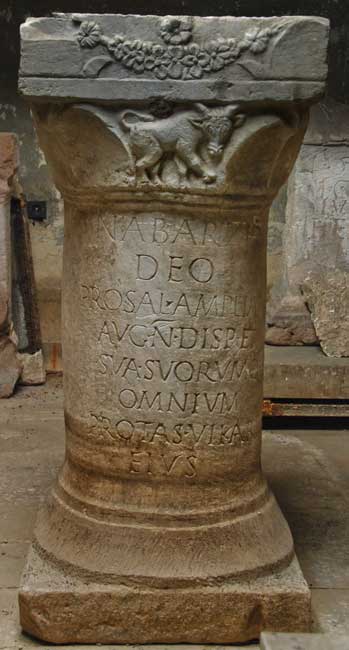
This column found in the Mithraeum of Sarmizegetusa bears an inscription to Nabarze instead of Mithras.
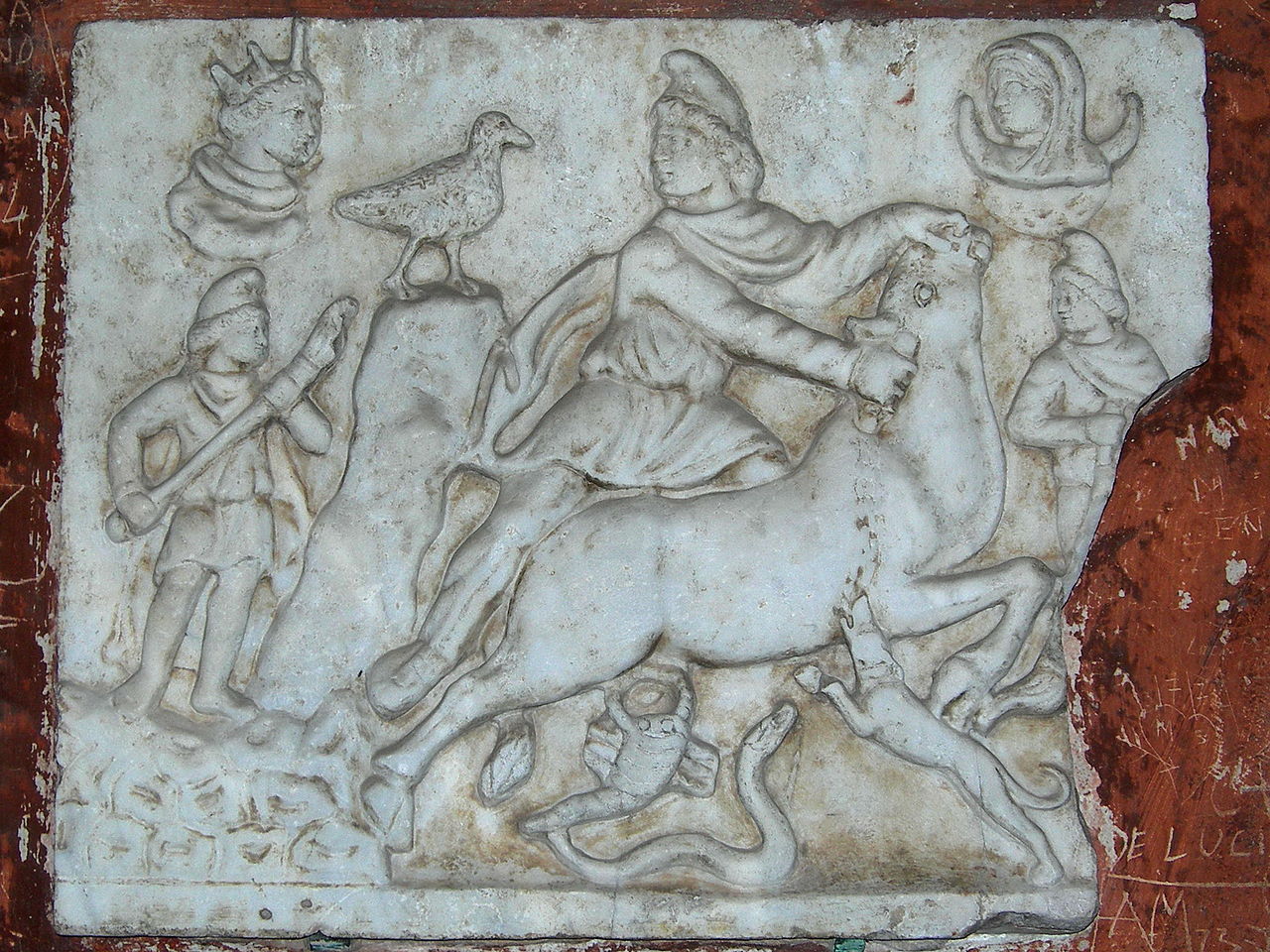
This white marble relief of Mithas killing the sacred bull was found embedded in the building of a noble family in Pisa.
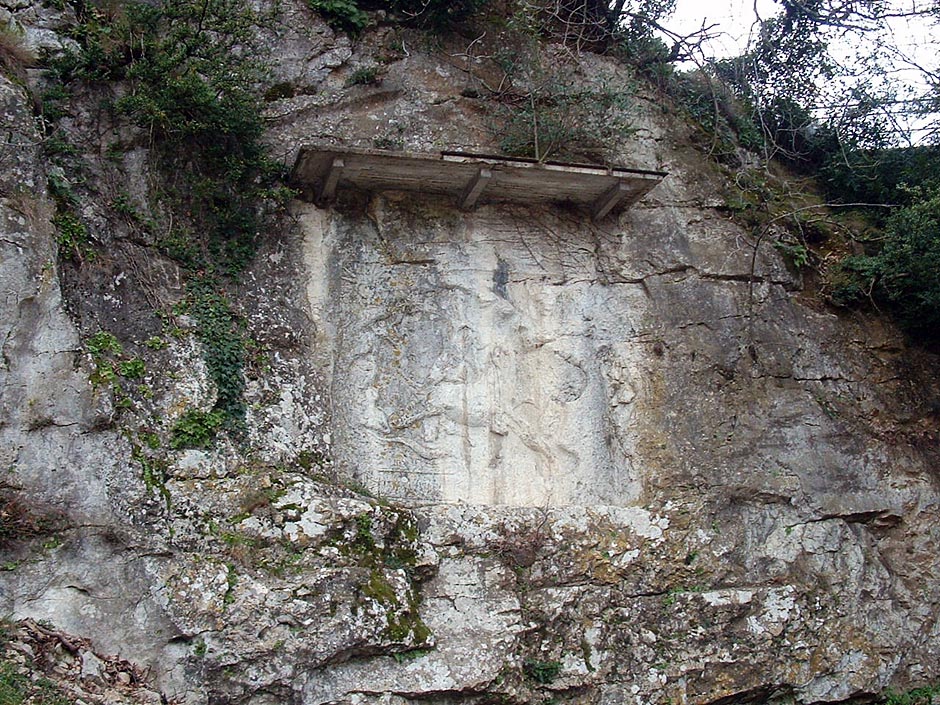
The Mithréum de Bourg-Saint-Andéol was built against a rock where the main Tauroctony was chiseled.
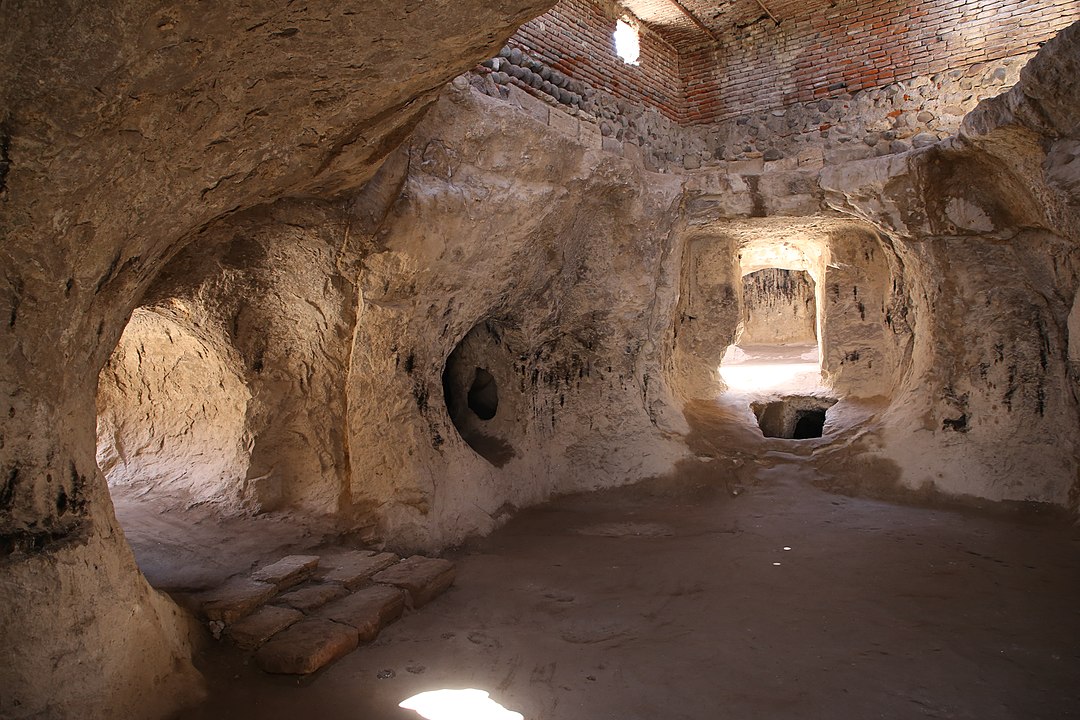
The Mithra Temple of Maragheh, also referred to as the Mithra Temple of Verjuy or simply Mehr Temple, is the oldest surviving Mithraic temple in Iran known to date.
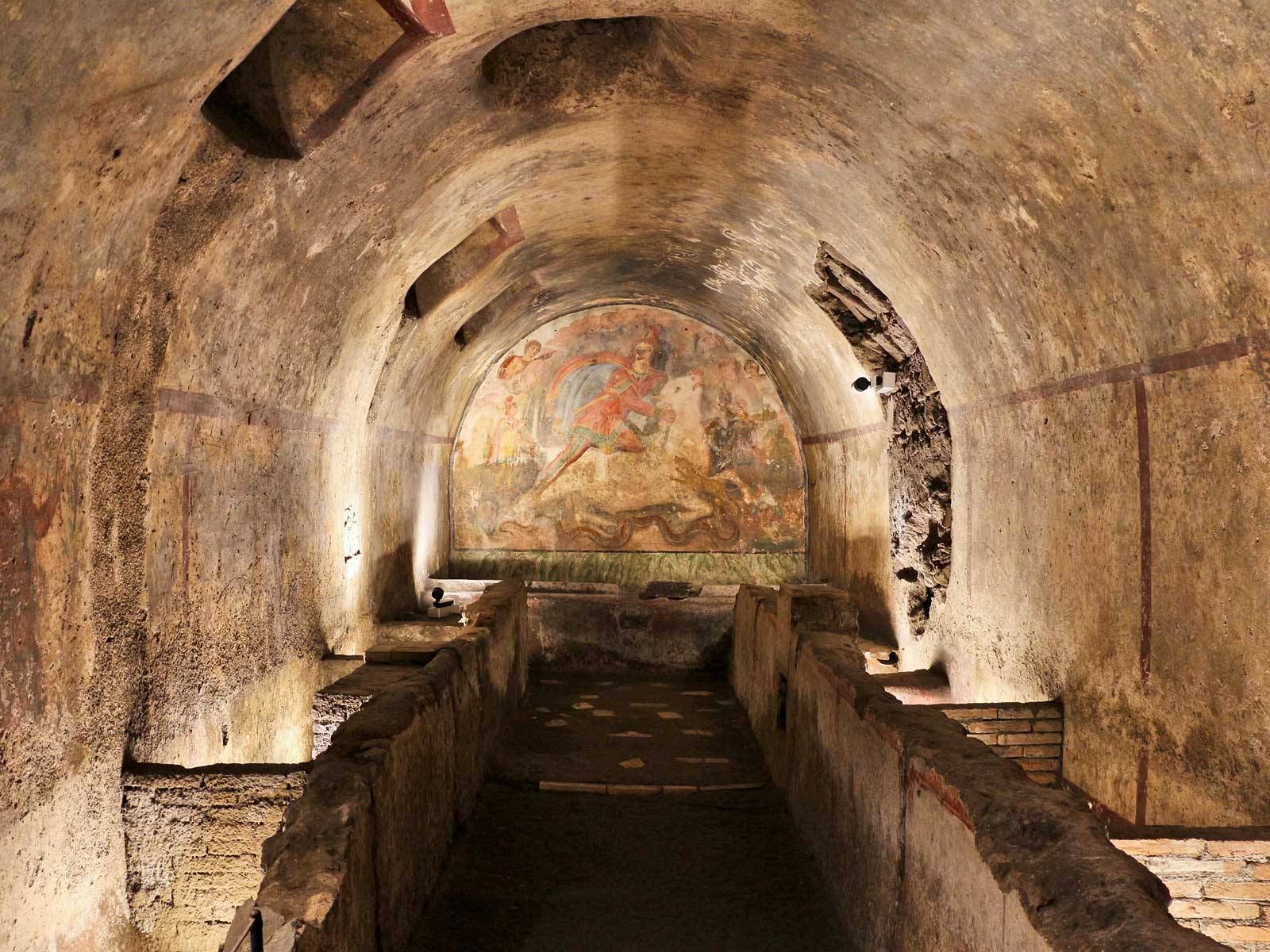
One of Roman Italy’s most important Mithraic sanctuaries, the Mithraeum at S. Maria Capua Vetere preserves a remarkable painted cycle of initiation scenes, offering rare visual evidence for the ritual life of Roman Mithaism.
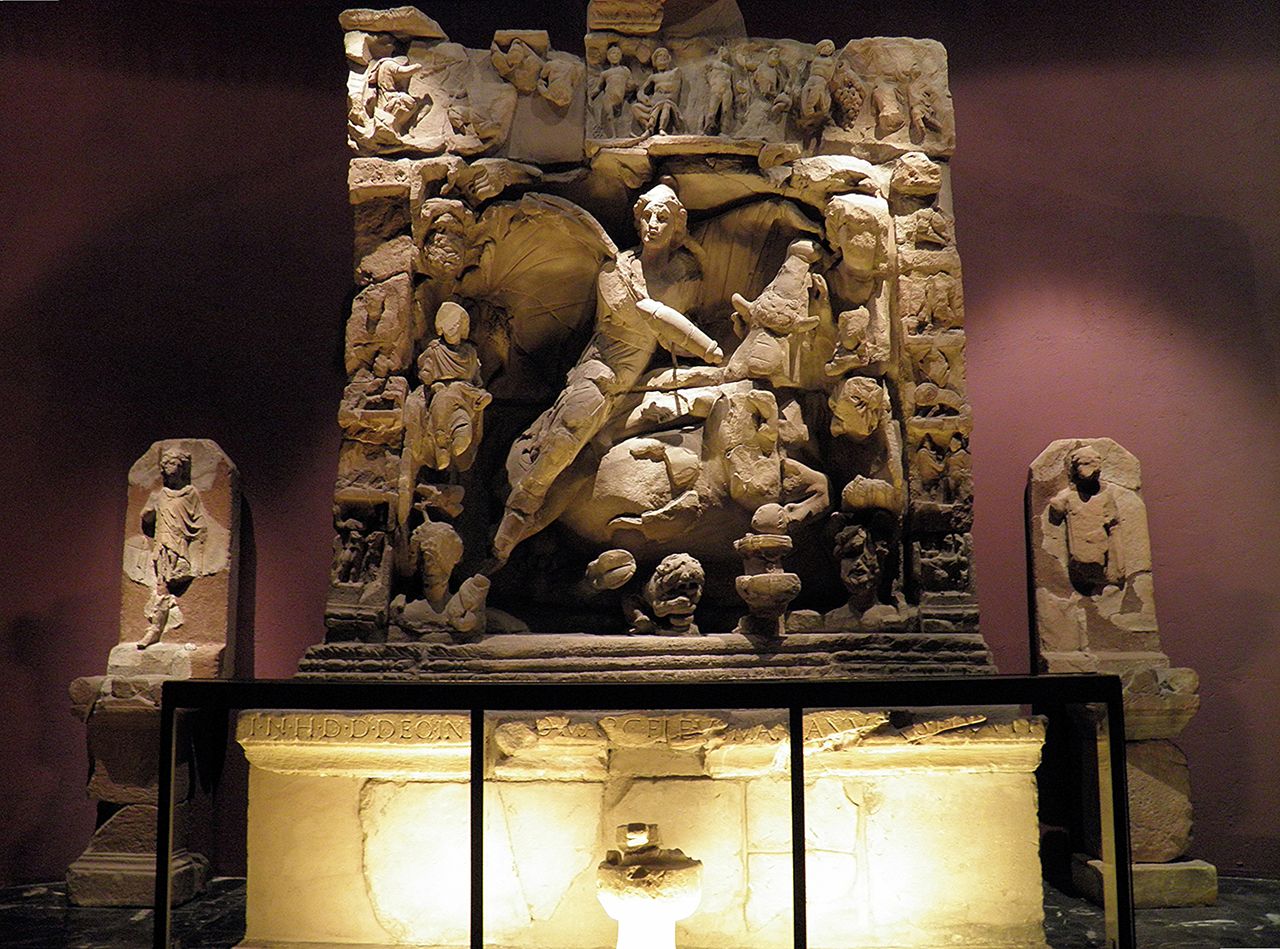
The base of these sandstone reliefs bears an inscription referring to a certain Marcellius Marianus.
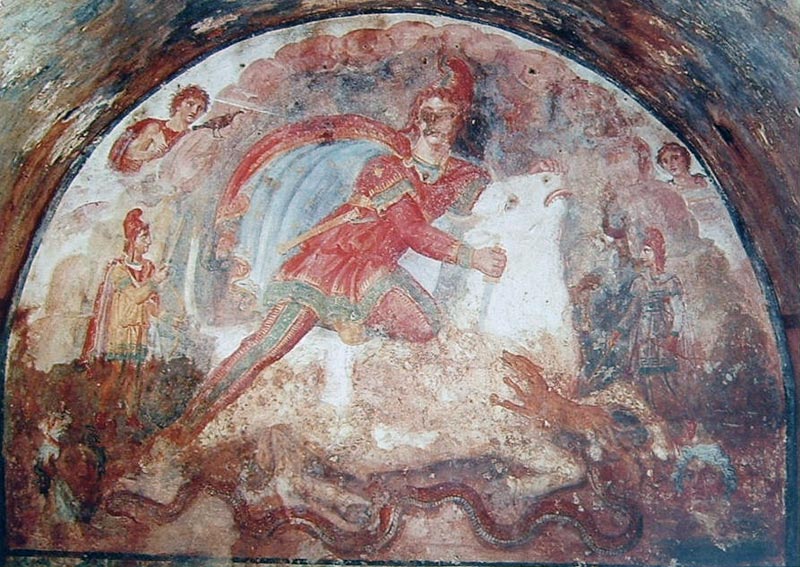
The main fresco of the Mithraeum of Santa Maria Capua Vetere portrays Mithras slaughtering a white bull.
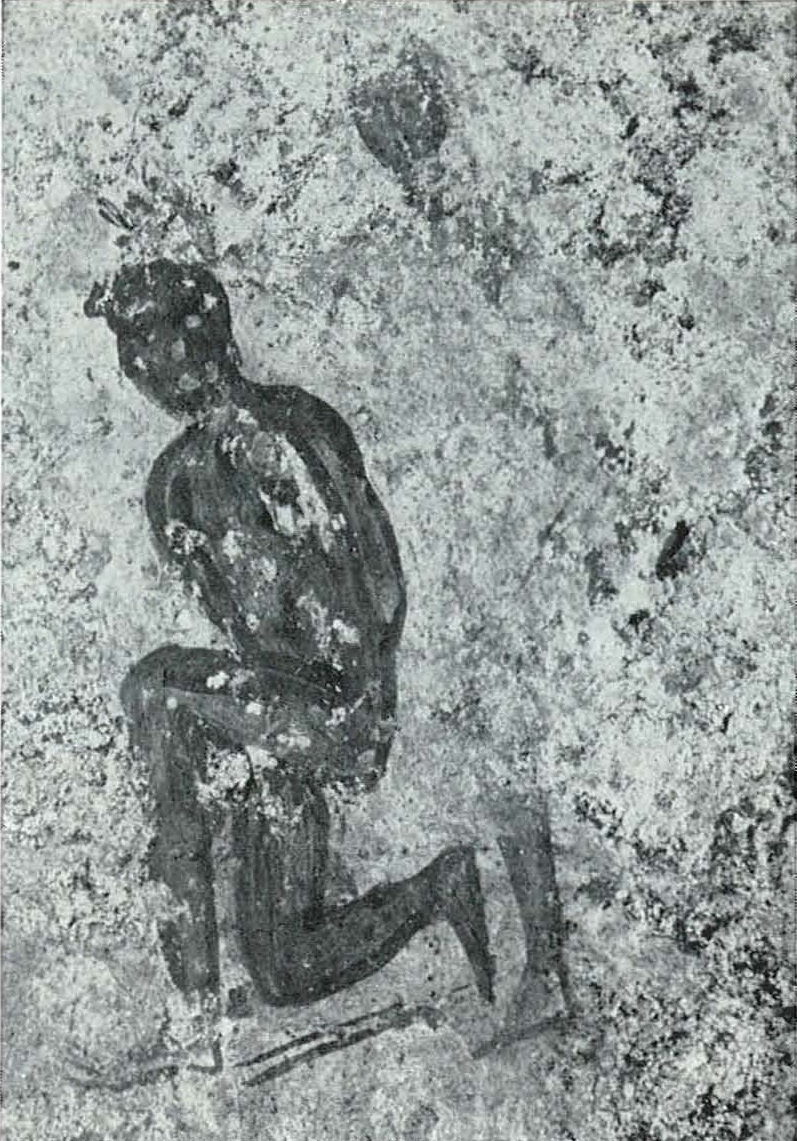
This scene from the frescoes of the Mitreo di Santa Maria Capua Vetere shows a kneeling, naked man surrounded by two other figures.
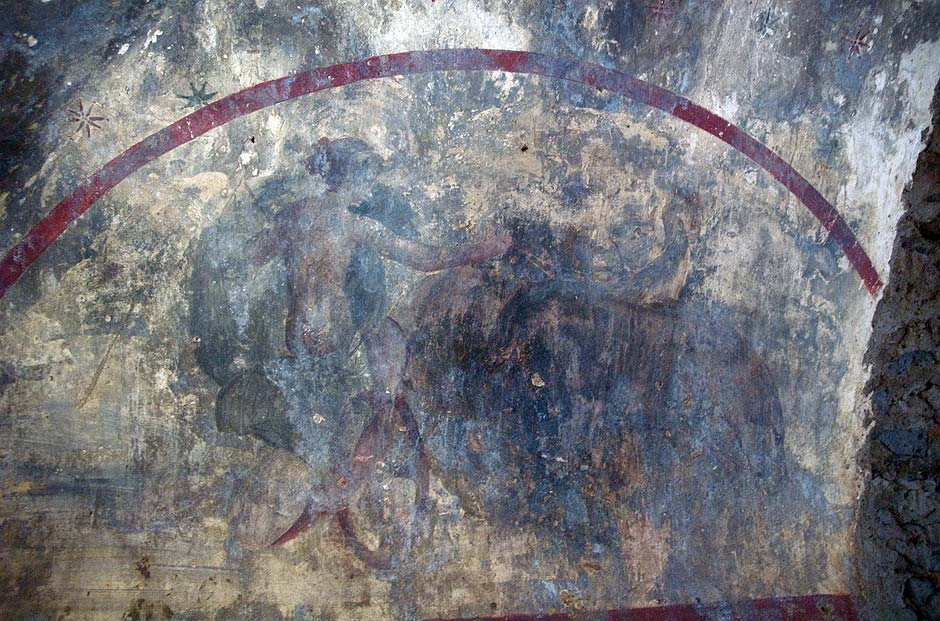
Luna riding a biga in the Mithraeum of Santa Capua Vetere.
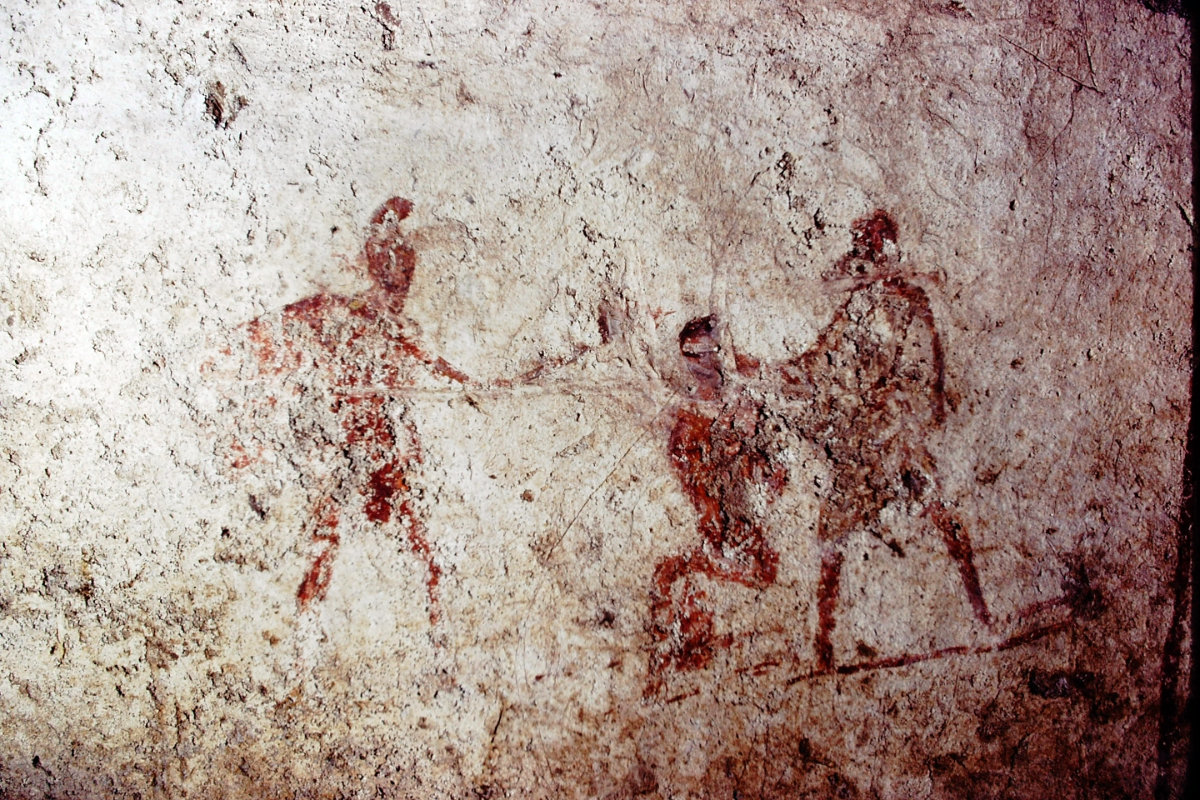
Fresco showing a scene of initiation into the mysteries of Mithras in the Mithraeum of Santa Maria Capua Vetere.

Small marble base dedicated by C. Atilius Bassus, freedman and apparator of a priest of the Great Mother, to Silvanus dendrophoris, from the Mitreo degli Animali at Ostia.
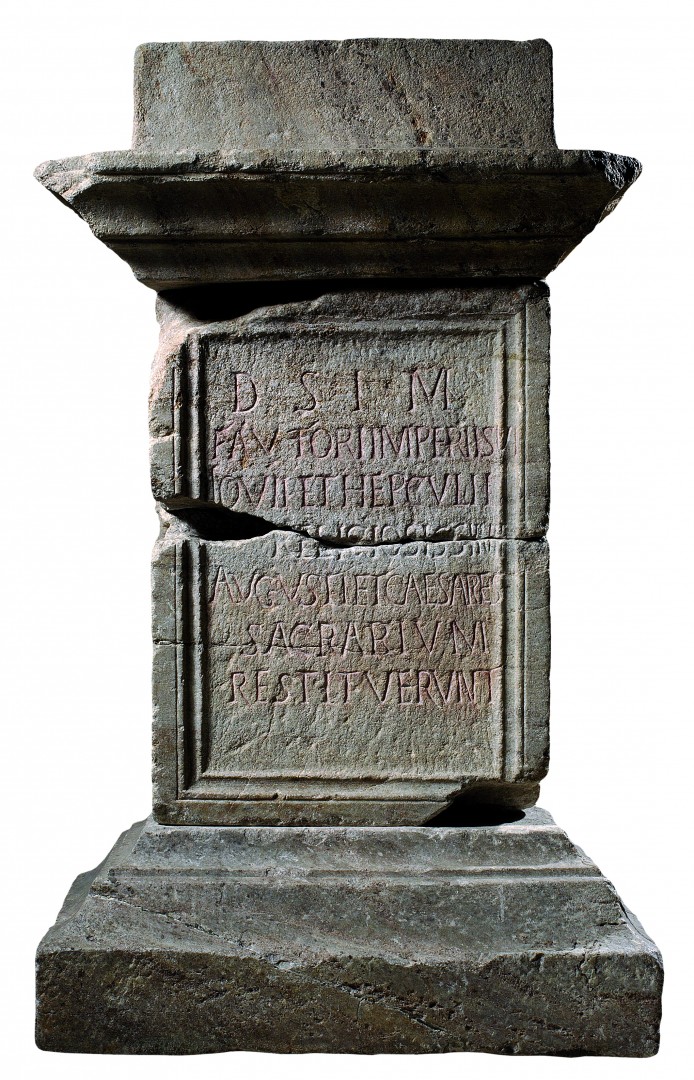
Altar with Cautes and Cautopates dedicated to Sol Invictus Mithras as protector of the Tetrarchy in 3rd-century Carnuntum.