Your search Al-Bahnasa gave 3013 results.
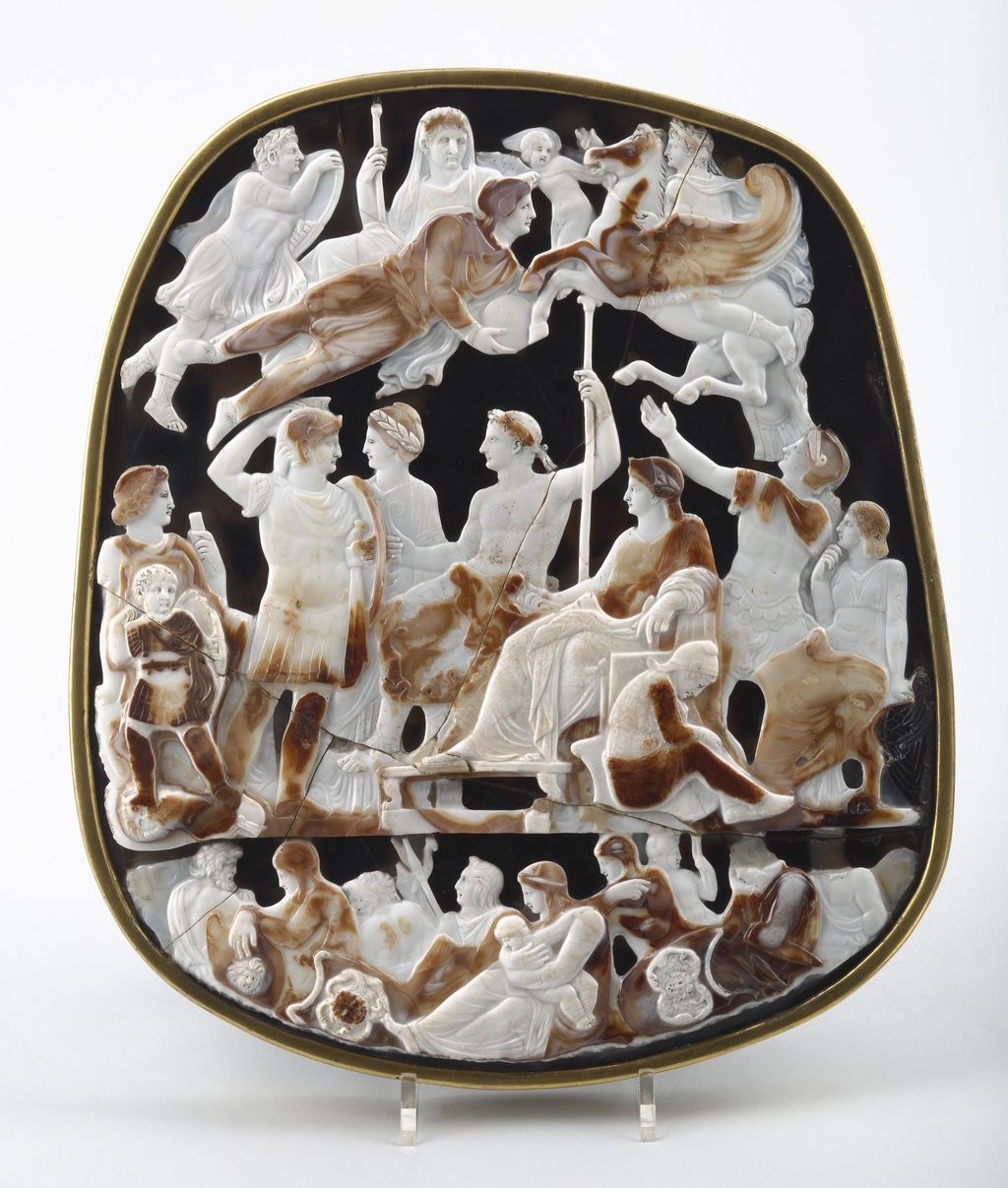
Some authors have speculated that the flying figure dressed in oriental style and holding a globe could be Mithras.
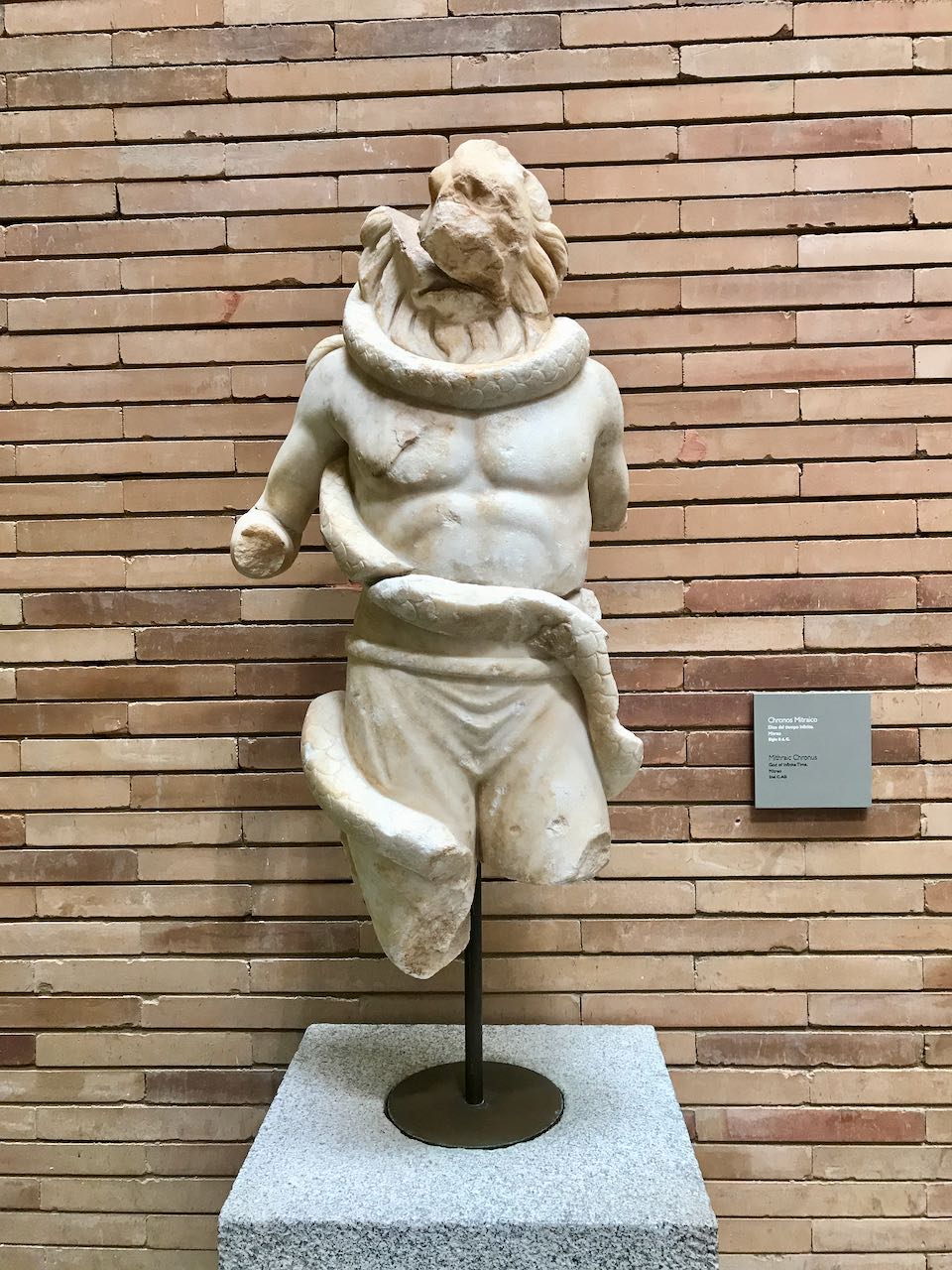
The lion-headed figure, Aion, from Mérida, wears oriental knickers fastened at the waist by a cinch strap.

In this article, Chalupa examines the scant evidence that has been found for the presence of women in the Roman cult of Mithras.

The Mithraeum of Spoleto was found in 1878 by the professor Fabio Gori on behalf of Marquis Filippo Marignoli, owner of the land.
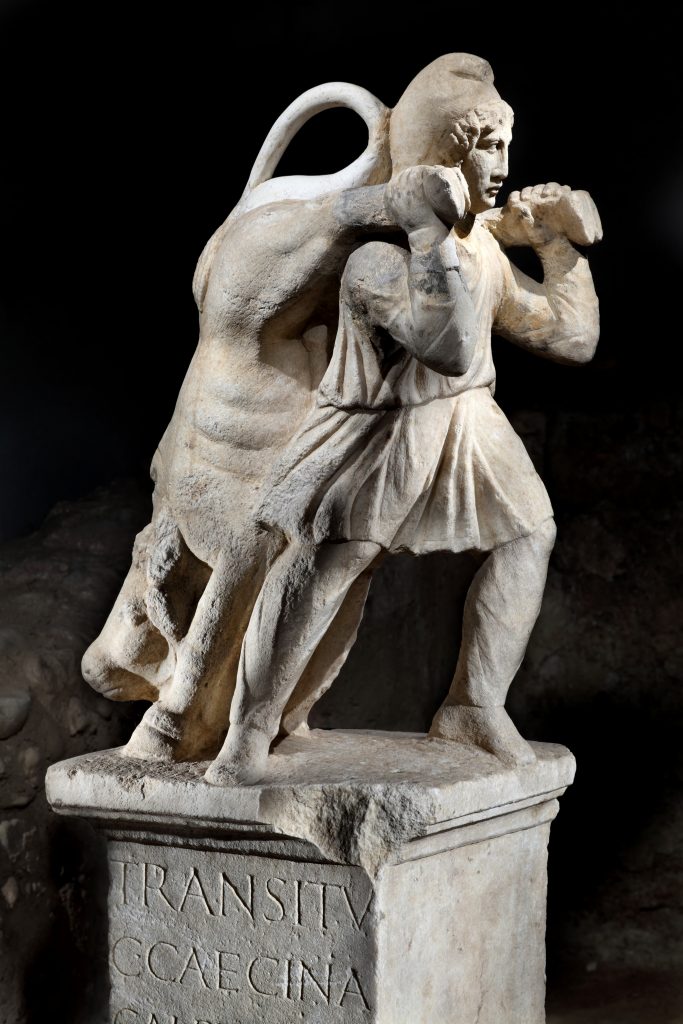
The sculpture of Mithras carrying the bull includes an inscription on its base.
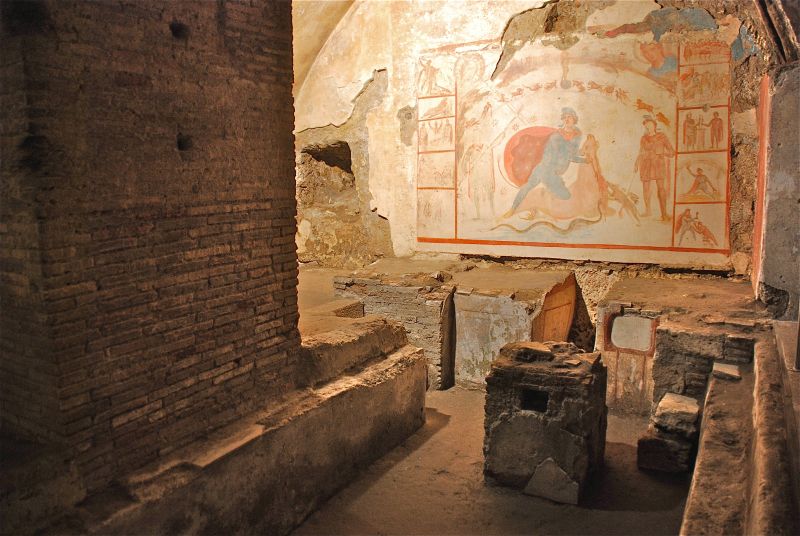
The Barberini Mithraeum was discovered in 1936 in the garden of the Palazzo Barberini, owned by Conte A. Savorgnan di Brazza.

The Mithraeum located in Piazza Dante in Rome was discovered in 1874 along with a series of monuments dedicated by a Pater named Primus.
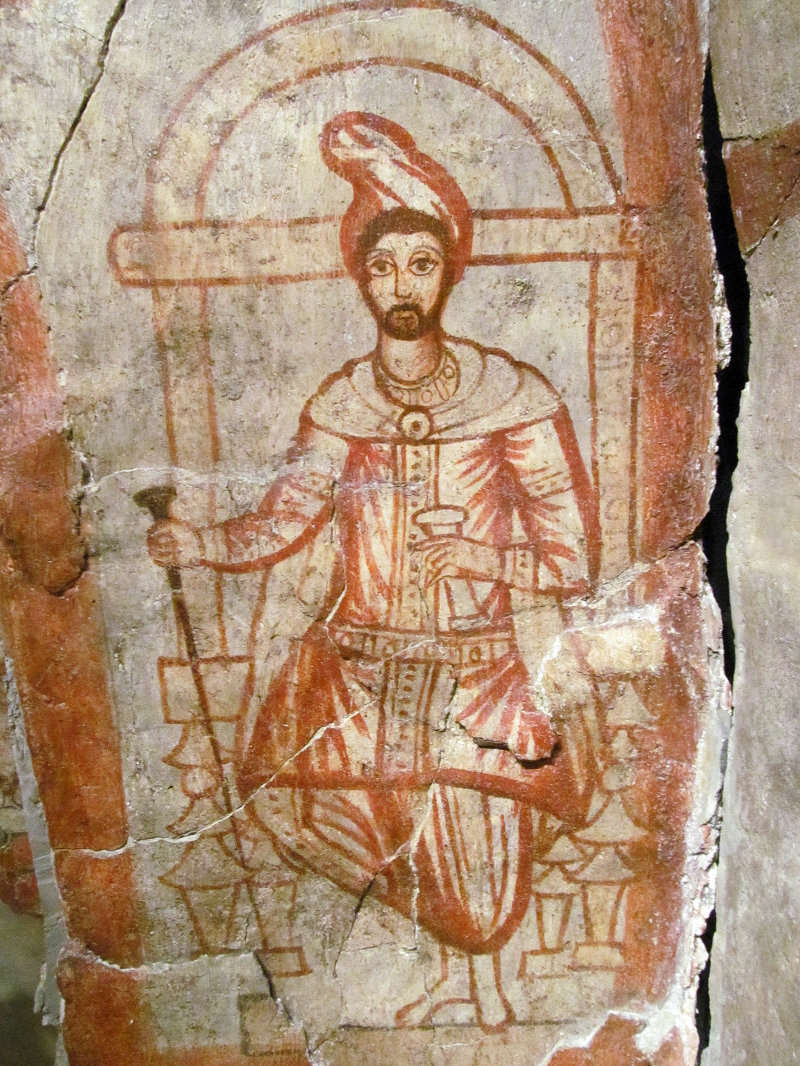
Some scholars have speculated that the scrolls both figures hold in their hands represent Eastern doctrines brought to the Western world.
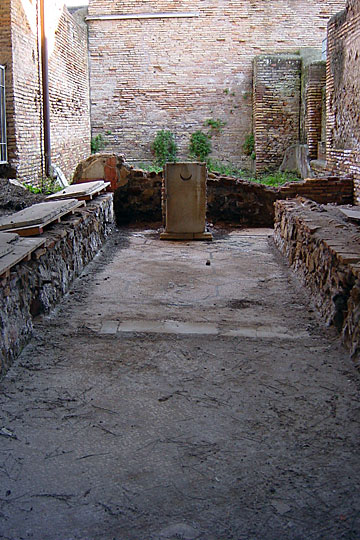
The Mithraeum of Lucretius Menander was installed in the early 3rd century in an alley to the east of a Hadrianic building named after the solar god temple.
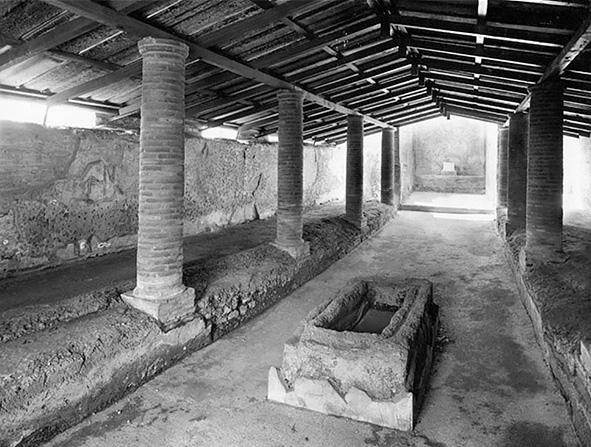
The Mithraeum in the Chapel of the Three Naves was not linked to the cult of Mithras until recently because of a mosaic showing a pig, in the belief that it was an animal unfit for consumption in a temple of Eastern origin.
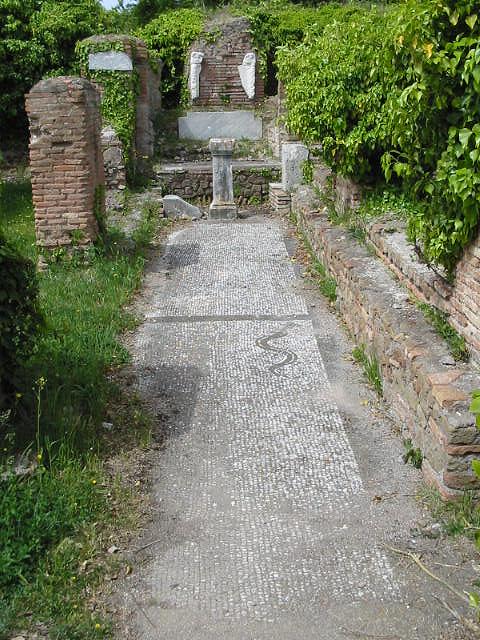
The floor of the central aisle of the Mithraeum of the Footprint in Ostia has a mosaic depicting a snake and a footprint.
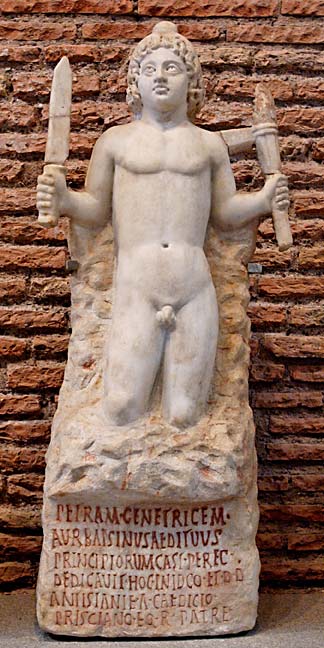
The sculpture of Mithras rock-birth from Santo Stefano Rotondo bears an inscription of Aurelius Bassinus, curator of the cult.
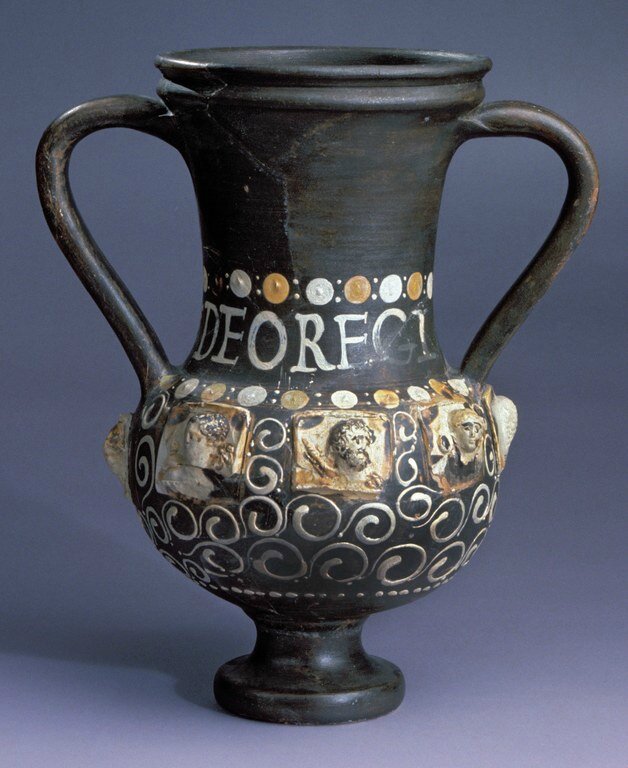
The vase bears an inscription to the god but also 'king' Mithras.
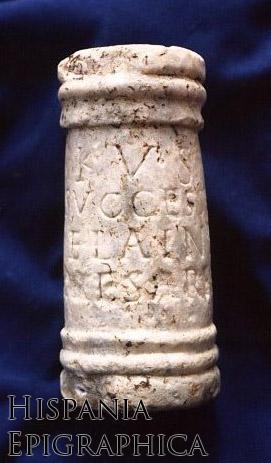
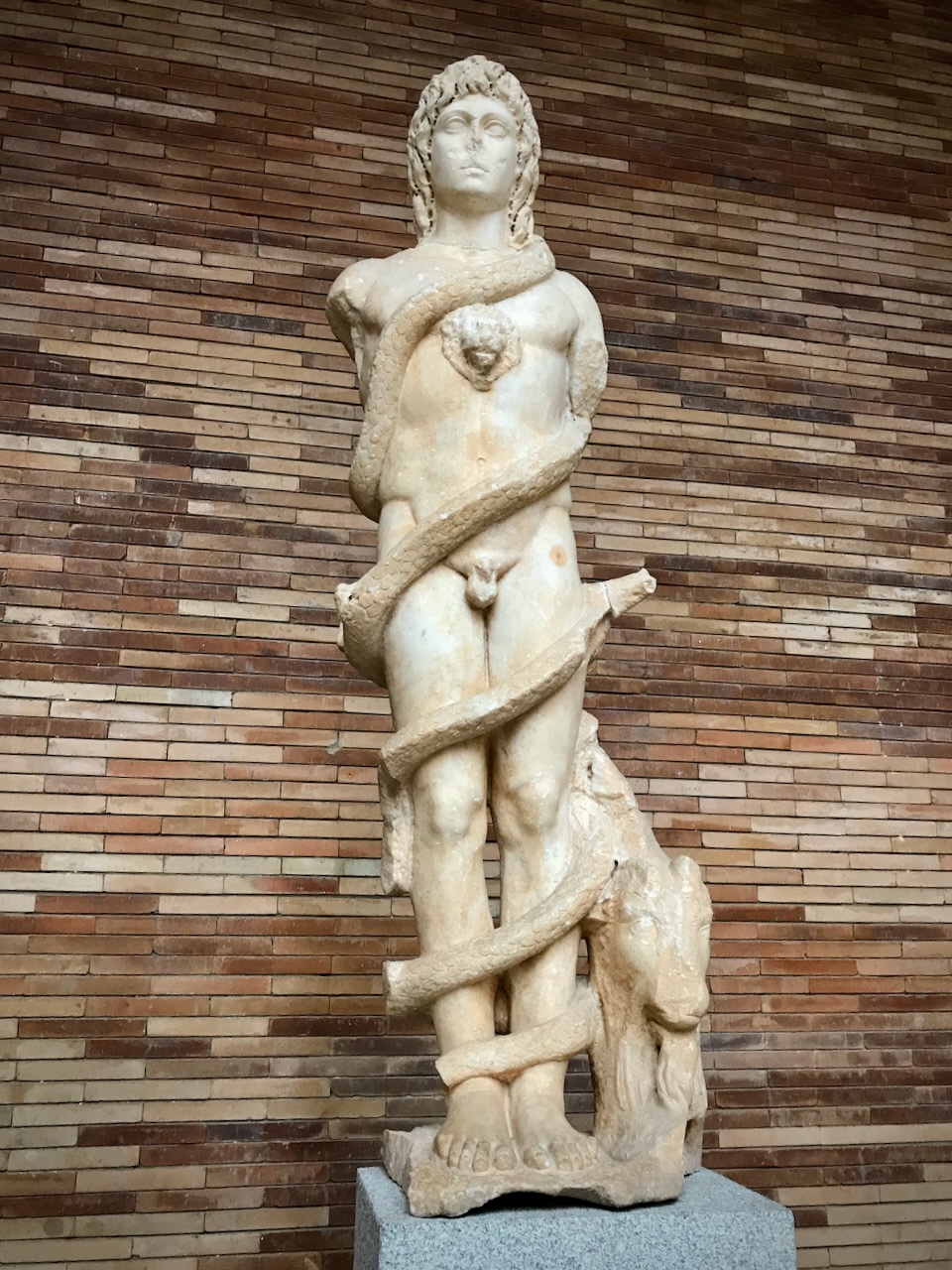
The Aion-Chronos of Mérida was found near the bullring of the current city, once capital of the Roman province Hispania Ulterior.
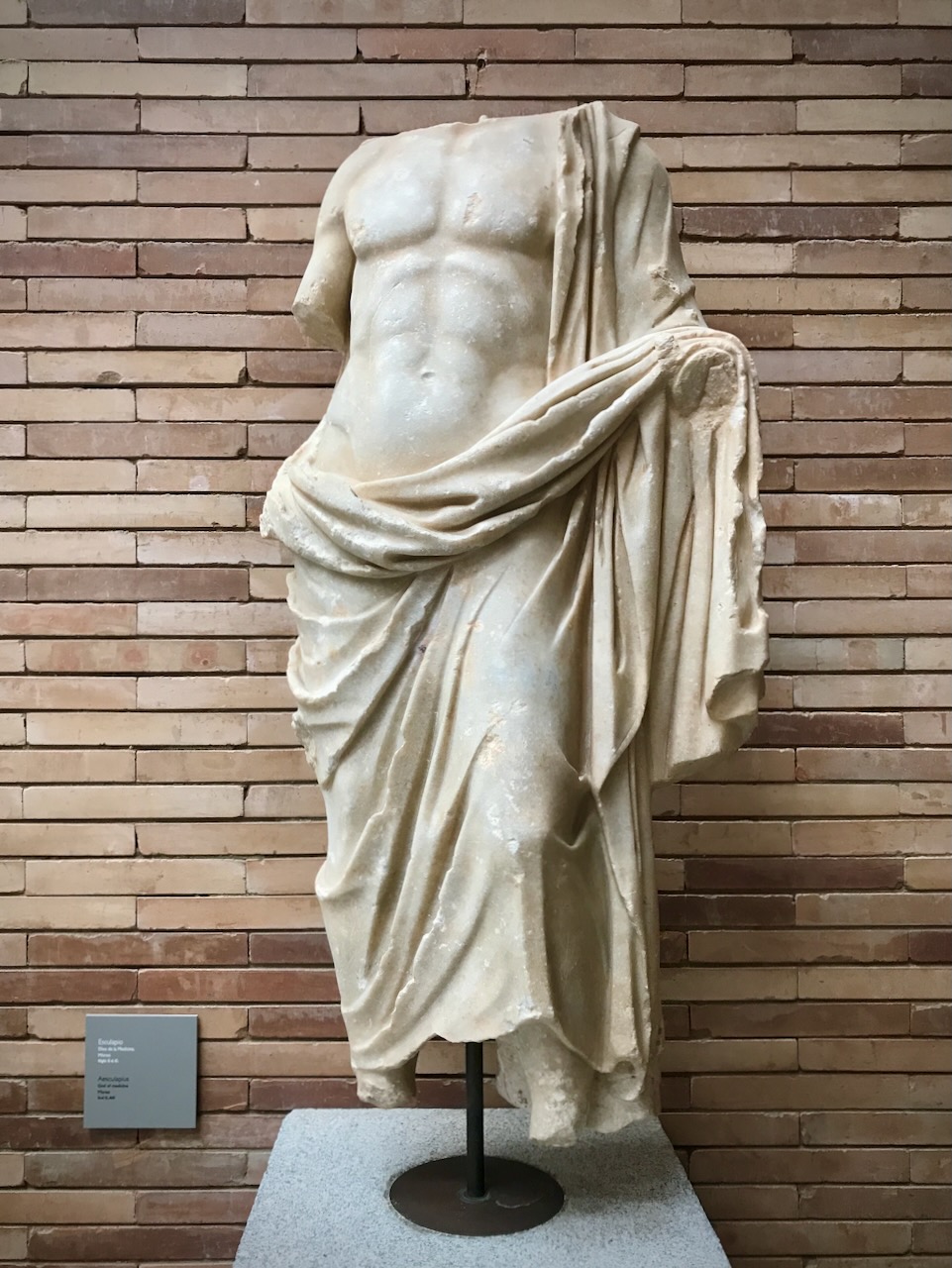
This standing sculptural figure from Mérida appears to carry the serpent staff, characteristic of the medicine god Aesculapius.
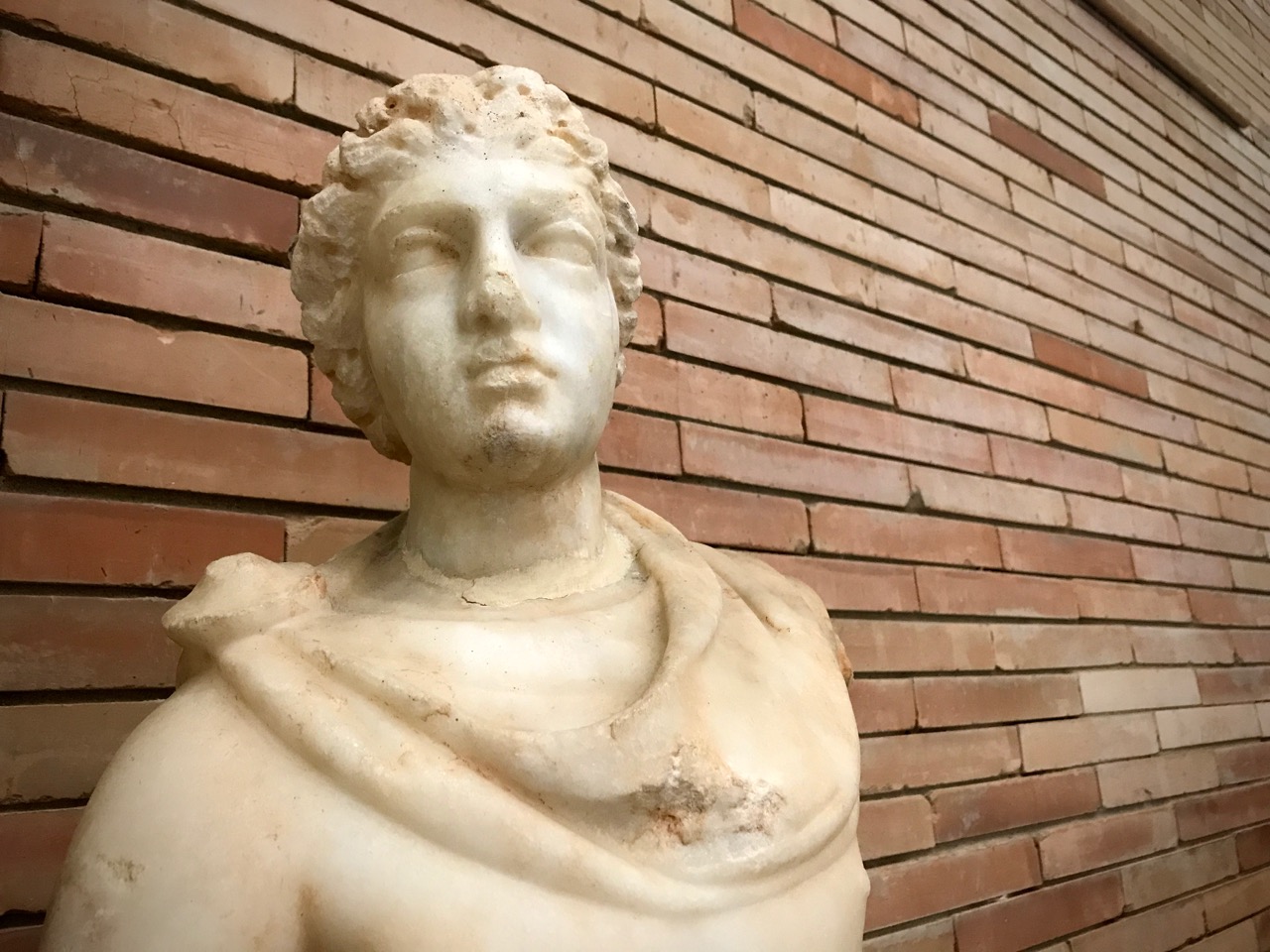
Roger Beck revisits the zodiac circle of the Mithraeum on the island of Ponza, a composition unique within the Mithraic corpus. His reading places the monument in relation to cosmology, ritual space, and Mithraic doctrine.
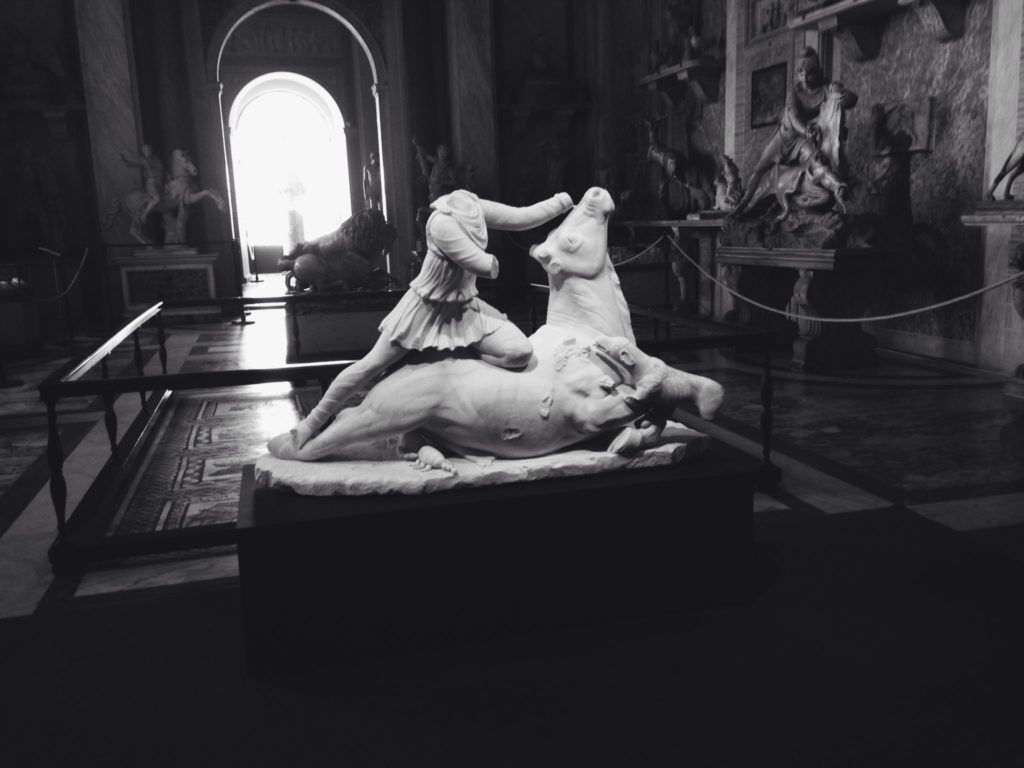
Votive sculpture of Mithras sacrificing the bull from the Mithraeum of Tarquinia.
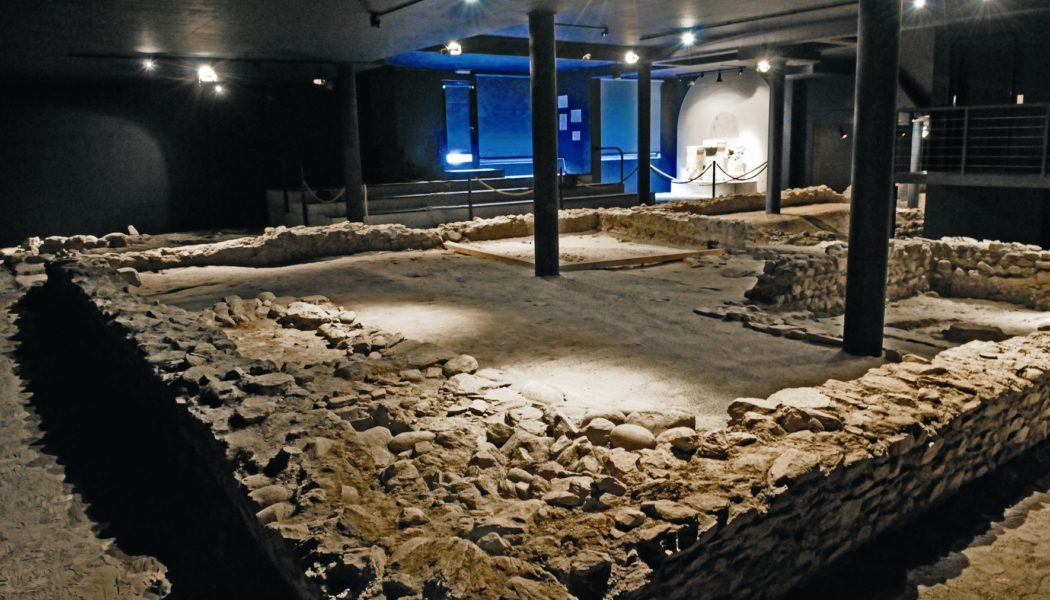
The Mithraeum of Martigny is the first temple devoted to Mithras found in Switzerland.
