Your search Alise-Sainte-Reine gave 37 results.

Alesia became famous as the site of Caesar’s decisive siege during the Gallic Wars.

Five fragments of a red terra-sigillata vessel showing Cautopates with his torch pointing downwards, in Eastern attire and cross-legged, with the hoof of the bull's hindleg before him, found at Alesia (Mont-Auxois) in Lugdunensis.
A red terra-sigillata cup bearing a relief tauroctony of Mithras, with Cautes and Cautopates cross-legged on either side, found at Alesia (Mont-Auxois) in Lugdunensis and now kept at Saint-Germain-en-Laye.
Group of Mithraic objects now preserved in the museum of the Société des Sciences de Semur at Alésia.

Ce 4e fascicule de Mithriaca concerne un très curieux monument exhumé au XVIe siècle sur le site d'un Mithraeum qu'on localise tout près de l'église S. Maria in Domnica, non loin de S. Stefano Rotondo où un autre spelaeum fut mis au jour en 1973…
The Digital Atlas of Roman Sanctuaries in the Danubian Provinces (DAS) is the first comprehensive and open access representation of sacralised spaces in the area.
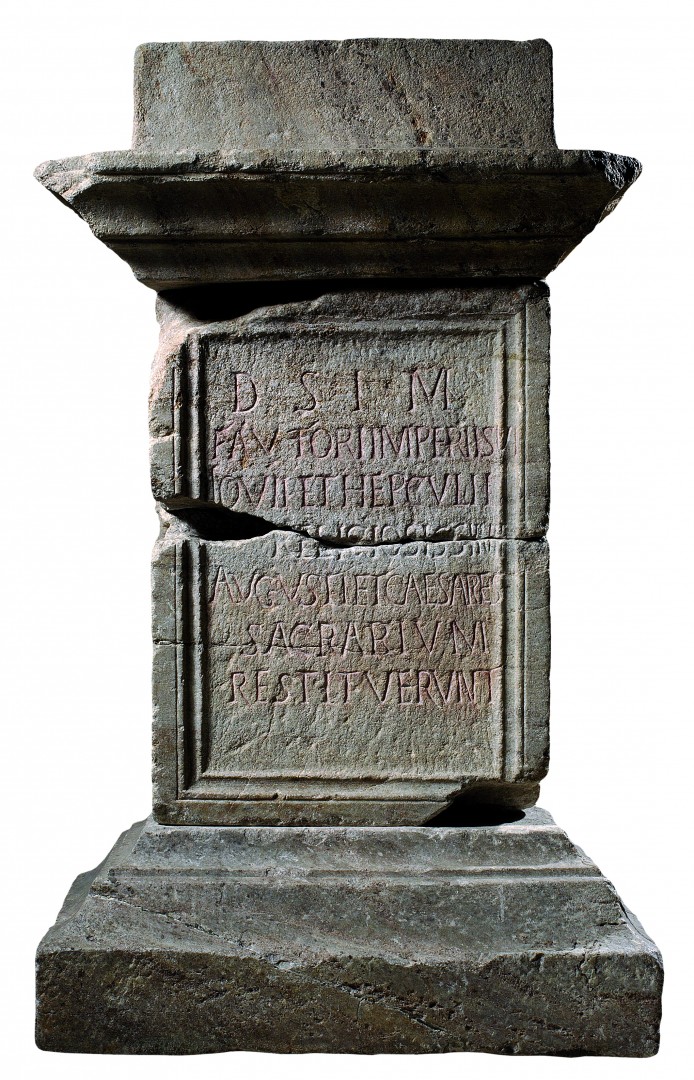
Altar with Cautes and Cautopates dedicated to Sol Invictus Mithras as protector of the Tetrarchy in 3rd-century Carnuntum.
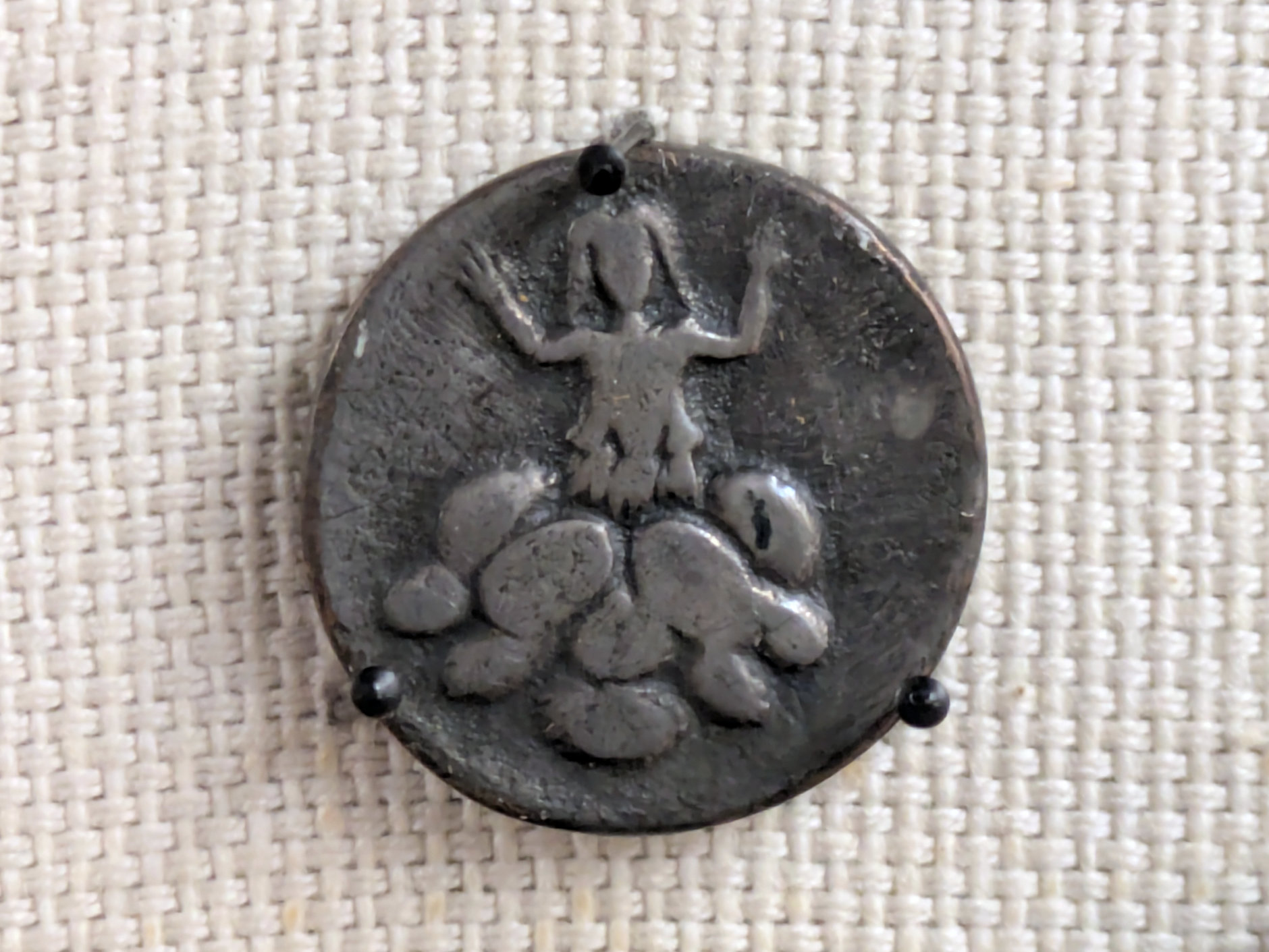
The mithraic denarius of St. Albans dates from the 2nd century.

This remarkable Greek marble relief of Mithras killing the bull was discovered in 1705 and remained in private collections until it was bought by the Louvre.
Peltuinum was a Roman town of the Vestini on the Via Claudia Nova, founded in the mid-1st century BC. It developed into a regional centre with city walls, a sanctuary, a theatre and an amphitheatre, and was monumentalised in the early Imperial period

Clarissimus knight and legate born in Poetovio that helped to disseminate the cult of Mithras in the African provinces.
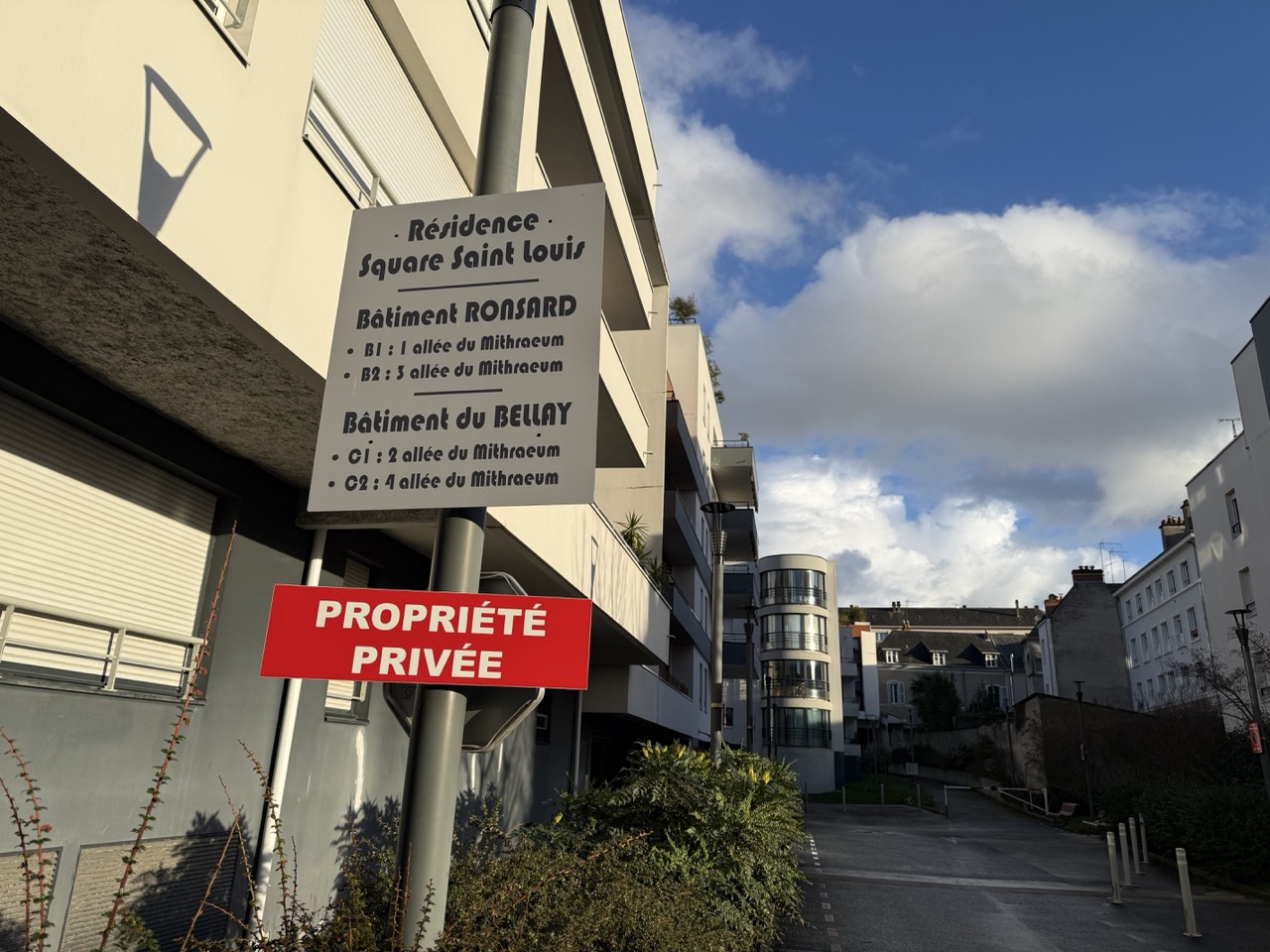
The Mithraeum of Angers, excavated during a preventive operation and subsequently dismantled in 2010, yielded numerous objects, including coins, oil lamps, and a ceramic vessel bearing a votive inscription to the invincible god Mithras.
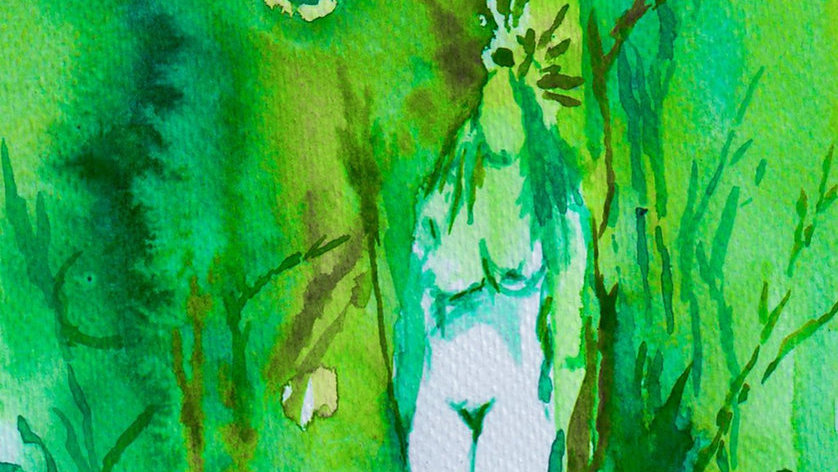
Lenni George on Hekate’s development across ancient traditions, from mystery cults to magical practice and philosophical thought.
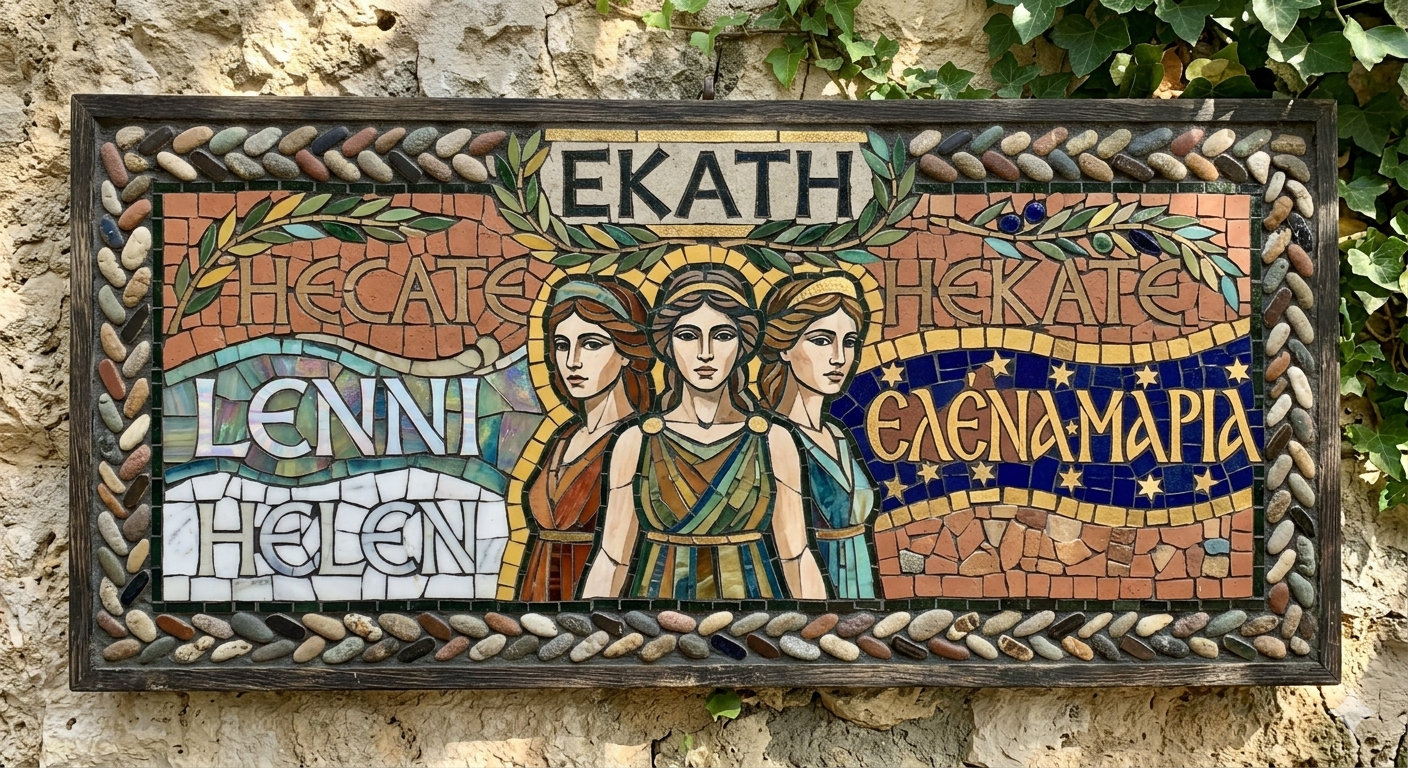
On what Hekate’s name may or may not tell us, and why the uncertainty matters.

Dominique Persoons proposes a reconstruction of Mithraic ritual based on archaeological remains, frescoes, and zodiacal symbolism. He interprets the mithraeum as a liturgical microcosm governing the descent, purification, and ascent of souls.

The Mithraeum of London, also known as the Walbrook Mithraeum, was contextualised and relocated to its original site in 2016.

A erotic military fantasy set against the dramatic background of Rome’s conquest of the British Isles.

Genet aborde les thèmes qui lui sont chers, dans les règles de l’art mais en laissant affleurer un lyrisme bien tenu.

Robert Turcan présente les dévotions immigrées dans le monde romain, sans négliger les cultes marginaux ou sporadiques, traitant également des courants gnostiques, occultistes et théosophiques.

