Your search Arsha wa Qibar gave 721 results.
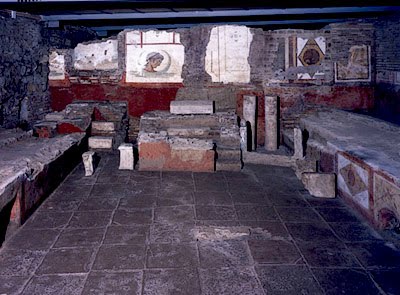
The Mitreo dei Castra Peregrinorum was discovered under the church of Santo Stefano Rotondo in Rome.

This altar, which has now disappeared, was dedicated by the slave Quintio for the health of a certain Coutius Lupus.
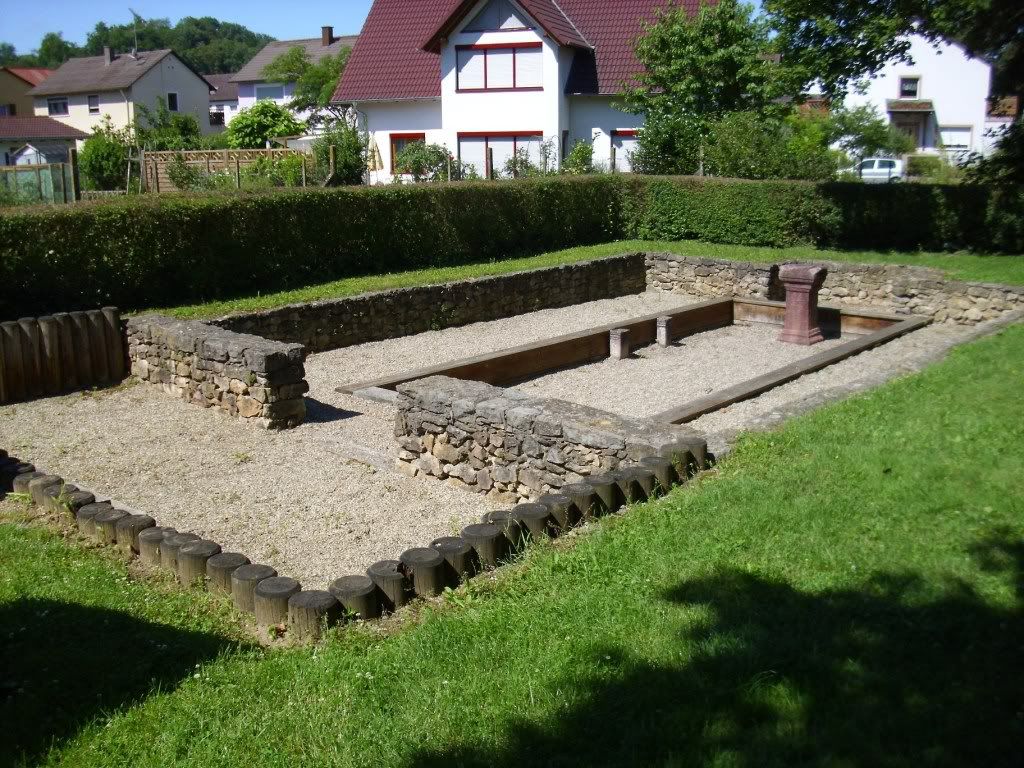
A votive altar referring to the cult of Mithras was found more than forty years before the site was excavated and the Mithraeum discovered.
The Mithraeum of Pamphylia was cut back into the rock to form a cave, with a separate relief of Mithras killing the bull.
The Mithraeum of Mainz, was discovered outside the Roman legionary fortress. Unfortunately the site was destroyed without being recorded.
This inscription by Luccius Crispus was found near the entrance of the Mithraeum at Pamphylia.
This monument to the invincible god Mithras was inscribed on the façade of the church of Aiello deil Friuli, Aquileia.
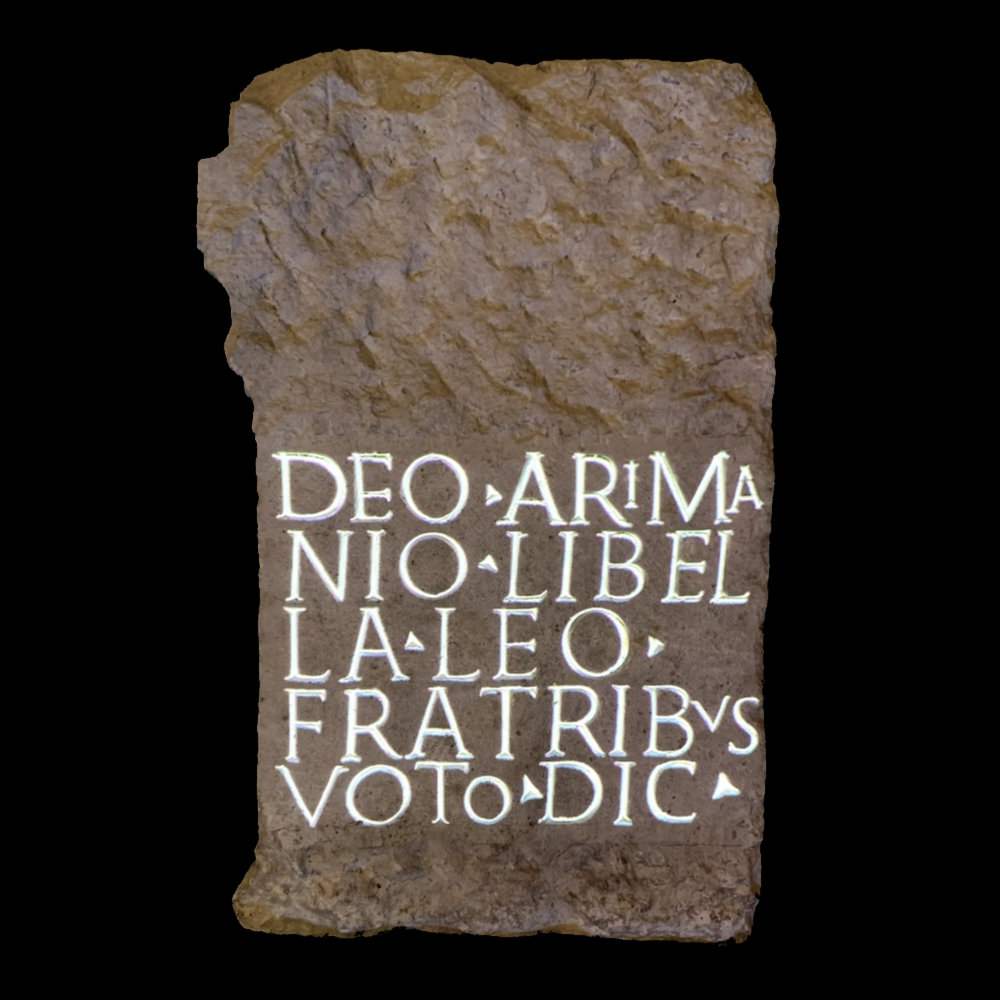
The dedicant of this altar to the god Arimanius was probably a slave who held the grade of Leo.
On this slab, Gaius Iulius Propinquos indicates that he made a wall of the Mithraeum at his own expense.
The Kempraten Mithraeum was unexpectedly discovered during the 2015 excavations near the vicus.
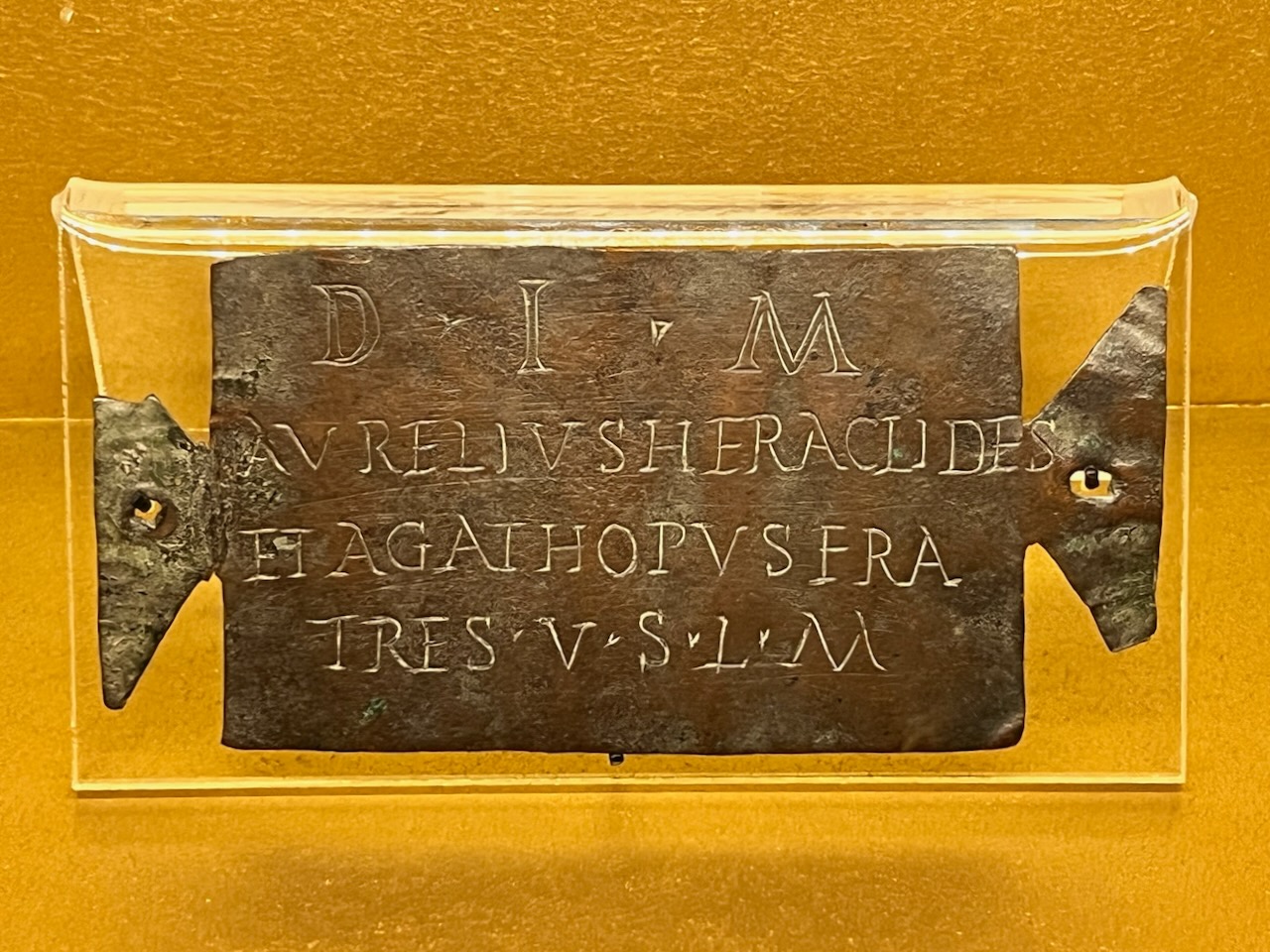
This small bronze tabula ansata was dedicated to Mithras by two brothers, probably not related by blood.
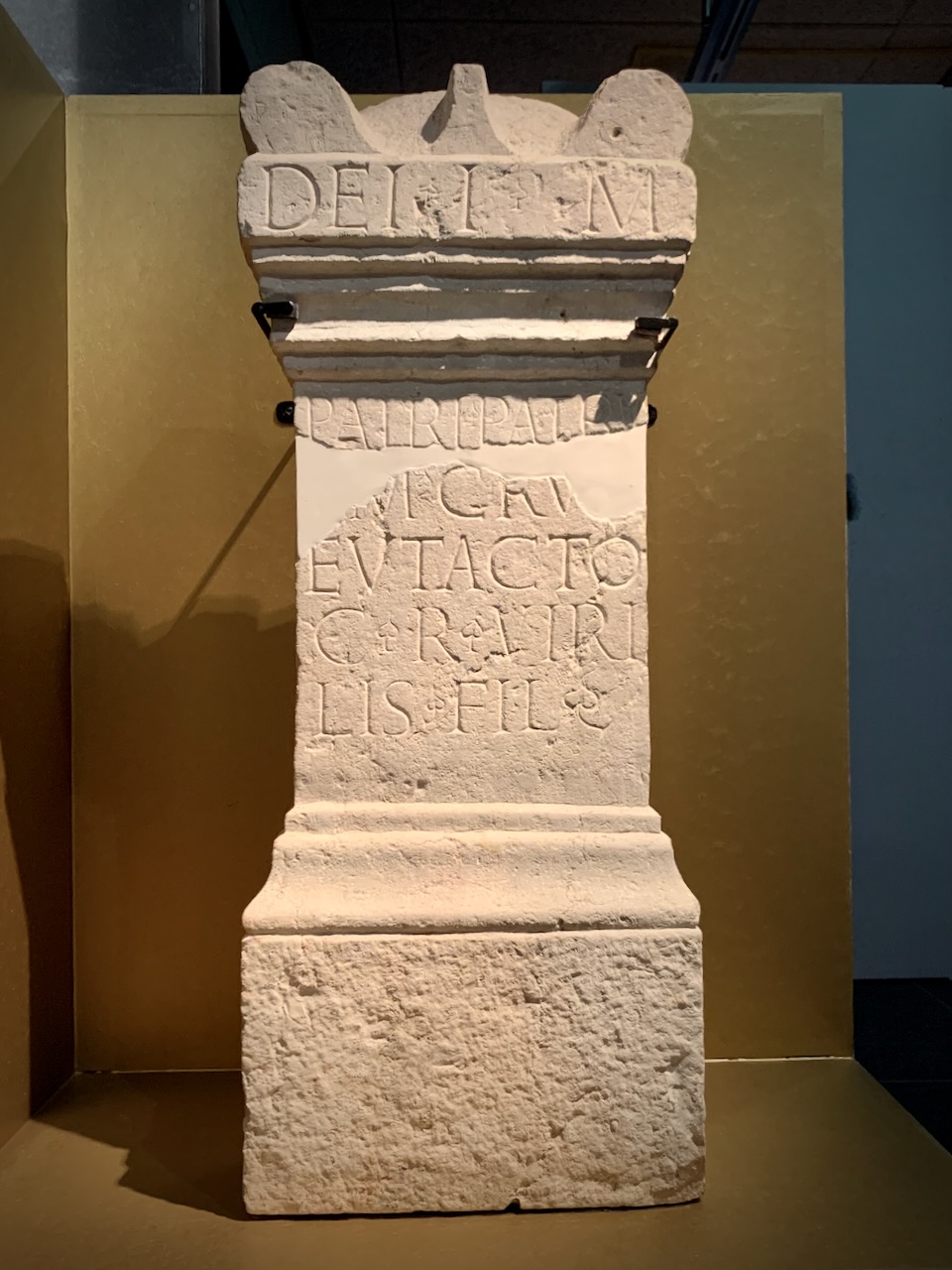
This altar was dedicated by a son to his father, one of the few Patres Patrum recorded in the western provinces.

The dedicator of this altar was a slave in the service of a high official, the prefect Gaius Antonius Rufus, known from other inscriptions.
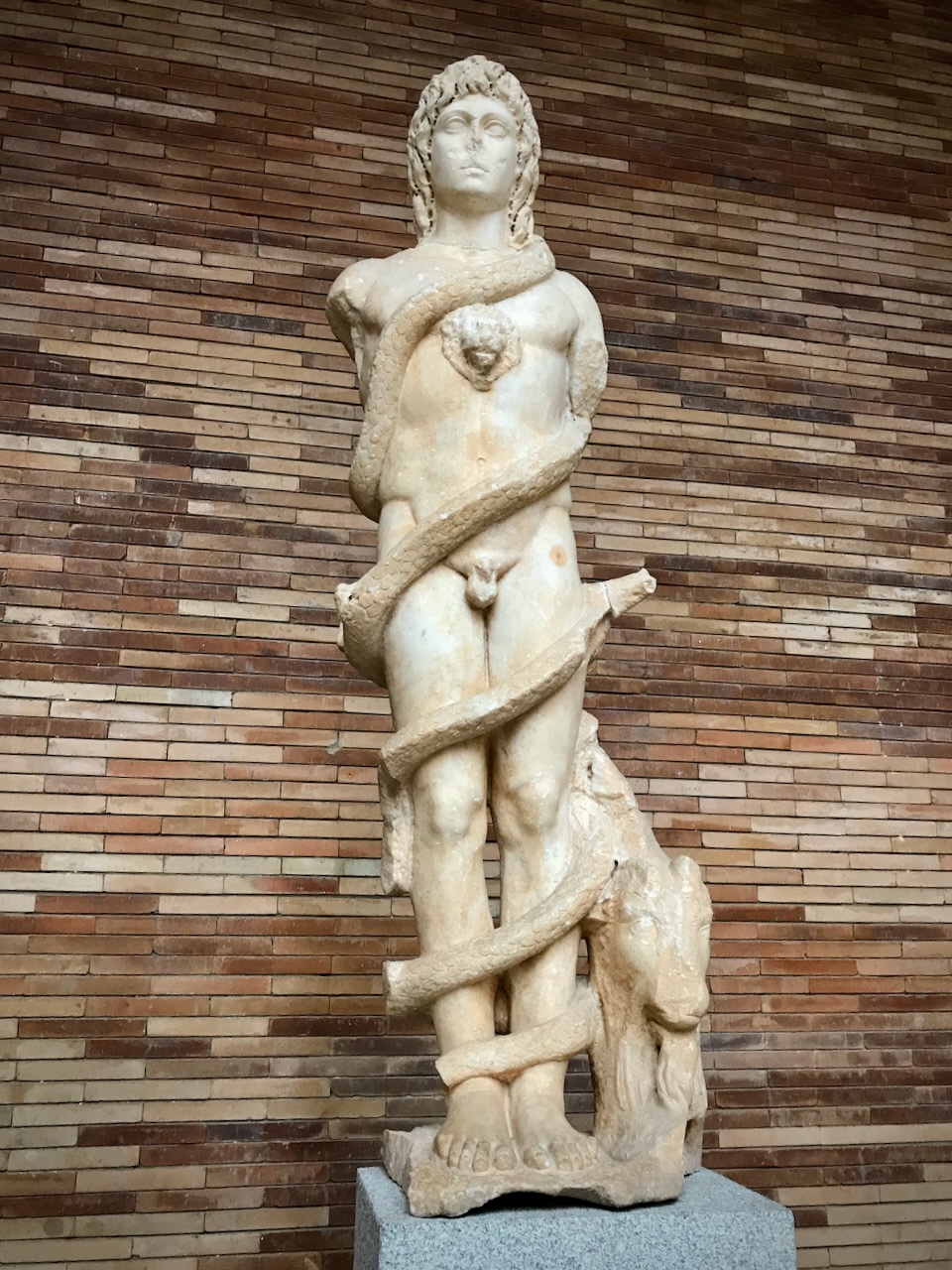
The Aion-Chronos of Mérida was found near the bullring of the current city, once capital of the Roman province Hispania Ulterior.
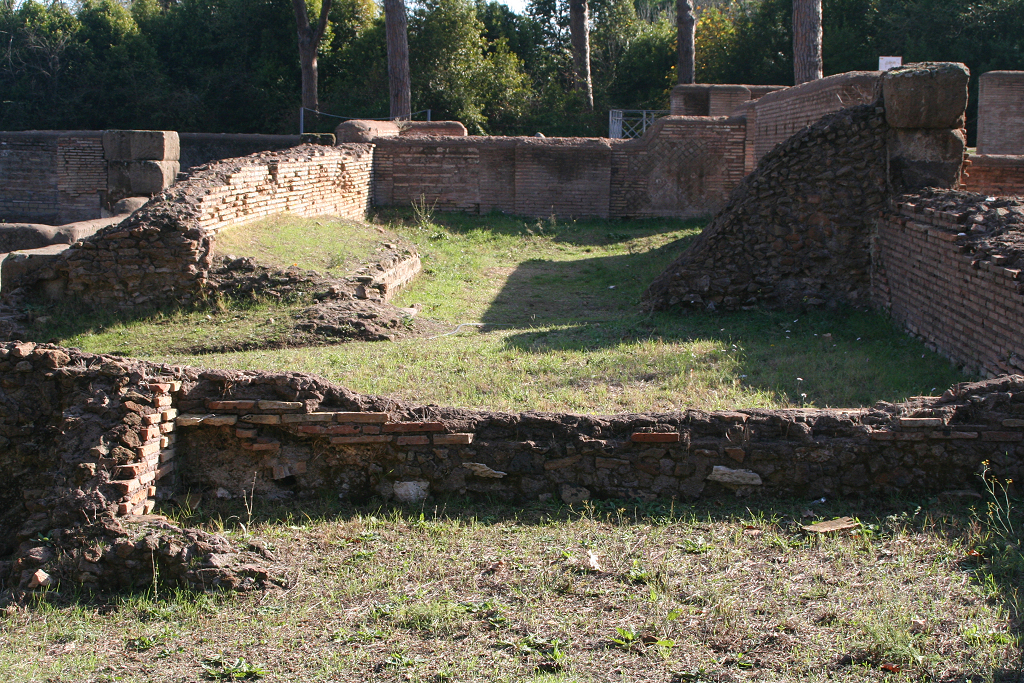
The Mithraeum near Porta Romana was connected to a Sacello, but the door was blocked.
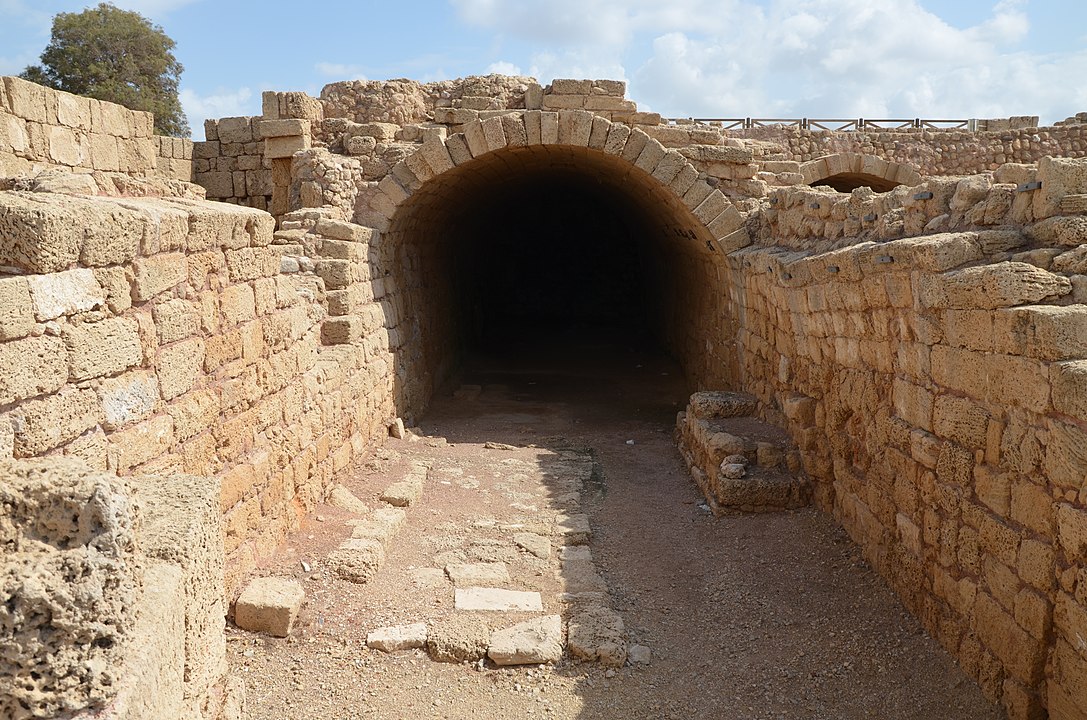
This shrine developed towards the end of 2nd century and remained active until beginning 4th.
A possible Mithraeum II was found in Bingen, but the few remains are not sufficient to prove it.
The Mithraeum of Slaveni was discovered in 1837 on the right bank of the river Olt, in Romanati district.
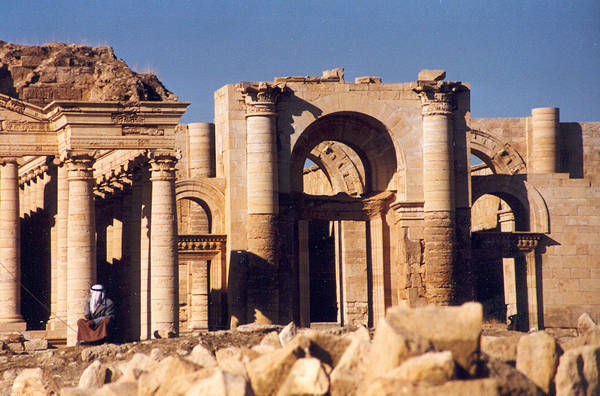
The city of Hatra was famed for its fusion of several civilization cults, which several temples devoted to gods from all Indo-European world.
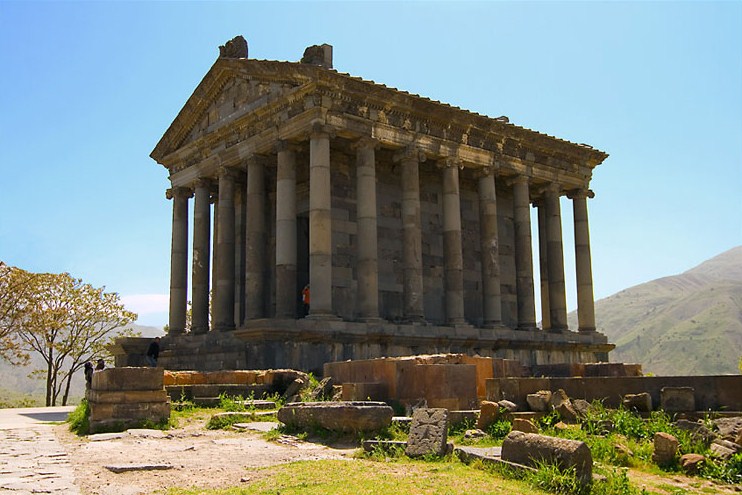
After Christianity was adopted, most pagan monuments were destroyed or abandoned. Garni, however, was preserved at the request of the sister of King Tiridates II and used as a summer residence for Armenian royalty.
