Your search Arsha wa Qibar - Qaybar - Qeibar - Qibare, al-Hawa gave 3160 results.

The high mountain routes of Alpes Graiae formed part of the Alpine corridors connecting Italy, Gaul and the northwestern provinces.
Alpes Poenninae controlled important Alpine routes through which military movement and religious practices circulated between Gaul and Italy.

This marble dedication from Puteoli was offered to Sol Invictus and the genius of the colony by Claudius Aurelius Rufinus together with his wife and son.
Galatia preserves Mithraic evidence shaped by central Anatolian routes and eastern provincial networks.
Dalmatia preserves Mithraic evidence shaped by Adriatic routes, military movement and provincial urban centres.
The Alpine regions preserve scattered Mithraic evidence associated with military circulation and strategic routes across the western empire.
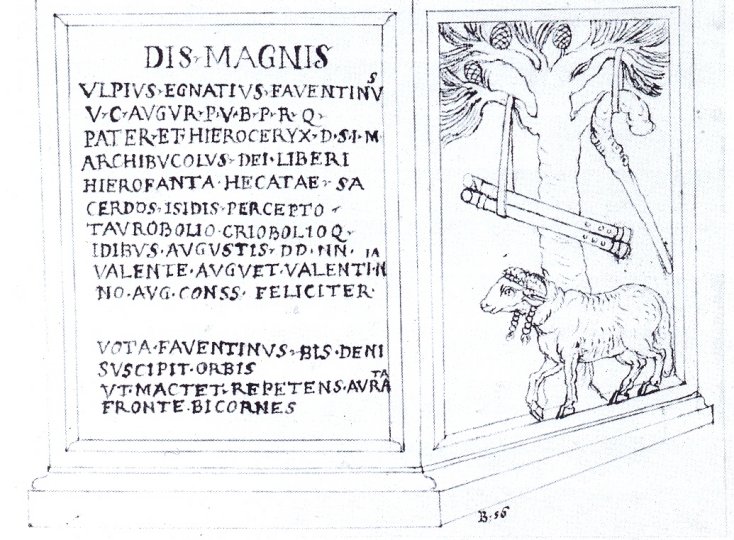
Both of them were discovered in 1609 in the foundations of the façade of the church of San Pietro, Rome.
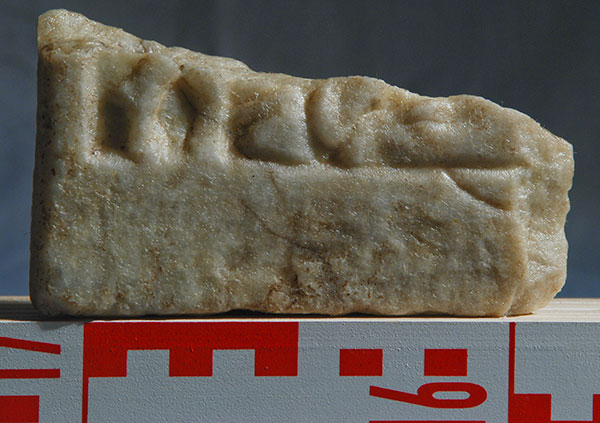
This small marble fragment preserves the crossed legs of a torchbearer, probably Cautopates, beside the hoof of the bull and the foot of Mithras.
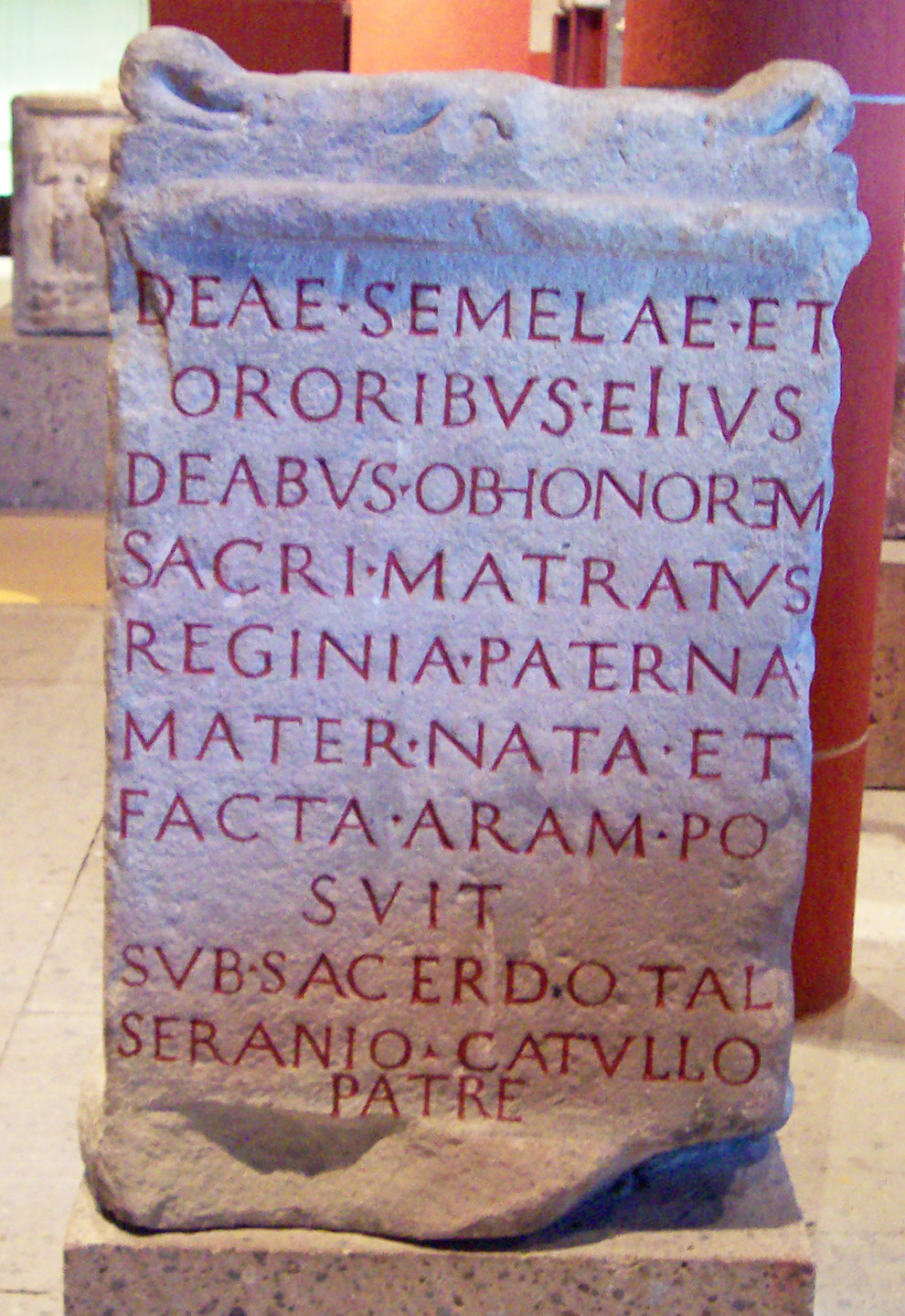
This sandstone altar found in Cologne bears an inscription to the goddess Semele and her sisters.
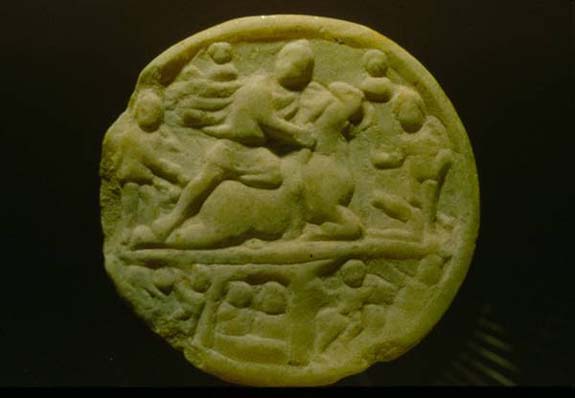
The small medallion depicts three scenes from the life of Mithras, including the Tauroctony. It may come from the Danube area.
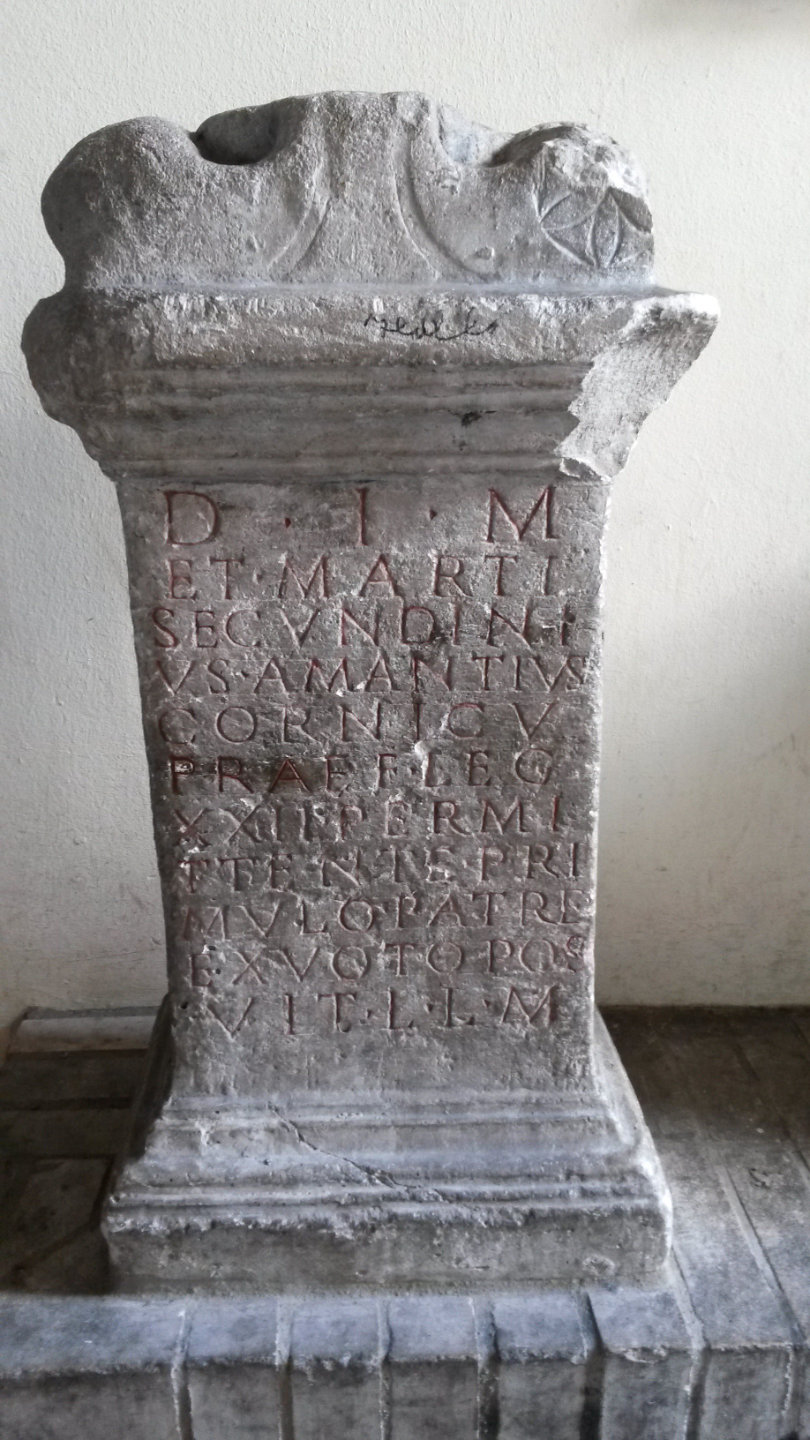
This altar has been unusually dedicated to both gods Mithras and Mars at Mogontiacum, present-day Mainz.
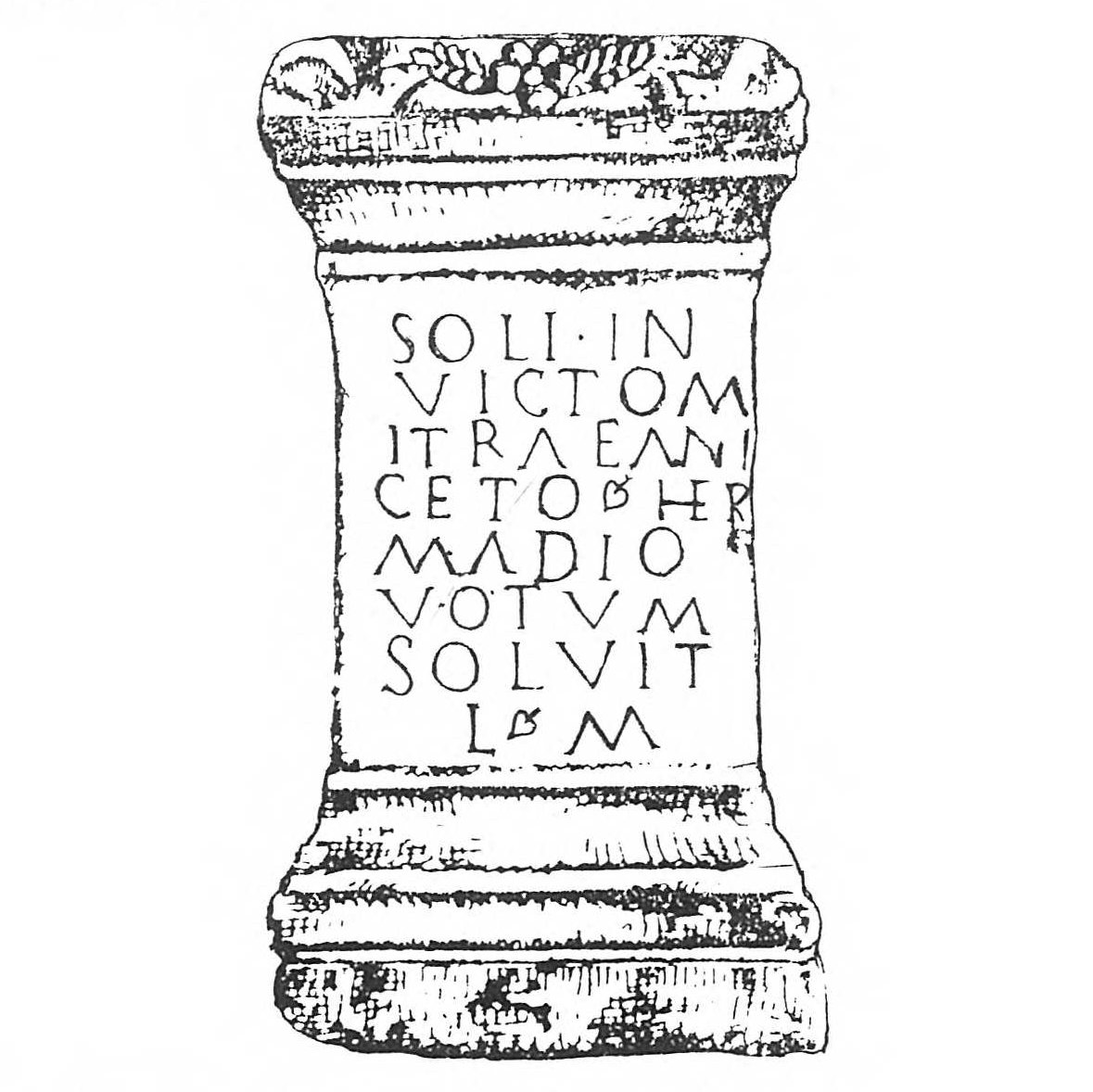
This altar was erected by Hermadio, who also signed other monuments in Dacia and even in Rome.
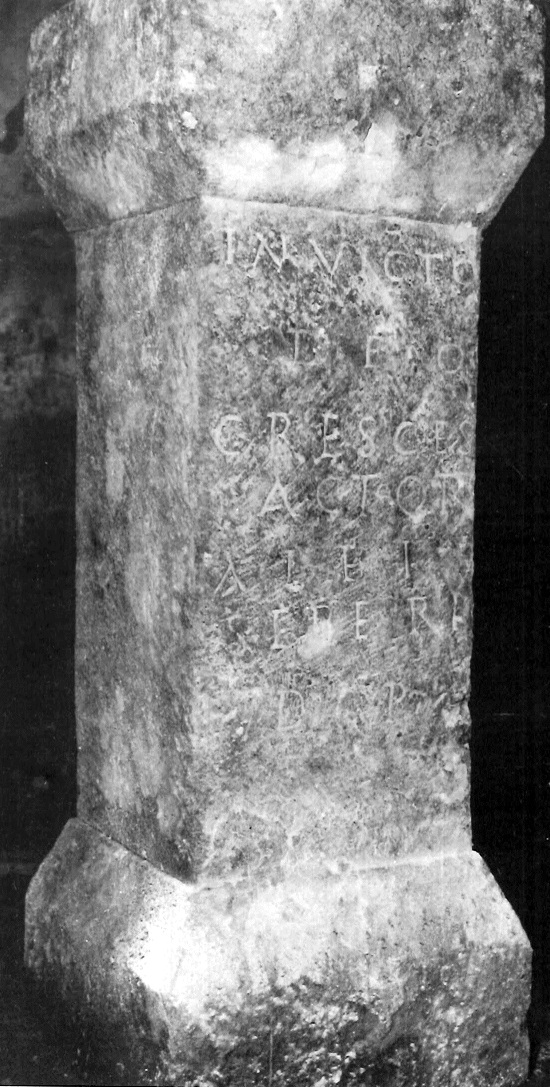
The monument is engraved with an inscription by Cresces, the donor.
This altar is dedicated to the god Sol Invictus Mithras by a certain Florus, a veteran of the Legio III Augusta.
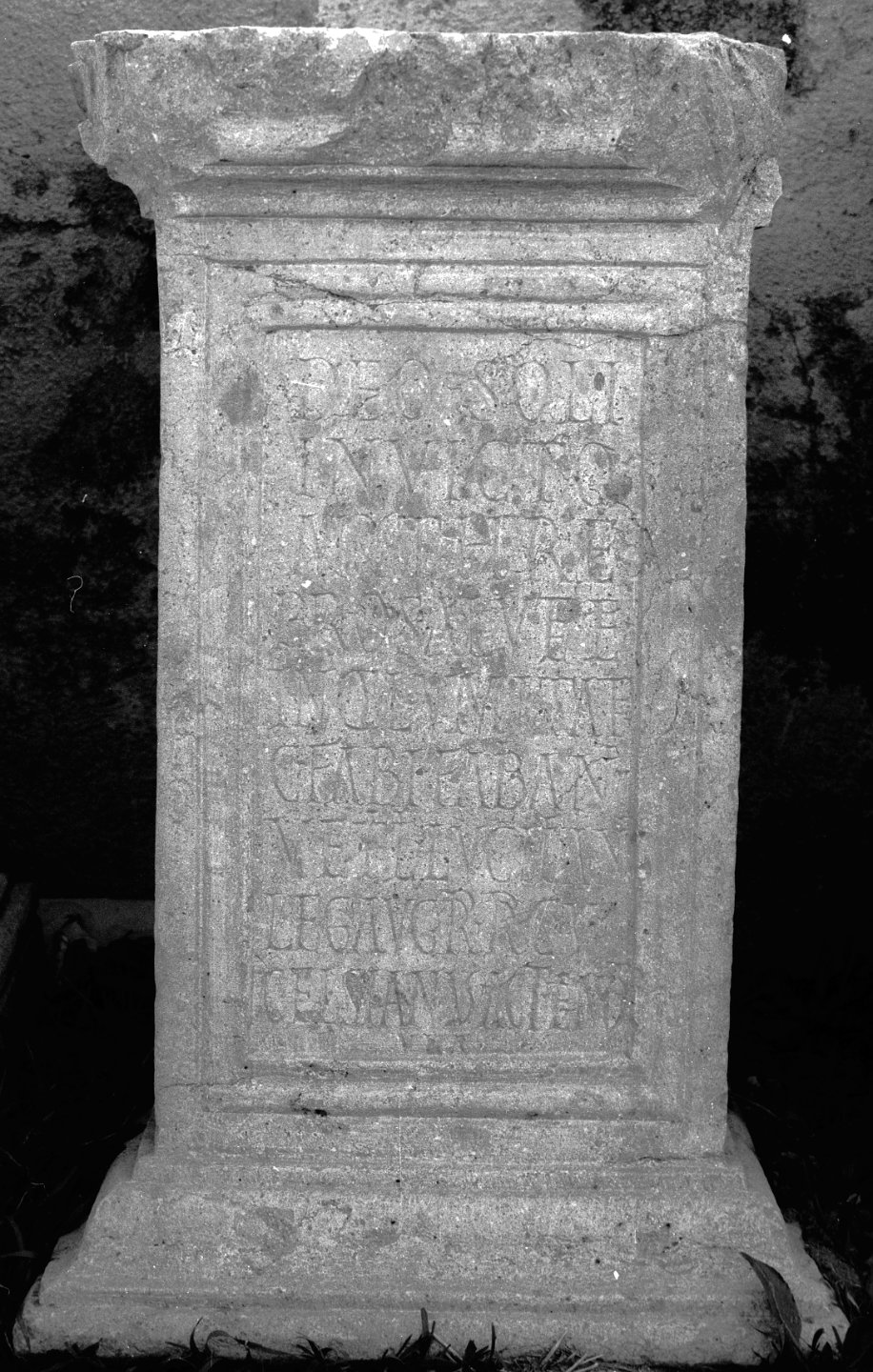
This altar found in Lambèse, now Tazoult, Algeria, bears the inscription of a certain Celsianus for the health of two men to the god Sol Unconquered Mithras.
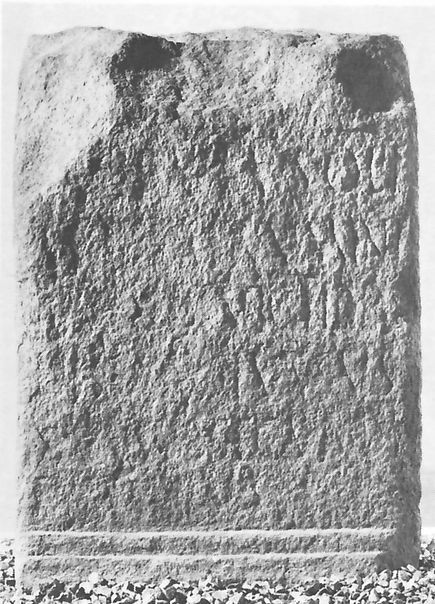
The v in this small altar found in Novaria has been interpreted by some commentators as qualifying Mithras as victorious.
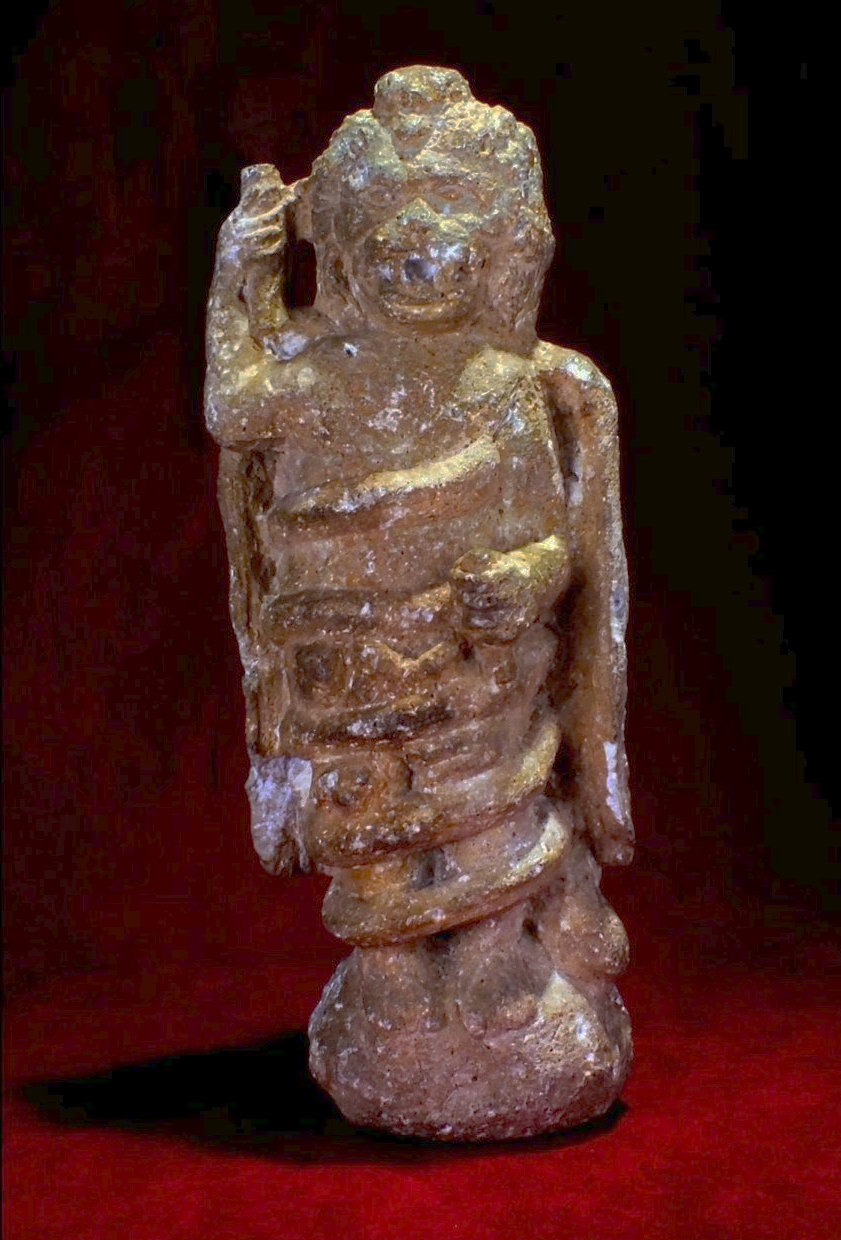
Its base is partially broken, so it is unclear if the figure was standing on a globe, an expected position, or not.
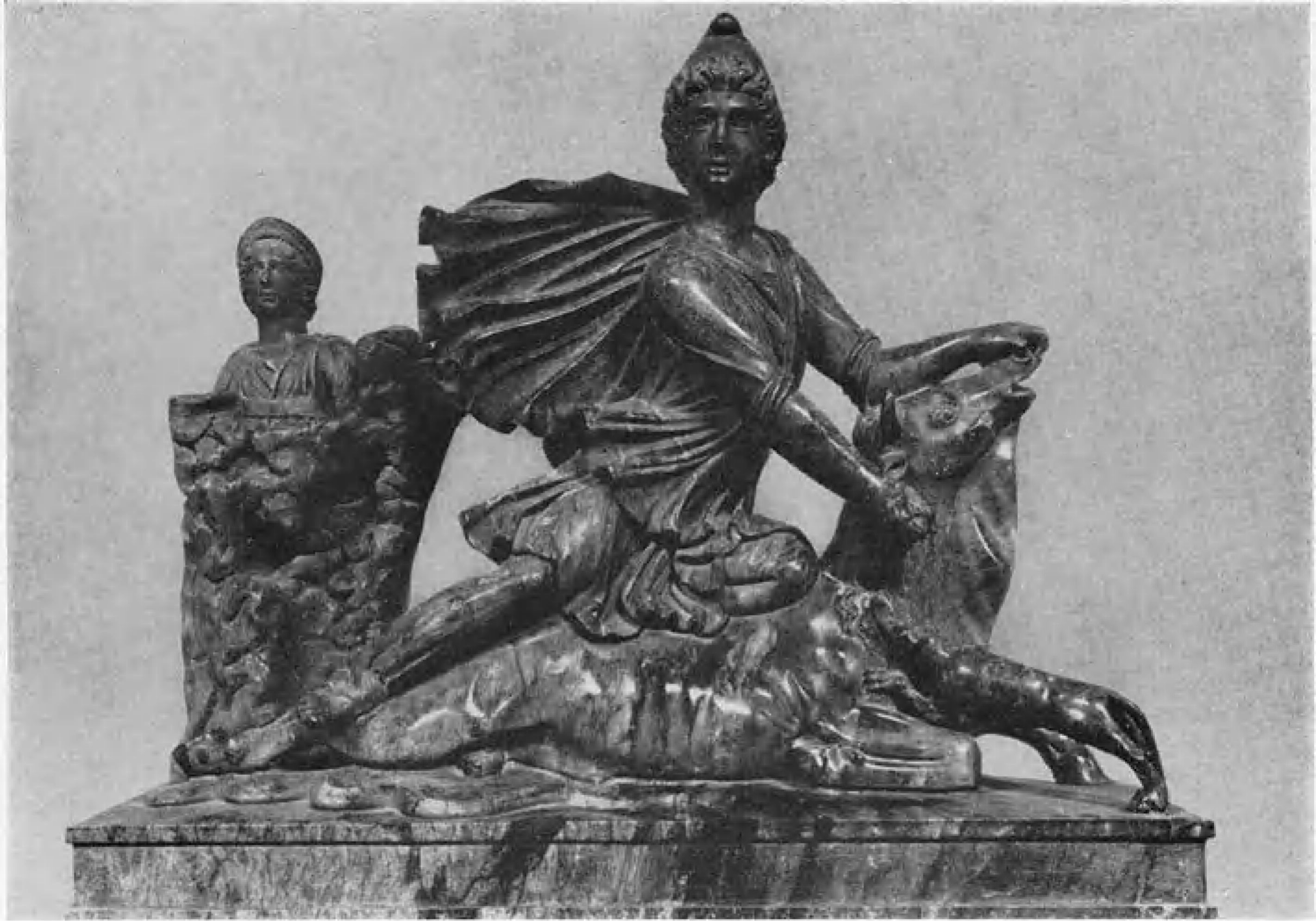
This black marble of Mithras killing the Bull has belonged to the sculptor Carlo Albacini.

This bronze arm, with stars and a swastika, was once thought to be part of a Mithras statuette but has since been dismissed as unrelated to the Mithras cult.
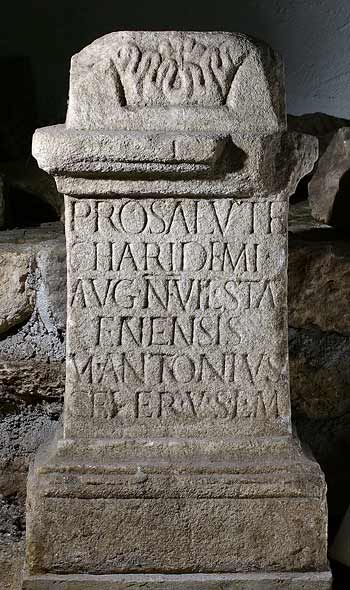
Marble votive altar with inscription to Mithras, featuring coiled, fan-like motifs above the text and associated with the statio Enensis.
