Your search Bad Ischl im Salzkammergut gave 2085 results.

Slave and vilicus in the household of Tiberius Claudius Livianus, linked to the earliest known Mithraic tauroctony.

Garlic merchant, probably from Lusitania, who dedicated an altar to Cautes in Tarraconensis.
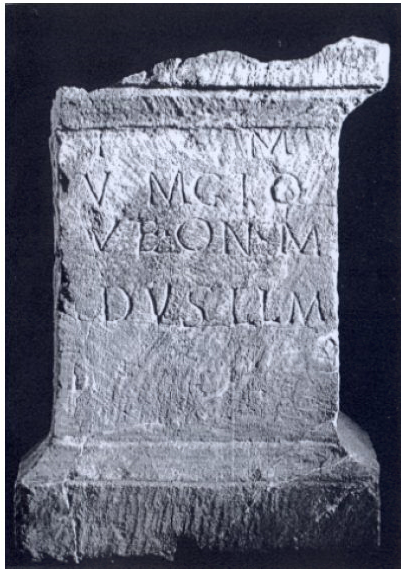
This fragmented monument bears an inscription of a certain veteran named Valerius Magio.

Cyrene linked North Africa to the Greek East through long-standing urban traditions and eastern Mediterranean maritime exchange.
Along the northern frontier of Roman Britain, Britannia inferior preserves important evidence linked to military and frontier communities.
Bruttium occupied the southernmost reaches of the Italian Peninsula where maritime mobility linked Italy, Sicilia and the wider Mediterranean.
Latium formed the political and religious centre of the Roman world where some of the most important Mithraic communities developed.
Sicilia connected Italy, North Africa and the eastern Mediterranean through some of the busiest maritime routes of the Roman world.
Corsica et Sardinia occupied an important insular position within the maritime networks of the western Mediterranean.
Cappadocia formed a major frontier and military region linking central Anatolia to the eastern limits of the Roman empire.
Bithynia et Pontus connected northwestern Anatolia to the Black Sea through major maritime, urban and provincial networks.
Dalmatia connected the Adriatic world to the Balkan interior through maritime routes, military mobility and provincial urban networks.
Alpes Poenninae controlled important Alpine routes through which military movement and religious practices circulated between Gaul and Italy.
Narbonensis connected Roman Gaul to the Mediterranean world through some of the oldest urban and maritime networks of the western empire.
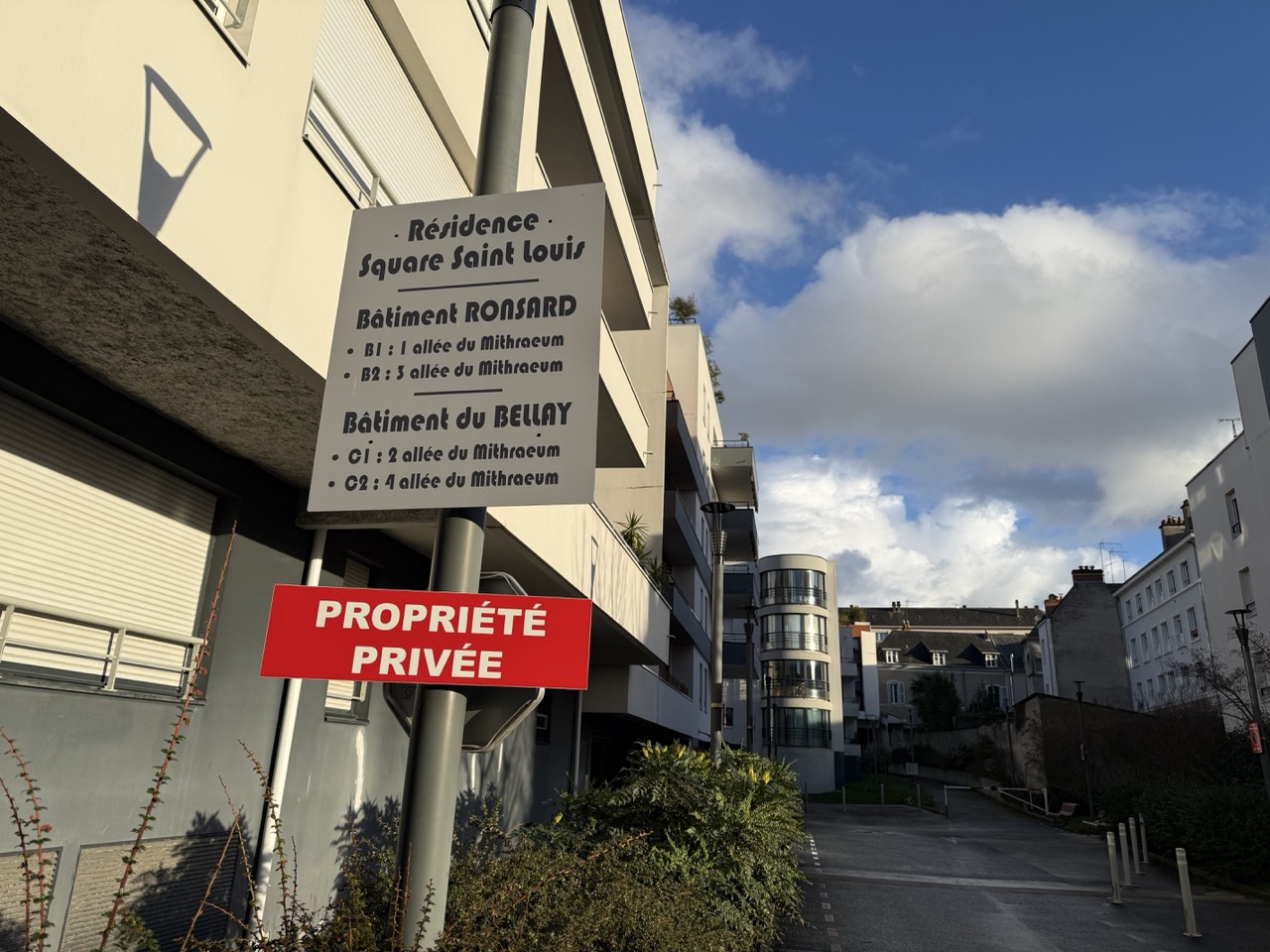
The Mithraeum of Angers, excavated during a preventive operation and subsequently dismantled in 2010, yielded numerous objects, including coins, oil lamps, and a ceramic vessel bearing a votive inscription to the invincible god Mithras.

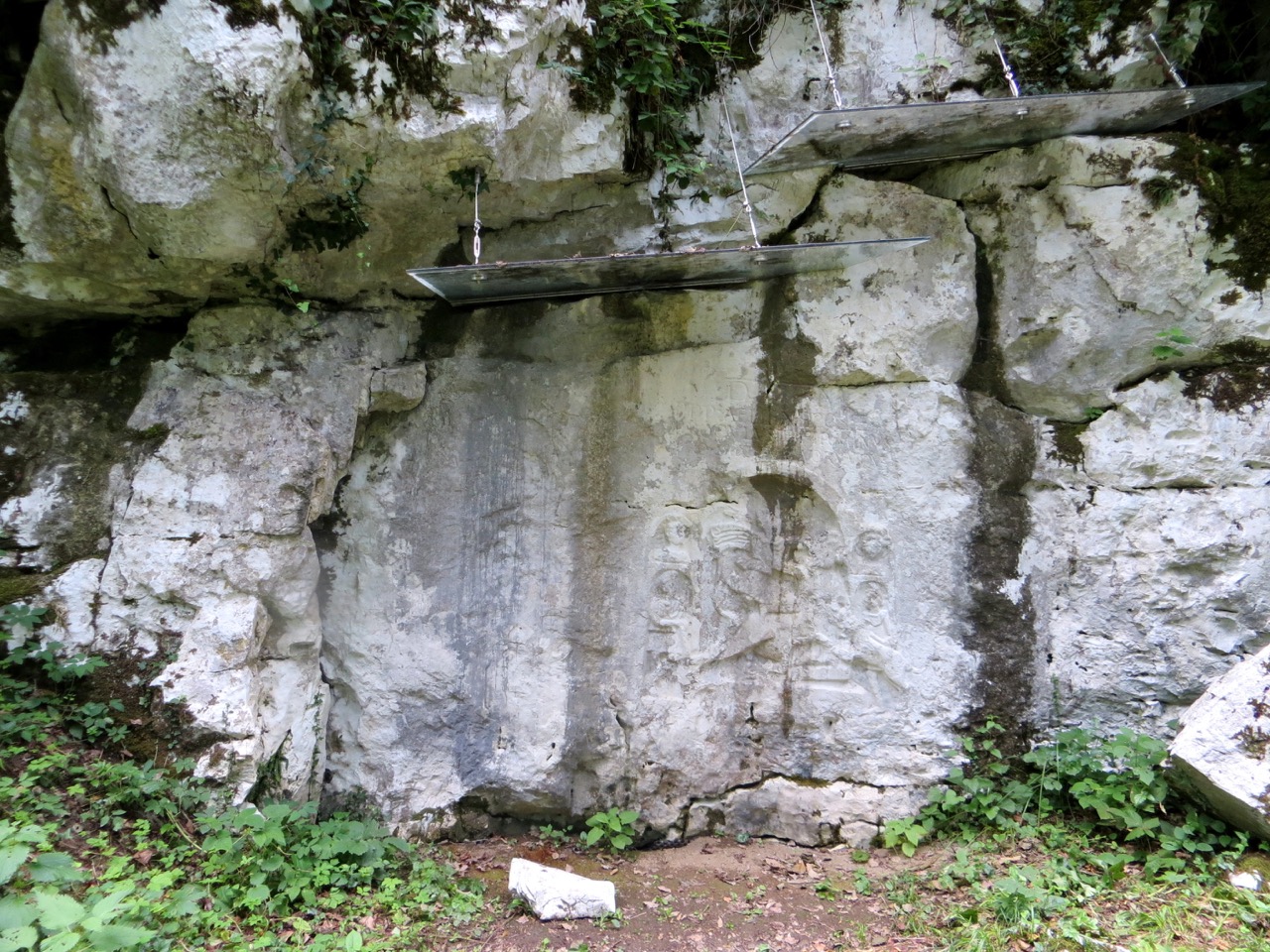
According to Hitzinger remnants of animal bones were found in front of the relief of the Mithraeum at Rozanec.
Mauretania preserves western North African evidence linked to urban and maritime networks of the Roman empire.
Mesopotamia preserves frontier evidence from the eastern limits of Roman Mithraic expansion.
The evidence from Roman Africa reflects the implantation of Mithraic cults within prosperous urban centres of the western Mediterranean.
