Your search Bad Ischl im Salzkammergut gave 1088 results.

Altar from Apulum, Dacia, dedicated to Iovi optimo maximo by Claudius Niger; included in the Mithraic corpus by proximity to other monuments from the same context.
Limestone capital reused as an altar at Apulum, Dacia, its top scraped off, bearing a dedication to Soli Mithrae by Aelius Gordianus.
Limestone altar from Apulum, Dacia, dedicated by Aelius Mestrius.
Top of a limestone altar from Apulum, Dacia, with a rosette in the pediment and palmettes on the sides, recording a dedication to the Numen invicti by a dedicant whose name may be Vallerius.
Limestone altar from Apulum, Dacia, dedicated to Soli invicto Mithrae by Caius Iulius Marcianus, signifer of Legio XIII Gemina.
Top of a limestone votive altar from Apulum, Dacia, preserving only the dedication to Invicto deo.
Limestone altar from Apulum, Dacia, dedicated to Deo invicto Mithrae as a gift by Titus Aurelius Marcus (tribu Fabia), veteran of Legio XIII Gemina.
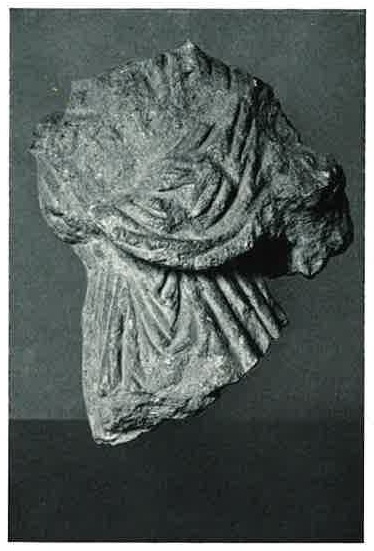
Limestone statue torso from the Mithraeum at Apulum, Dacia, found with the preceding piece, depicting a person in Oriental dress carrying a bull's head in his left hand; head, arms, and legs are lost.
Limestone altar found in Partoș, Dacia, dedicated to Deo Soli by Lucius Valerius Felix.
Limestone altar from Mureș Port near Apulum, Dacia, dedicated to Invicto Mithrae; the dedicant is identified only as Augustalis (coloniae?).
Limestone altar from Cluj, ancient Napoca in Dacia, dedicated to Soli invicto Mithrae for the welfare of the ordo Augustalis.
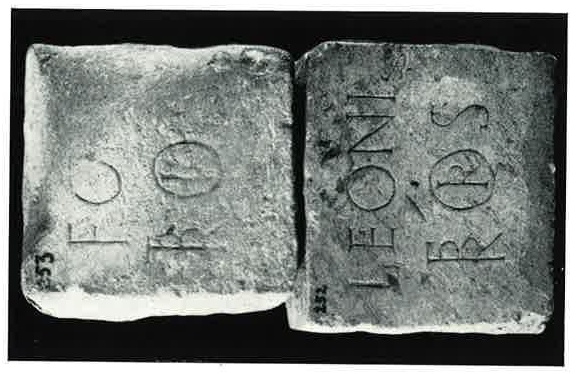
Two white limestone blocks from Golubić near Bihać, Dalmatia, depicting the standard Mithraic tauroctony scene.
Altar from Salona, Dalmatia, with a bust of Sol in radiate crown in the lower portion, dedicated to Deo invicto for the welfare and safety of Pamphilus, imperial dispensator, by his arkarius Fortunatus.
Altar found at Salona, Dalmatia, in 1884, dedicated simply to Petrae genetrici — the rock that gives birth to the god.
Inscription from a house staircase at Salona, Dalmatia, dedicated to Deo Mithrae invicto and all the other immortal gods by a dedicant whose name ends in -elius.
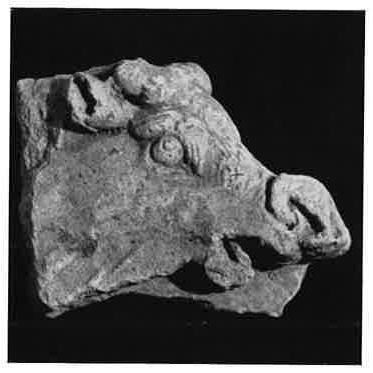
Limestone relief fragment from Salona or its surroundings, Dalmatia, preserving a very fine bull's head and the left hand of Mithras.
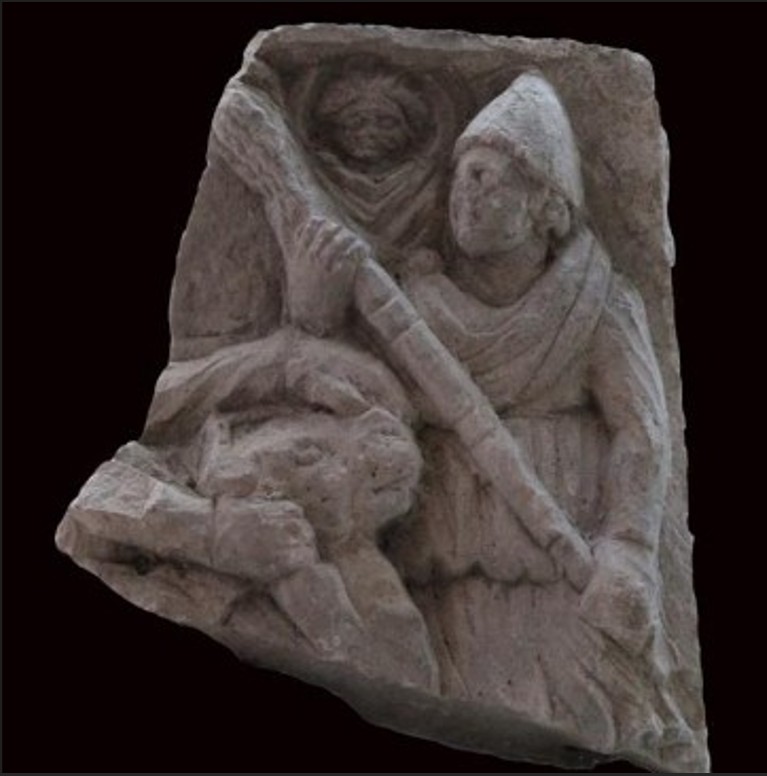
Right upper portion of a limestone relief from Salona or its surroundings, Dalmatia, depicting a standing figure — probably a torchbearer or divine attendant.
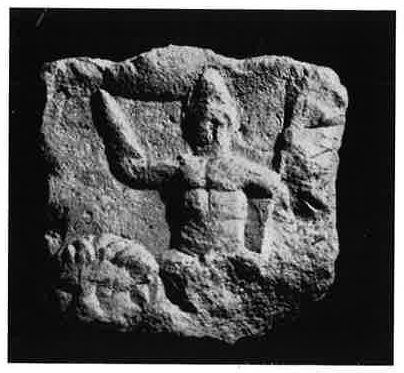
White limestone relief fragment from the walls of Salona, Dalmatia, found in 1906, depicting naked Mithras being born from the rock with a dagger in his right hand and a torch in his left.

Left lower corner of a limestone tauroctony relief from Salona, Dalmatia, preserving the crossed legs of a torchbearer and the grotto base.
Fragmentary inscription from Salona, Dalmatia, preserving only the phrase impendio suo — probably recording a building act.
