Your search Bingen am Rhein gave 1055 results.
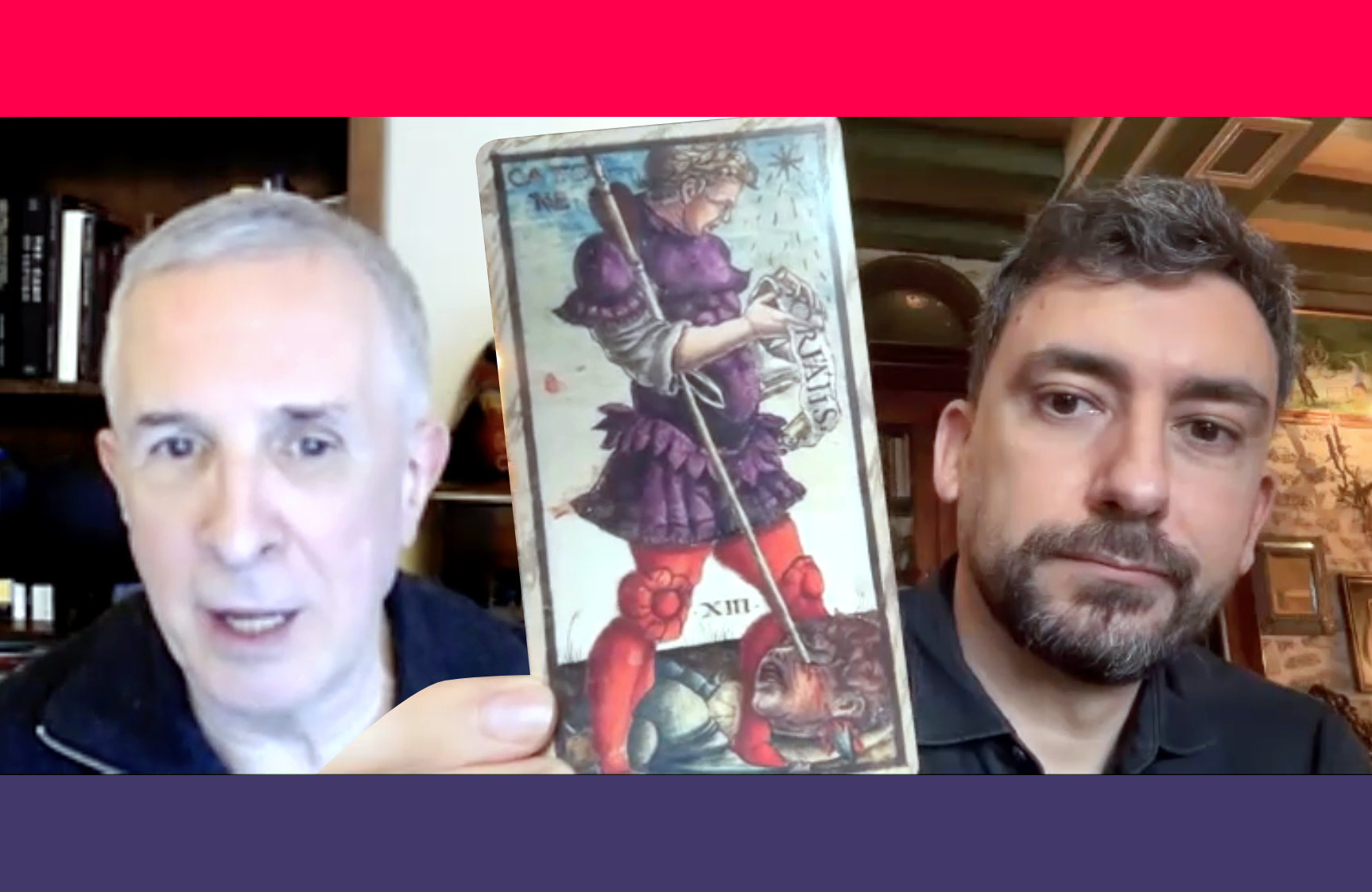
For the launch of our YouTube channel, we chat with the author, poet, essayist and friend Peter Mark Adams about the Sola-Busca Tarot, a Renaissance masterpiece, uncovering ties to the Mithras cult.
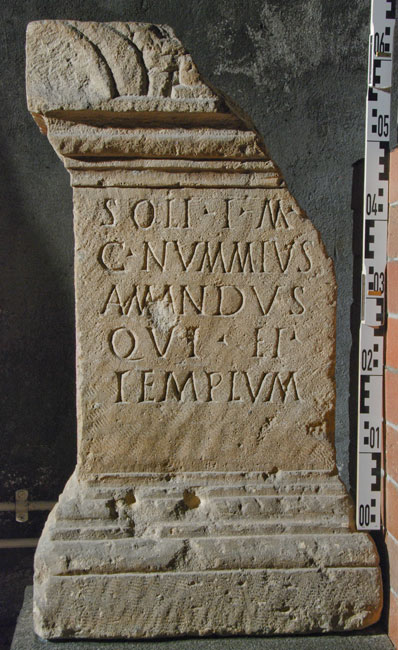
This altar dedicated to the Invincible Sol Mithra was found in 1878 in a cemetery in Alba Iulia.
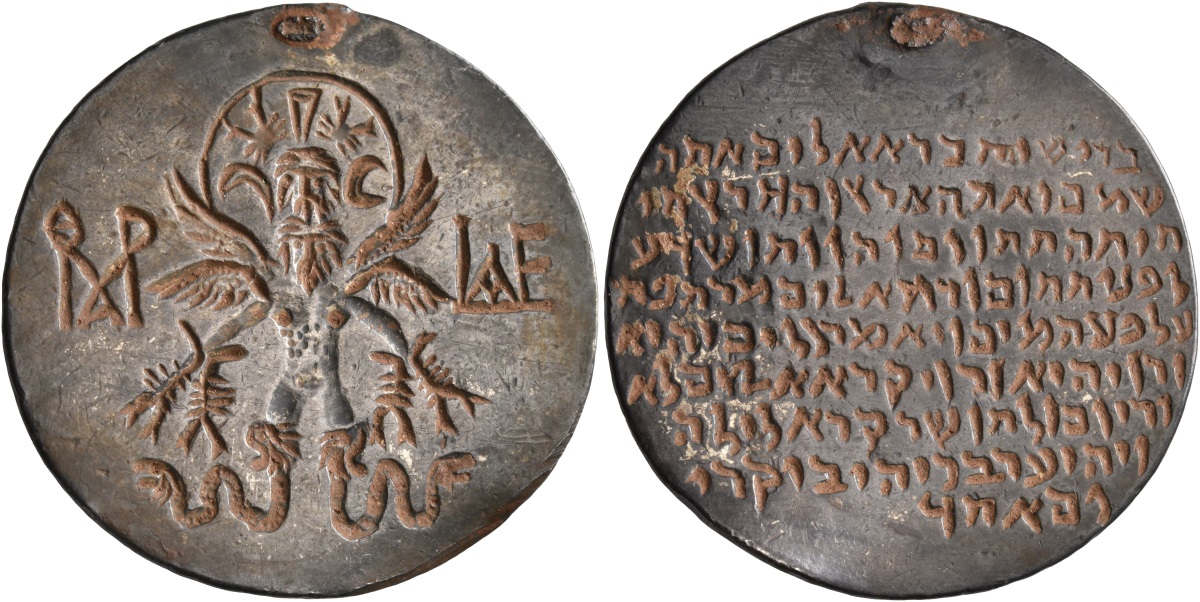
This silver amulet depicts Abraxas on one side and the first verses of the Book of Genesis in Hebrew on the other.
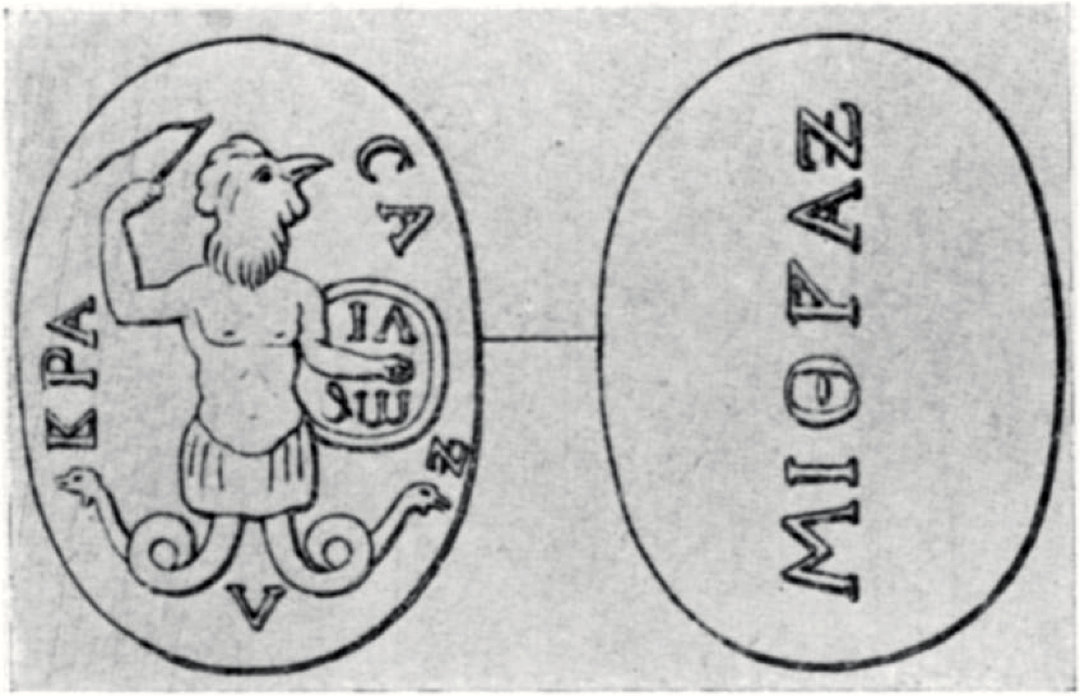
This syncretic amulet depicting Abraxas and the word MIΘPAZ was once displayed in the Cappello Museum of Venice.
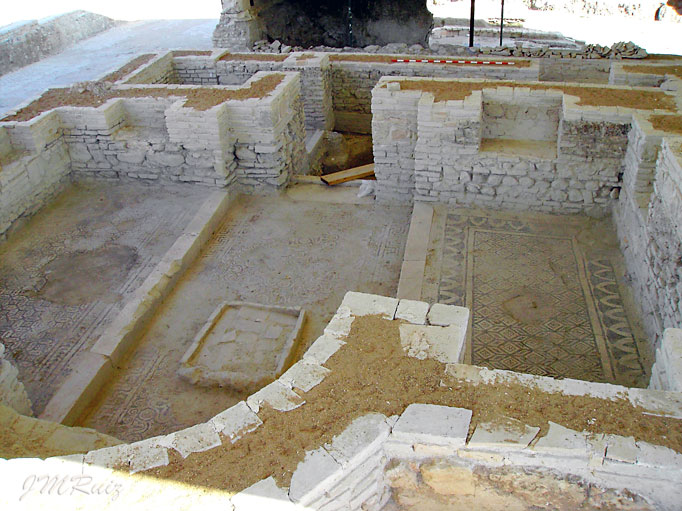
One of the rooms of the villa has been interpreted as a mithraeum, but we do not have enough evidence to confirm this.
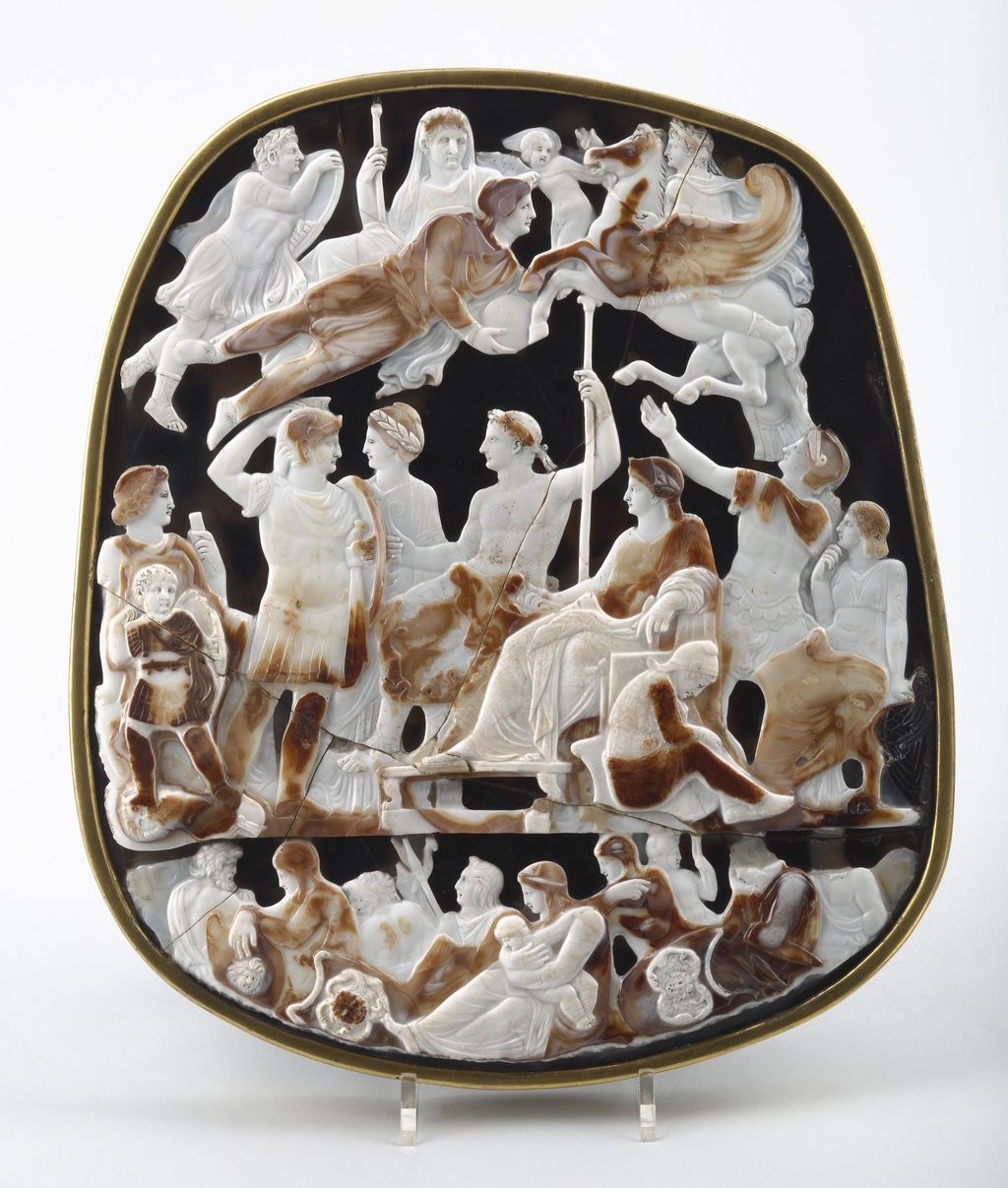
Some authors have speculated that the flying figure dressed in oriental style and holding a globe could be Mithras.


Presentation on the Dionysian-themed frescoes of the Villa of the Mysteries by Peter Mark Adams on the occasion of the presentation of his book.
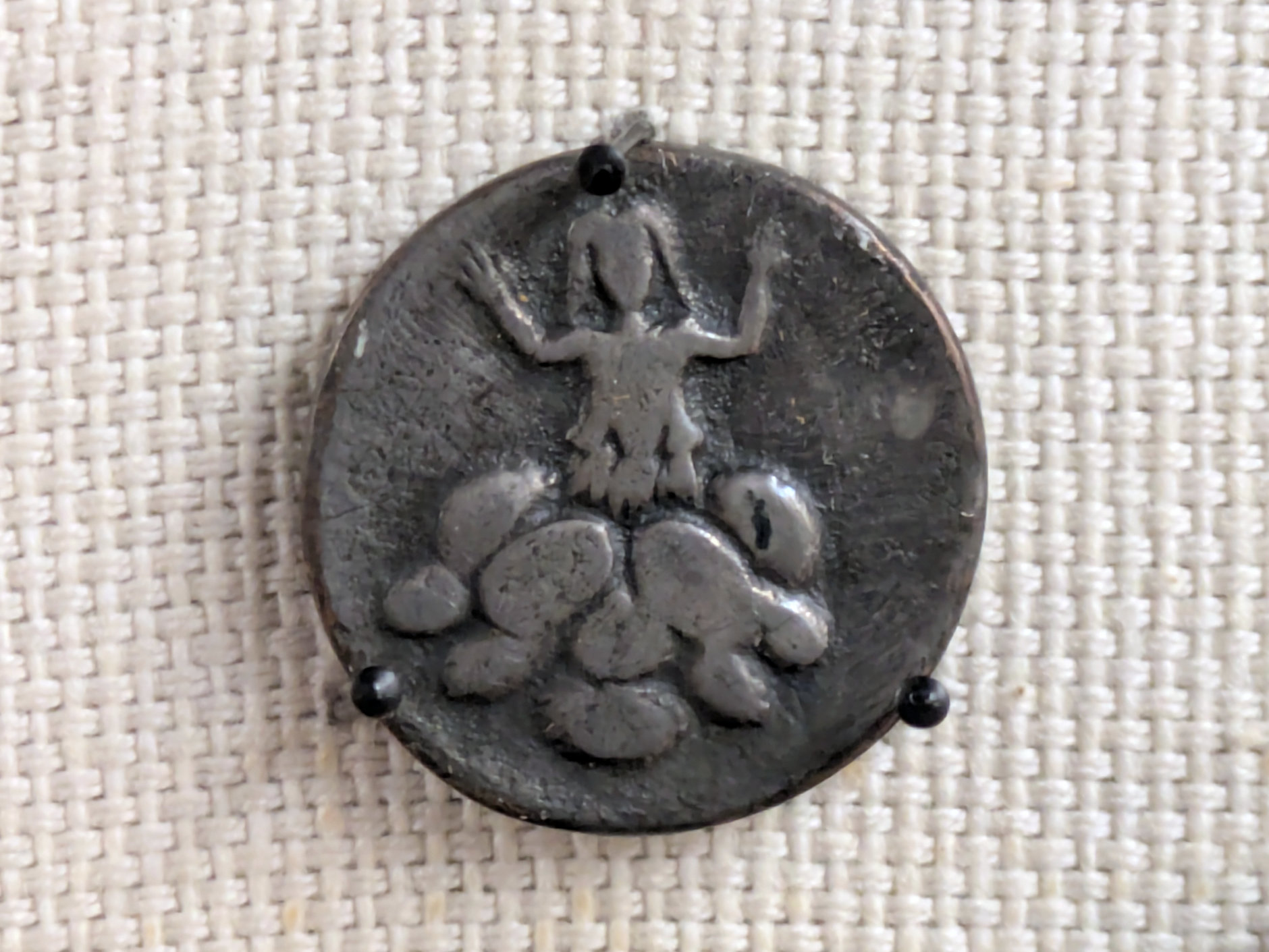
The mithraic denarius of St. Albans dates from the 2nd century.

Inscribed altar from Mithraeum II at Stockstadt dedicated to Deo invicto Mithrae by a dedicant whose name reads Matto
Red sandstone relief fragment from Mithraeum I at Stockstadt preserving the lower part of Vulcanus with an anvil, hammer, and tongs
Damaged red sandstone statue from Mithraeum I at Stockstadt depicting the naked Sol standing in a four-horse chariot, head and arms lost
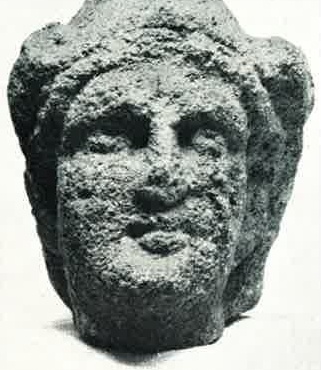
Sandstone fragment from Mithraeum I at Heddernheim, ancient Nida, probably the damaged head of a torchbearer, often misidentified as Mercury.
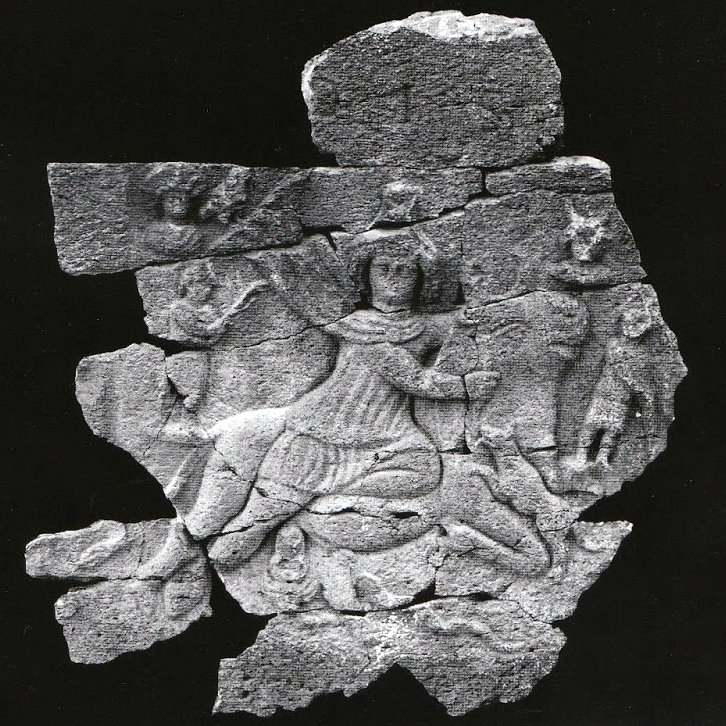
The second tauroctony of Jabal al-Druze seems to have be made by the same sculptor.

This plaque, located on the western staircase of the Palace of Darius, mentions the god Mithra together with Ahura Mazda as protectors of King Artaxerxes III Ochus.
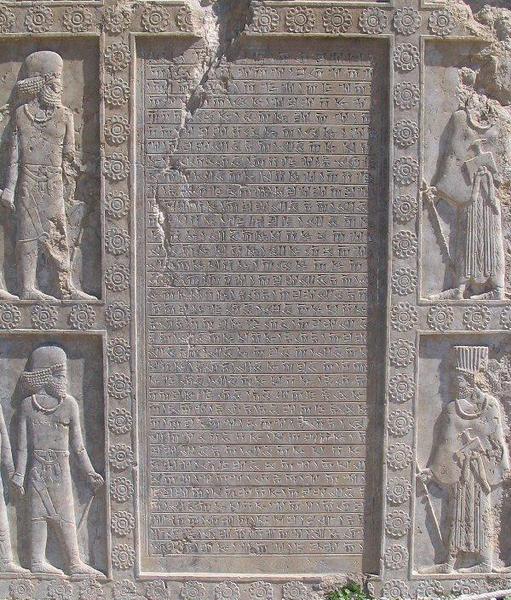
Located at the western entrance to the Palace of Darius in Persepolis, this tablet bears an inscription mentioning Ahuramazda and Mithra.
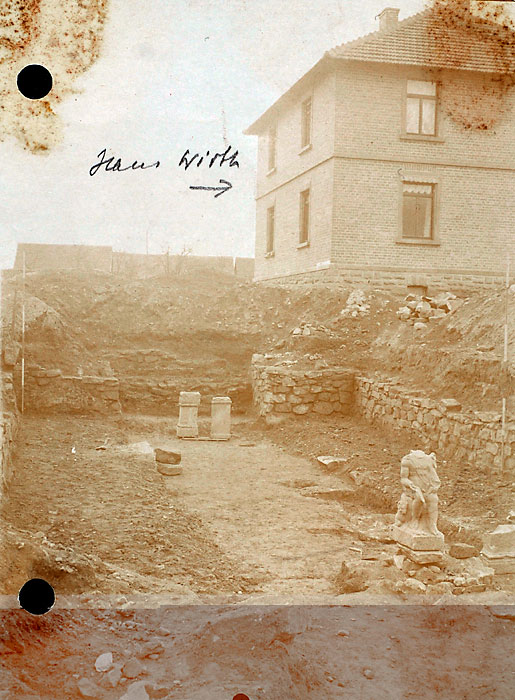
The Mithraeum I in Stockstadt contained images of Mithras but also of Mercury, Hercules, Diana and Epona, among others.
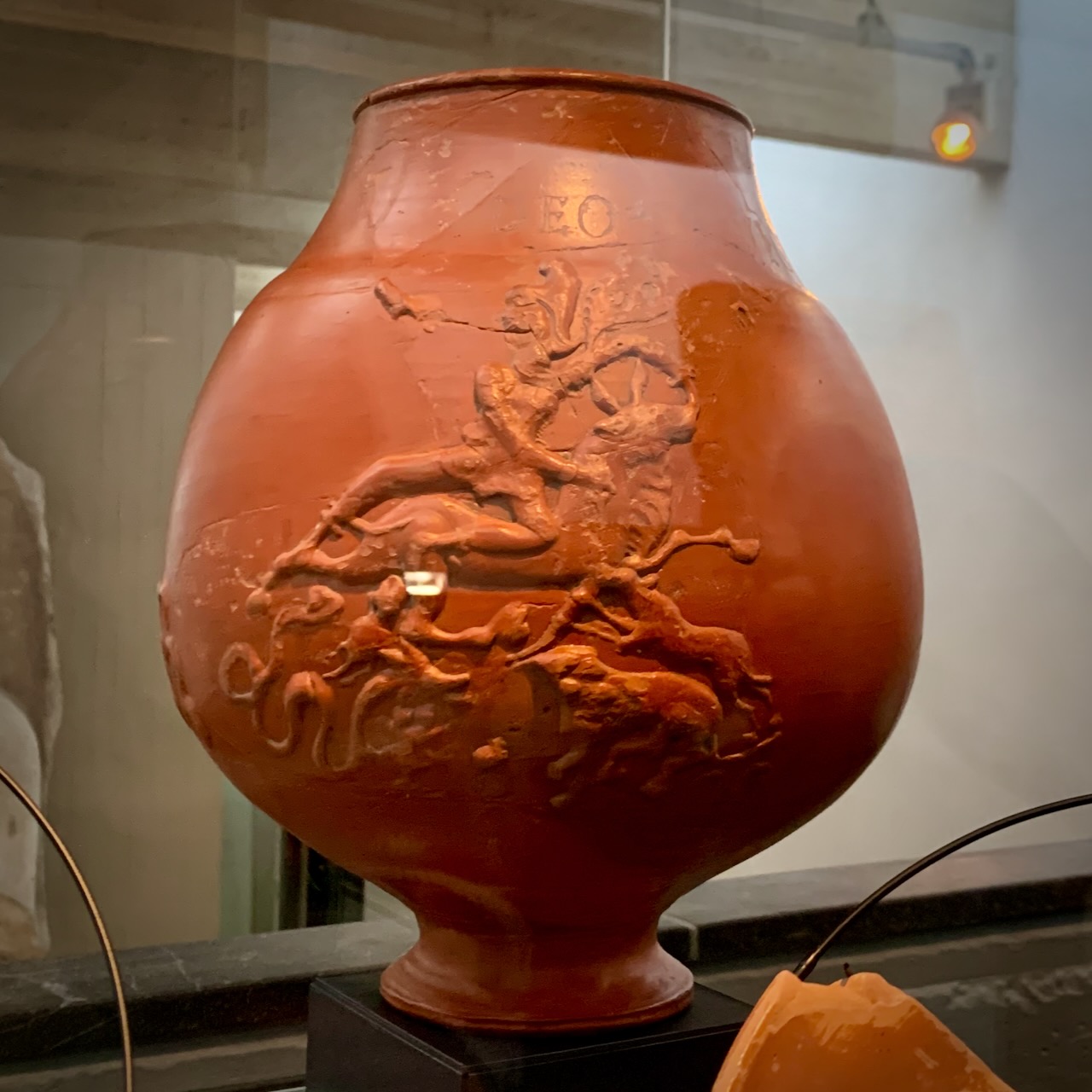
The Mühltal Mithraic crater was discovered among the artefacts of a mithraeum found in Pfaffenhoffen am Inn, Bavaria.
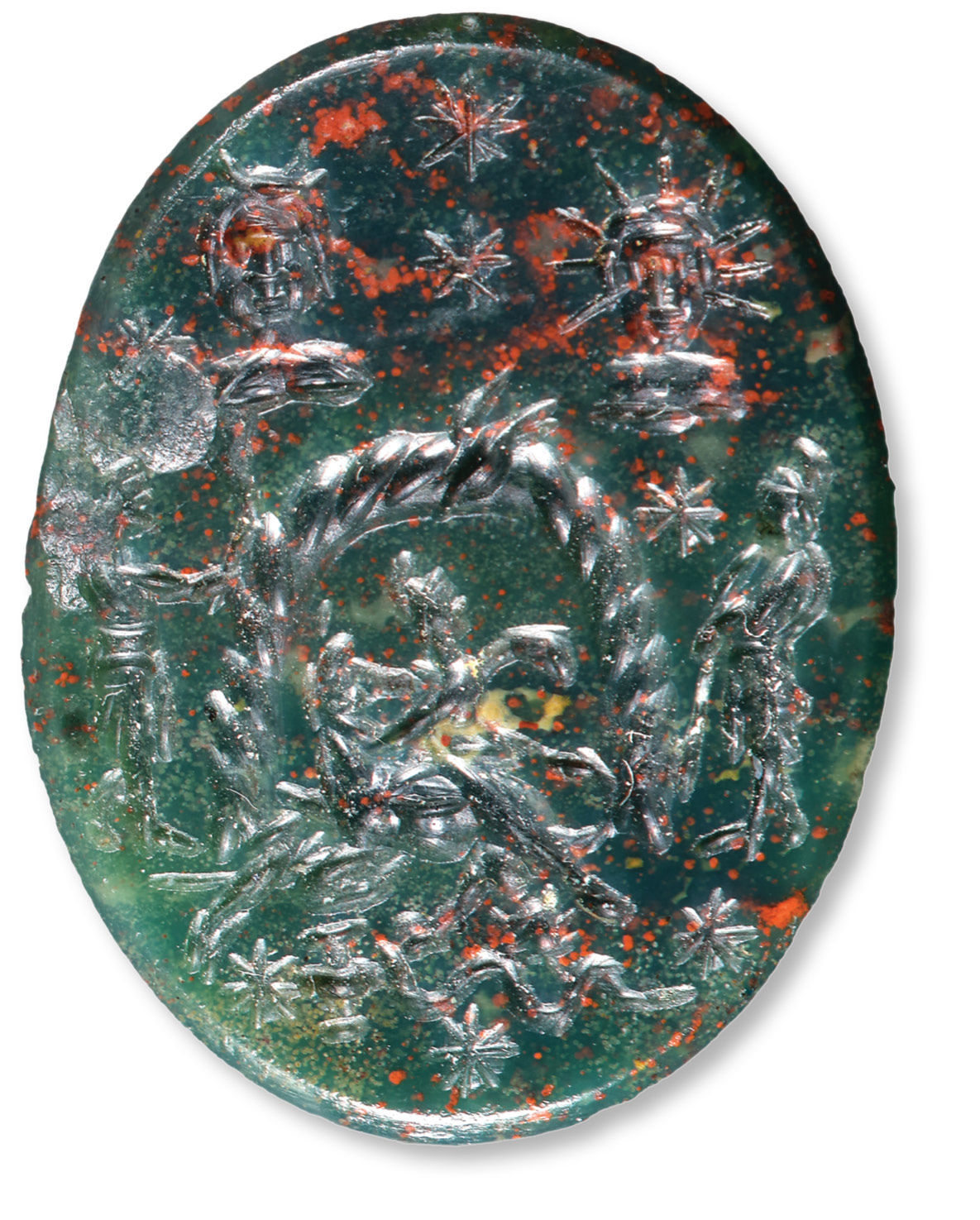
This heliotrope gem, depicting Mithras slaying the bull, dates from the 2nd-3rd century, but was reused as an amulet in the 13th century.
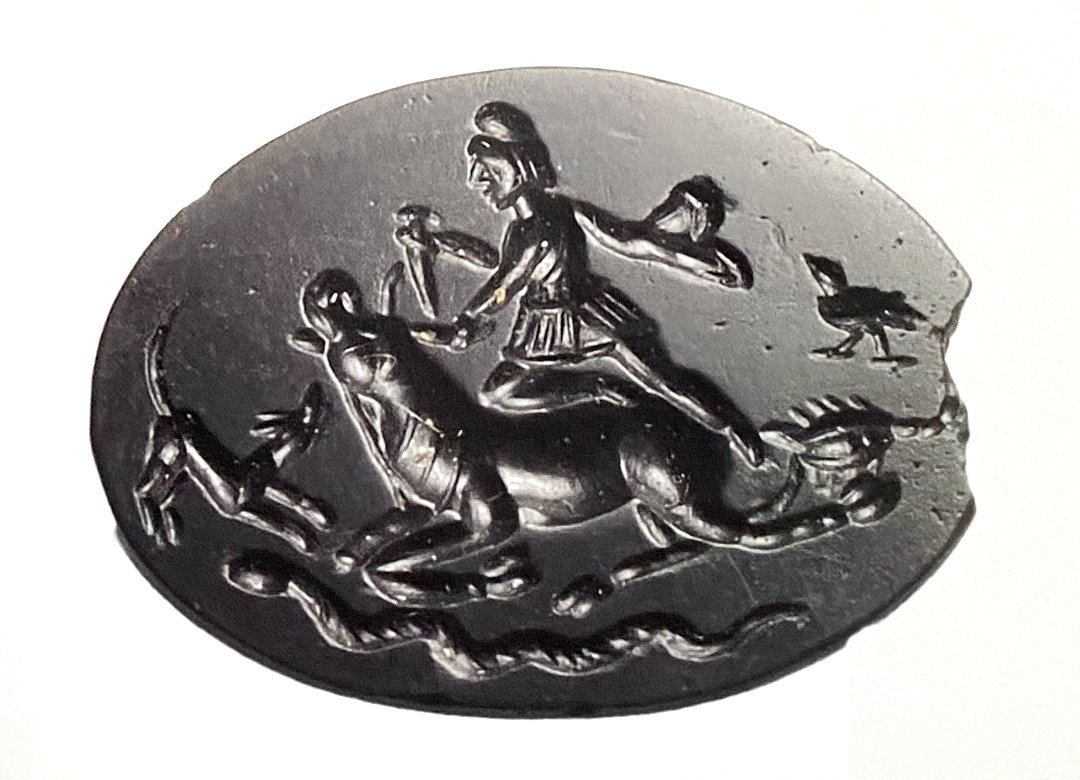
This intaglio with Mithras killing the bull on one side and Kabiros on the other was probably used as a magical amulet.
