Your search Boulogne-sur-Mer gave 706 results.
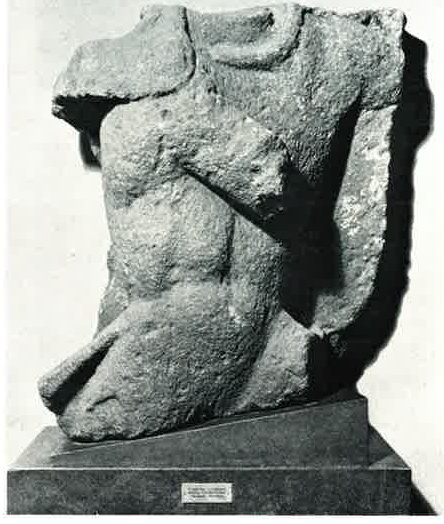
Marble relief fragment showing Mithras slaying the bull, originally belonging to a lost second Mithraeum at Friedberg.
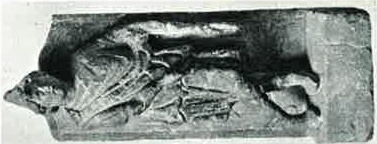
Limestone relief of the torchbearer Cautopates standing cross-legged in Oriental dress.

Limestone base with remains of a torchbearer and an inscription to Mithras by Lucius Pervincius Sequens.
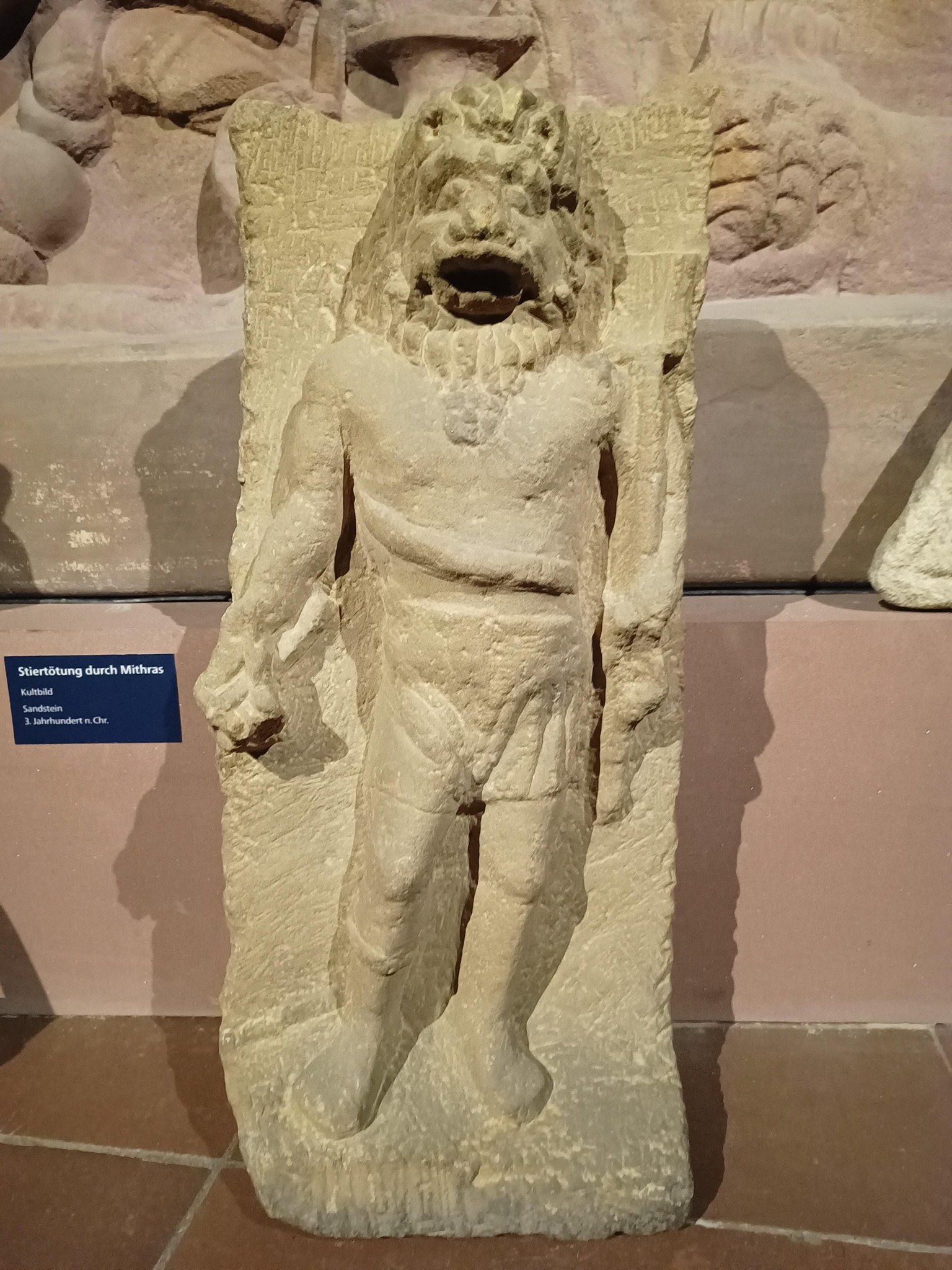
This lion-headed figure from Nida, present-day Frankfurt-Heddernheim, holds a key and a shovel in his hands.

The lion-headed statue of Hedderneheim is a reconstruction from fragments of two different sculptures.
Colonia Ulpia Traiana Augusta Dacica Sarmizegetusa was the capital and the largest city of Roman Dacia, later named Ulpia Traiana Sarmizegetusa after the former Dacian capital, located some 40 km away. The city was destroyed by the Goths.
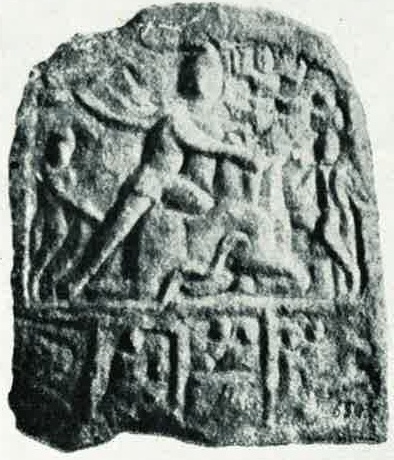
Small arched marble tauroctony relief from Philippovtsi near Sofia, Thracia, divided into two parts by a horizontal rim.
Antioch was the capital of Roman Syria and gateway between the Mediterranean and the eastern provinces.
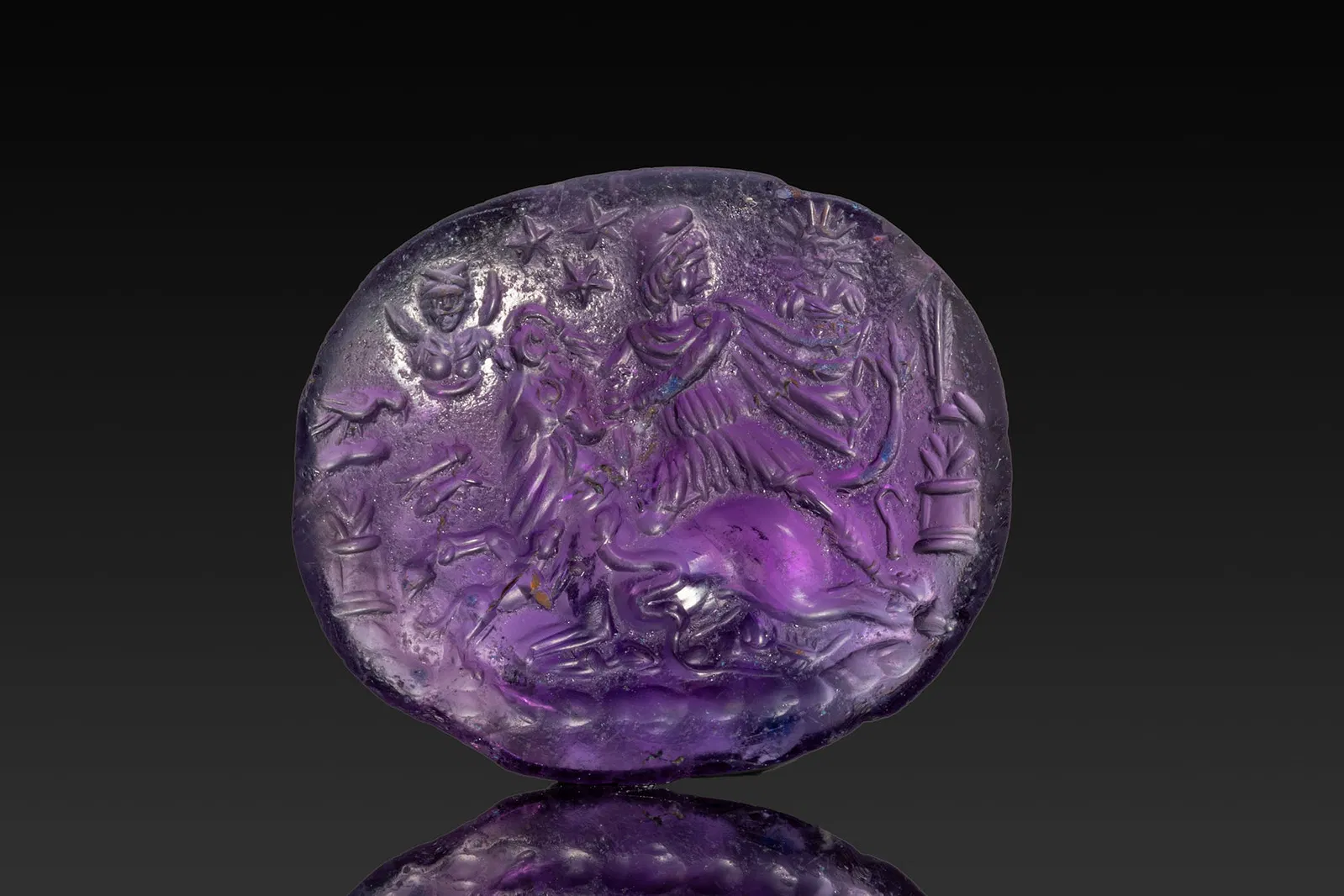
Amethyst intaglio engraved with Mithras slaying the bull, accompanied by Sol, Luna and other canonical Mithraic symbols.
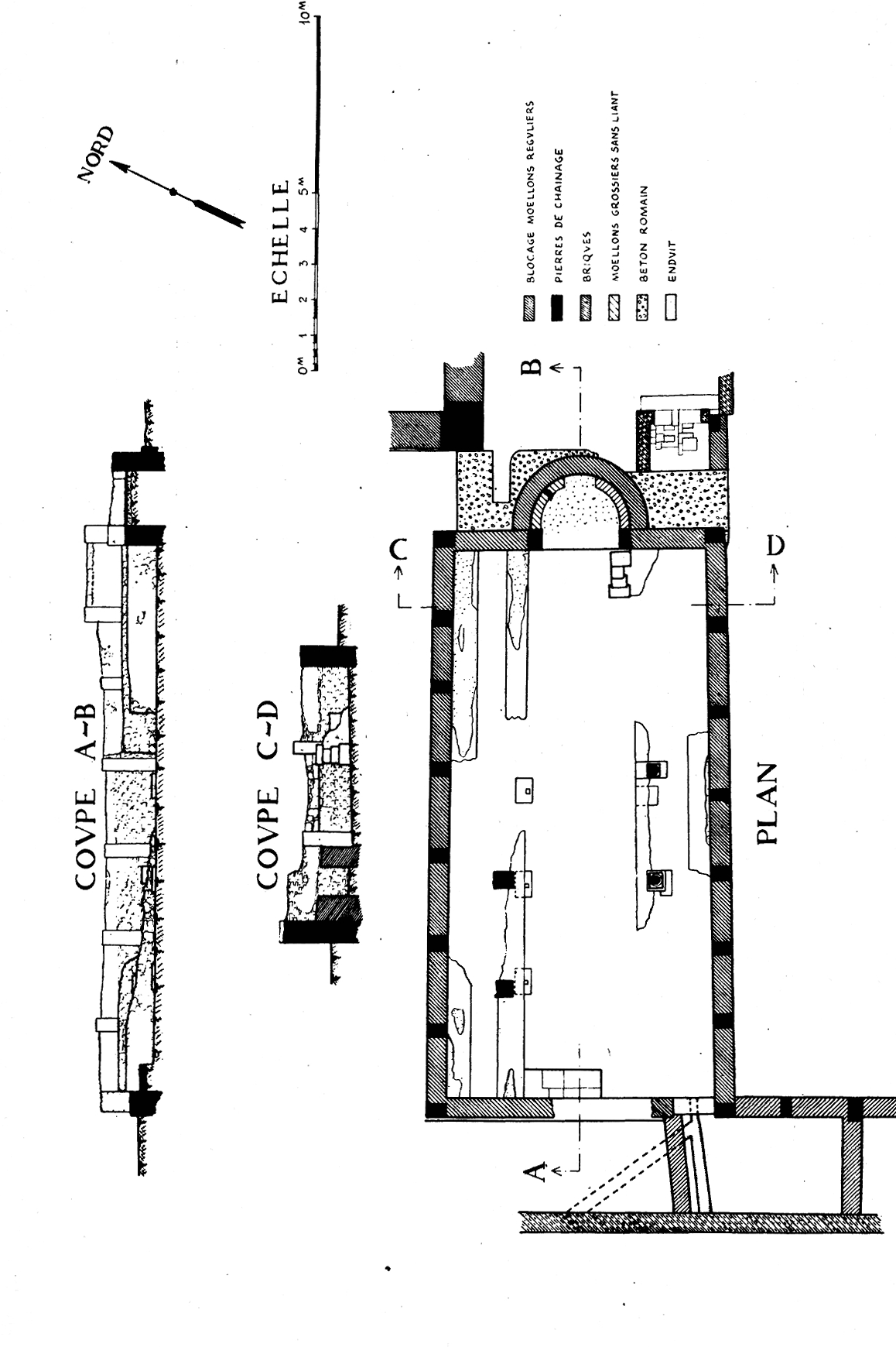
The Mithraeum of Tazoult / Lambèse is one of the best preserved Mithras’s temples in Africa.
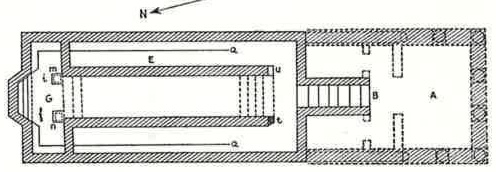
Second Mithraic sanctuary discovered in 1826 some 150 metres west of Mithraeum I at Heddernheim, ancient Nida, with finds in the Wiesbaden museum.
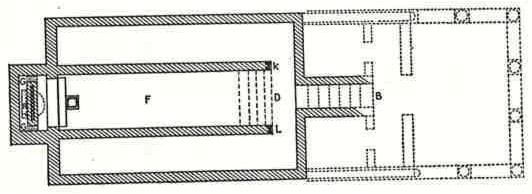
First Mithraic sanctuary discovered at Heddernheim (ancient Nida) in 1826, with finds preserved in the Städtisches Museum at Wiesbaden.
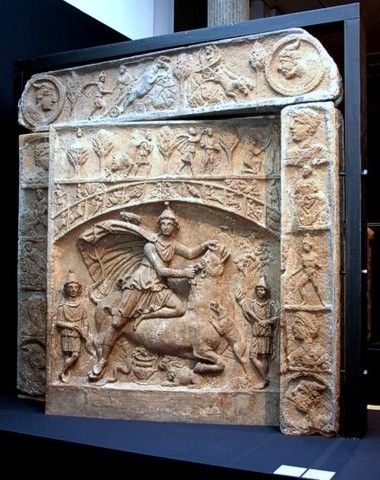
This relief is so well-known that it has been reproduced in nearly every handbook of archaeology and of history of religions.
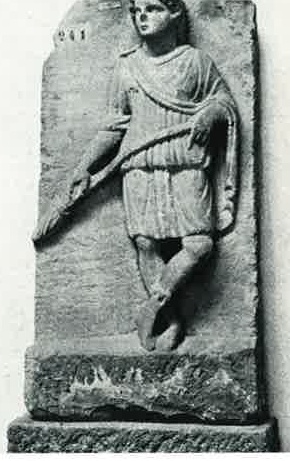
Relief in red sandstone originally standing on a base in Mithraeum I at Heddernheim, ancient Nida, featuring the bull-slaying scene.

My research explores the emergent area of Digital Civics. I formulated the first definition, critical underpinning, and pedagogical model for this concept.
Ancient region of the Crimean Peninsula associated with the Greek colonies and Roman presence in Taurica.
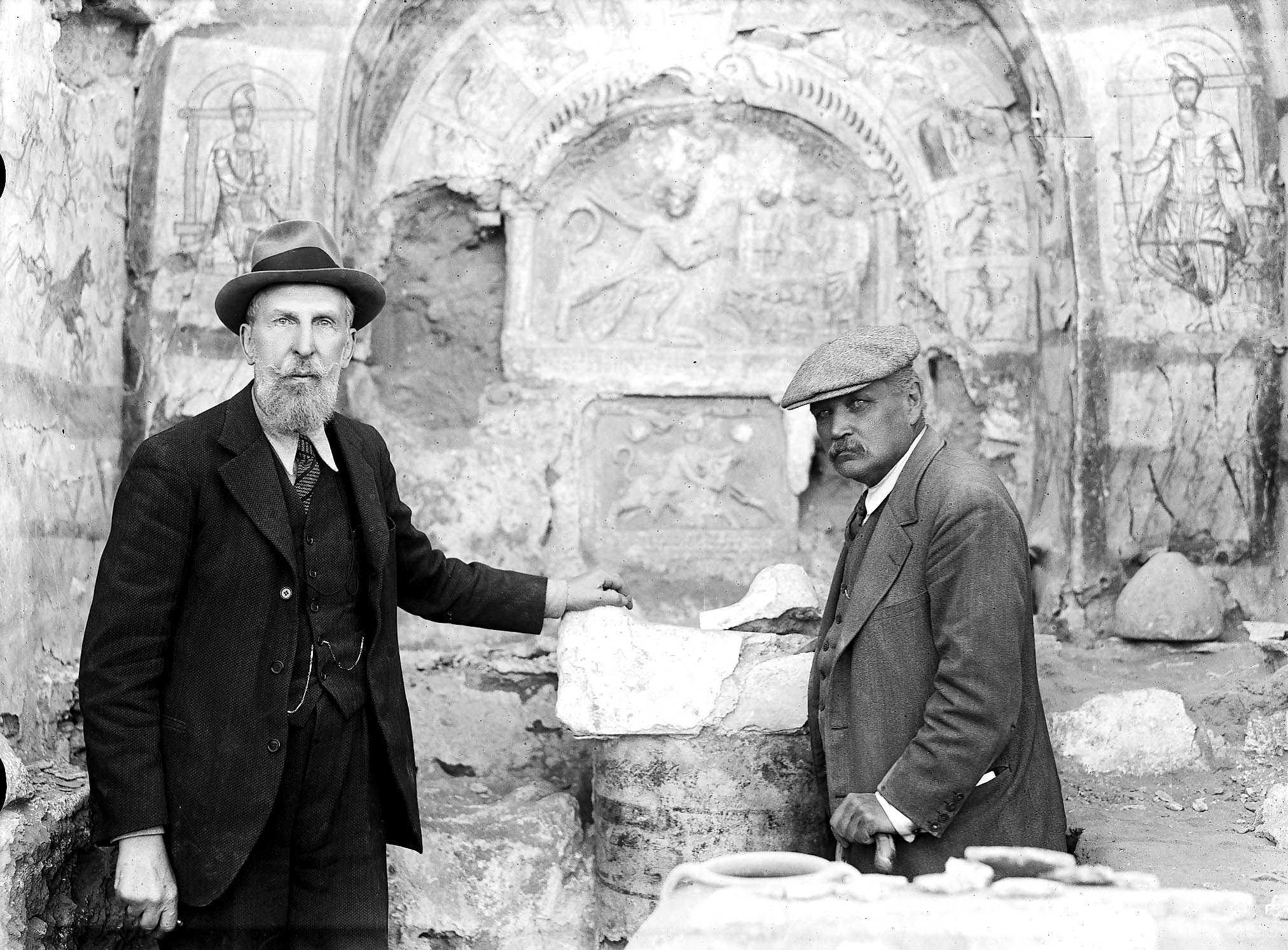
The most emblematic of the Syrian Mithraea was discovered in 1933 by a team led by the Russian historian Mikhaïl Rostovtzeff.
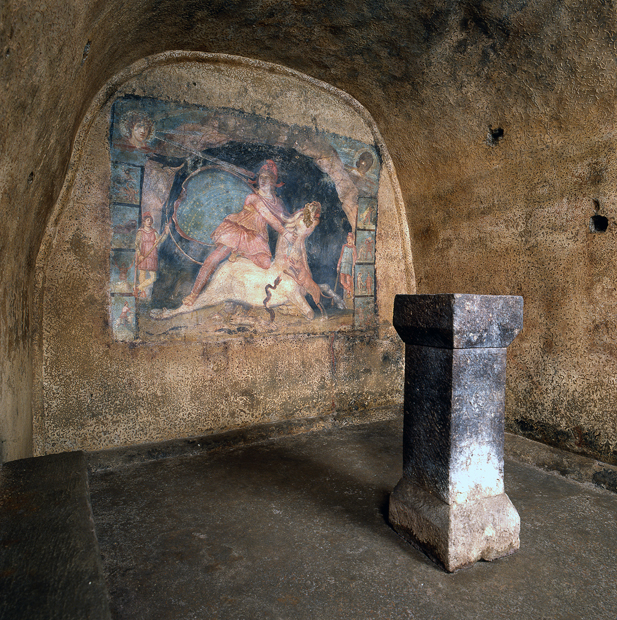
The Marino Mithraeum preserves one of the most elaborate painted cycles of Mithras’ myth, combining the tauroctony, planetary symbolism and scenes from the god’s sacred narrative.

In this relief of Mithras as bull slayer, recorded in 1562 in the collection of A. Magarozzi, Cautes and Cautopates have been replaced by trees still bearing the torches.
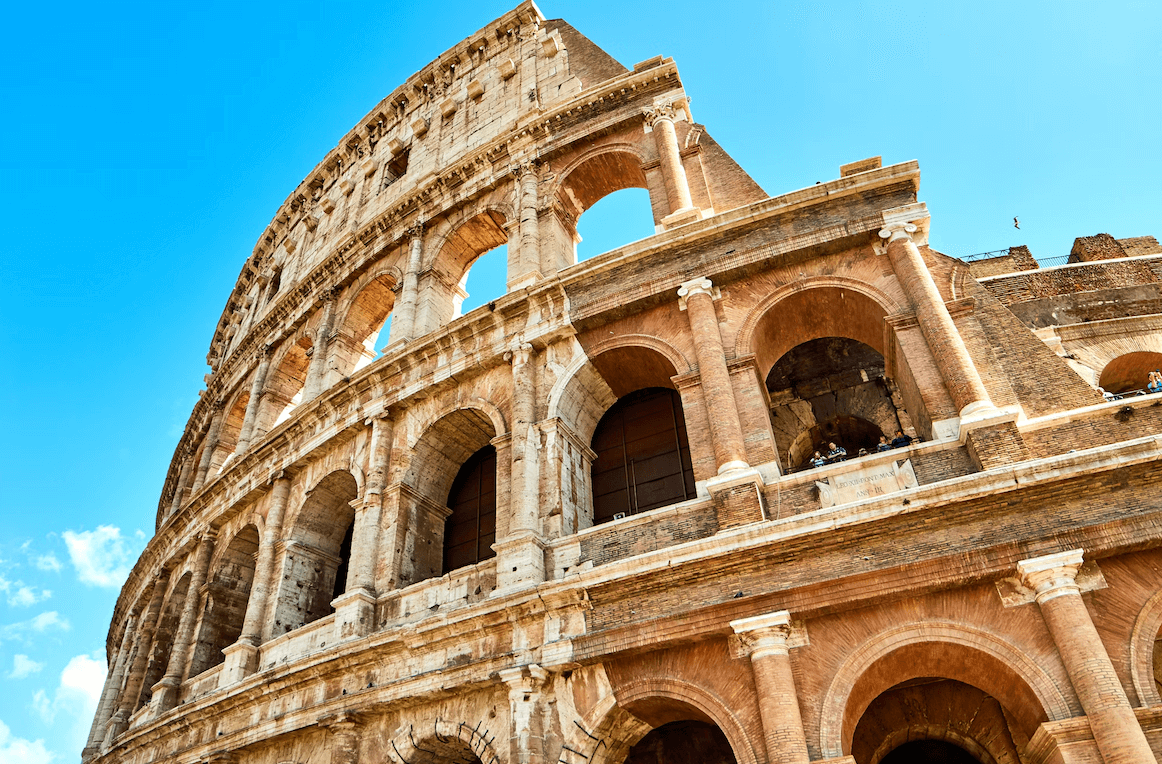
Roman Italia preserves a central and exceptionally influential corpus within the development of Mithraic cults.
