Your search Bourg-Saint-Andéol gave 169 results.
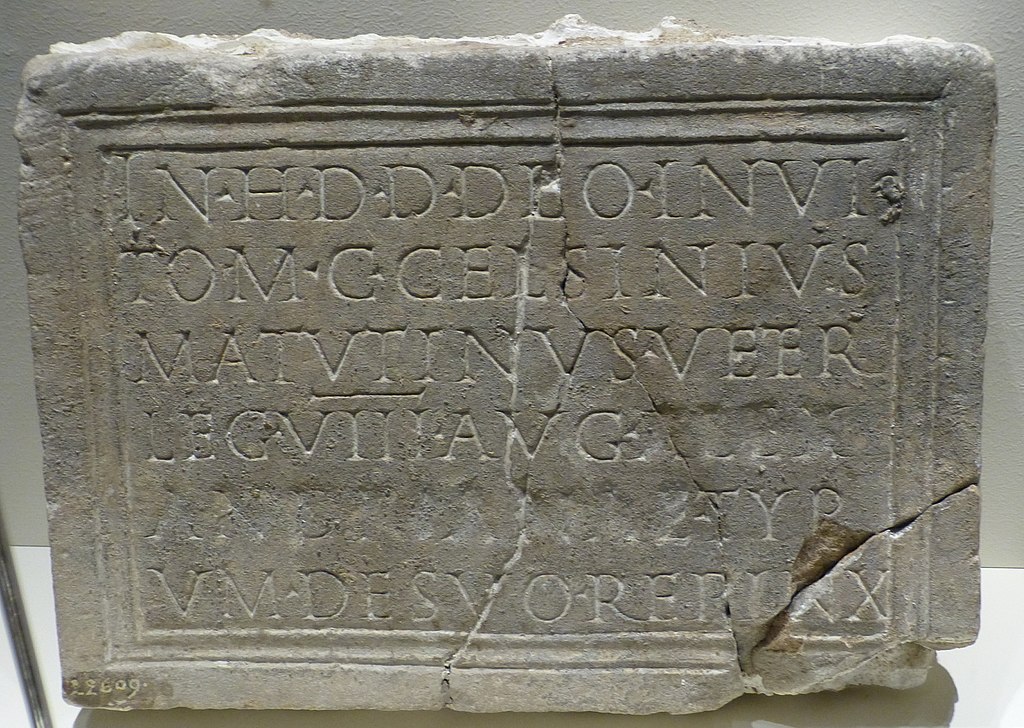
The inscription reports the restoration of the coloured painting of the main relief of the Mithraeum by a veteran of the Legio VIII Augusta.
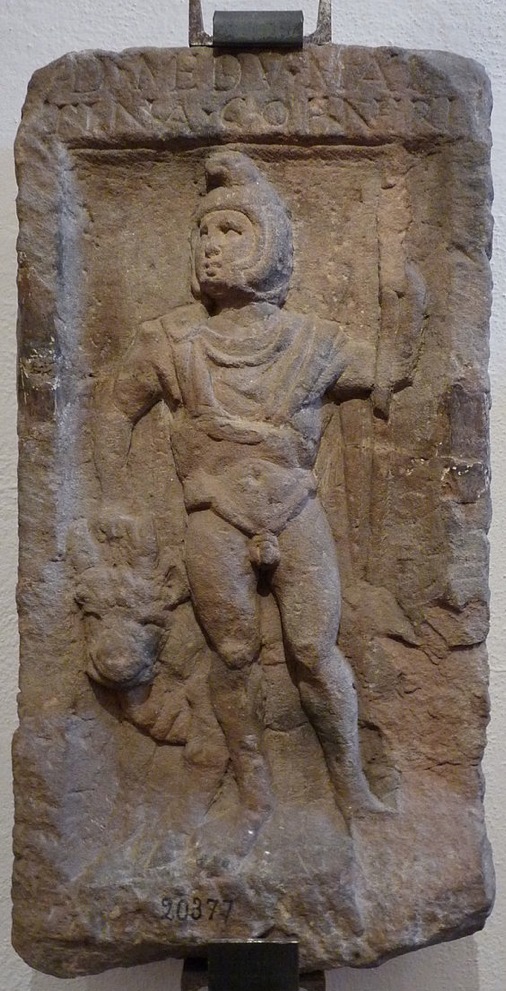
The relief of naked Roman soldier, wearing a mantle and a Phrygian cap, has been related to the Mithras' cult.

medical doctor. Hypnotherapist. medieval art interpretation. Mithras mystery I live in Sarrebourg (France) where a marvelous mithraeum was discovered in 1890

The locality of Saint Pierre de Messeane is associated with archaeological discoveries from Roman Gaul.

Two limestone relief fragments from Bihać, Dalmatia, found near Kástel Stasi and the Croate Church of Saint Martha, preserving portions of a Mithraic bull-slaying scene.
Sarrebourg is a commune of northeastern France. In 1895 a Mithraeum was discovered at Sarrebourg at the mouth of the pass leading from the Vosges Mountains.
Argentoratum or Argentorate was the ancient name of Strasbourg. Its name was first mentioned in 12 BC, when it was a Roman military outpost established by Nero Claudius Drusus. The Legio VIII Augusta was stationed there from 90 AD.

This eulogy of Saint Eugene of Trapezos tells how, in the time of Diocletian, he and two other Christian fellows destroyed a statue of Mithras.
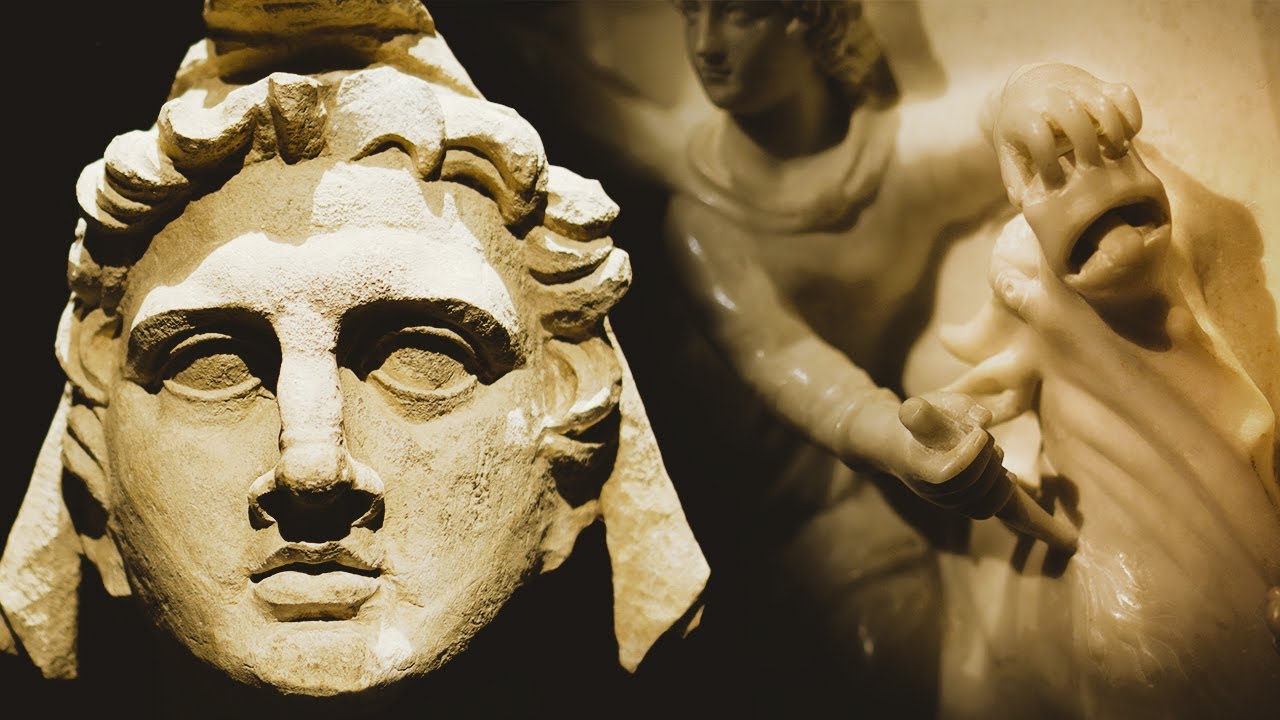
Nouveau video de Mysteria dédié au culte de Mithra à partir de l'exposition Le mystère de Mithra au Musée Saint Raymond.
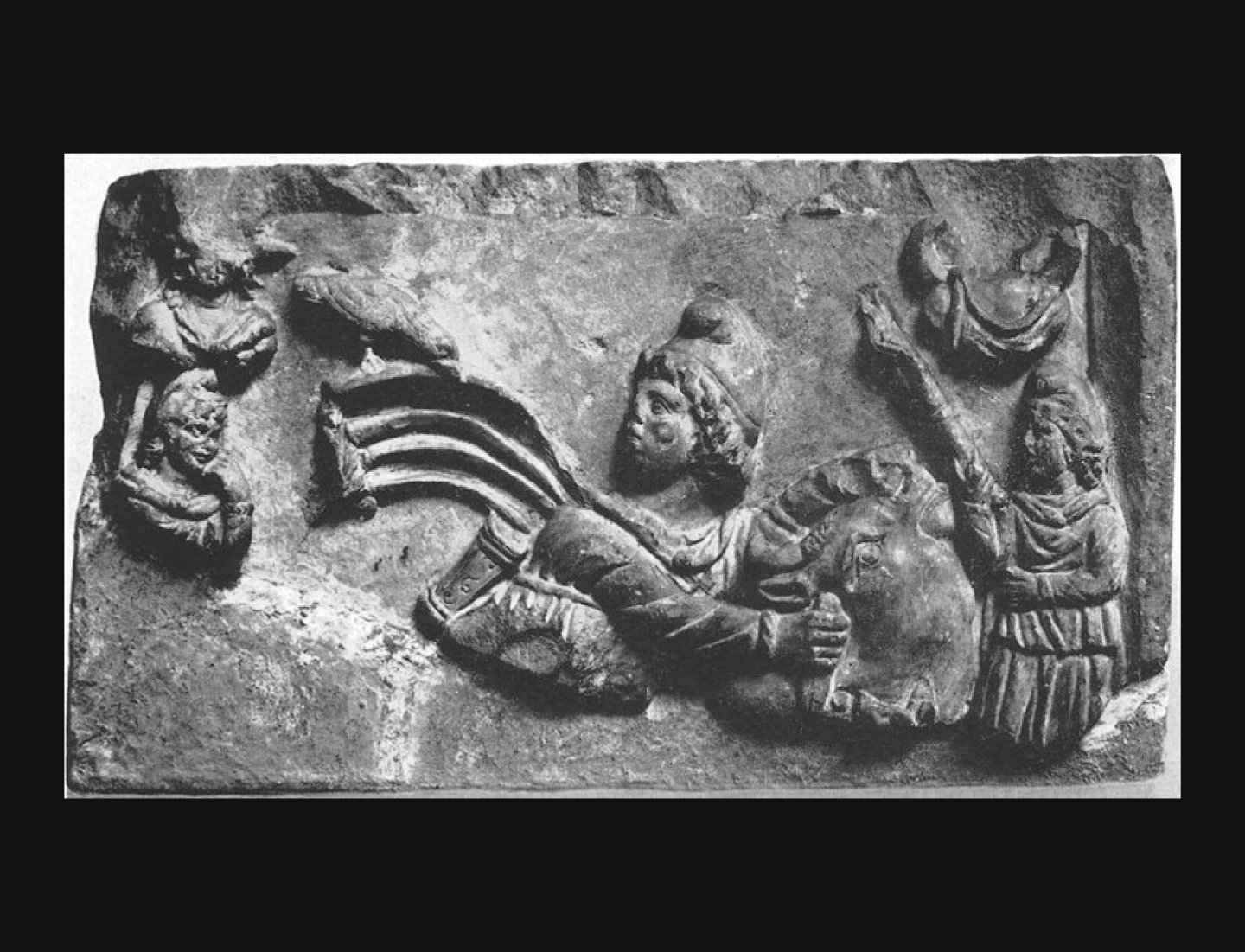
Franz Cumont bought this relief of Mithras as a bullkiller from a dealer who claimed to have found it in a vineyard near the church of Saint Pancrace, in Rome.
Mithra et ses actualités - Journée d'études (17 décembre 2021) au Musée royal de Mariemont.
Alesia became famous as the site of Caesar’s decisive siege during the Gallic Wars.
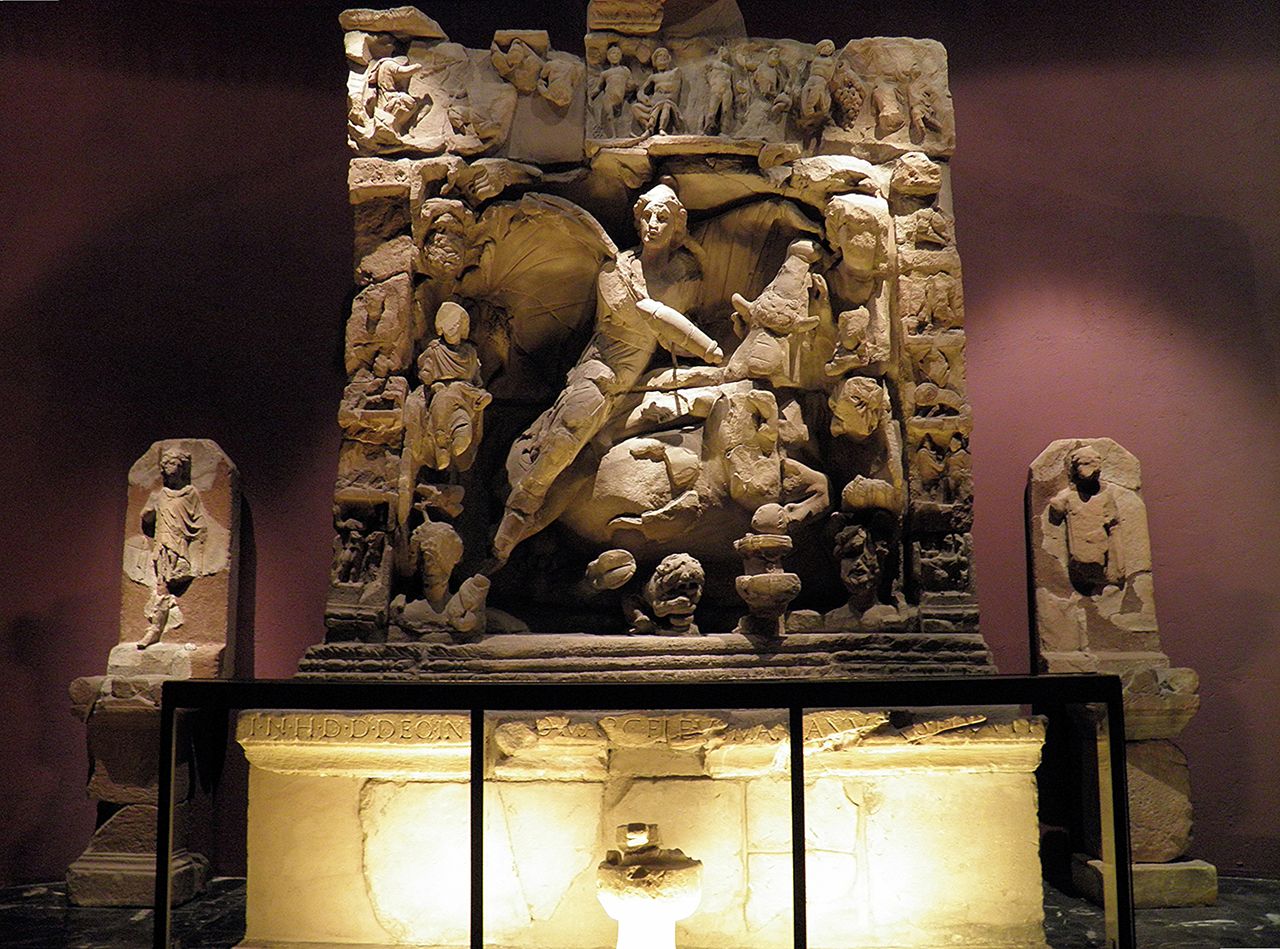
The base of these sandstone reliefs bears an inscription referring to a certain Marcellius Marianus.
A number of metal objects and weapons have been found in the Mithraeum of Les Bolards, close to Nuits-Saint-Georges in France.
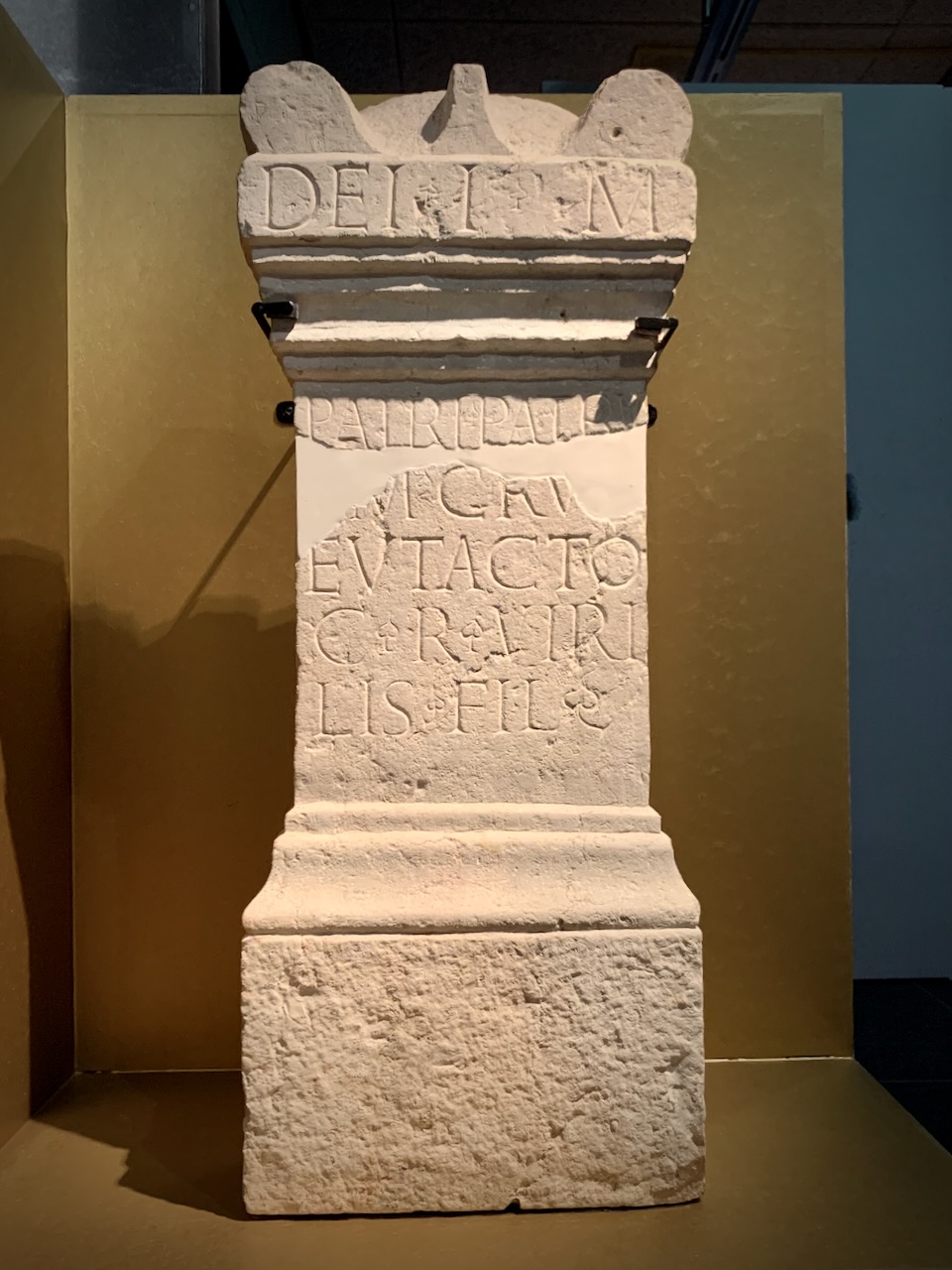
This altar was dedicated by a son to his father, one of the few Patres Patrum recorded in the western provinces.
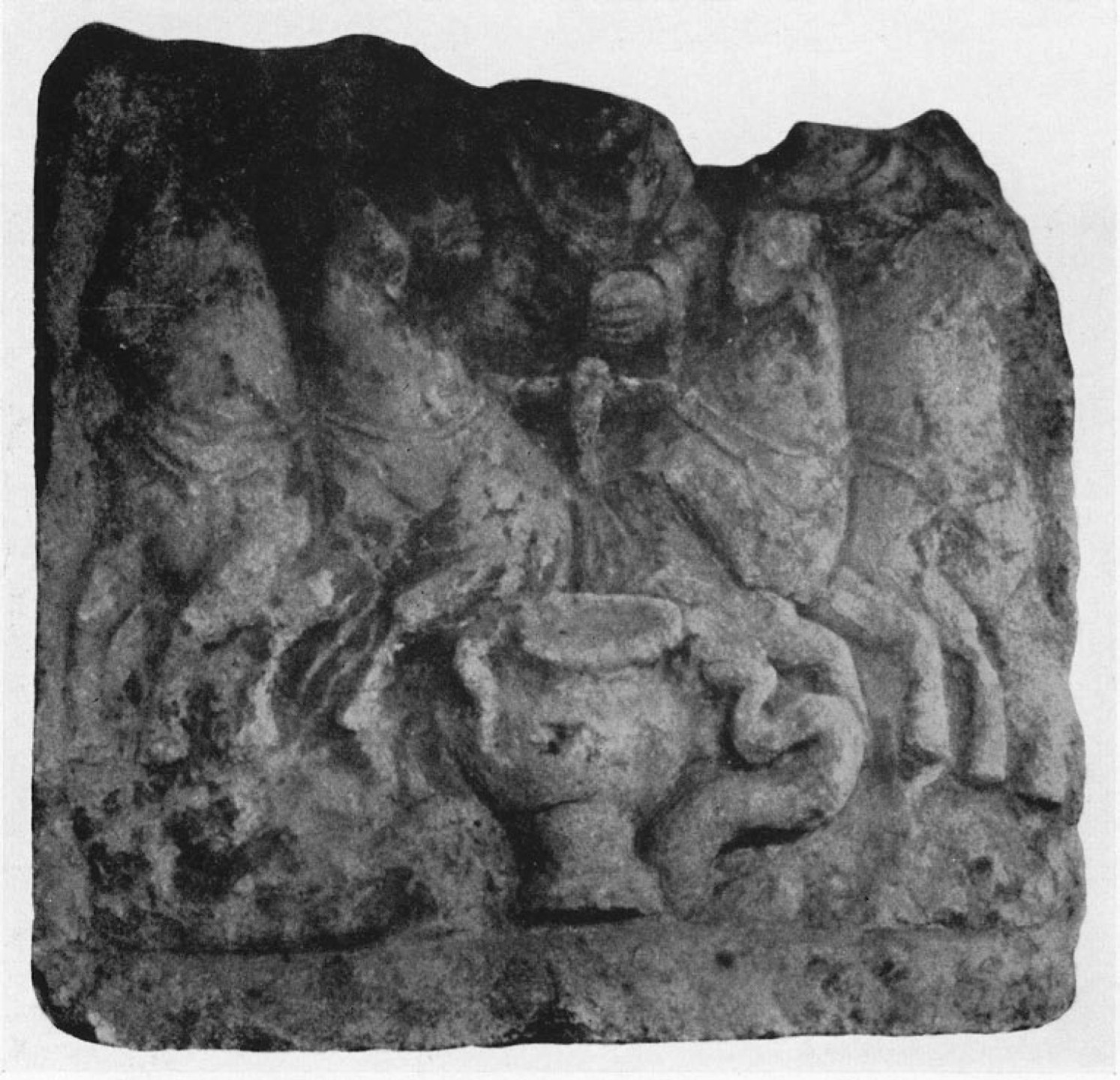
In the mithraic relief of Entrains, the god Sol is depicted riding his chariot together with Luna and a krater surrounded by a serpent.

Late Roman senator and governor of Numidia whose inscriptions present him as a Mithraic pater and initiate in several mystery cults.
A torch end held by a hand in the pose of a dadophore, and another hand holding a small offering, found at the south-east cemetery adjacent to the Mithraeum of Les Bolards (ancient Venetonimagus) in Lugdunensis.

