Your search Cabrera de Mar gave 1571 results.
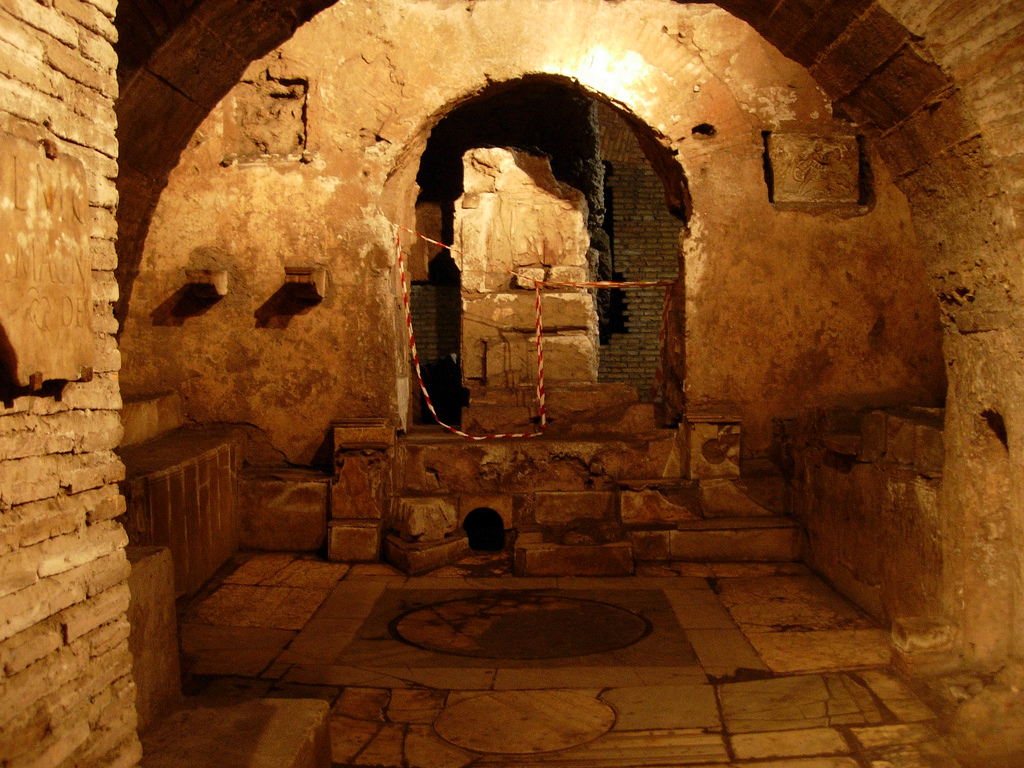
The Mithraeum of the Circus Maximus was discovered in 1931 during work carried out to create a storage area for the scenes and costumes of the Opera House within the Museums of Rome building.
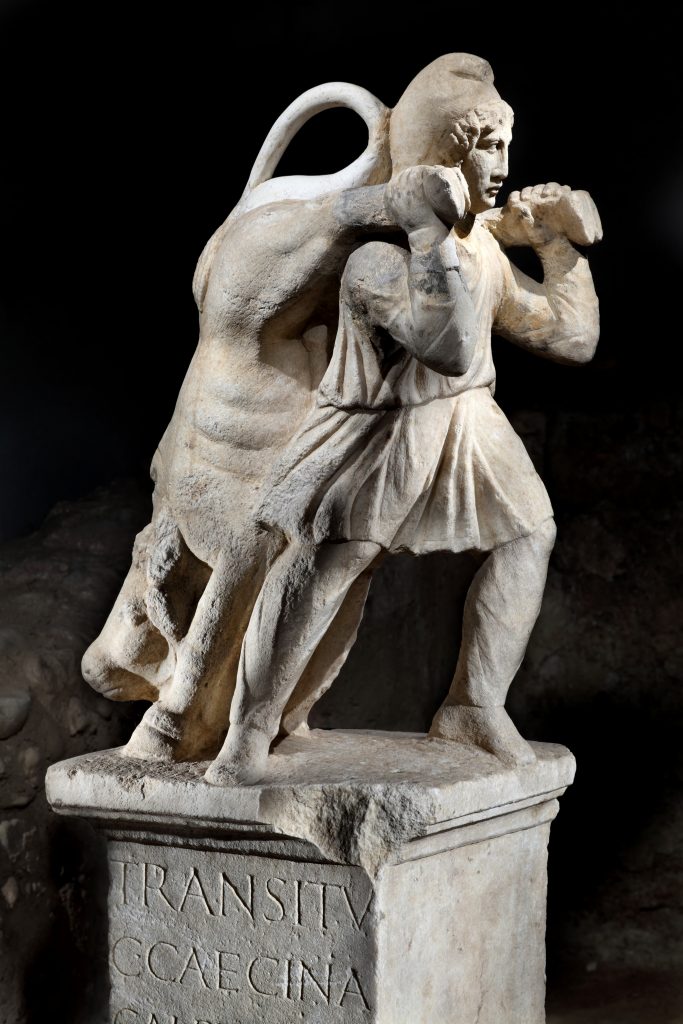
The sculpture of Mithras carrying the bull includes an inscription on its base.
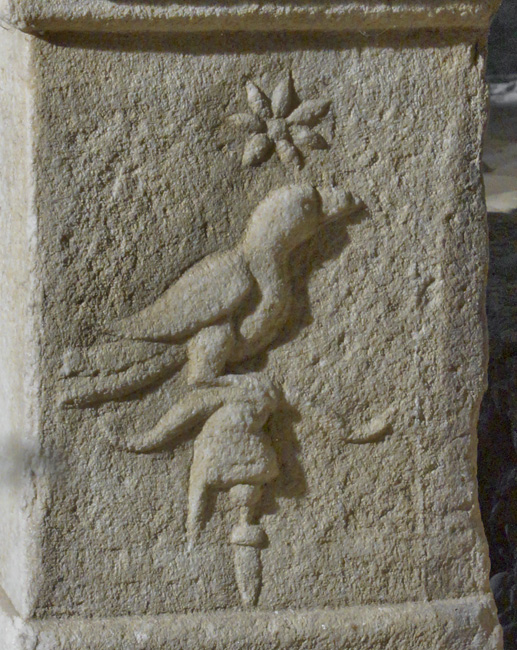
This altar from Ptuj, present-day Poetovio, is decorated with various Mithraic animals such as a tortoise, a cock and a crow and other objects.

Mithraeum II was found at Ptuj at a distance of 20 m south of the Mithraeum I in 1901.
Part of the finds from the fifth Mithraeum of Ptuj is kept in the Hotel Mitra in the modern city.
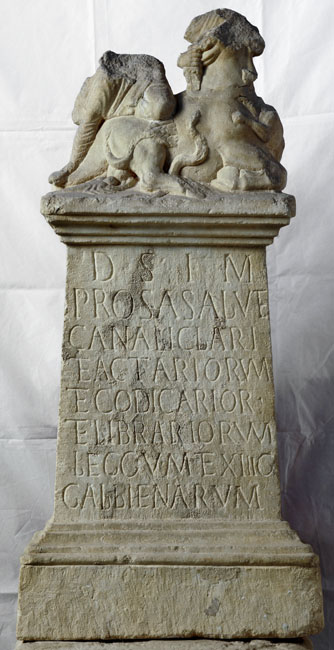
Remarkable fragmentary sculpture of Mithras slaying the bull on an inscribed altar found in Mithraeum III at Ptuj.
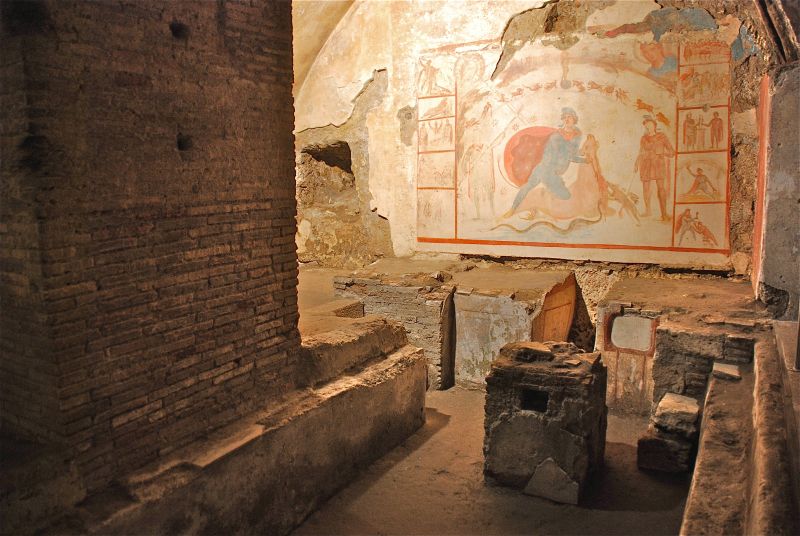
The Barberini Mithraeum was discovered in 1936 in the garden of the Palazzo Barberini, owned by Conte A. Savorgnan di Brazza.
During the excavations of 1804-1805, a series of monuments dedicated to Mithras and a temple were discovered at ancient Mons Seleucus.
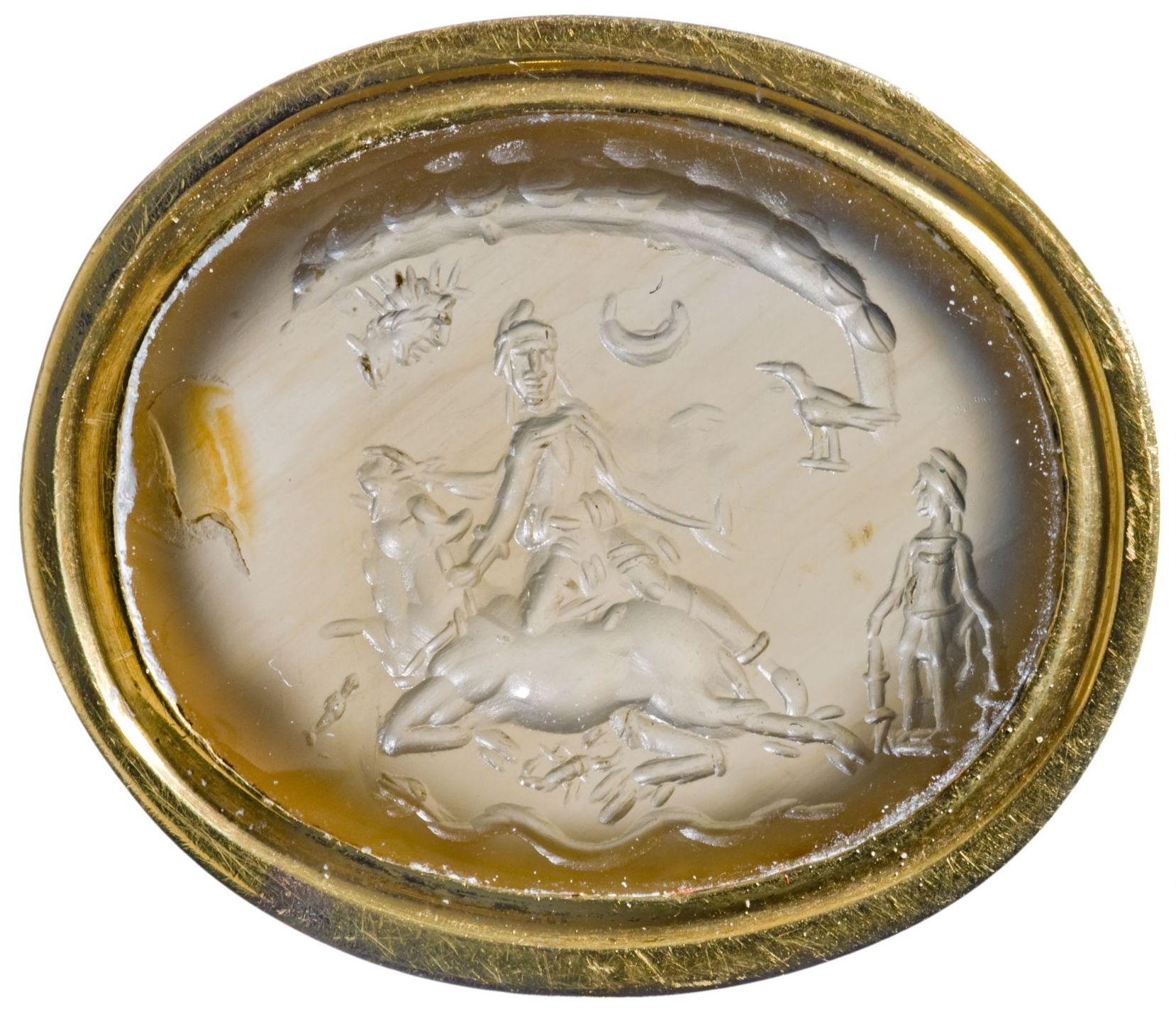
This intaglio depicting Mithras killing the bull is preserved at the Bibliothèque national de France.
The Mithraeum located in Piazza Dante in Rome was discovered in 1874 along with a series of monuments dedicated by a Pater named Primus.
Des rituels mystérieux, une hiérarchie gradée au sein d’un culte énigmatique, une société considérée pendant longtemps comme secrète au sein de l’Empire Romain…
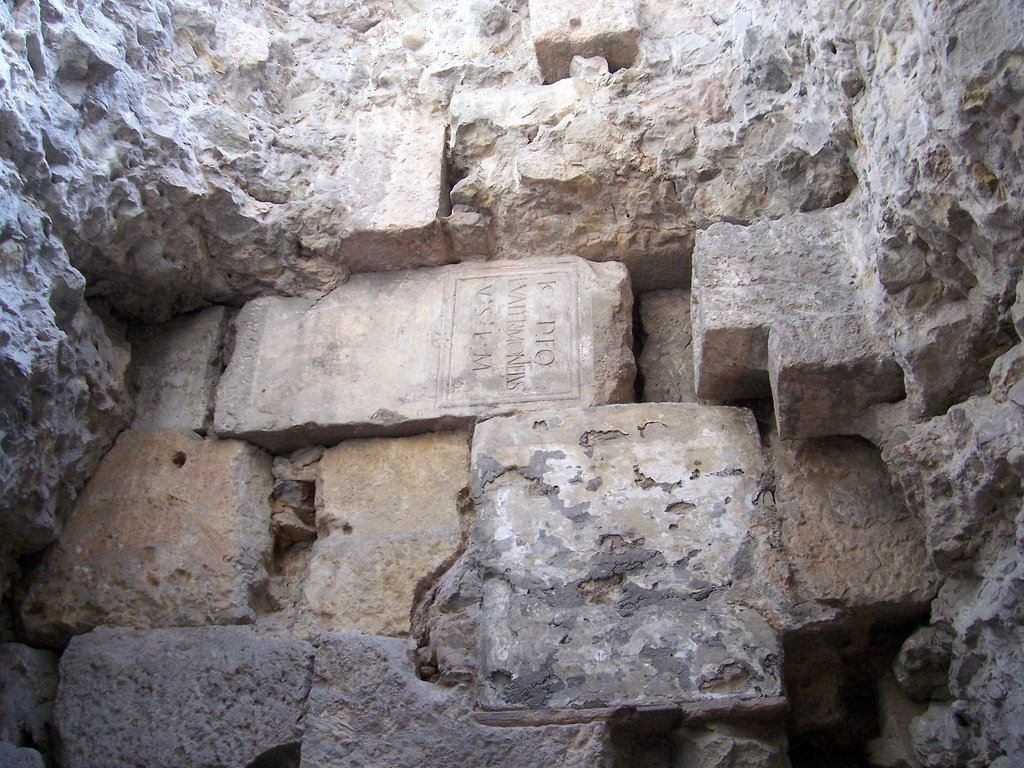
This altar was dedicated to Cautes by a certain Lucius in Baetulo (Badalona), near Barcino (Barcelona).
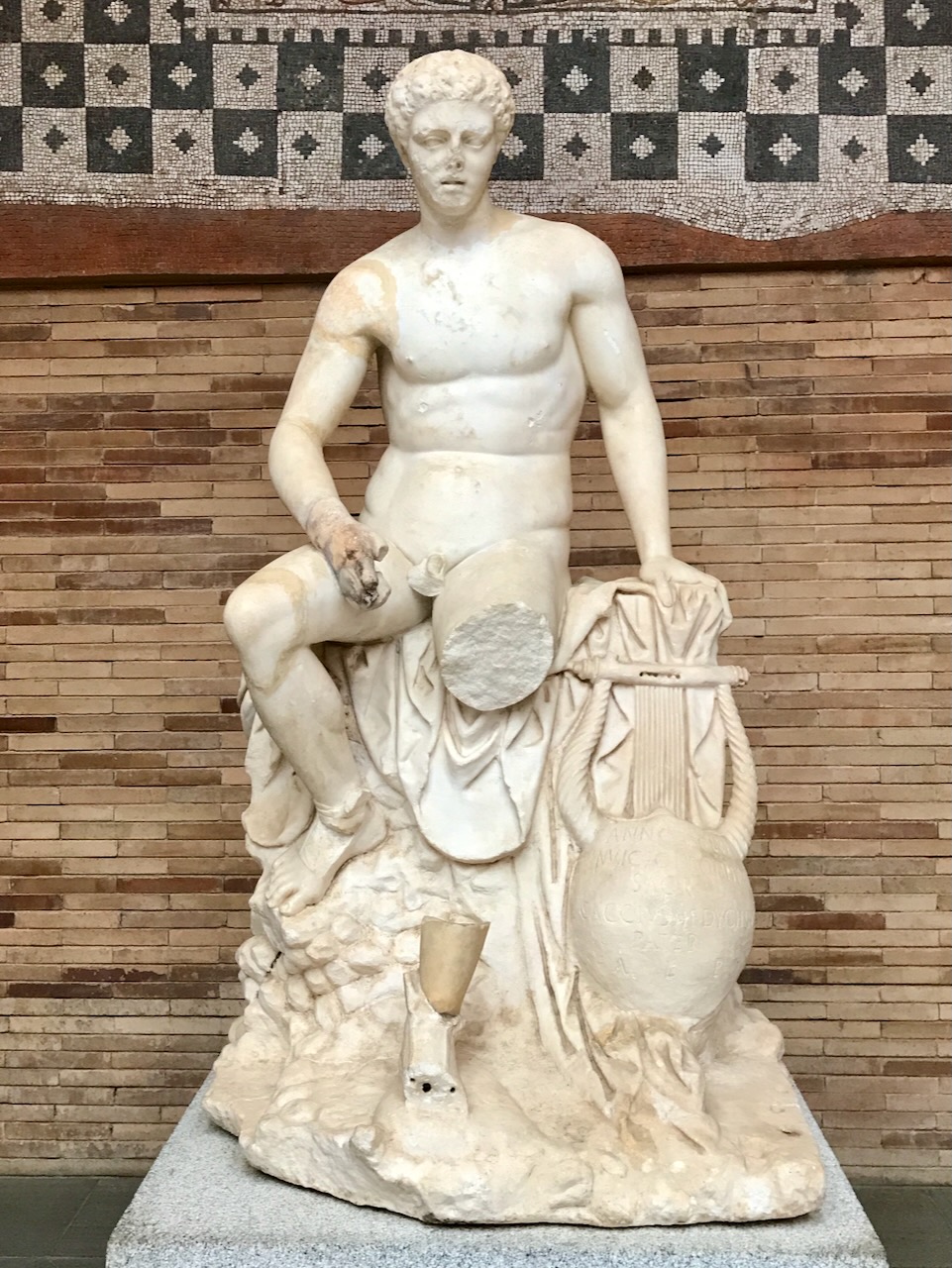
The statue of Mercury in Merida bears a dedication from the Roman Pater of a community in the city in 155.
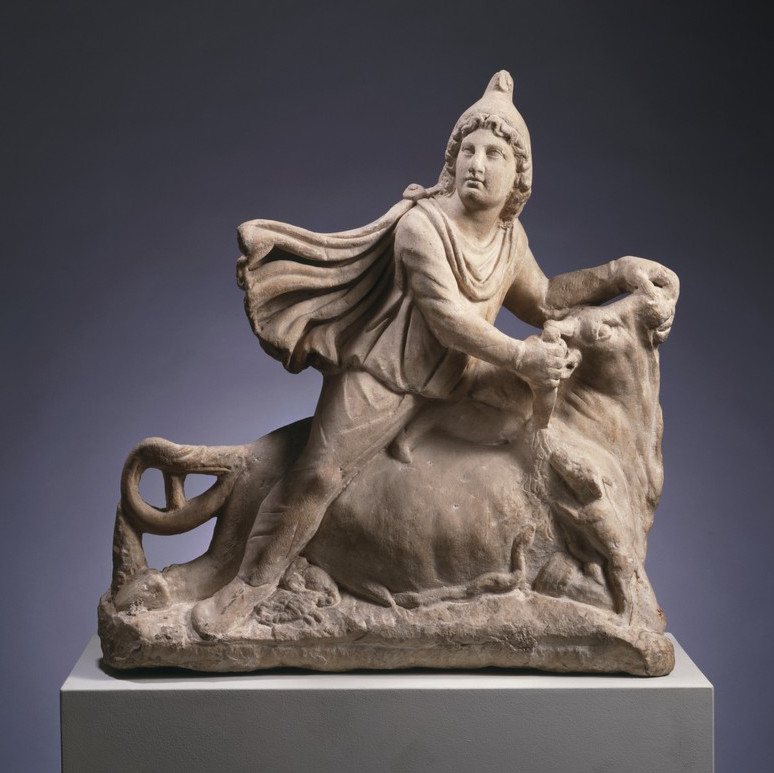
This sculpture of Mithras killing the bull may come from Rome, probably found in 1919.
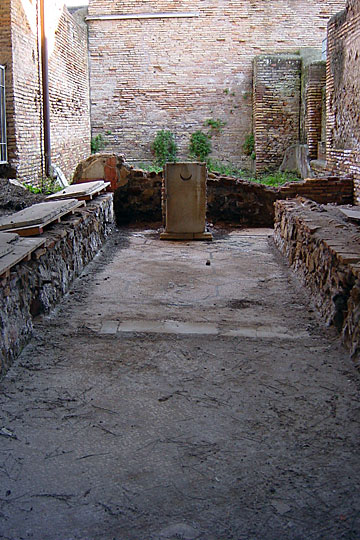
The Mithraeum of Lucretius Menander was installed in the early 3rd century in an alley to the east of a Hadrianic building named after the solar god temple.

Curator of Greek and Roman Antiquities, Royal Museum of Mariemont (Belgium). Research fields: Archaeology of the Oriental cults in the Roman Empire.
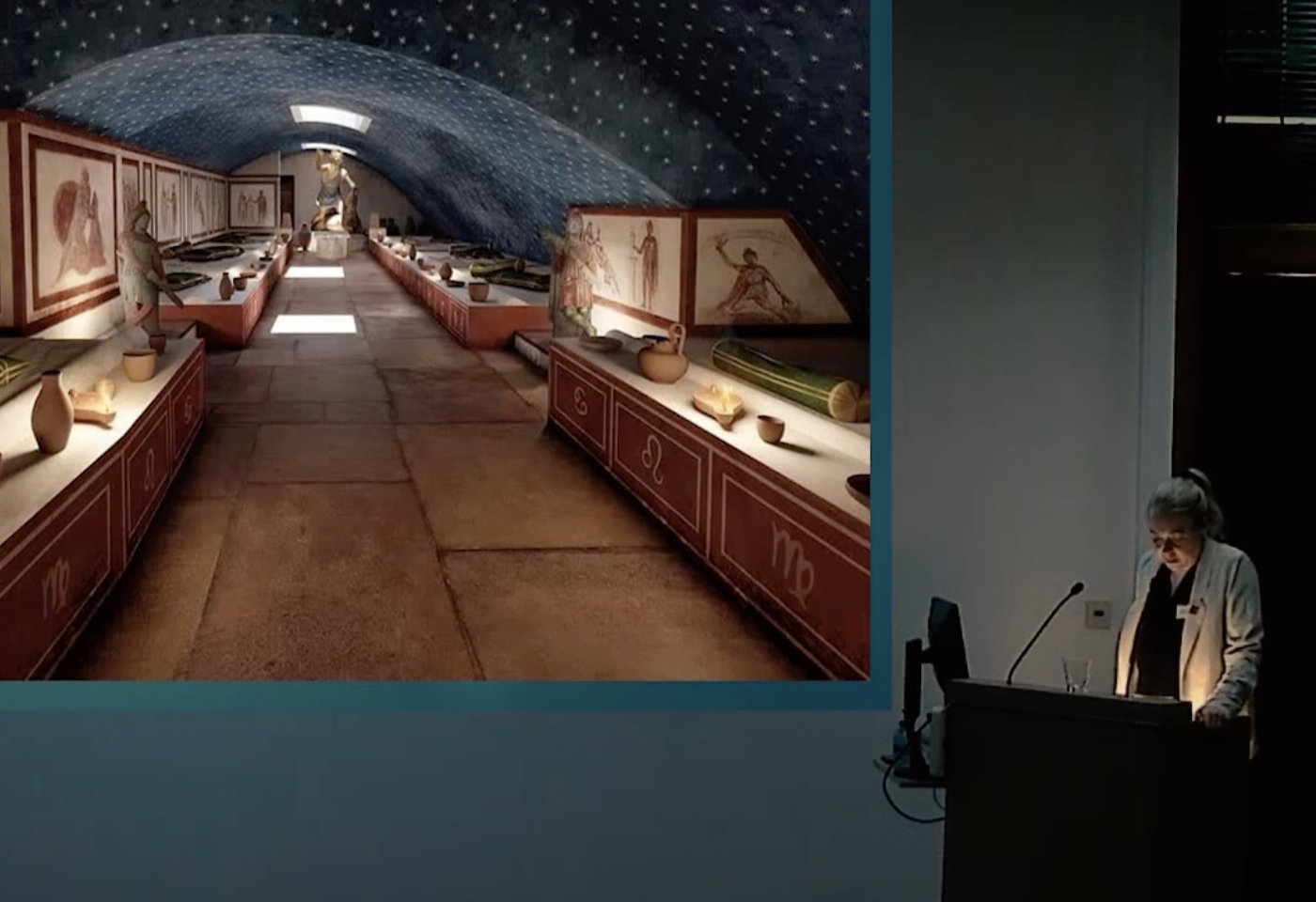
Intervention par Alexandra Dardenay, maître de conférences à l'Université de Toulouse/CNRS/IUF
A bronze plaque records the existence of a mithraeum at Virunum that collapsed and was rebuilt by members of the community.
Intervention de Nicolas Amoroso, commissaire de l’exposition Le Mystère Mithra.
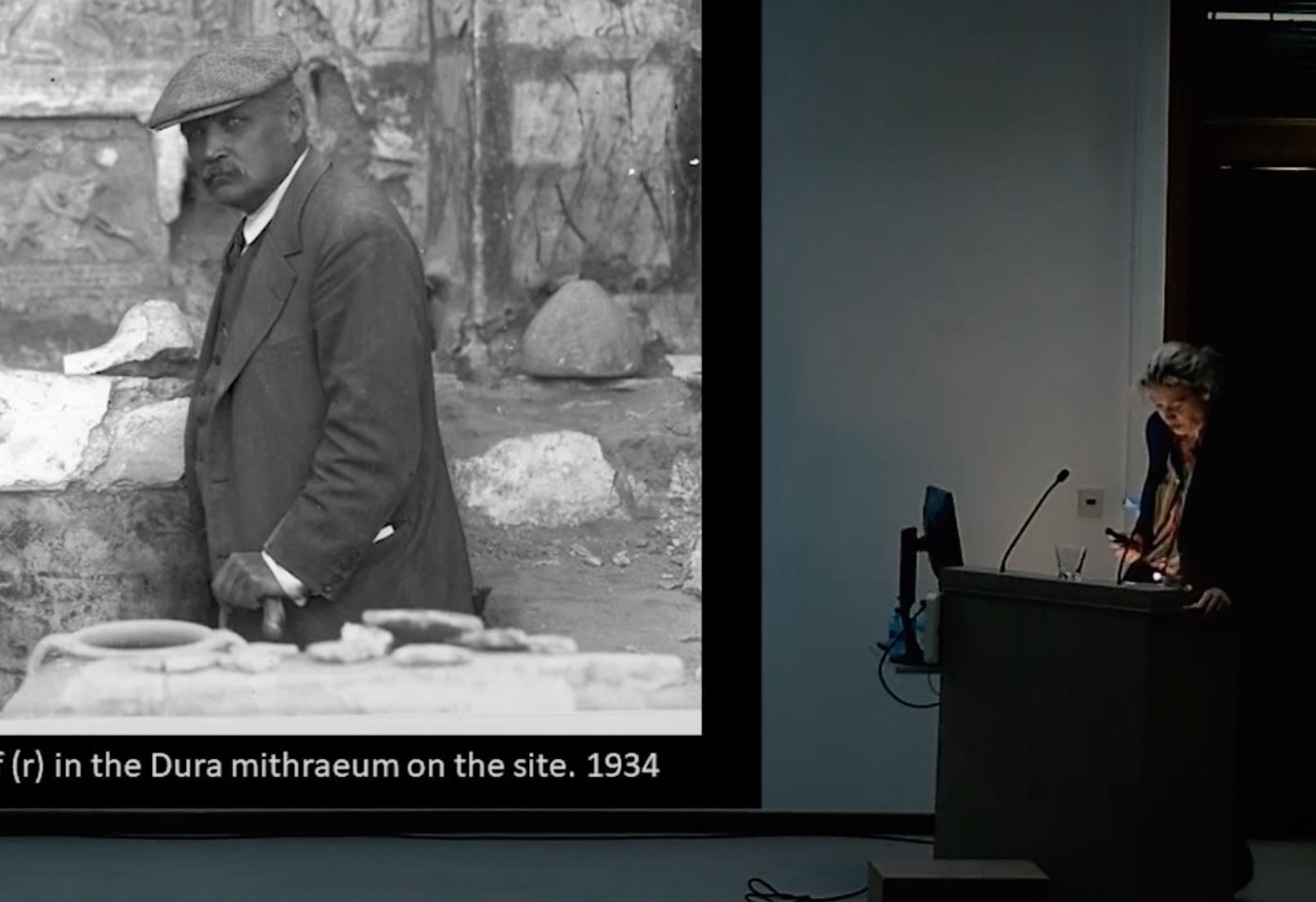
Intervention de Lucinda Dirven, Universiteit van Amsterdam.
