Your search Casa del Mitreo gave 219 results.

This Mithraic temple, now disappeared, is known thanks to the numerous remains recorded since 1594 in the 'Memorie di varie antichità trovate in diversi luoghi della città di Roma'.
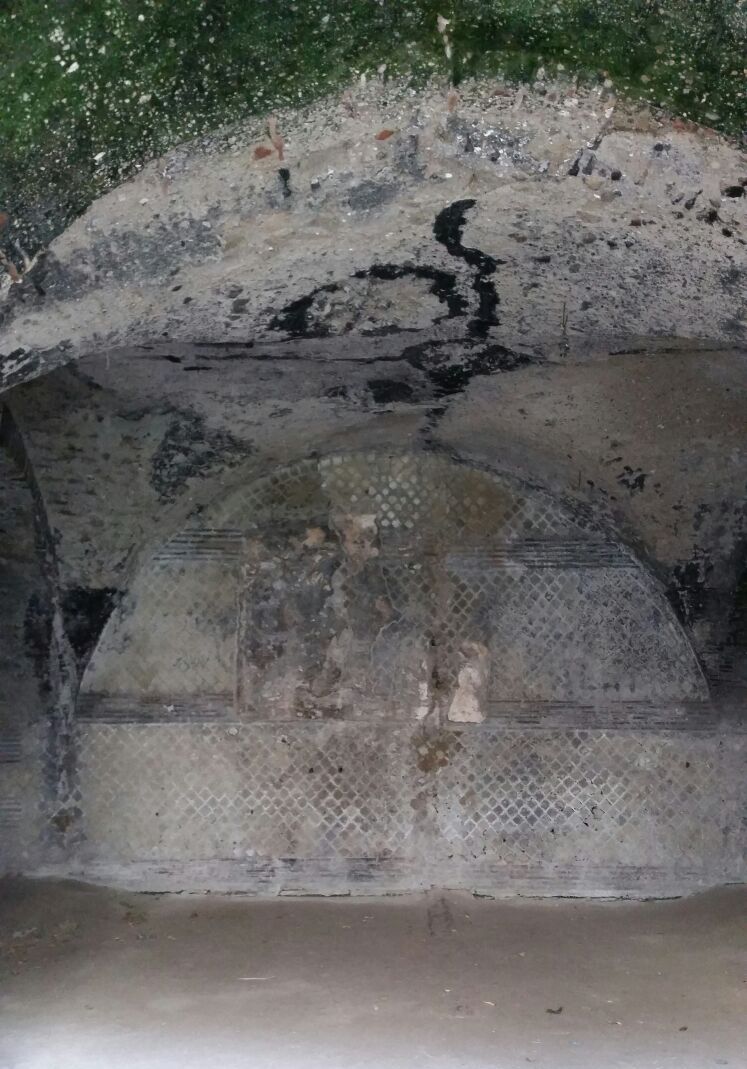
The Mithraeum of Carminiello ai Mannesi was installed in two rooms of a 1st century BC domus.
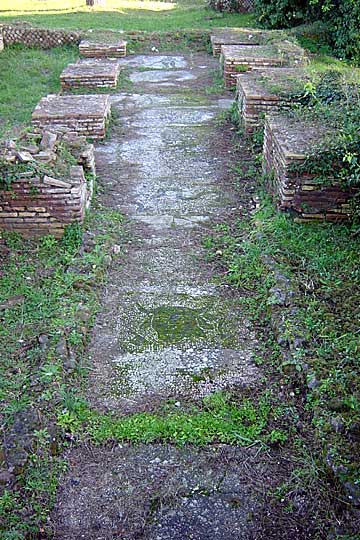
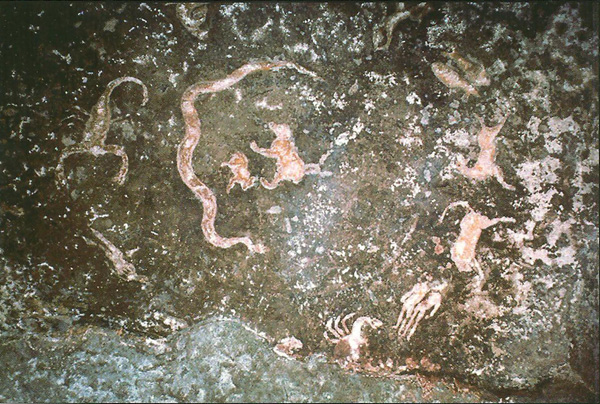
The Mithraeum of the Animals was decorated with a mosaic depicting a naked man, a cock, a raven, an scorpion, a snake and the head of the bull.
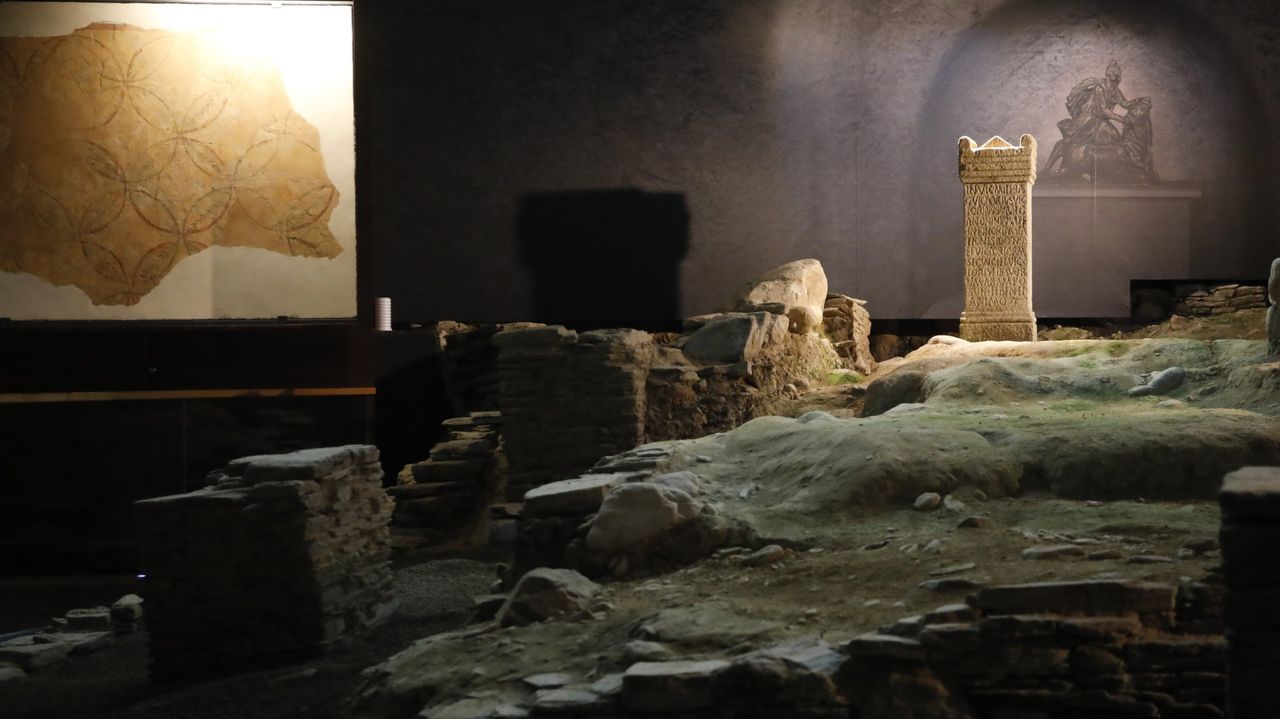
La Domus de Mitreo y el Centro Arqueolóxico de San Roque muestran otra cara del viejo Lugo
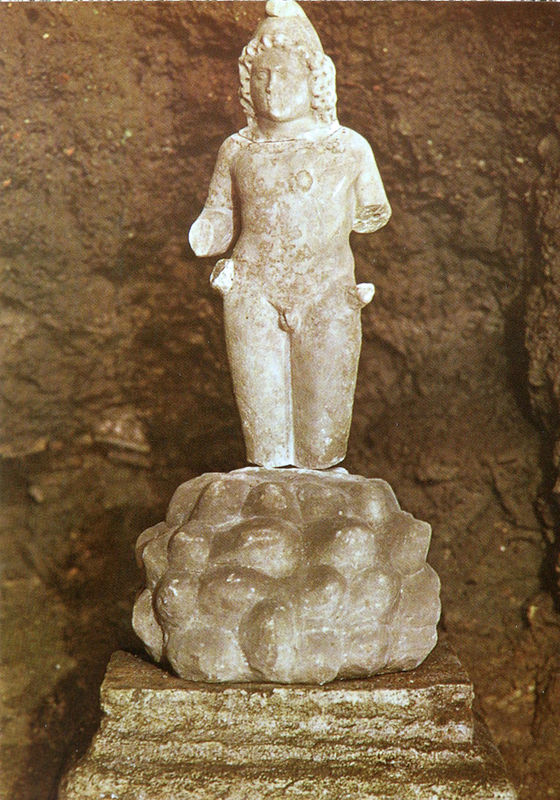
Mithras birth from the knees upwards emerging from a rock and wearing as usual a Phrygian cap.
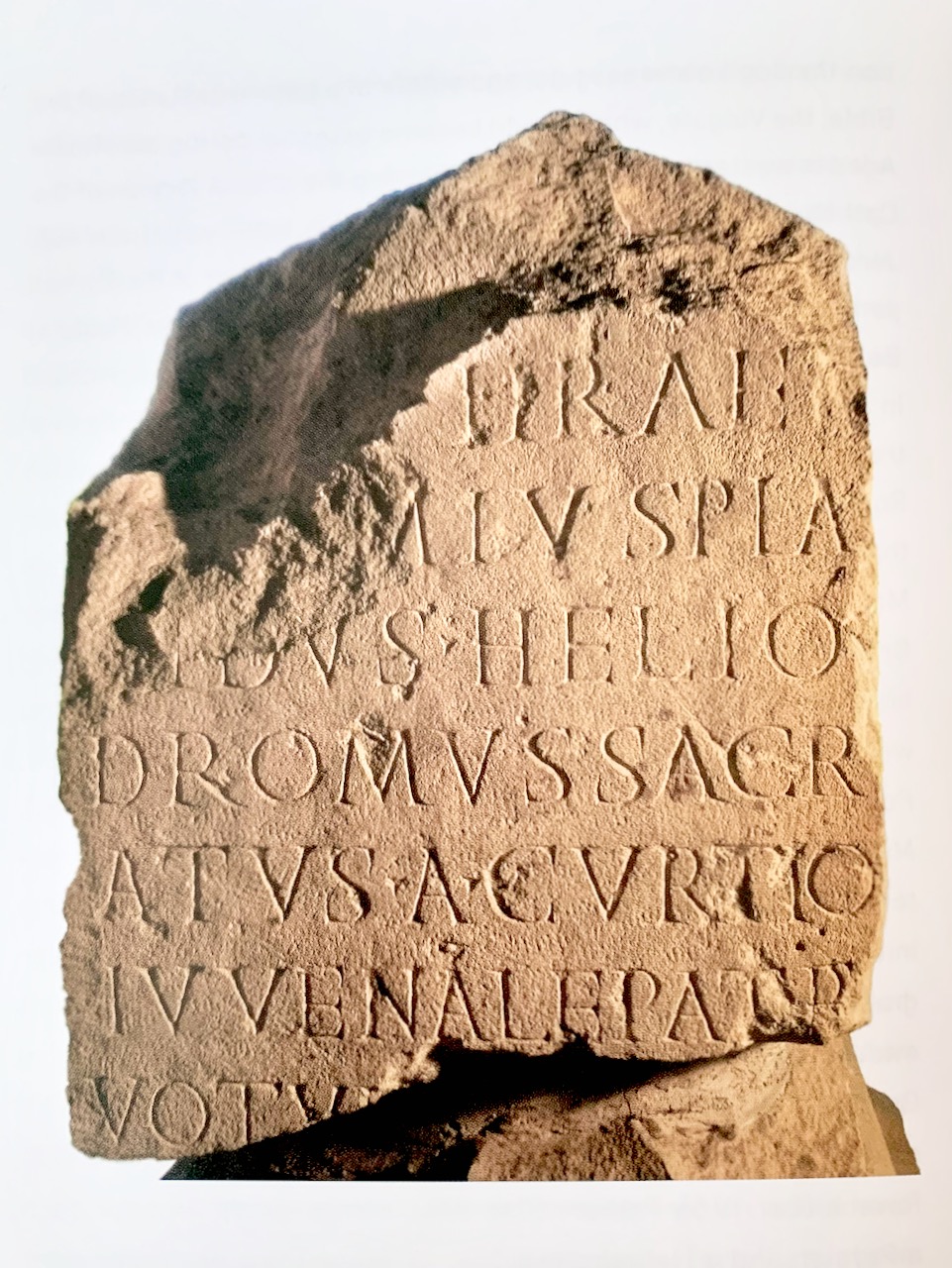
This inscription by a certain Memmius Placidus is the first ever found signed by a Heliodromus.
Solis invicti Mithrae studiosus astrologiae who was at the same time ’caelo devotus et astris’.

Partial relief of a Giant with snake-feet found in the Mithraeum of Santa Prisca.
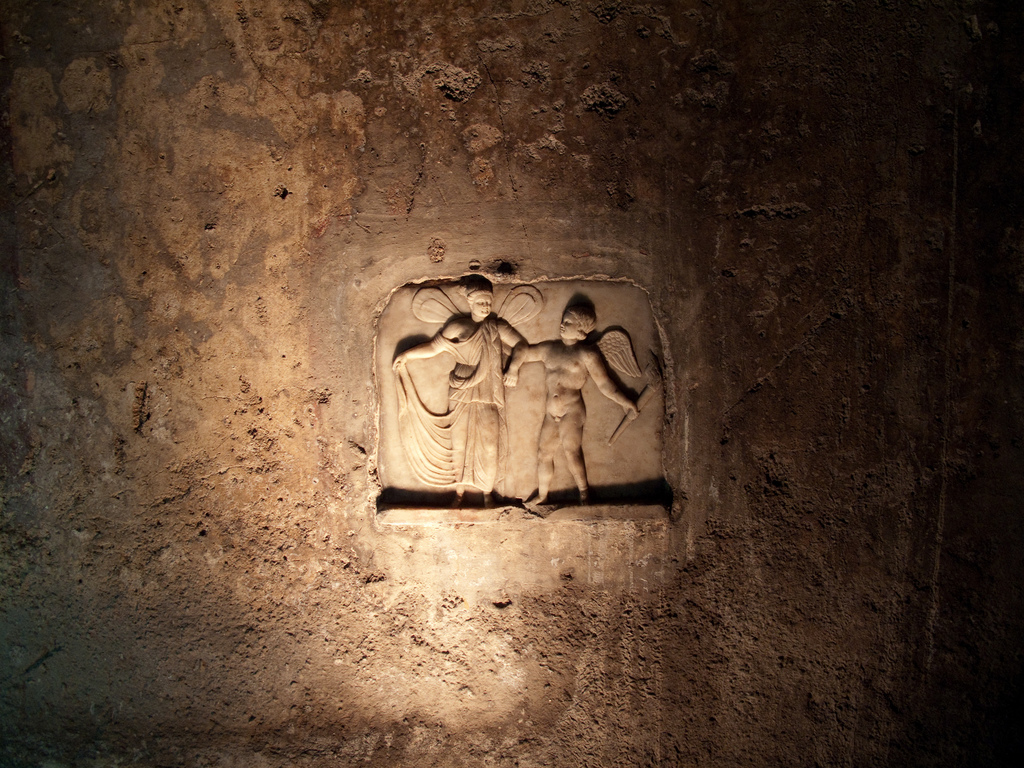
The Mithraeum of Santa Maria Capua Vetere includes a marble relief depicting a child Eros guiding Psyche through the dark.
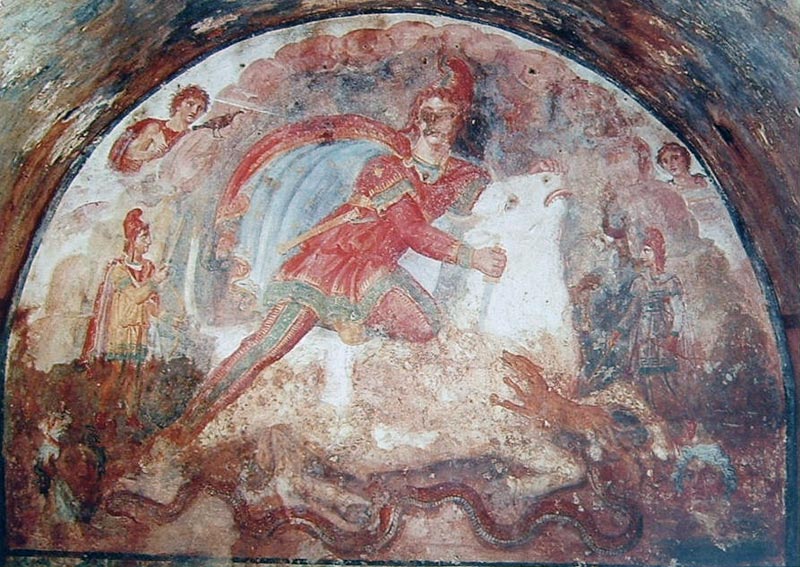
The main fresco of the Mithraeum of Santa Maria Capua Vetere portrays Mithras slaughtering a white bull.
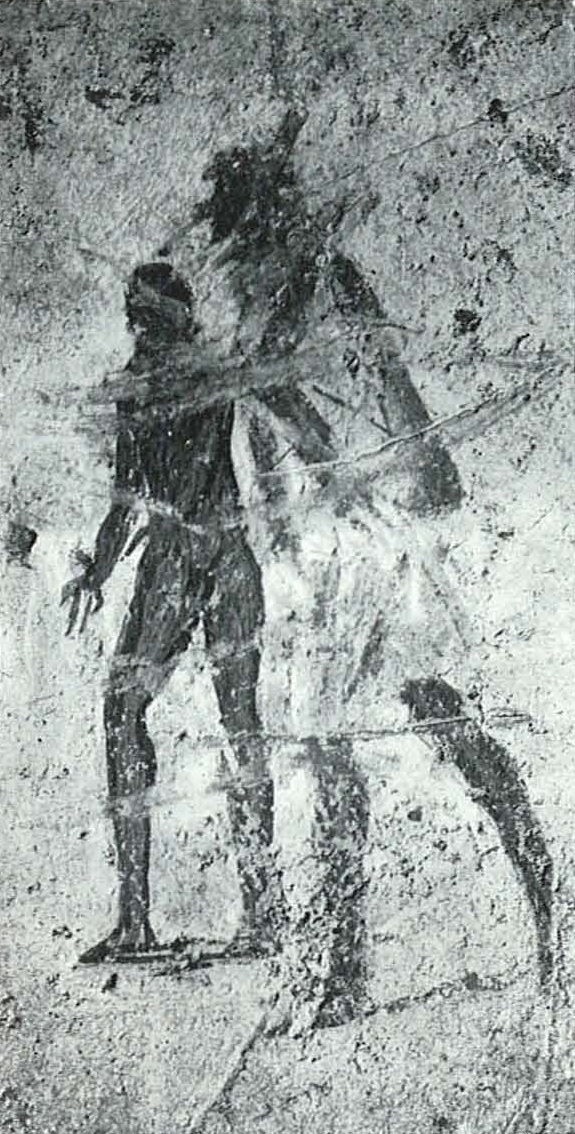
This is the first of several fresco scenes depicting the initiation of a new member in a mithraic community, in Capua Vetere.
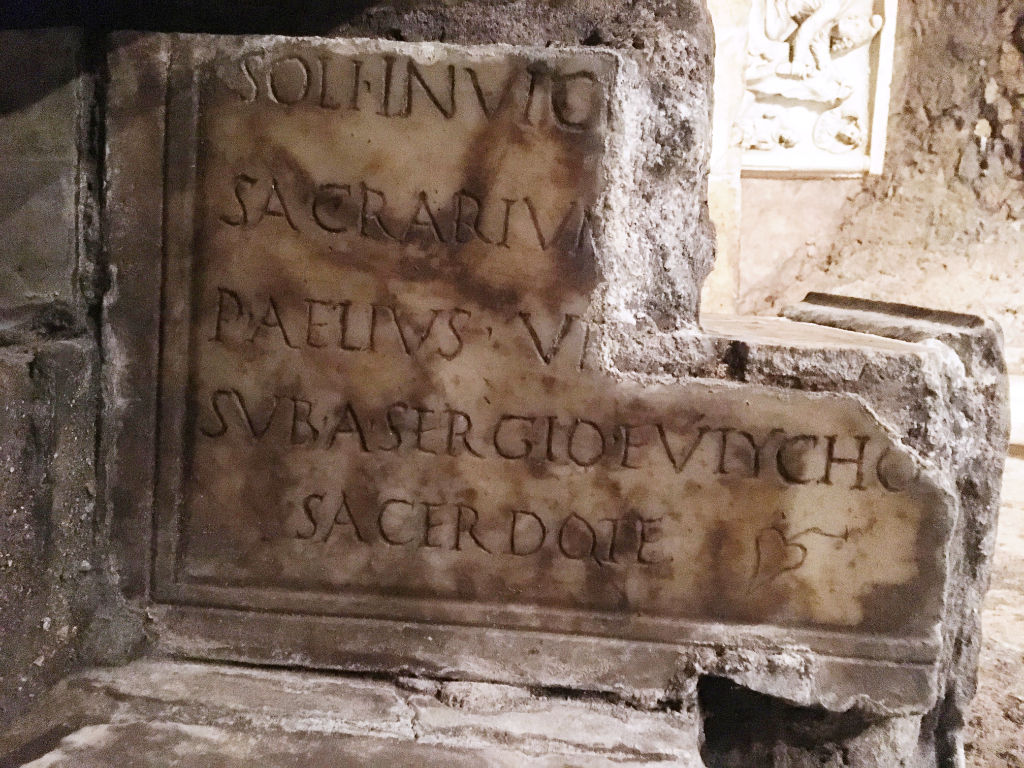
The Mithraic fellow P. Aelius Urbanus mentions that he built the sacred area of the Mithraeum Circo Massimo.

Fresco depicting an initiation scene from the Mithraeum of Capua Vetere.
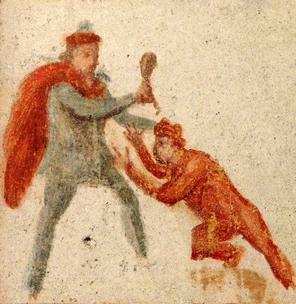
This scene of the main fresco of the Mithraeum Barberini seems to depict part of the initiation into the Mithraic Mysteries.
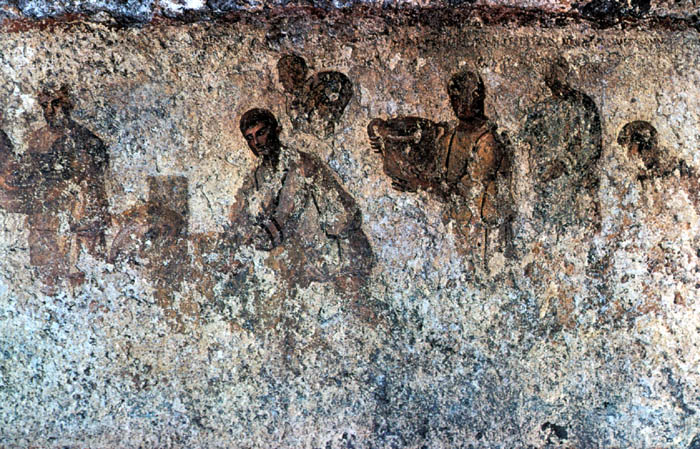
Procession of Leones carrying animals, bread, a krater, and other objects in preparation for a feast.

Continuation of the frescoes depicting an initiation into the Mithras cult, where two attendants present a repast to Mithras and Sol.
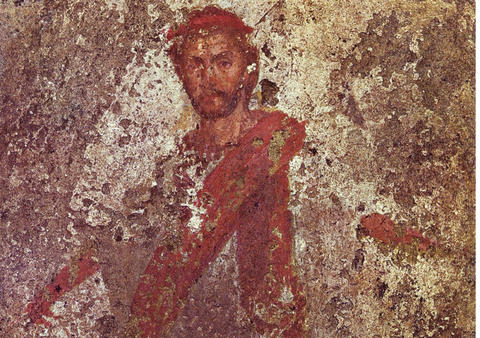
Figures in procession, each representing a different grade of Mithraic initiation, labeled with their respective titles.
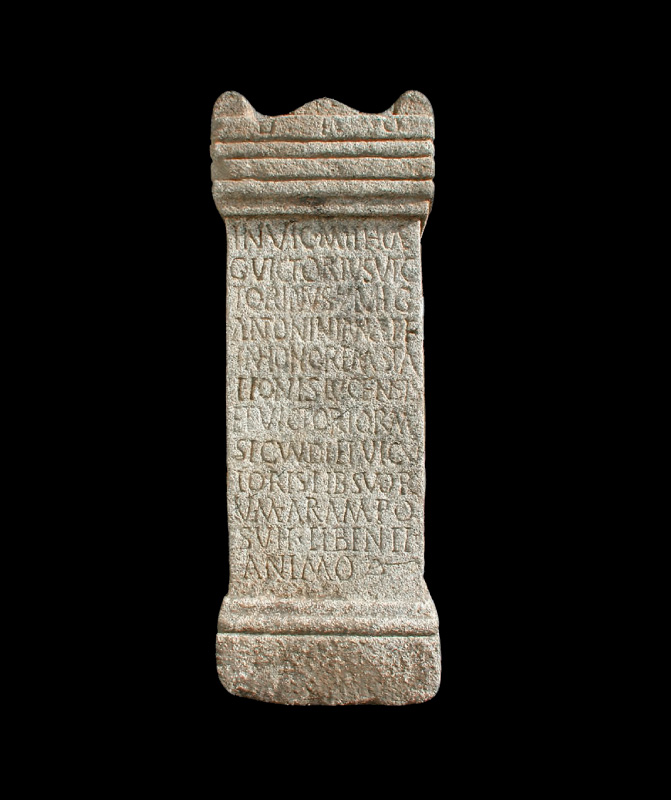
Victorius Victorious, centurion of the Legio VII, erected the altar in honour of the Lugo garrison and of the Victorius Secundus and Victor, his freedmen.
