Your search Castellammare di Stabia gave 2069 results.
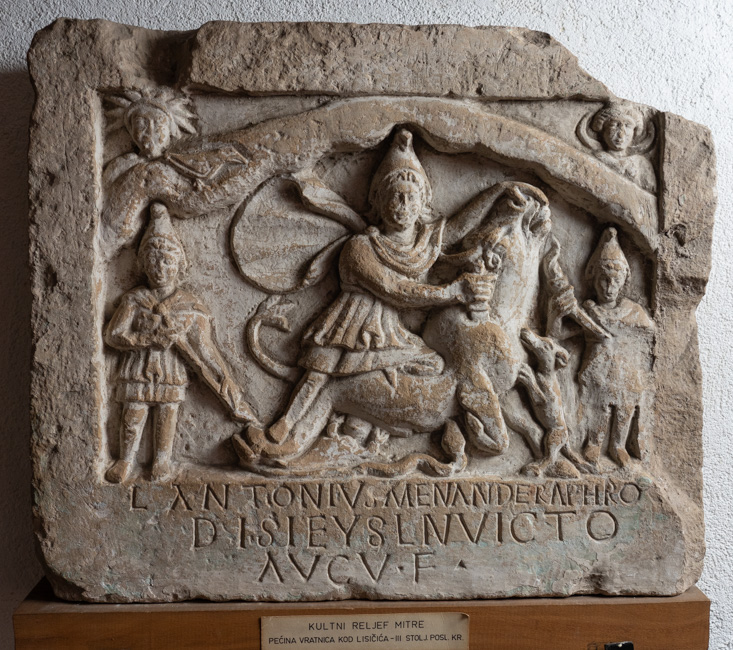
This relief of Mithras as a bullkiller found at Vratnitsa, near Lisicici in northern Macedonia, was signed by a certain Menander Aphrodisieus.

As this short inscription indicates, Aemilio Epaphorodito was both Pater and priest of the Mithraeum of the Seven Spheres.
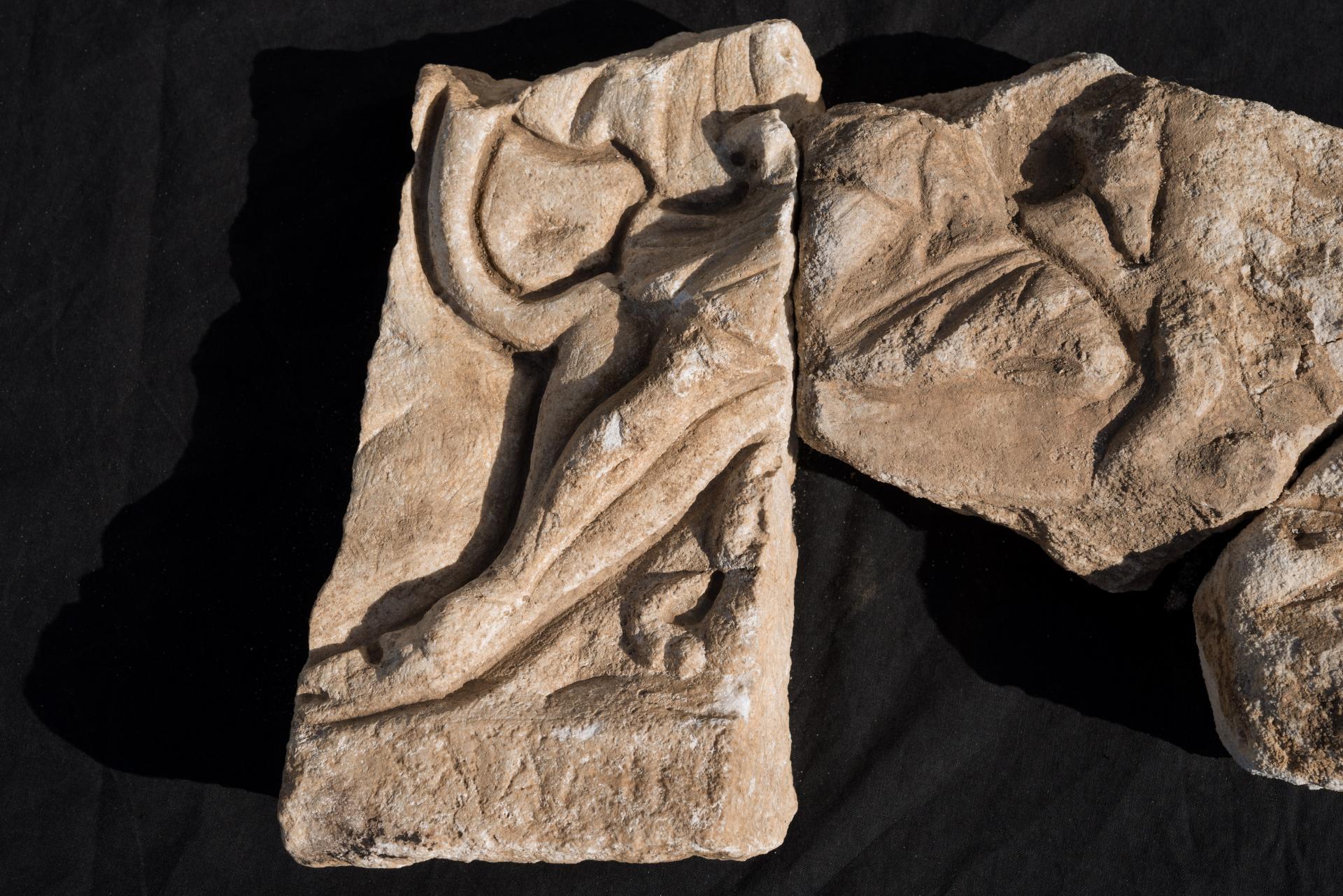
The archeologists have found three fragments of the Tauroctony of Lucciana, which includes Cautes and Cautopates.
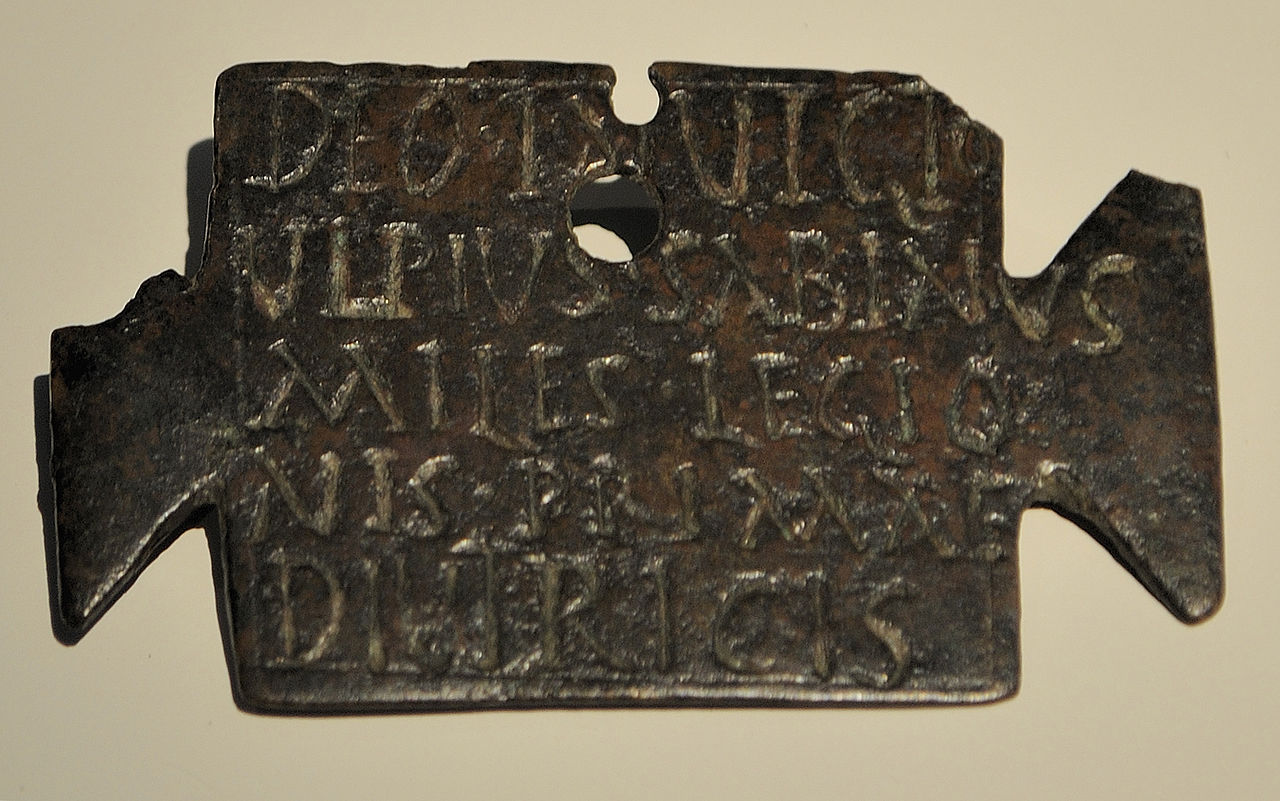
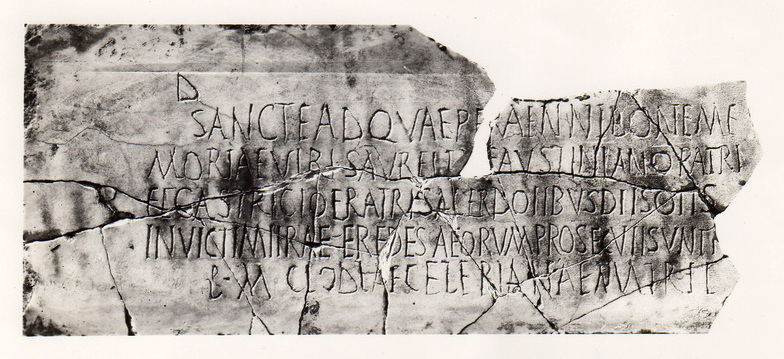
This inscription was commissioned by a family of priests of the invincible god Mithras.
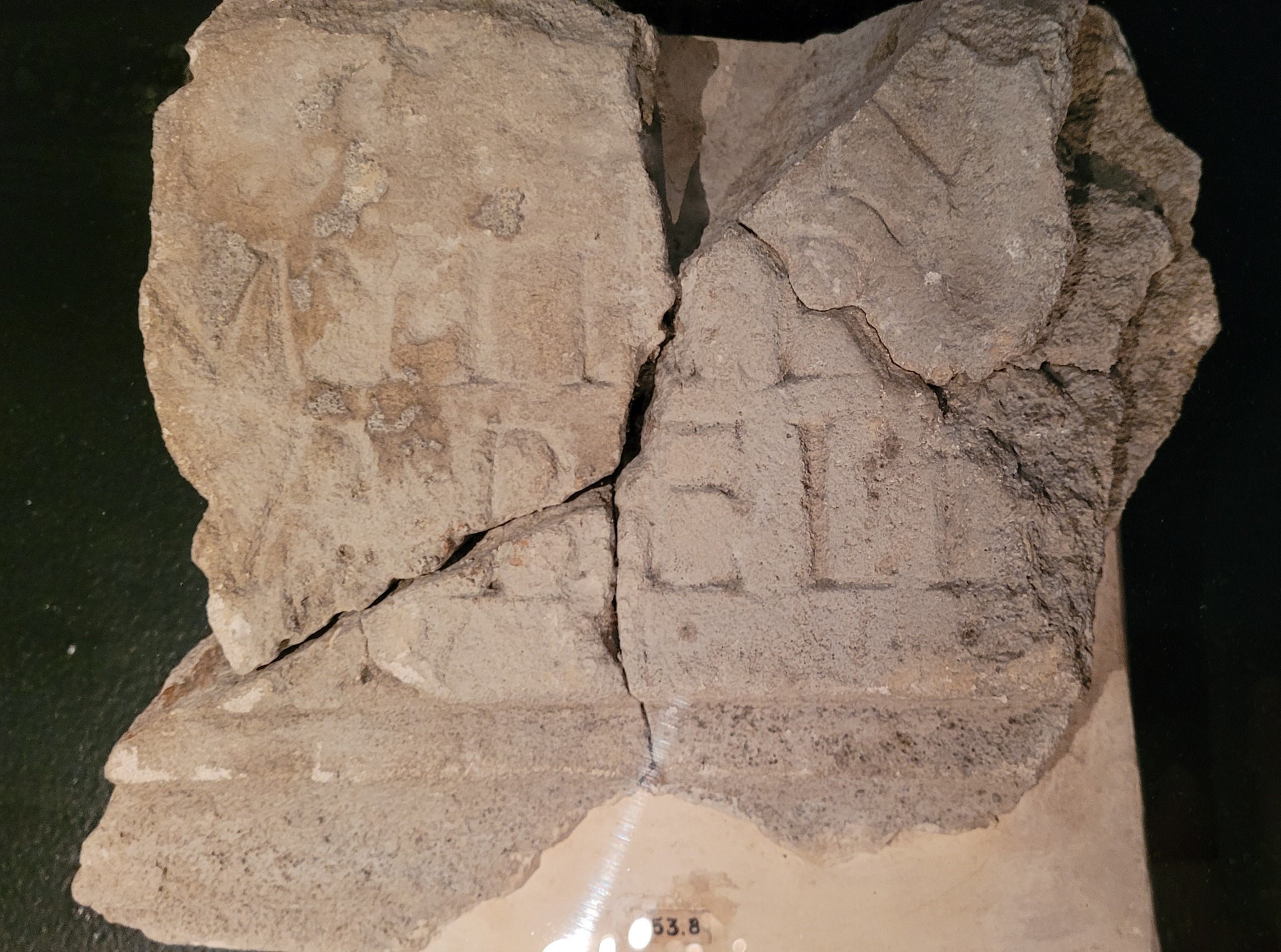
Fragment of limestone from Porêts, which was used in the 4th century.
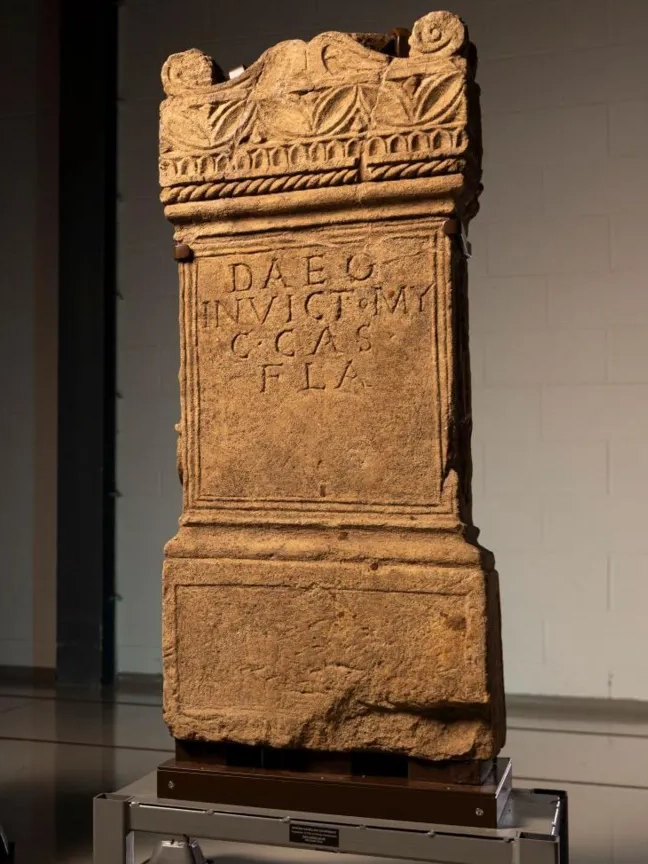
This second altar discovered to date near Inveresk includes several elements unusual in Mithraic worship.
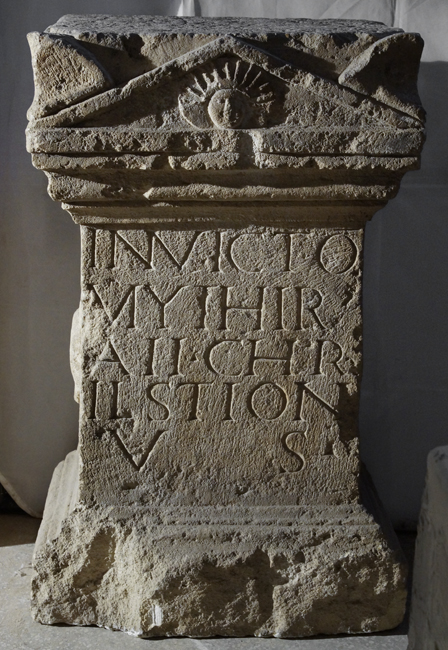
In 1852, Károly Pap, a naval captain, unearthed several Mithraic monuments in his garden at Marospartos, including this altar.
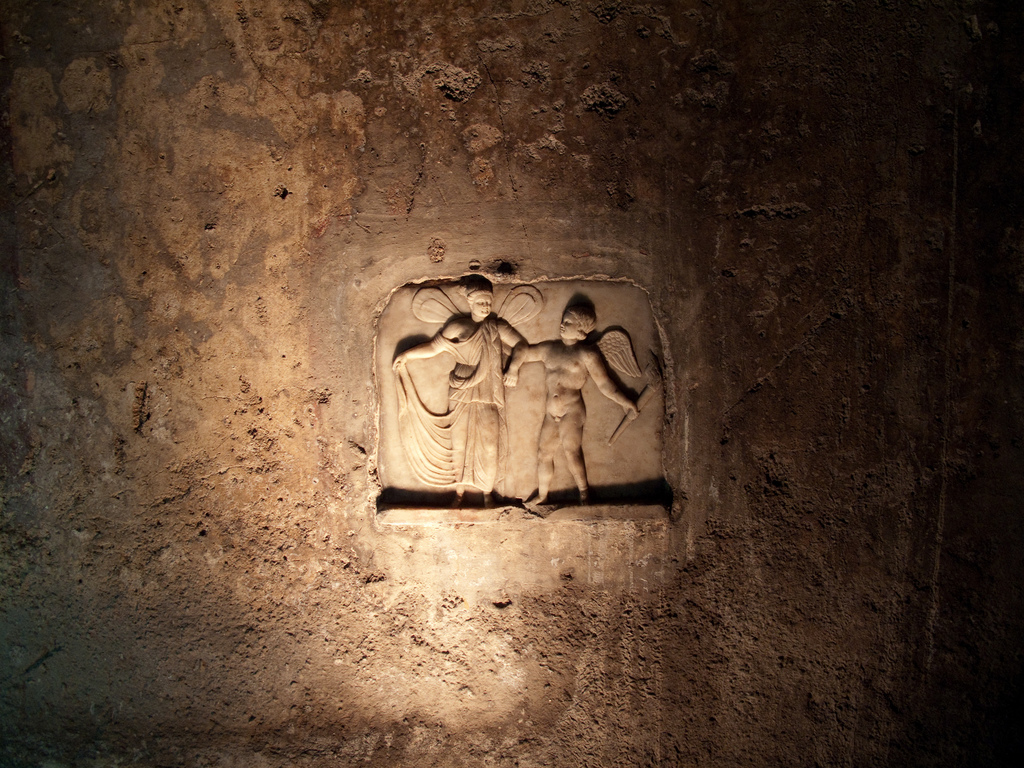
The Mithraeum of Santa Maria Capua Vetere includes a marble relief depicting a child Eros guiding Psyche through the dark.
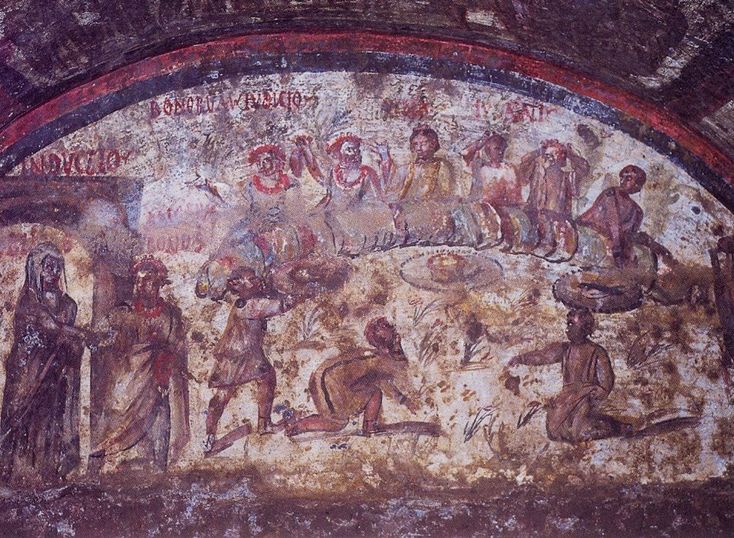
The epigrahy includes a mention of Marcus Aurelius, a priest of the god Sol Mithras, who bestowed joy and pleasure on his students.
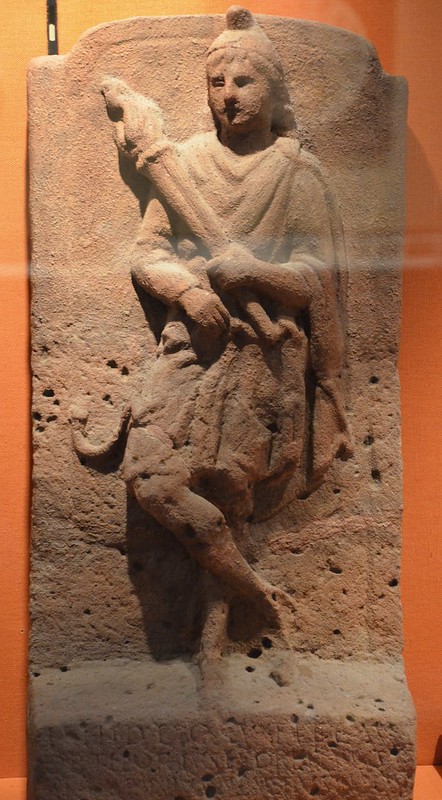
Reliefs of Cautes and Cautopates dedicated by Florius Florentius of Saalburg and Ancarinius Severus.
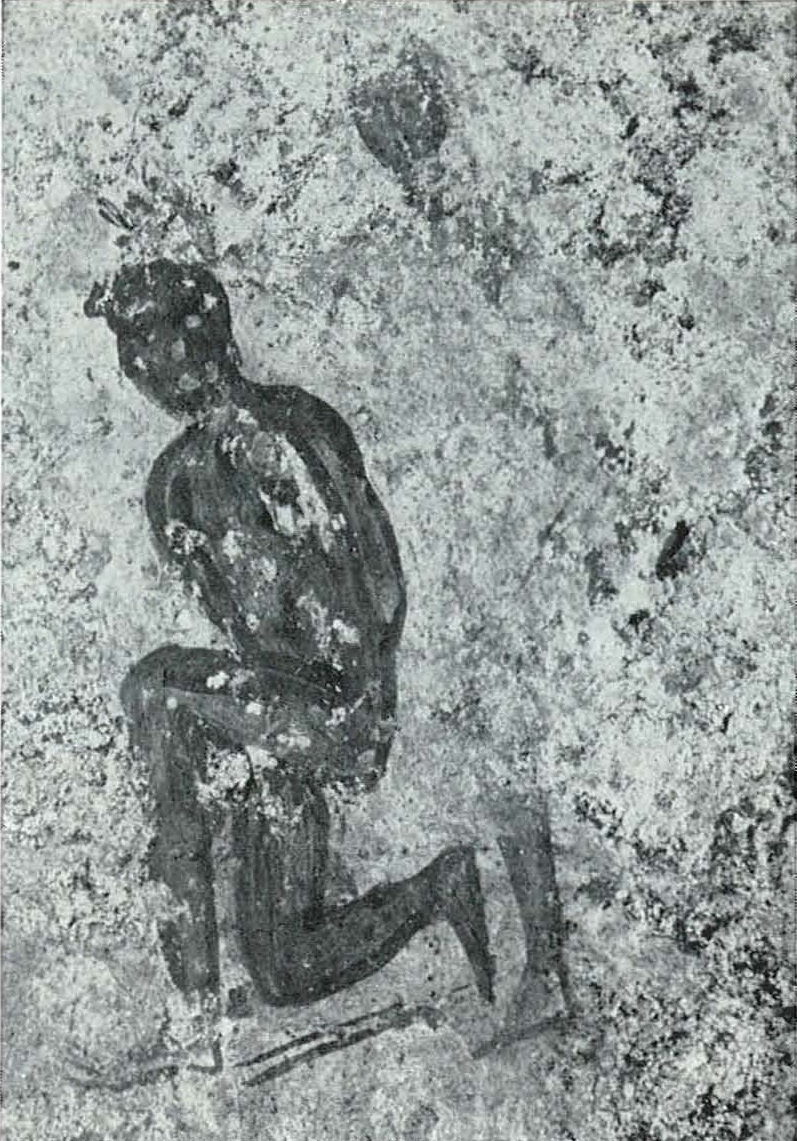
This scene from the frescoes of the Mitreo di Santa Maria Capua Vetere shows a kneeling, naked man surrounded by two other figures.
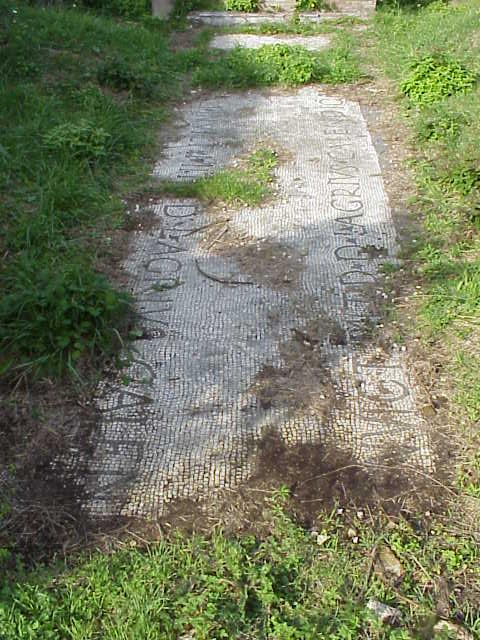
It bears an inscription repeated on each side of the podia.

This remarkable marble relief from the end of the 3rd century was discovered in the most remote room of the Mithraeum in the Circo Massimo.
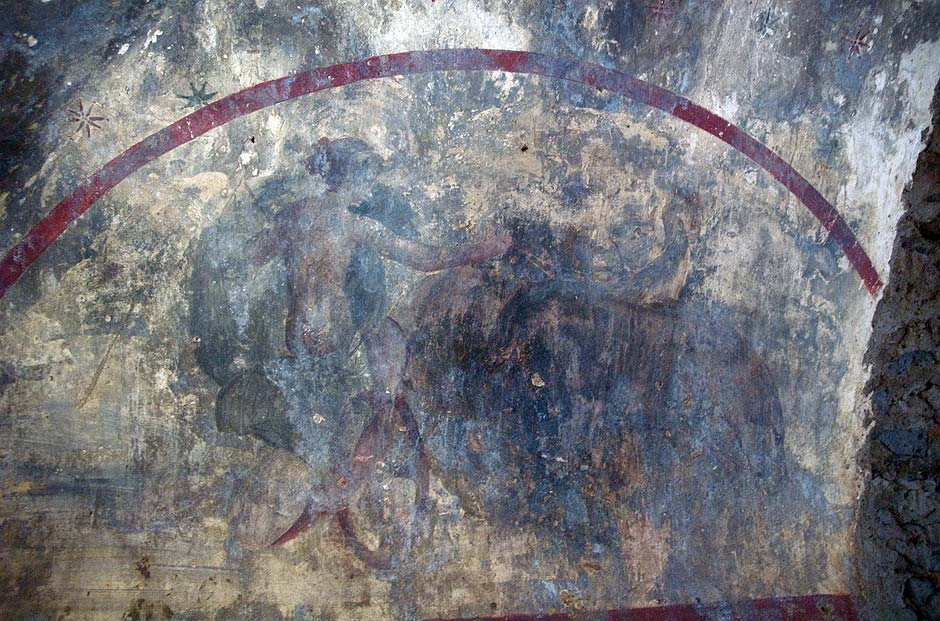
Luna riding a biga in the Mithraeum of Santa Capua Vetere.
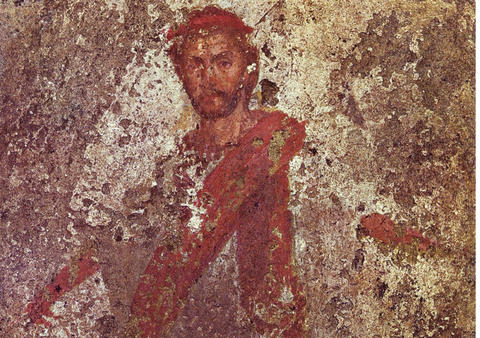
Figures in procession, each representing a different grade of Mithraic initiation, labeled with their respective titles.
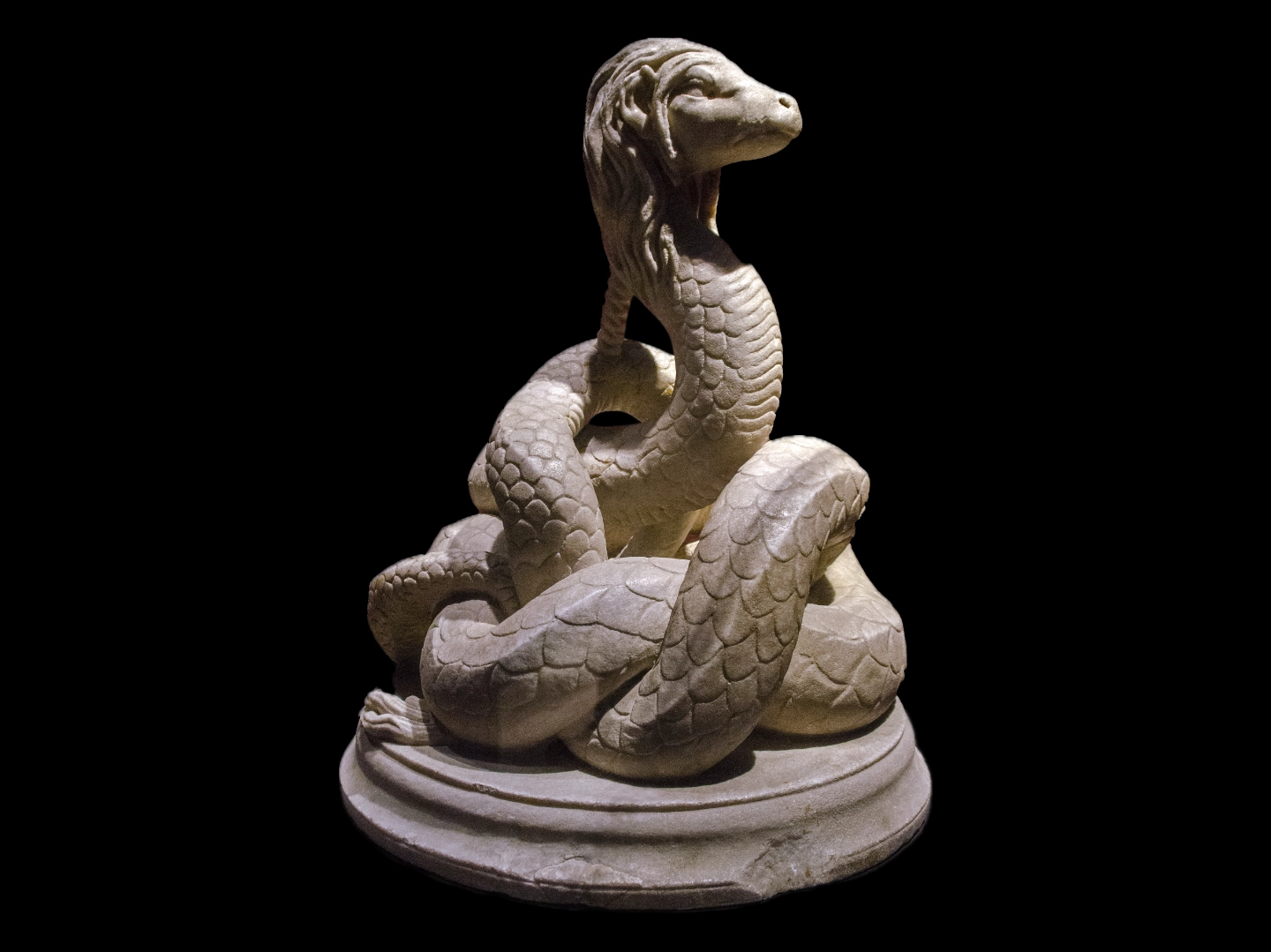
At Rome’s twilight, amid political upheaval and Christian ascendancy, Vettius Agorius Praetextatus embodied pagan intellect, virtue, and authority across senatorial, military, and mystical spheres.
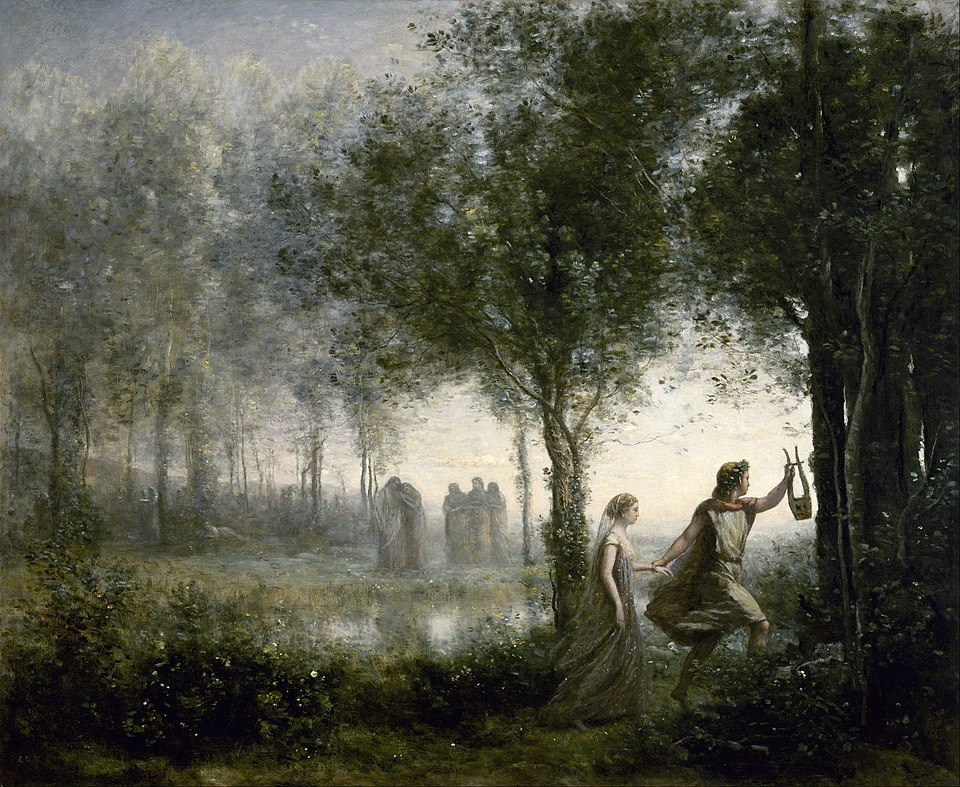
By reading Orphic theology together with Eleusinian ritual practice, the mysteries emerge as a structured mystagogy of transformation: a disciplined passage from forgetfulness (Lethe) to knowledge (aletheia), from mortality to participation in the divine.
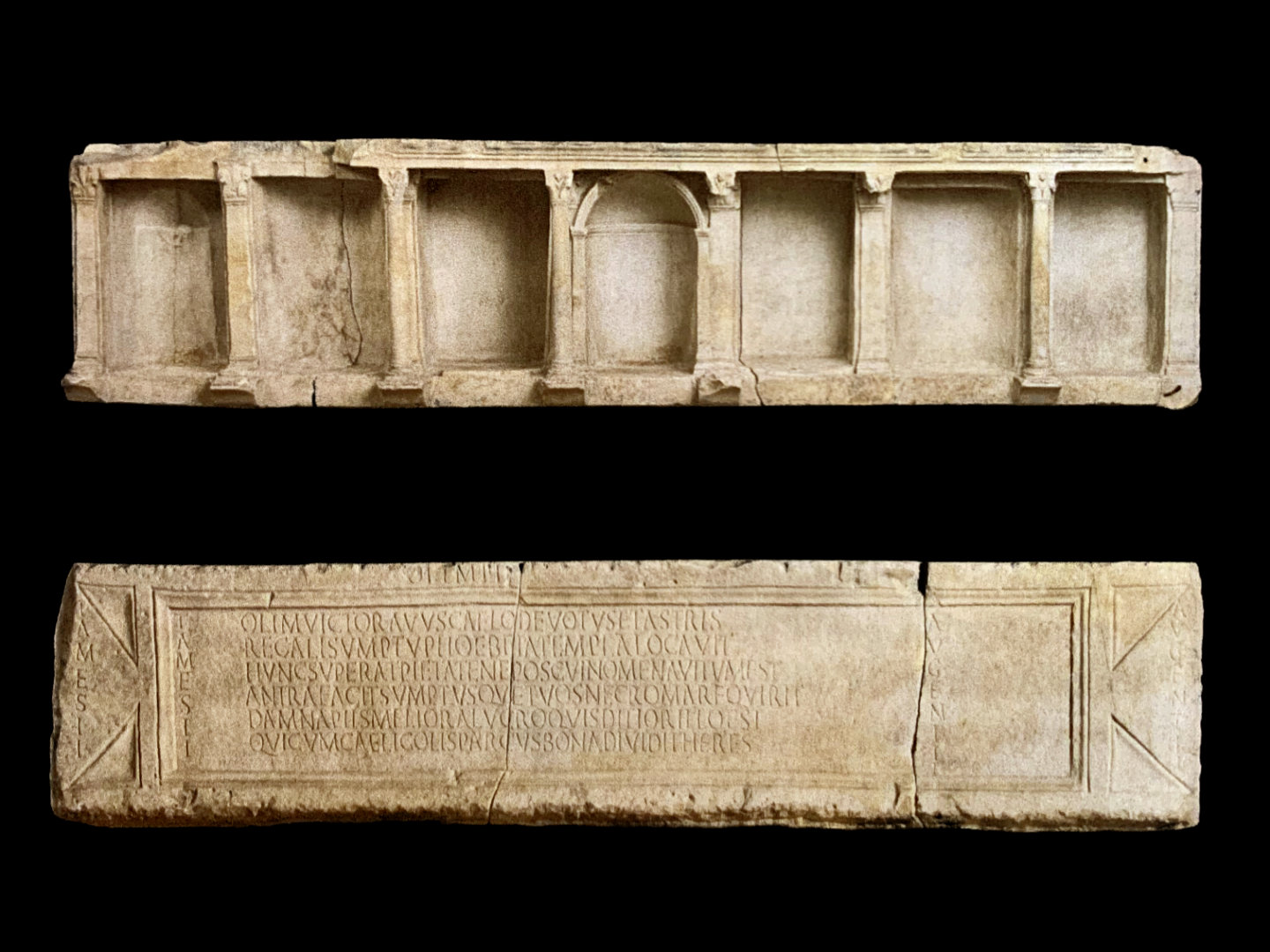
This monument is the only one still available from the disappeared Mithraeum in Piazza S. Silvestro in Capite.
In these passages from his hymns and satires, Julian articulates a solar theology in which Helios governs cosmic order and time. Within this framework, Mithras appears as a personal divine guide associated with the ascent of souls.
