Your search Catacombe dei Santi Marcellino e Pietro gave 242 results.
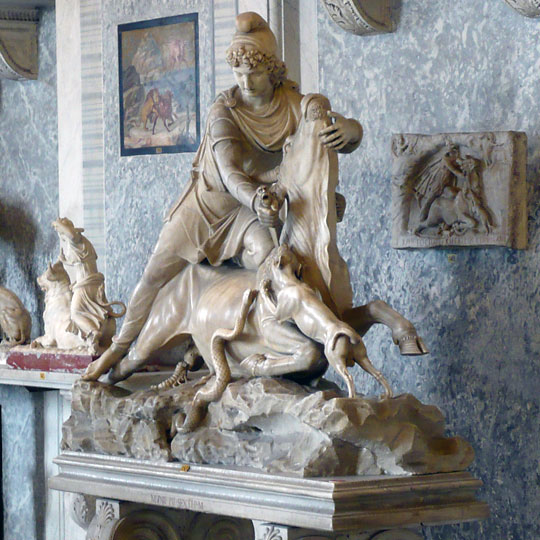
This Mithras killing the bull belonged to the sculptor V. Pancetti before being exhibited in the Vatican Museums under Pius VI.

This inscription found in the Mithraeum of the Seven Spheres mentions the Pater Marco Aemiliio Epaphrodito known from other monuments in Ostia.
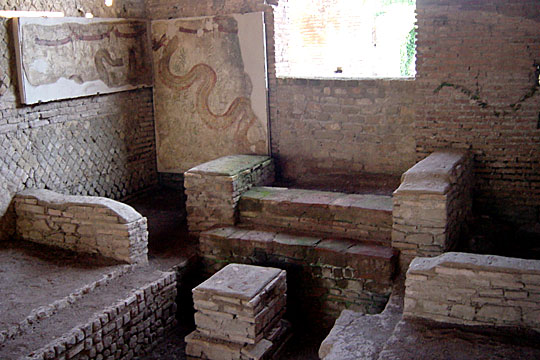
The Mithraeum of the Snakes preserves paintings of serpents, representing Genius Loci, part of an older private sanctuary, which were respected in the temple of Mithras.
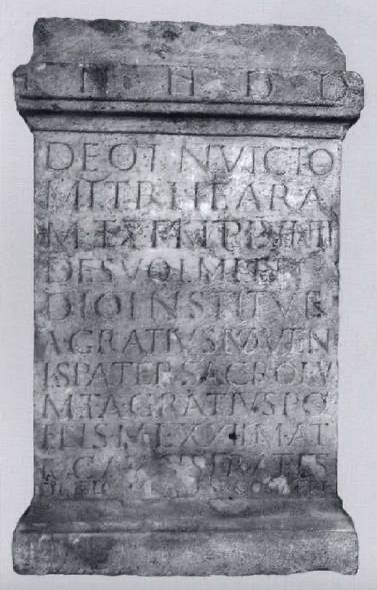
The monument was dedicated by two brothers, one of them being the Pater of his community.
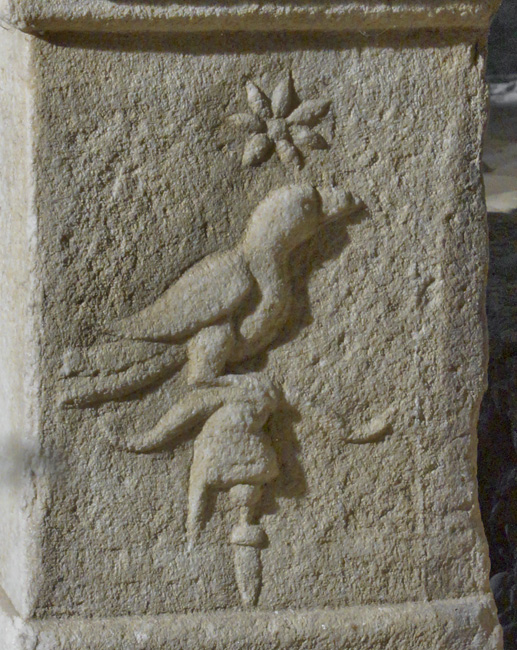
This altar from Ptuj, present-day Poetovio, is decorated with various Mithraic animals such as a tortoise, a cock and a crow and other objects.
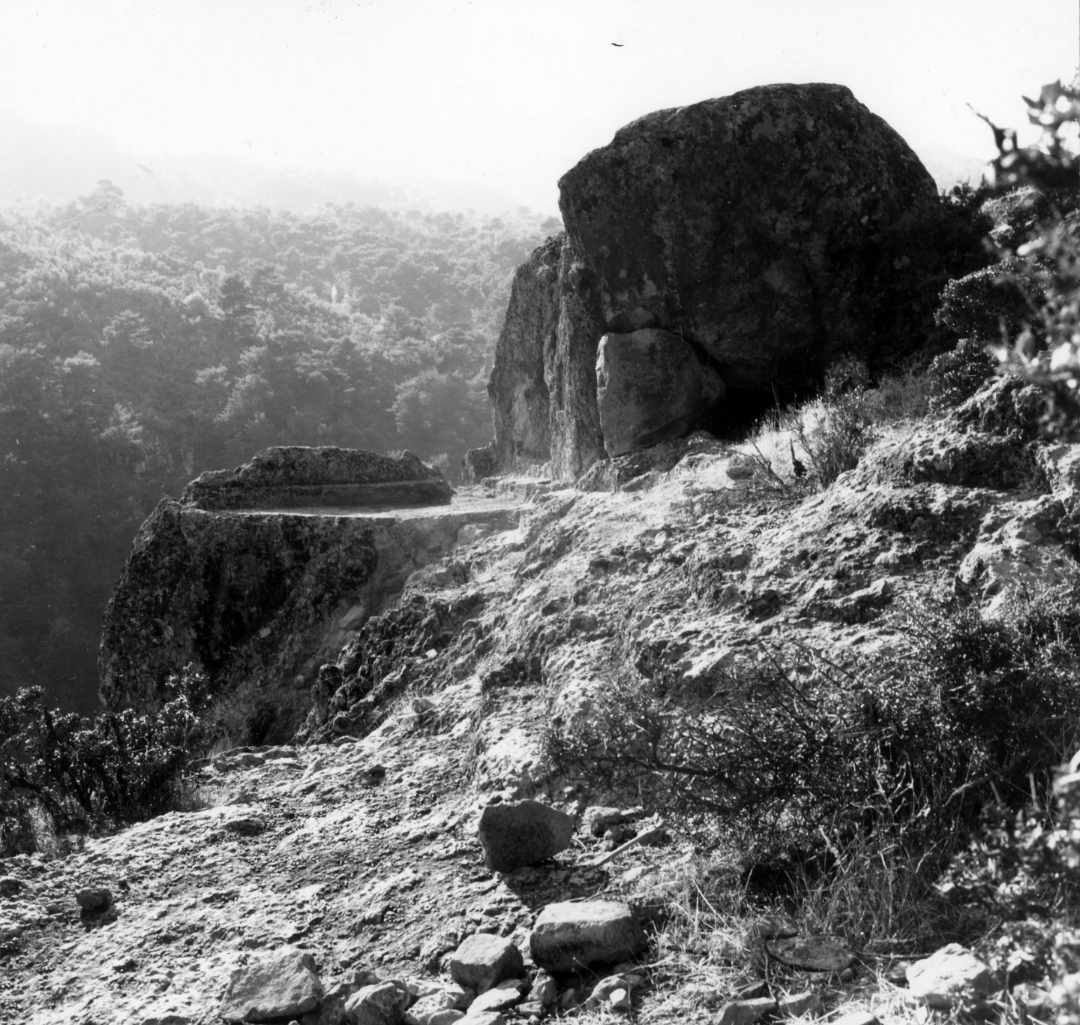
Mithras became the main deity worshipped in the sanctuary of Meter in Kapikaya, Turkey, in Roman times, at least until the fourth century.
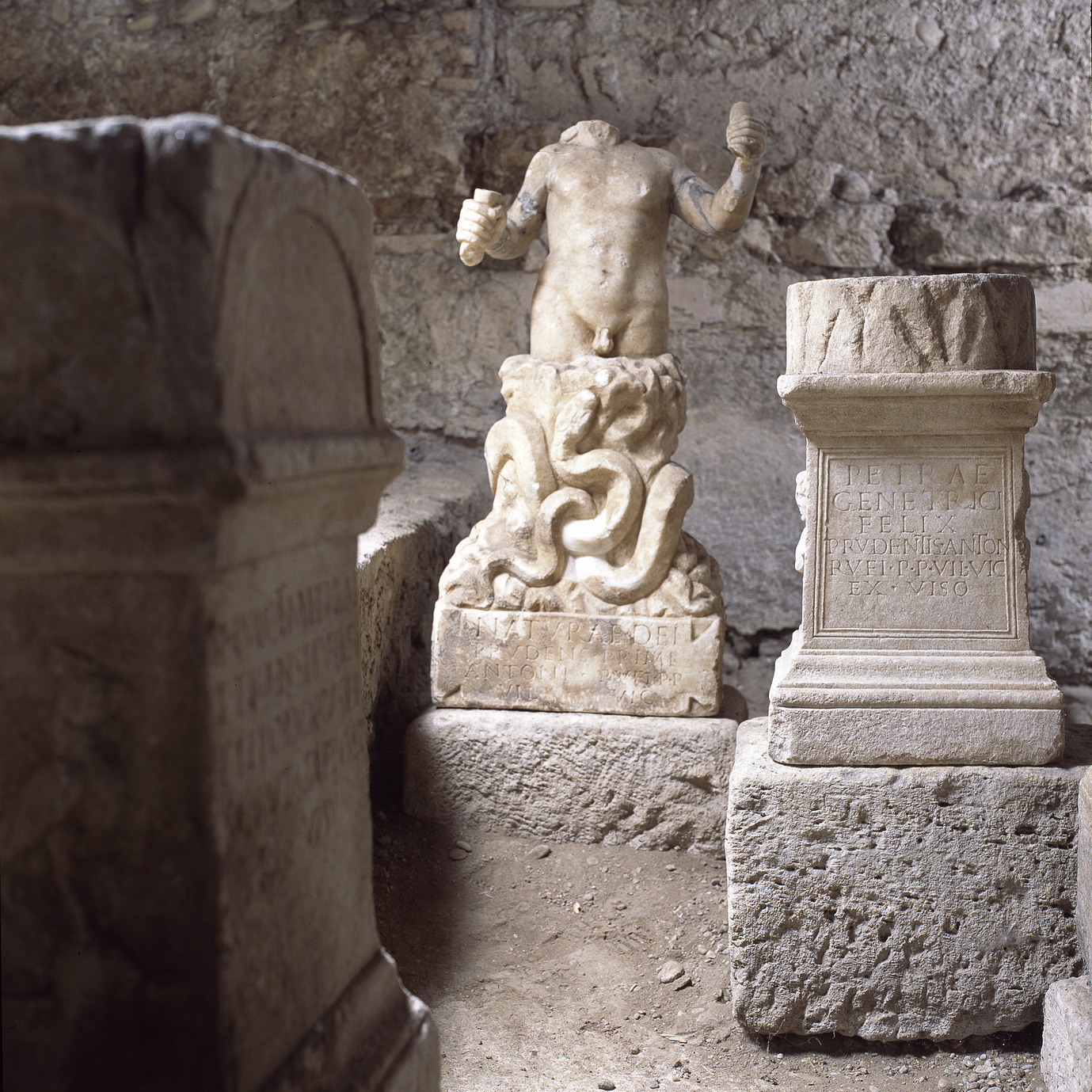
The sculpture includes a serpent climbing the rock from which Mithras is born.
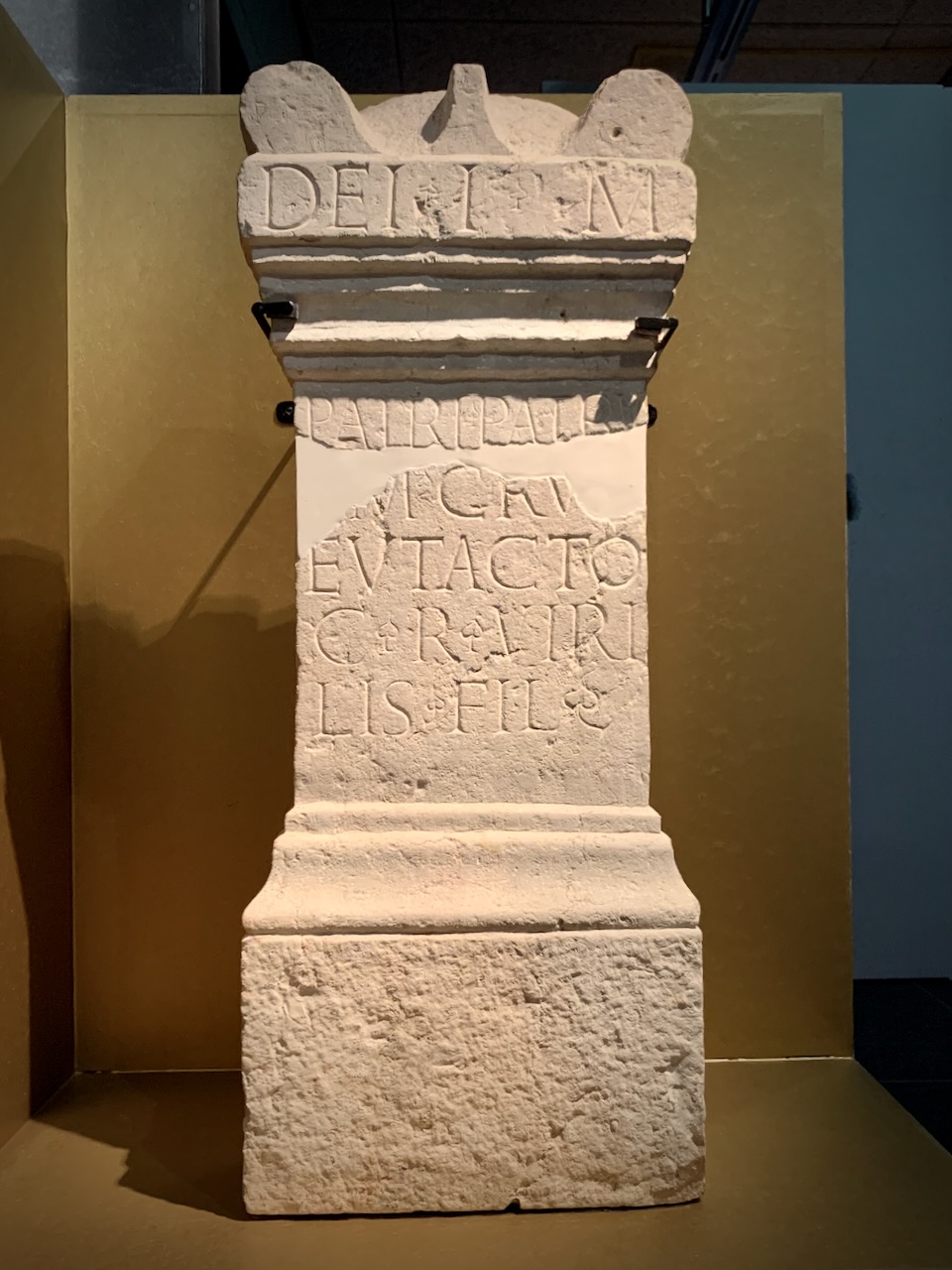
This altar was dedicated by a son to his father, one of the few Patres Patrum recorded in the western provinces.
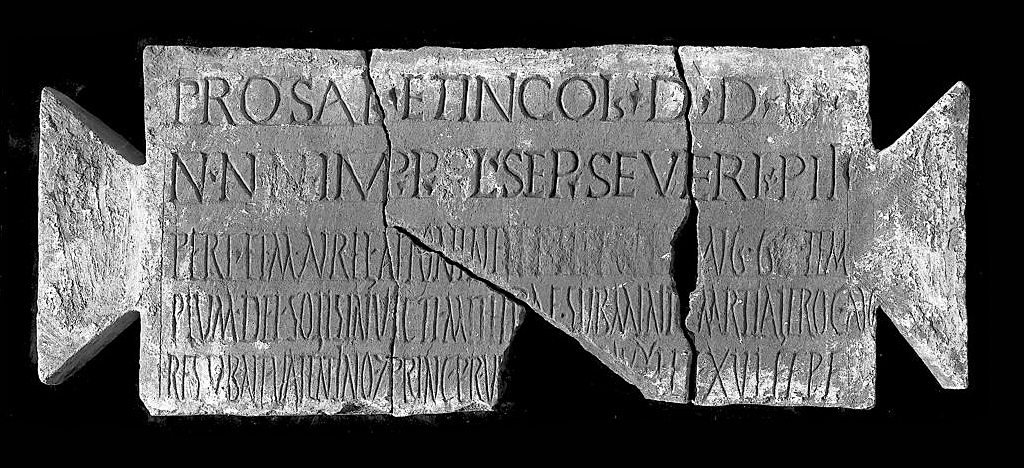
Antonius Valentinus, centurio, made this plaque for the salut des empereurs Septimus Severus and Marcus Aurelius.
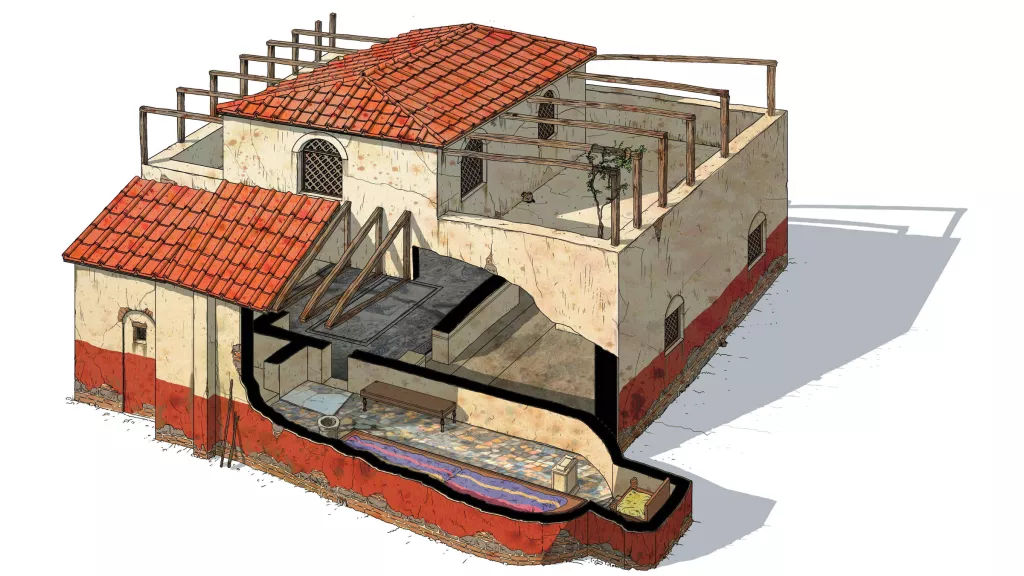
The Mitreo dei Marmi Colorati takes its name after the discovery of a black-and-white mosaic of Pan fighting with Eros.
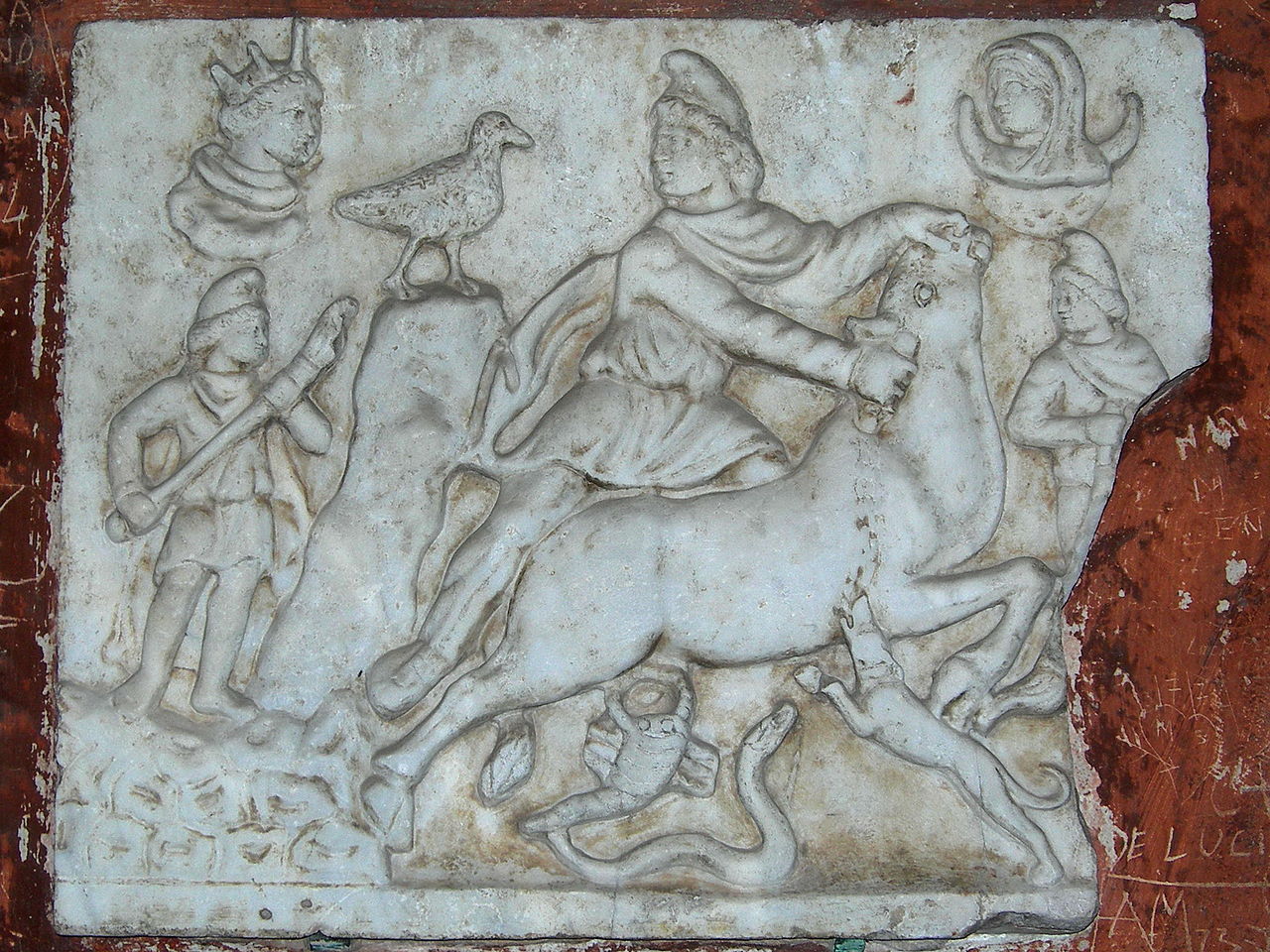
This white marble relief of Mithas killing the sacred bull was found embedded in the building of a noble family in Pisa.
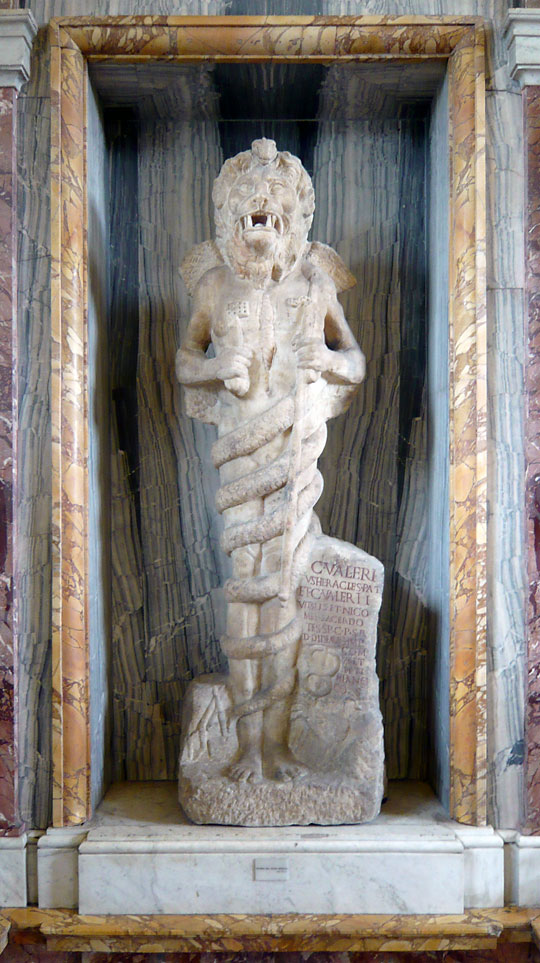
Marble leontocephalic Aion/Arimanus from the now-lost Fagan Mithraeum at Ostia, dedicated in AD 190 by three members of the local Mithraic priesthood.
Marble relief fragments from the cult niche of the Mitreo della Planta Pedis at Ostia, preserving the bust of Sol in radiate crown, the raven's tail, the bust of Luna in crescent, and parts of the rocky border.

Slave of a certain Macus Iulius Eunicus, Hermes dedicated a monument to Silvanus found in the Mitreo della Planta Pedis.

Senior Mithraic priest of Ostia whose inscriptions preserve rare and unique epithets of Mithras, including Incorruptus Juvenis and Indeprehensibilis.


A Mithraic pater at Ostia associated with the dedication of an image of Arimanius in the Casa di Diana mithraeum.

Syndexios in Ostia, his name Marsus suggests that he was a snake-charmer.
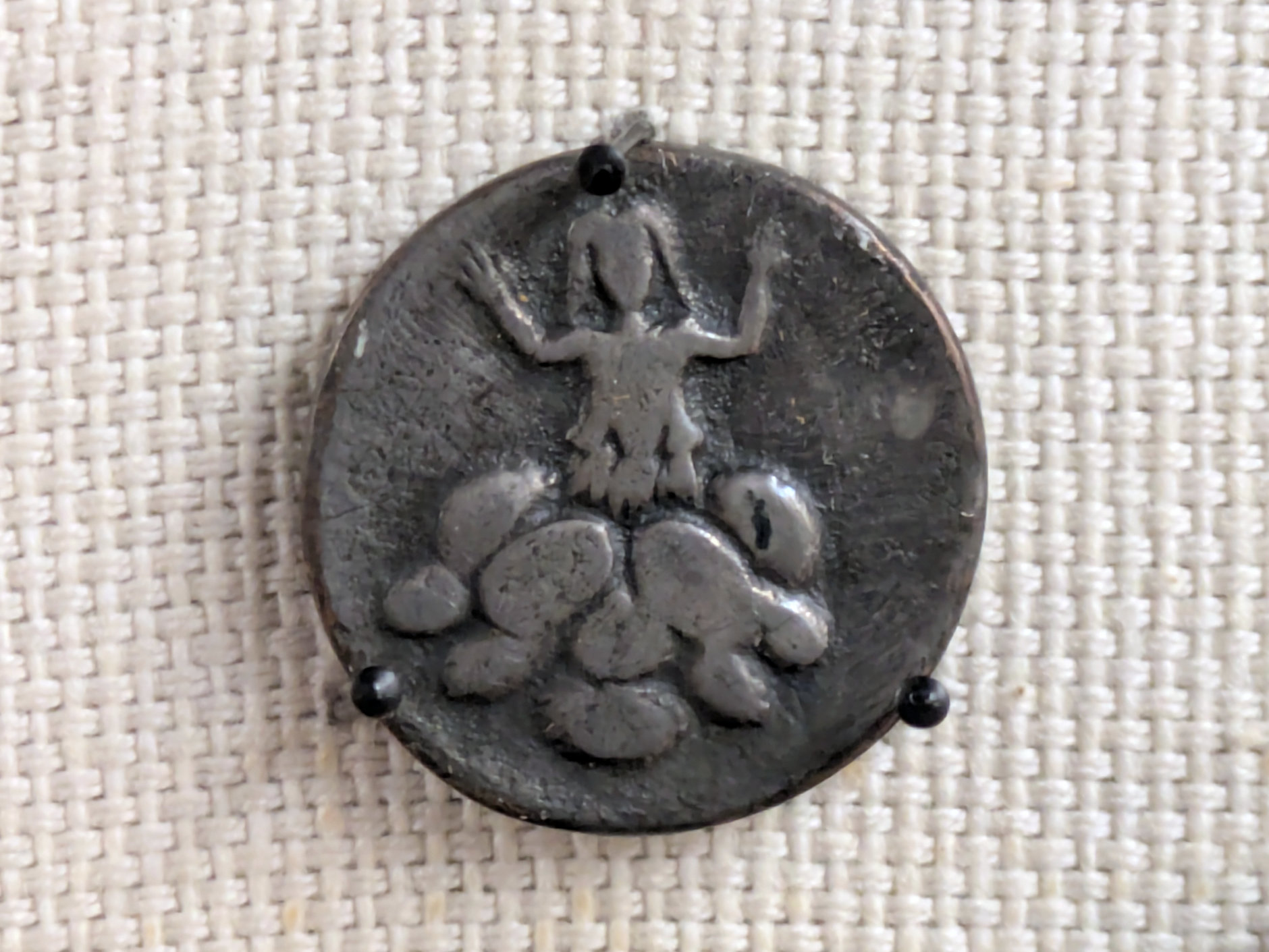
The mithraic denarius of St. Albans dates from the 2nd century.
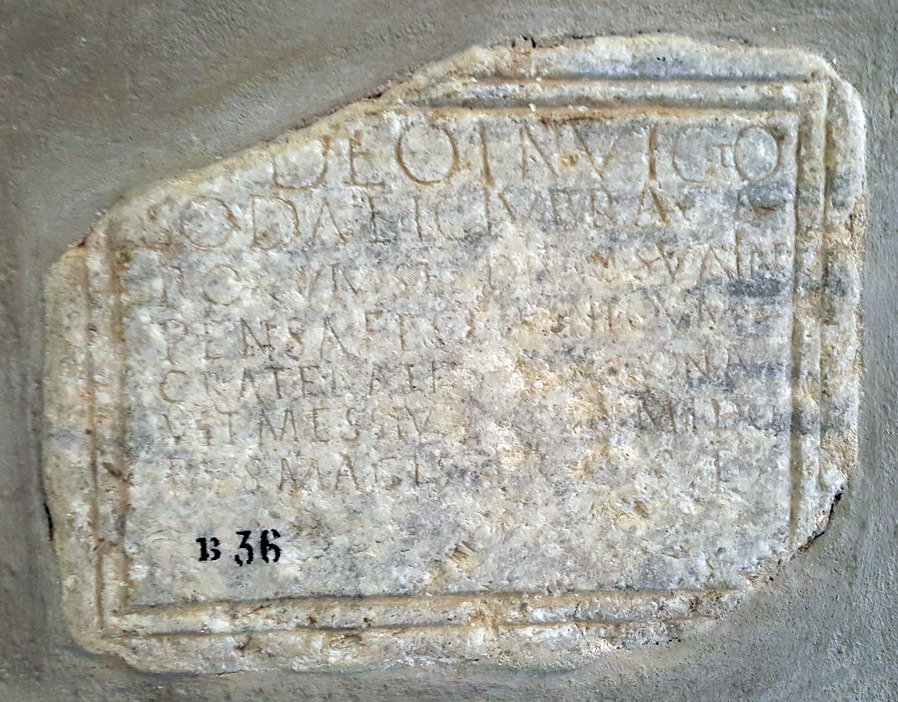
Marble inscription recording the construction of a Mithraic meeting place and the donation of a crater by Titus Flavius Artemidorus.
