Your search Cerro de San Albín gave 1005 results.

Ritual vessels and iron objects from the Mithraeum at Procolitia (modern Carrawburgh), including containers for votive offerings, cups, cooking-pots, platters, mortaria and jars, and iron implements comprising an altar-shovel, thatch-hook, mounting and candlestick…
An inscription found in the church of San Felice at Aquileia, recording a vow fulfilled to Sol Deus Invictus by Feronius Censor, with a head of Sol carved between the first two words.
A fragmentary epistyle from Aquileia preserving part of the inscription [Deo In]victo [Mi]th[rae], indicating the presence of a Mithraic sanctuary in the city.
An inscription copied at San Marco's in Venice in 1829, recording a dedication by Q. Baienus Proculus, pater nomimus, to Sol.
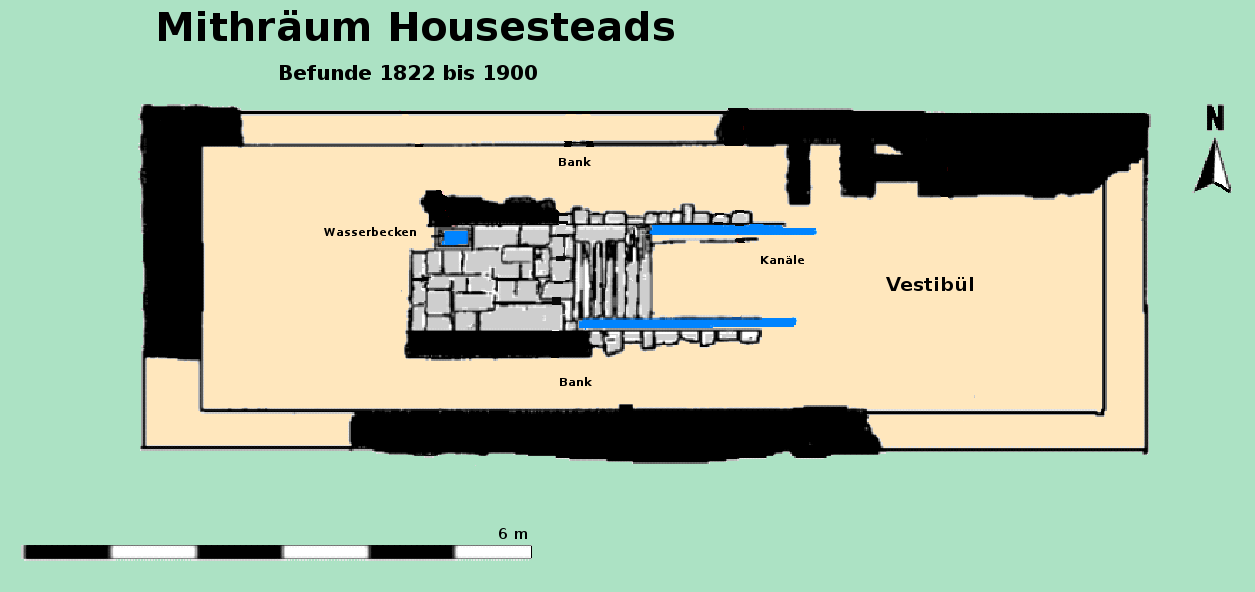
The Housesteads Mithraeum is an underground temple, now burried, discovered in 1822 in a slope of the Chapel Hill, outside of the Roman Fort at the Hadrian's Wall.

The last pagan emperor of Rome, closely associated with Mithras and Neoplatonic interpretations of the Sun God.
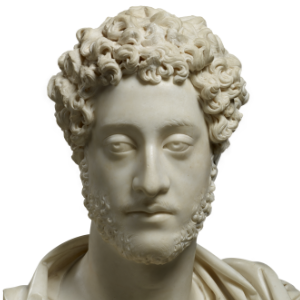
Roman emperor traditionally regarded as the first ruler initiated into the Mysteries of Mithras.
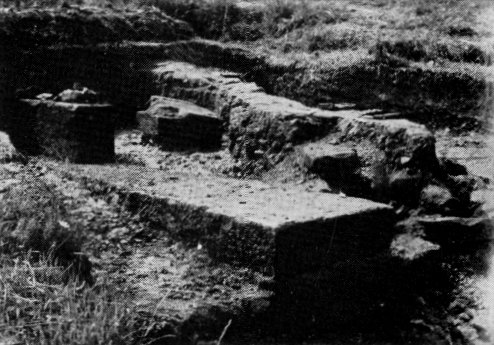
The Mackwiller Mithraeum was built in the middle of the 2nd century, during the reign of Antoninus the Pious, on the site of a spring already worshipped by the natives.
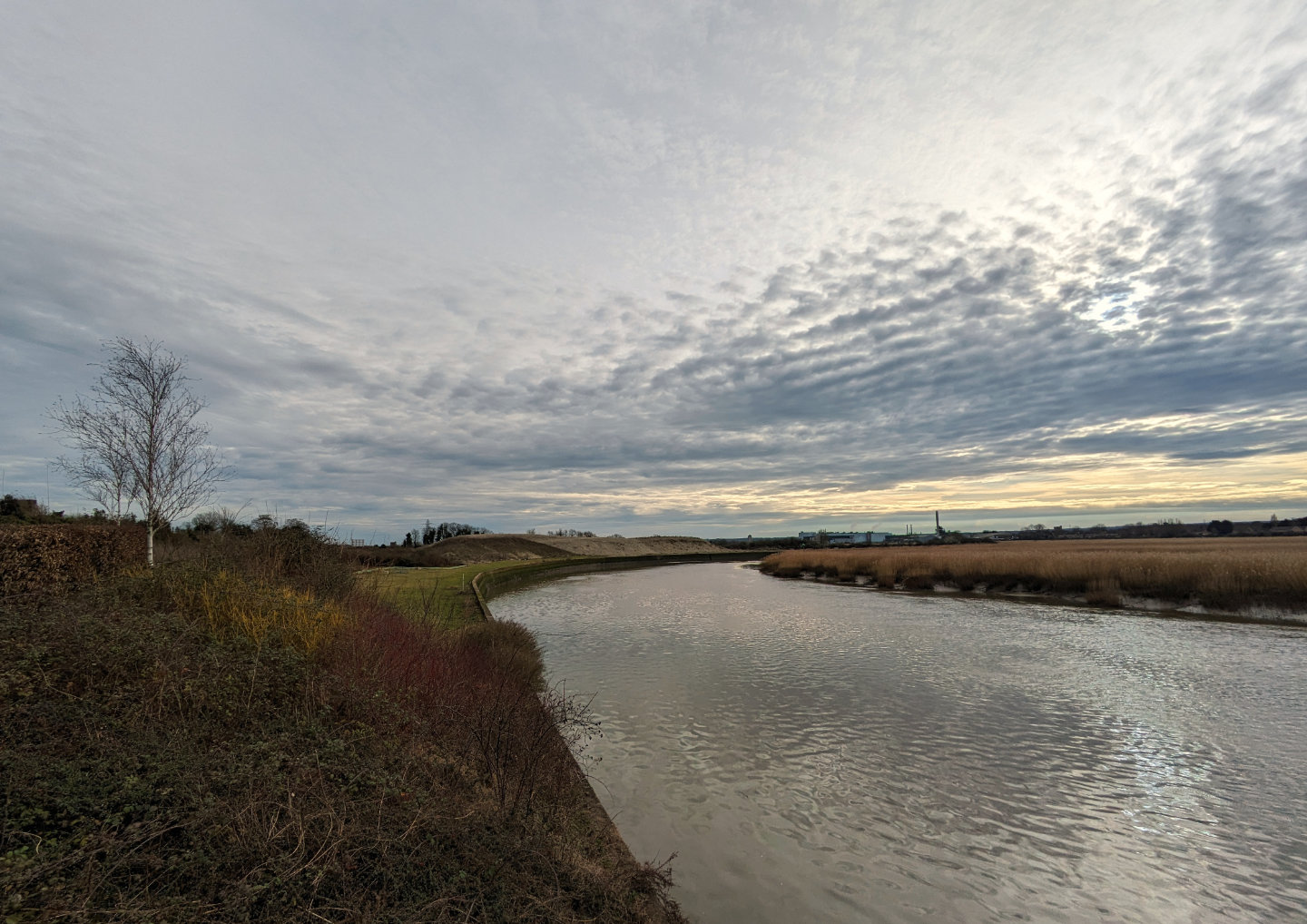
To date, there is no evidence that the so-called Mithraeum of Burham was ever used to worship the sun god.
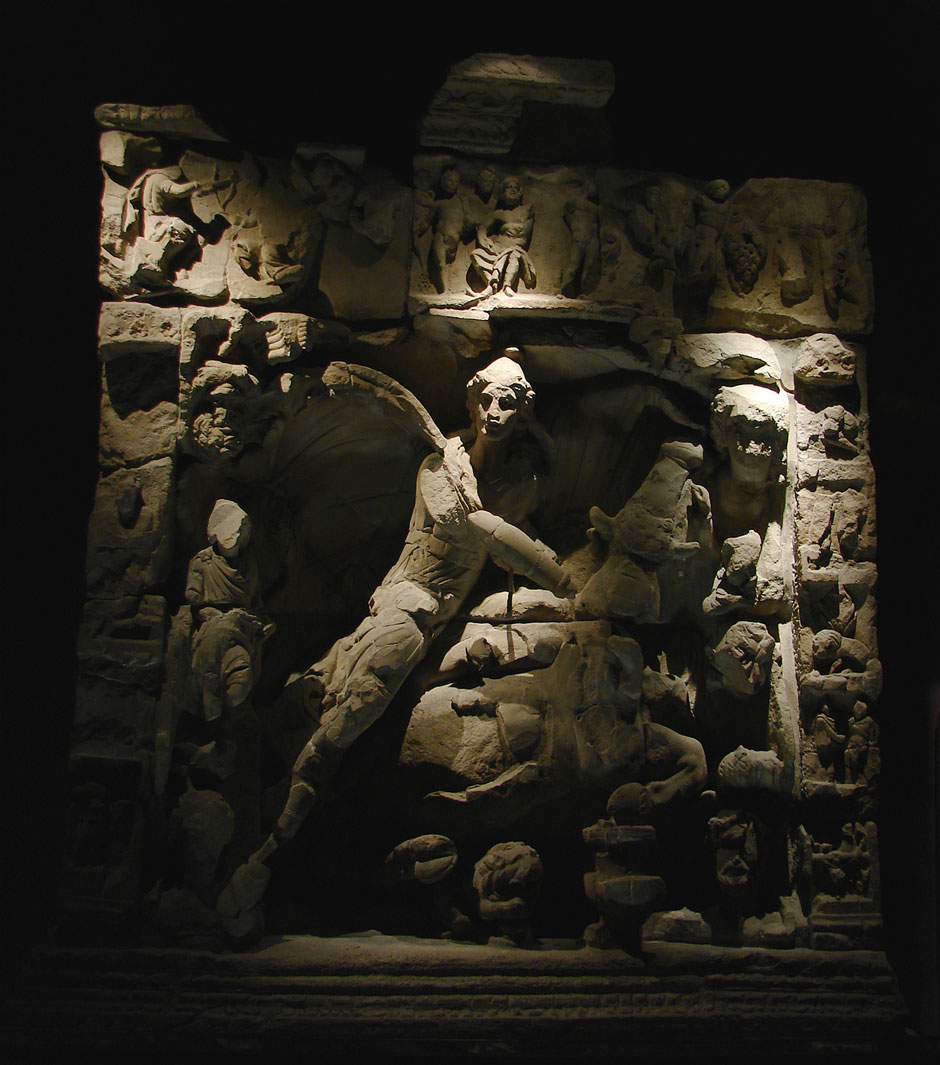
The Tauroctony of Saarbourg (Sarrebourg, ancient Pons Sarravi), France, contains most of Mithras deeds known in a single relief.
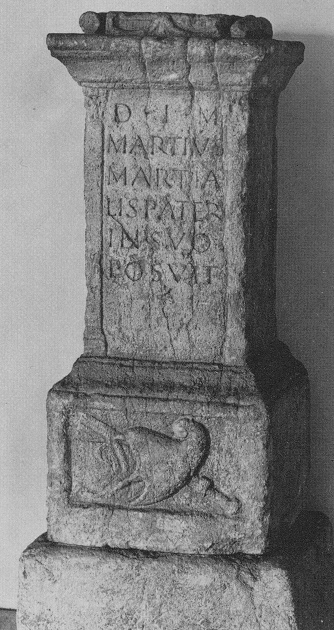
The altar with a Phrygian cap and a dagger from Trier was erected by a Pater called Martius Martialis.
A marble slab reused as a tombstone in Comodilla's catacombs near the Via Ostiense in Rome, originally inscribed by Titus Flavius Eutychus as a gift to the Invincible and Holy god.
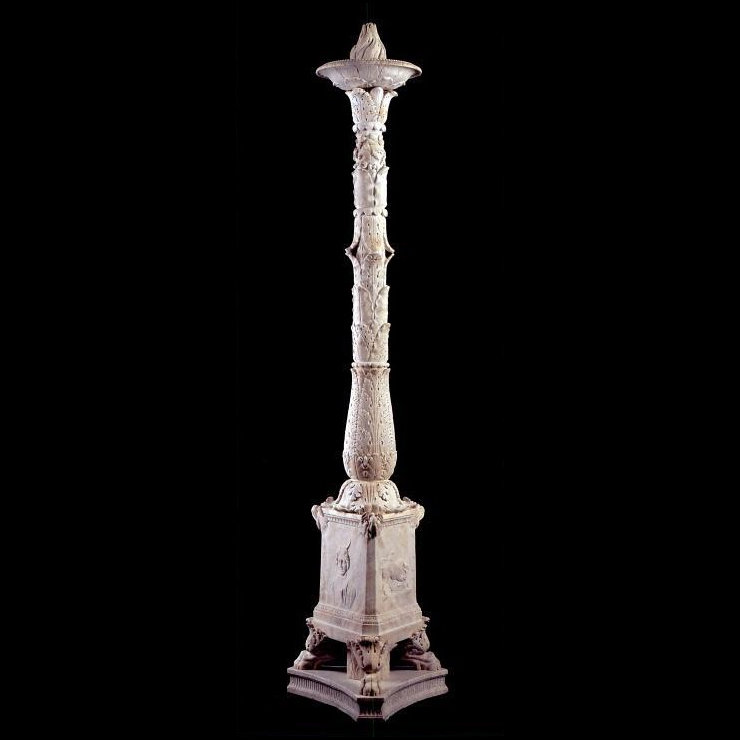
This magnificent candelabrum was found in Rome in 1803, in the Syrian Temple of Janicule.
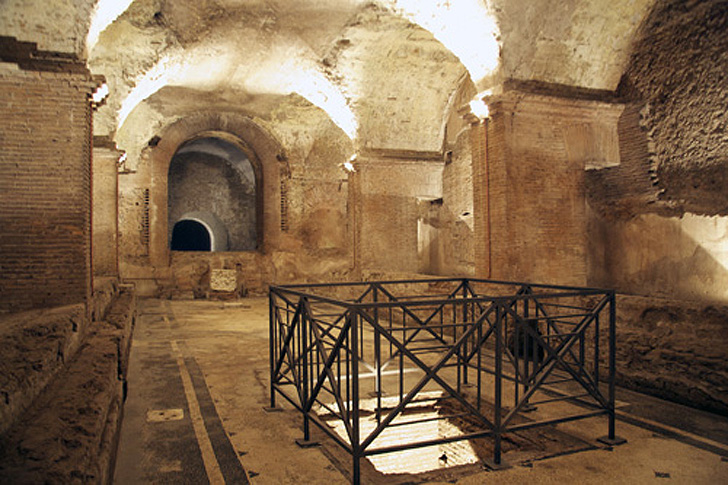
The Mitreo delle terme di Caracalla is one of the largest temples dedicated to Mithras ever found in Rome.

This remarkable Greek marble relief of Mithras killing the bull was discovered in 1705 and remained in private collections until it was bought by the Louvre.
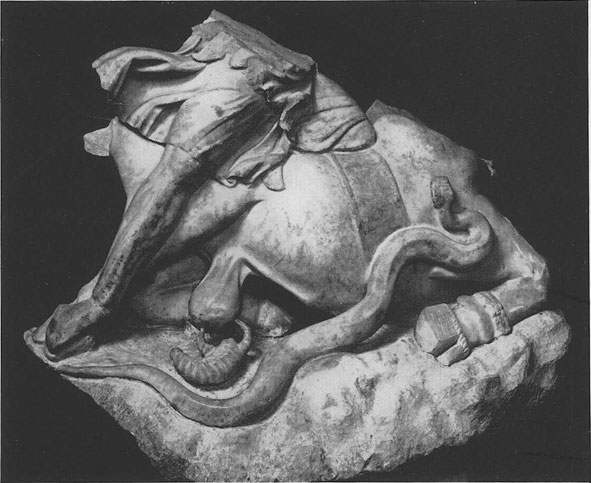
Partial marble statue of Mithras as a bullkiller found near Viale Latino, about 200 meters from Porta San Giovanni.
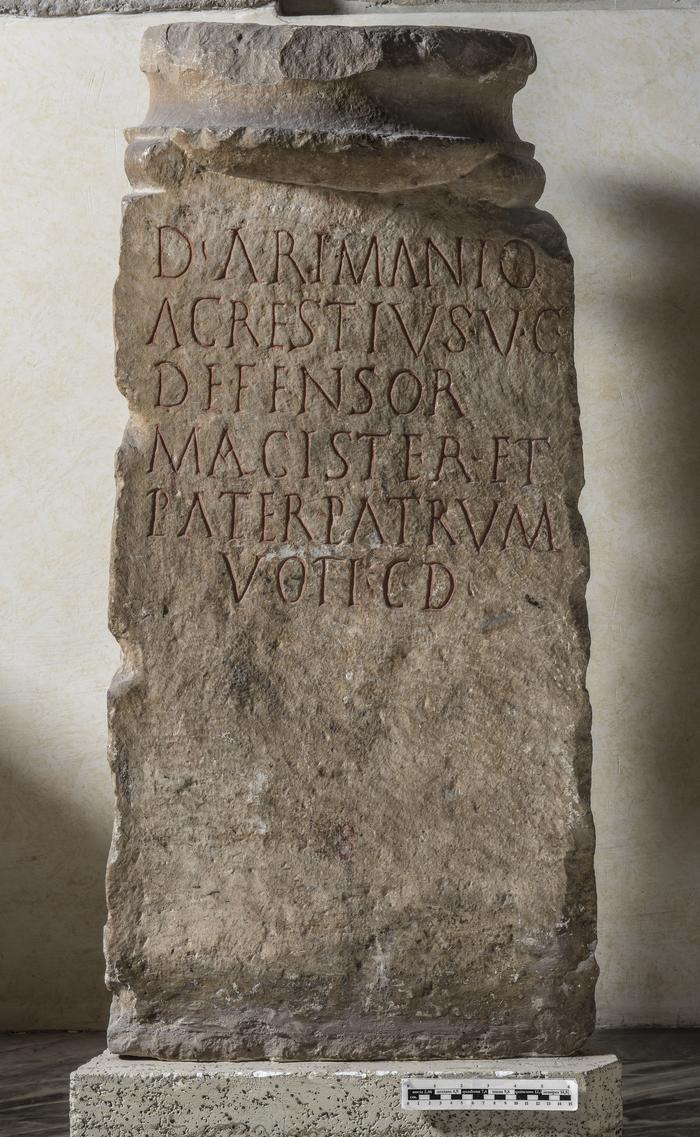
This altar mentioning the god Arimanius was found in 1655 at Porta San Giovanni, on the Esquilino.
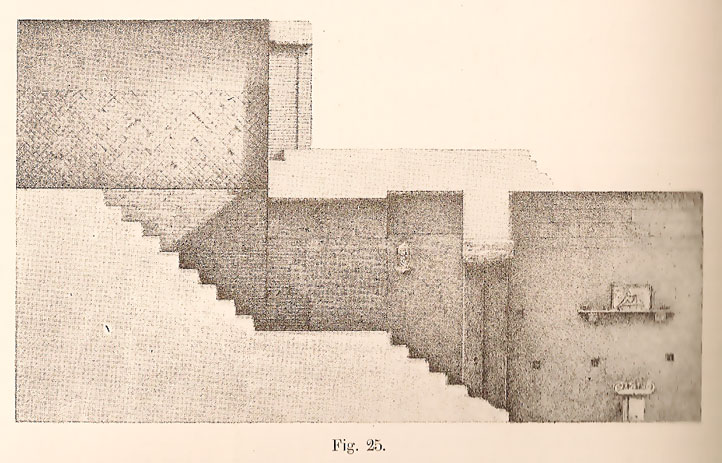
In a house from the time of Constantine, a Lararium was found with a statue of Isis-Fortuna. The Mithraeum was a door next to it, on a lower room.
Fragment of a bull-killing relief showing Mithras, the torchbearer Cautes with upraised torch, and the bust of Luna, found at Labicum in the ruins of a Roman villa.
Small Mithras relief found in the upper layer of the tophet at Carthage by Cintas in 1949.
